 Nithyam Nachappa
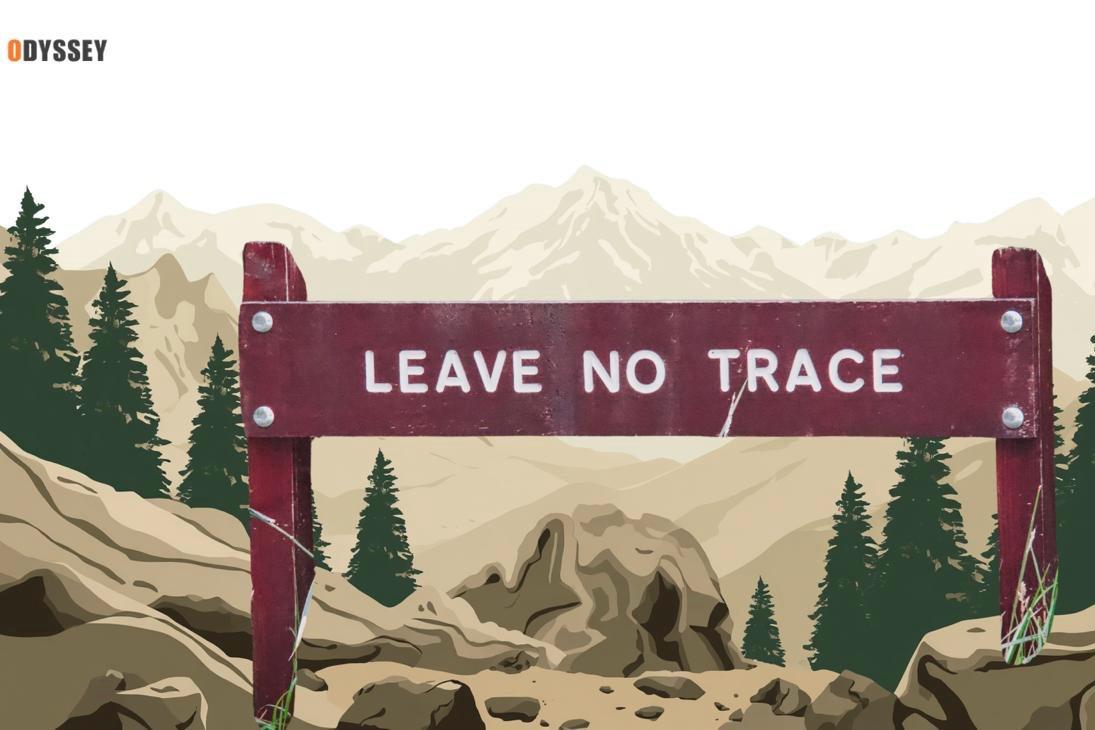

Leave No Trace in the Indian Himalayas
If you spend time hiking in the Himalayas, you’ll notice that the phrase Leave No Trace is still uncommon in the Indian trekking context.
Yet, it’s one of the most important practices we can adopt.
At its core, Leave No Trace (LNT) is simple:
Enjoy the mountains while protecting them, so that everyone who comes after you experiences them in their purest form.
The Indian Himalayas see a growing number of visitors every year, even remote trails can witness over a lakh trekkers in a season. While many organizations are making efforts toward sustainability, the real shift happens when individuals understand how to move responsibly in the outdoors.
Because in the end, the mountains are shaped not just by system, but by behaviour.
At Odyssey, we follow Leave No Trace closely, and anyone trekking with us is expected to respect these principles. Not as rules, but as a way of being in the mountains.
The 7 Principles: In the Indian Himalayan Context
1. Plan Ahead and Prepare
Know the terrain, weather, and your needs. Simple practices like repacking food into reusable ziplocks reduce waste on the trail.

2. Travel and Camp on Durable Surfaces
Camp where impact is minimal, rocky ground or already-used campsites. Avoid fresh grasslands that take years to recover.
3. Dispose of Waste Properly
Carry everything back. Even small things like fruit peels.
Use a cat hole (6-8 inches deep) for toilet needs and ensure it is done at least 200 feet away from water sources. The same applies to washing utensils, 200 feet away from streams.

4. Leave What You Find
Do not pluck flowers, move rocks or cairns, or alter the landscape.
The goal is simple, when you leave, it should feel like no one was there.
5. Minimize Campfire Impact
Campfires are sometimes necessary in cold environments and to keep animals away, but they must be controlled. Learn how to build and extinguish them properly, leaving no scars behind.

6. Respect Wildlife
Observe from a distance. Do not feed or disturb animals and birds. You are stepping into their home.
7. Be Considerate of Others
Respect different paces, spaces, and experiences. The mountains are shared, with people and with nature.
Why Backpacking Matters
Backpacking is one of the purest ways to follow Leave No Trace.
Because you:
- Carry your own load
- Avoid dependency on mules
- Camp consciously
- Take only what you need
In many organized treks, systems and logistics often go against these principles. But backpacking naturally aligns with them, making it one of the most responsible ways to experience the Himalayas.
When you are trekking, backpacking, remember:
You’re not just passing through the mountains.
You’re shaping the experience for everyone who comes after you.
