

The Sandakphu Cultural Trek is a journey unlike most Himalayan treks. It’s not just about reaching a summit. It’s about walking through layers of culture, community and wilderness along the India–Nepal border, from forest villages and river confluences to a high ridge with views of Everest.
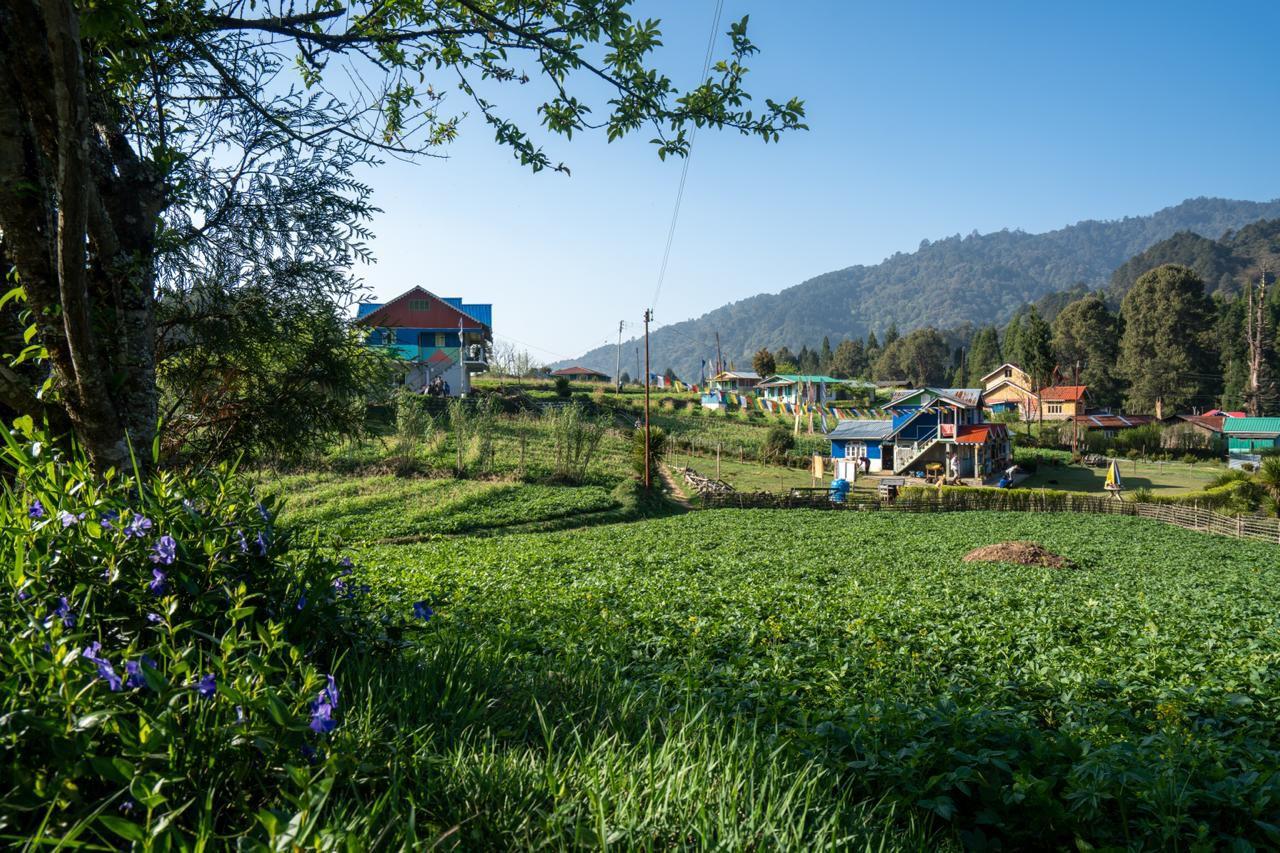
The journey begins with a drive to Sepi, where you spend your first night with a local family at their homestay, sharing a traditional dinner. The next morning, you walk to Ramam, stopping at its monastery, before continuing through oak, chestnut and pine forest to Samanden, “the golden plate”, a hidden forest clearing untouched by commercial tourism. Here, families open their homes to you. You work alongside them in the fields, pick greens from their farms, cook with them over wood-fired stoves, and begin to understand the roots of Himalayan hospitality. A slower day follows, with a walk to Gorkhey, a picture-book village where two rivers meet.
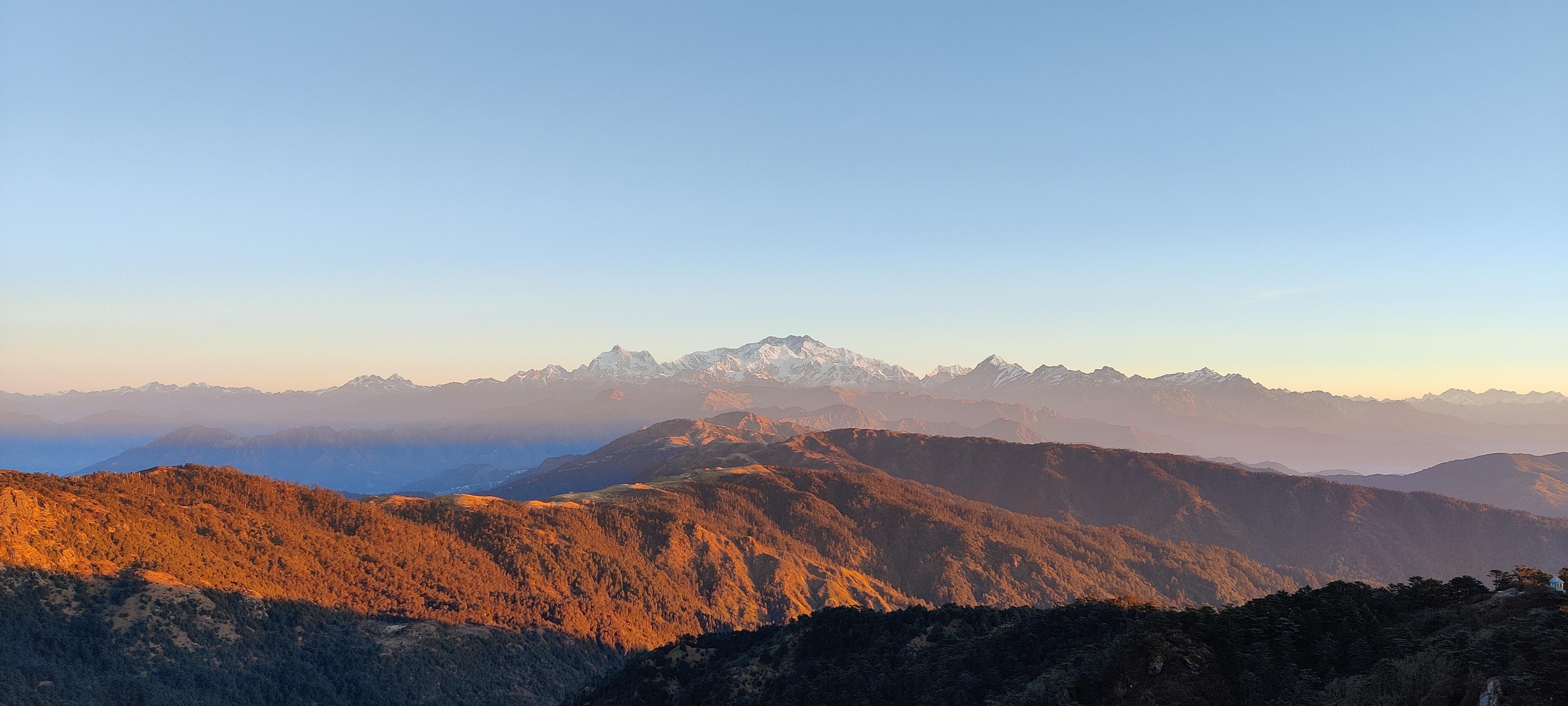
From Samanden, the trail climbs through rhododendron, bamboo and fir to Sabargram, and then along the Singalila Ridge to Sandakphu. At 11,930 ft, it reveals one of the great panoramas of the Himalayas: Everest, Lhotse and Makalu, and the entire Kanchenjunga range, known locally as the Sleeping Buddha. In winter, the skies are often at their clearest.
The descent takes you through bamboo forest to the tiny hamlet of Gurdum for a final night in a village home, before you walk back down to Sepi and cross the Srikhola bridge to close the loop.
What makes this trek special is that you don’t just pass through; you take part. The time you spend in people’s homes, at their tables and in their kitchens is as much the experience as the mountains themselves.
This trek is for those who want to go beyond the beaten path, engage deeply with mountain life, and carry home not just memories of landscapes, but of people, culture and belonging.
The trail climbs to Molley, and Sandakphu is where your cultural journey meets Himalayan grandeur. At 11,930 ft, Sandakphu reveals a once-in-a-lifetime panorama of the Everest cluster (Everest, Lhotse, Makalu) and the entire Kanchenjunga range, known locally as the Sleeping Buddha.
What makes this trek special is its immersive approach. You don’t just pass through; you participate. From tea-making sessions to farming walks, from spiritual rituals to evening folk stories, the experience blends trekking with tradition.
This trek is for those who want to go beyond the beaten path, engage deeply with mountain life, and carry home not just memories of landscapes, but of people, culture, and belonging.
Day 1
Drive to Sepi Village
Drive Distance - 65 km
Time Taken - 4 hours
Elevation Profile - 412 ft to 6,200 ft
Pickup Locations - Bagdogra Airport, New Jalpaiguri Junction, Darjeeling More at 12:00 PM.
The Pick up time from Bagdogra Airport, New Jalpaiguri Junction will be around 12 PM in the afternoon of Day 1. The Drive to Sepi is approximately 5 Hours long and it passes through lush green tea gardens of Darjeeling. You'll also get a glimpse of the Kanchenjungha Massif during the journey.
Day 2
Trek from Sepi to Samanden
Trek Distance: ~14 km
Time Taken: 7–8 hours
Elevation Profile: 6,400 ft to 7,760 ft
The trail today ascends gently through lush forests of oak, chestnut, and pine. You will cross a few wooden bridges, walk beside mountain streams, and spot birds like the Himalayan bulbul and barbet. As you climb higher, the forest opens into a wide clearing, and you'll reach Samanden! A beautiful farming village surrounded by forest. Spend the evening with your homestay hosts Rupesh Daju and their family, learn about their architecture and way of life, and help them prepare traditional thukpa or kinema (fermented soybean curry).
Day 3
Explore Gorkhey and return to Samanden
Trek Distance – 5 km round trip
Time Taken – 2.5 to 3 hours
Elevation Profile – 7,200 ft
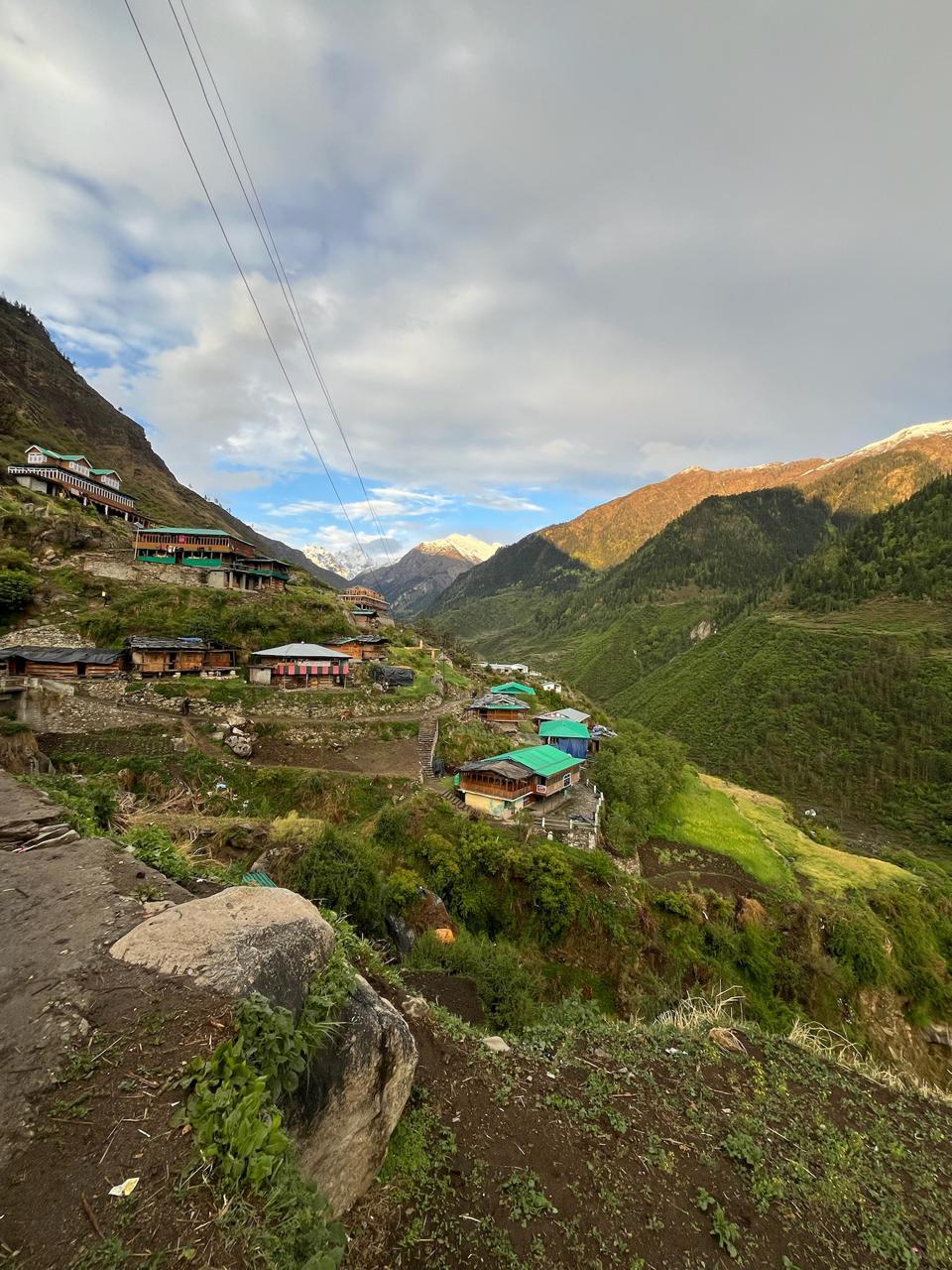
A relaxed day of cultural immersion. Walk through shaded trails to Gorkhey, a picture-book village nestled at the confluence of two rivers. Interact with locals over tea and explore their unique stone-and-wood homes. Learn how they divert river water for terraced farming. Return to Samanden in the evening and spend the rest of the day helping in vegetable gardens or making local pickles. Evening folk songs around a fire are a highlight.
Day 4
Trek from Samanden to Sabargram
Trek Distance: ~12 km
Time Taken: ~7 hours
Elevation Profile: 7,760 ft to 11,450 ft
This scenic forest trek winds through rhododendron, bamboo, and fir trees. The trail meanders through old yak grazing grounds and remote forested sections, offering occasional glimpses of distant ridgelines. The silence is pristine. You’ll learn about Himalayan flora and how locals use herbs for medicine. Your support team will serve a hot dinner under a canopy of stars.
Day 5
Trek from Sabargram to Sandakphu
Trek Distance: ~13.5 km
Time Taken: ~7 hours
Elevation Profile: 11,450 ft to 11,930 ft
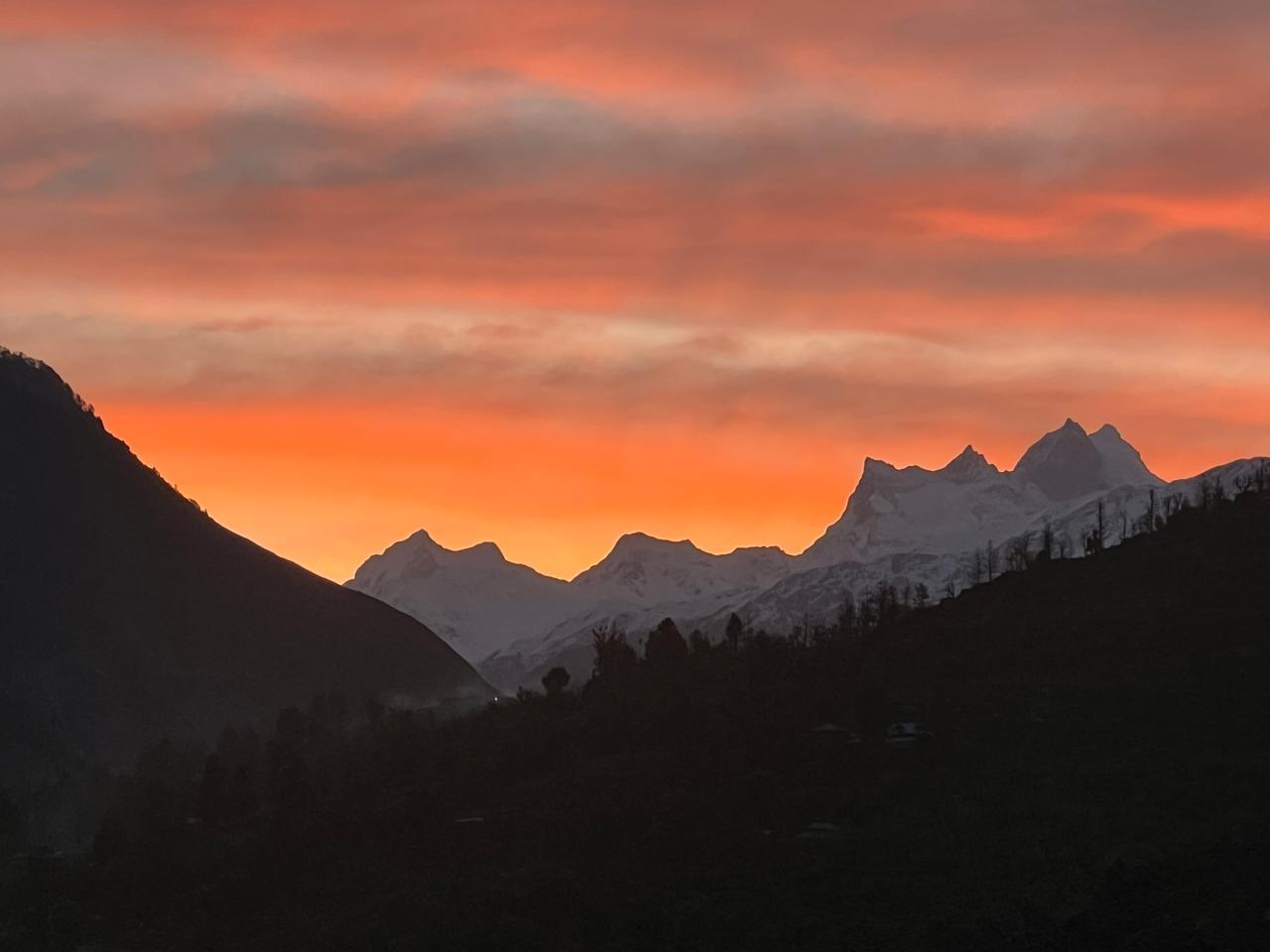
One of the most visually rewarding and longest days. The trek takes you along the Singalila Ridge, the Indo-Nepal border — with wide views on either side. On a clear day, spot the mighty Everest, Lhotse, Makalu, and the majestic Kanchenjunga range in one sweep. Arrive at Sandakphu, West Bengal's highest point. Check into your tea house and watch the peaks turn pink and gold at sunset. Over dinner, hear stories of porters who’ve walked this trail for generations.
Day 6
Trek from Sandakphu to Gurdum
Trek Distance - 9 km
Time Taken - 6 hours
Elevation Profile - 11,930 ft to 7,395 ft
Today's trek takes you from Sandakphu to the tiny hamlet of Gurdum via magical bamboo forests. The descent today is through a winding trail across the mountain, and you only see signs of human settlements right before Gurdum.
Day 7
Trek from Gurdum to Sepi. Drive to Bagdogra/NJP
Trek Distance : 5 km
Time Taken : 3 to 4 hours
Elevation Profile : 7,395 ft to 6,400 ft
As you lose altitude, the air grows warmer and richer with the scent of earth and leaves. We cross a small cemented bridge over a stream, after which we start seeing tiny houses.
The path opens into Sepi, and we cross Srikhola Bridge to end our trek and conclude the Sandkphu Cultural Experience. After a quick lunch at Lippohochha Homestay, we start our journey towards Bagdogra/NJP.
We reach Bagdogra or Siliguri by around 6 pm. Plan your onward flight or train for Day 8, and book a stay in Bagdogra or Siliguri for the night of Day 7.
Fitness Requirement
The Sandakphu Cultural Trek reaches 11,930 ft in winter, with steady ridge climbs and cold nights at altitude. To enjoy it rather than just get through it, you need a consistent fitness routine leading up to the trek, one that includes:
- Aerobic training: walking, running, cycling or stair climbing
- Strength training: legs and core in particular
- Mobility work: ankles, knees and hips
Never trekked before? Talk to us. We’ll help you build a training structure that gets you ready.
Our expectations from the participants
- Bring proper layers and shoes as per the winter checklist
- Respect local customs and traditions. You’re a guest in people’s homes.
- Ask before photographing people
- Come with the right spirit and an open mind
Inclusion
Exclusion
What makes the Odyssey Sandakphu Cultural Trek stand out from other Himalayan treks?
What can I expect regarding accommodation?
For most of the trip, you'll be hosted in charming local tea houses and lodges, providing warmth, home-cooked food, and a chance to interact with the host families.
The only exception is one memorable night of camping at Molley, a beautiful ridge-top clearing.
What is the difficulty level of this trek?
Daily Walk: Expect to cover an average of 8 km per day.
Elevation: You will manage a daily elevation gain/loss of roughly 1,000–1,500 feet. The slopes are moderately steep and gradual, not technically difficult.
Trekking Hours: Our days are structured to allow for enjoyment, typically starting around 8:00–9:00 a.m. and finishing by 3:00–4:00 p.m.
What fitness preparation is required?
Baseline Fitness: You should be able to comfortably walk or run 15 km on a flat surface as part of your training.
Supportive Training: Adding a mix of strength training and mobility exercises is highly recommended. This will fortify your body for the longer trekking days and ensure your joints are comfortable, especially on the descents.
A Quick Note: While the days are comfortable, be prepared for some places to be extremely cold at night, so warm layering is essential! We will share the packing list and training plan
What is the plan for the descent and drop-off on the final day?
Return Travel (Day 8): Please plan your onward travel for Day 8. We strongly recommend booking your flight or train for Day 8 to avoid any travel stress.
How cold does it get?
Will there be snow?
SELECT DATE TO REGISTER
More Trails To Chase
Thank You!
Your form has been submitted successfully. We'll get back to you soon.
₹ 19,499 + 5% GST
