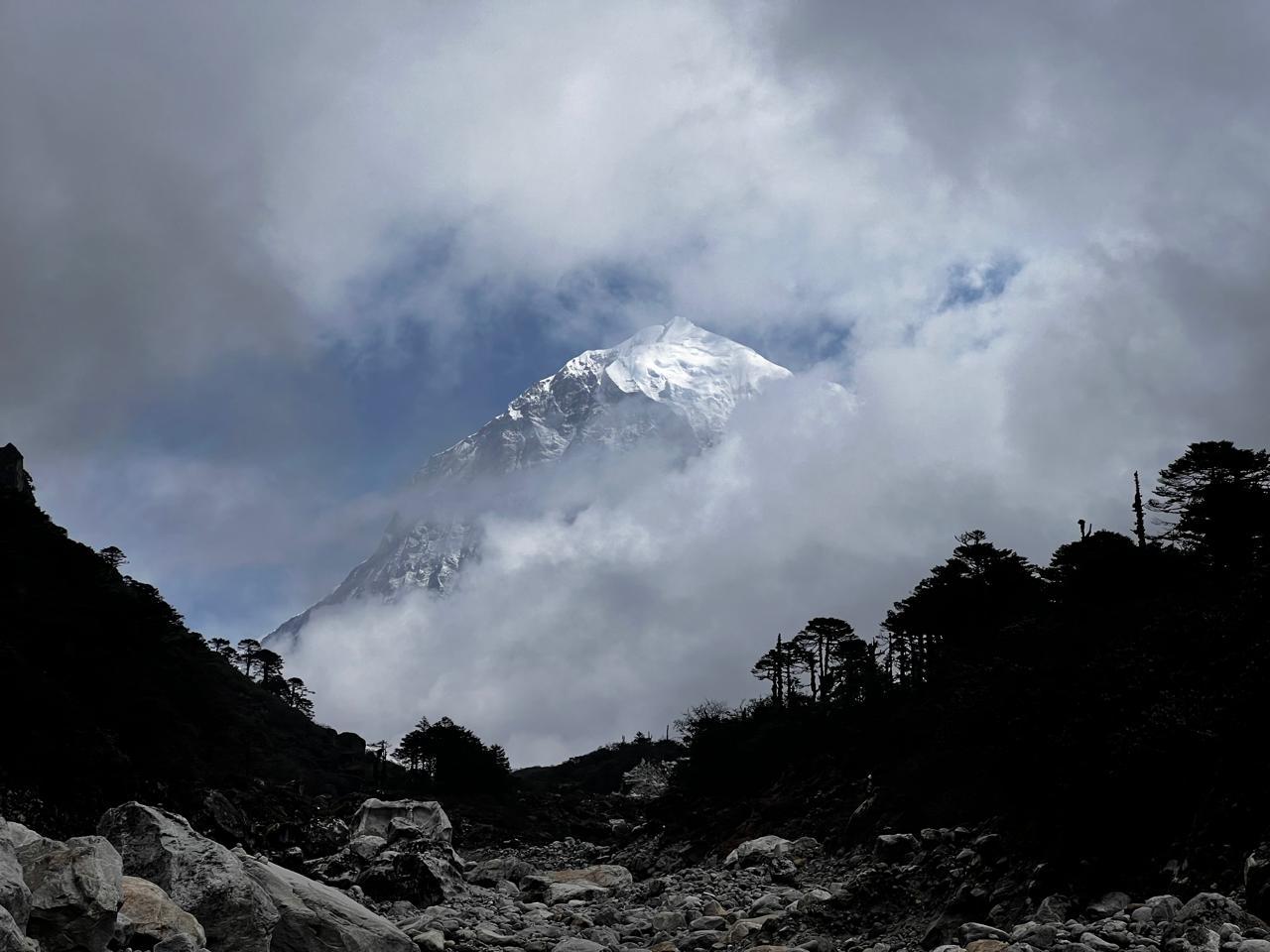
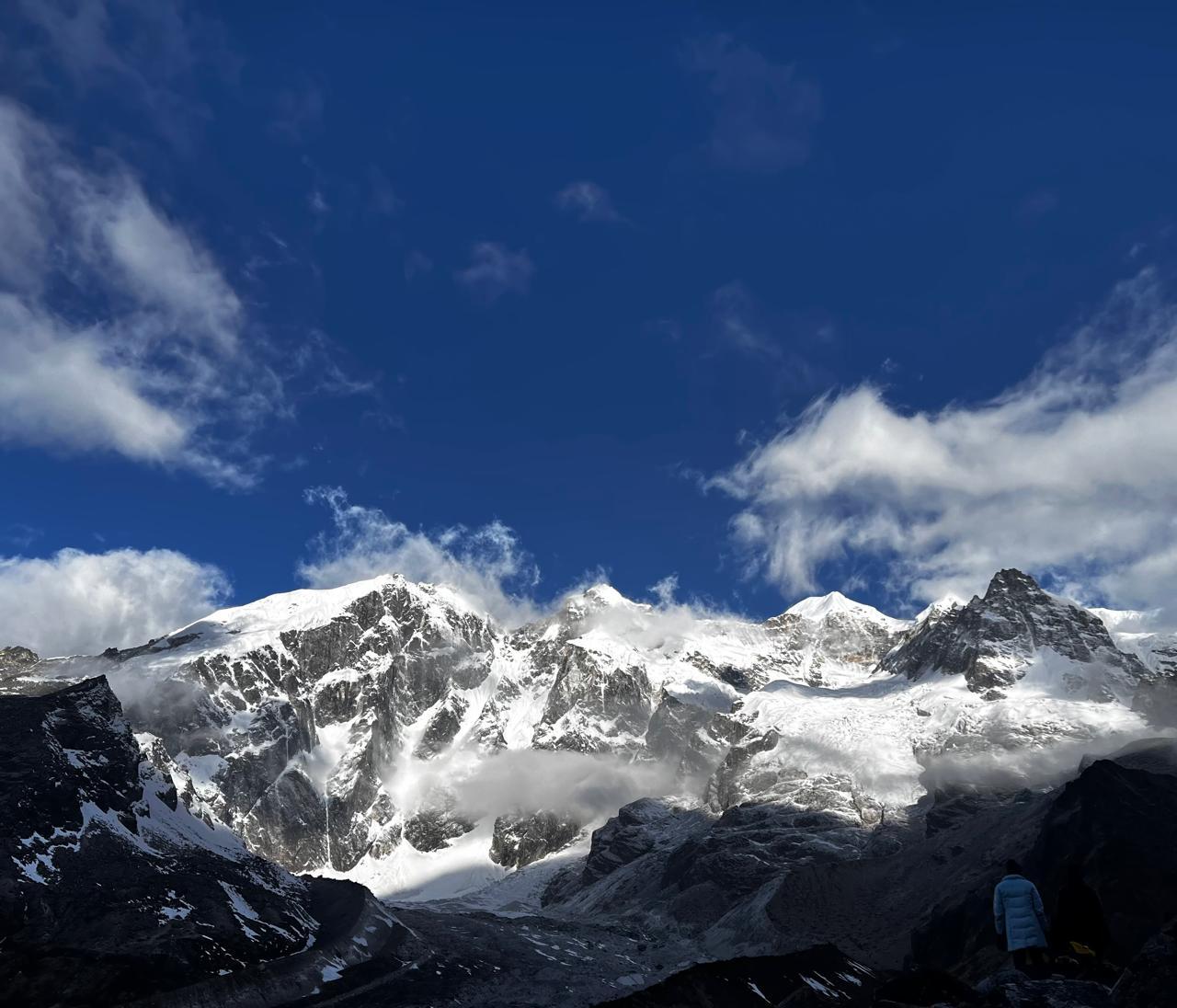
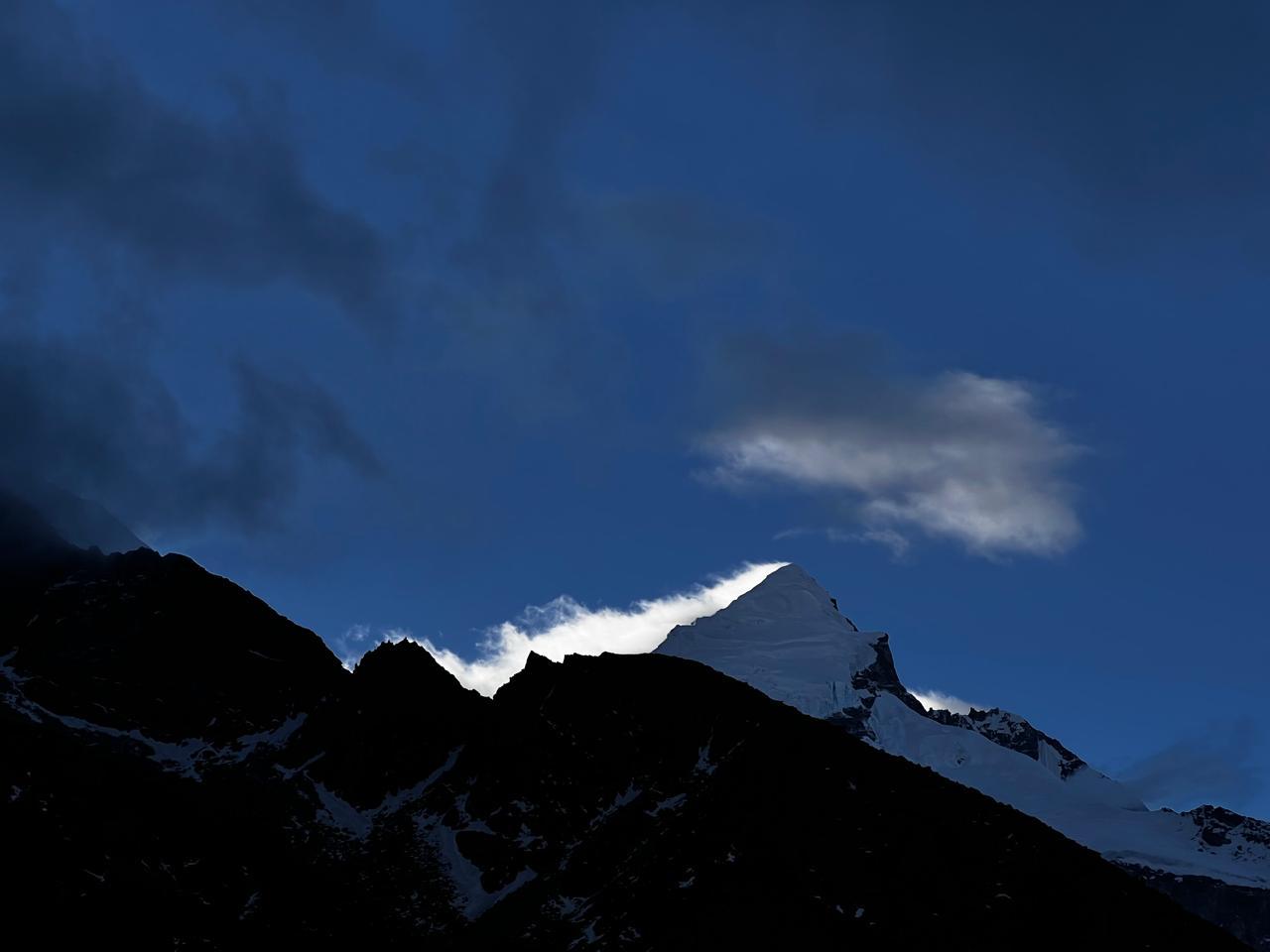


Rising above the stark, wind-swept landscapes of Lahaul, Yunam Peak stands as a quiet but commanding presence — a 6,111-metre summit that offers a true Himalayan expedition experience without the complexity of steep technical climbing. This expedition is not about speed or spectacle; it is about patience, preparation, and steady progress in thin air.
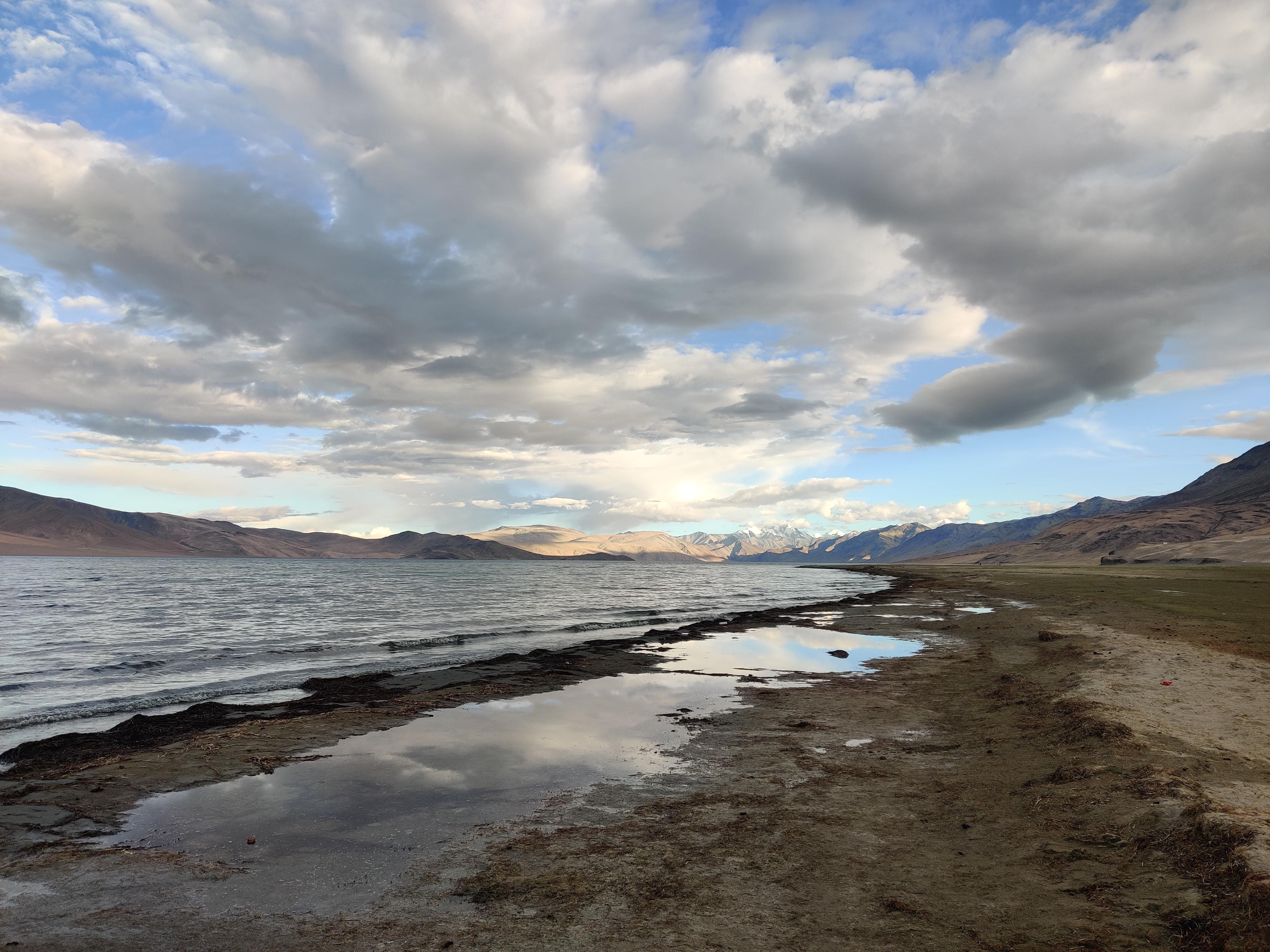
The journey begins with a dramatic approach from Manali, crossing into the rain-shadow terrain beyond Baralacha La. Here, the lush green valleys of Kullu give way to the cold desert of Lahaul — a landscape shaped by wind, altitude, and time. Sparse vegetation, wide valleys, and barren ridgelines create an immediate sense of remoteness, setting the mental tone for what lies ahead.
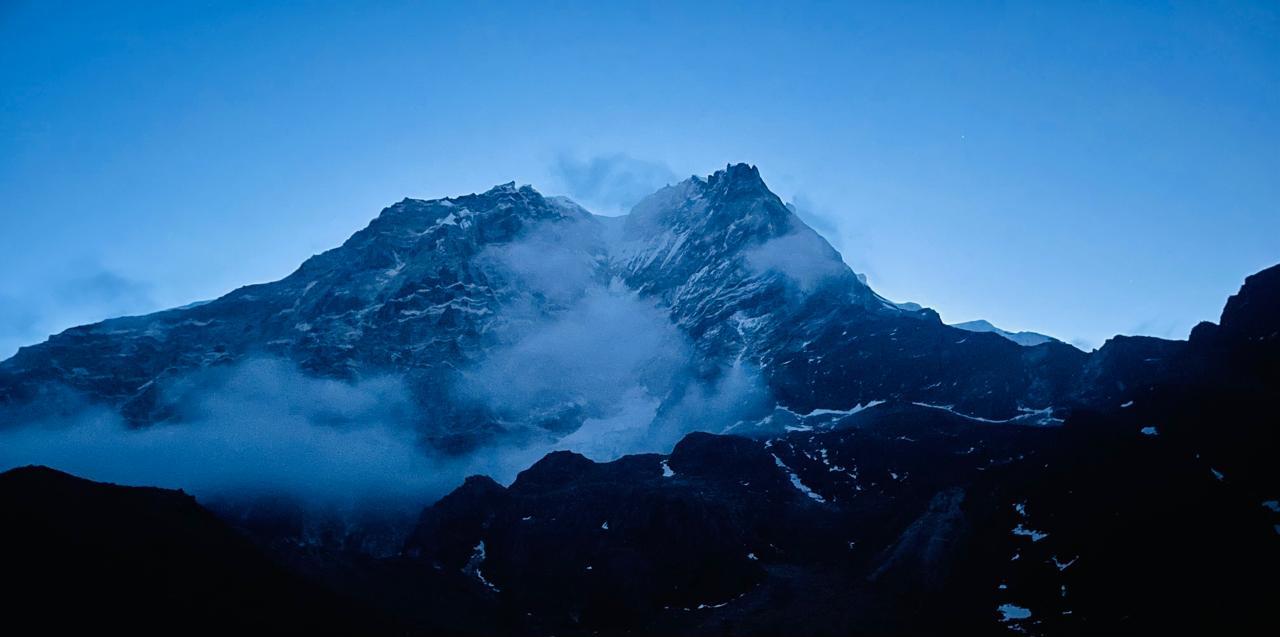
From base camp near Bharatpur, the expedition unfolds gradually. The terrain transitions from rocky moraines to snow patches and glacier sections, demanding deliberate movement and efficient pacing. While the route remains non-technical, the environment is uncompromising — altitude, cold, and exposure require discipline and respect. Progress depends not on strength alone, but on acclimatization, hydration, and the ability to listen to one’s body.
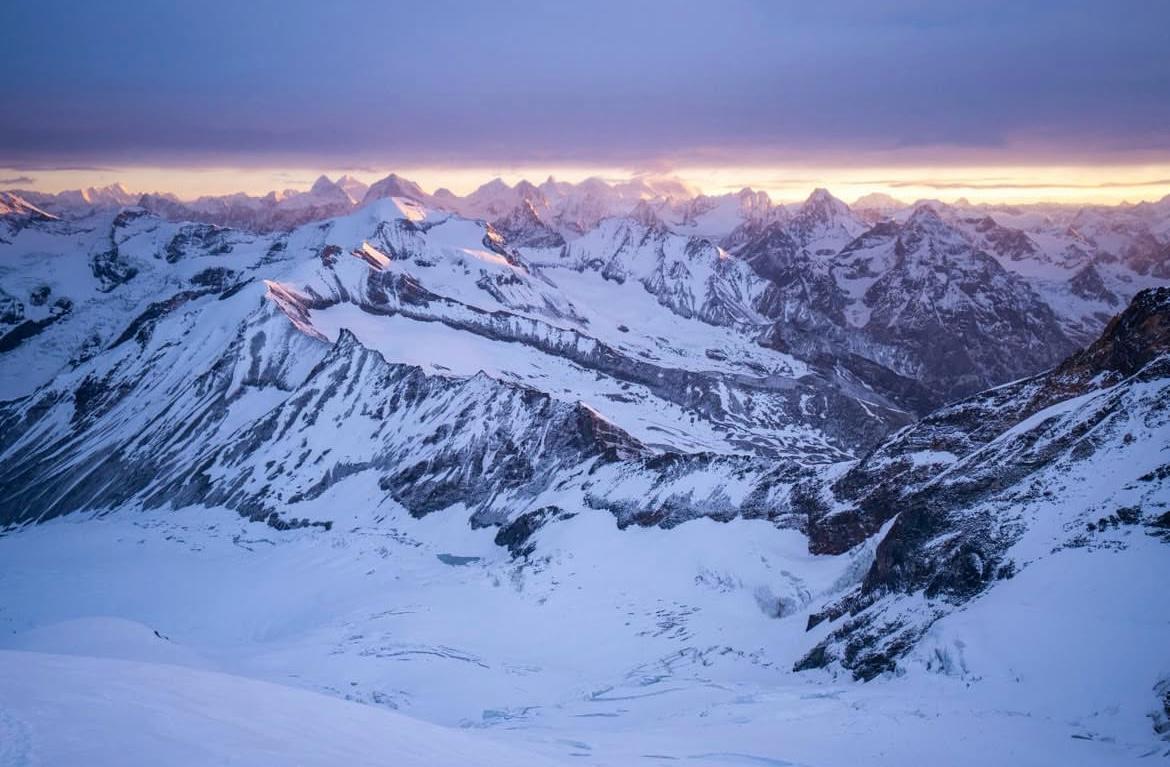
Life on the mountain is simple and raw. Days revolve around movement, weather windows, and recovery. Nights are cold and quiet, spent under expansive Himalayan skies where the scale of the landscape becomes deeply apparent. On summit day, the effort culminates in a wide, open panorama — endless ridgelines, snowbound peaks, and deep valleys stretching into the horizon.
Yunam Peak is not a scenic hike. It is a deliberate step into the world of high-altitude exploration — suited for those who seek a summit earned through consistency, self-awareness, and respect for the mountains.
Day 1
Drive from Manali to Keylong
- Drive Distance: 70 km
- Time Taken: 3 hours
The journey transitions dramatically from the green valleys of Kullu to the stark landscapes beyond the Atal Tunnel. As the road climbs, forests thin, valleys widen, and the air turns noticeably crisper. The drive offers the first visual introduction to the cold-desert terrain that defines Lahaul. Overnight stay at Keylong or Jispa, allowing the body to adjust to the increasing altitude.
Day 2
Trek from Keylong to Rangcha Gali and back
- Trek Distance: 15 km
- Trek Time: 7 hours
- Elevation Gain: 1,500 m
A demanding and rewarding day. The trail climbs steadily toward Rancha Gali, crossing exposed slopes and high ridge lines that offer expansive views of the Lahaul valley. This section tests pacing and breath control. After the pass, the route descends sharply back to Kardang, where the terrain softens slightly and vegetation increases. The altitude drop aids recovery while reinforcing acclimatization through the “climb high, sleep low” approach. We come back to Keylong after a short uphill climb and stay overnight.
Day 3
Drive from Keylong to Bharatpur Tent Colony
- Drive Distance: ~90 km
- Total Time: 6-7 hours
- Elevation Gain: 1,400 m
- Base Camp Altitude: 4,500 m
From Keylong, today the team drives back through Keylong and onward toward Baralacha La. The landscape becomes increasingly barren as the route enters the cold desert zone. Bharatpur Tent Colony is reached by afternoon, and base camp is established. The rest of the day is spent hydrating, resting, and taking short acclimatization walks. The first night at this altitude marks a clear shift into expedition rhythm.
Day 4
Acclimatisation day at Bharatpur Tent Colony
We rest this day out and go for small hikes around Bharatpur Tent Colony area. The idea is to drink plenty of water, eat good amount of food and gear up for the summit push.
Day 5
Trek from Bharatpur Tent Colony to Summit Camp
- Trek Distance: 4.5 km
- Time Taken: 5–6 hours
- Elevation Gain: 800 m
- Summit Camp Altitude: 5,300 m
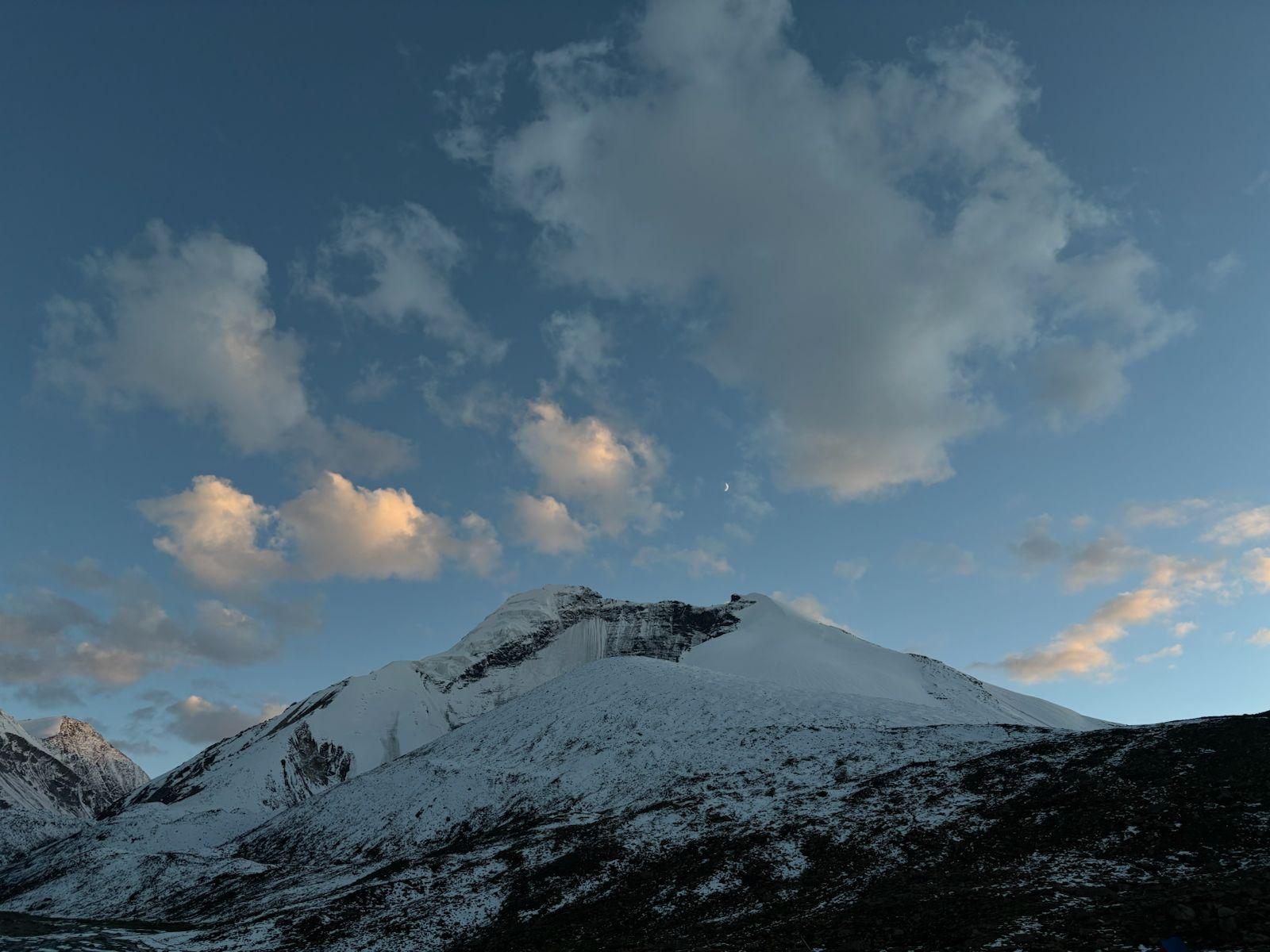
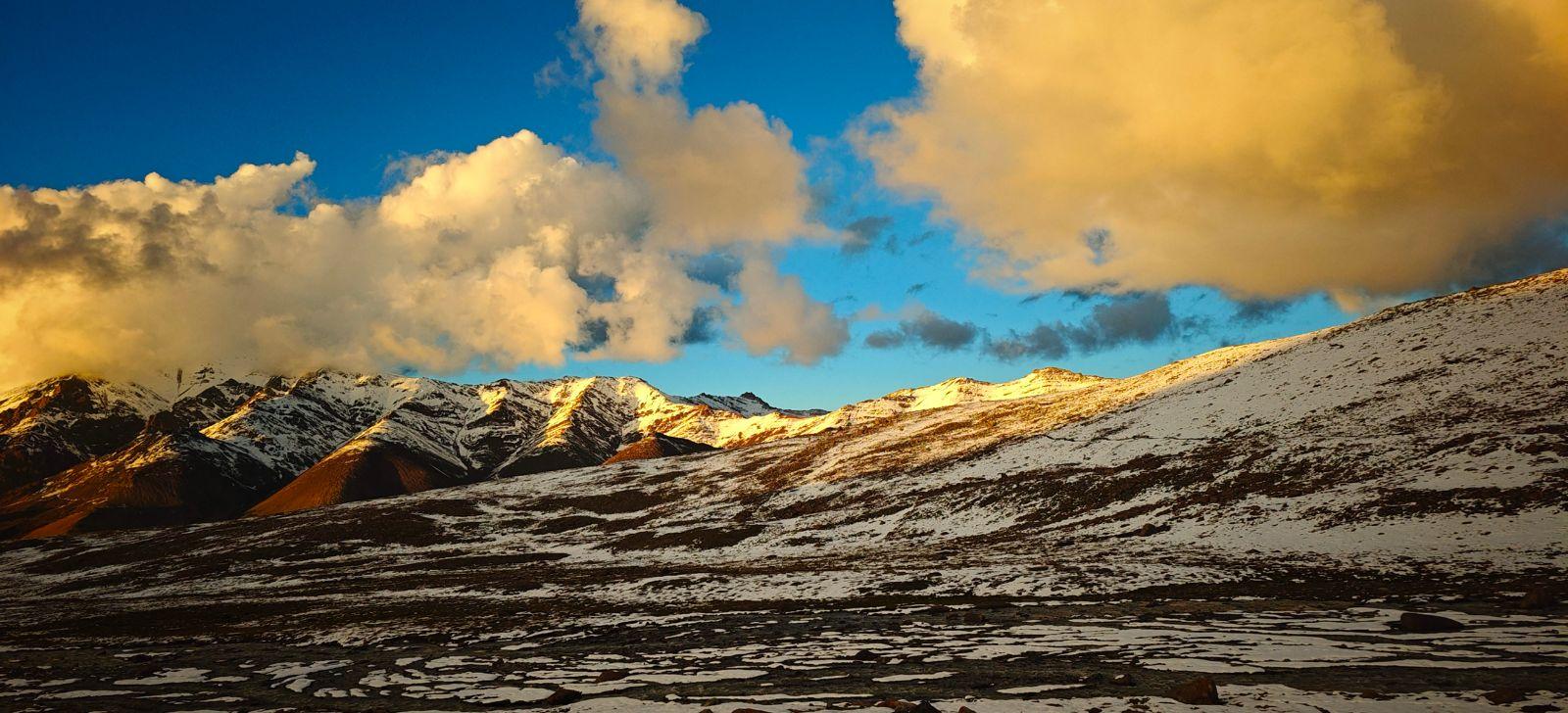
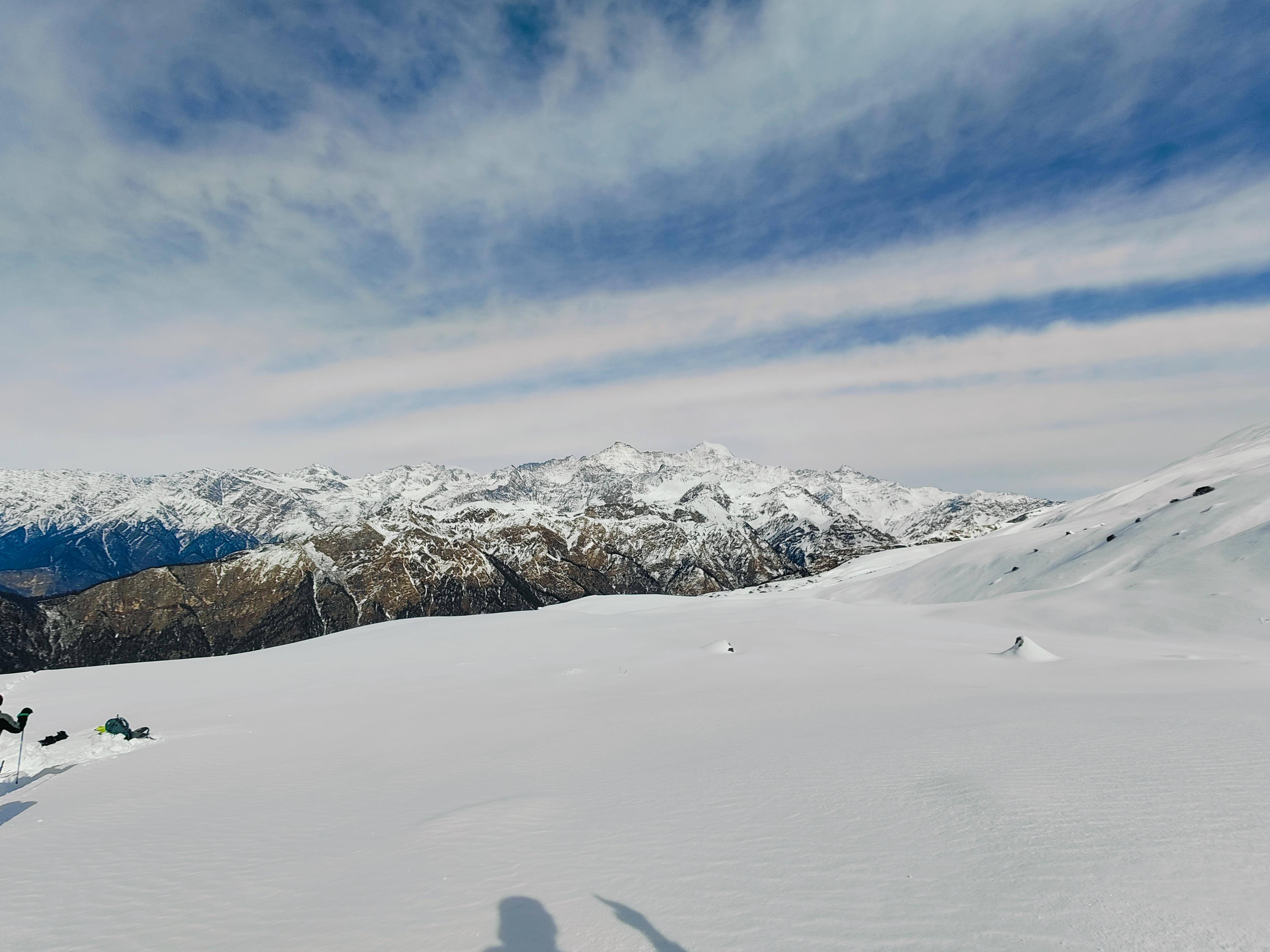
The ascent begins over loose moraines and rocky terrain, gradually transitioning to snow patches as altitude increases. Movement becomes deliberate and measured. The vastness of the terrain becomes more pronounced, with minimal landmarks and wide open slopes dominating the view. Summit Camp is established in an exposed alpine zone. The remainder of the day is dedicated to rest, hydration, and preparing equipment for summit day.
Day 6
Summit Attempt and return to Summit Camp
- Trek Distance: 7 km
- Time Taken: 10–12 hours
- Elevation Gain: 911 m
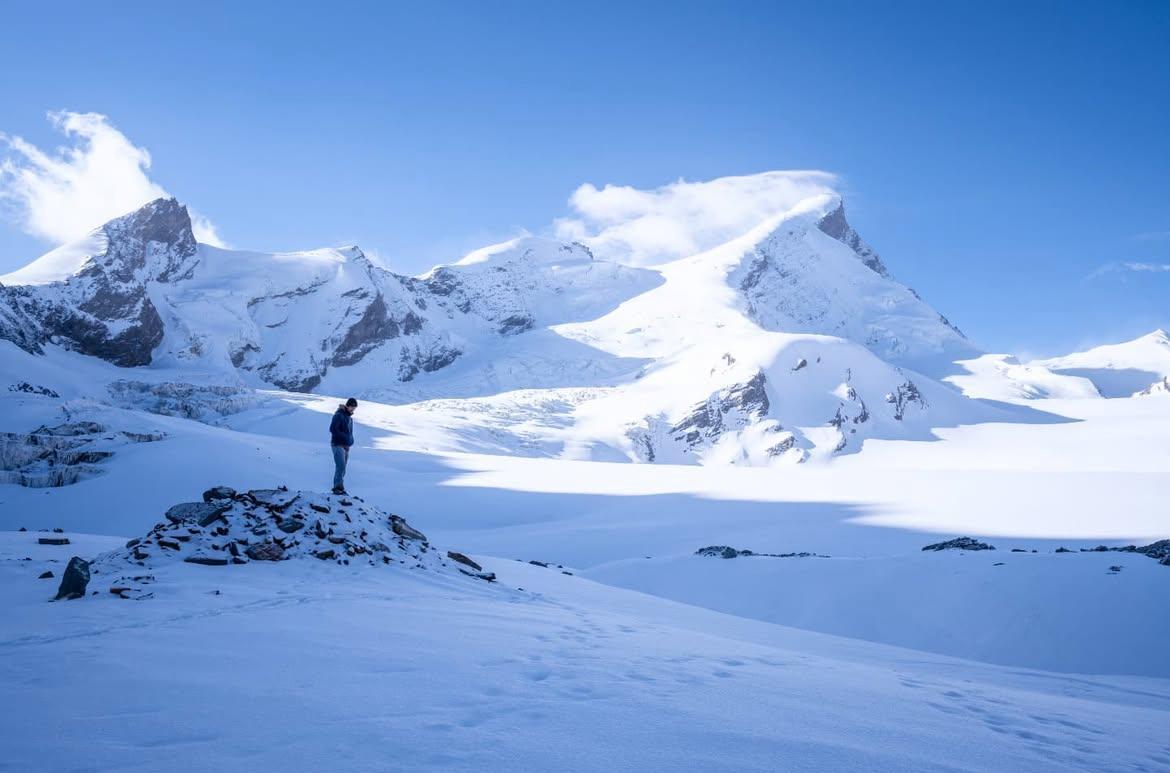
A pre-dawn start, typically around 2:00 AM. The climb progresses over snow slopes, scree, and glacier sections depending on conditions. The route is non-technical but physically demanding, requiring efficient pacing and disciplined movement. At the summit, expansive views open across the Chandra Bhaga and Mulkilla ranges, with vast Himalayan valleys stretching into the distance. After a brief halt, the team descends carefully back to Summit Camp. This is the most demanding day of the expedition.
Day 7
Trek from Summit Camp to Bharatpur Tent Colony | Drive to Manali
- Trek Distance: 4.5 km
- Trek Time: 3 hours
- Drive Time: 6–7 hours
The descent retraces the route back to Bharatpur Tent Colony. After packing up base camp, the team drives back via Baralacha La, Keylong, and the Atal Tunnel to Manali. As altitude drops, the landscape gradually regains colour and density. Arrival in Manali marks the conclusion of the expedition and a return to comfort, reflection, and recovery.
Minimum Fitness Required
Challenging treks demand sustained physical output over multiple days, often at high altitude and in variable terrain. Participants must arrive with a well-developed aerobic base and the ability to move efficiently for long hours.
We strongly recommend following the training principles from Training for the New Alpinism by Steve House & Scott Johnston — with most training volume in Zone 2 to build deep cardiovascular endurance.
Minimum Fitness Benchmarks
Participants must be able to:
- Sustain 90–120 minutes of continuous Zone 2 effort without excessive fatigue.
- Walk 12–15 km on mixed terrain comfortably.
- Climb 20–25 flights of stairs steadily without long rest pauses.
- Complete 6–8 hours of movement on back-to-back days.
Recommended Training Timeline
- 8–12 weeks of structured preparation before the trek.
- 4–5 aerobic sessions/week, primarily Zone 2 (45–90 min).
- Occasional higher-intensity uphill efforts only after a strong aerobic base is built.
This prepares your body for long summit days, sustained climbs, and cumulative fatigue.
2. Strength, Mobility & Load Tolerance
Challenging terrain requires strength under fatigue and the ability to protect joints during long descents.
Strength (2–3 sessions per week)
Focus on:
- Lower body: squats, step-ups, lunges, split squats
- Posterior chain: glute bridges, hip hinges
- Core stability: planks, side planks, anti-rotation work
Participants should be comfortable performing these movements while carrying load (8–12 kg).
Mobility & Joint Resilience
Daily mobility (10–15 minutes):
- Ankles (range + stiffness tolerance)
- Hips (flexion, extension, rotation)
- Thoracic spine (rotation and posture)
Good mobility reduces injury risk during long, technical descents.
3. Sports Movement, Balance & Coordination
For challenging treks, balance and reactive movement are non-negotiable.
We recommend 1–2 sessions per week of agility-based or contact sports such as:
- Football
- Basketball
- Squash
- Badminton
- Trail running on uneven terrain
These improve:
- Dynamic balance
- Rapid foot placement
Stability on loose rock, snow, and moraine.
Our Expectations from Participants
Participants on challenging treks are expected to demonstrate a high level of responsibility and self-awareness.
We expect you to:
- Arrive fully trained, not under-prepared.
- Carry a loaded backpack (8–12 kg) for extended periods when required.
- Follow trek leader instructions on pacing, acclimatisation, and safety without exception.
- Communicate early about discomfort, injuries, or altitude symptoms.
- Maintain mental resilience, patience, and adaptability in difficult conditions.
- Respect teammates, local culture, and the environment.
- Submit all required documents (ID proofs, medical declarations, insurance, waivers, permits, etc.) within the timelines shared by the coordinator.
High Altitude Readiness
Challenging treks often involve:
- Altitudes above 4,000–5,000 m
- Long exposure to cold, wind, snow, or glacier terrain
Participants must:
- Have no uncontrolled medical conditions.
- Disclose all medications, prior altitude issues, or injuries in advance.
- Understand basic symptoms of AMS, HAPE, and HACE.
- Be willing to descend immediately if instructed by the trek leader.
High-altitude discipline is critical — the mountain does not negotiate.
Experience Prerequisites
While not always mandatory, it is strongly recommended that participants have:
- Prior multi-day trekking experience
- At least one trek above 3,500–4,000 m
- Familiarity with cold weather, basic mountain routines, and long walking days
This significantly improves safety, pacing, and group efficiency.
Gear Readiness
Participants must come prepared with all gear and accessories listed in the official trek checklist shared by the coordinator prior to departure.
Failure to carry mandatory gear may result in disqualification from the trek in the interest of safety.
Mental Preparedness
Challenging treks test more than fitness:
- Long days
- Weather delays
- Remote terrain
- Limited comforts
Participants must be comfortable with discomfort and uncertainty.
Inclusion
Exclusion
What kind of expedition is this?
Is this a technical peak?
What kind of accommodation is provided?
Expect cold nights and strong winds.
What meals are provided?
Will there be mobile network?
How cold does it get?
SELECT DATE TO REGISTER
Thank You!
Your form has been submitted successfully. We'll get back to you soon.
₹ 39,499 + 5% GST
