
The Dodital – Darwa Pass Trek is a journey through Uttarakhand’s postcard worthy mountain landscapes where forests feel timeless, lakes are sacred, and meadows stretch endlessly under open skies.
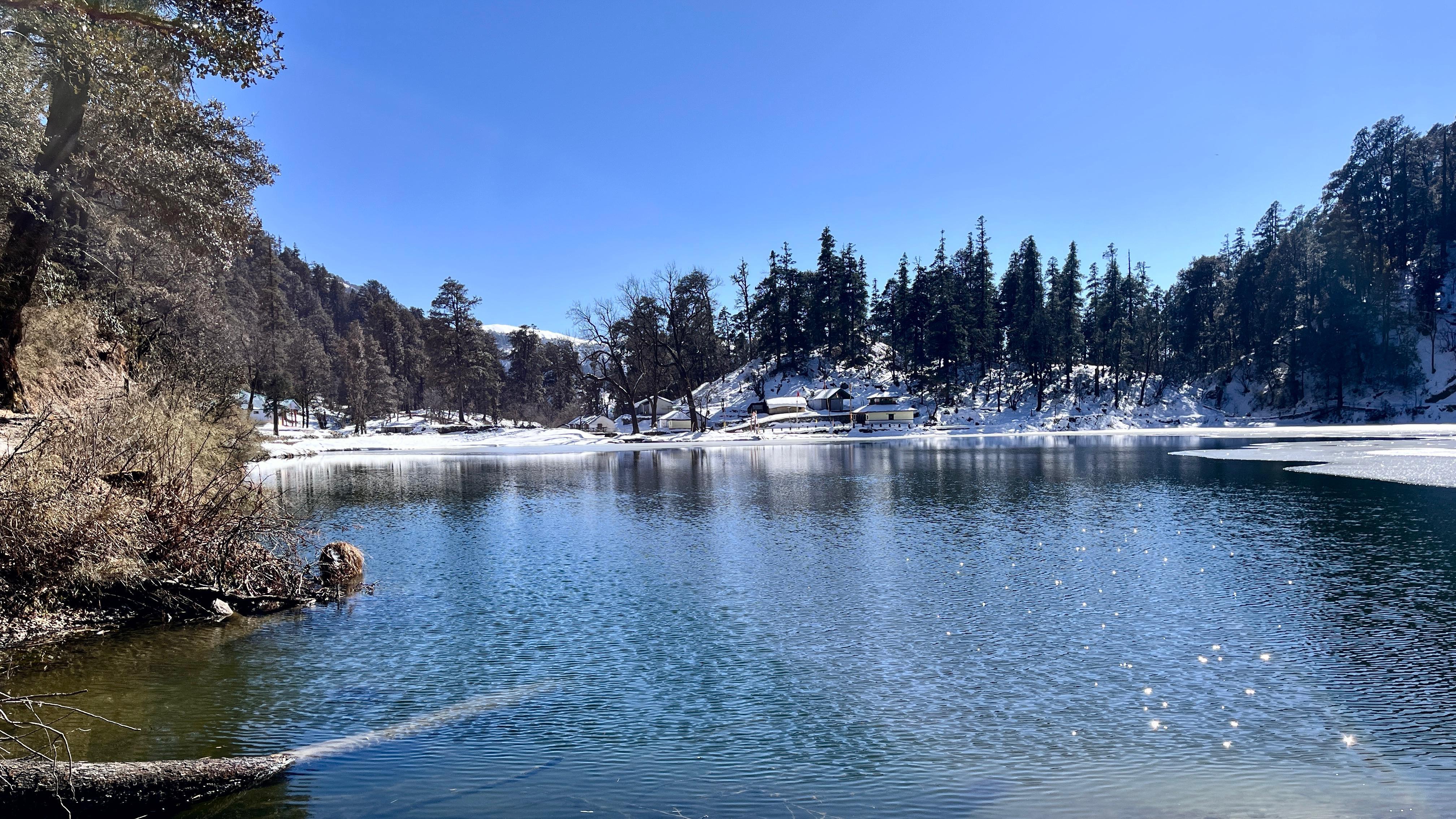
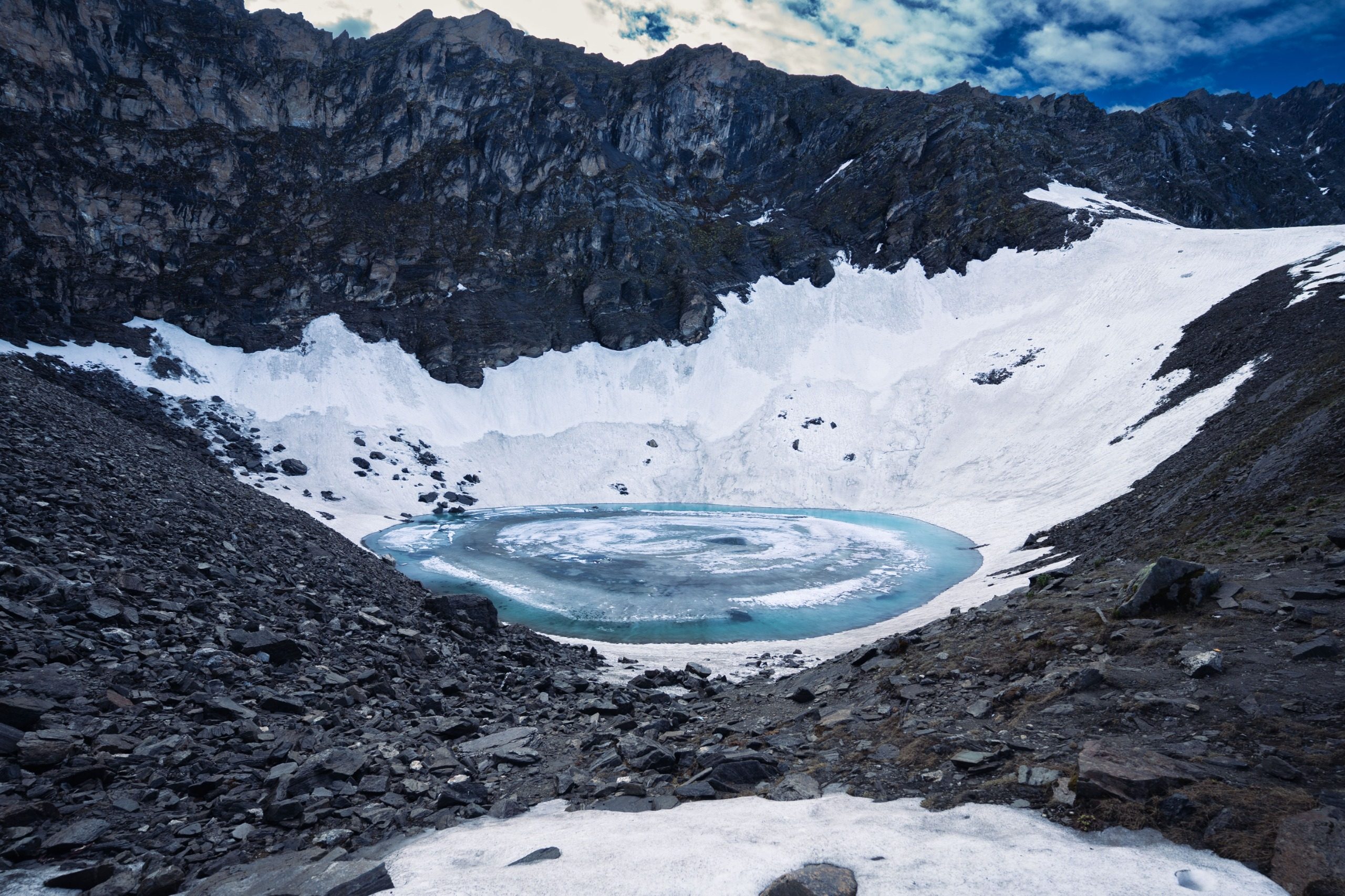
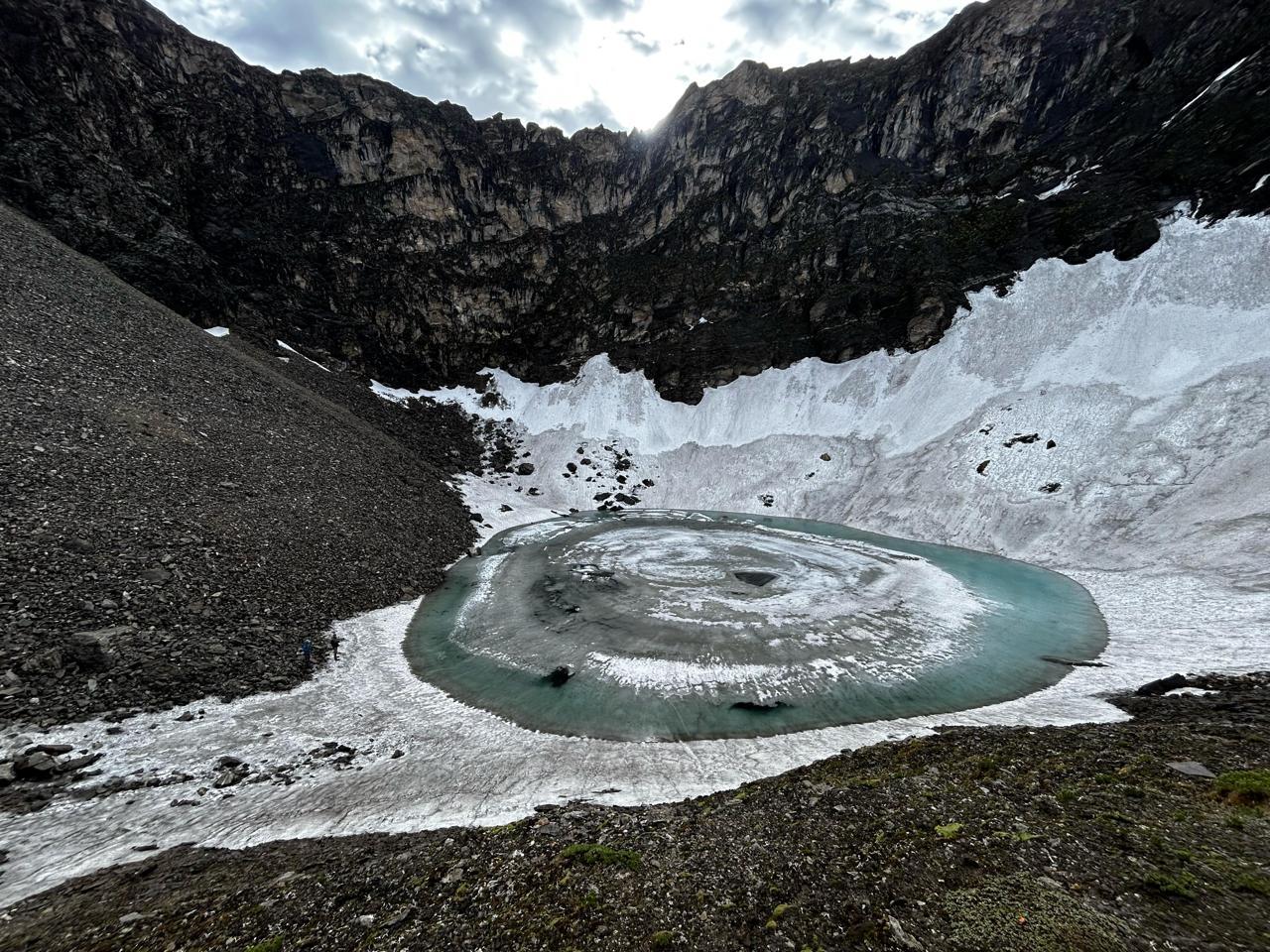
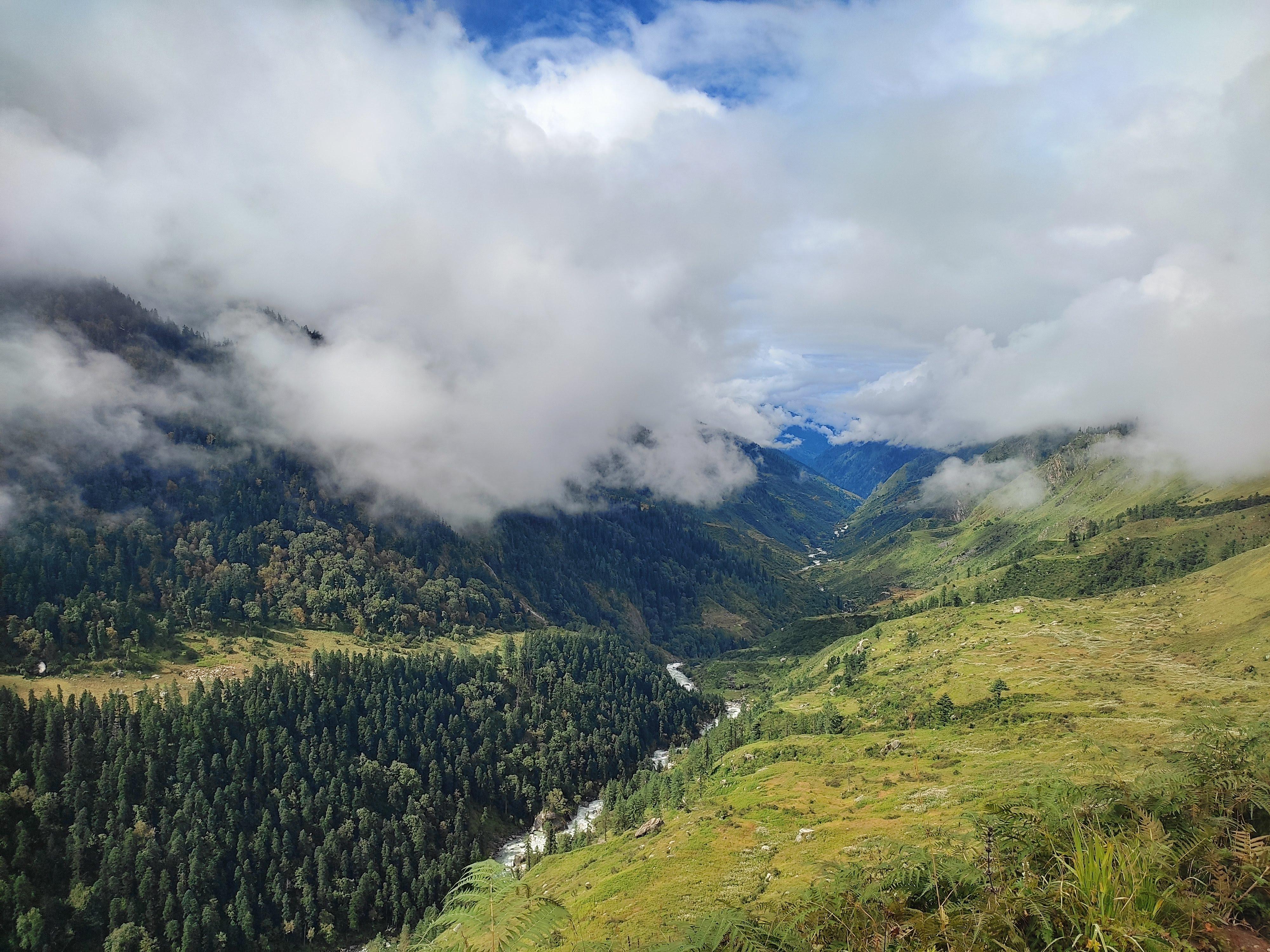
The trek begins in the small village of Agoda, climbing gently through dense oak and pine forests where the ground is soft with fallen needles and the air smells of resin and rain. As altitude increases, the forest opens to reveal Dodital which is a sacred alpine lake cradled in a quiet hollow of the mountains, believed to be the birthplace of Lord Ganesh. Still waters mirror surrounding peaks, and the silence invites you to slow down and listen to the tune of the nature.
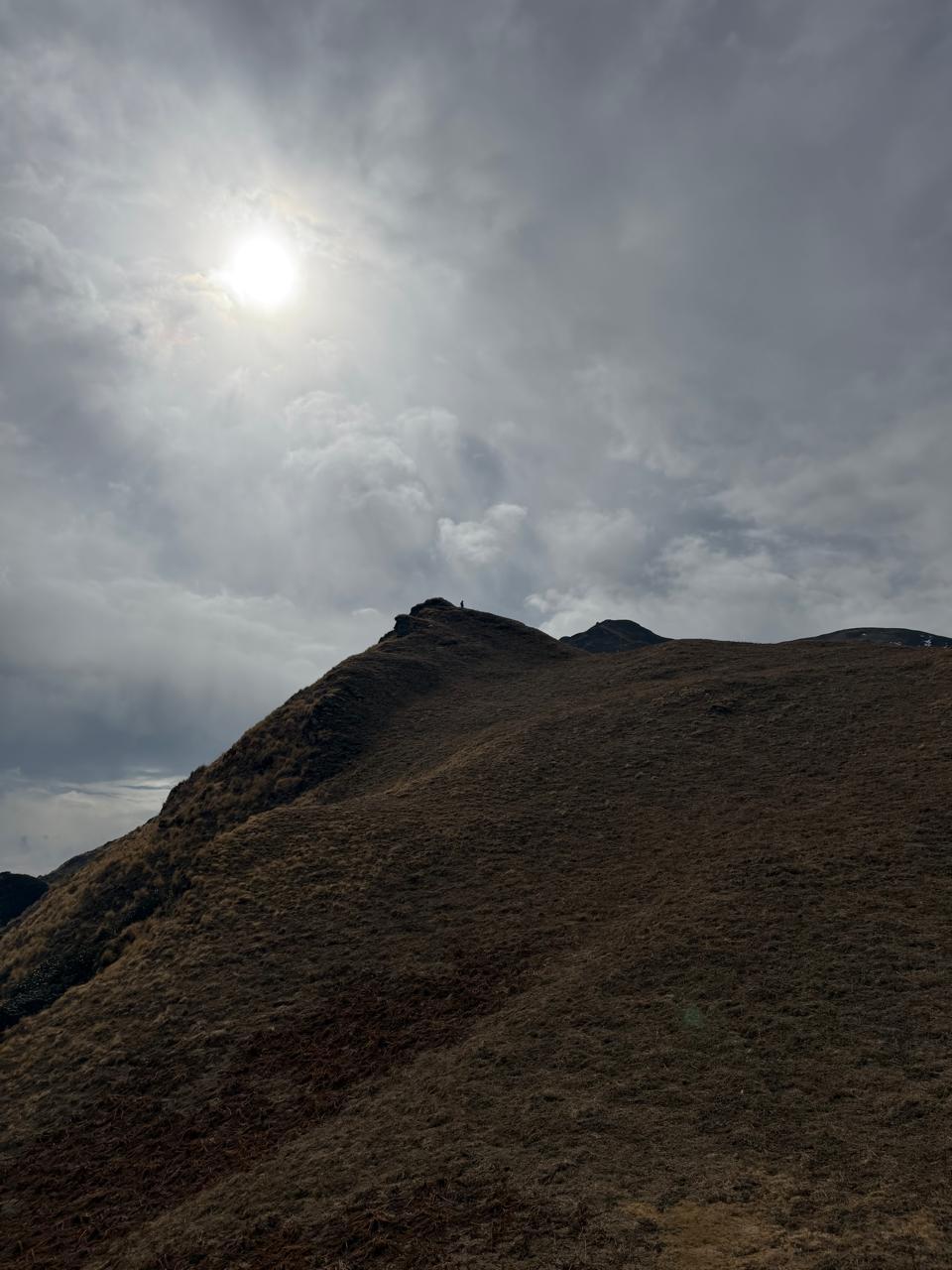
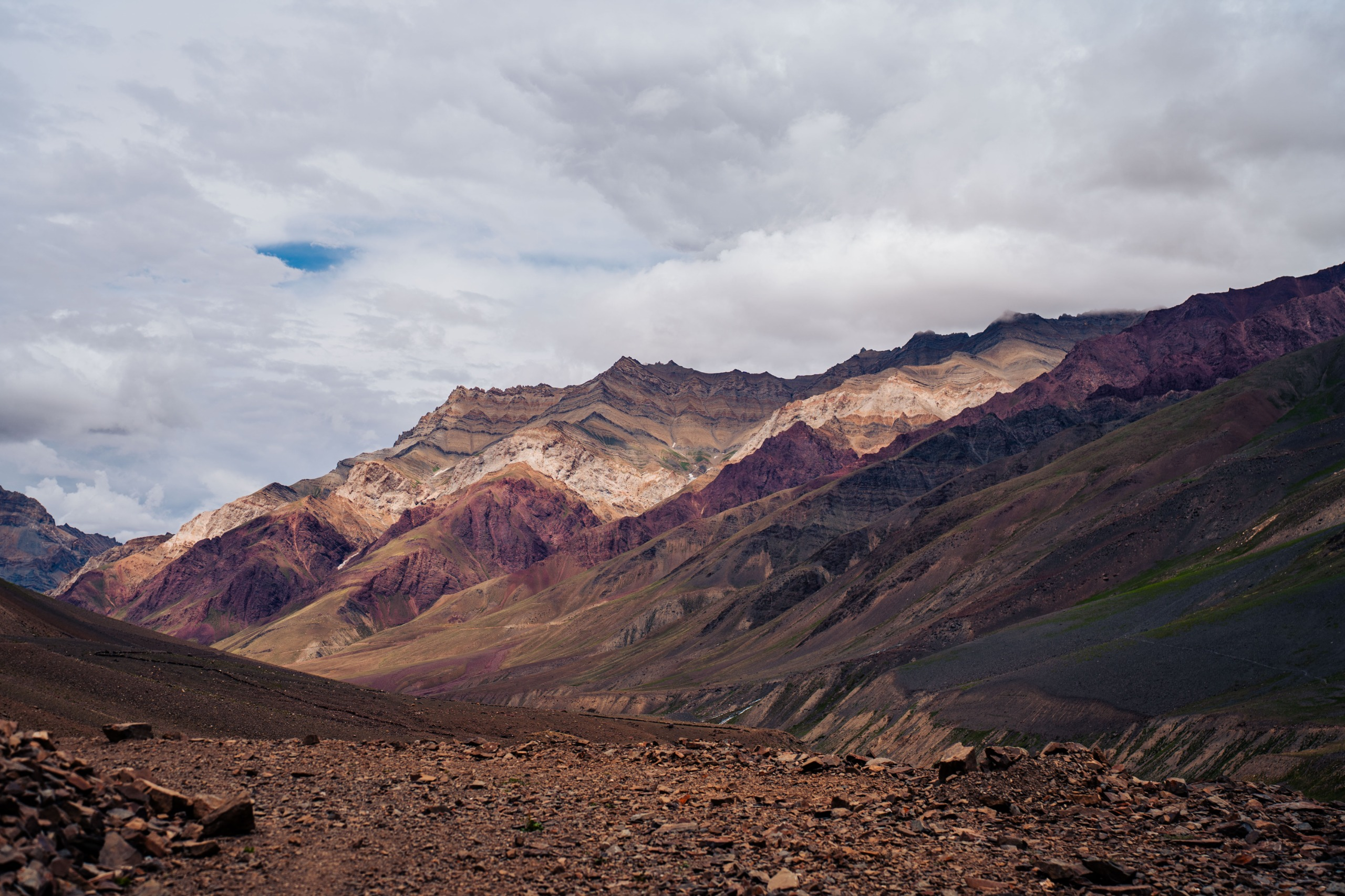
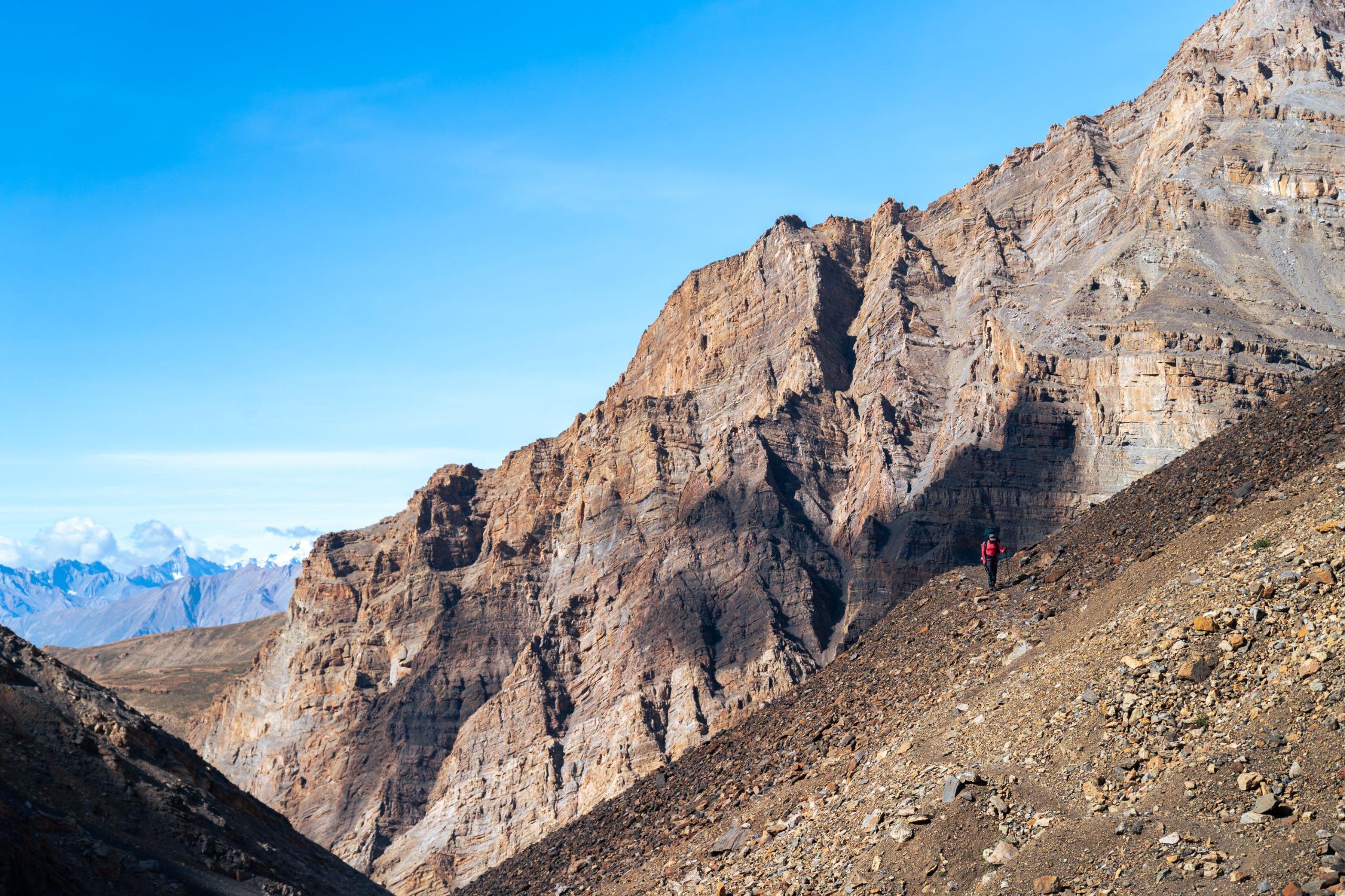
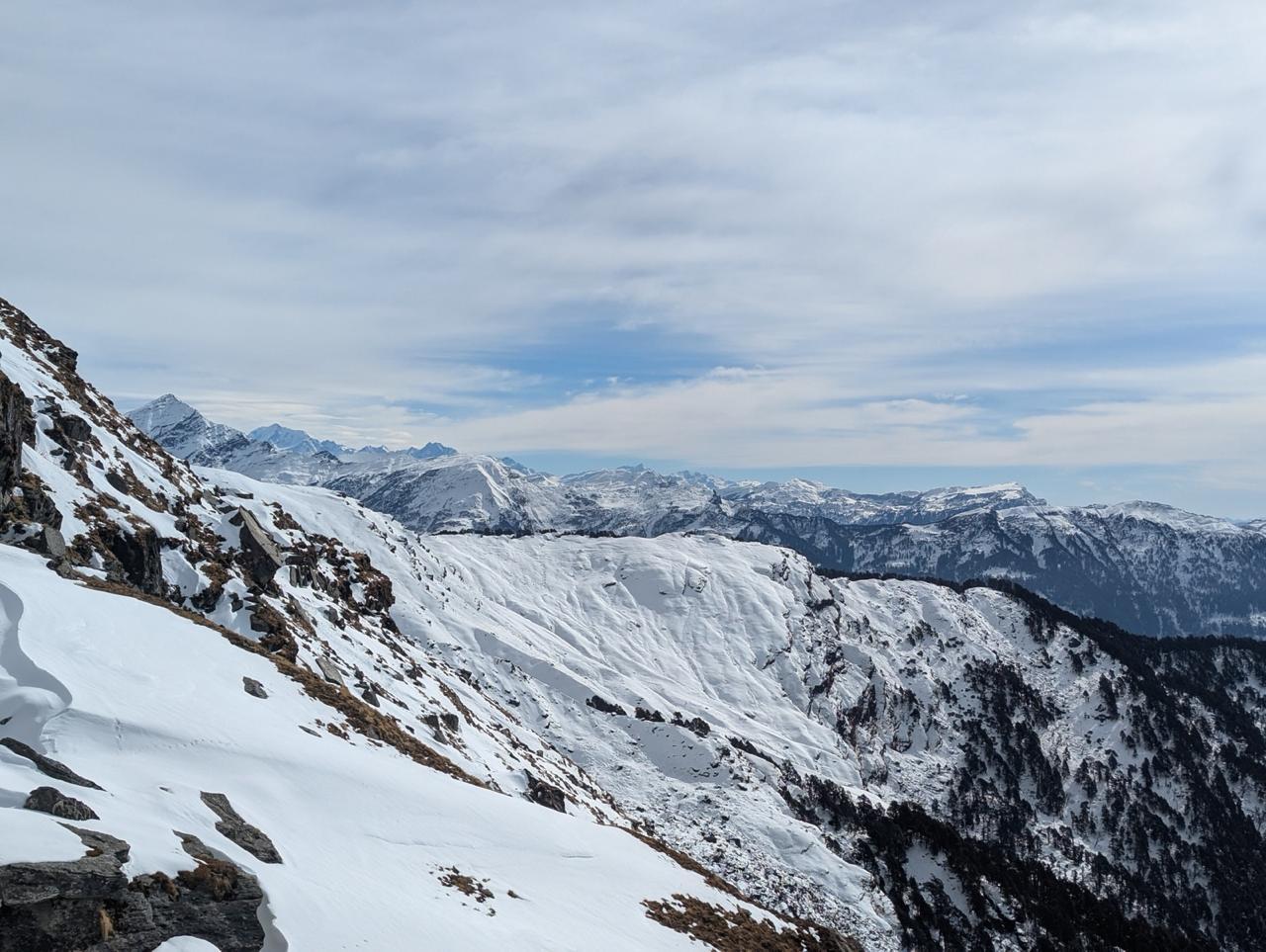
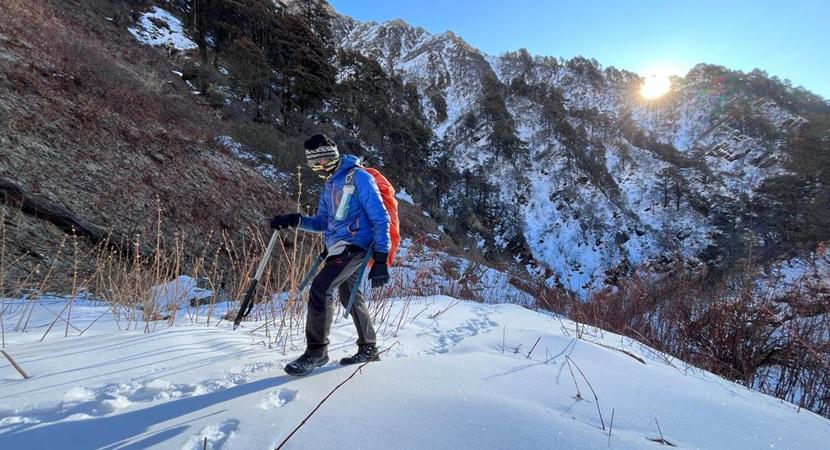
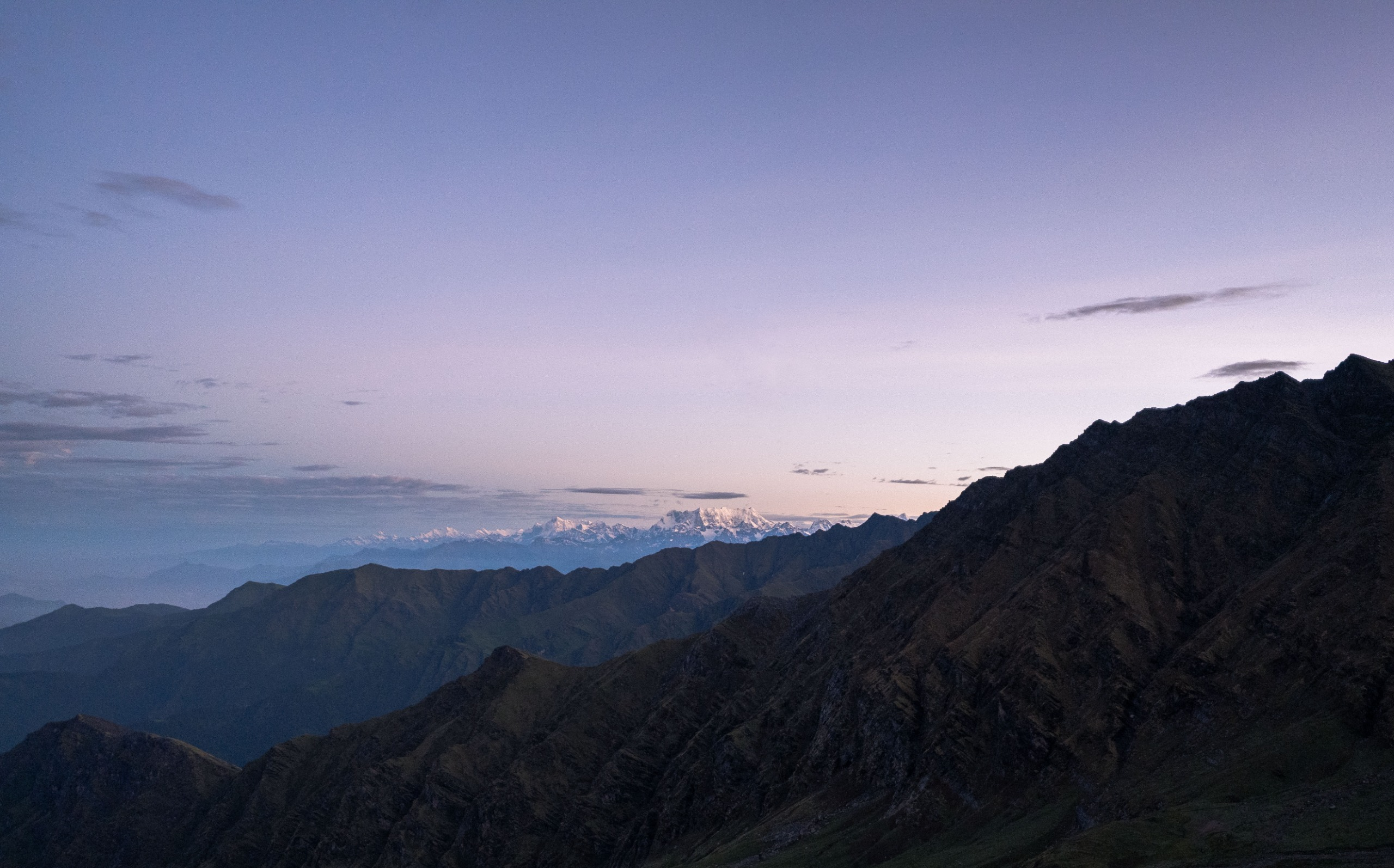
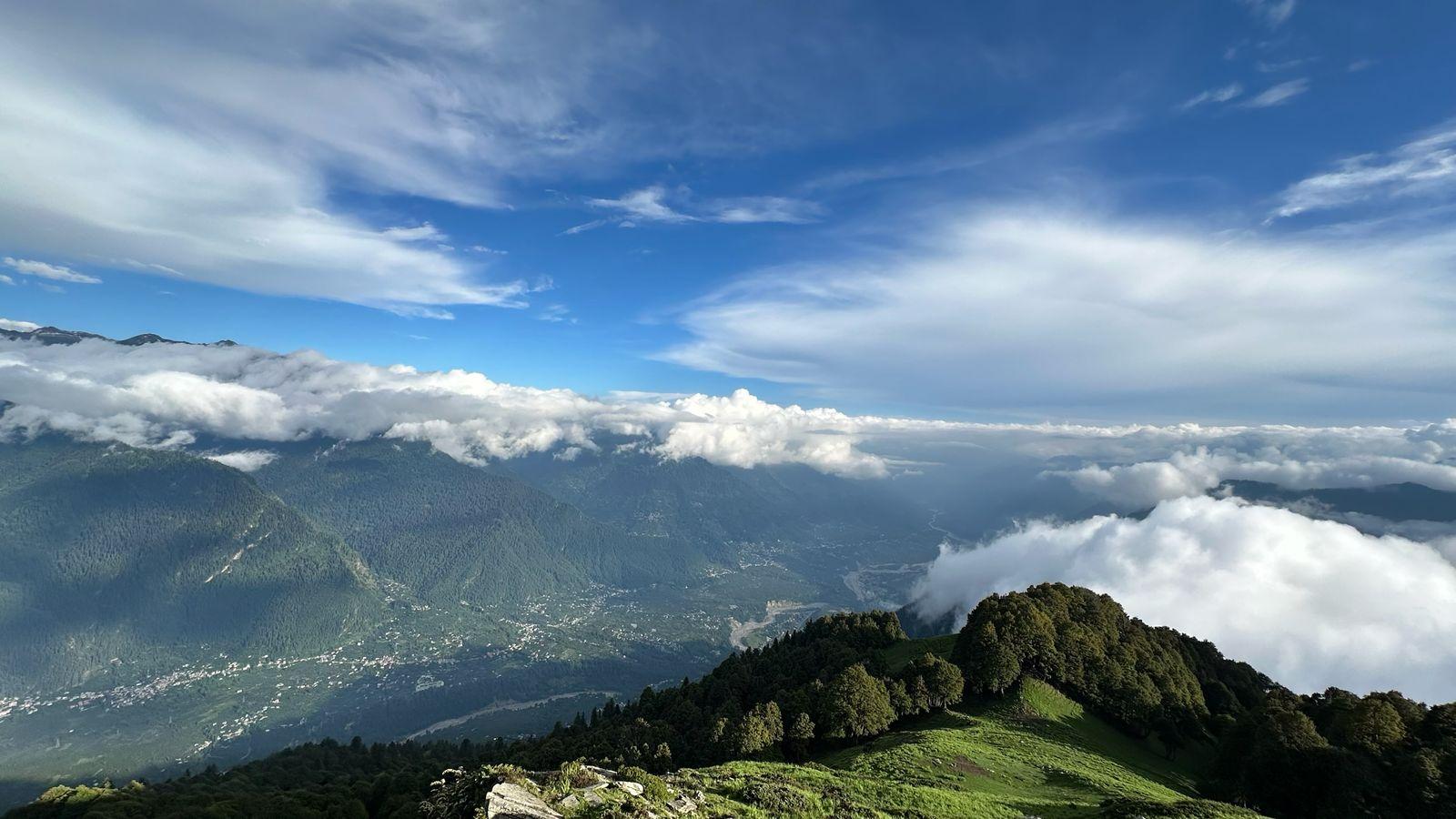
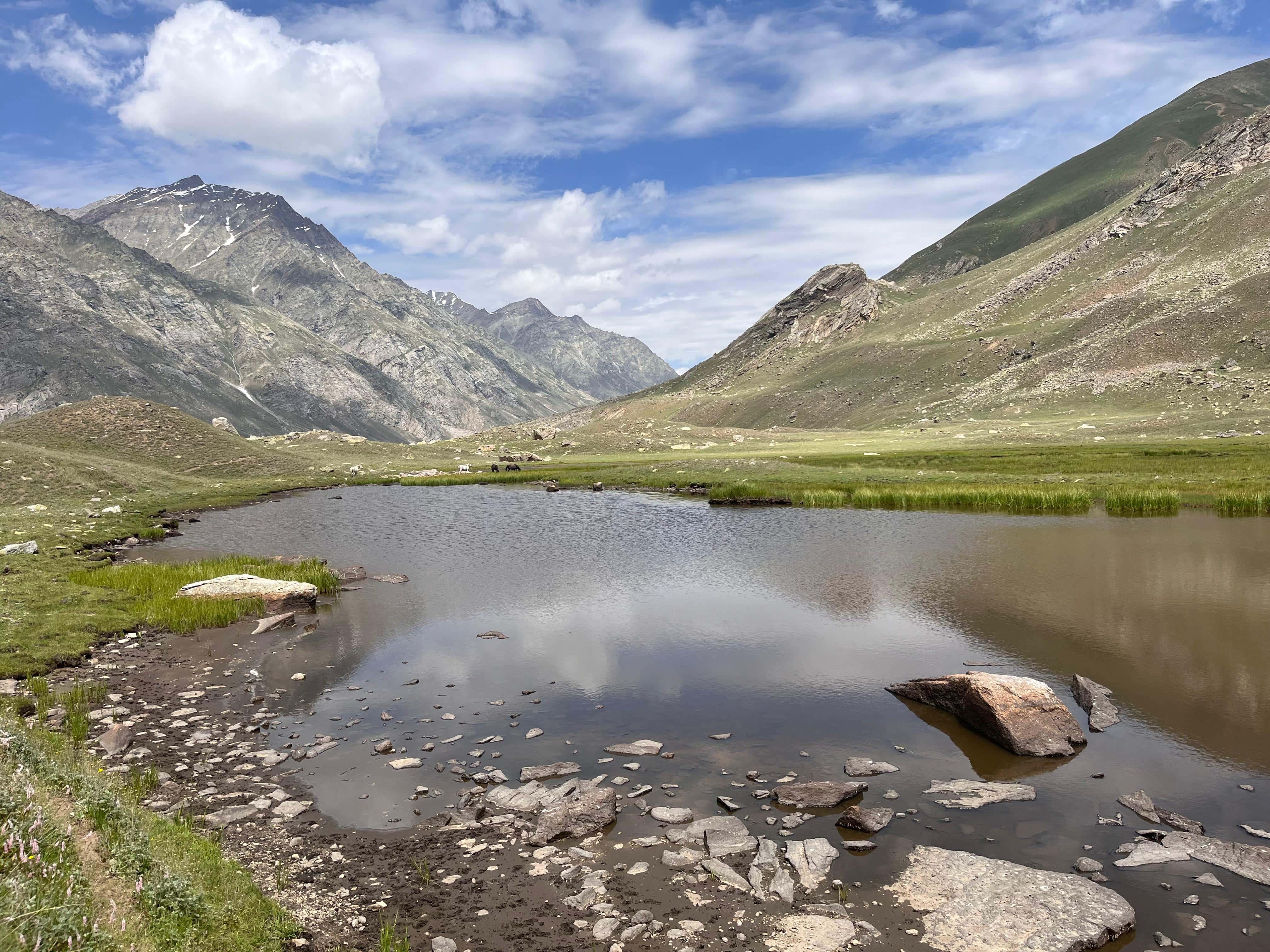
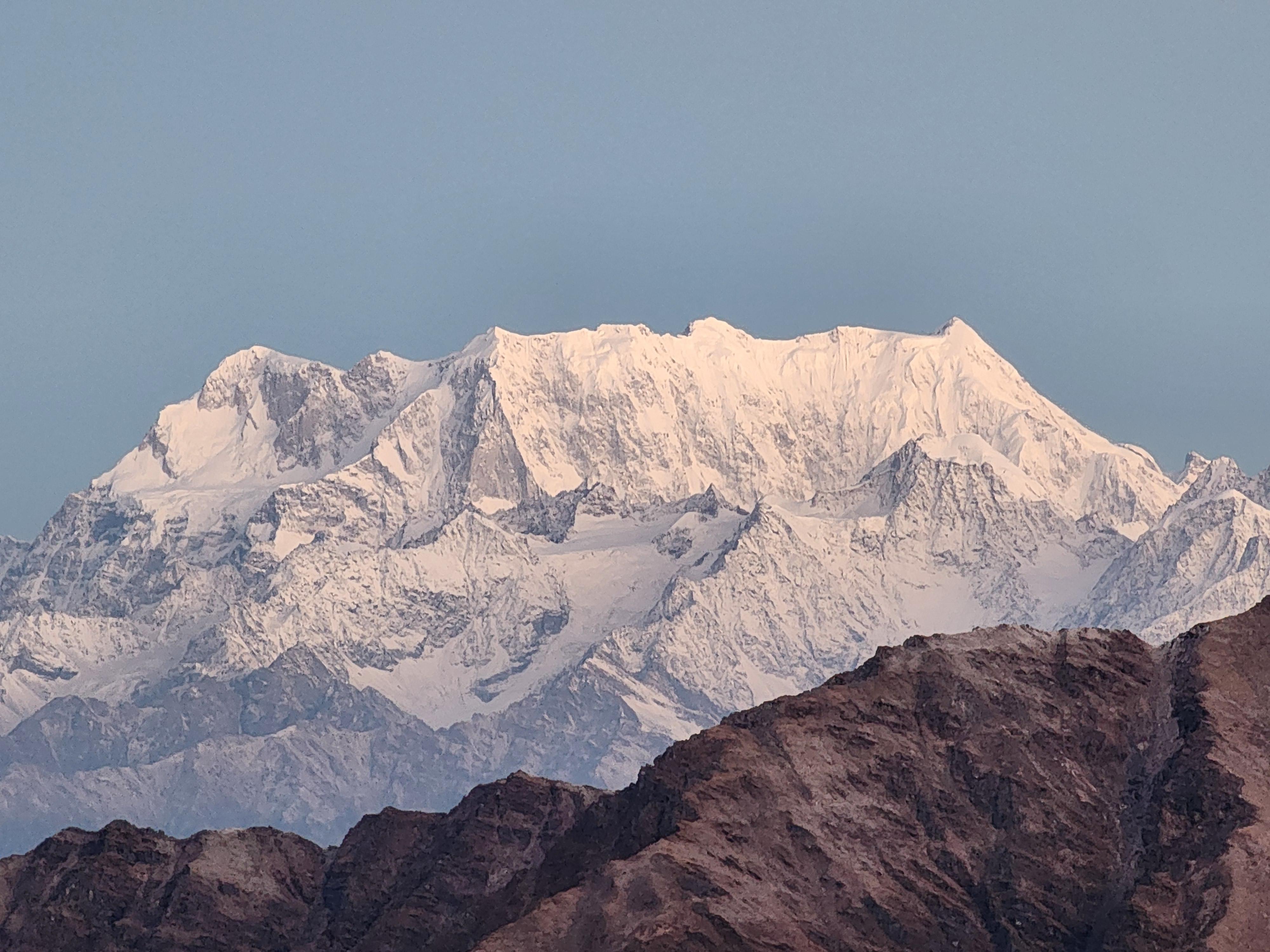
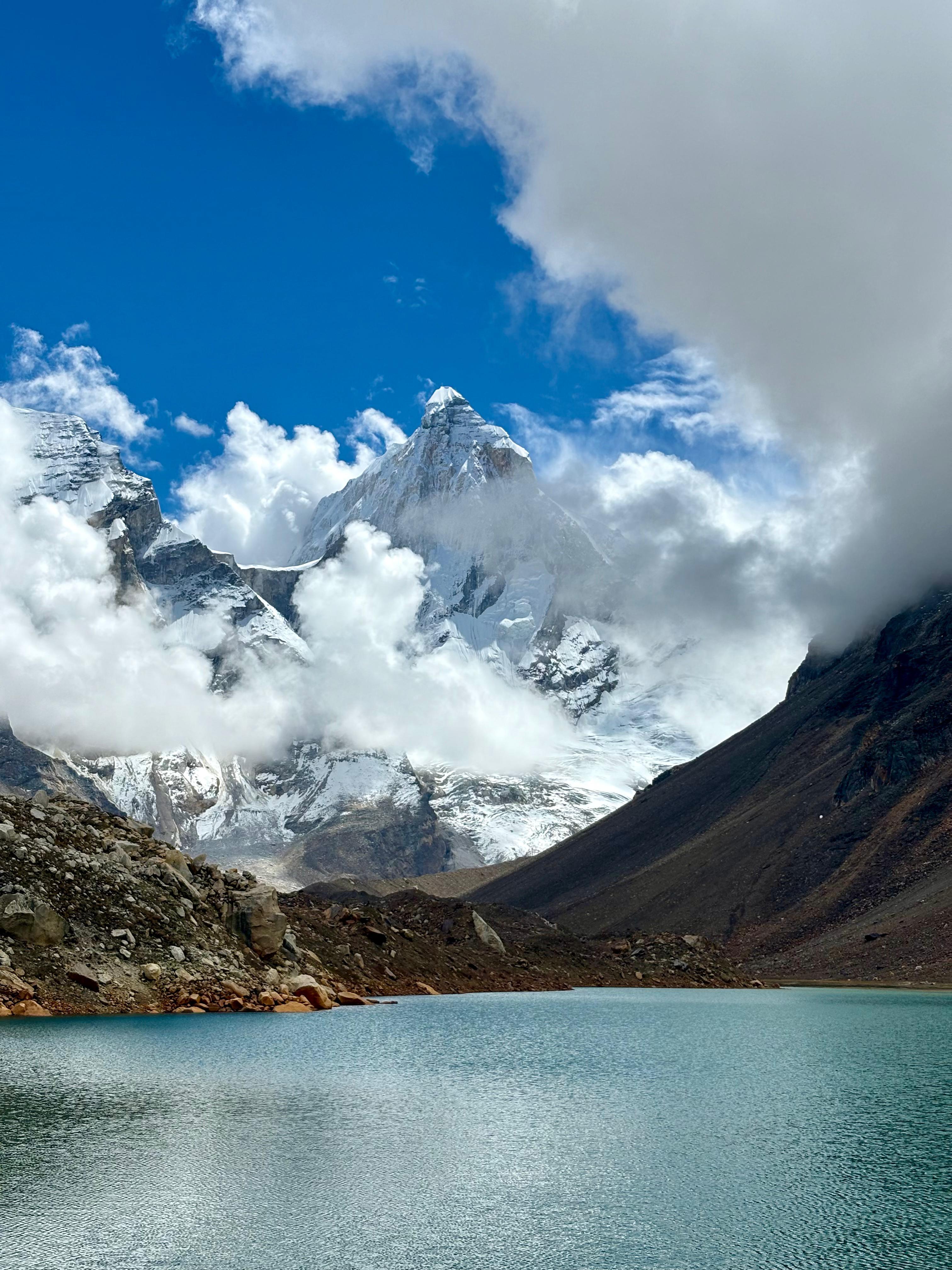
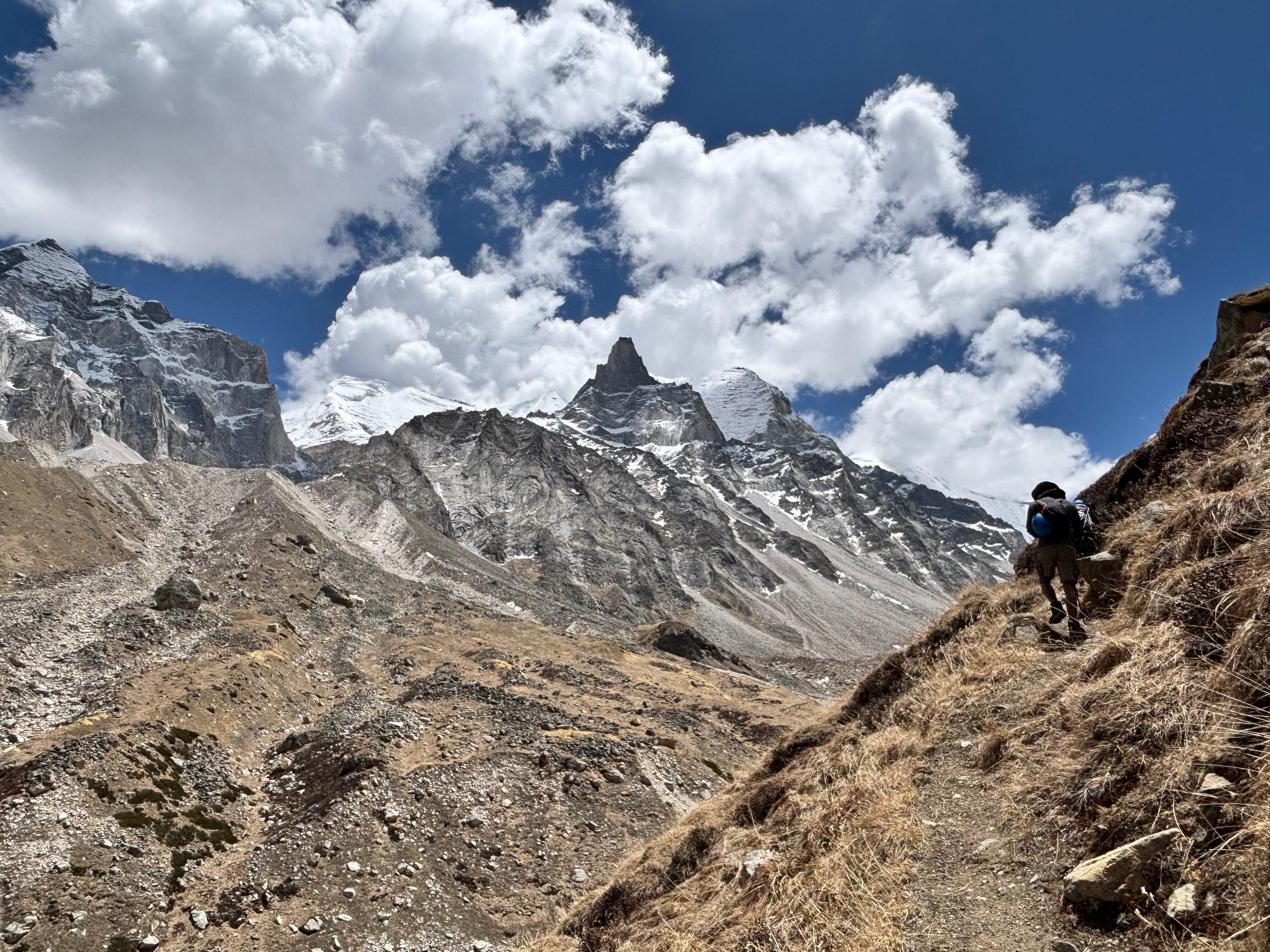
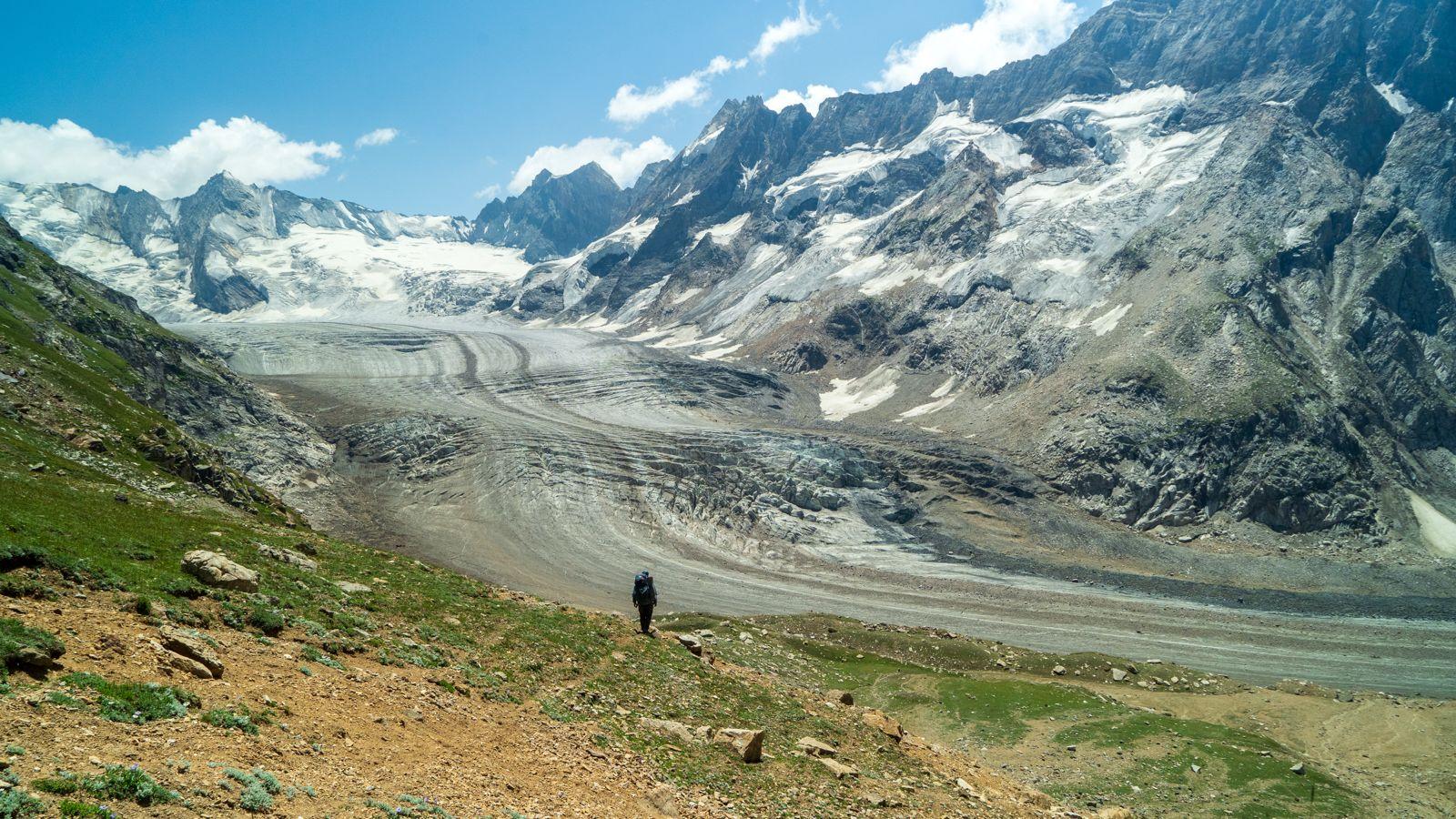
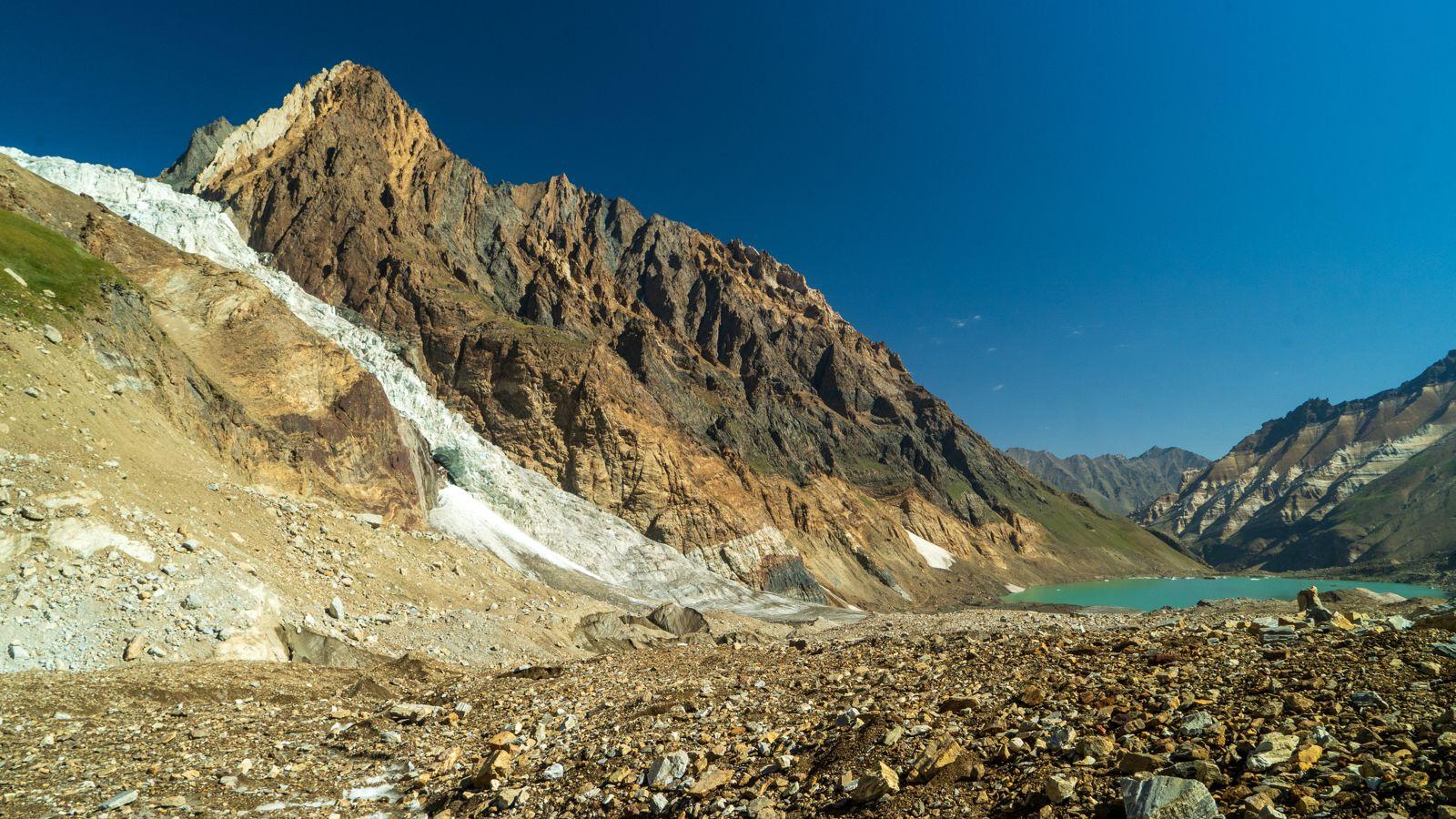
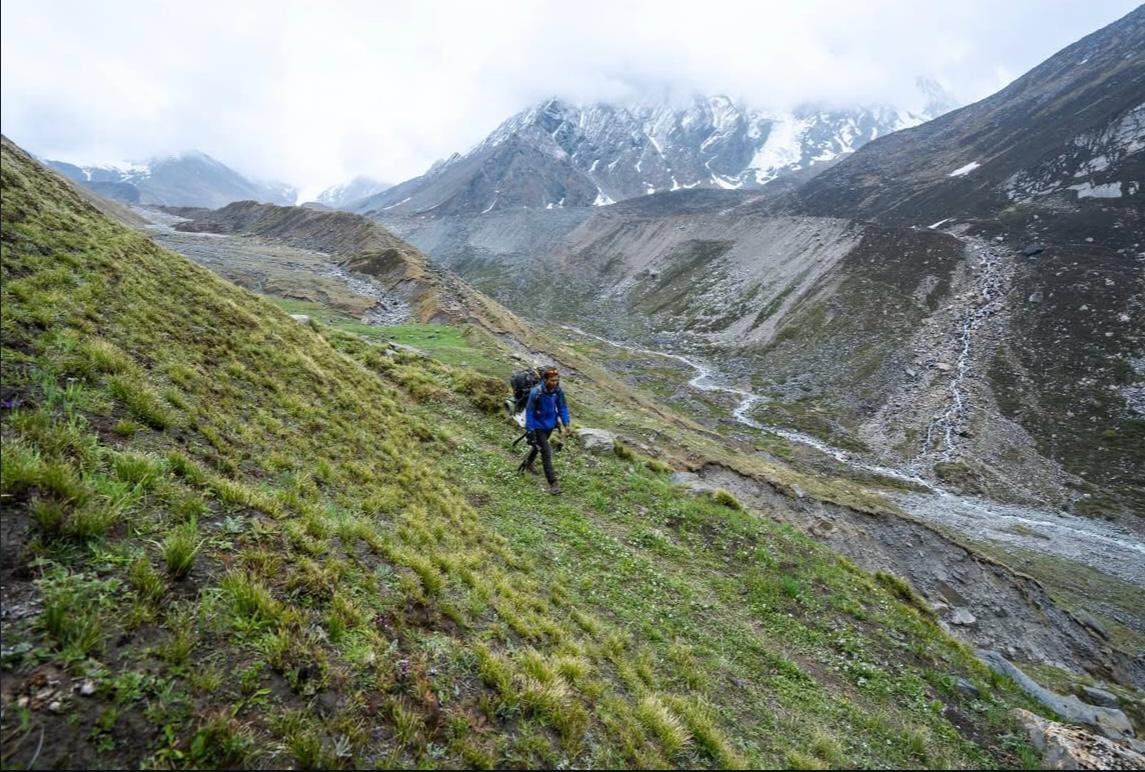
Beyond the lake, the terrain grows more rugged. The climb to Darwa Pass leads through rocky slopes and high alpine grasslands, eventually reaching a windswept pass at 12,700 ft. From the pass, the view opens into a world of snow ridges and wide Himalayan valleys and we push further to Darwa Top at 13,616 ft with views of Banderpuch and Gangotri range of mountains.
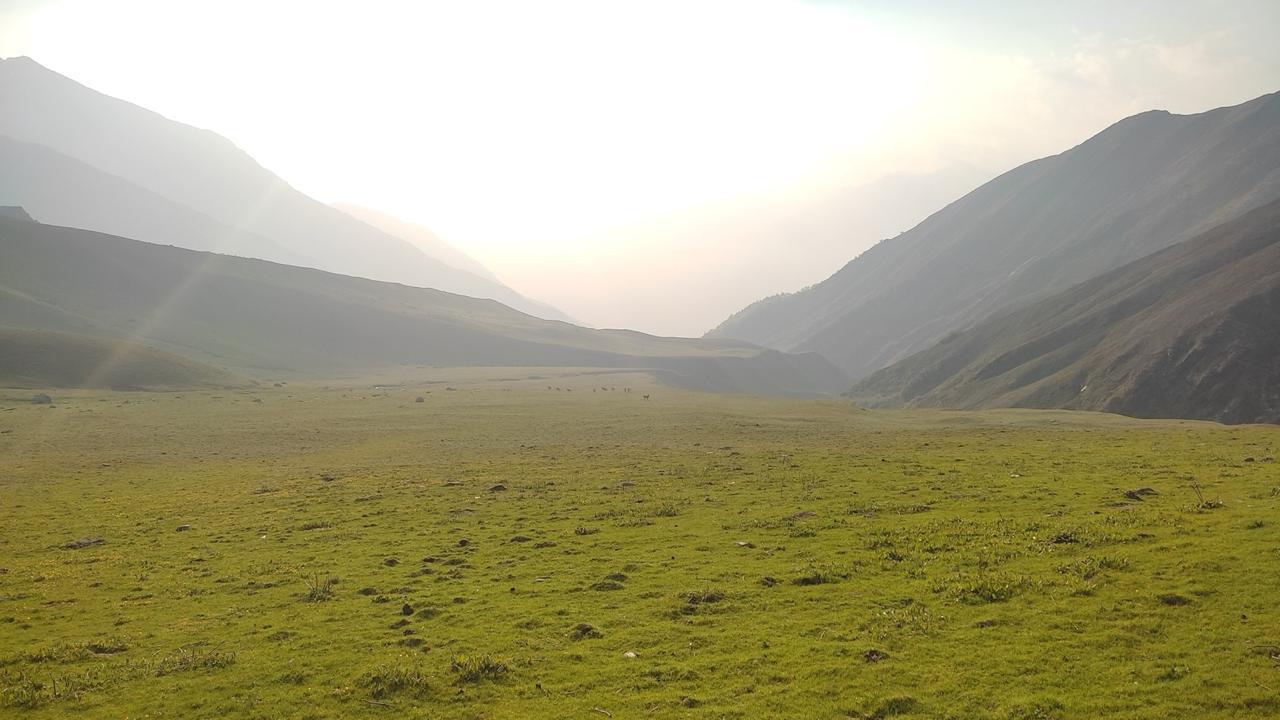
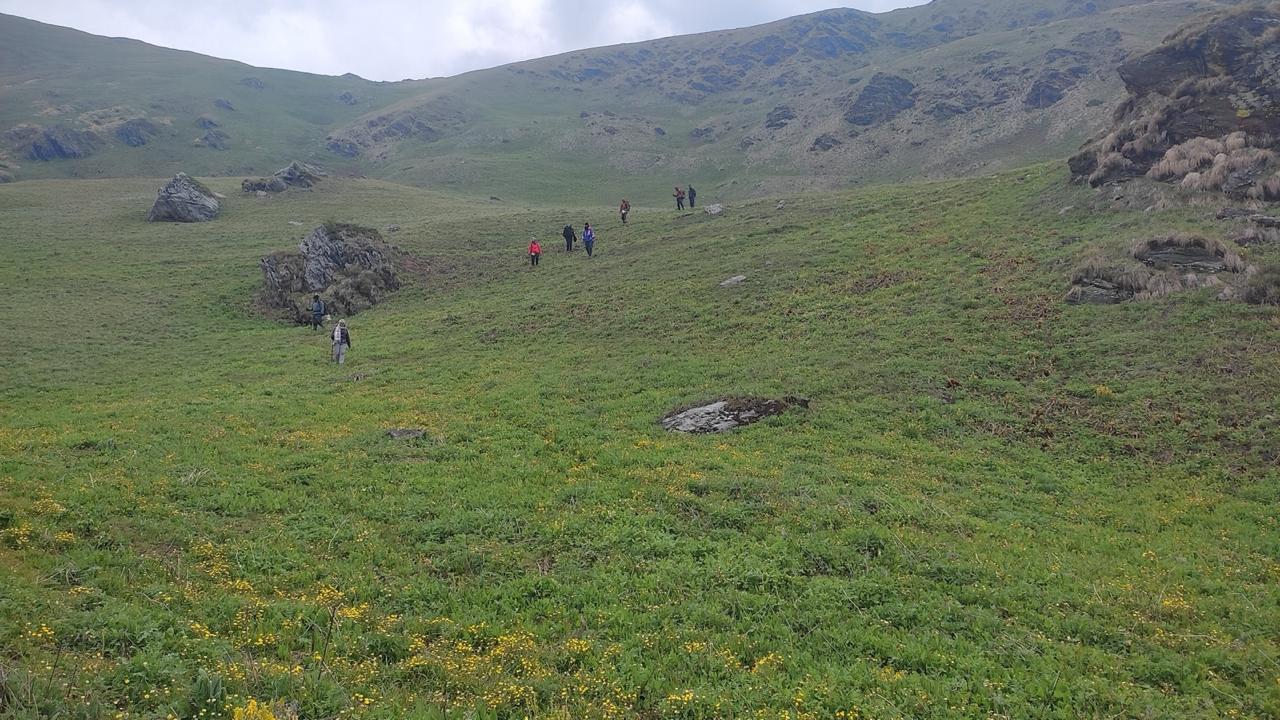
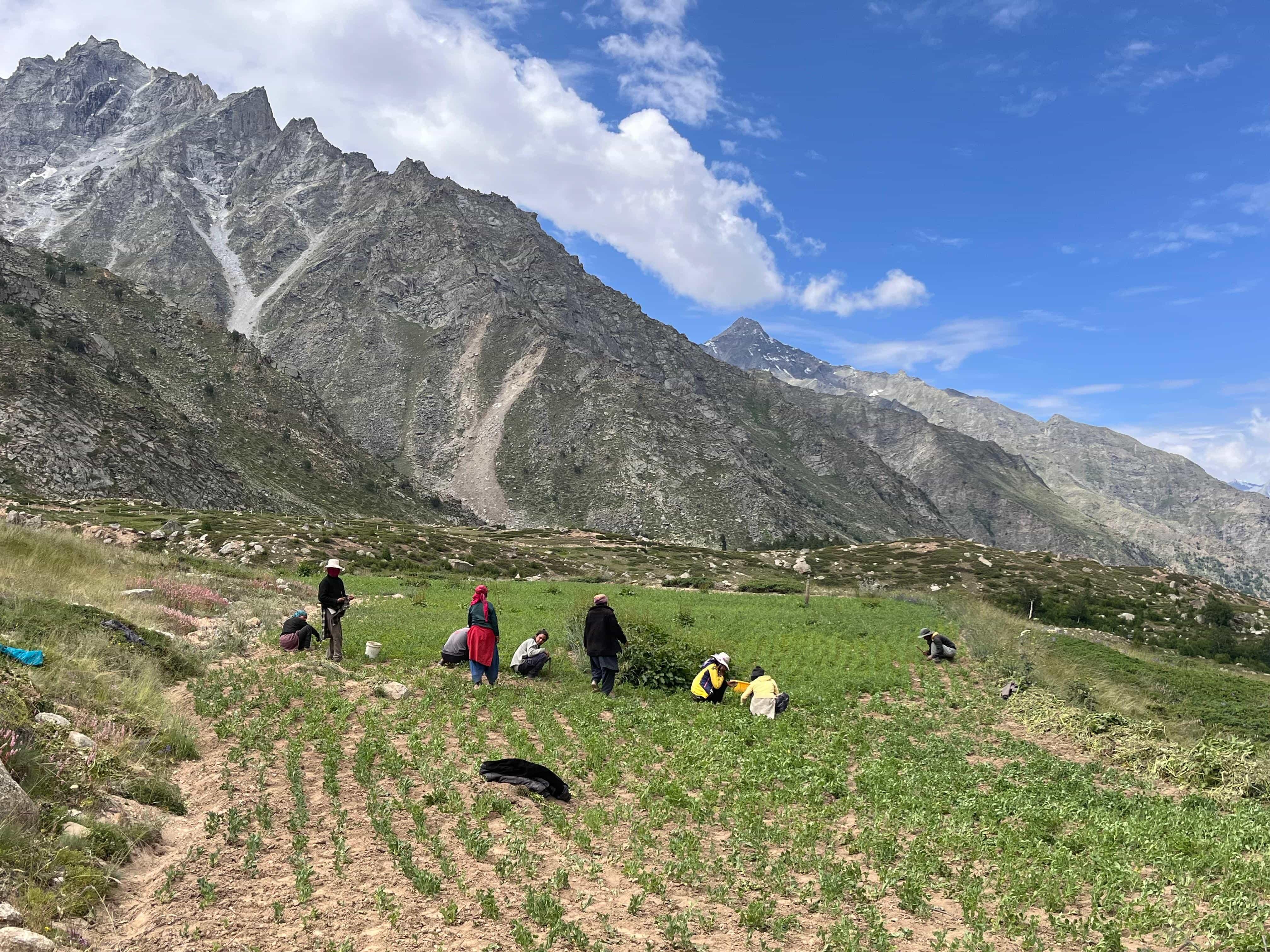
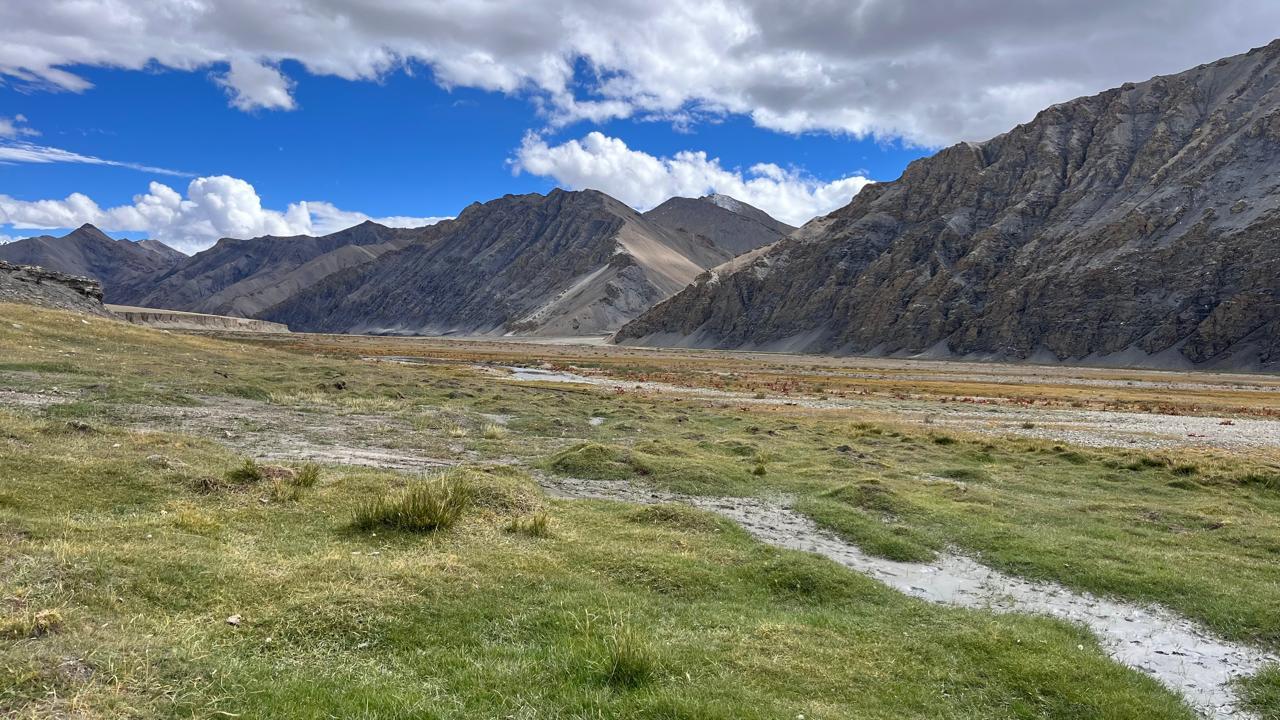
The descent into Seema Thach brings you into rolling meadows grazed by shepherds’ flocks, before the trail drops gradually through forests to Hanuman Chatti, where the trek concludes beside rushing Yamuna river.
This is a trek for those who value rhythm over rush, solitude over crowds, and connection over conquest.
Day 1
Drive from Dehradun to Agoda
Time Taken: 6–7 hours drive
Elevation Gain: from 640 m to 1,740 m
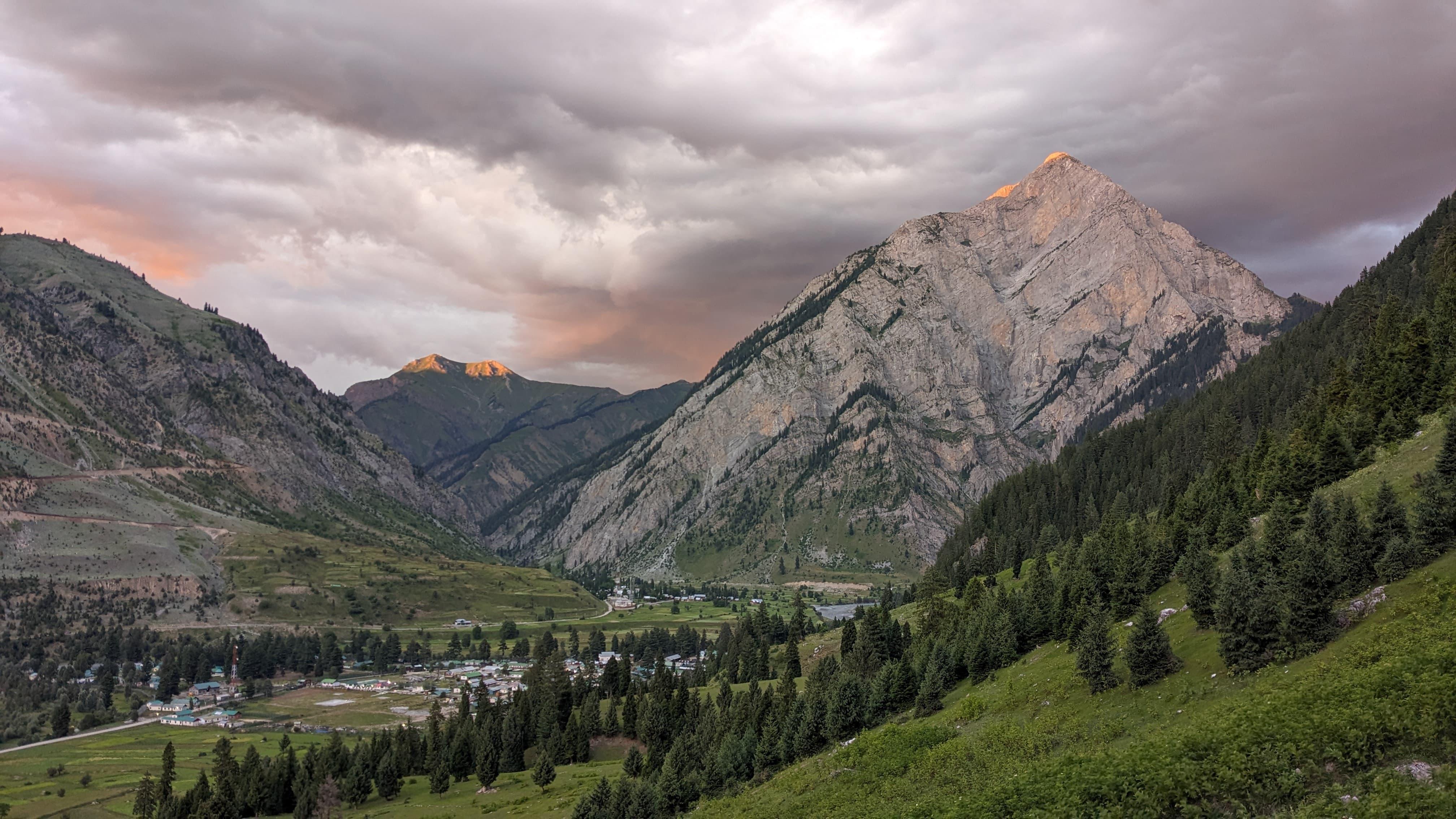
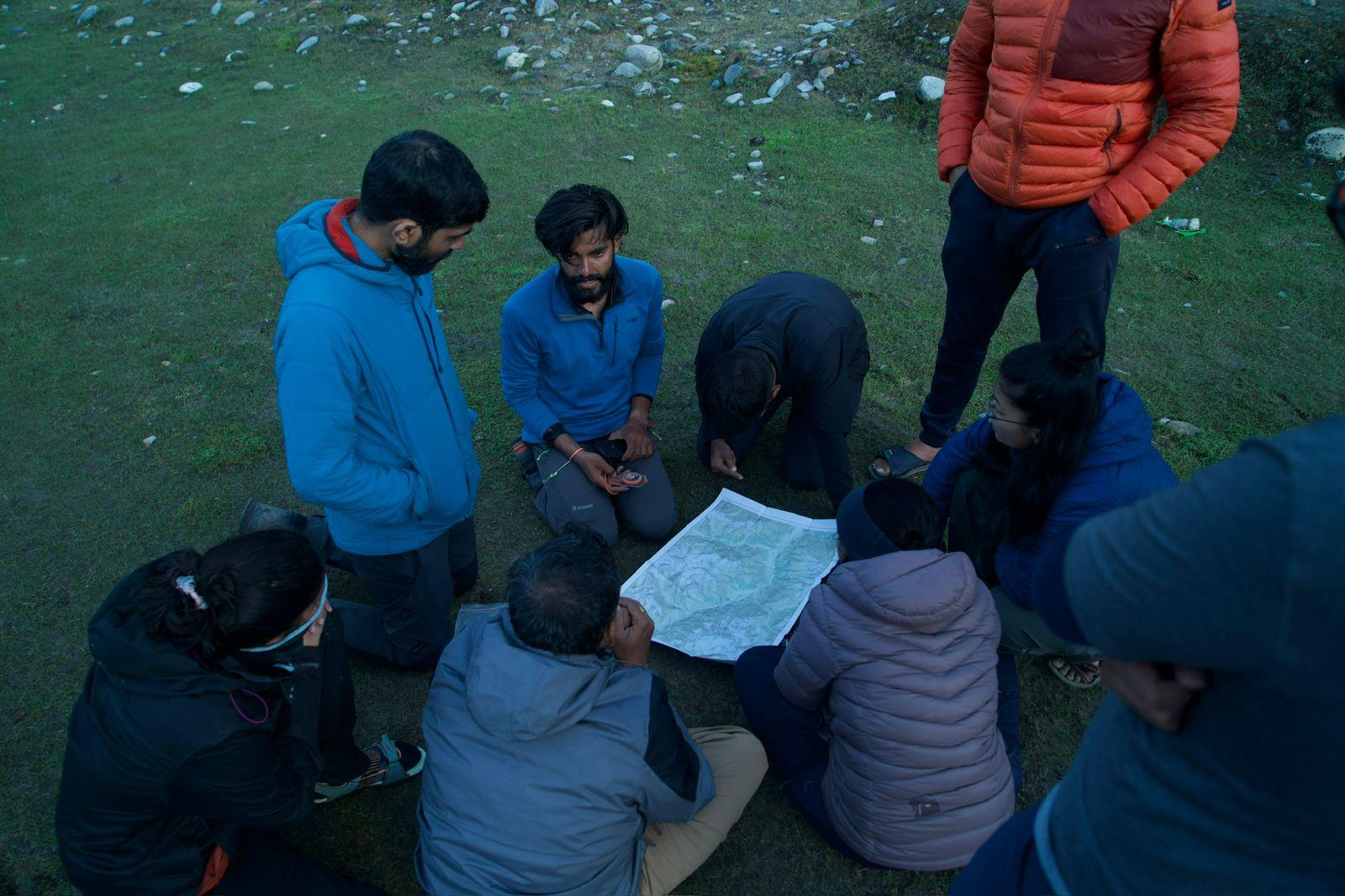
A scenic mountain drive from Dehradun takes us along the Bhagirathi Valley toward Uttarkashi, before turning into quieter village roads leading to Agoda. Terraced fields, hillside homes, and winding forest roads introduce the rural rhythm of Garhwal. Upon arrival, we settle into a homestay, conduct a trek briefing, and enjoy a relaxed evening under starlit mountain skies.
Day 2
Trek from Agoda to Manjhi
Trek Distance: 7 km
Time Taken: 5–6 hours
Elevation Gain: from 1,740 m to 2,640 m
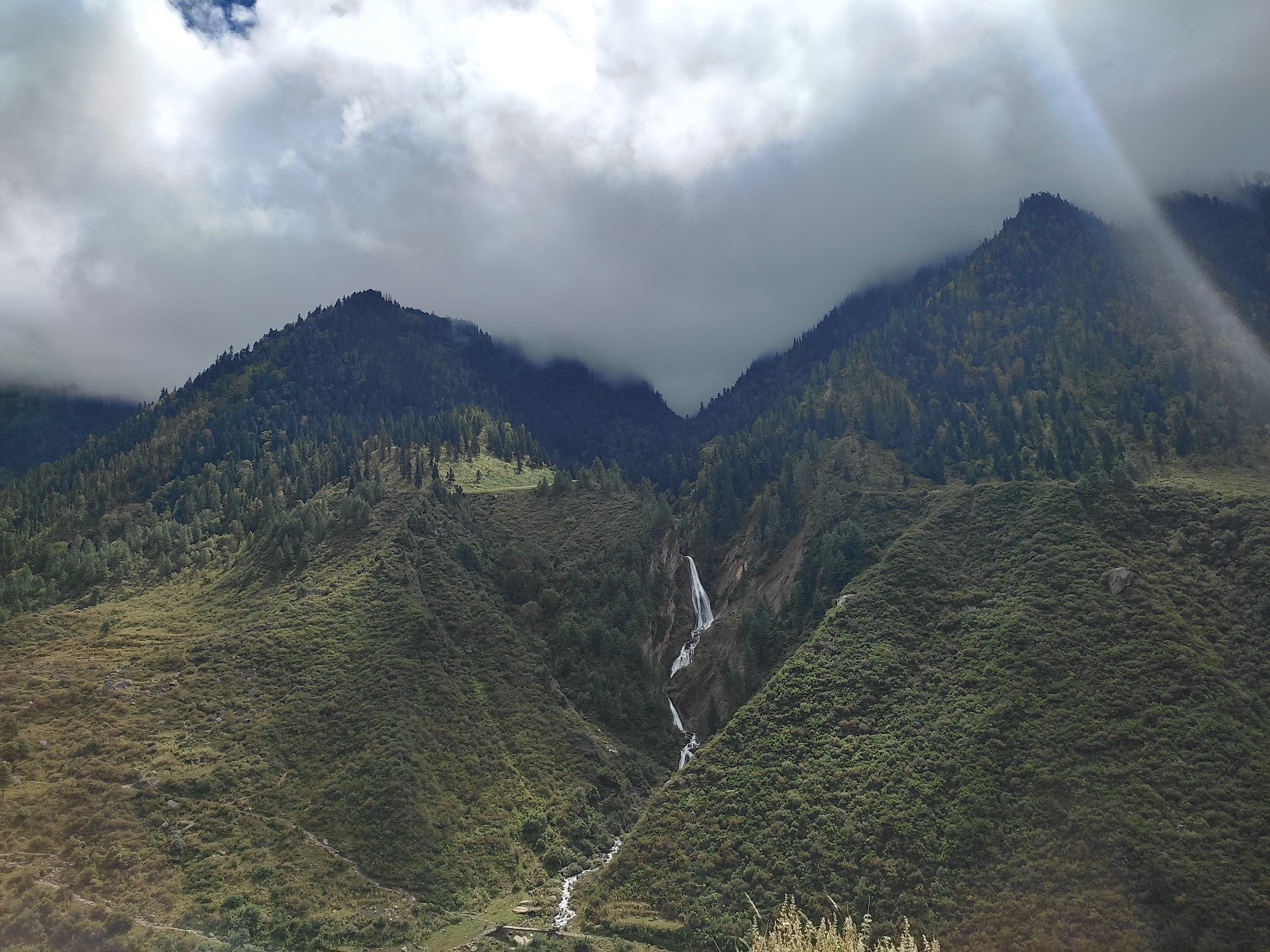
The trail begins with a steady climb through terraced farmland before entering dense oak and pine forests. The air cools, the sounds soften, and the forest gradually wraps around the trail. Occasional clearings offer views of distant ridgelines. Manjhi campsite sits in a quiet forest glade — an ideal first wilderness night.
Day 3
Trek from Manjhi to Dodital
Trek Distance: 7 km
Time Taken: 6–7 hours
Elevation Gain: from 3,300 m to 4,150 m
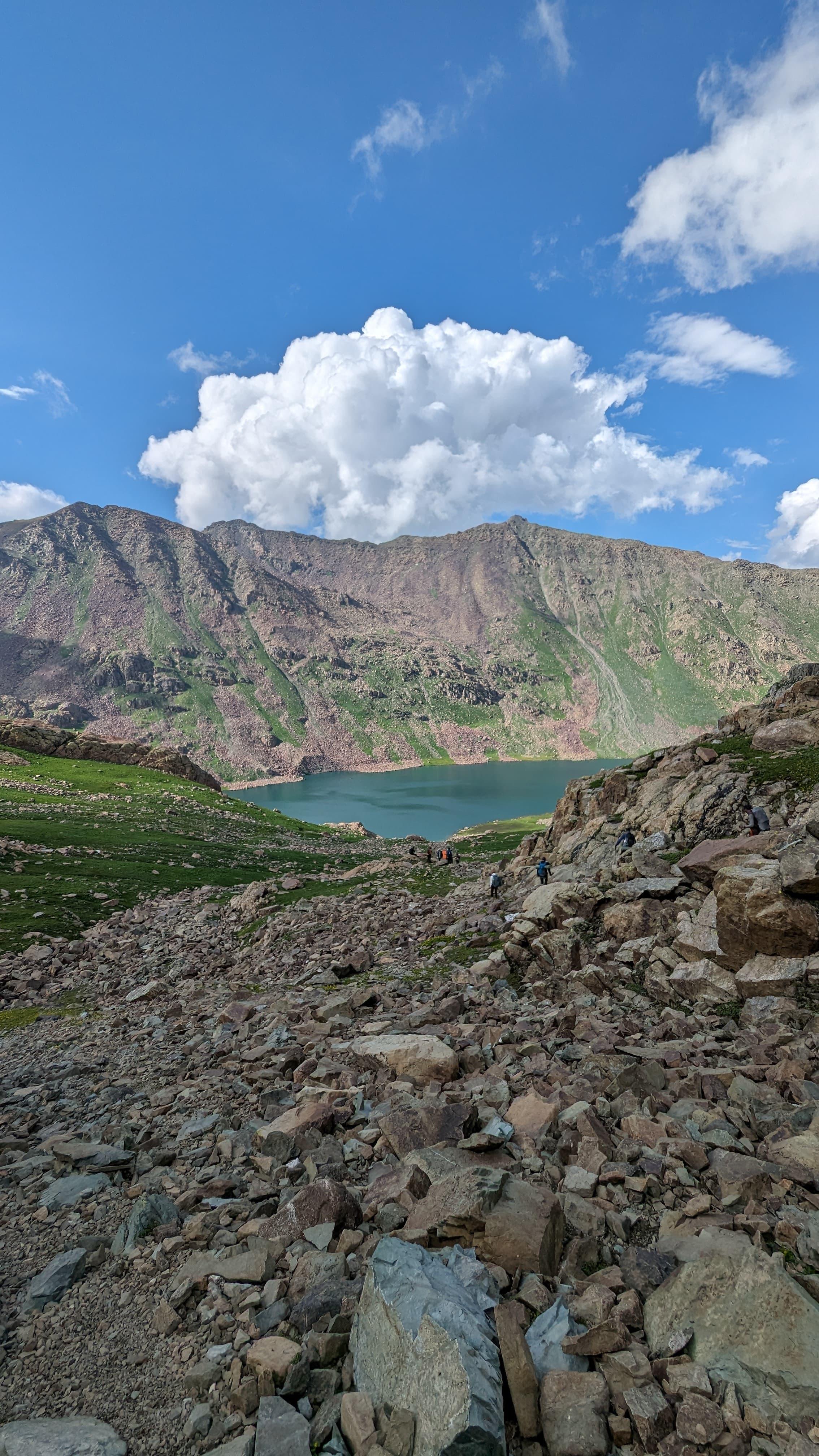
Today’s walk continues through deep forest trails lined with rhododendron and oak. As altitude increases, the path opens to reveal Dodital Lake — still, blue, and perfectly framed by surrounding forest. We camp near the lake, spending the afternoon exploring its shores and absorbing the rare calm of this hidden Himalayan jewel.
Day 4
Trek from Dodital to Darwa Pass Camp
Trek Distance: 6 km
Time Taken: 4–5 hours
Elevation Gain: from 4,150 m to 3,450 m
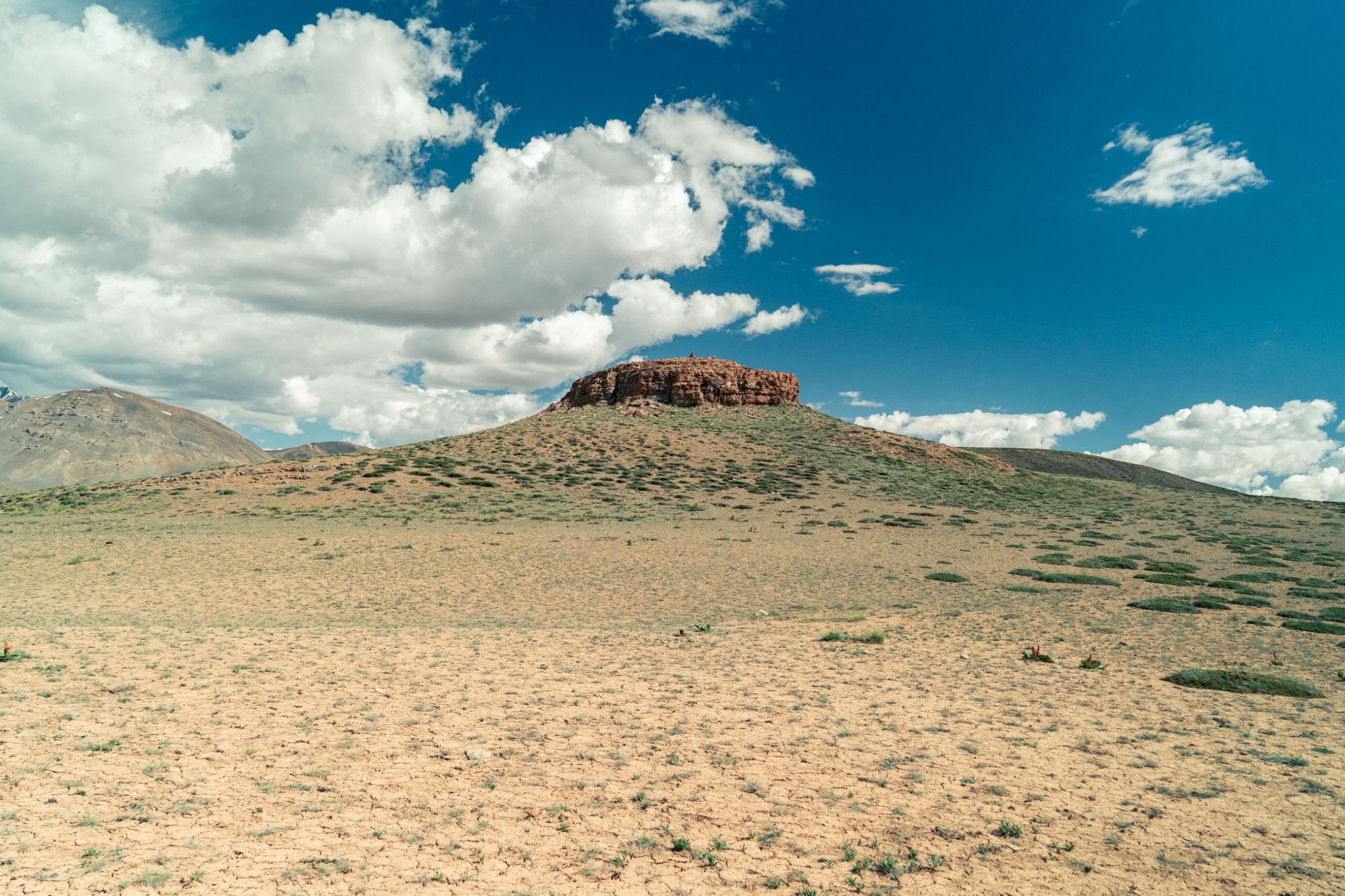
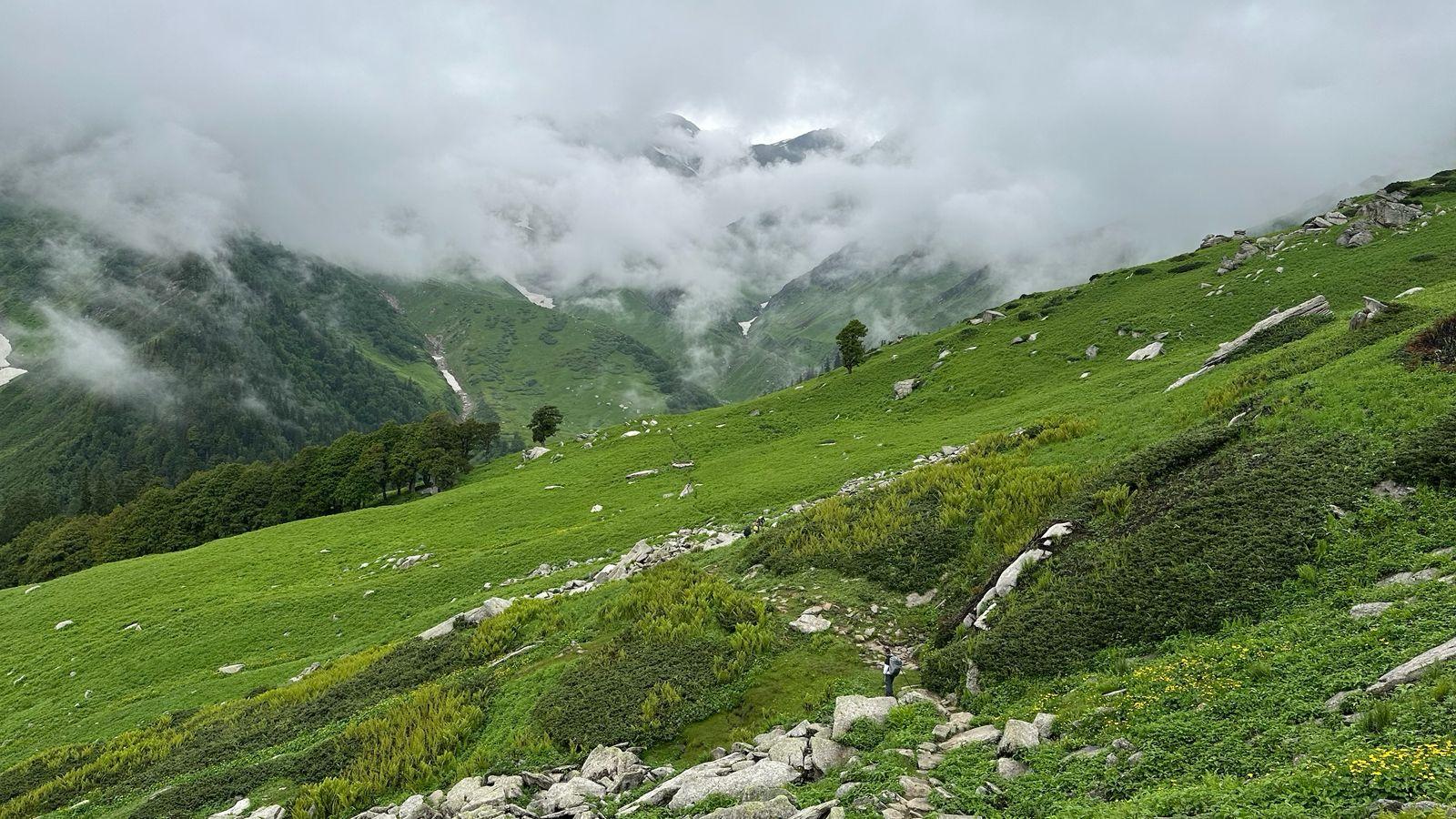
We start early for the climb to Darwa Pass. The trail moves beyond tree line into alpine grasslands and rocky slopes. As we gain height, wide Himalayan views begin to unfold. Reaching Darwa Pass is a quiet triumph — a high opening between valleys with snow peaks standing guard in every direction. After soaking in the views, we descend into Seema Thach, a vast rolling meadow where shepherd huts dot the landscape. A peaceful, open campsite under endless sky.
Day 5
Seema Thach to Hanuman Chatti
Trek Distance: 8 km
Time Taken: 4–5 hours
Elevation Gain: from 3,450 m to 2,750 m
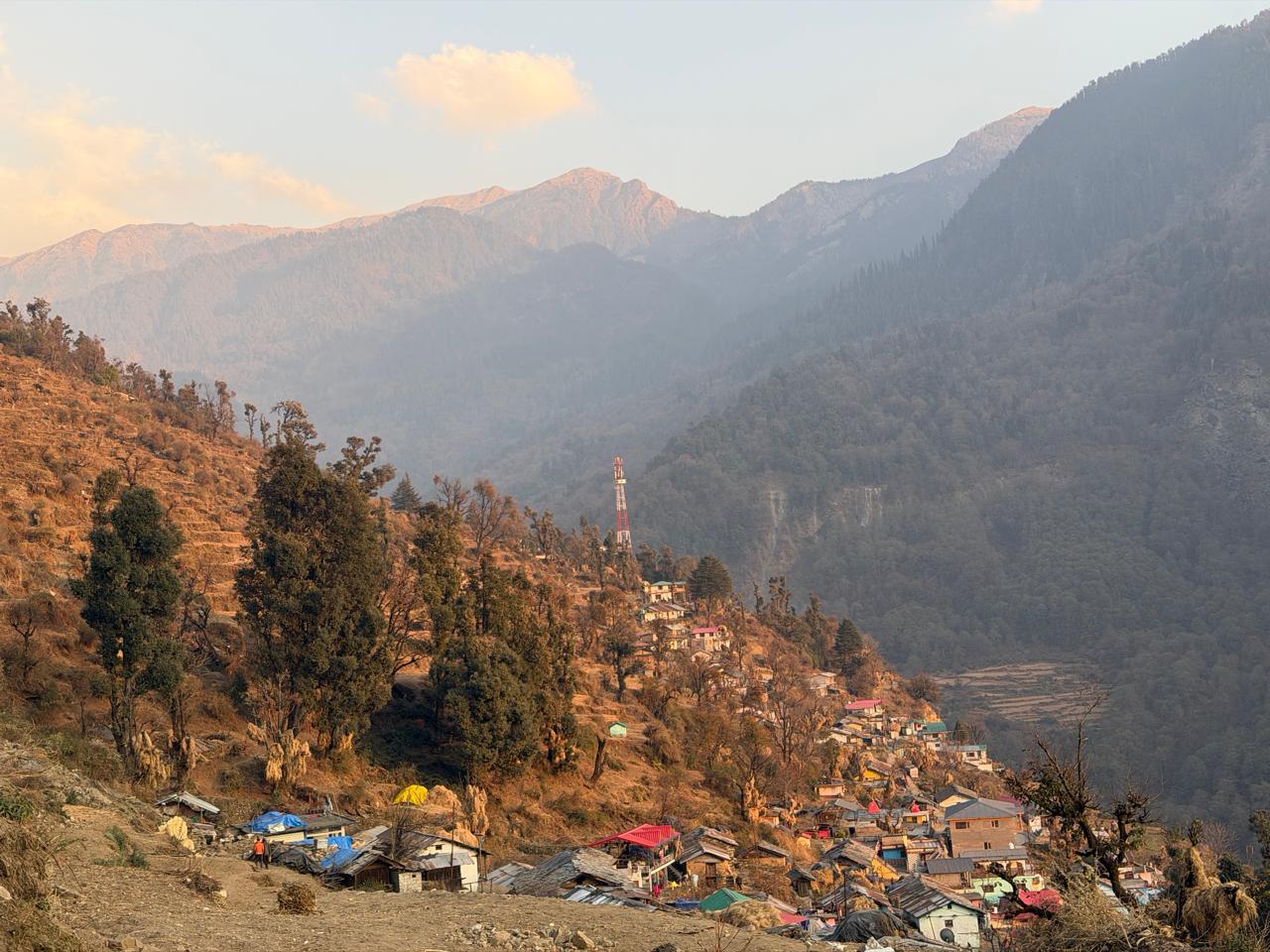
The trail winds gently downward through grasslands, gradually re-entering pine and deodar forests. The sound of distant rivers grows louder as we approach Hanuman Chatti, a small mountain settlement at the confluence of forest paths and pilgrimage routes. The trek officially concludes here, marking the transition back to road and routine.
Day 6
Drive from Hanuman Chatti to Dehradun
Time Taken: 7–8 hours drive
Elevation Gain: from 2,750 m to 640 m
A final mountain drive back to Dehradun follows river valleys and winding hill roads. A good moment to look back at the ridge lines which are now behind you and realisee how far you’ve walked across them.
Minimum Fitness Required
Easy-grade backpacking trips are beginner-friendly, but they still demand foundational stamina and consistency.
We follow a scientific approach where we build most of your endurance in Zone 2, a sustainable, conversational pace that strengthens your aerobic base without overexertion.
Minimum fitness benchmarks:
- Walk 8–10 km on gentle terrain without excessive fatigue.
- Climb 8–12 flights of stairs comfortably.
- Maintain 60–90 minutes of Zone 2 movement (brisk walking, cycling, slow jogging) without long breaks.
- Comfortable moving on slightly uneven or natural surfaces.
4–6 Week Recommended Aerobic Prep
- 3–4 Zone 2 sessions/week, 40–60 minutes each.
- Focus on durability and consistency, not speed.
This prepares your body to handle steady movement over several hours.
Mobility, Strength & Sports Movement
This section builds all-around movement quality (Essential even on easy trails).
Mobility (10–15 minutes daily)
- Ankles (For example - rotations, calf stretches)
- Hips (For example - lunges, hip openers)
- Upper back (For example - thoracic rotations)
Strength (2 sessions per week)
- Legs (For example - squats, step-ups, lunges)
- Core (For example - planks, dead bugs, bird-dogs)
- Balance (For example - single-leg stands, heel-to-toe walk, etc)
Sports Movement & Hand–Eye Coordination (1–2 sessions per week)
We encourage participants to add agility-based sports such as Badminton, Table tennis, Tennis, Basketball, Football (easy play), and Squash.
These develop reactive balance, foot placement accuracy, and movement confidence, all of which are valuable on uneven trekking terrain.
Our Expectations from Participants
To ensure a safe and smooth trekking experience:
- Arrive with the minimum required fitness as listed above.
- Be able to carry a 12 kg backpack comfortably throughout the trek.
- Follow all instructions from the trek leader regarding pacing, hydration, breaks, and safety.
- Maintain respectful behaviour toward teammates, staff, and local communities.
- Uphold Leave No Trace principles at all times.
- Submit all required documents (ID proofs, medical declarations, waivers, permits, etc.) within the timeline set by the coordinator.
Health & Acclimatisation Readiness
- No uncontrolled medical conditions or recent major injuries.
- Disclose any medications or concerns to the trek leader beforehand.
- Maintain good hydration and follow safe pacing.
- No prior altitude experience is required for easy treks.
Gear Readiness
Participants must come prepared with all the gear and accessories listed in the official trek checklist shared by the coordinator prior to departure.
These items ensure comfort, safety, and preparedness across changing mountain conditions.
Inclusion
Exclusion
SELECT DATE TO REGISTER
Thank You!
Your form has been submitted successfully. We'll get back to you soon.
On Request
