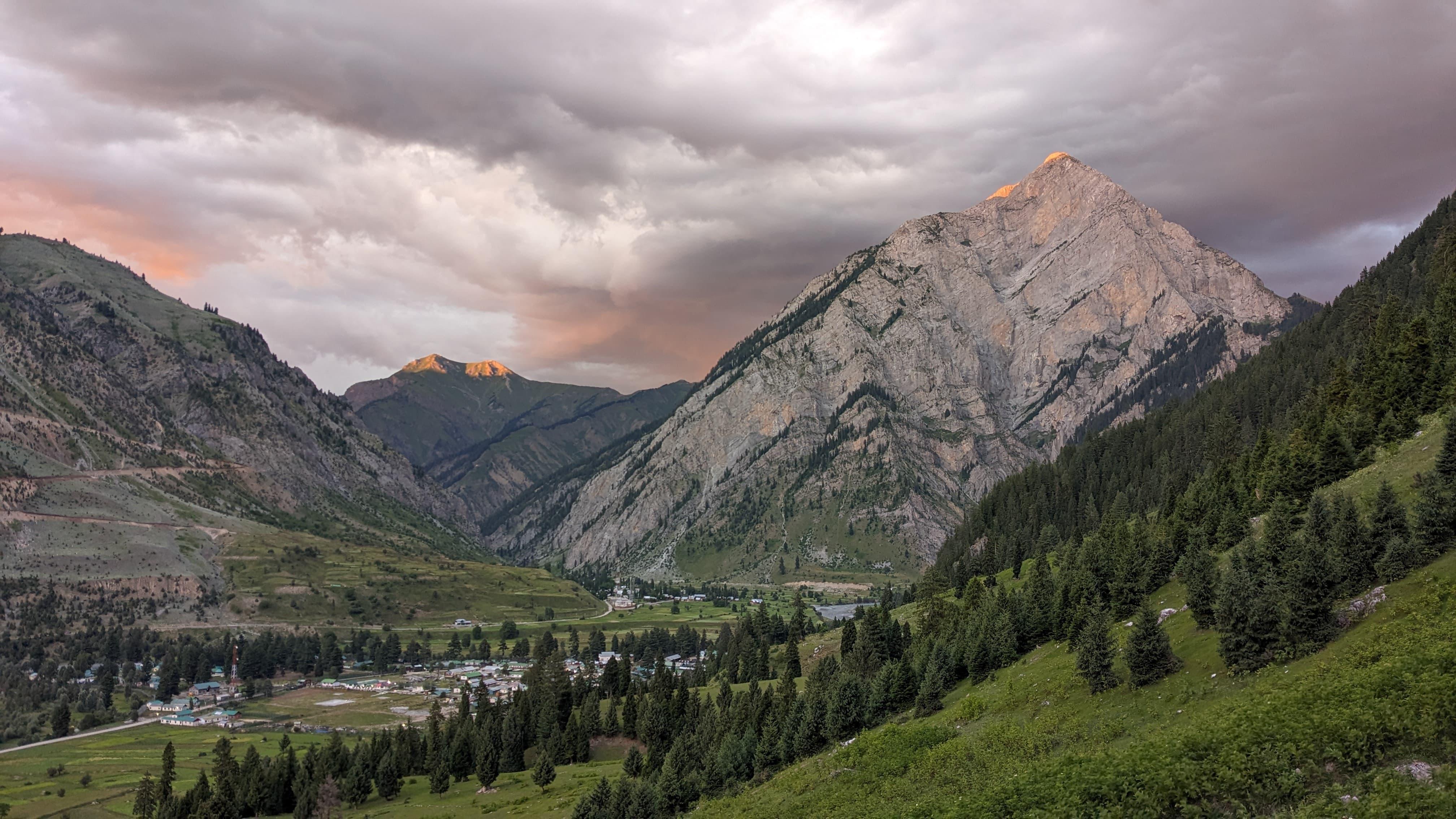
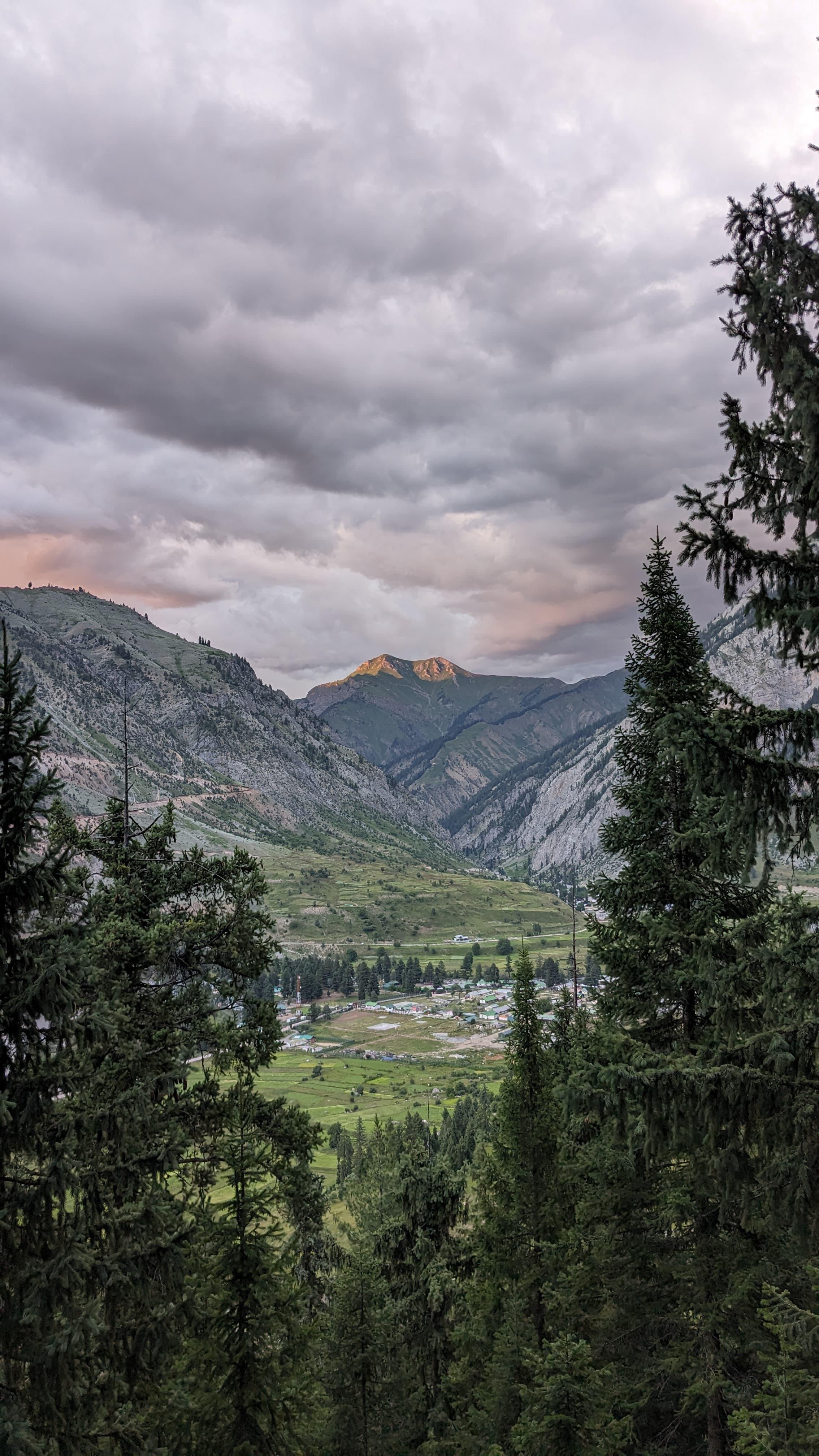


Gurez pulls you in quietly. It’s not like the postcard Kashmir most people know. It feels older… almost untouched. Backpacking this beauty makes it all the more special. It's rewarding as you carry your own gear, plan your day, cook your own meals as a team and that adds a new flavour to the whole experience.!
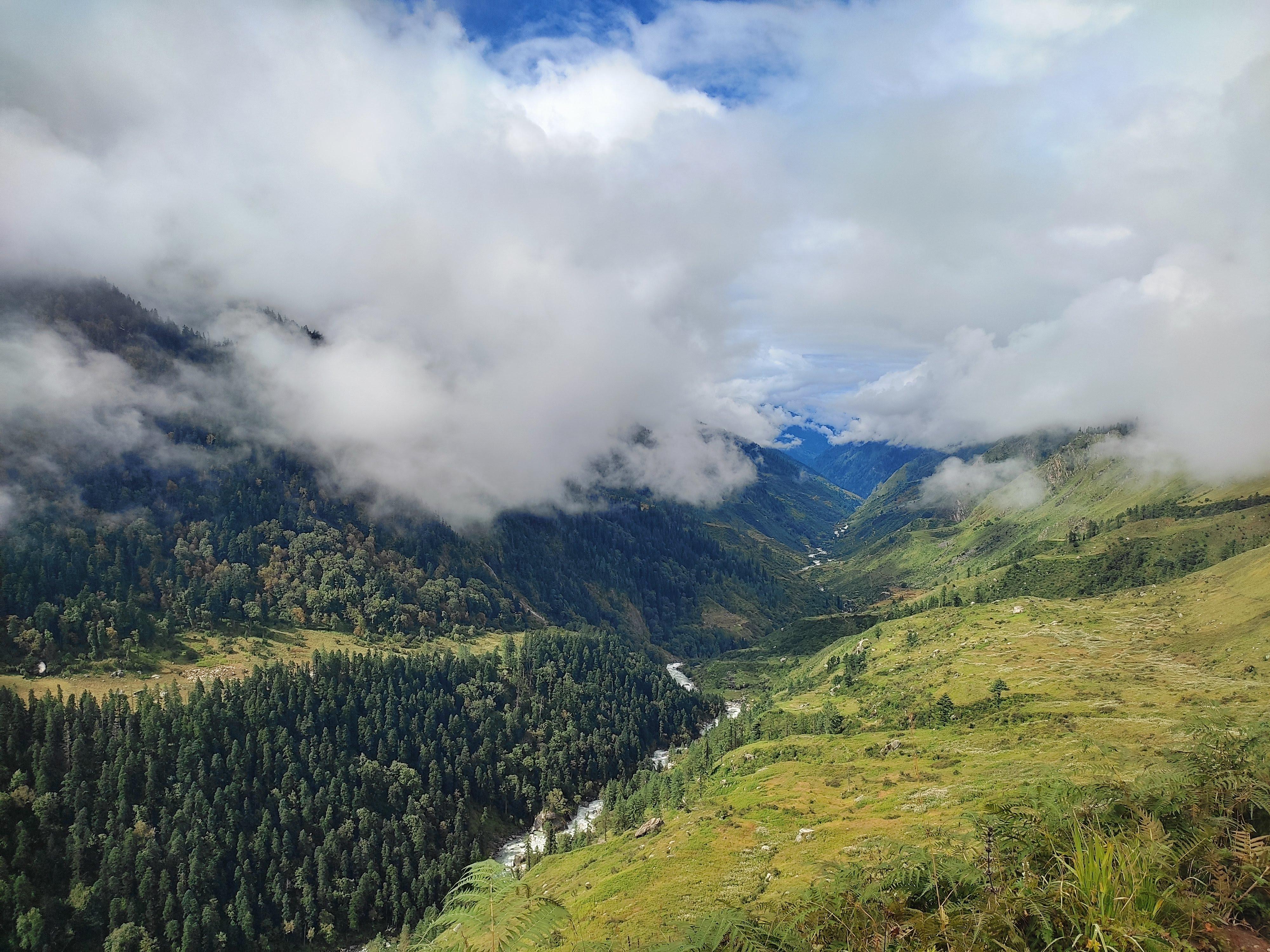
The moment you leave Srinagar and start driving towards Dawar, everything begins to slow down - traffic fades, the mountains rise sharper, and the Kishanganga river starts running beside you like a guide.
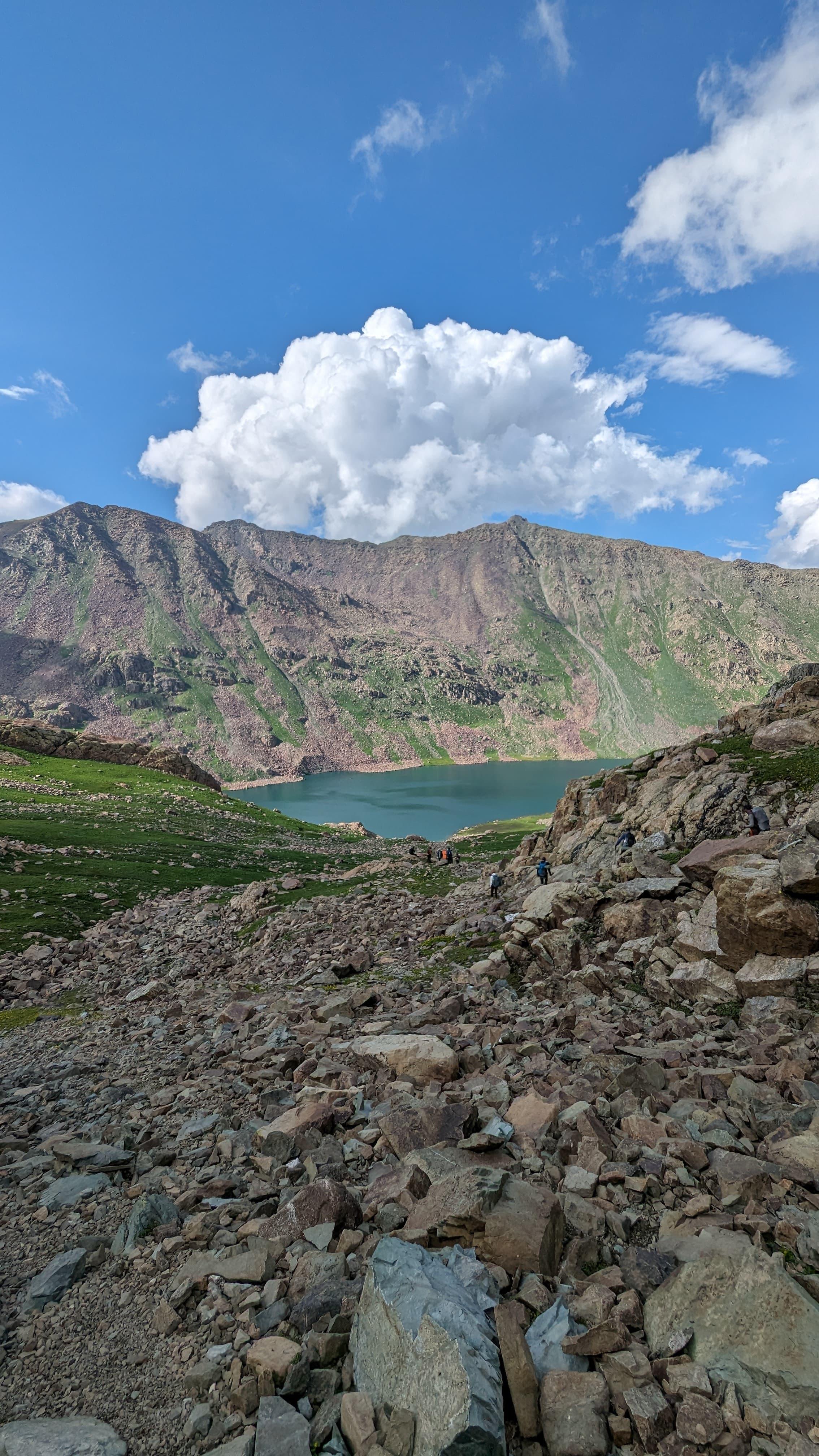
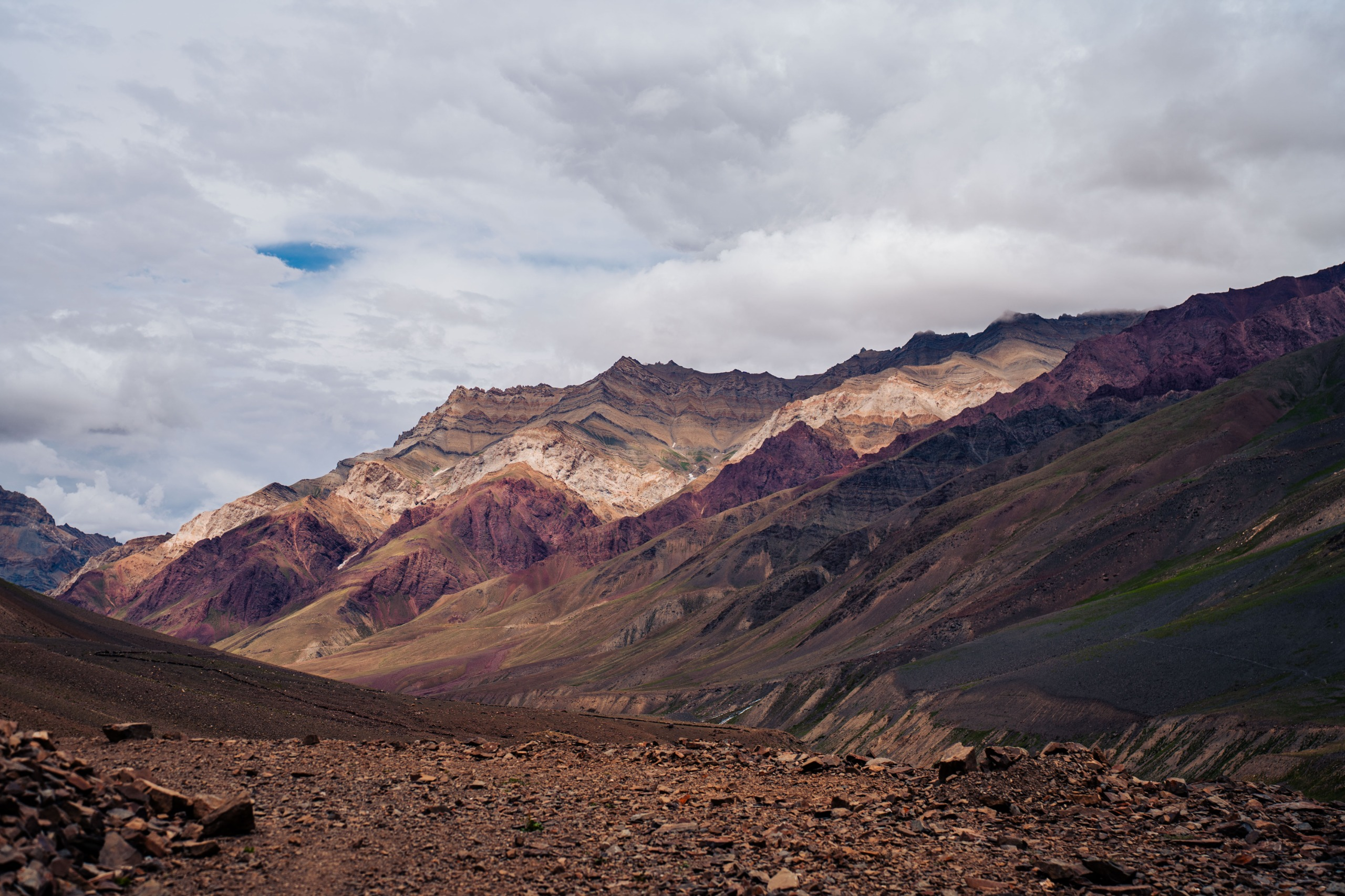
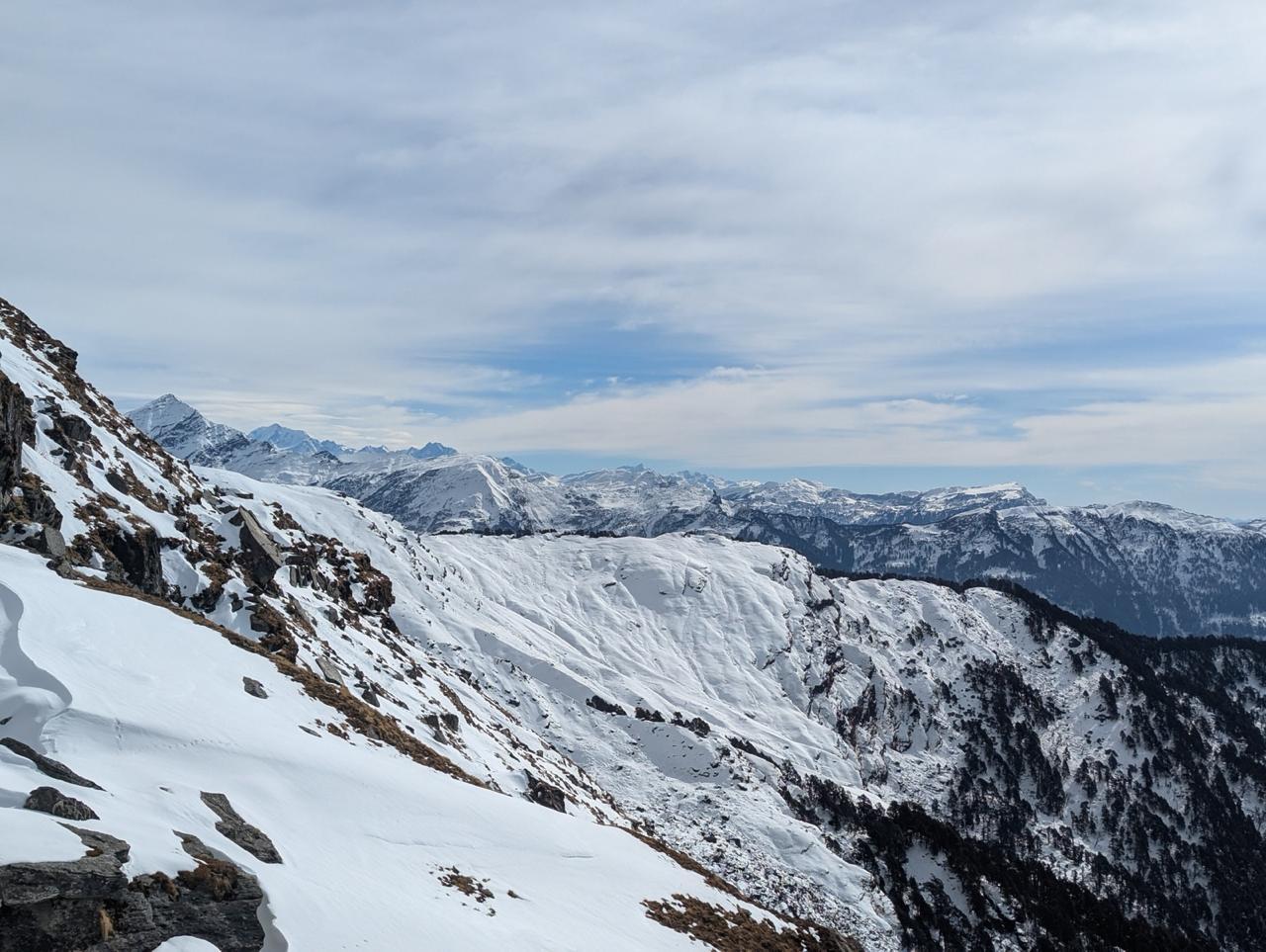
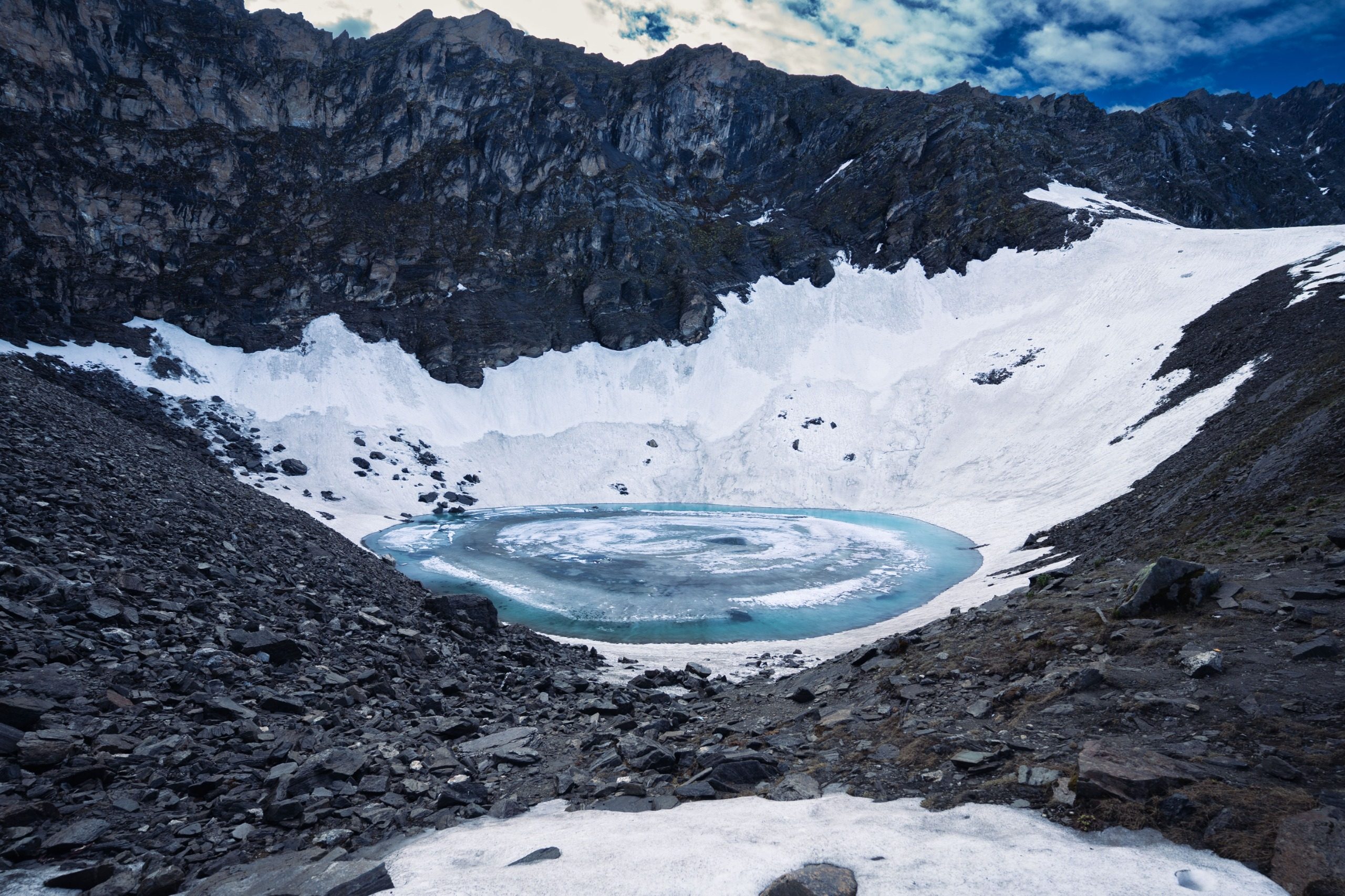
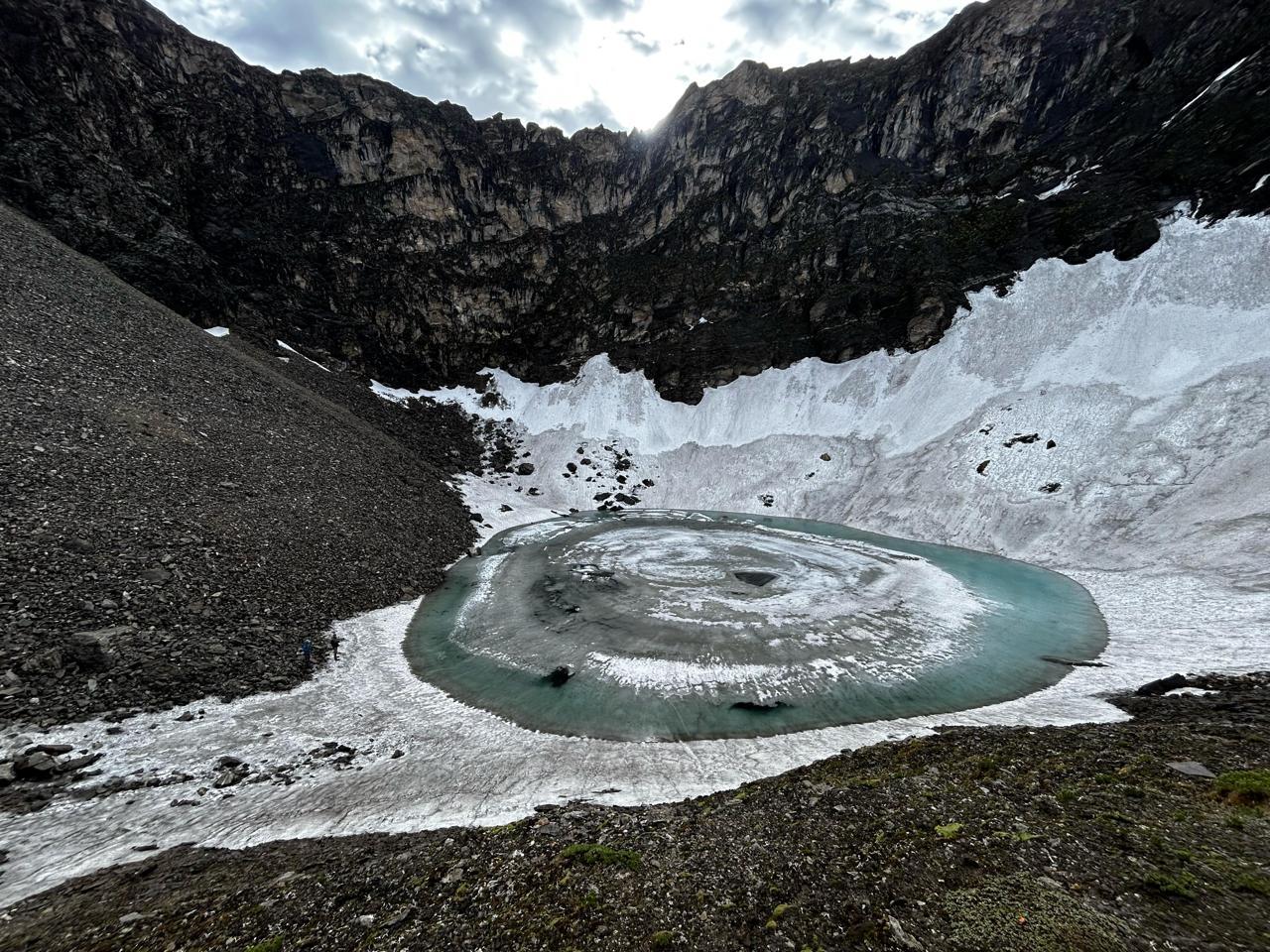
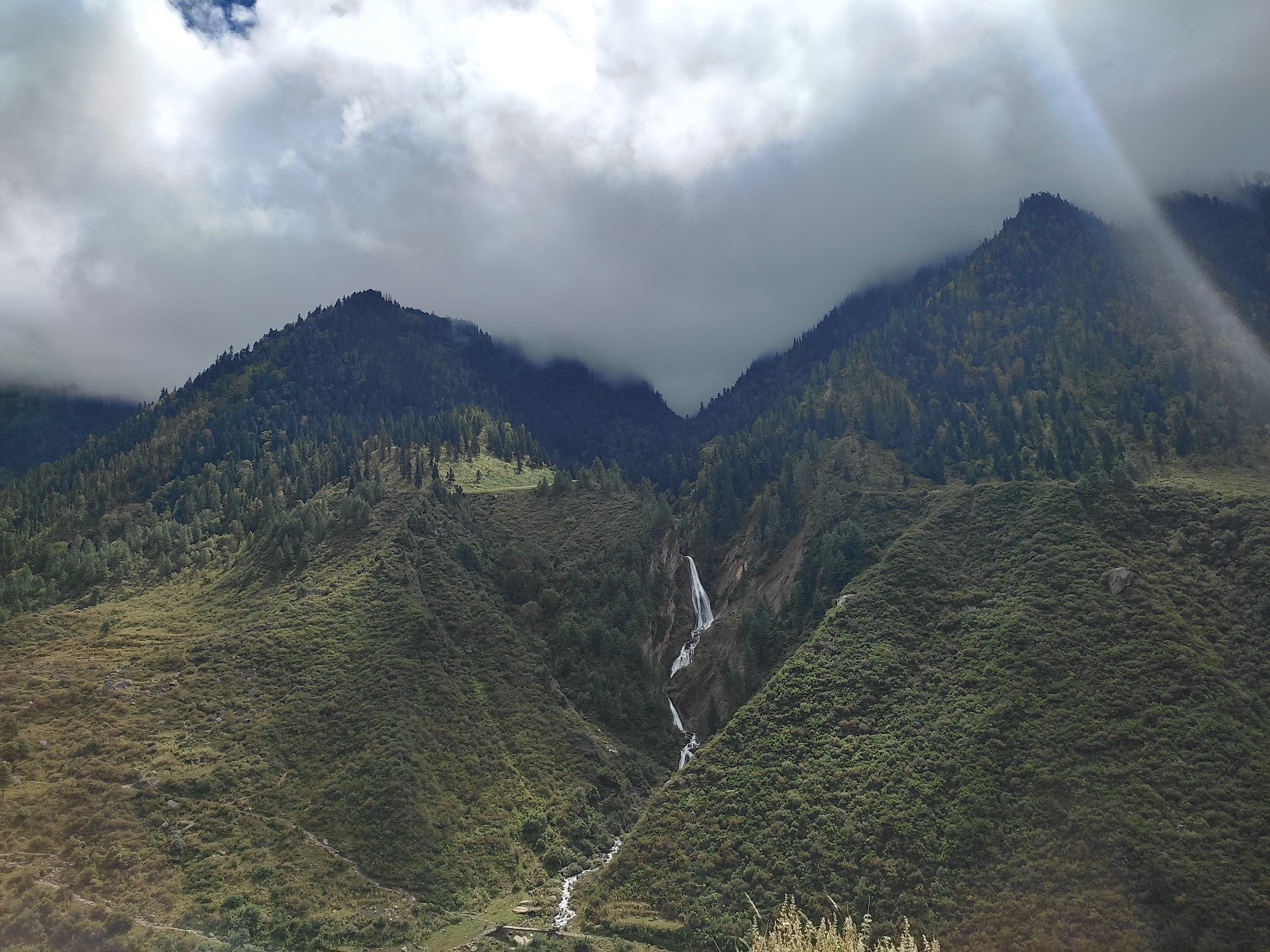
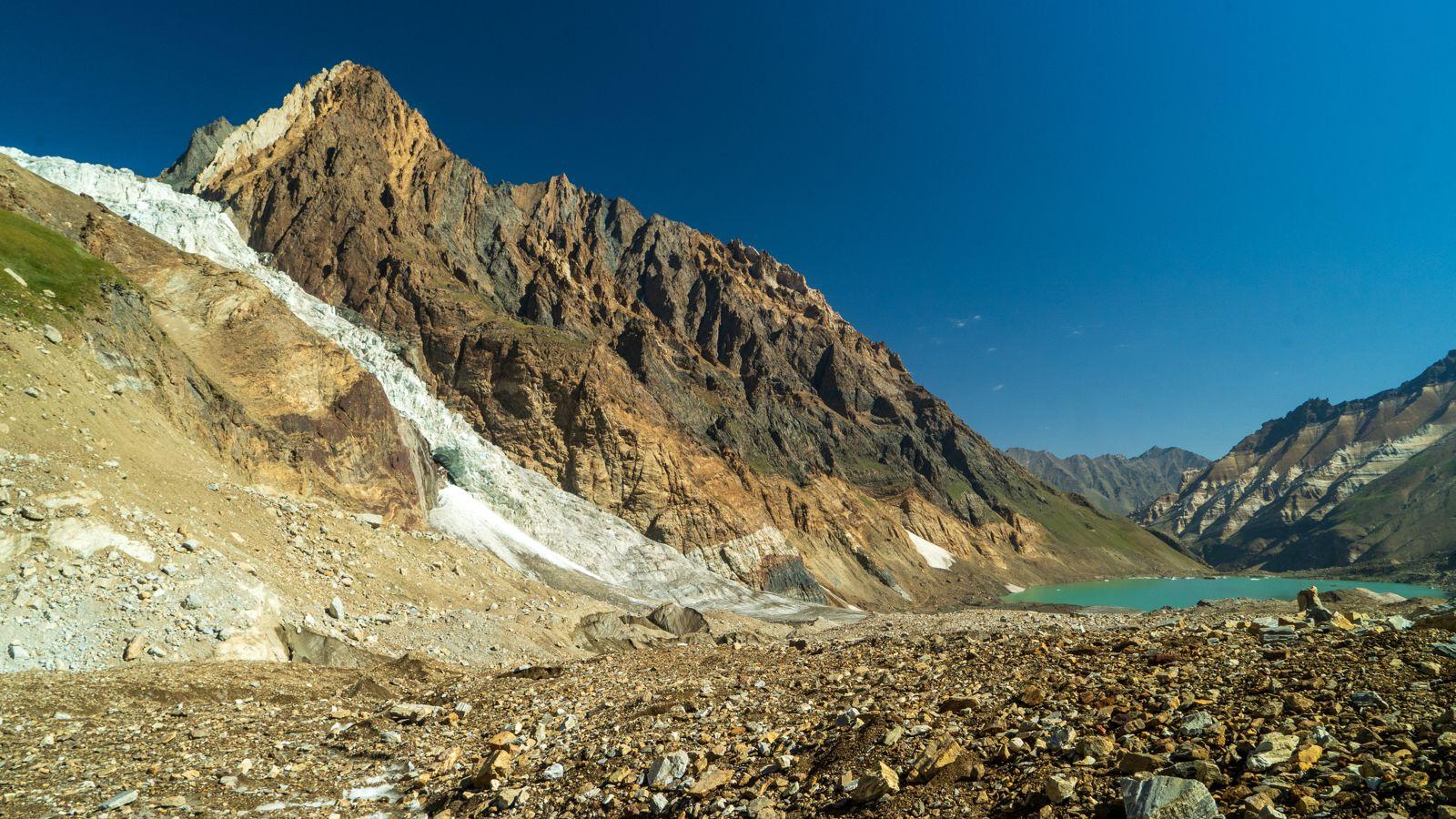
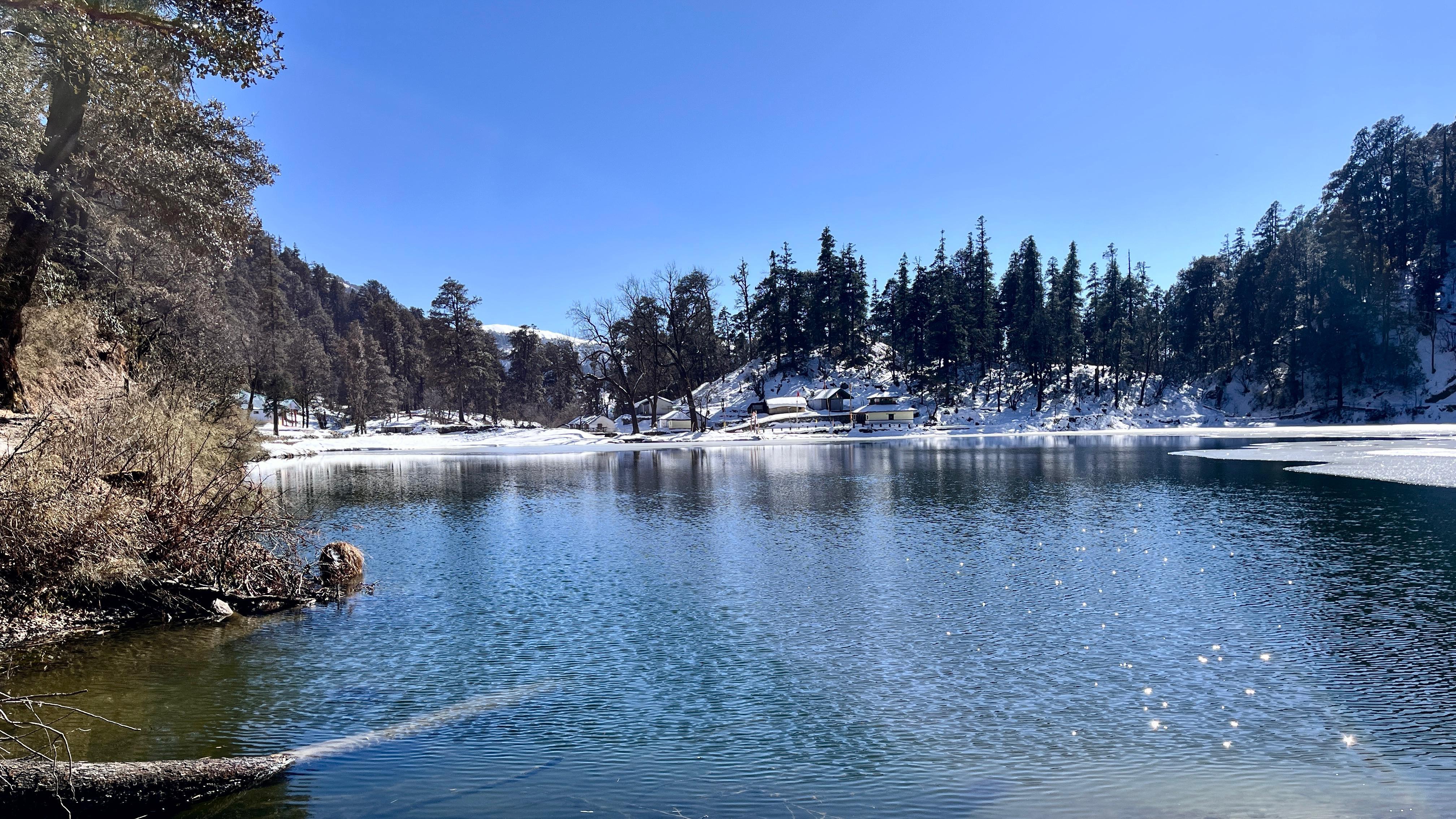
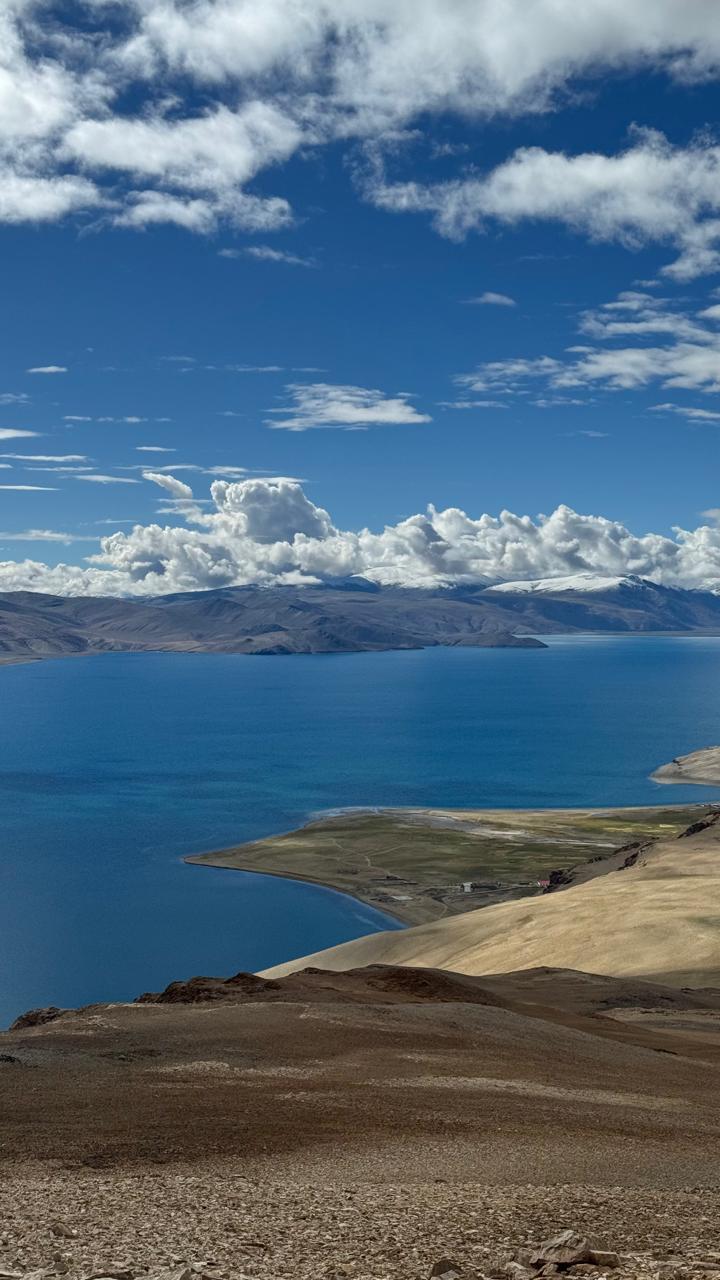
This trek is for someone who wants the real thing - silence, raw valleys, meadows with nobody in them, and slopes that don’t pretend to be easy. You walk through forests that look like they’ve been waiting centuries for someone to ask them how old they are. You climb ridges that open into huge amphitheaters of green and grey. And then, just when you think you’ve seen enough, the lakes show up. High, cold, wind-washed blue bowls at around 13,000 feet. They don’t care about your fitness level or deadlines - they just exist, and you stand there trying to catch your breath, pretending the altitude isn’t getting to you.
People here are warm in a quiet way. They speak softly, like the valley taught them not to rush. Hospitality comes without fuss. It’s not Instagram hospitality - it’s chai, stories, and simple food that tastes better because you've earned every calorie on the trail.
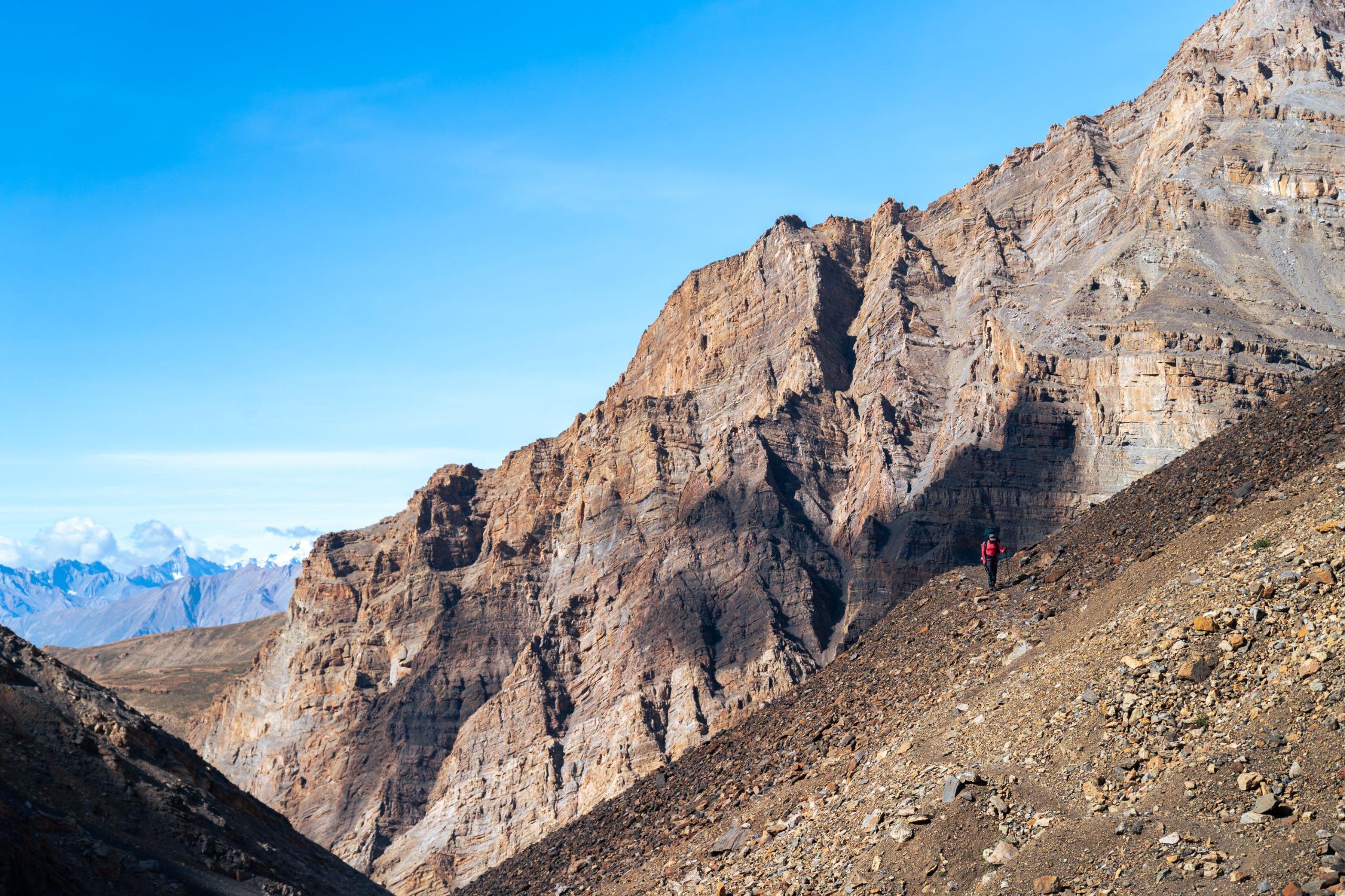
Is it tough? Parts of it, yes. Especially the climb to Patalwansar. Some ascents are long enough to make you question your training plan, but that’s the good stuff. That’s where you feel your lungs open and your legs remember they were made for hills.
By the time you return to Dawar and drive back to Srinagar, the noise of the city feels new again. The trek leaves that kind of imprint - slow, deep, like a river carving a valley. If you want a trail that’s still wild, still real, and still not crowded… this is one of the last few left.
Day 1
Drive from Srinagar → Dawar (Gurez Valley)
Distance: ~140 km
Drive Time: 6–7 hours
Altitude: Srinagar (~5,200 ft) → Dawar (~7,900 ft)
Elevation Gain: ~2,700 ft
You start early from Srinagar and enter the road that winds towards the Gurez region. The Kishanganga river follows you, sometimes close, sometimes far below. The landscape changes fast - lush valleys, military check posts, small settlements, and long stretches of quiet mountains. Dawar is simple, peaceful, and gives you the feeling you’ve crossed into a different world.
Today we meet at the base village to arrange our gears, divide ration and pack our bags for tomorrow.
Day 2
Dawar → Dison
Trek Distance: 8–10 km
Altitude: 7,900 ft → ~10,335 ft
Elevation Gain: ~2,400 ft
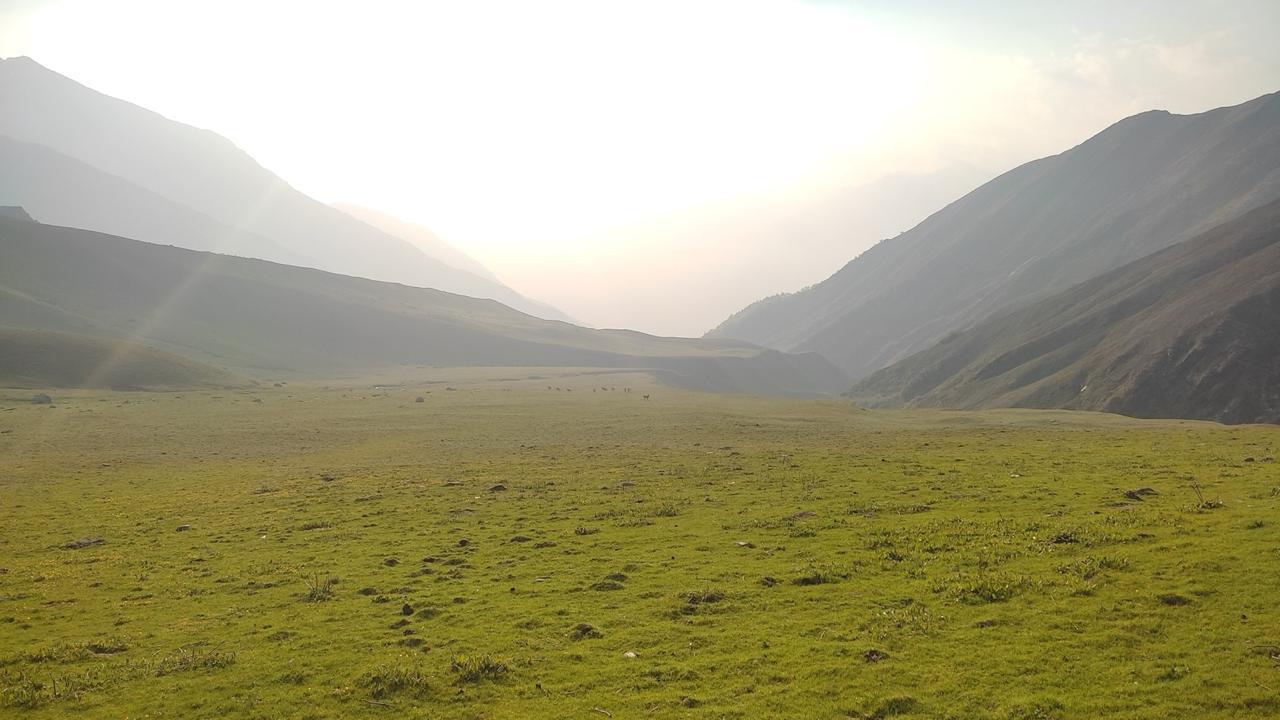
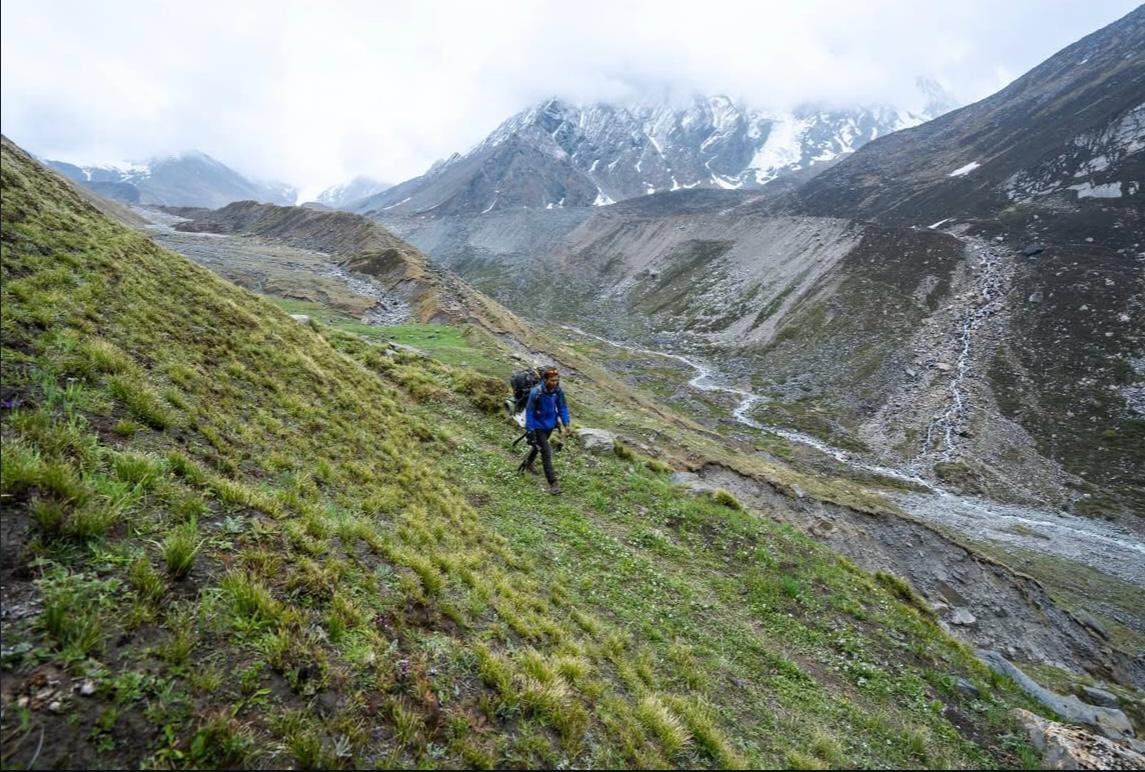
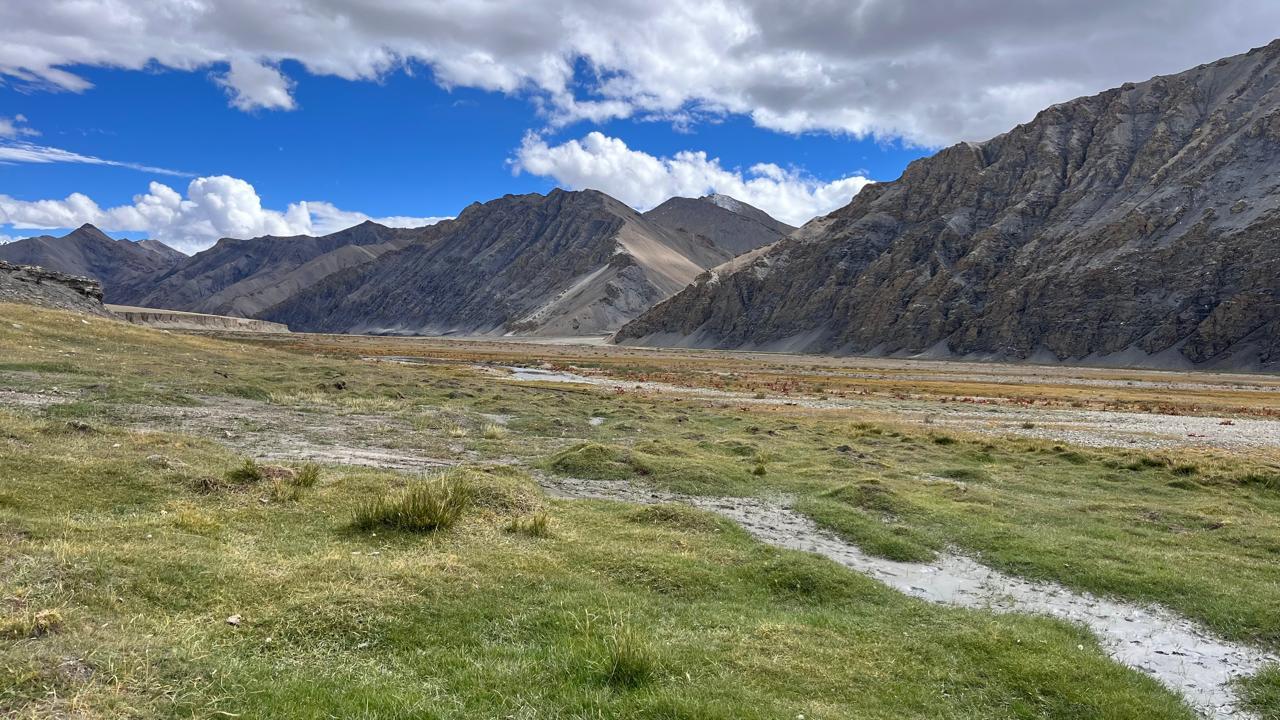
First walking day. The trail pulls you into deep forest patches, gentle ridgelines, and river crossings. It’s not steep, just steady enough to warm your legs. Meadows open up towards Dison, where we set up camp. Expect cold air, pine shadows, and that sweet silence you only get far away from civilization.
There’s enough space to spread out, cook, refill water, and sit quietly watching the colours change on the mountains.
Day 3
Dison → Khaari
Trek Distance: 7–8 km
Altitude: 10,335 ft → ~11,305 ft
Elevation Gain: ~970 ft
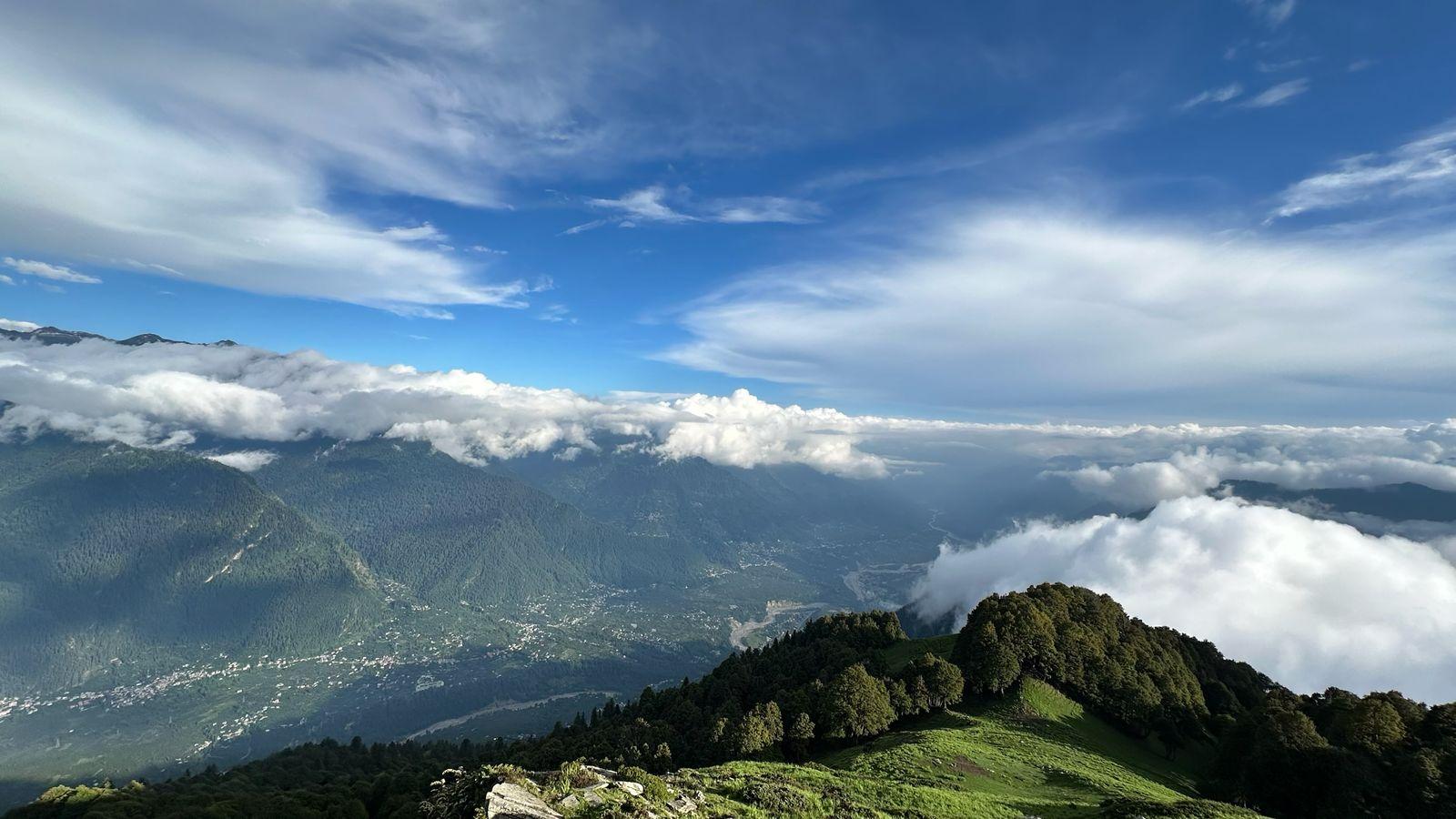
This day climbs gradually into higher terrain. The valley stretches wide, ridges pop up on both sides, and the forests begin thinning. By the time you reach Khaari, the views feel bigger, cleaner. Campsite is exposed, but stunning - the kind of place where you sit with a cup of soup and just stare at the horizon for too long.
The rest of the afternoon unfolds slowly:
- You spread out your gear, dry your socks, and refill your water.
- Someone starts chopping vegetables, and someone else lights the stove.
- A few of you take a walk to the nearby high-altitude lake, a short acclimatisation hike that gives a stunning view of the upper valley and tomorrow’s route.
- The colours change sharply as the sun dips; the valley becomes colder and quieter.
Day 4
Khaari → Patalwansar II (via high ridge) → Camp at Patalwansar I
Trek Distance: ~8 km
Altitude: 11,305 ft → Highest point ~13,200+ ft → Camp at ~12,800 ft
Elevation Gain: ~1,900 ft up, ~400 ft down
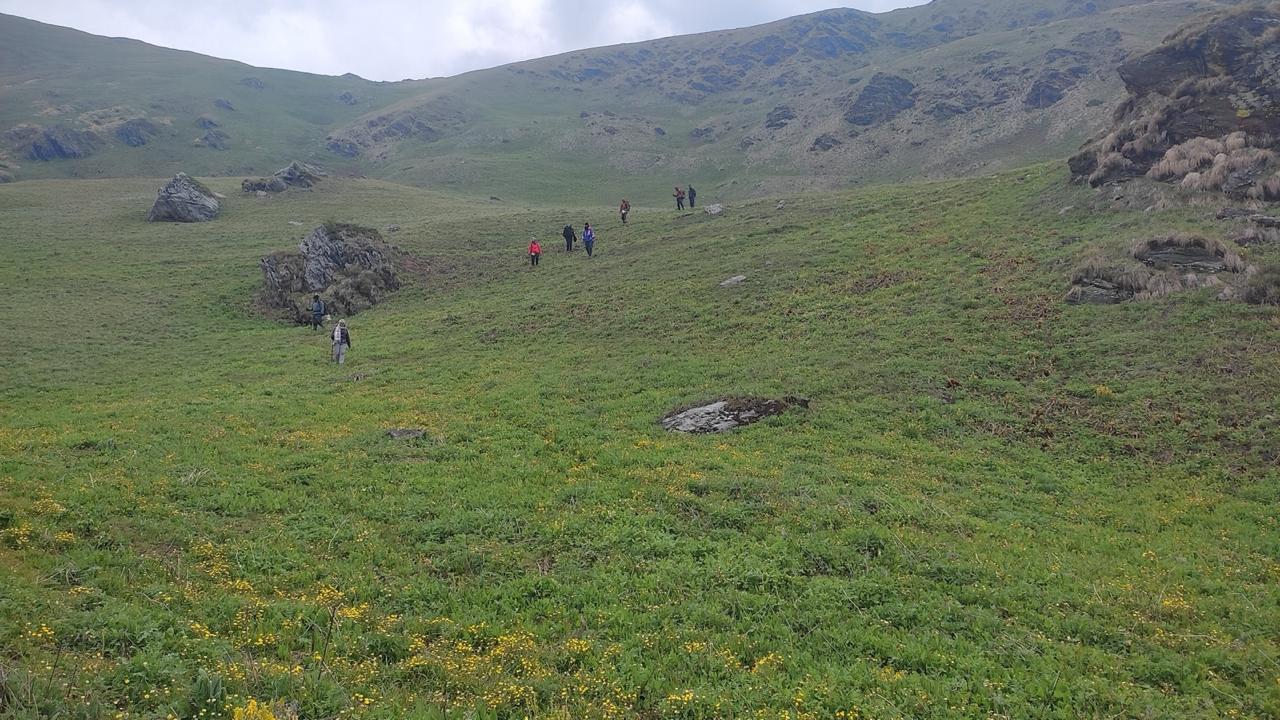
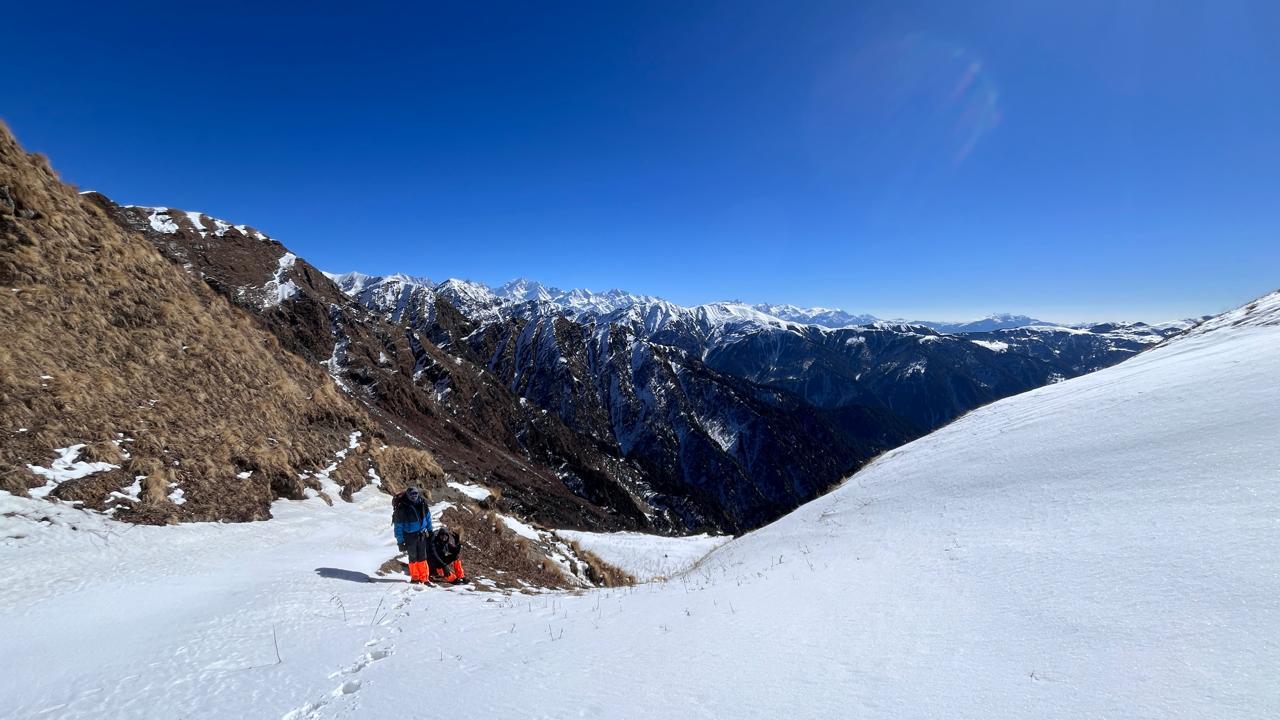
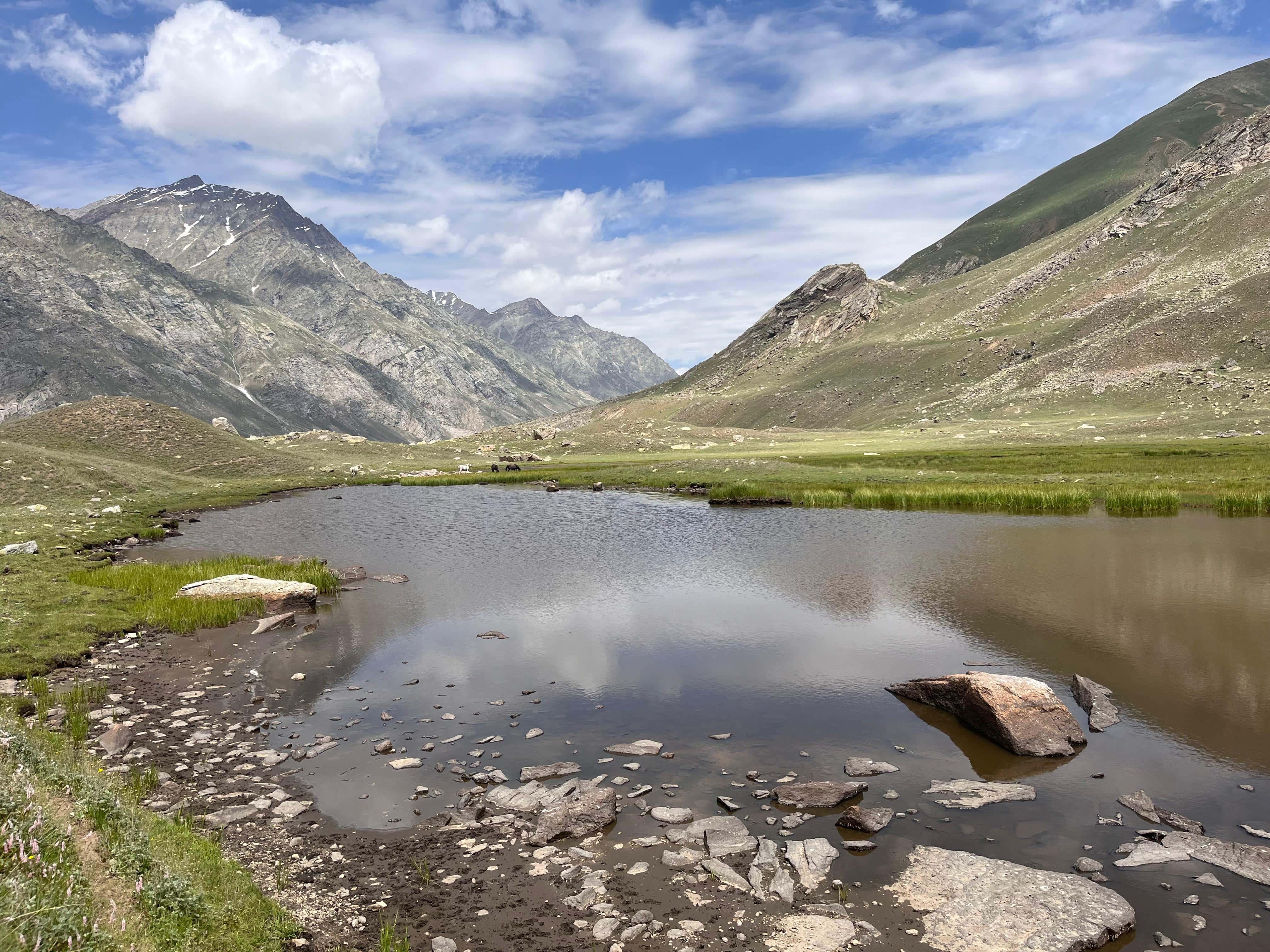
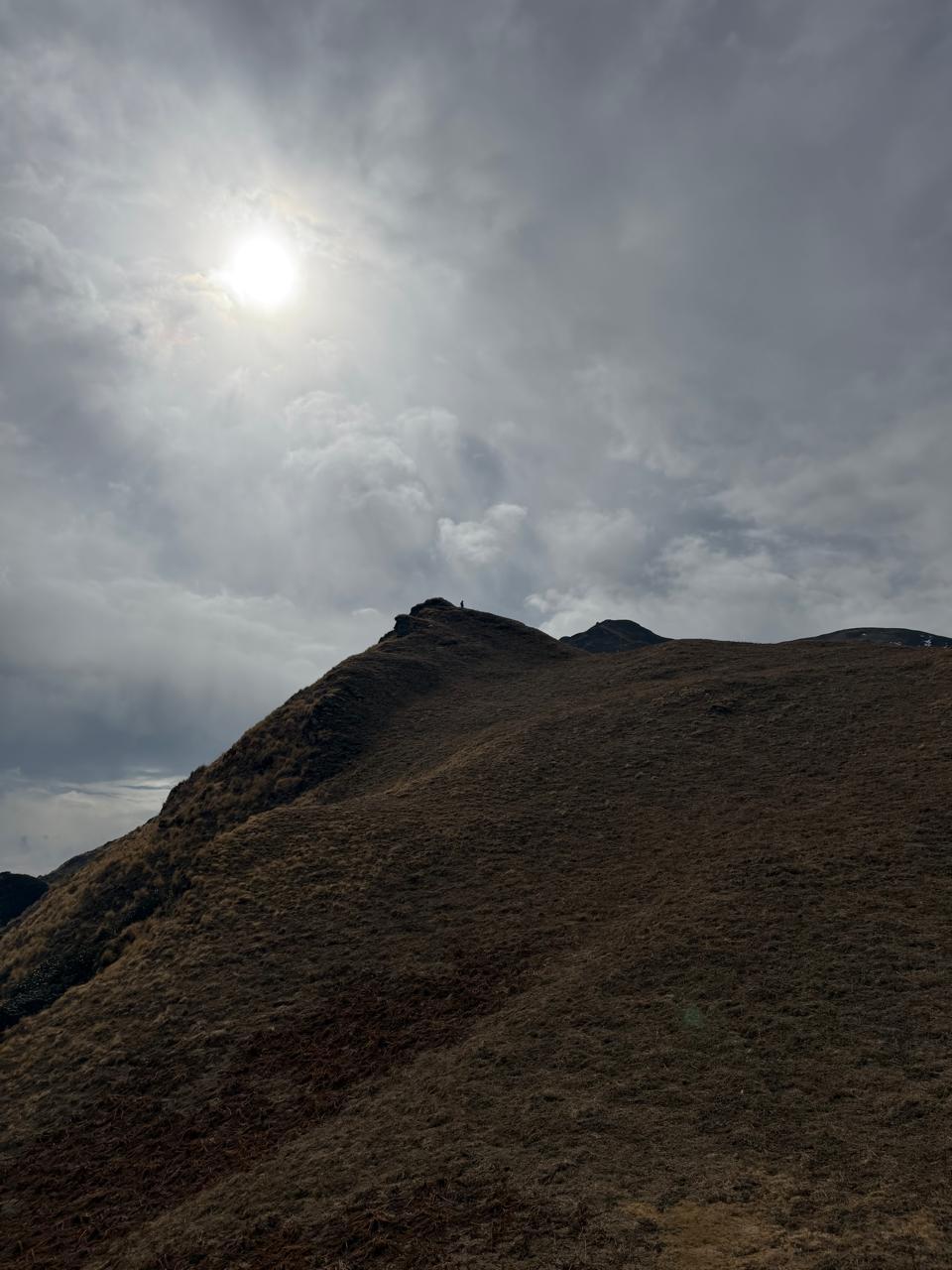
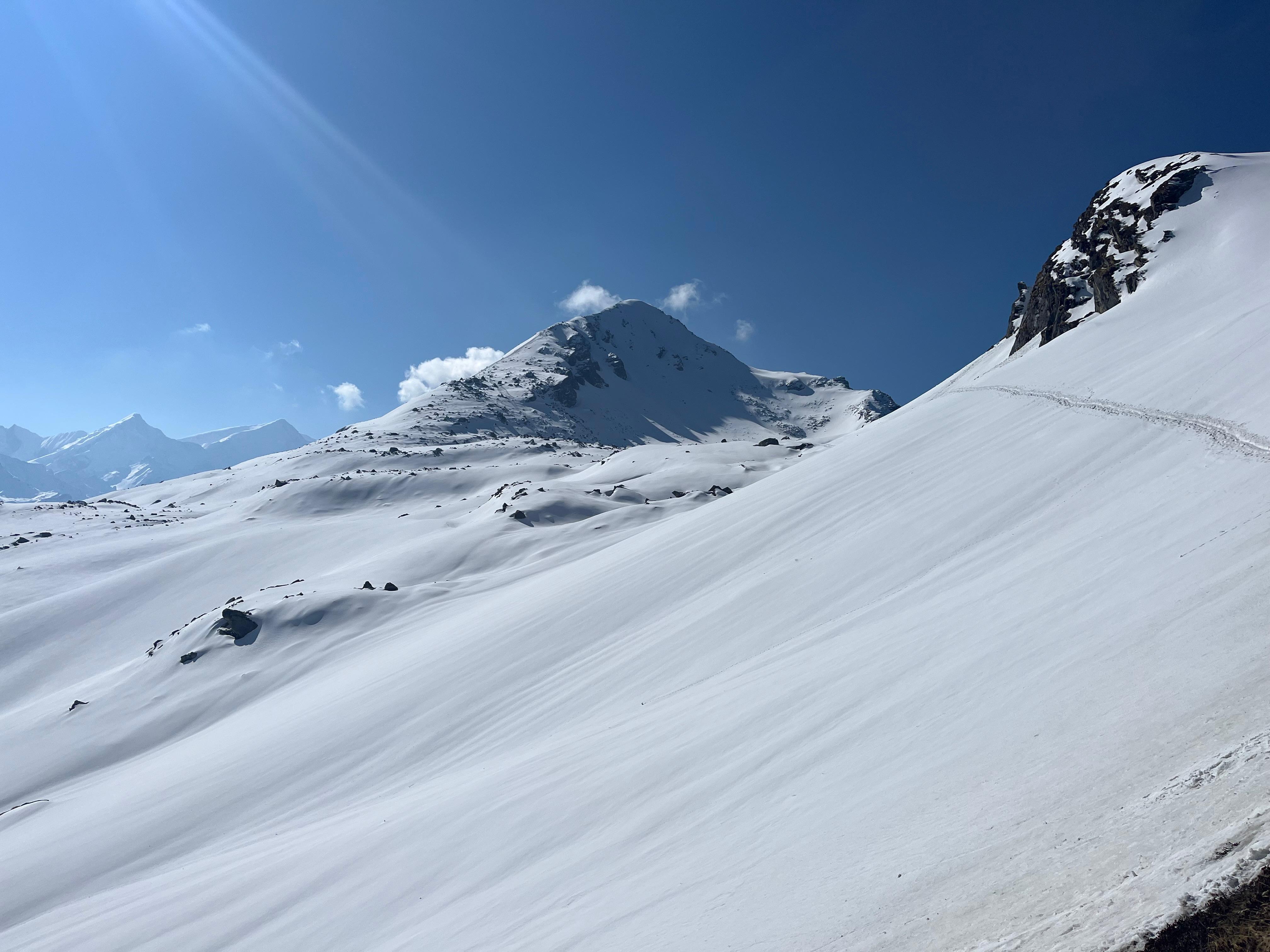
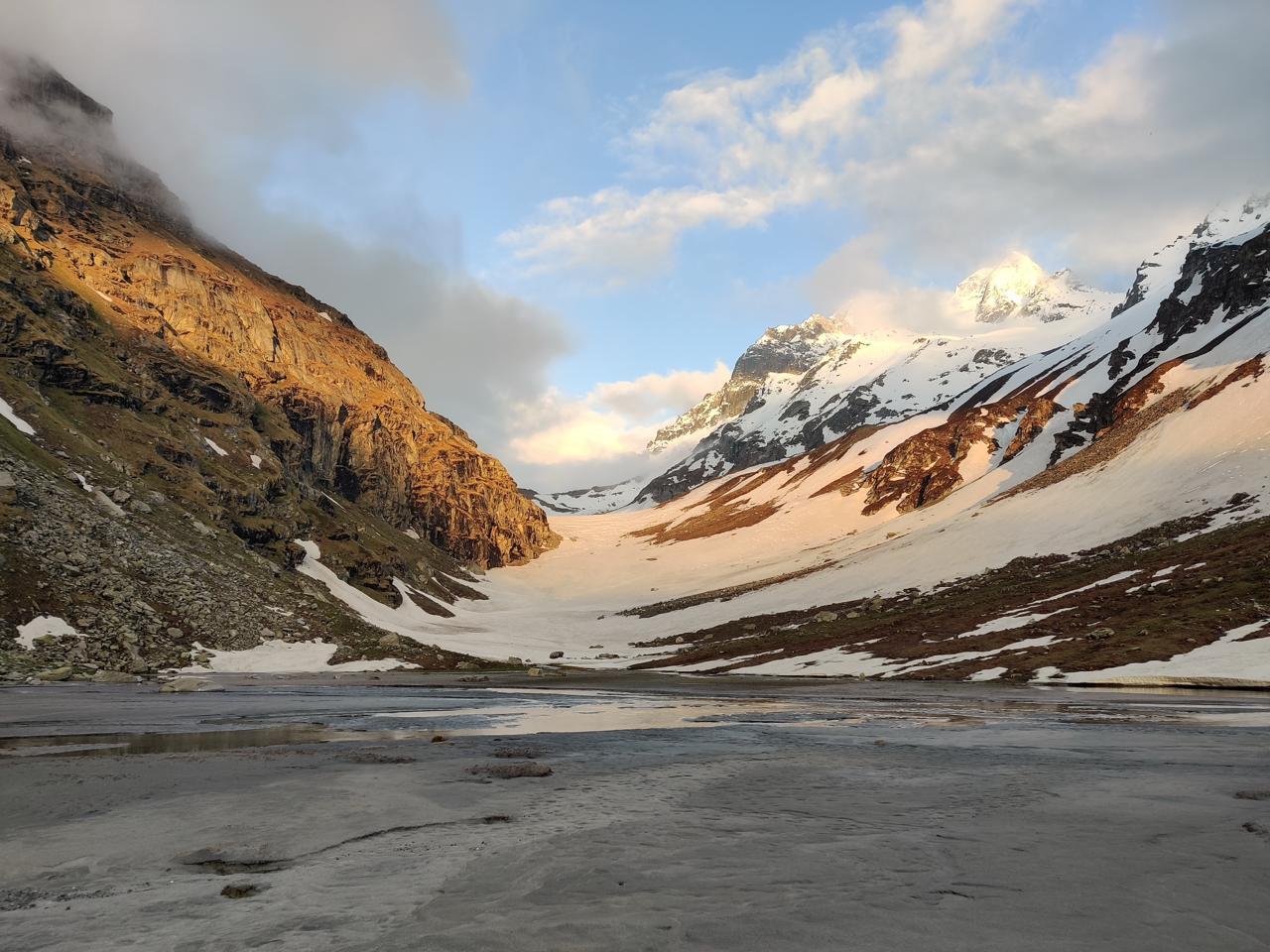
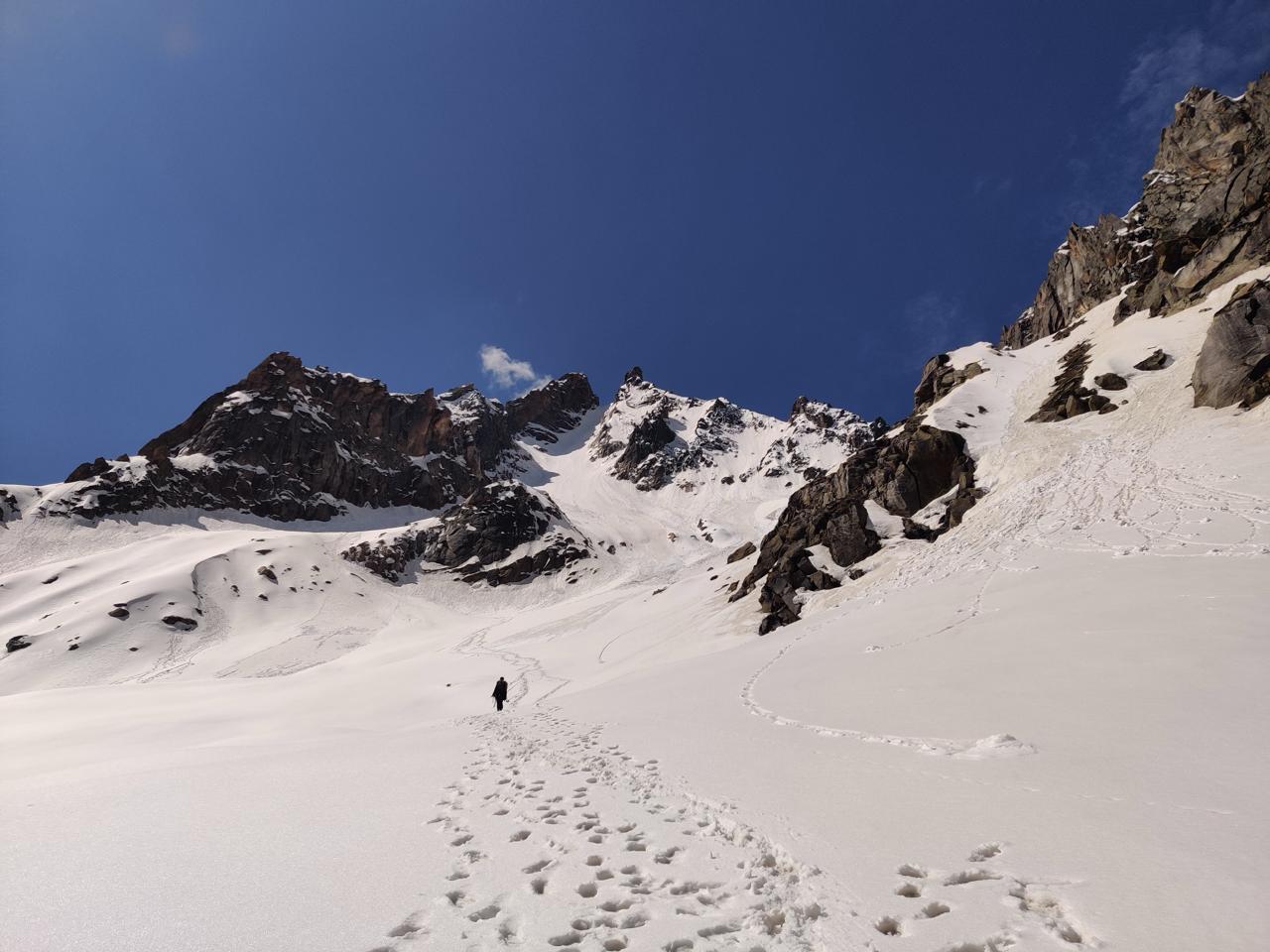
This is the day. The climb takes you up a beautiful ridge that suddenly reveals the twin Patalwansar lakes - cold, deep, and alpine. The terrain switches to boulder sections, grassy shelves, and windy ridgelines. It’s a long, rewarding push. Camp near Patalwansar I with the lake reflecting the sky if the weather plays nice.
Some sit on the riverbank reading.
Some take a nap in the grass.
Some cook, experiment, or help prep lunch.
Someone will inevitably start gathering wood for a small fire to keep warm for the night.
This is the part of backpacking that no itinerary can capture: the unplanned conversations, the shared silences, the easy laughter, the feeling of being small yet grounded in a place that holds you completely.
Day 5
Patalwansar I → Dison
Trek Distance: ~8 km
Altitude: ~12,800 ft → 10,335 ft
Elevation Loss: ~2,500 ft
A relaxed, descending day. Legs feel lighter, lungs feel grateful. You retrace the meadows and ridges you climbed earlier. Back to Dison - green, quiet, familiar. Evening is easy: stretching, tea, stories, laughter.
Day 6
Dison → Dawar → Drive to Srinagar
Trek Distance: ~8 km
Altitude: 10,335 ft → 7,900 ft (Dawar)
Elevation Loss: ~2,400 ft
Drive: 6–7 hrs
Last walk through the forest and open valley. Dawar feels like returning to a small, friendly neighbourhood after days in the alpine. After wrapping up, the team drives back to Srinagar. End the day with hot showers, real beds, and a quiet pride you don’t need to show off.
Our Expectations From Participants
Gurez valley is a backpacking expedition, not a supported trek.
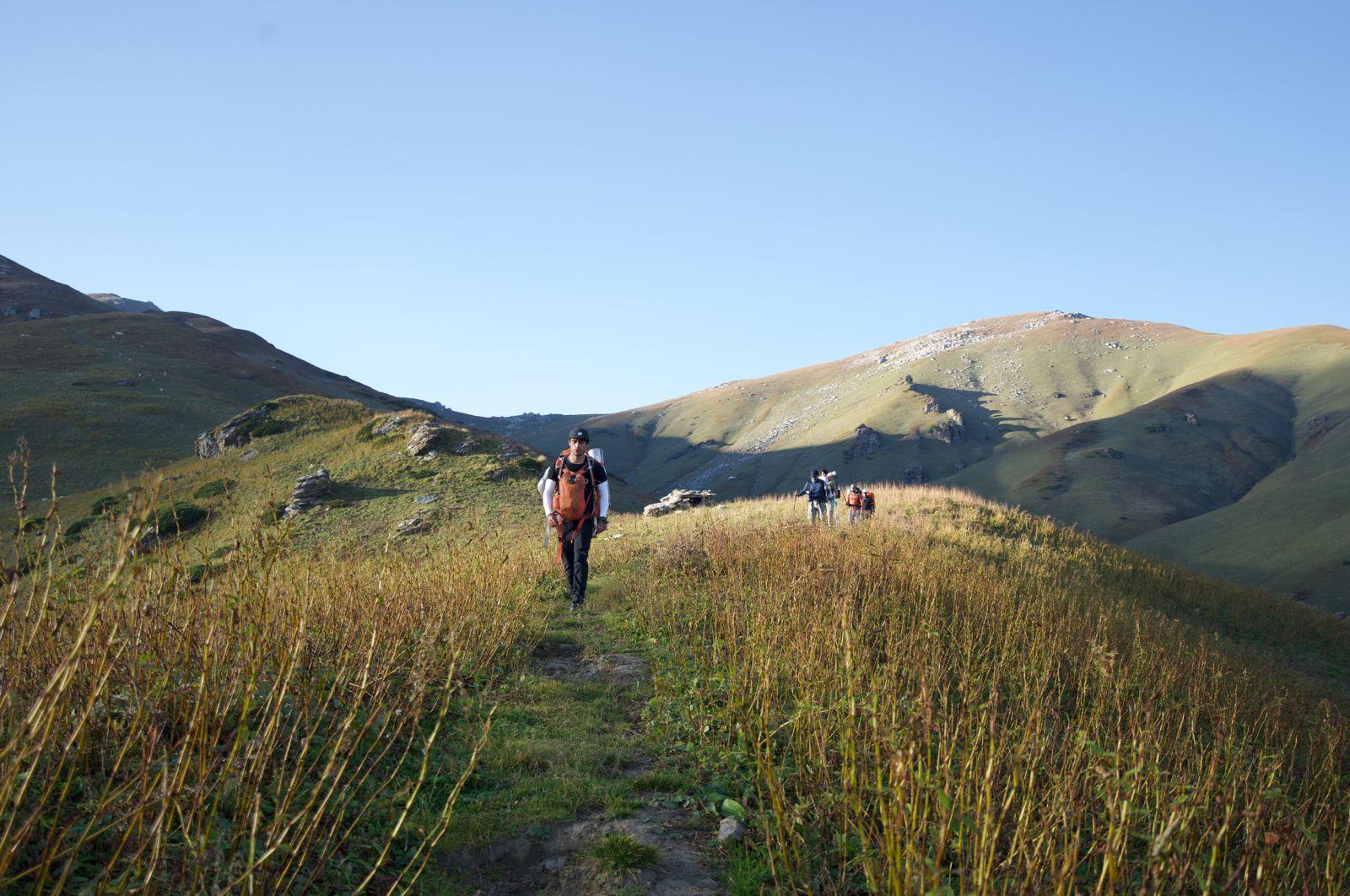
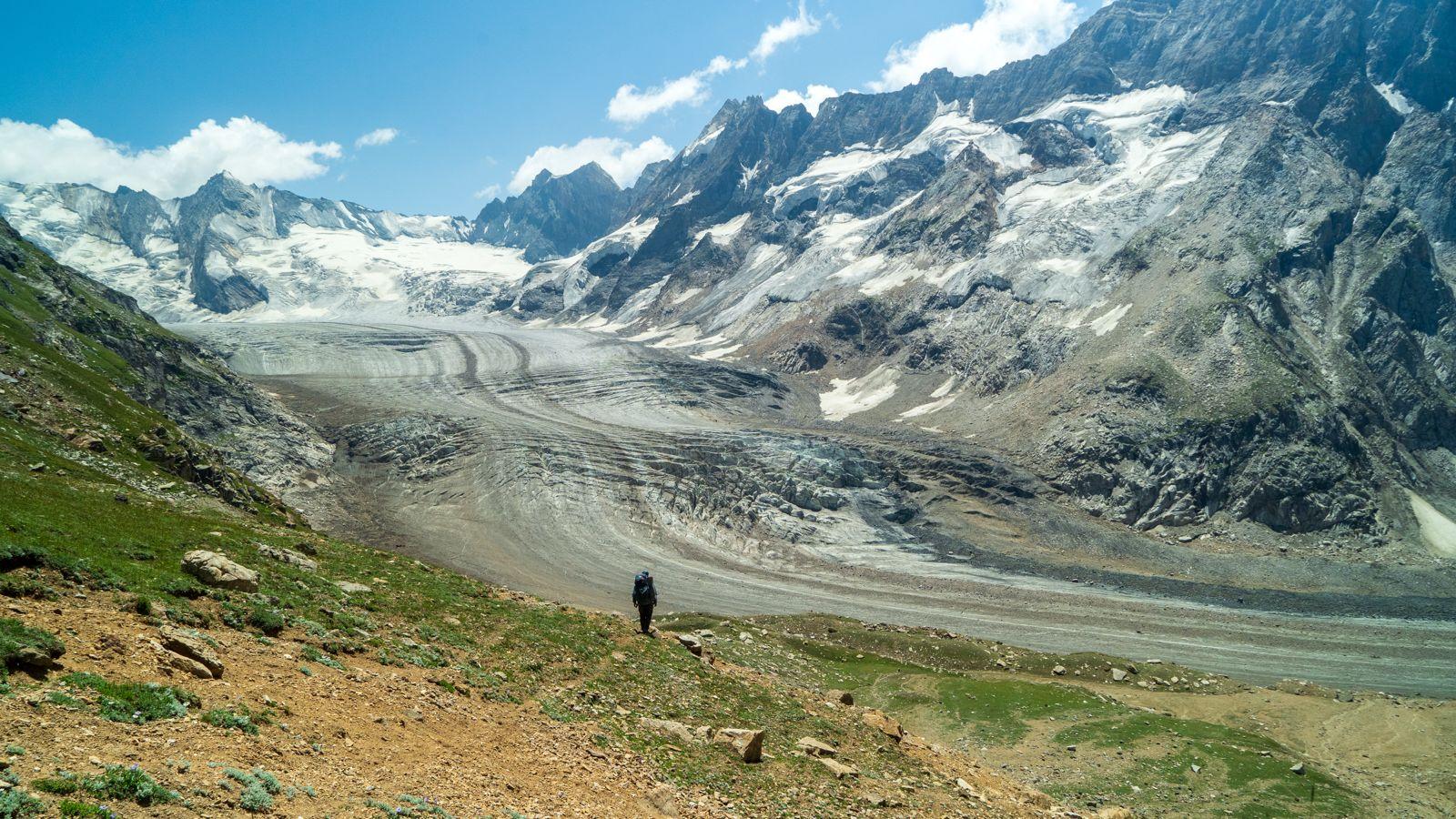
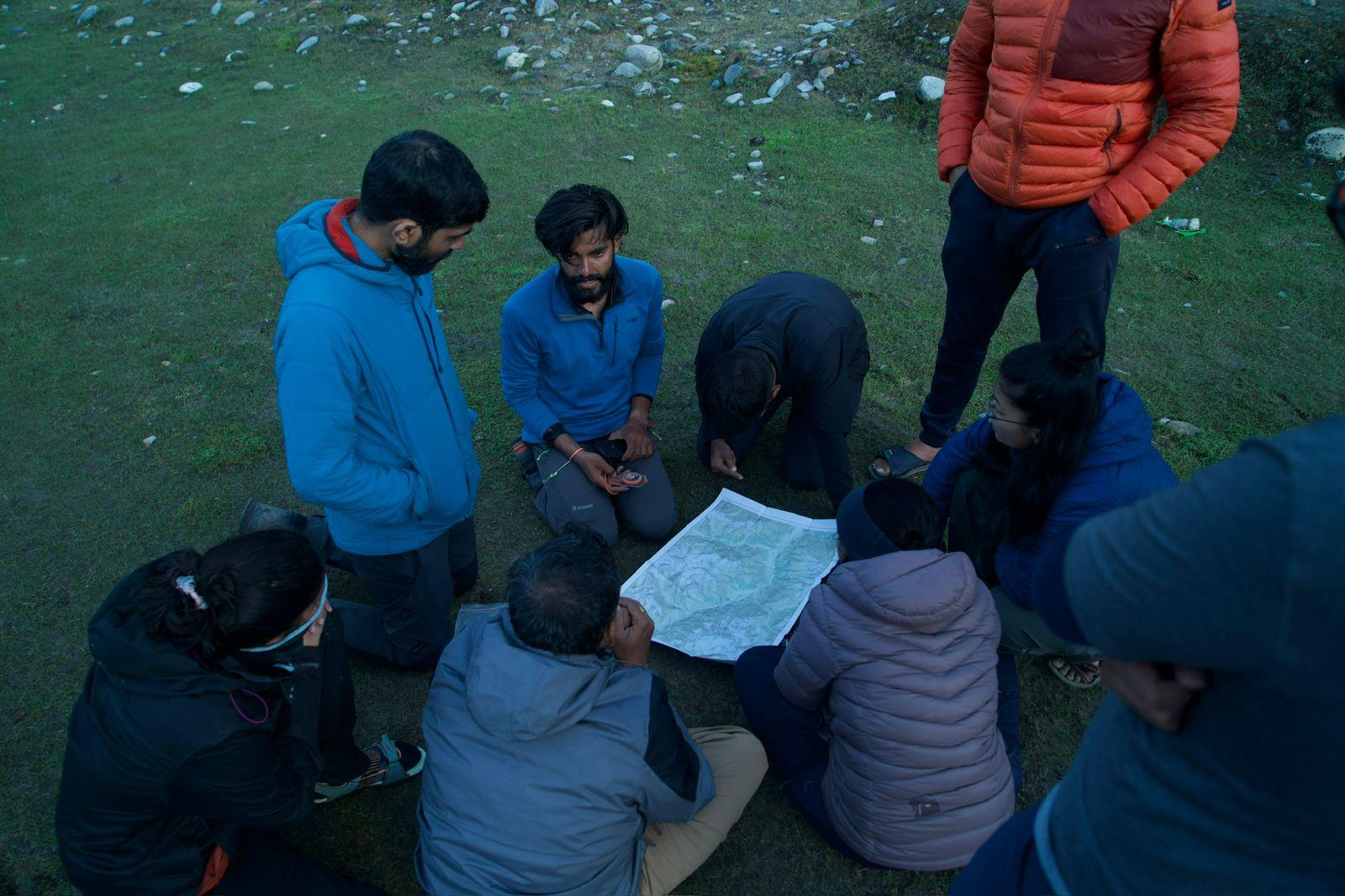
You carry your own pack, help with group tasks, and move as a small, self-contained team through one of the most remote valleys in India.
Here’s what we expect from you:
1. Come Prepared for Backpacking, Not Trekking
Backpacking means:
- Carrying 12–16 kg of your own gear
- Helping with cooking, camp chores, and water runs
- Setting up and packing down tents
- Navigating long days on uneven terrain
- Staying self-sufficient while moving together as a unit
If you’re coming from a traditional trek background (with porters, fixed camps, dining tents, and served meals), this requires a mindset shift.
Backpacking is slower, more intentional, more communal, and far more rewarding.
2. Be Comfortable With Remote Terrain
Warwan is not crowded, not commercial, and has long sections where you may not see anyone outside your team.
That calls for:
- Patience
- Calm judgment
- Respect for the environment
- Awareness of your energy, pace, and hydration
3. Teamwork Over Everything
Backpacking only works when the group works.
We expect you to:
- Carry your share of the group load if required
- Help with food prep and clean-up
- Support slower teammates
- Check in on others during long days
- Maintain the outdoor etiquette of a small expedition
Your attitude matters more than your pace.
4. Cultural Sensitivity
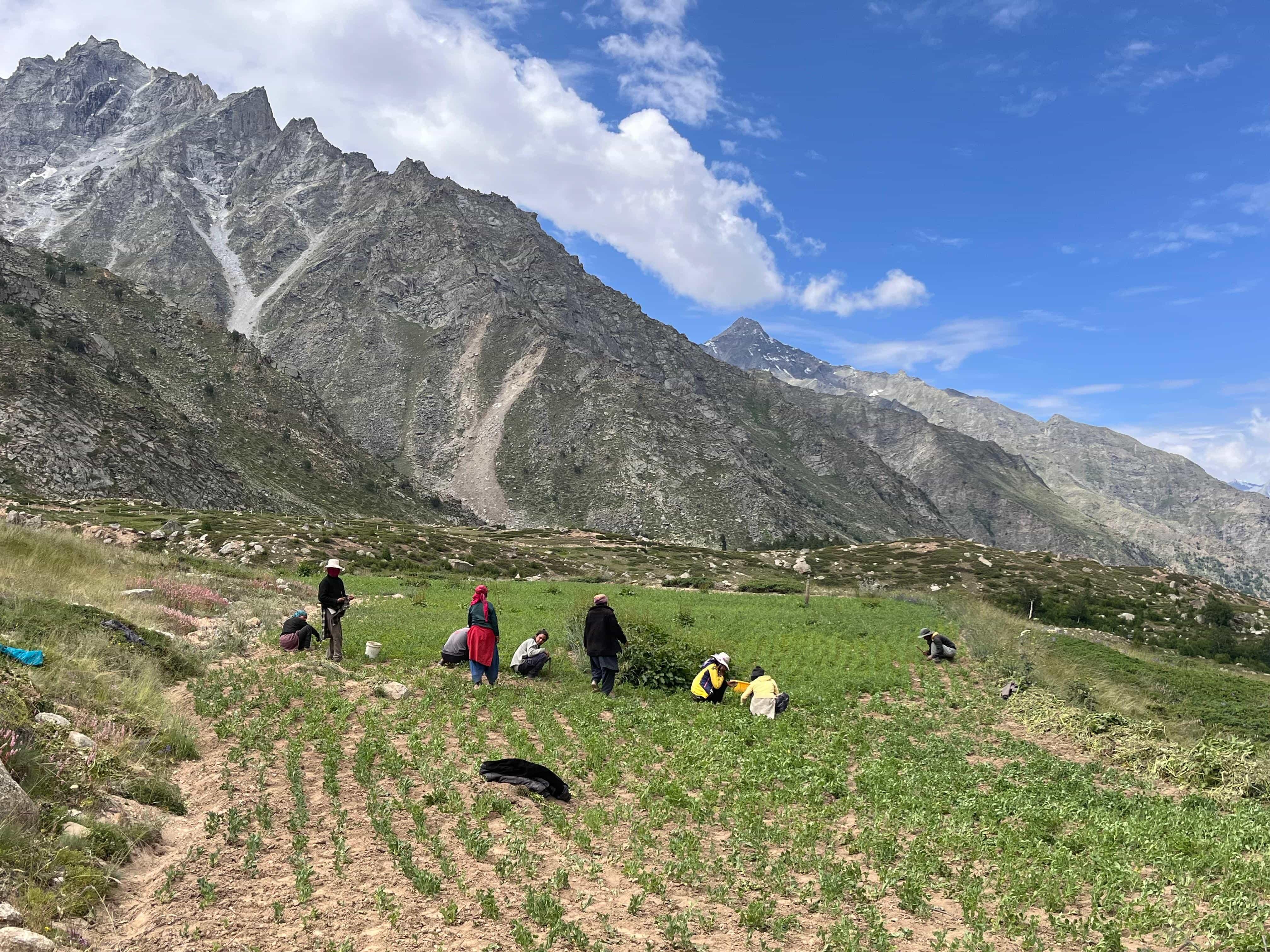
You’ll pass through Bakarwal and Gujjar settlements, communities with their own rhythm, traditions, and ways of living.
We expect:
- Respectful interaction
- Asking before taking photos
- No littering, and Leave No Trace.
- Understanding that you are a guest in someone’s home terrain
5. Mental Flexibility
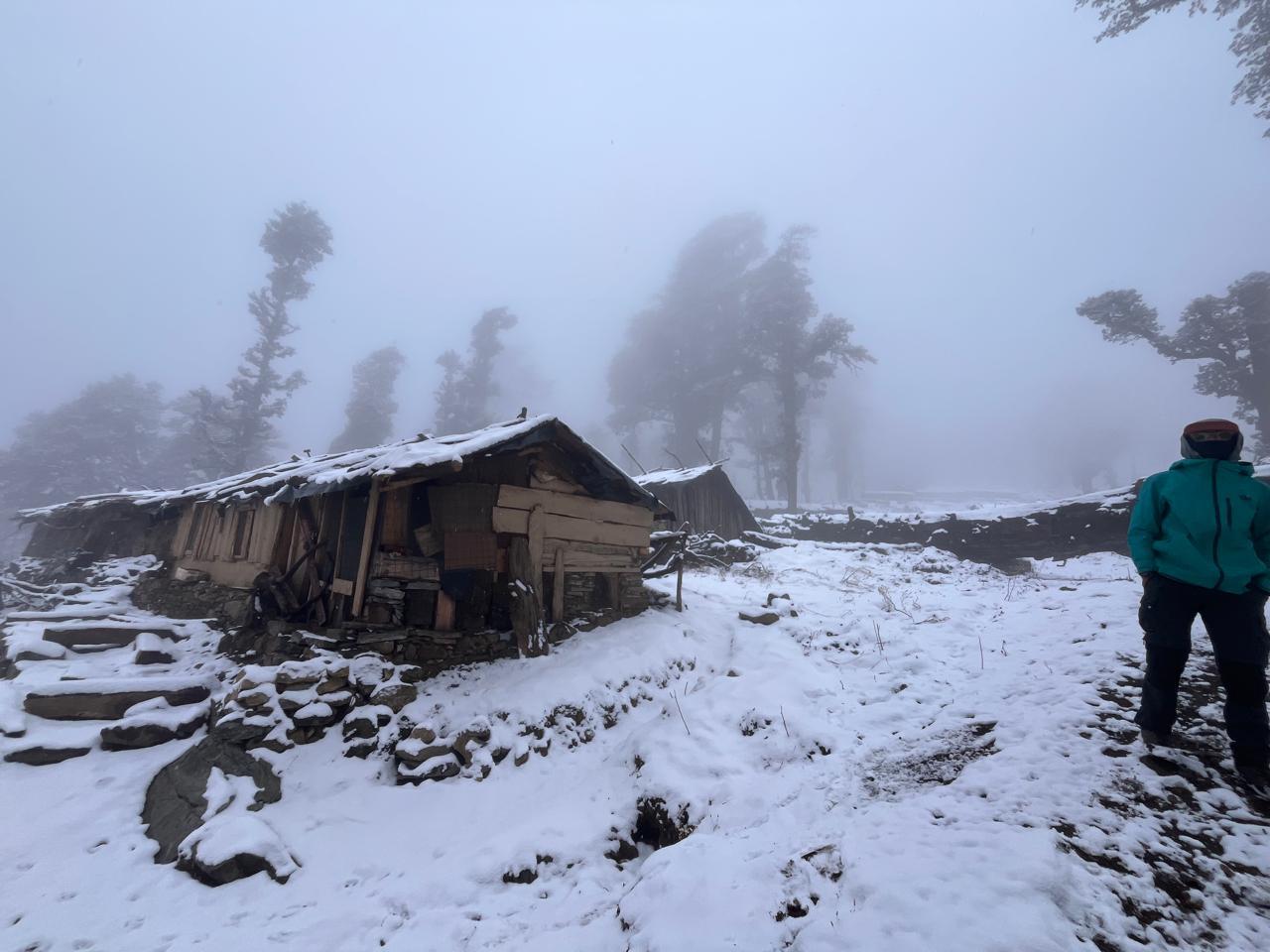
The weather changes fast. River levels fluctuate.
Distances feel long. Camps can be cold. There may be no signal for days.
Come ready to adapt, not to expect comfort.
Inclusion
Exclusion
SELECT DATE TO REGISTER
Thank You!
Your form has been submitted successfully. We'll get back to you soon.
₹ 22,499 + 5% GST
