

Not Fast. Intentional.
Most people hear "speed hike" and assume it means running.
It’s not.
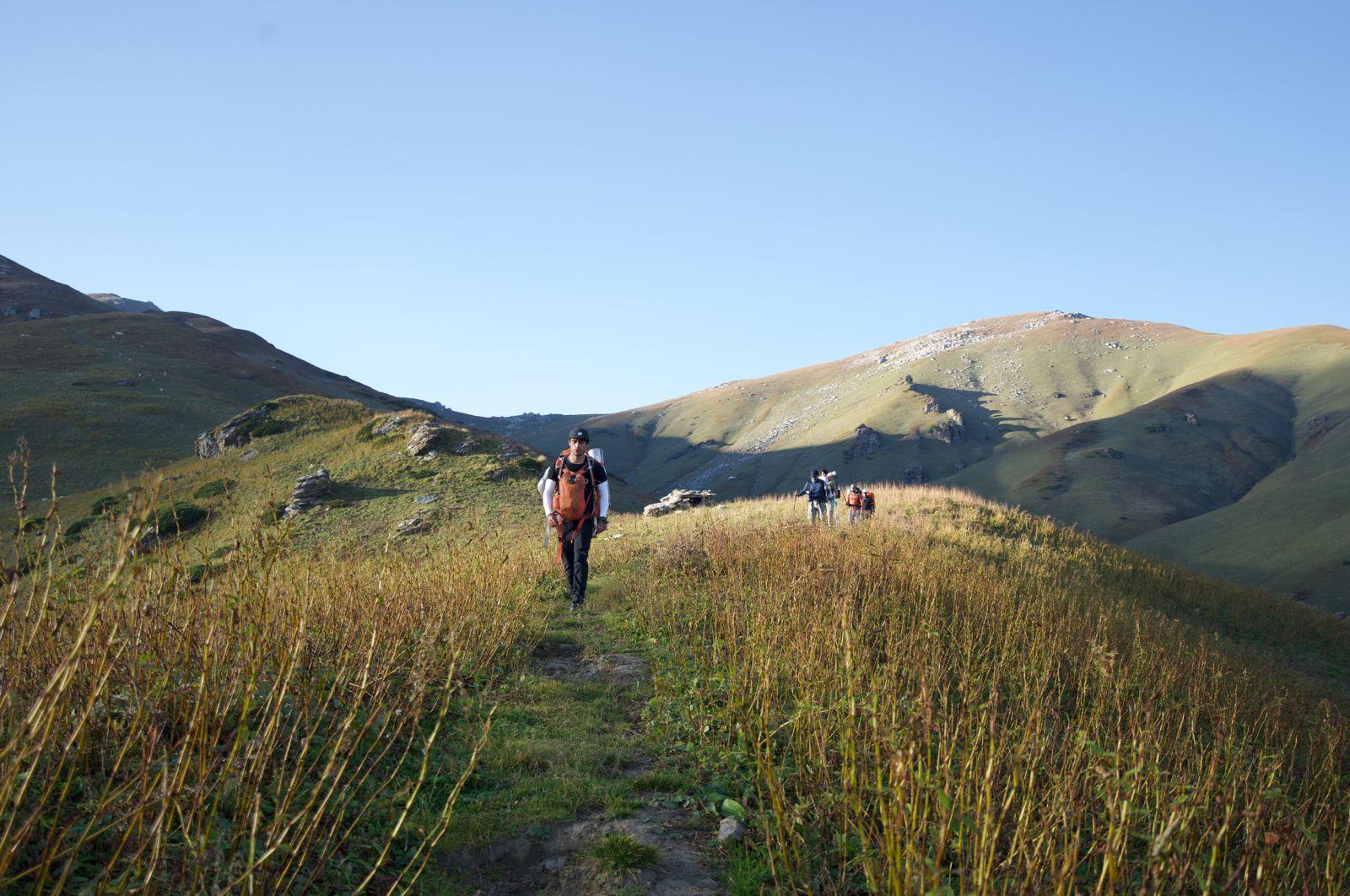
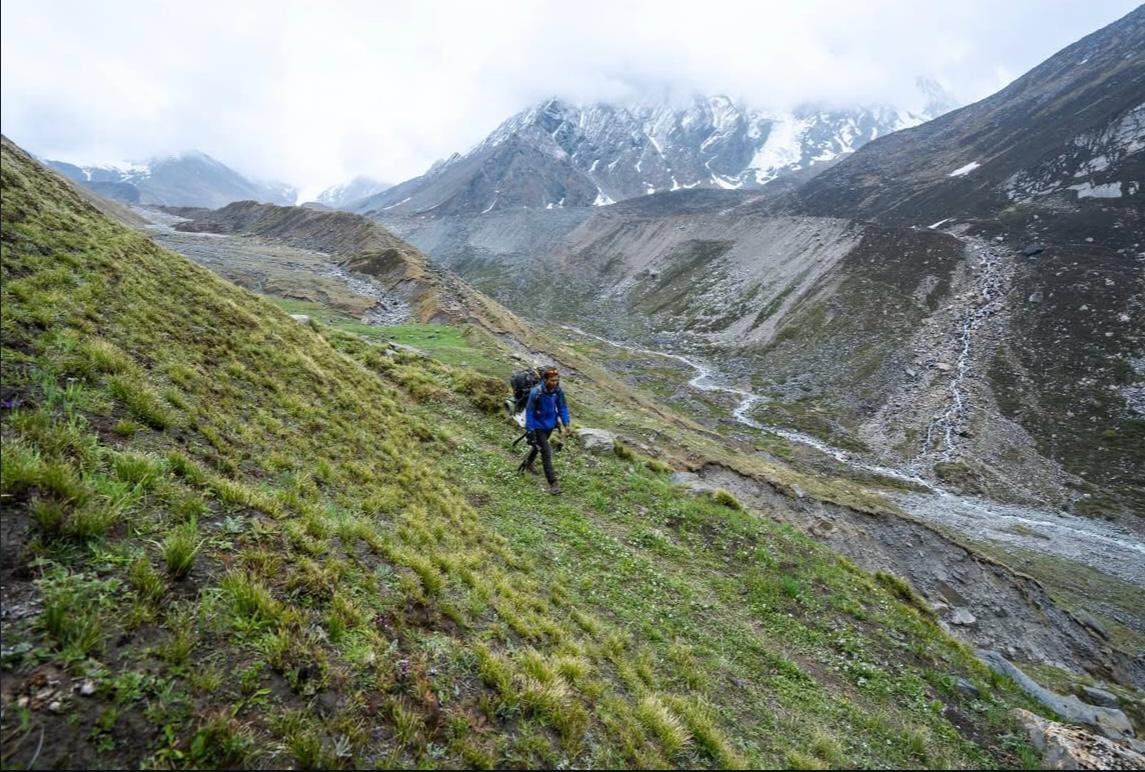
It’s moving with purpose. We read the terrain, manage our effort, and keep going through forests, river crossings, meadows, boulder fields, and finally the pass.
Hampta doesn't give us one kind of challenge. It gives us several, back-to-back. The forest section is rhythmical. The river crossings are focused. The boulder fields are patient. The pass is everything at once. Three days, with one crossing, and no extra buffer.
If you're the kind of person who finds that appealing rather than daunting, you're probably ready for this.
What This Format Really Is
This is a 2-day crossing of Hampta Pass at 14,009 ft. We start moving early, we move through changing terrain all day, and manage effort without the cushion of extra rest days.
The challenge isn't just distance or altitude. It's how well we adapt.
Who This Is For
This is for people who are already comfortable being on their feet for long hours:
- Trail runners and endurance athletes looking for real altitude exposure
- Strong trekkers who find regular itineraries too easy
- Expedition aspirants building mountain readiness before bigger objectives
If you find your rhythm in sustained effort and uneven terrain, this will feel deeply aligned with you.
Who This Is Not For
If you prefer a gradual build-up, long breaks, and time to adjust to altitude along the way, this format will work against you. There are other routes designed exactly for that. This one demands that you arrive ready.
Readiness is the only filter.
Why We Created This
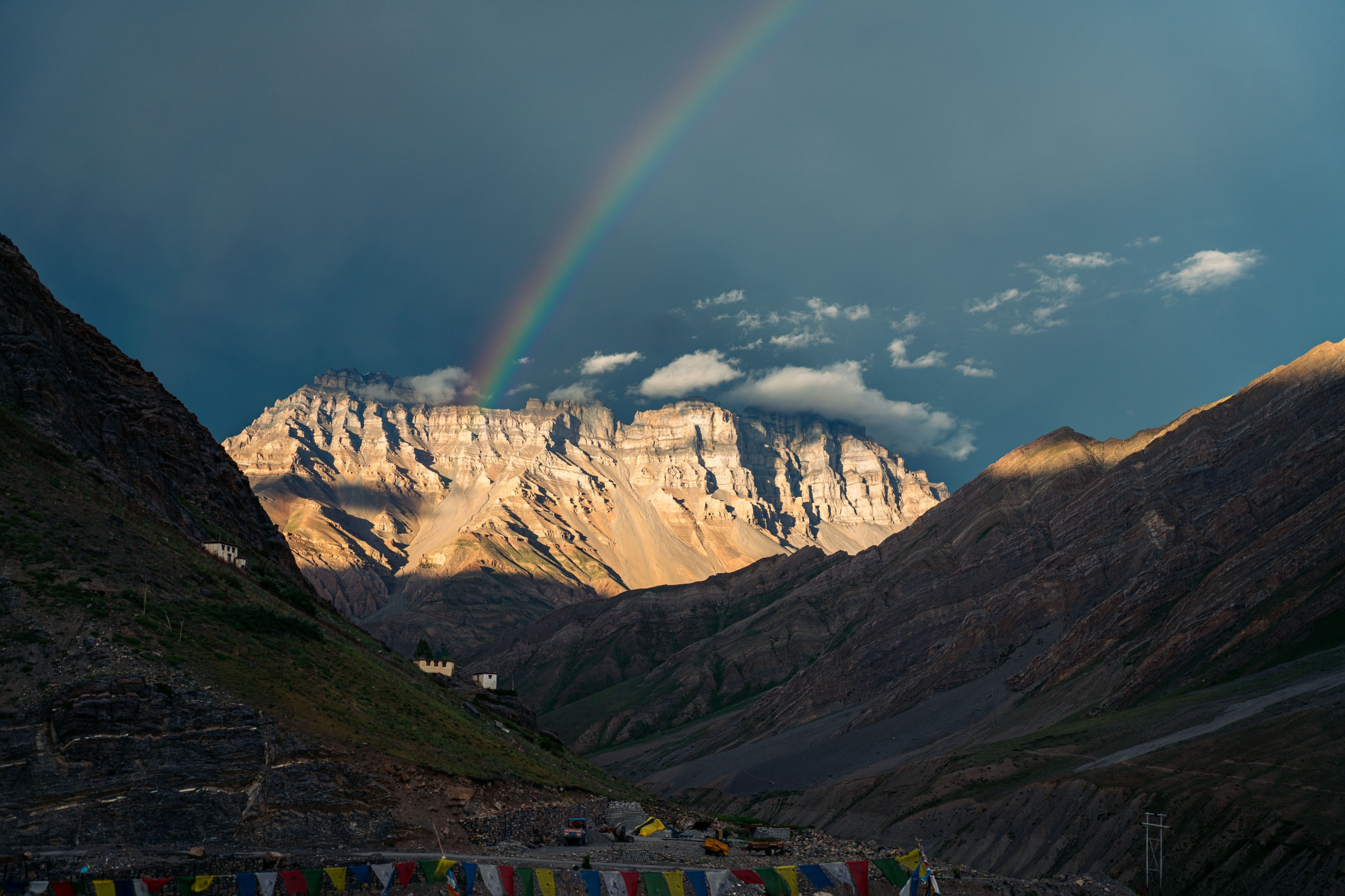
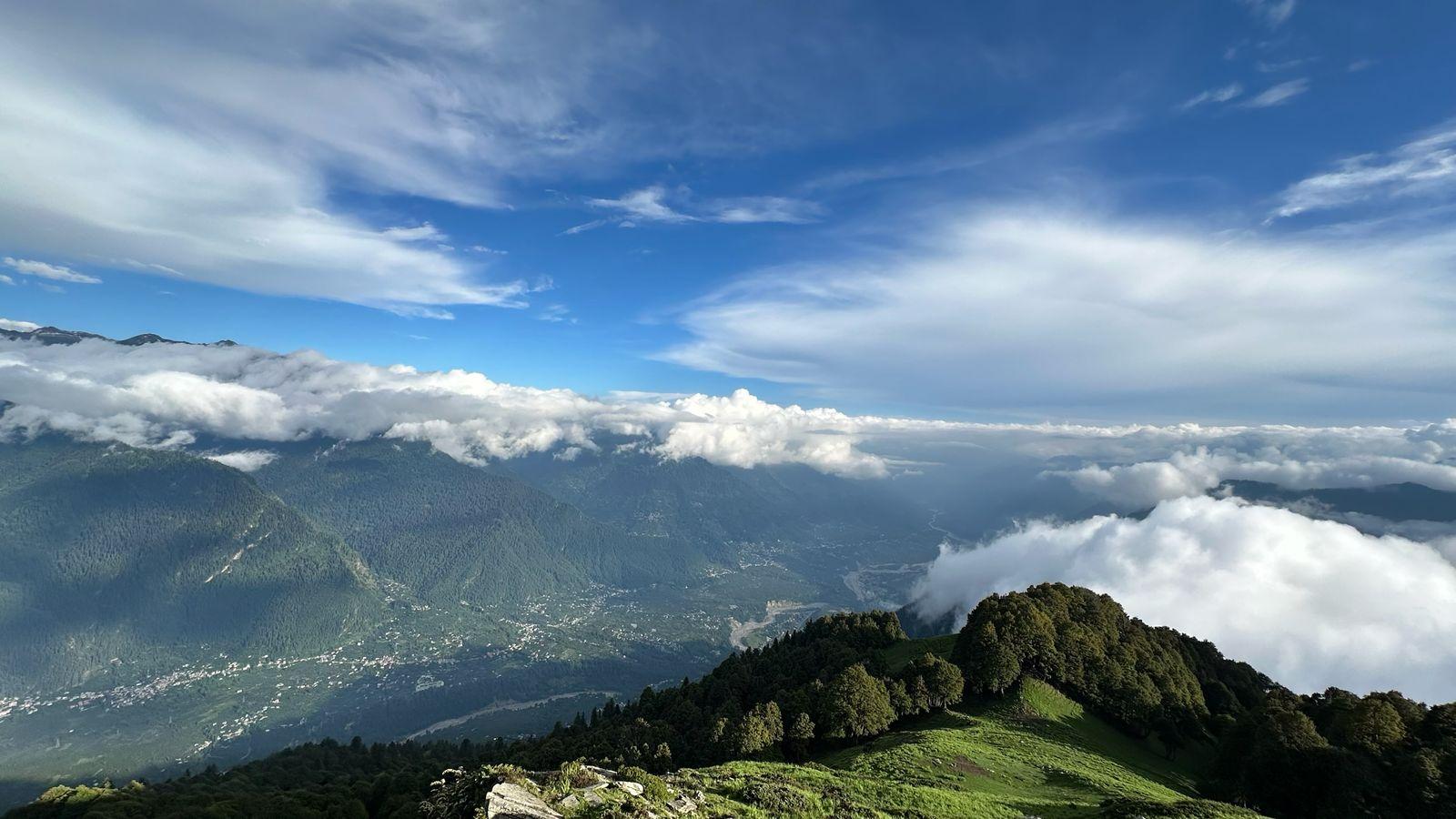
Hampta Pass is one of the most dramatic geographic transitions in the Himalayas. Green valley on one side. Cold desert, on the other hand. Most people take four days to cross it.
We wanted to know what it felt like to do it in a single push, moving well, staying steady, and earning the other side.
That's what this format is built around.
If that excites you, you'll deeply enjoy this.
Day 1
Arrival in Sethan
Altitude: ~9,800 ft / 2,987 m
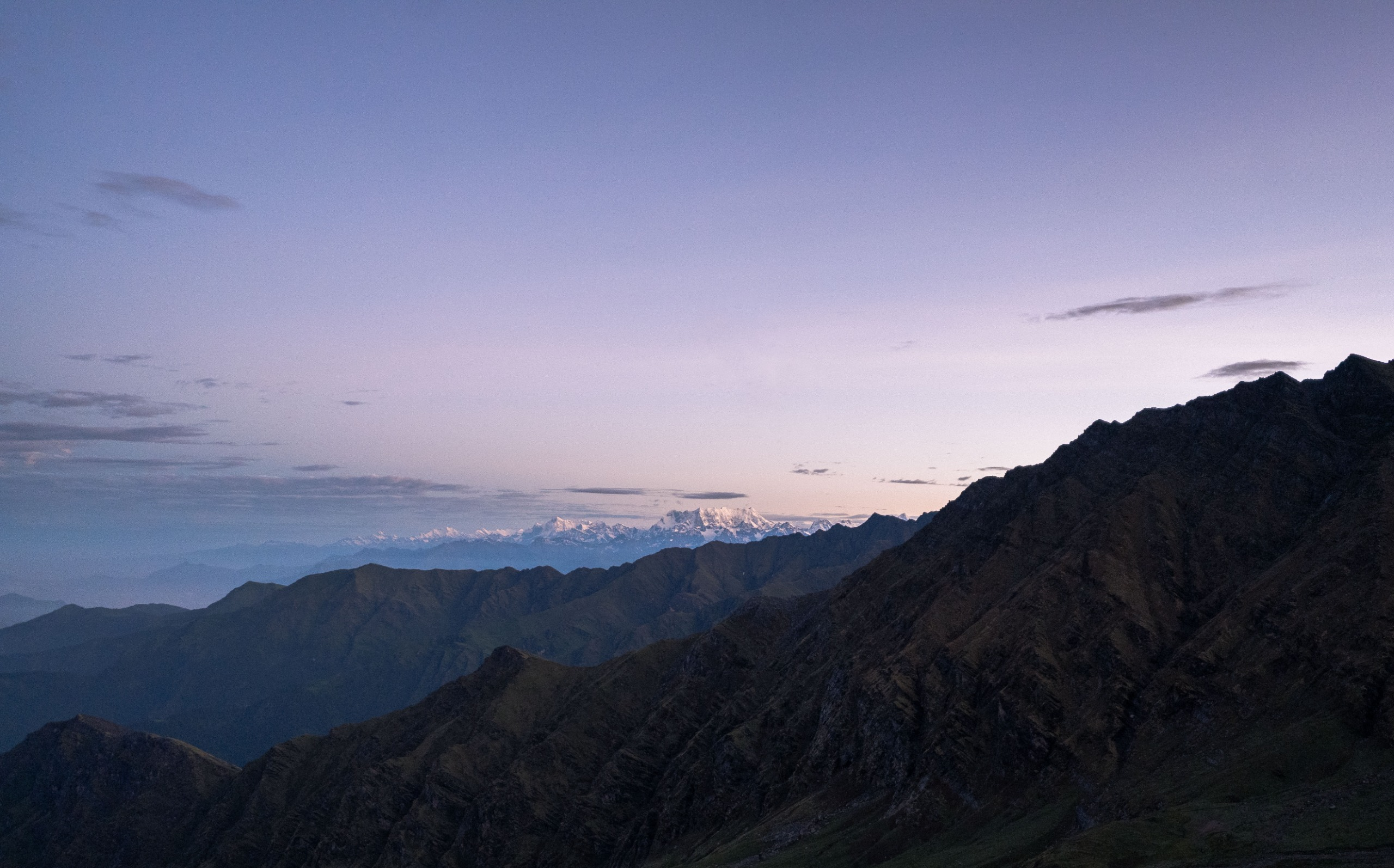
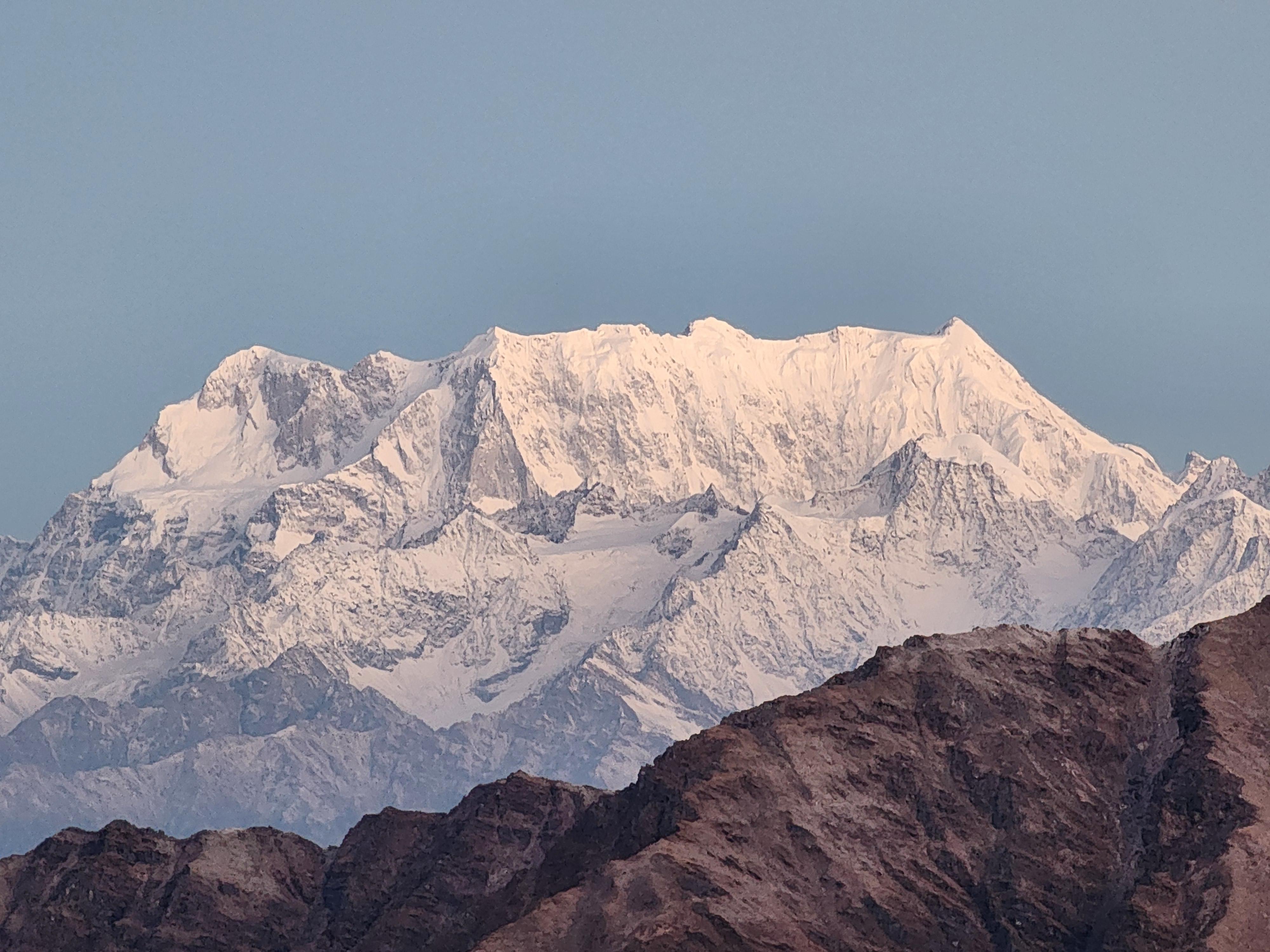
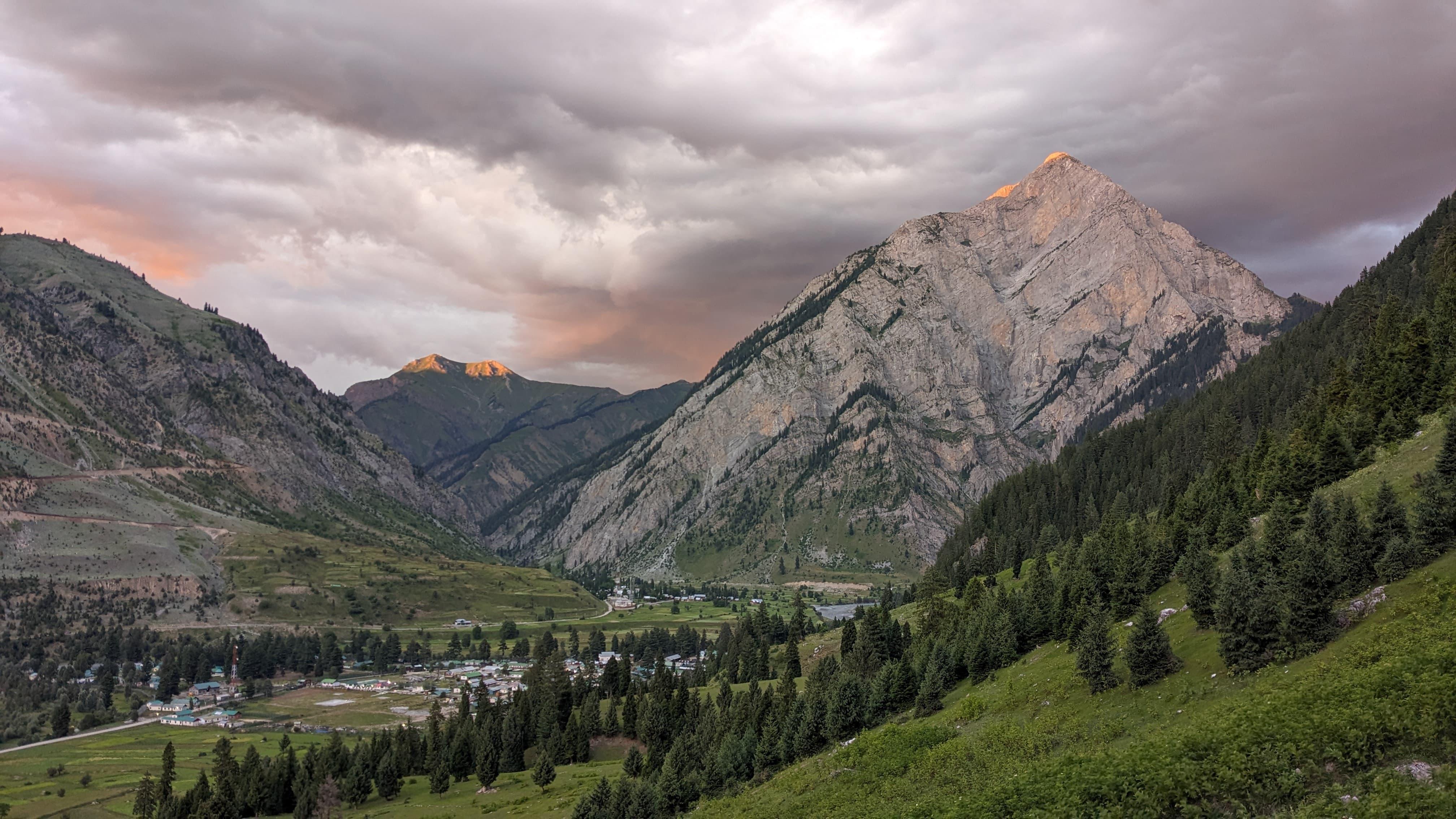
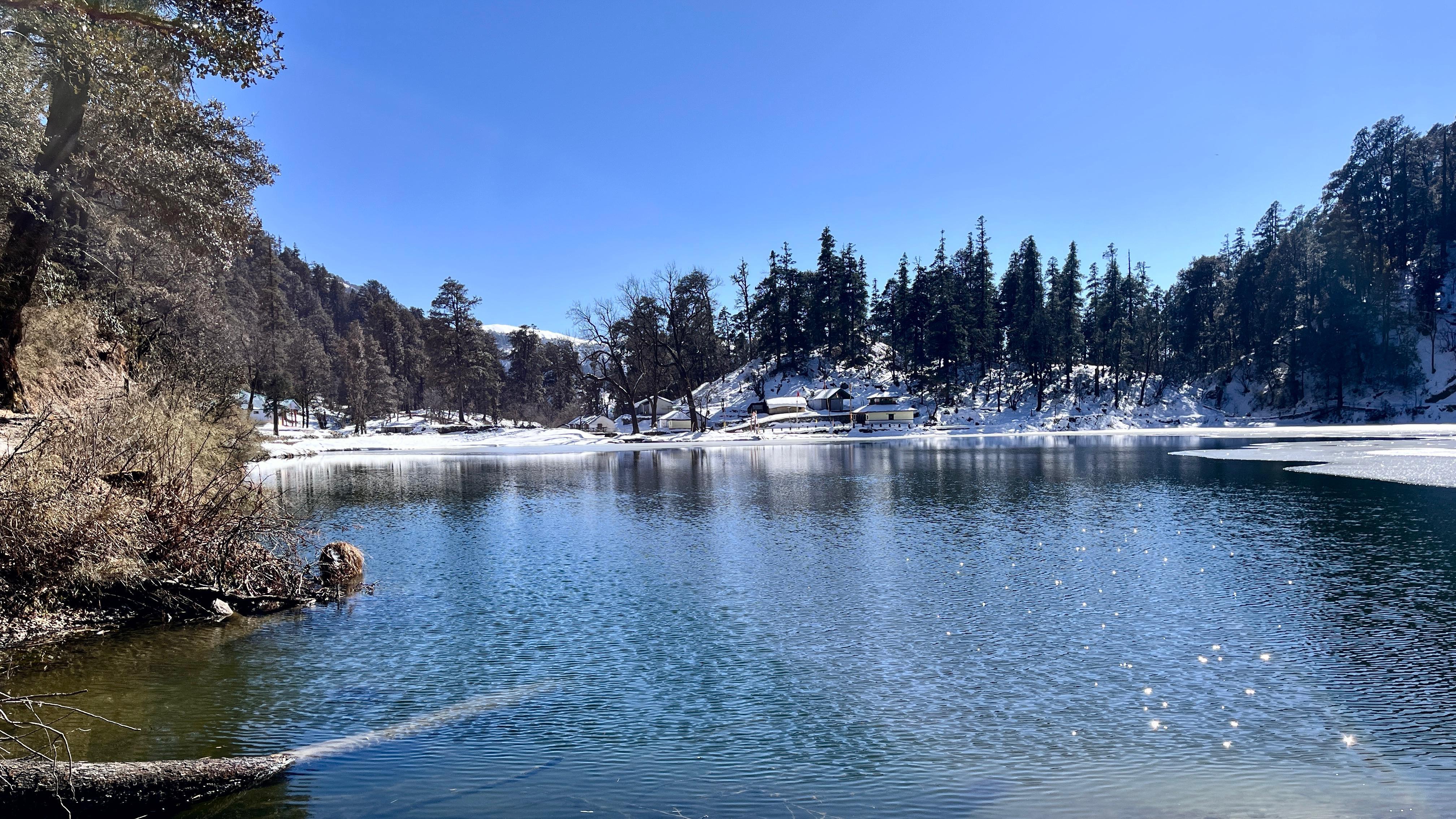
Sethan is a quiet Himalayan village sitting just above Manali, tucked into the deodar forests with the first clear views of the Pir Panjal range. This is where the trip begins.
The Odyssey team will already be here when you arrive.
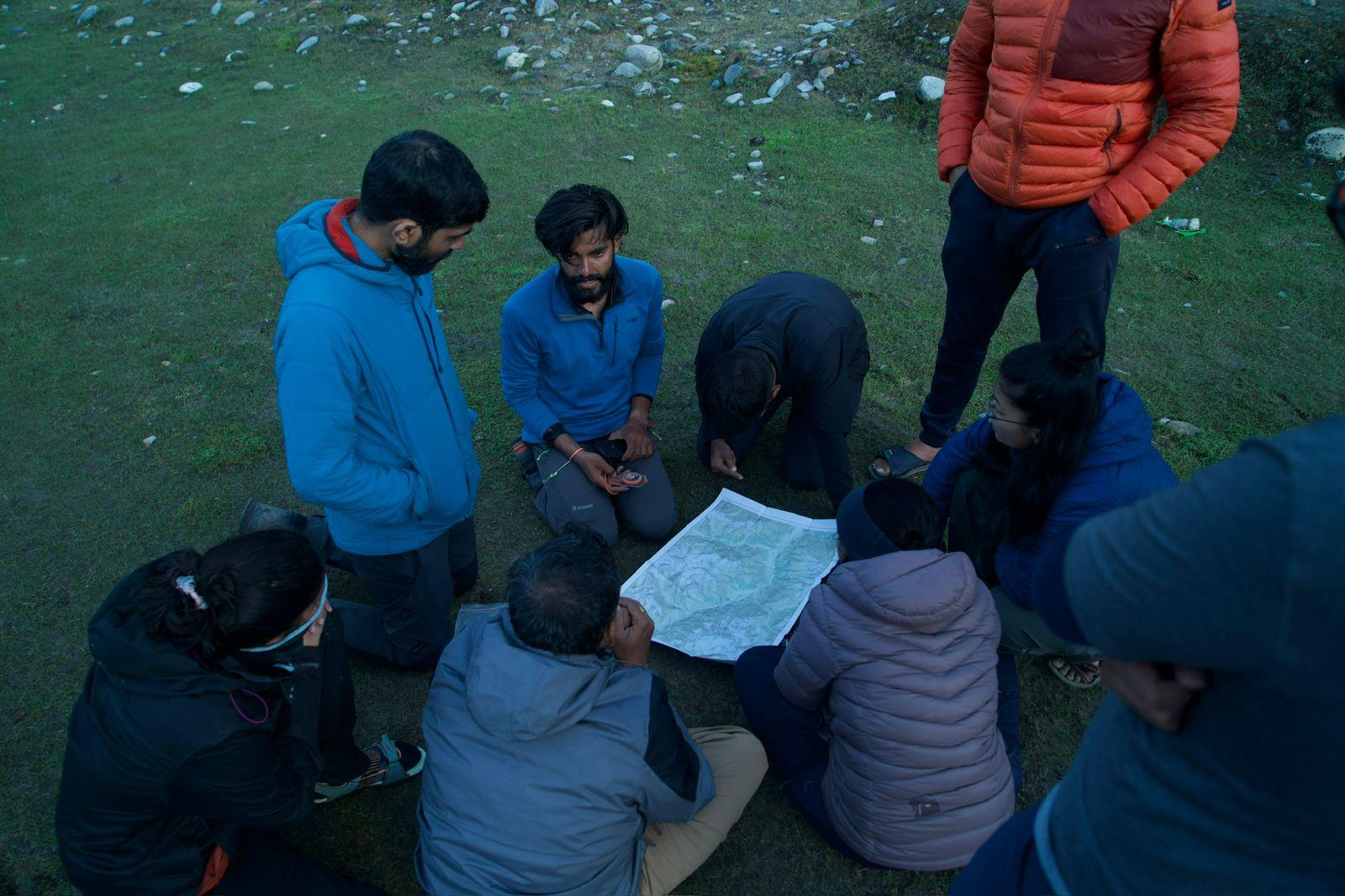
This is where we bring everyone together, settle in, and prepare for the movement ahead. We use this time to brief the team on the speed hike format, go over pacing and terrain transitions, discuss river crossings and movement strategy, and recheck essential gear.
The environment here is calm. The next two days will be continuous.
Dinner is early. Rest matters, we start moving tomorrow.
Day 2
Drive to Jobri · Trek to Balu ka Ghera
Distance: ~10 km
Altitude: ~7,800 ft → ~11,800 ft
Terrain: Forest → river crossings → meadows → boulder terrain
We begin with a short drive from Sethan to Jobri, the actual trailhead. From here, the movement starts immediately.
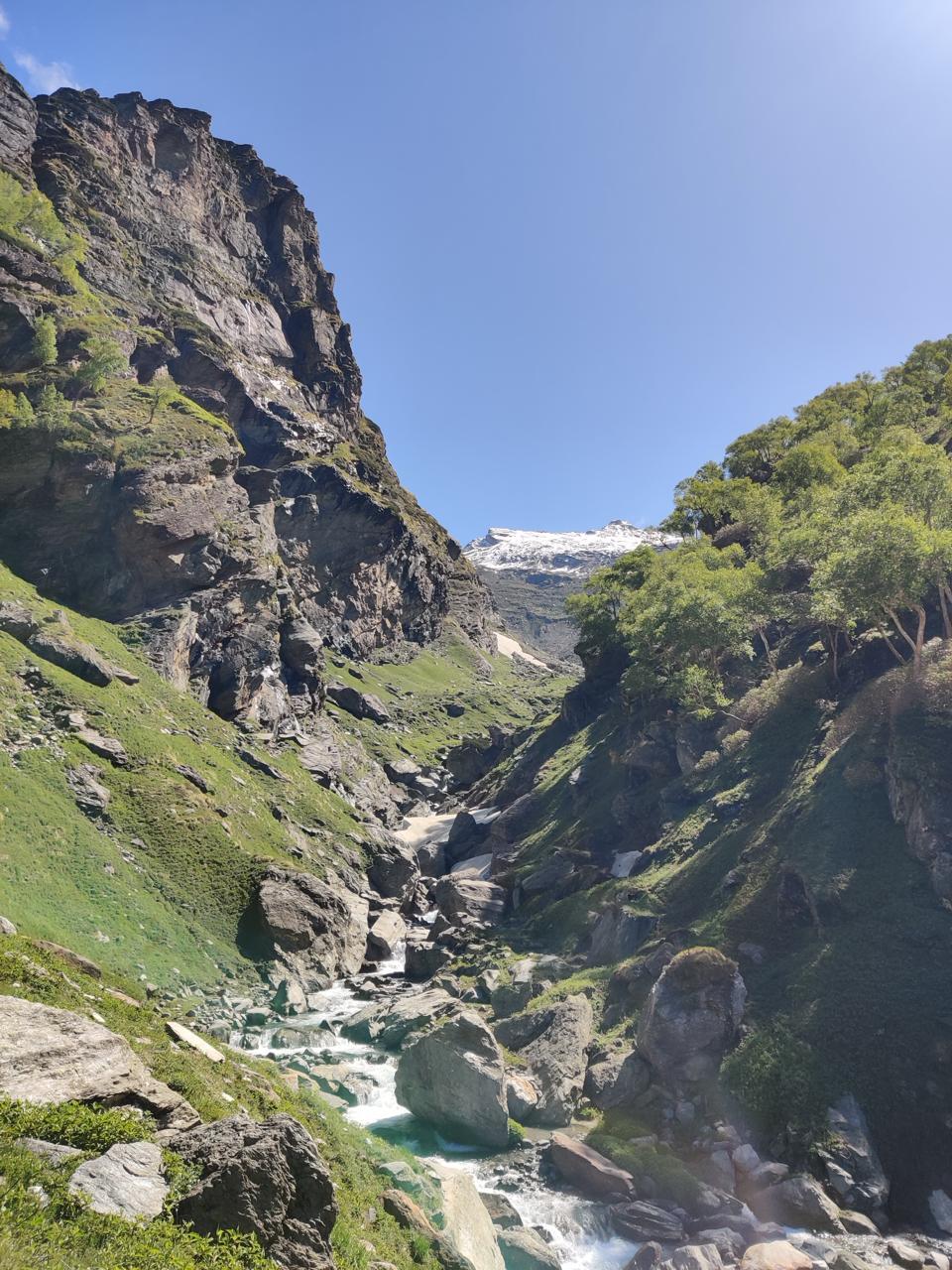
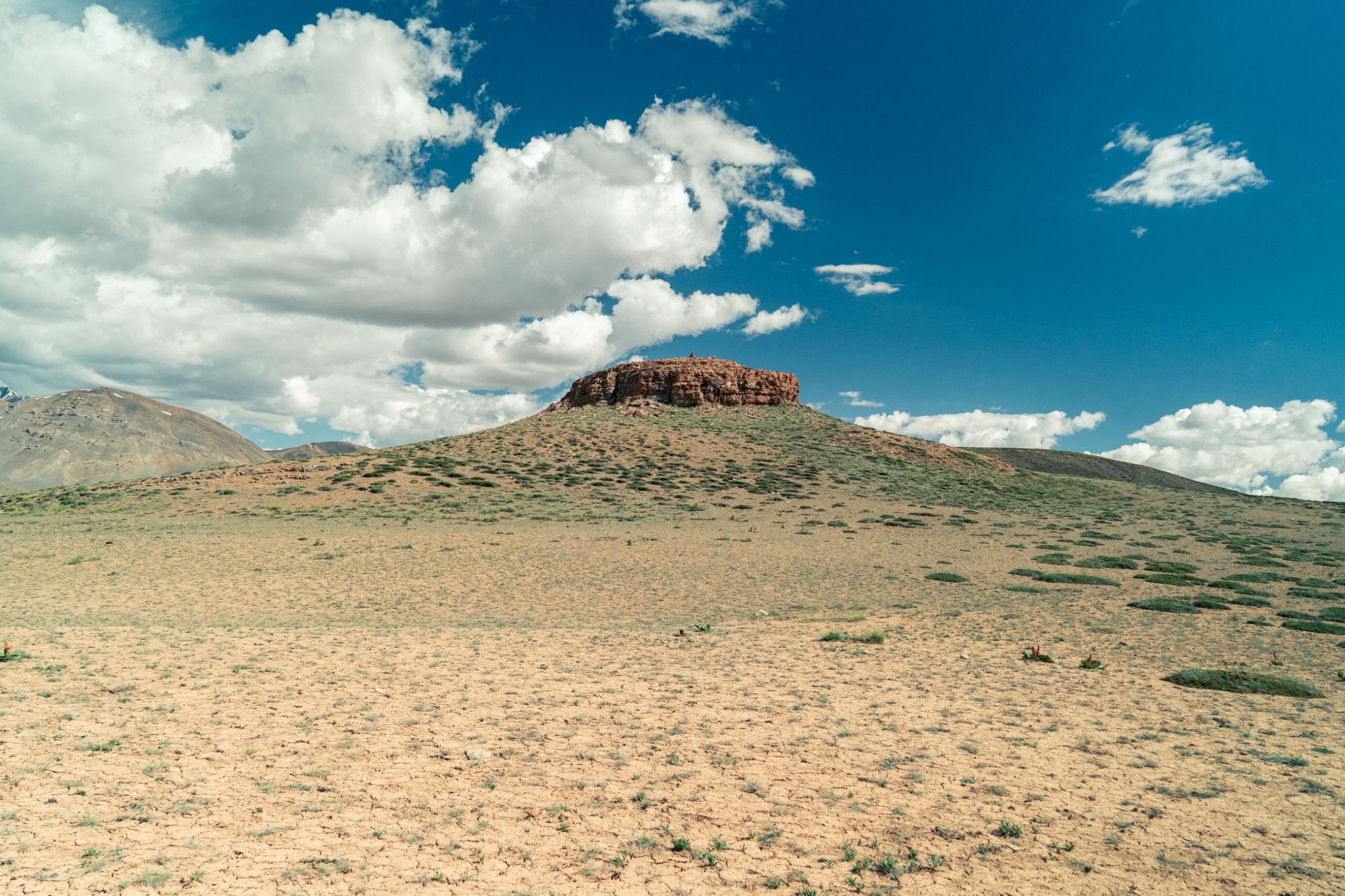
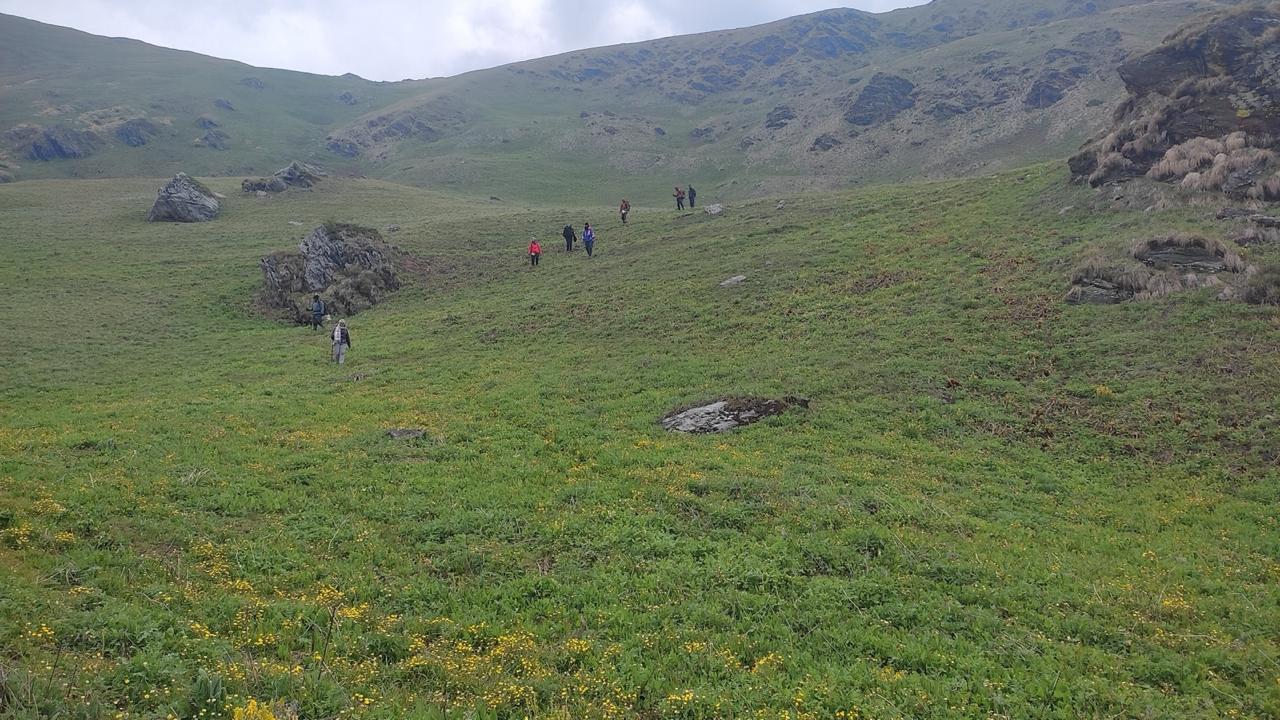
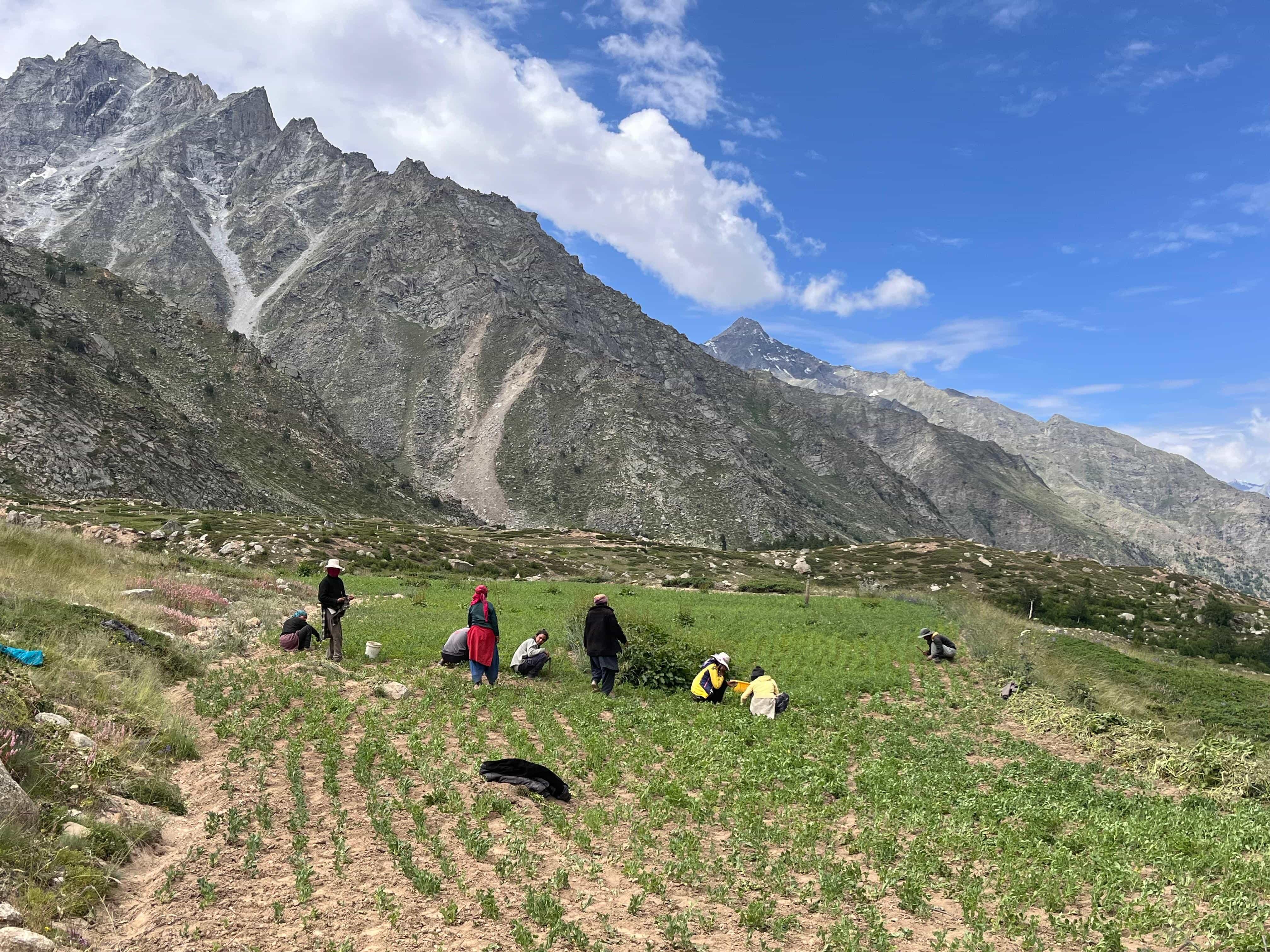
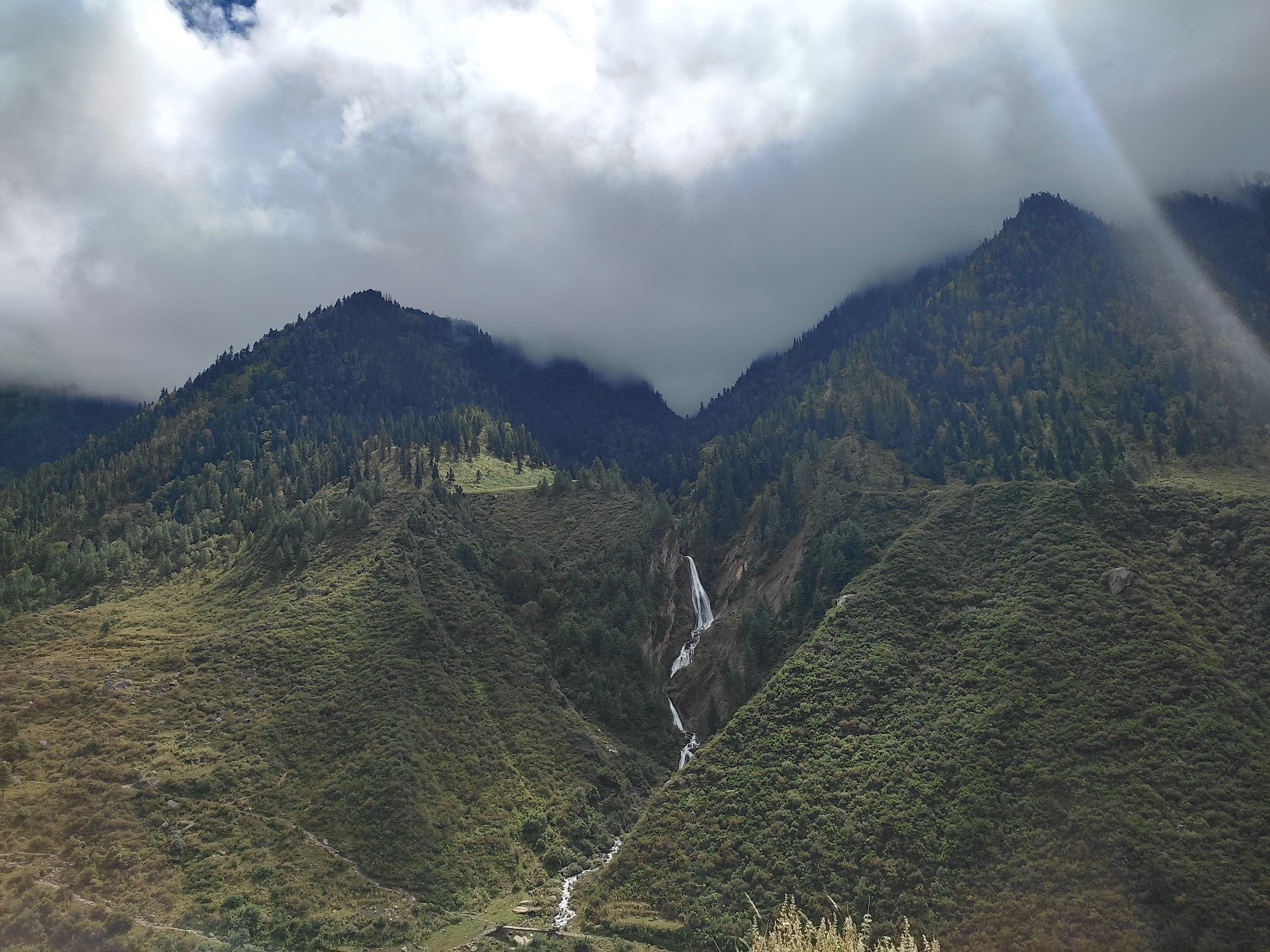
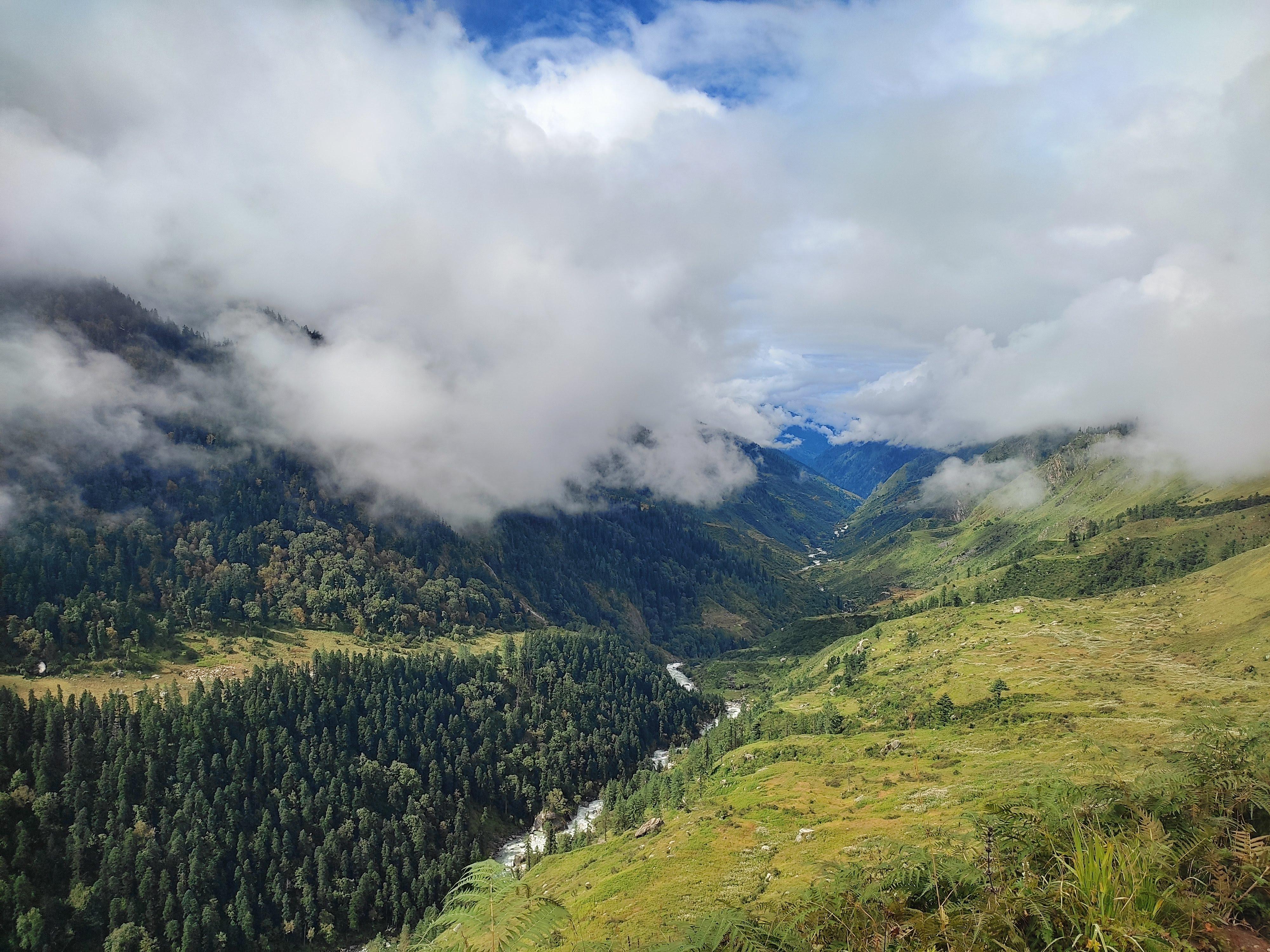
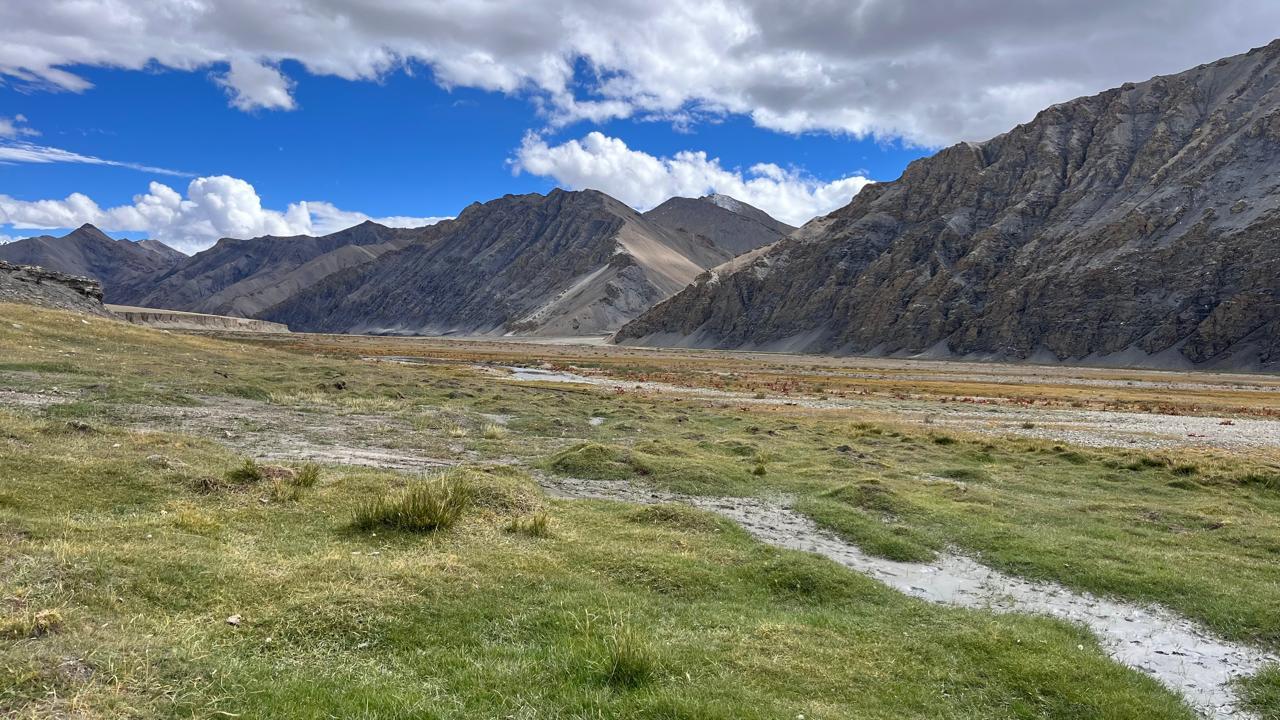
The trail enters the valley through a crossing of Jobri Nala and climbs steadily through dense forest. There are no long flat sections, just a continuous progression deeper into the mountains. As we move higher, the forest opens into the wide meadows of Jwara, river crossings begin to appear, and the terrain becomes progressively more varied.
We don't stop at Jwara. We maintain pace and push toward Balu ka Ghera.
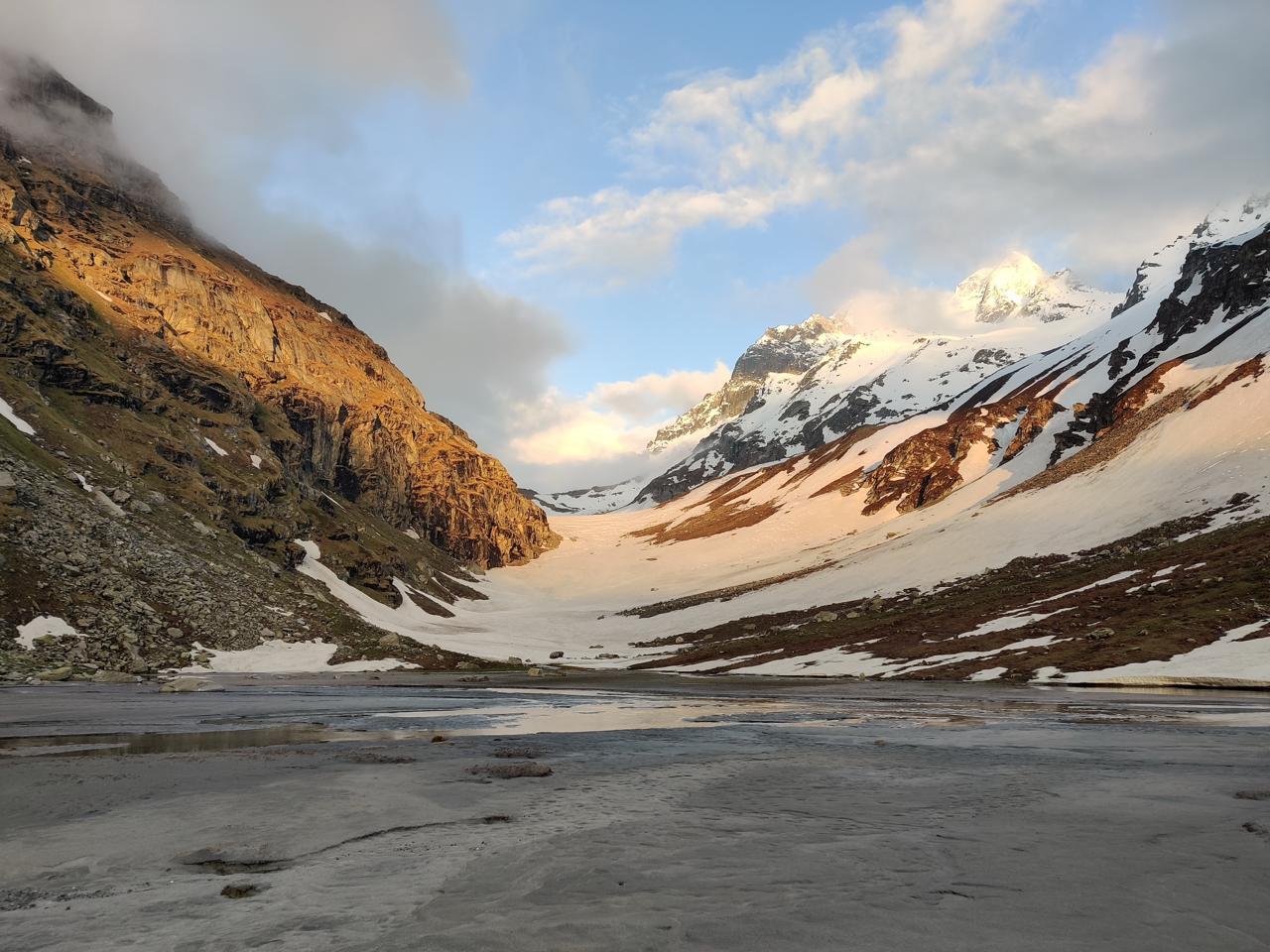
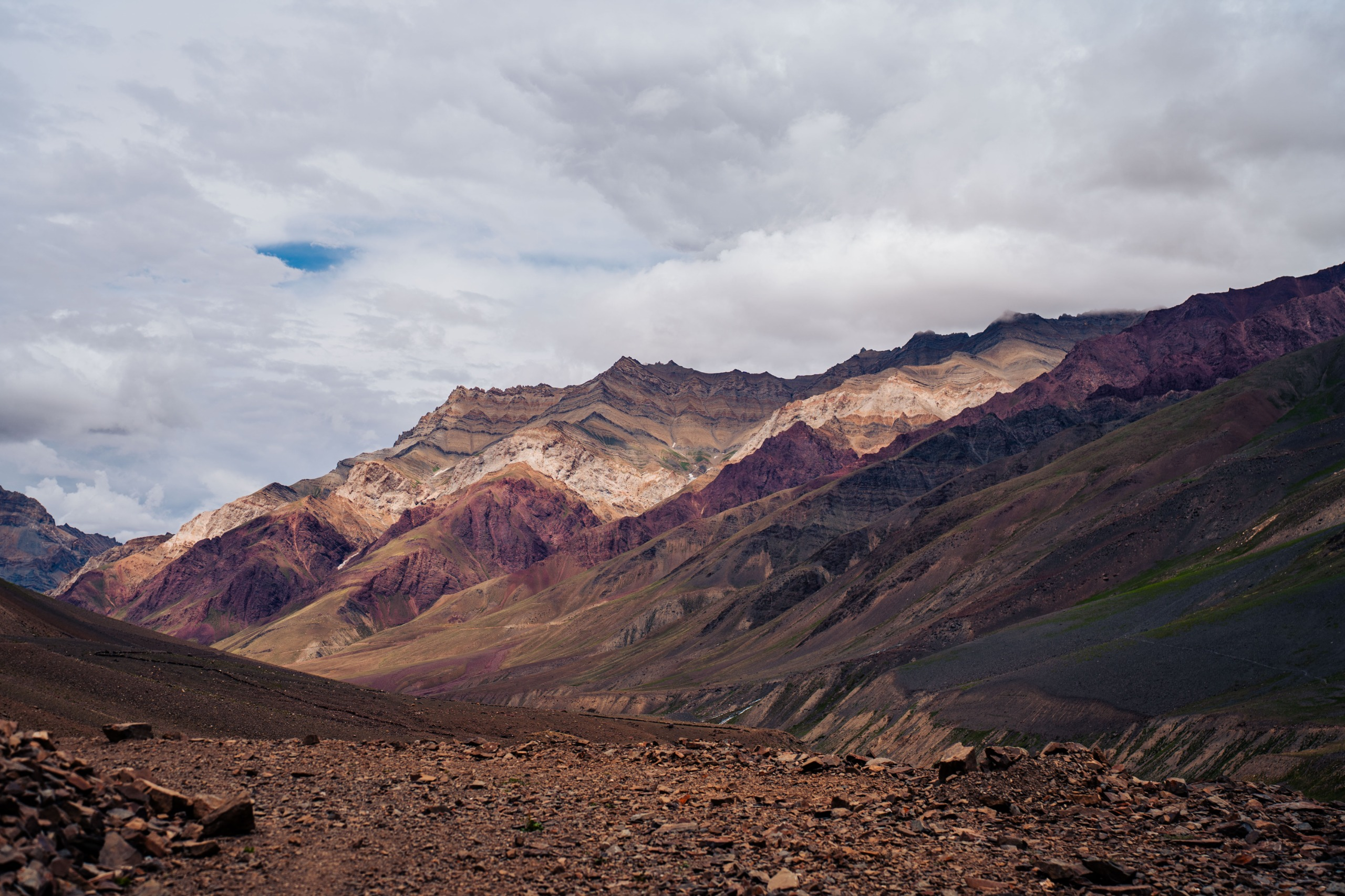
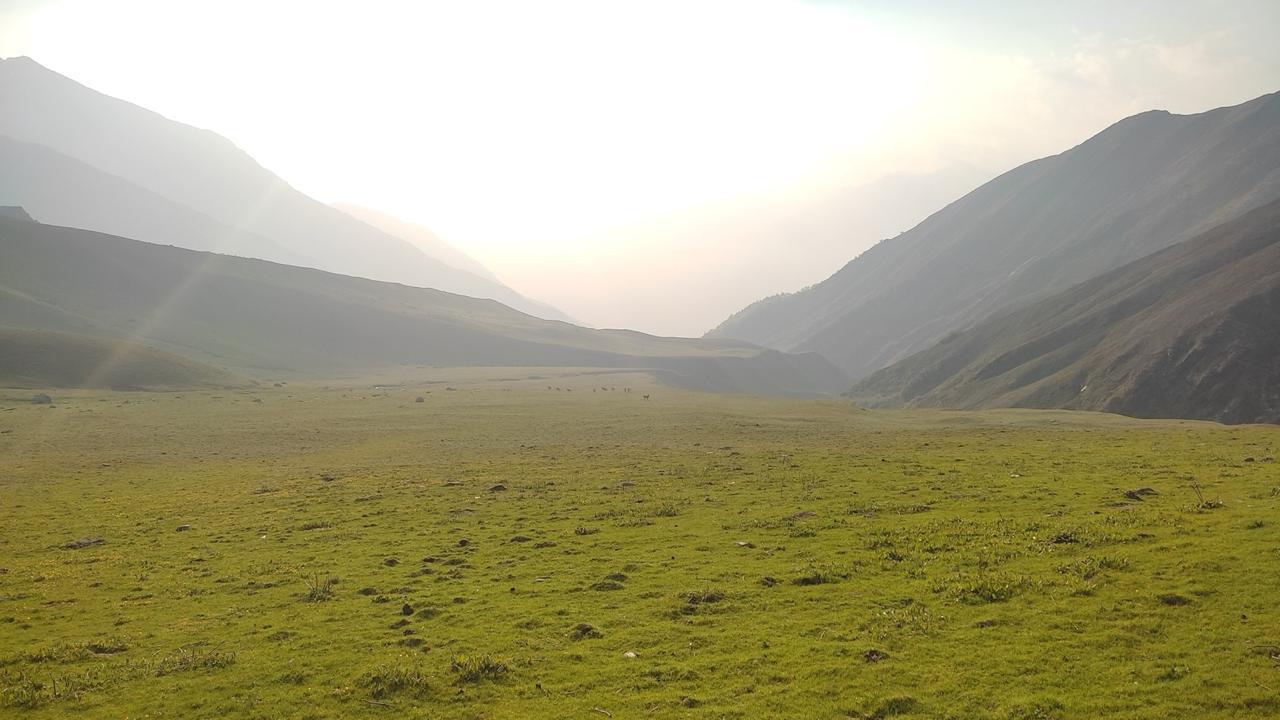
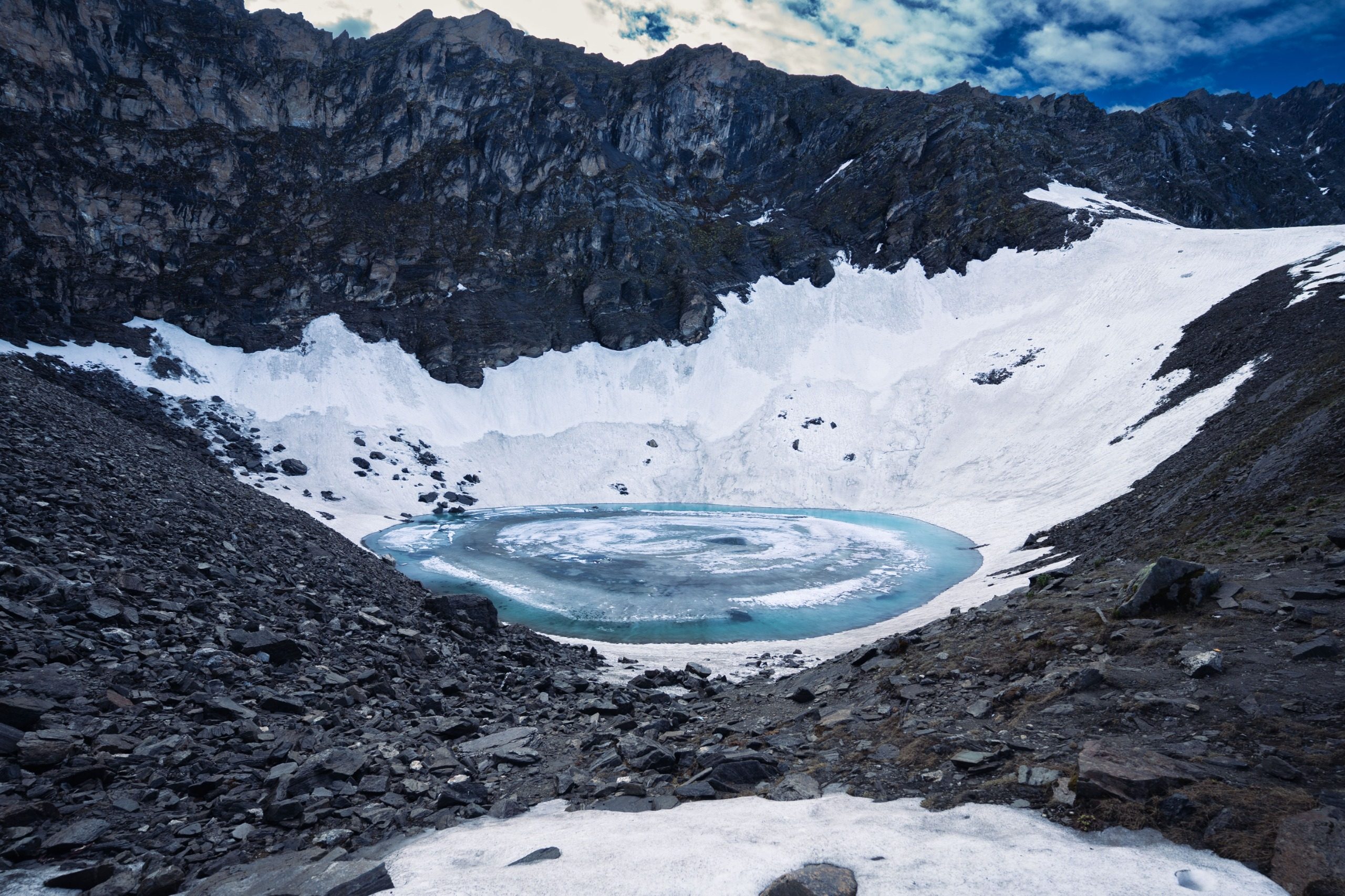
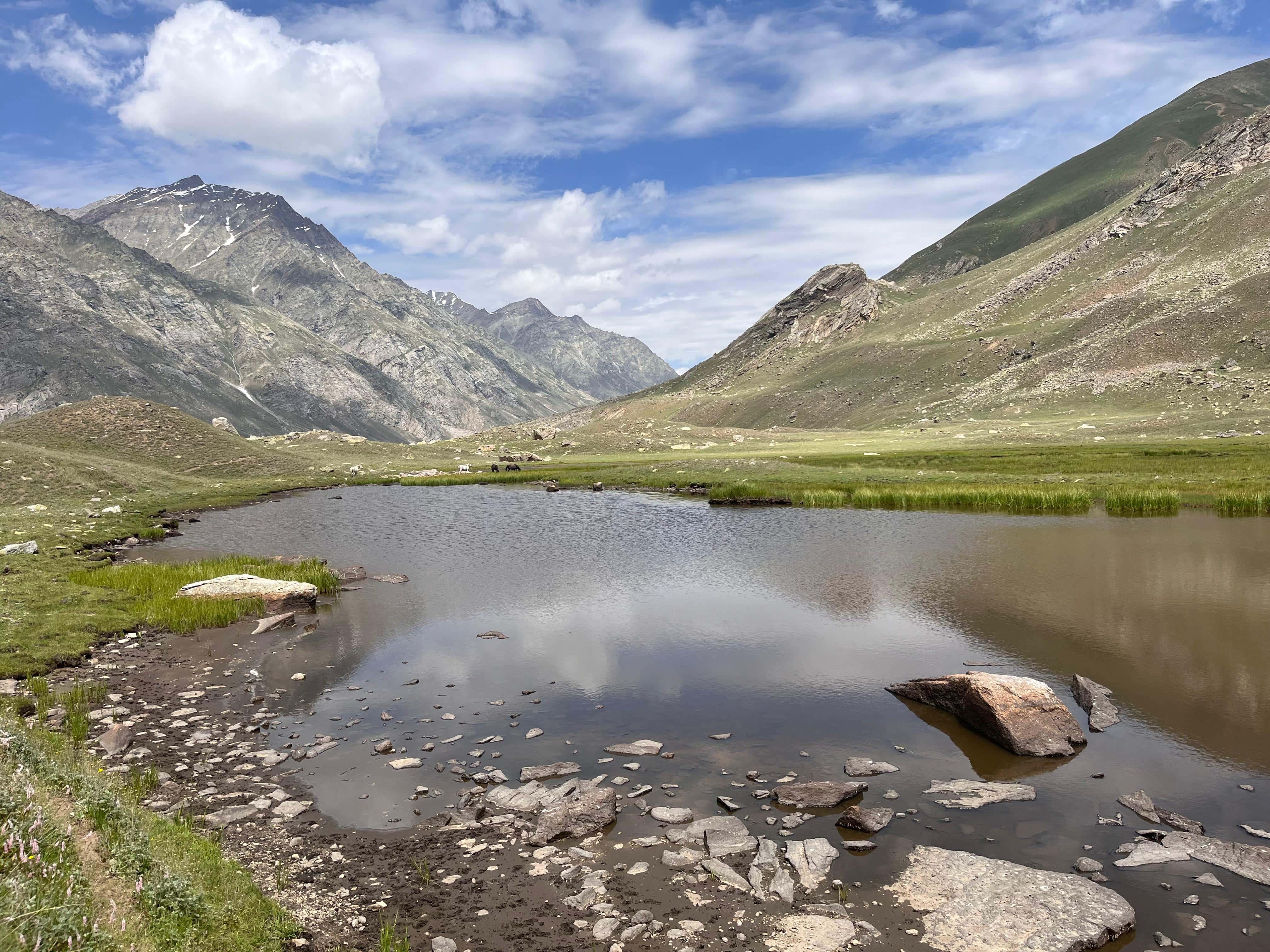
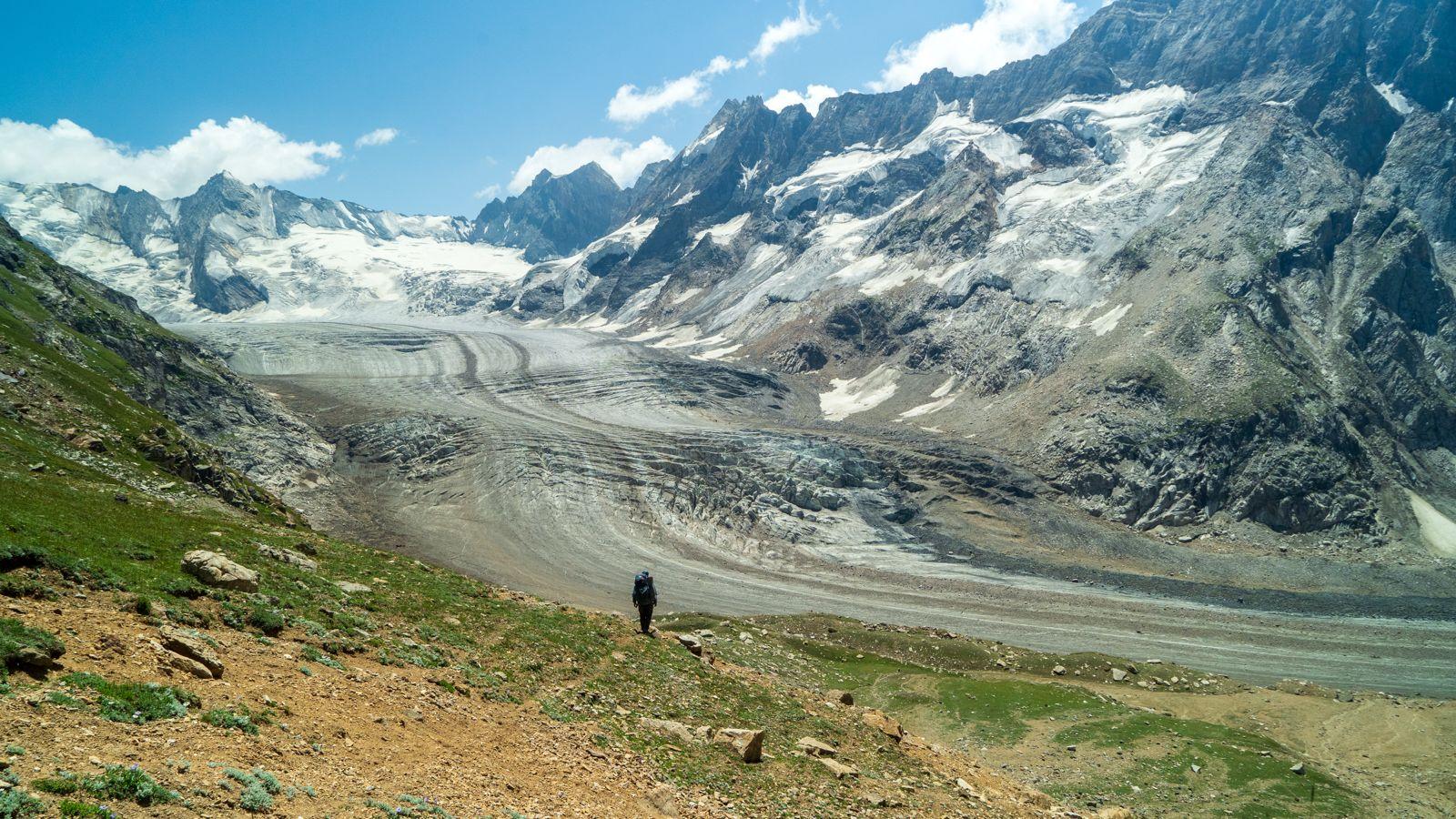
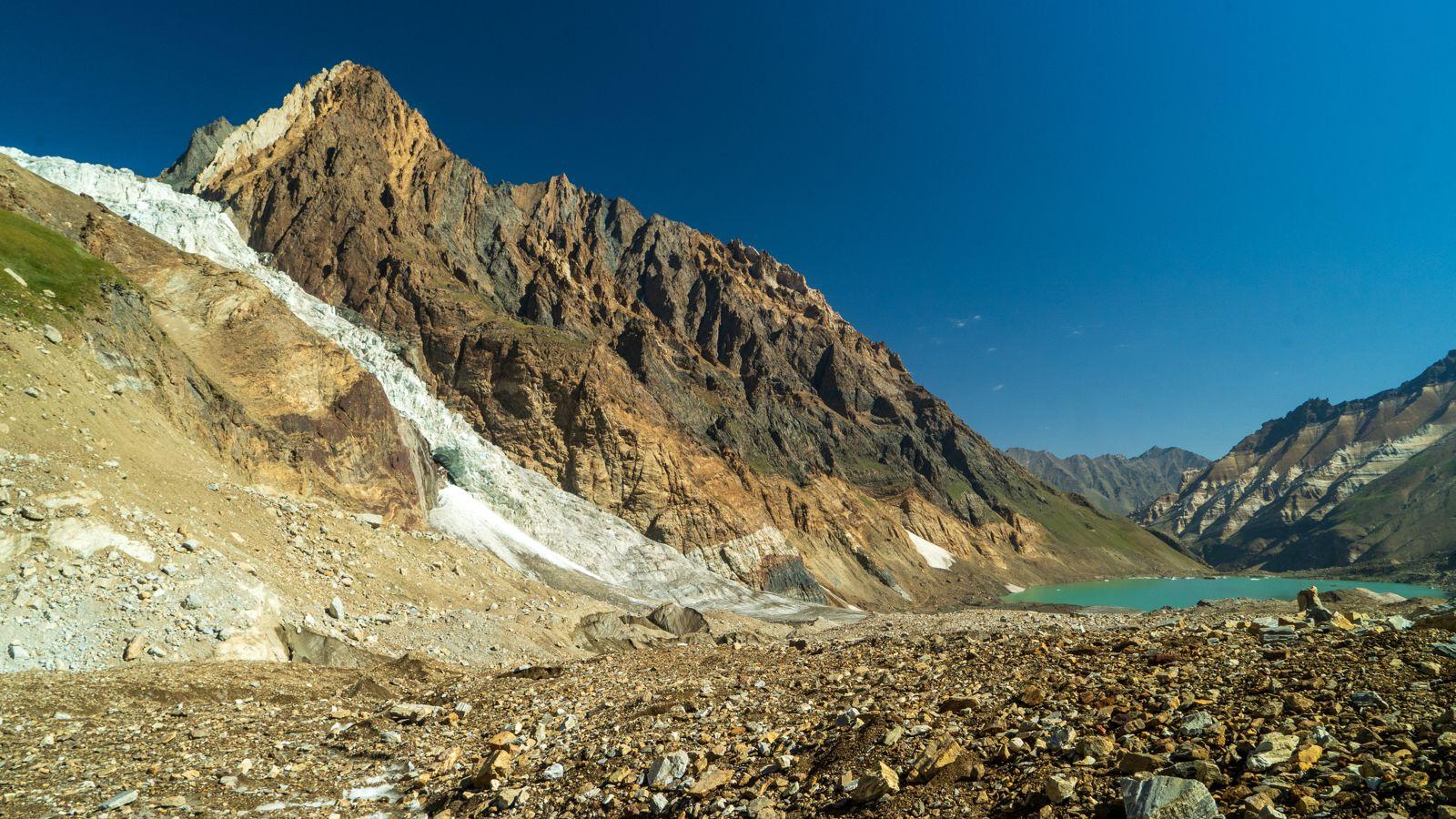
By the time we reach camp, the landscape has changed completely. No more trees. No more green. Just a wide glacial valley surrounded by rock and snow peaks.
Recovery Window Before the Pass
This is a strategic pause, not a long one, but an important one.
Once we reach Balu ka Ghera, we rehydrate, change into dry layers, eat properly, and rest our legs. Our kitchen team will already be set up at camp. The meal here is designed around what the next day demands: carbohydrates to replenish energy, fats to sustain effort through a long morning of climbing.
Day 3
Cross Hampta Pass · Descend to Chatru · Drive to Manali
Distance: ~16 km + drive
Highest Point: 14,009 ft / 4,270 m
We start early.
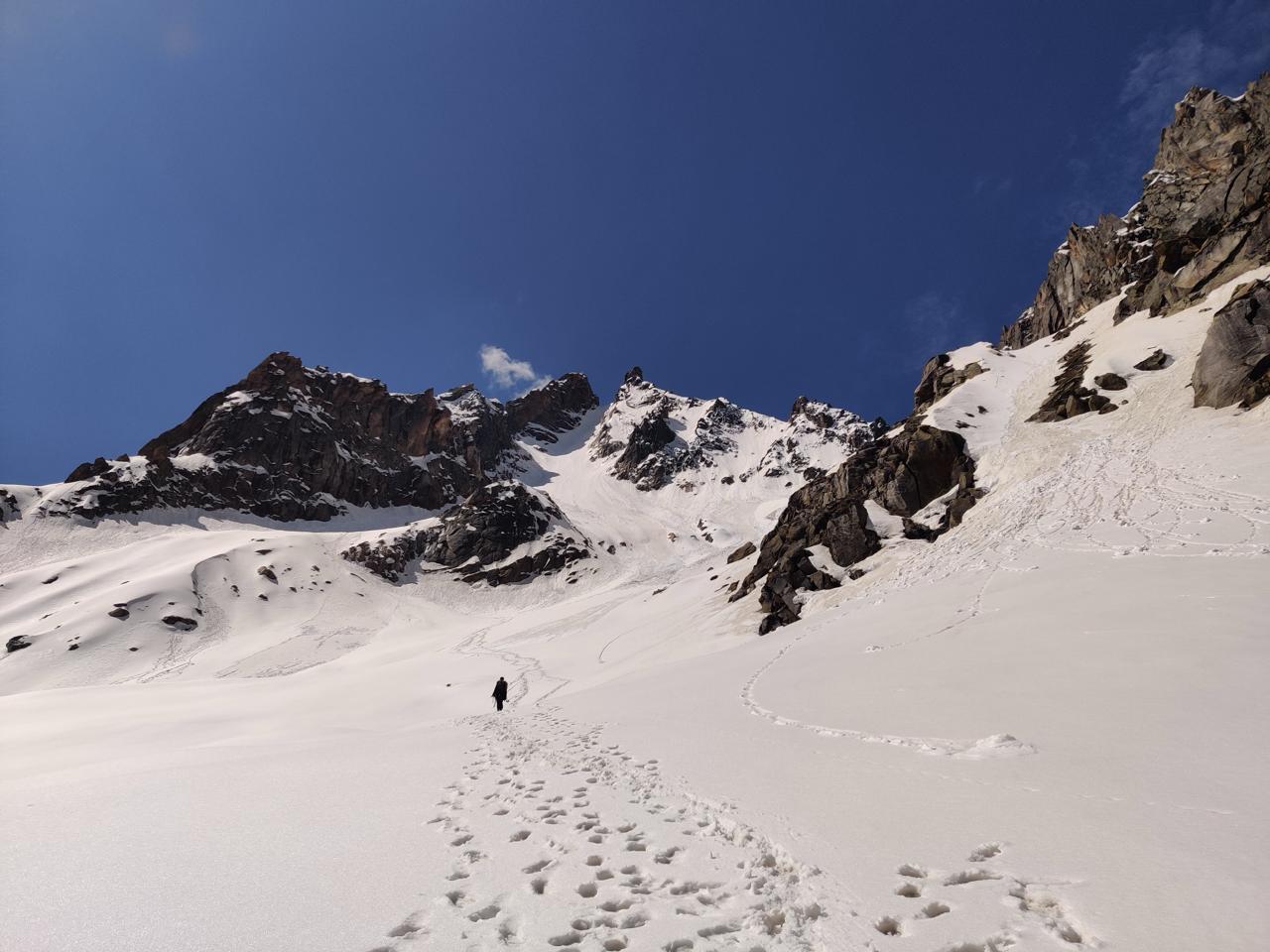
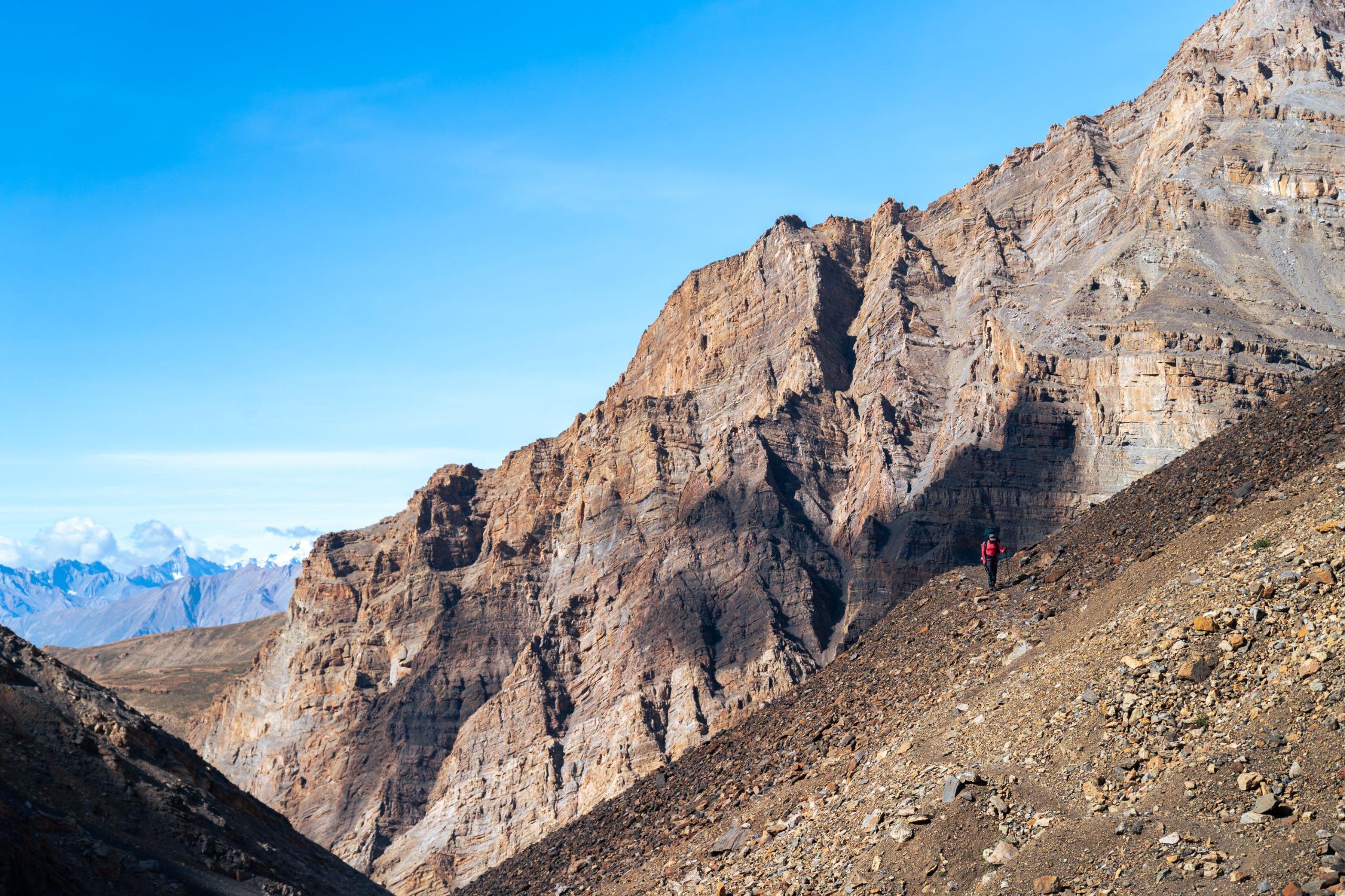
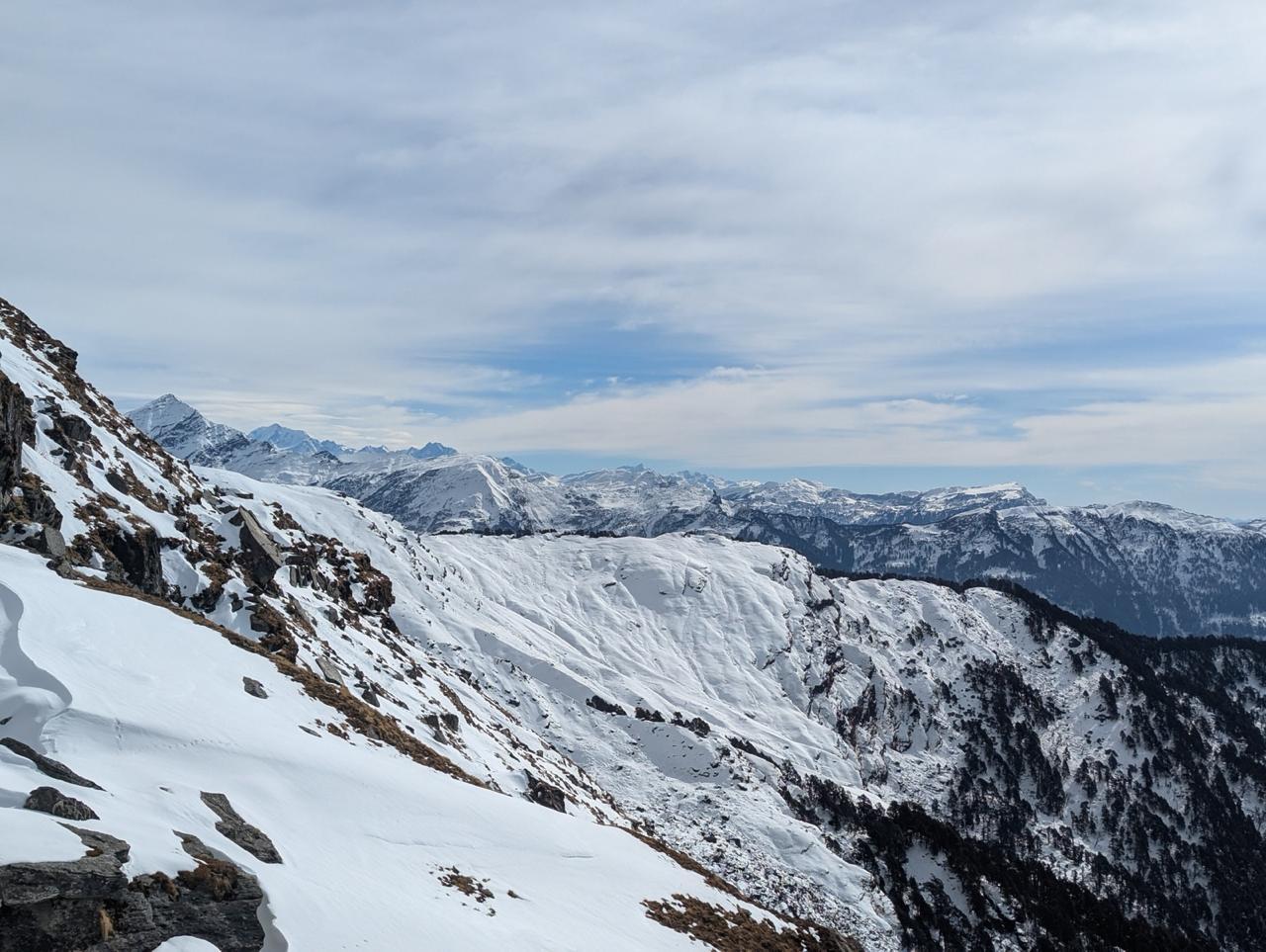
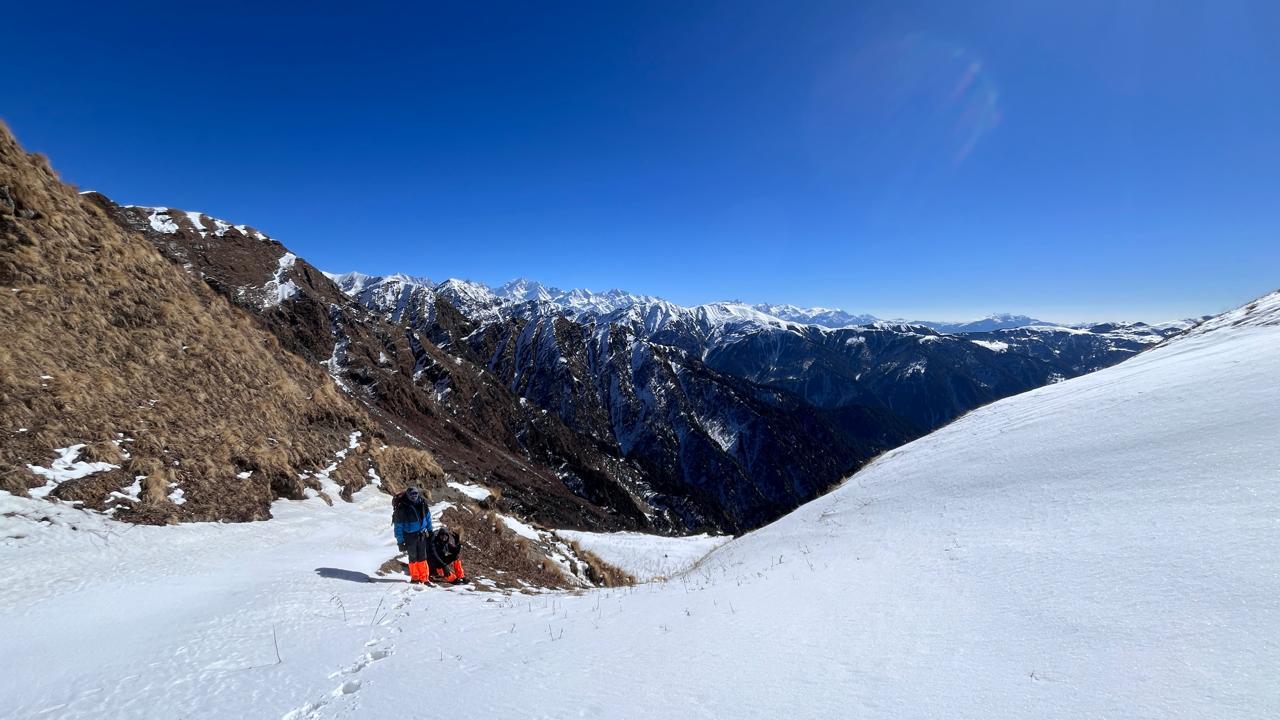
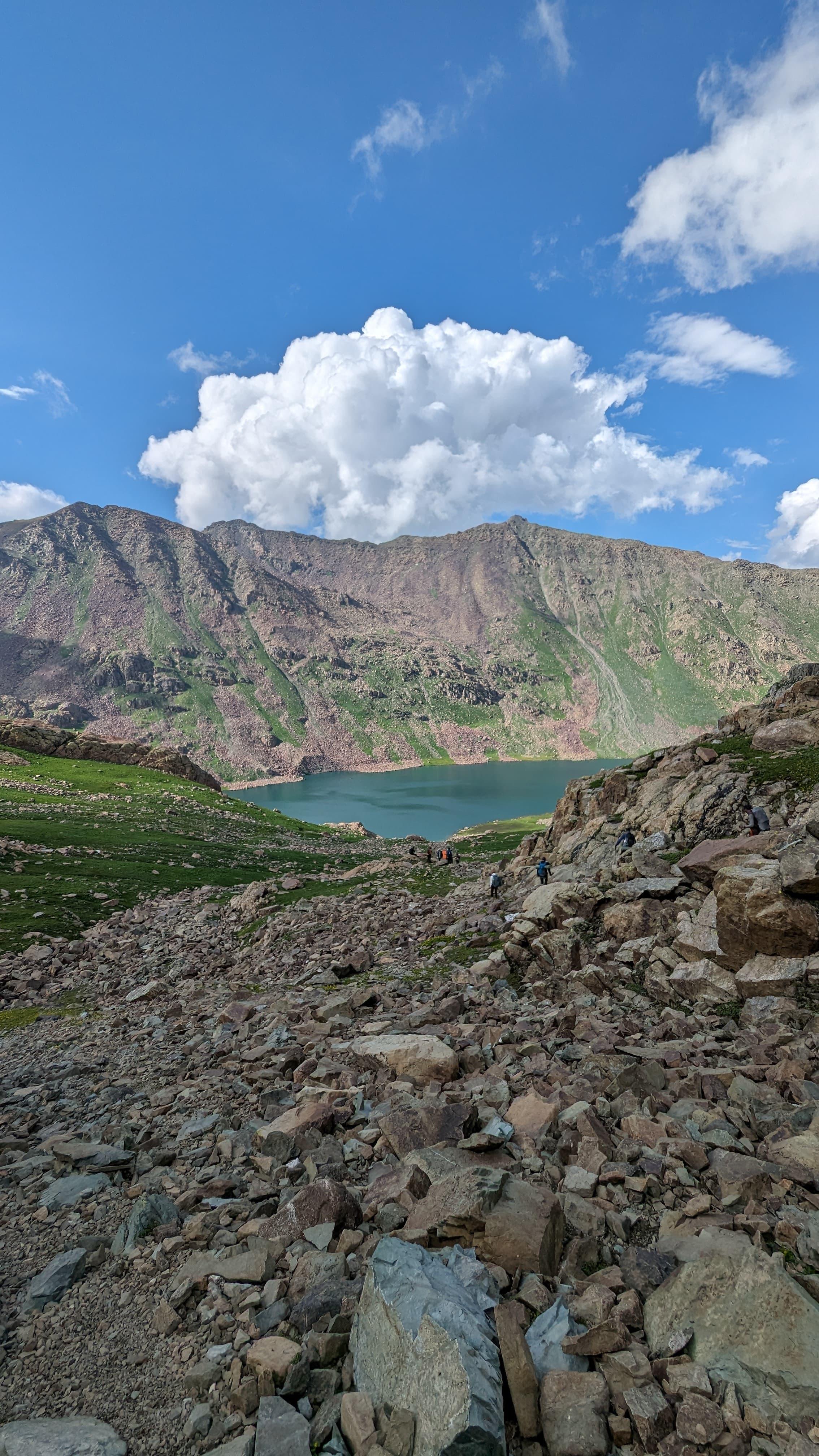
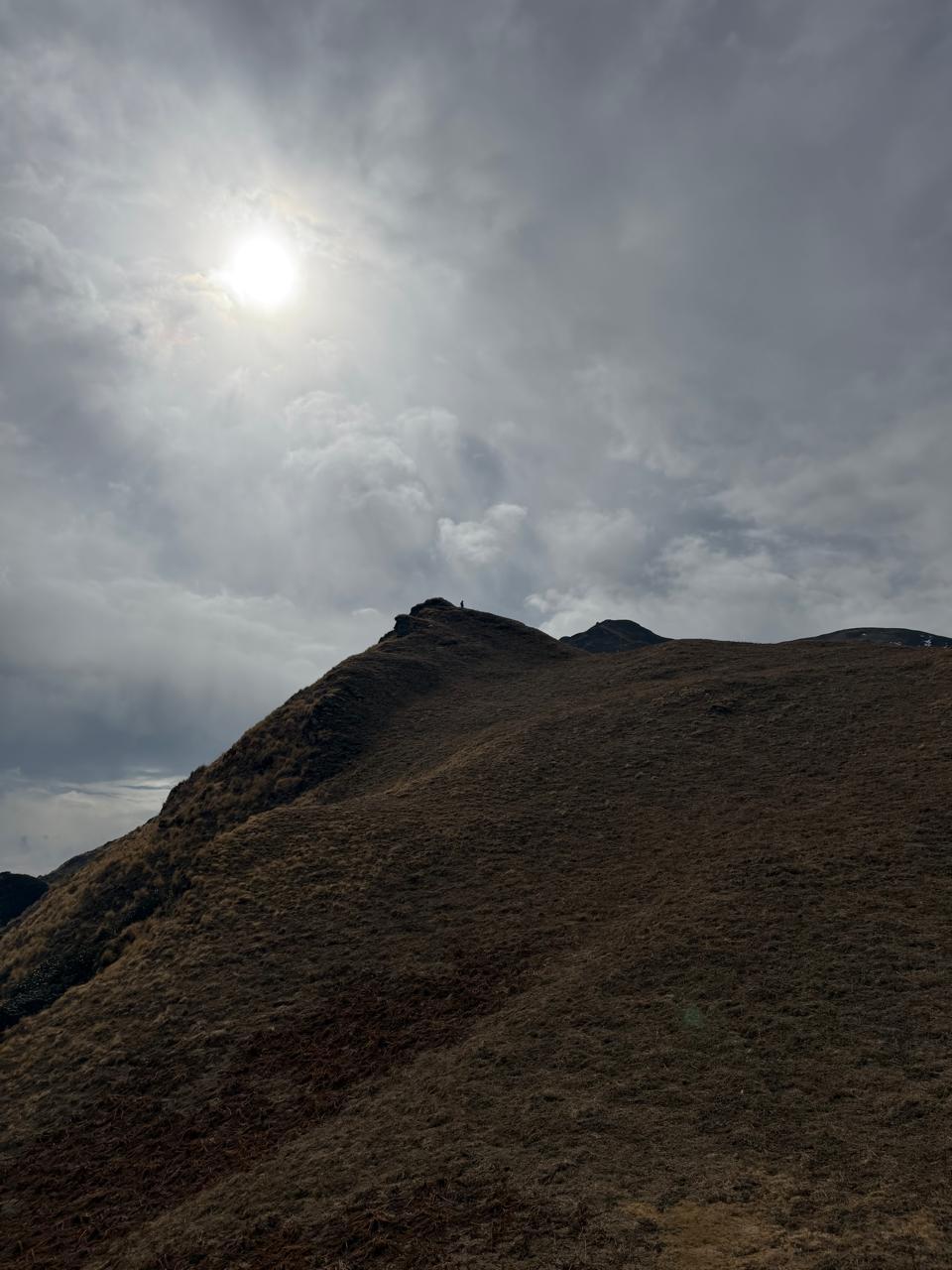
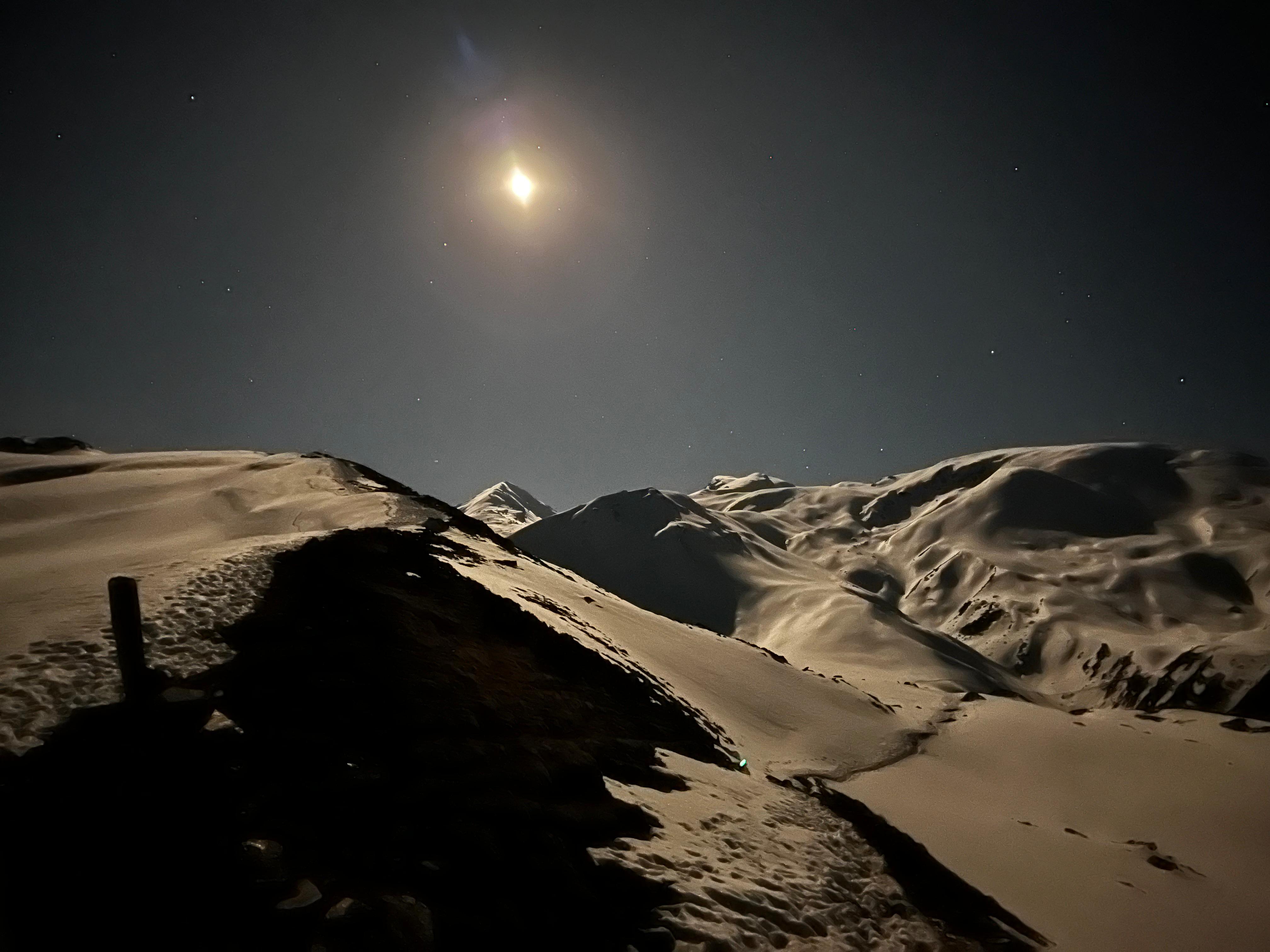
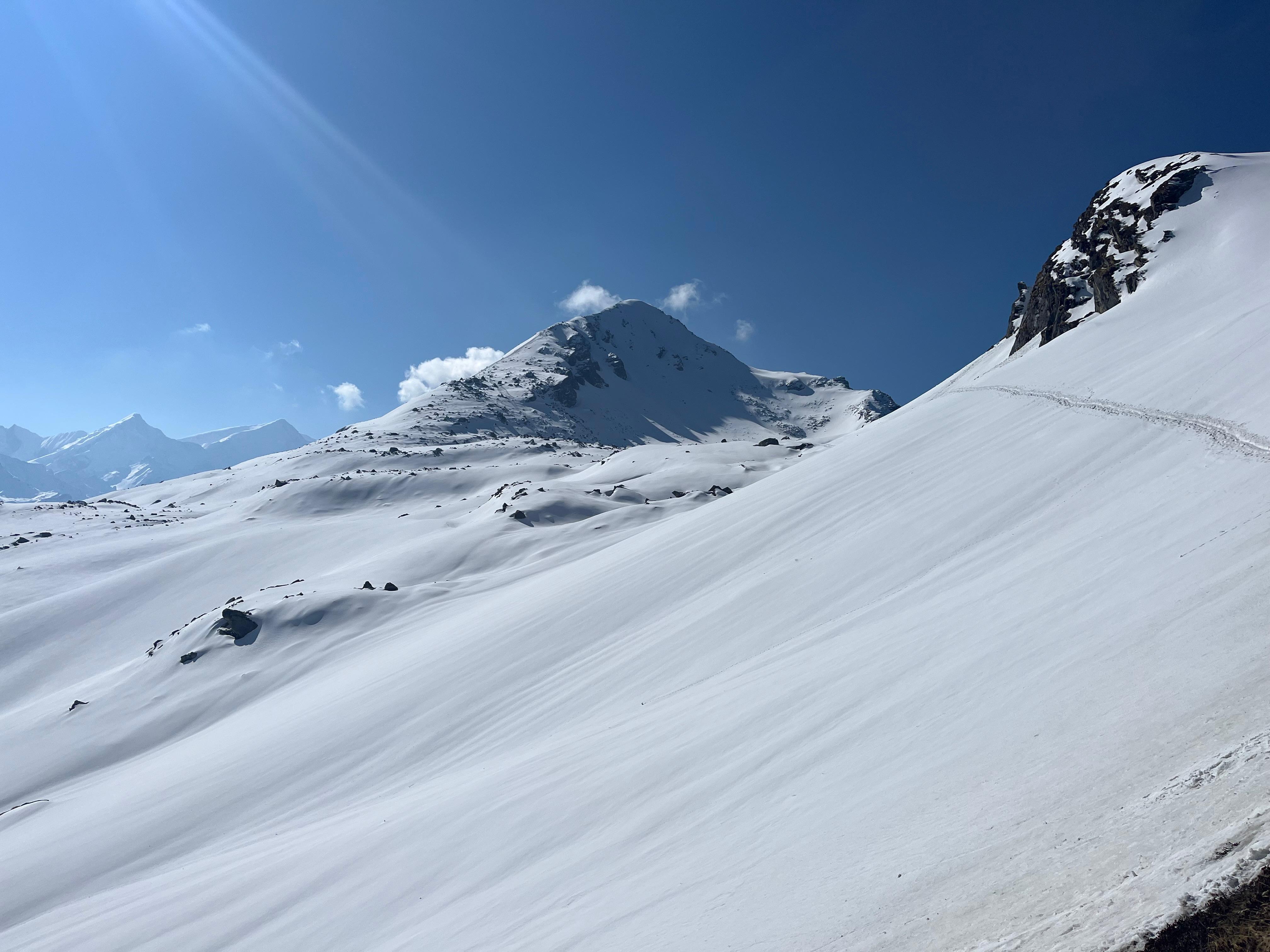
The climb from Balu ka Ghera to the pass is the crux of the entire route, steep, sustained, and exposed in sections. The trail moves through narrow mountain corridors, loose rock and moraine, and snow patches. Pacing becomes critical here. Not too fast. Not too slow. Just consistent, deliberate movement.
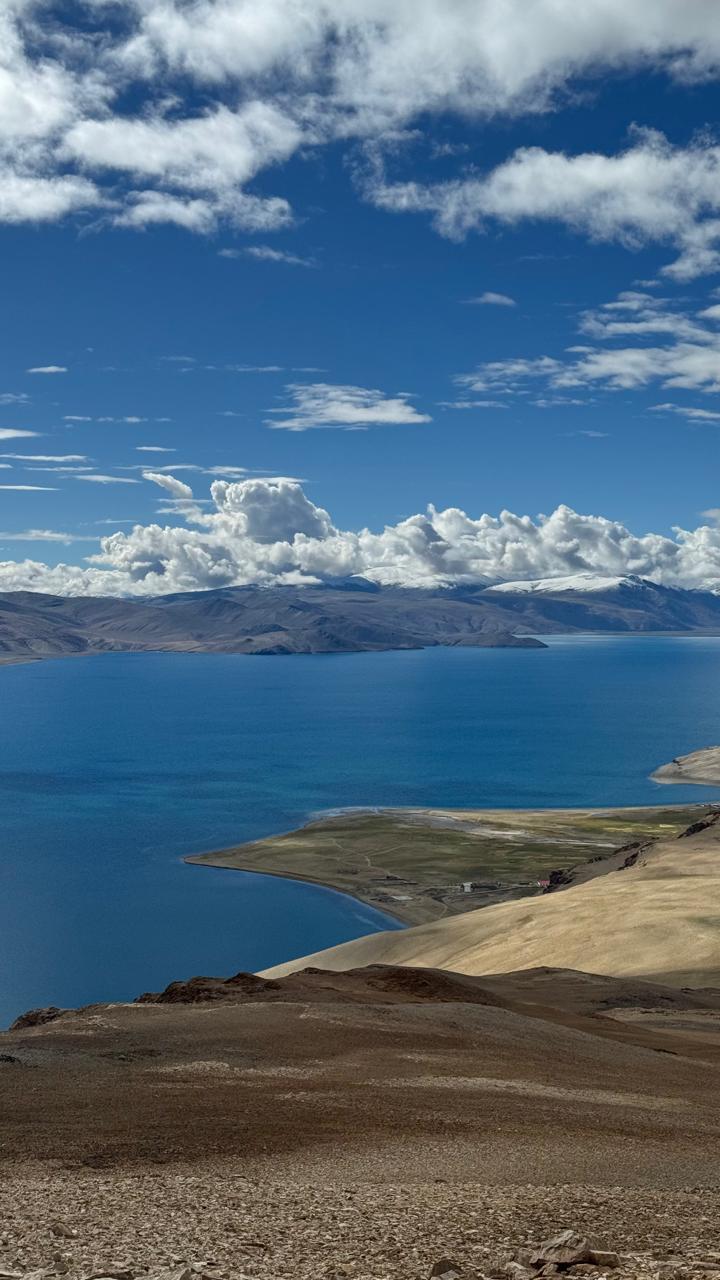
At 14,009 ft, Hampta Pass opens up one of the most dramatic transitions in the Himalayas. Behind us, the lush green valley we walked through. Ahead, the stark, cold desert of Lahaul.
Take a moment. Then we begin the descent.
The Descent to Chatru
The descent is long and demands as much focus as the climb. The trail drops through scree slopes, boulder fields, and uneven river valley terrain. Fatigue begins to surface here; this is where control matters more than speed.
We descend steadily to Chatru, where the trek concludes. From here, we drive back to Manali through the Rohtang Tunnel. By evening, we're back in the city, tired, but on the other side.
Minimum Fitness — Meet at Least One
01 — Completed a half or full marathon within the last 6 months
02 — Completed 2 difficult high-altitude treks above 14,000 ft in the last year
03 — Consistent training with a minimum 30 km/week run or hike volume
04 — Completed a 25 km or longer trail race within the last year
These are minimum criteria, not training goals. Day 3 is where this format shows its teeth: a pass crossing followed by a long descent, back-to-back, with no camp break in between. Meeting the minimum gets you to the start line. Your training between now and departure determines how Day 3 feels.
Who Can Join
Hampta Pass sits at 14,009 ft, but altitude isn't the primary challenge here. It's the cumulative terrain across three days. Forest climbs, river crossings, boulder fields, and a sustained pass crossing, all within a compressed format with minimal rest. The body needs to already be in motion before it arrives here.
Inclusion
Exclusion
Is this suitable for beginners?
How different is this from the regular Hampta Pass trek?
The standard Hampta Pass itinerary spreads the route over 4–5 days with gradual pacing, an acclimatisation night at Jwara, and long rest windows. This format compresses it into 3 days — no gradual build, no extra night, no buffer. Day 3 involves a pass crossing and a long descent. The terrain is identical. The format is completely different.
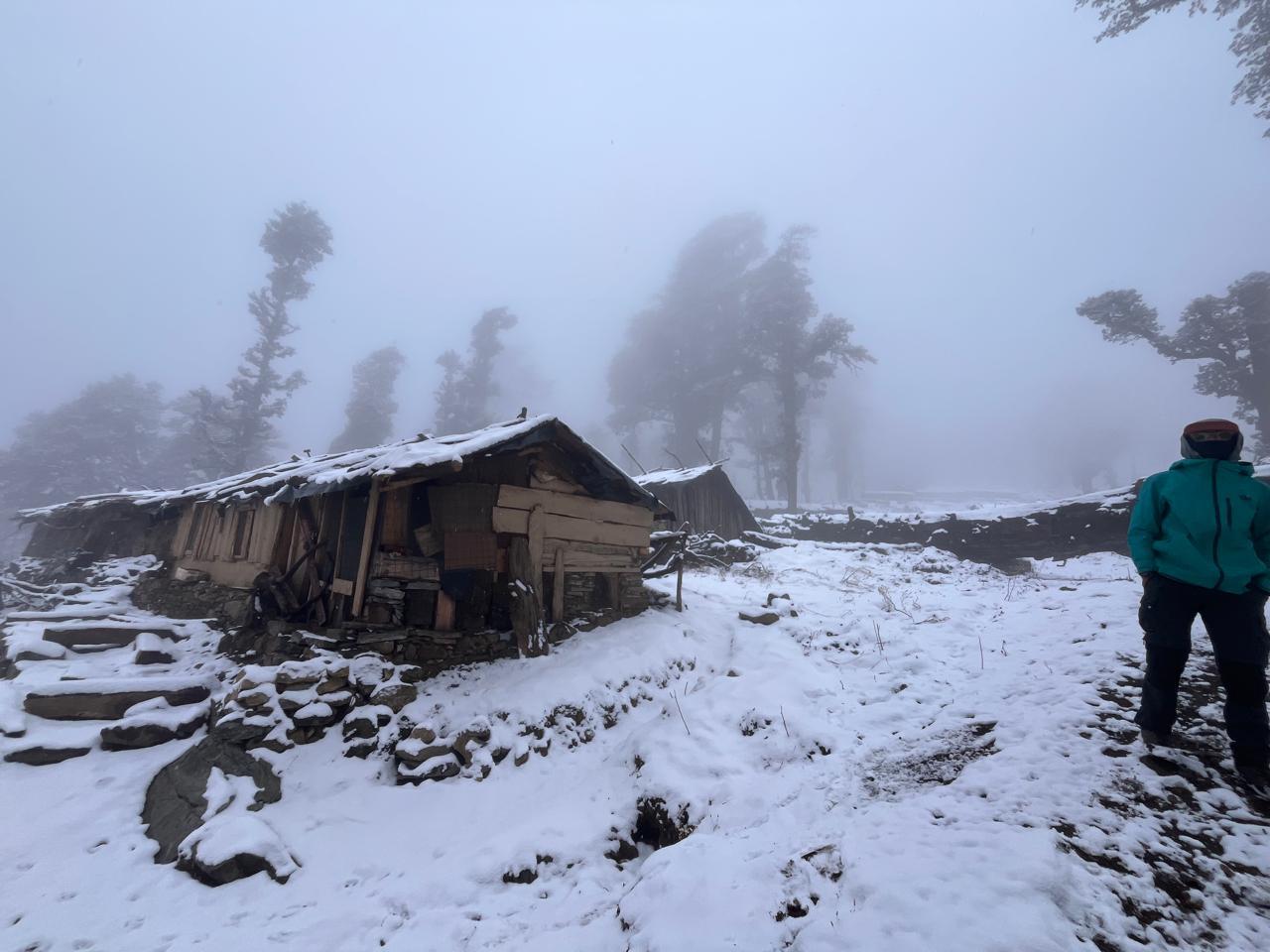
Will there be snow on the route?
What size pack will I carry?
Is there acclimatisation built in?
Are there river crossings?
What is the food like?
Can I offload my pack?
Every 2–3 participants share one drop bag, which travels with our support team to camp. The drop bag is for items you only need at night, such as a down jacket, extra socks, or additional layers for the Balu ka Ghera camp. Everything else stays in your pack on the trail.
Since we're camping only one night, this system works well. It keeps your pack light for movement while making sure you have what you need when you stop. Rental gear is also available at an additional cost if needed; inquire at the time of booking.
What is the meeting point?
What happens if weather forces a turn back?
SELECT DATE TO REGISTER
Thank You!
Your form has been submitted successfully. We'll get back to you soon.
₹ 10,499 + 5% GST
