

Pangarchulla Speed Hike
Not For Everyone. And That’s Exactly Why We’re Doing It.
This is not a leisure trek, nor a “let’s see how it goes” itinerary.
This is for people who feel most alive when they are fully in it.
If you’ve ever:
- Run a 21K and felt stronger at the finish than at the start
- Raced a technical trail run where every step demanded focus
- Signed up for a marathon knowing it would hurt, and wanted that feeling
- Climbed something steep and thought, “That pushed me, but I needed that.”
Then you already understand what this is about.
What This Really Is
This is a compressed mountain effort.
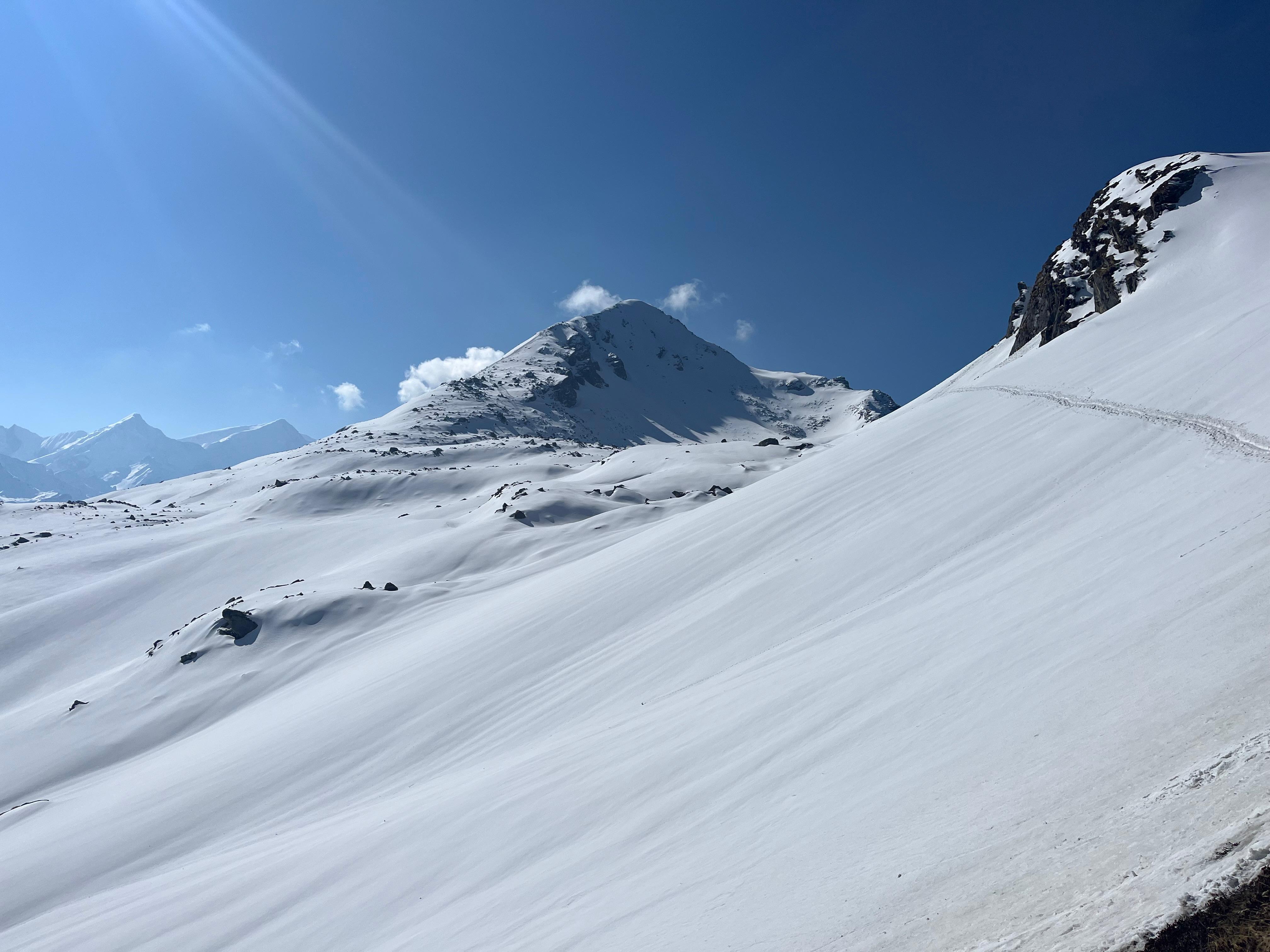
With very little time for proper acclimatisation, steep elevation gain and Snow conditions (highly likely).
A summit push on limited recovery.
It is designed this way intentionally.
The idea is not to suffer for the sake of it, but to stimulate real alpine effort.
We move light, try to be a bit fast, and stay mentally sharp.
Who This Is For
This is for:
- Trail runners
- Marathoners
- Hybrid athletes
- Expedition aspirants
- Trekkers who find regular itineraries too comfortable
You should already be trained / training regularly.
You should already enjoy discomfort in controlled doses.
You should want to test your pacing, altitude response, and mental steadiness.
This is not where you come to “try something new.”
Who This Is Not For
If you’ve struggled significantly with acclimatization in the past,
If you prefer long rest windows and gradual altitude gain,
If your current fitness is inconsistent,
This is not the right format.
And that’s completely fine.
There are other treks that will build you up.
But this one demands readiness from Day 1.
Why We Created This
Backpacking builds self-sufficiency.
Regular treks build familiarity.
This format builds sharpness.
It shows you who you are when:
- Your heart rate spikes
- The snow gets steeper
- And there’s no room for mental drift
If that excites you,
You’re probably the right person.
Day 1
Drive from Dehradun / Rishikesh to Karchi
Drive Time: ~9–10 hours
Altitude: ~1,200 ft → ~8,000 ft (approx)
The journey begins early from Rishikesh (Meeting point) at 6am on Day 1.
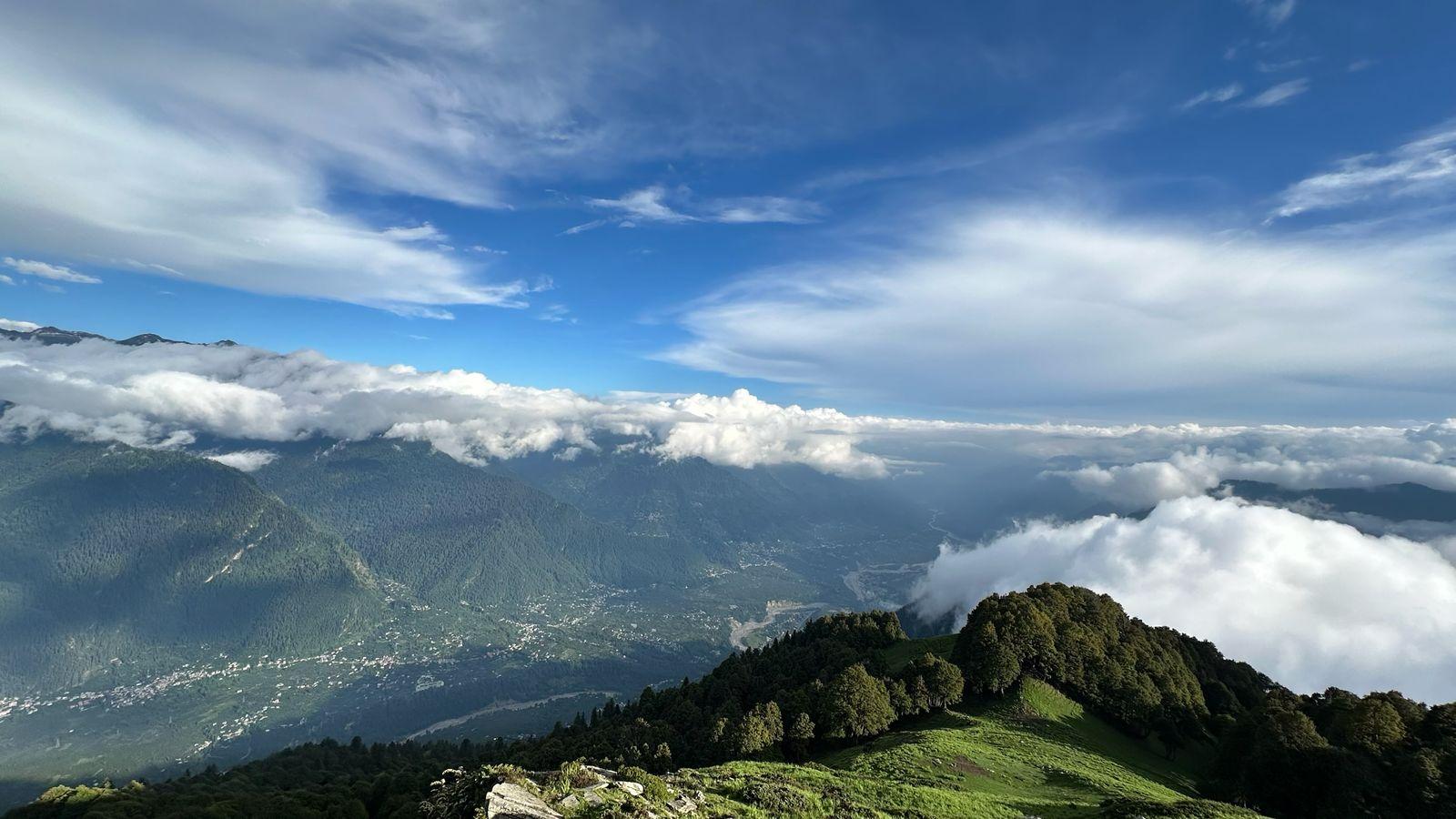
We leave the plains behind and gradually enter the Garhwal Himalayas, following the Alaknanda River upstream. The road winds through Joshimath and continues toward the quieter base village of Karchi.
By evening, we reach Karchi, a small mountain settlement that serves as our starting point.
We will:
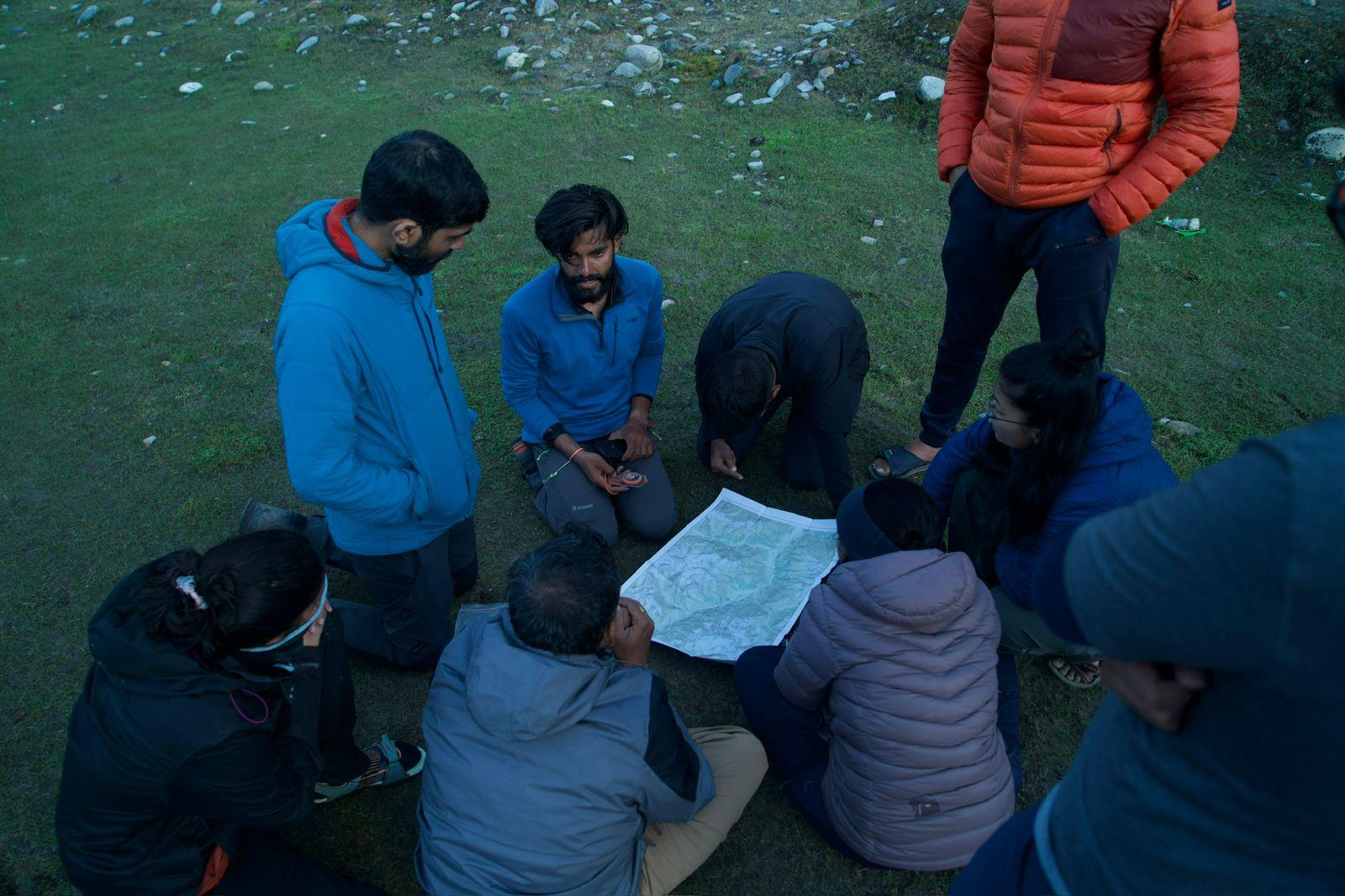
- Brief the team about the speed format
- Go over the pacing strategy and the summit plan
- Discuss snow conditions and safety protocols
- Recheck personal gear (especially layering & footwear)
Dinner is early.
Sleep matters.
Tomorrow, the effort begins.
Day 2
Karchi to Khullara via Akhrot Getta
Distance: ~6–7 km
Altitude Gain: ~8,000 ft → ~11,000–11,500 ft
Terrain: Forest trail → steep sections → snow patches (seasonal)
The real movement begins today.
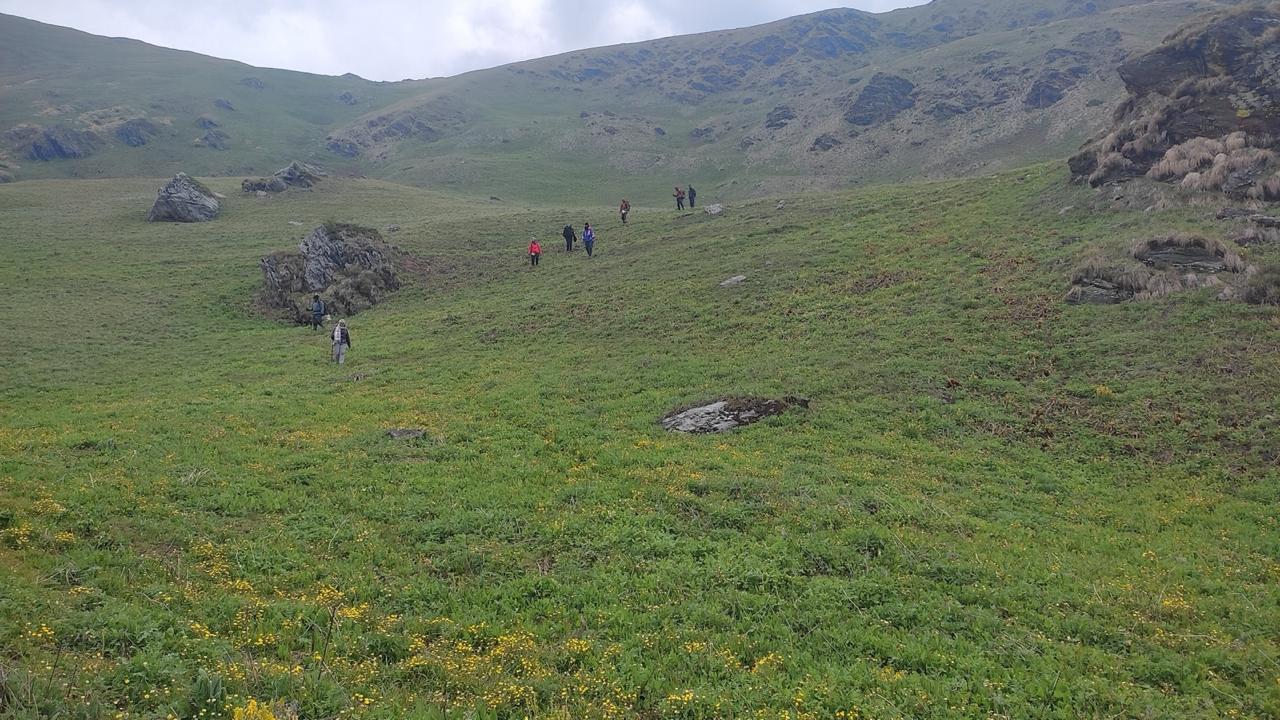
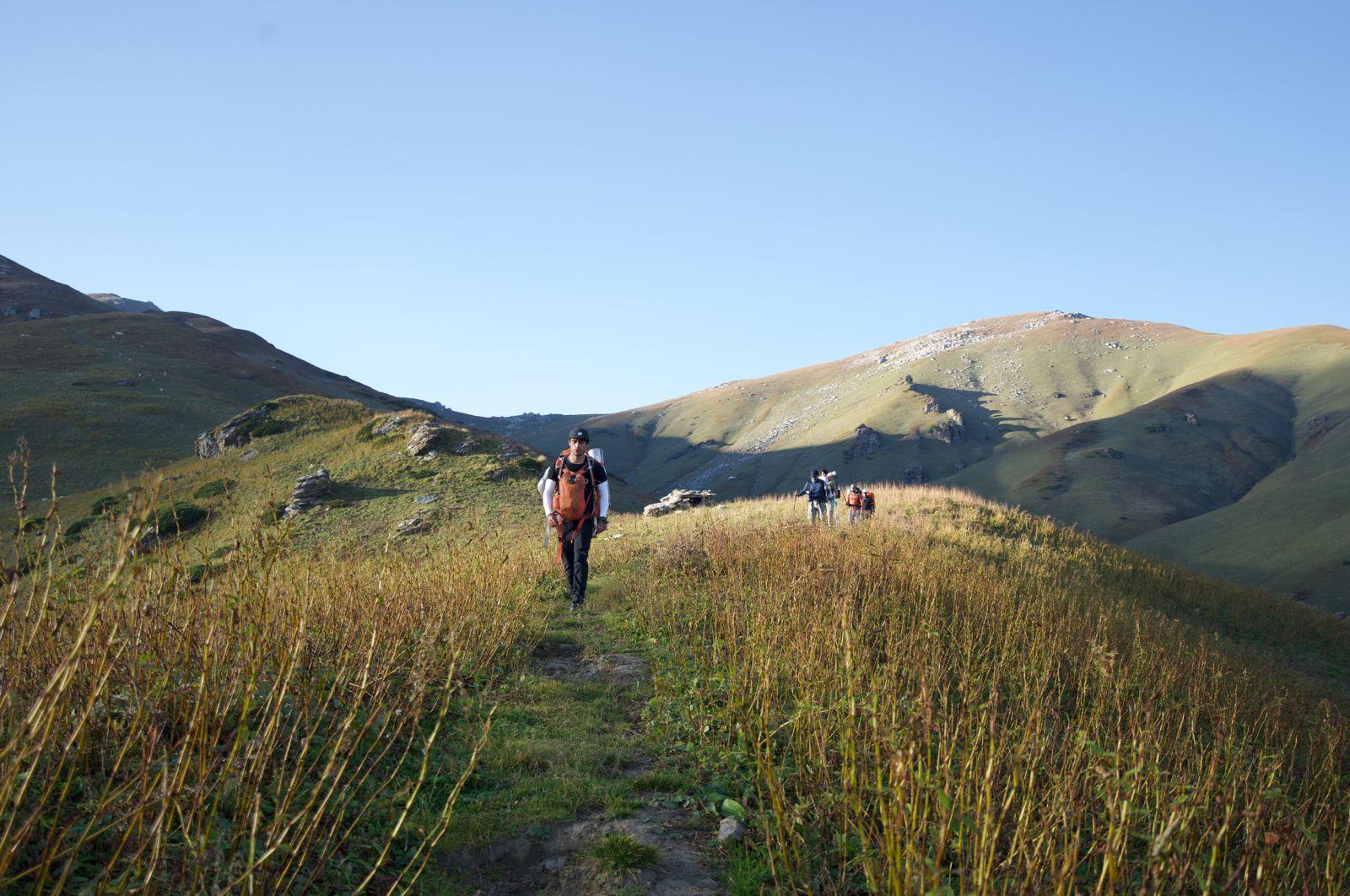
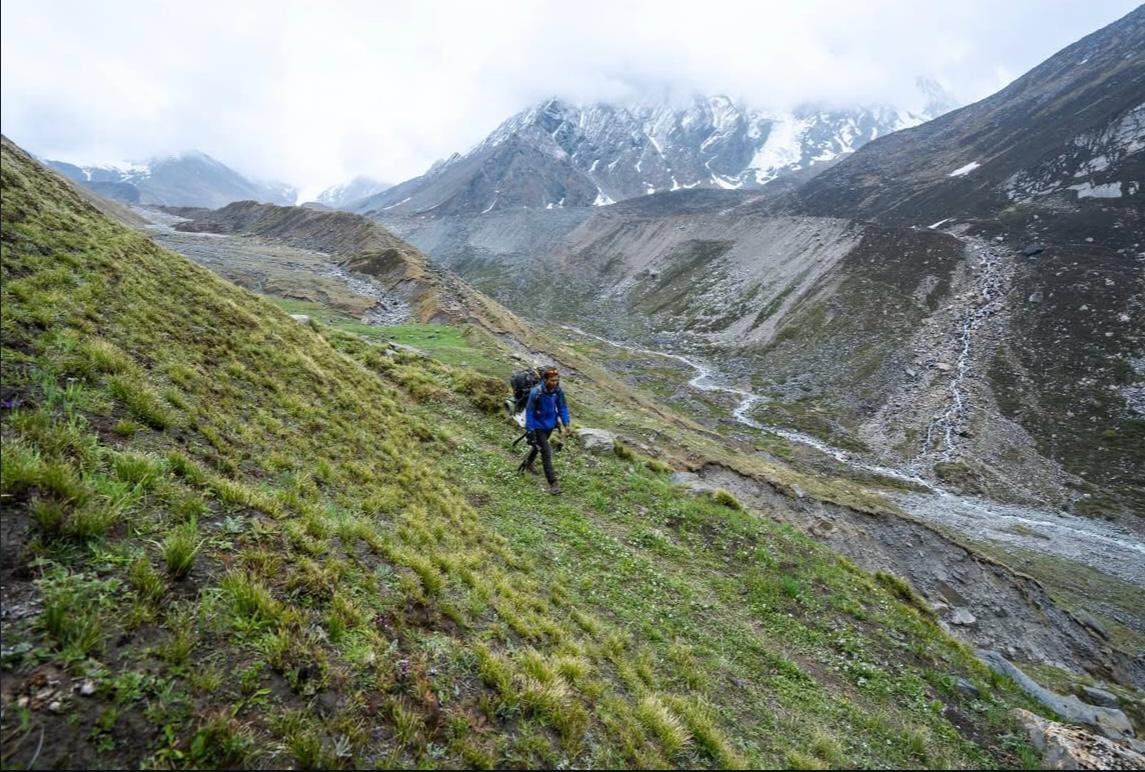
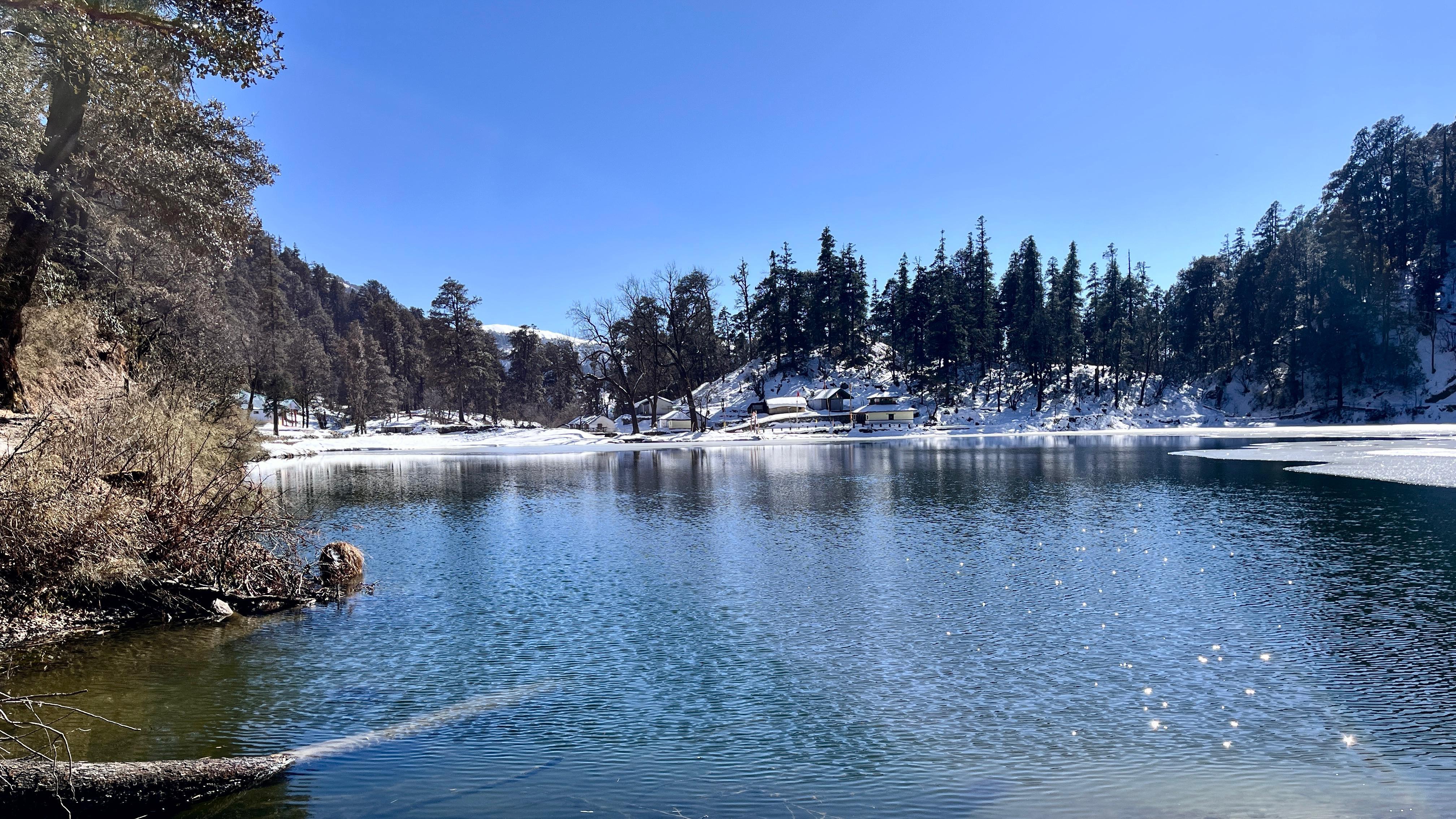
We start early from Karchi and enter dense oak and rhododendron forests. The trail climbs steadily, no gradual warm-up, no long flat sections. It’s a sustained uphill effort from the start.
This is where pacing becomes everything.
You’ll notice:
- Your breathing pattern
- How your legs respond to sustained incline
- How well you regulate effort
We move light, carrying only what is essential. That’s the whole point of this format.
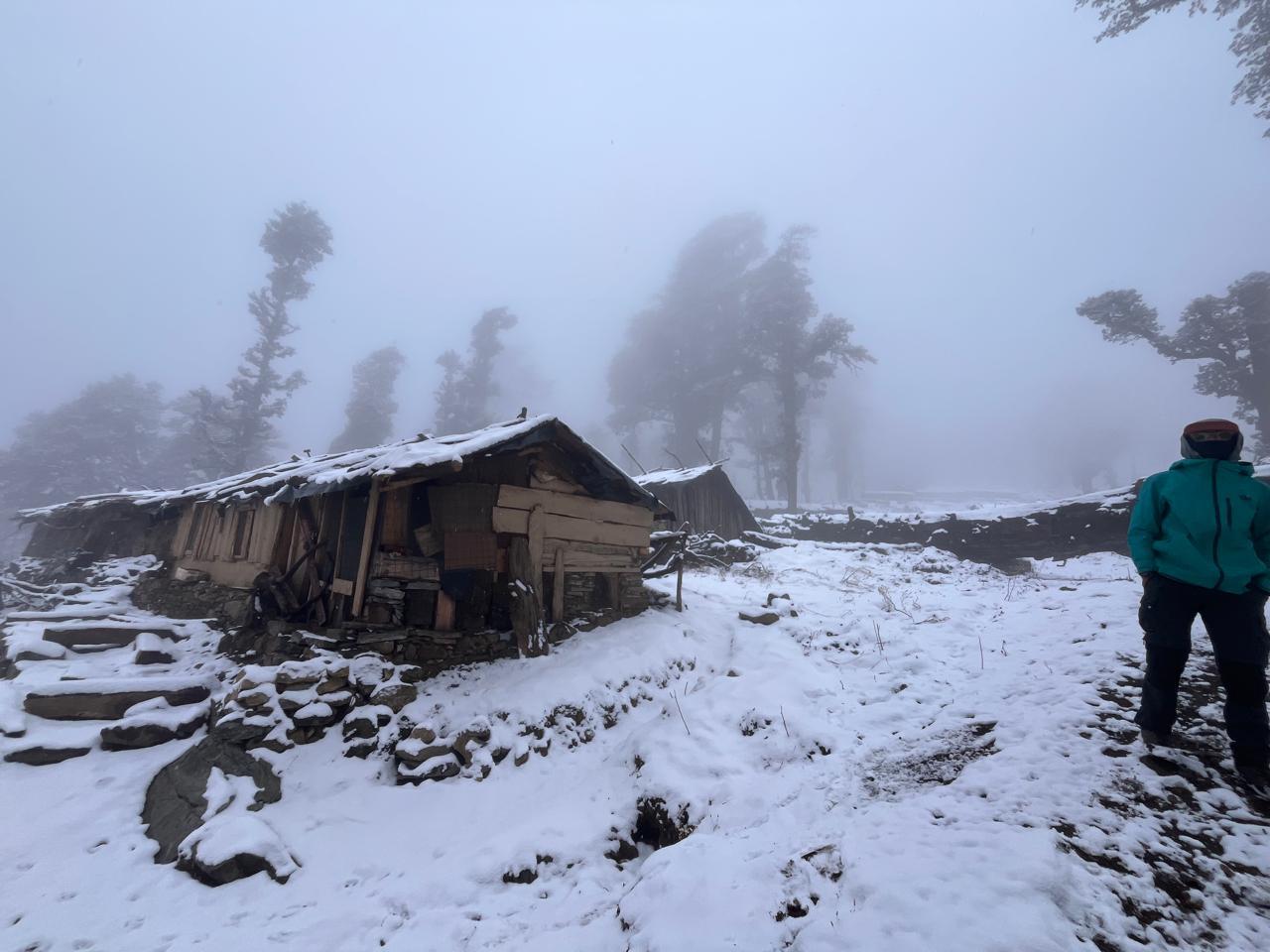
As we gain altitude, snow patches begin to appear (season-dependent). By afternoon, we reach Khullara, our high camp.
Recovery Window Before the Push
The campsite is a strategic pause before we push towards the summit.
Once we reach Khullara, the focus shifts to recovery:
- Rehydrate properly
- Elevate your legs
- Change into dry layers
- Stay warm
Our kitchen team will already be set up at camp.
You’ll be served nourishing, calorie-dense food designed for effort and recovery, a balance of carbohydrates to replenish glycogen and healthy fats to provide sustained energy through the cold night climb.
In a few hours, we move again.
Headlamps on.
Temperature drops.
The forest grows quiet.
And the mountain begins to feel bigger.
Day 3
Summit Push & Descent to Karchi
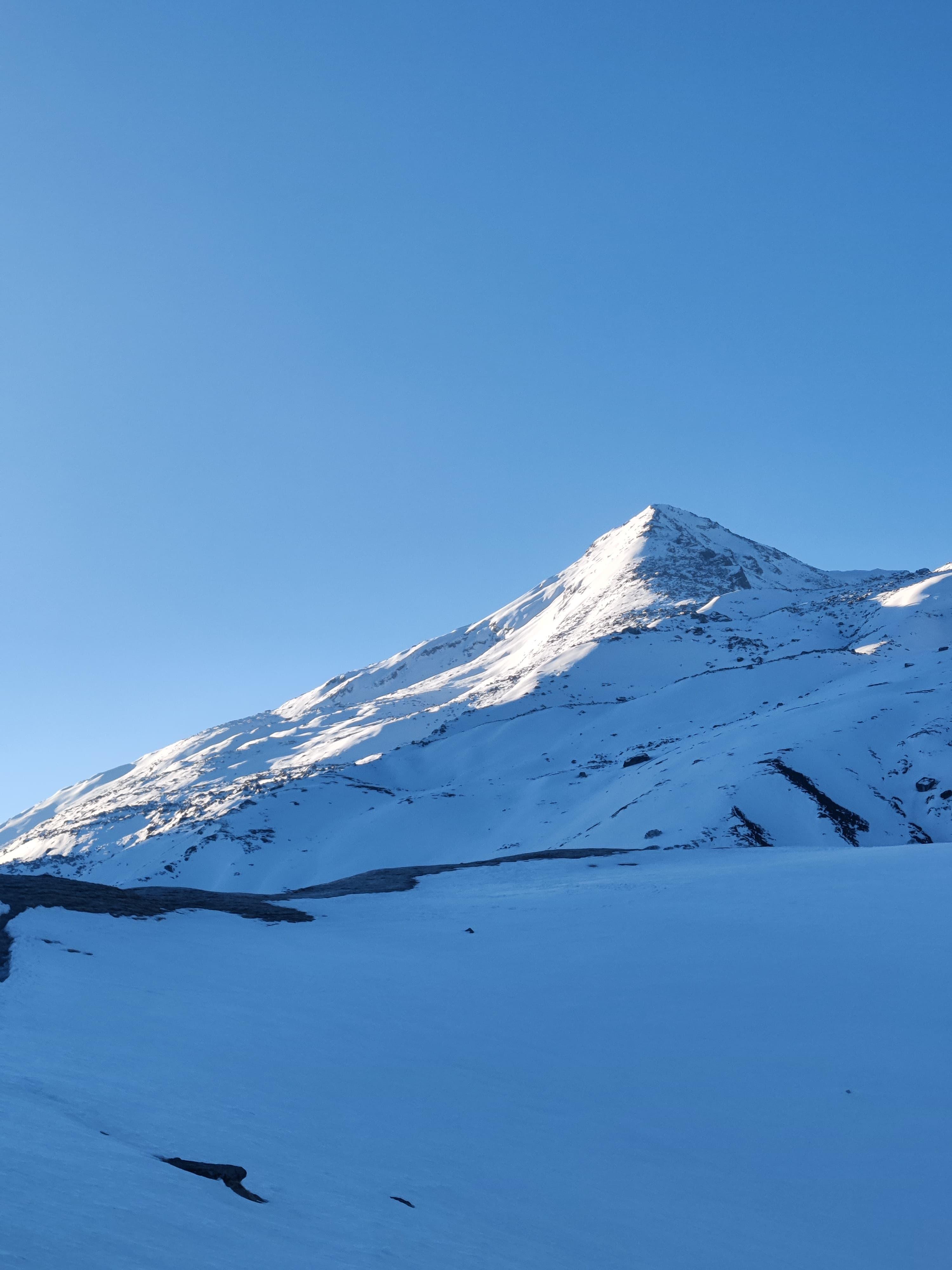
Summit Altitude: 15,069 ft / 4,593 m
Total Distance (Summit + Descent): ~14–16 km
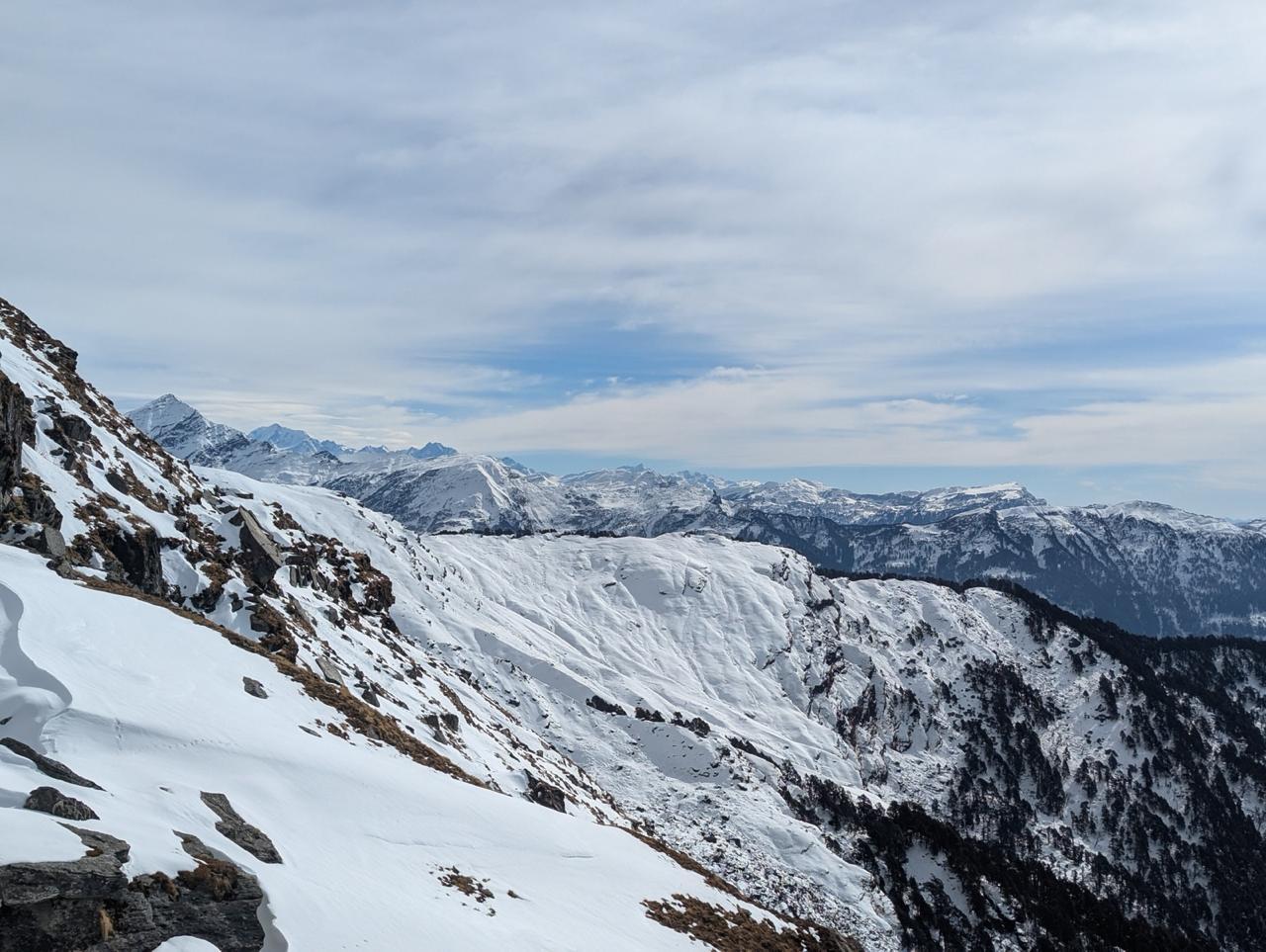
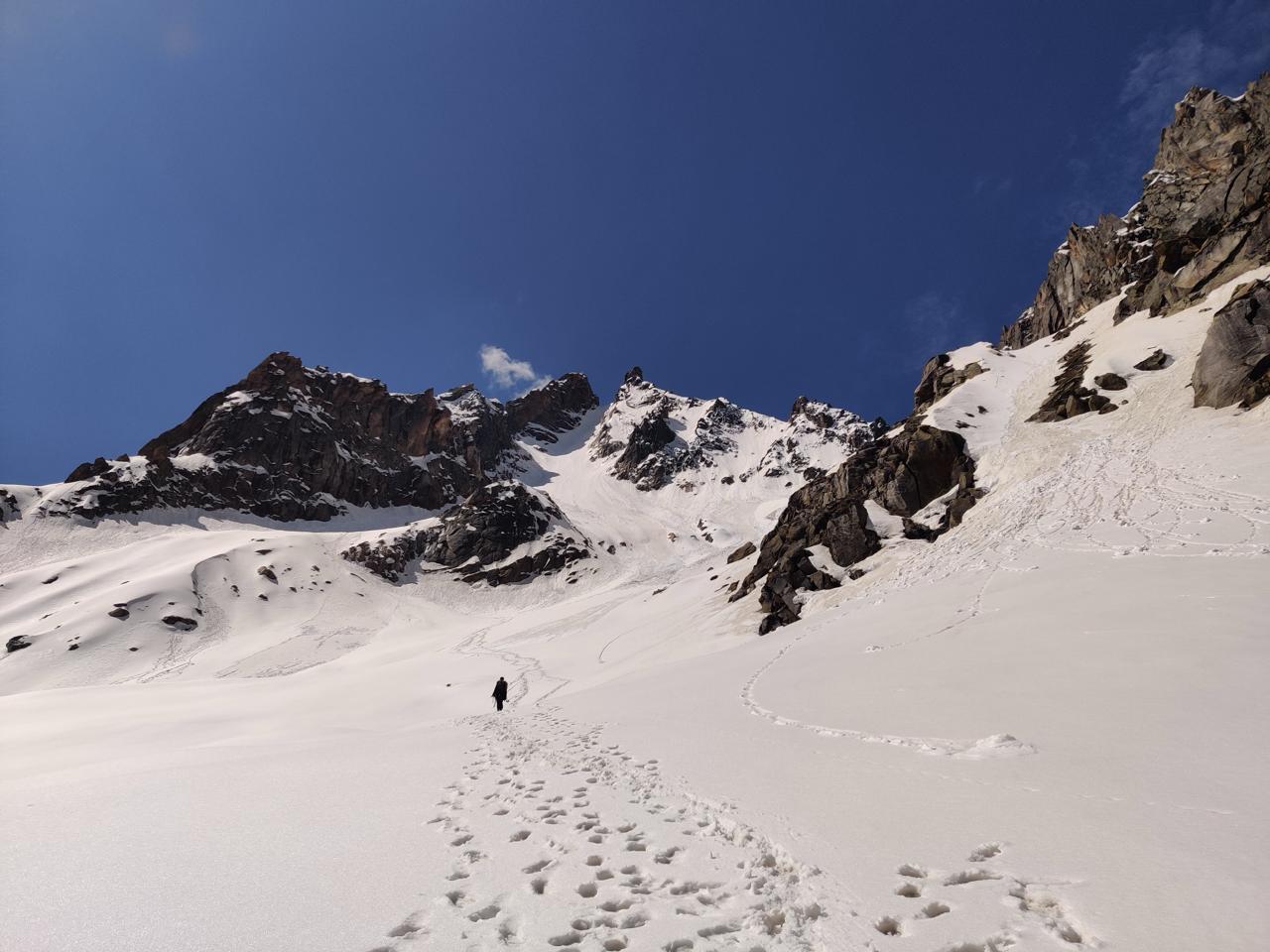
Terrain: Steep snow slopes → exposed ridge → long forest descent
Effort Duration: 8–12 hours (depending on conditions)
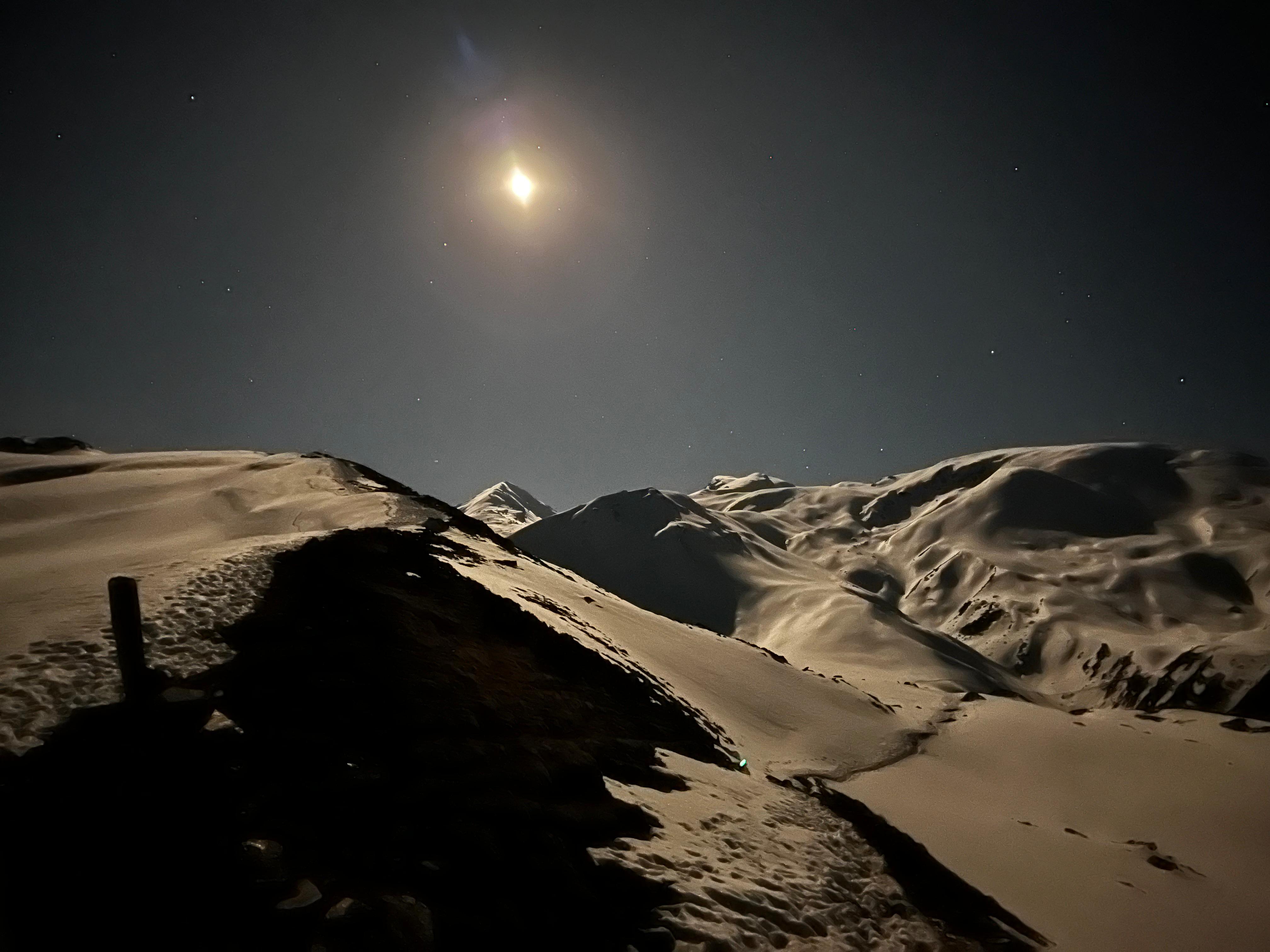
We leave Khullara in the dark.
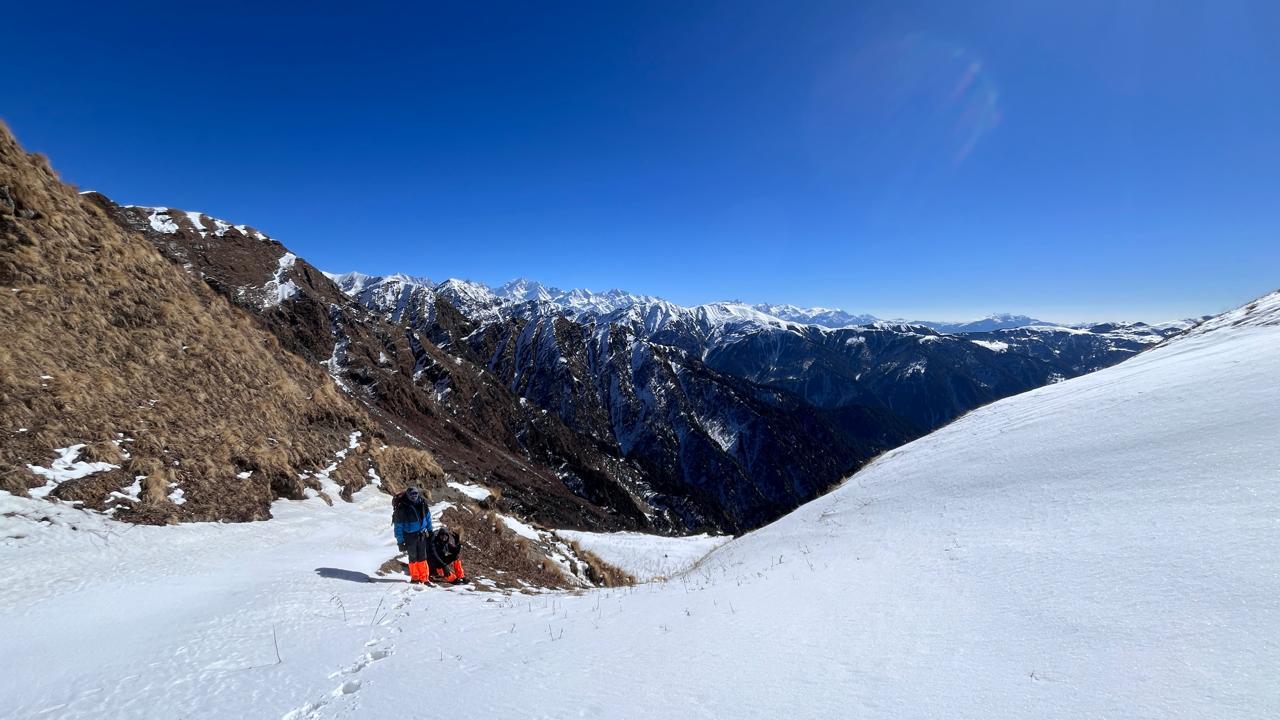
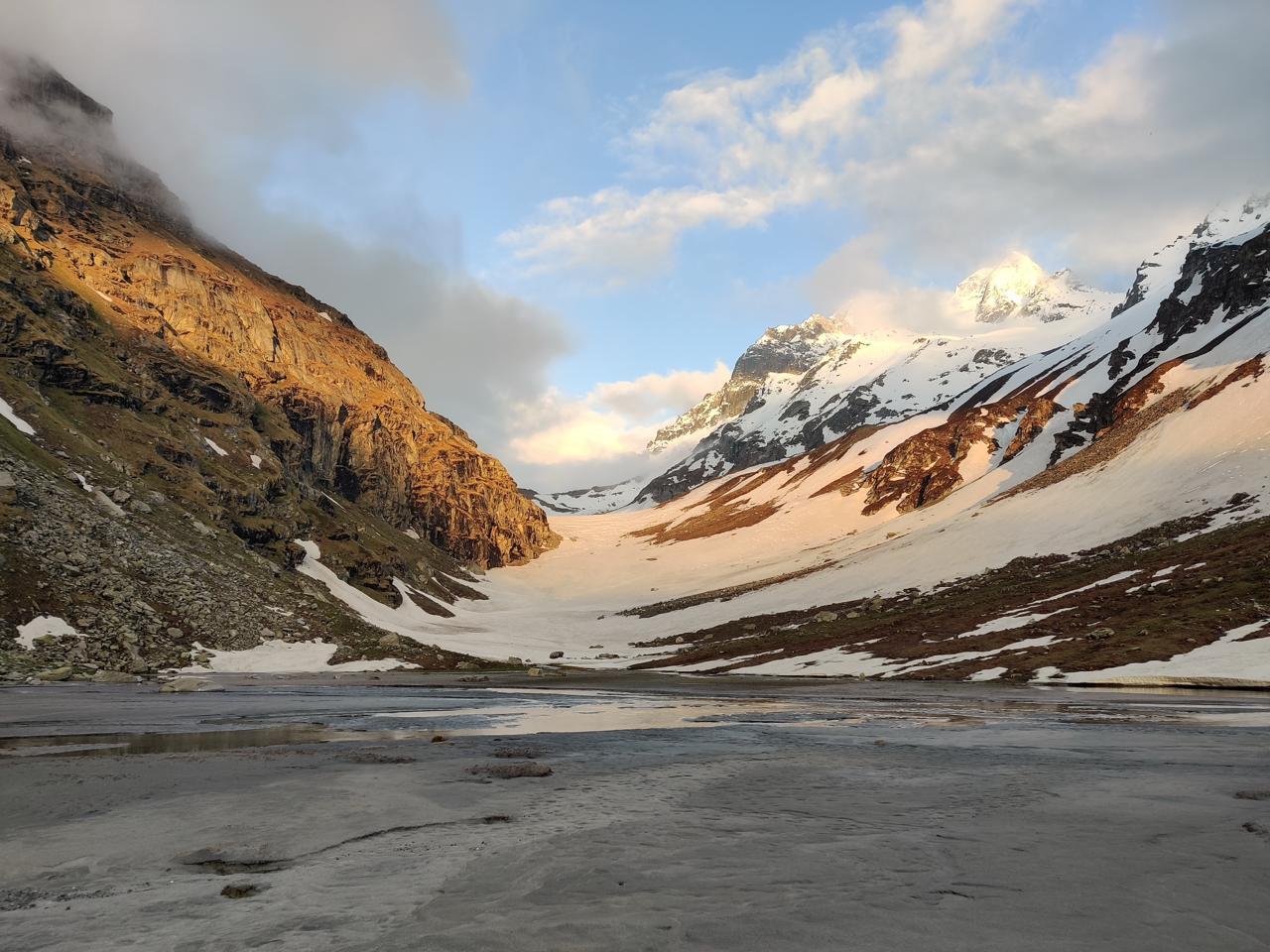
Headlamps cut through the cold air. The forest thins out, and the snow becomes continuous, and the gradient increases.
Our pacing here also becomes all about discipline.
Not too fast, or too slow, keeping a sustainable effort.
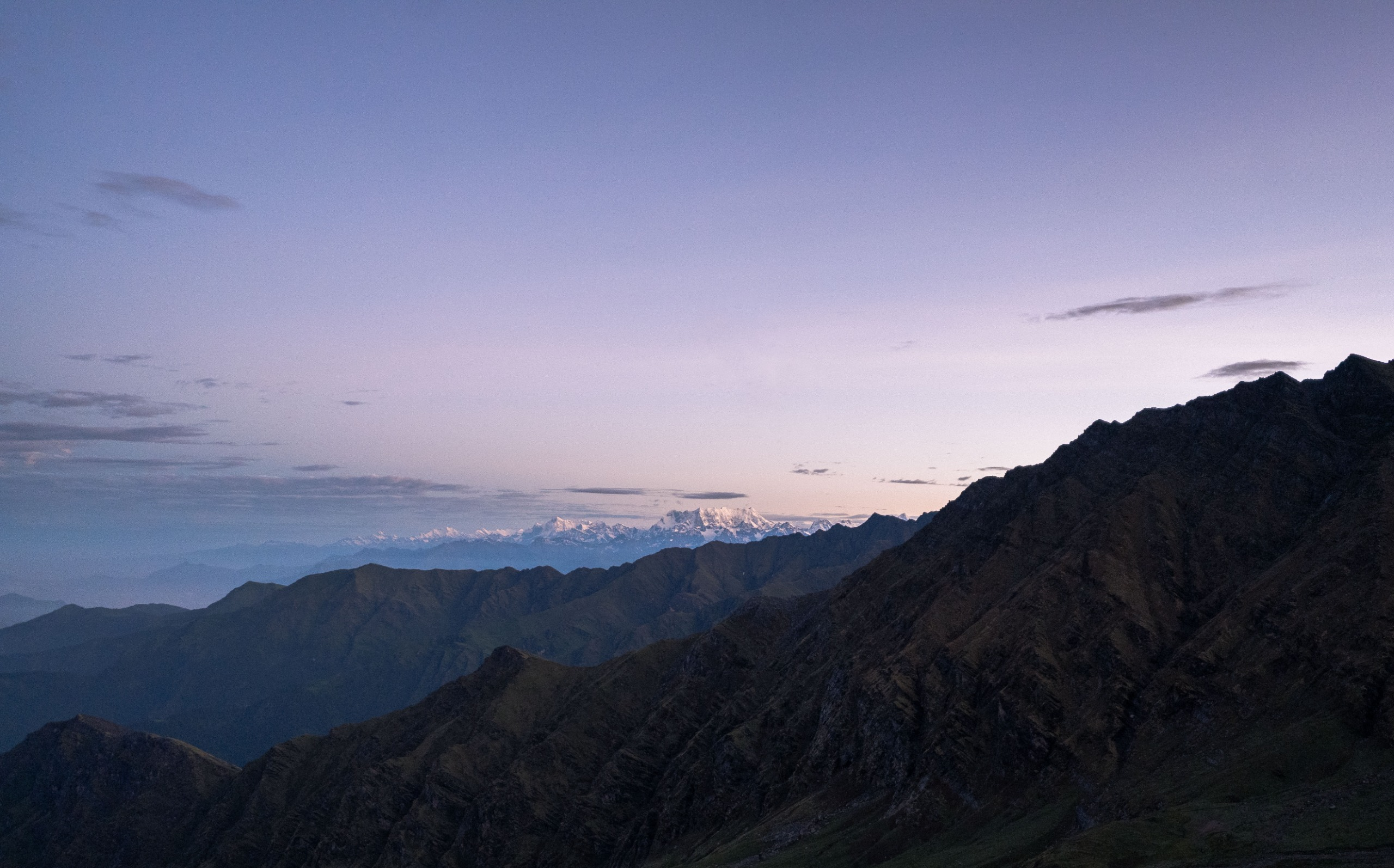
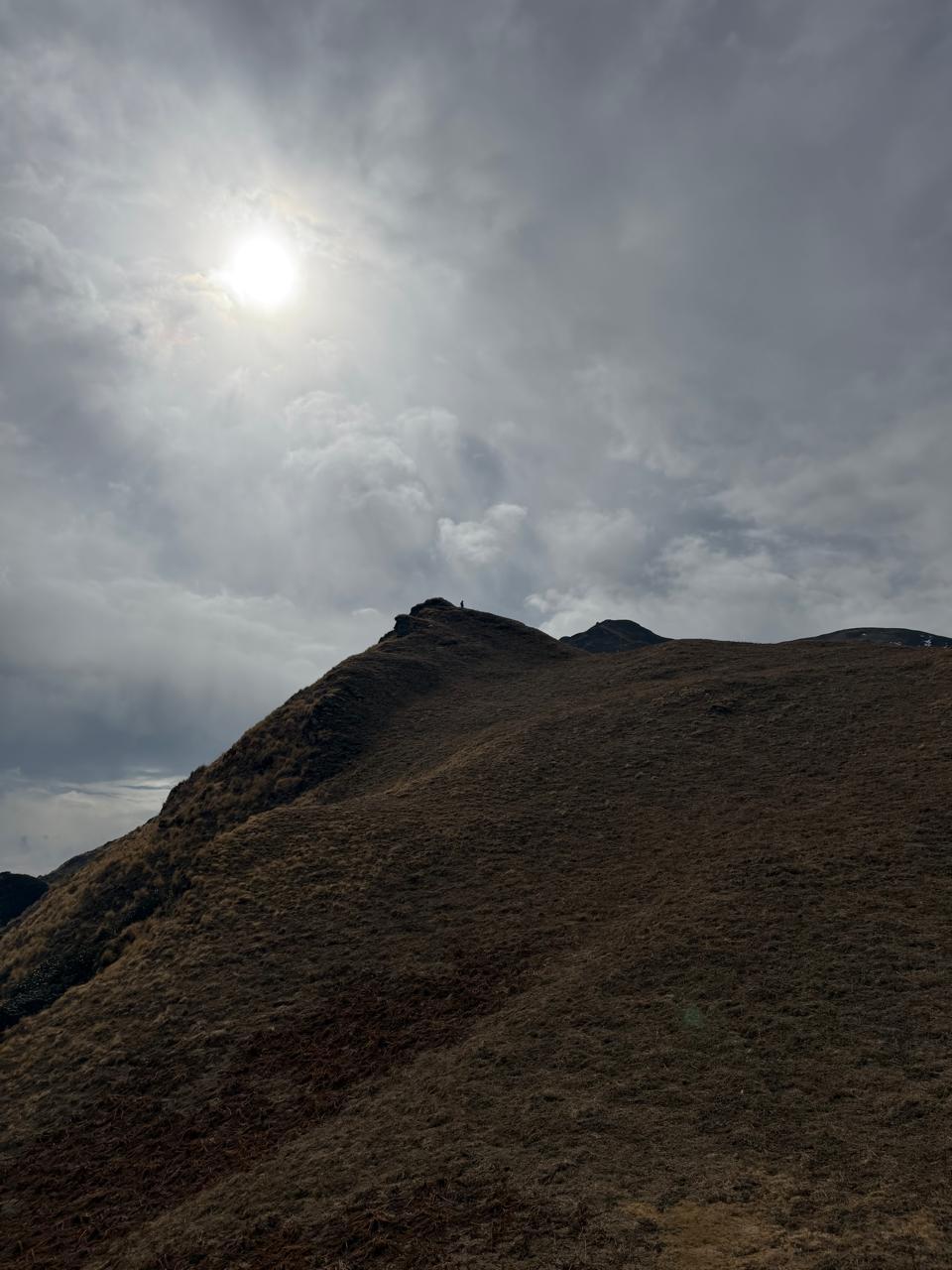
As the first light begins to appear, the ridge opens up.
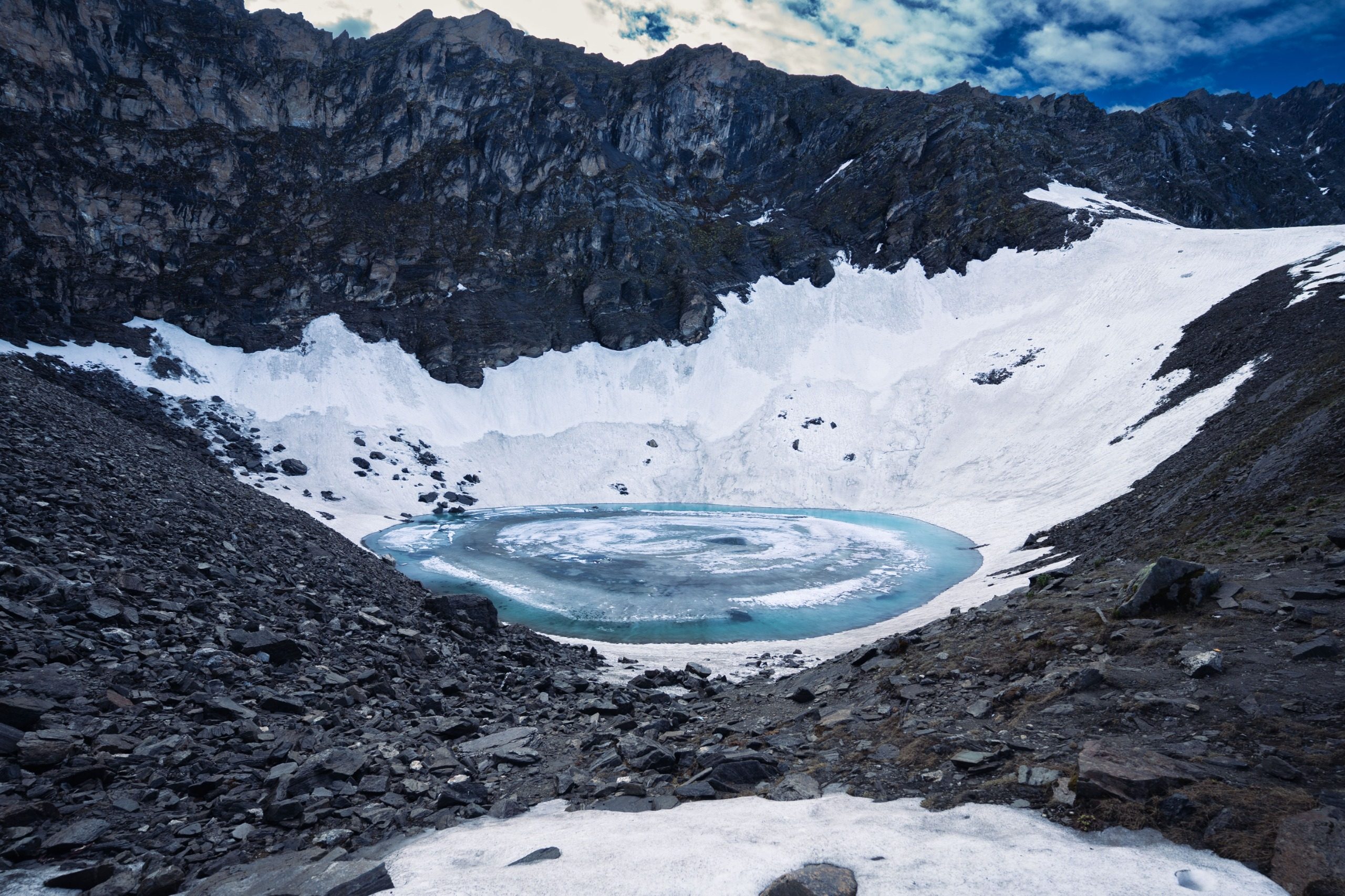
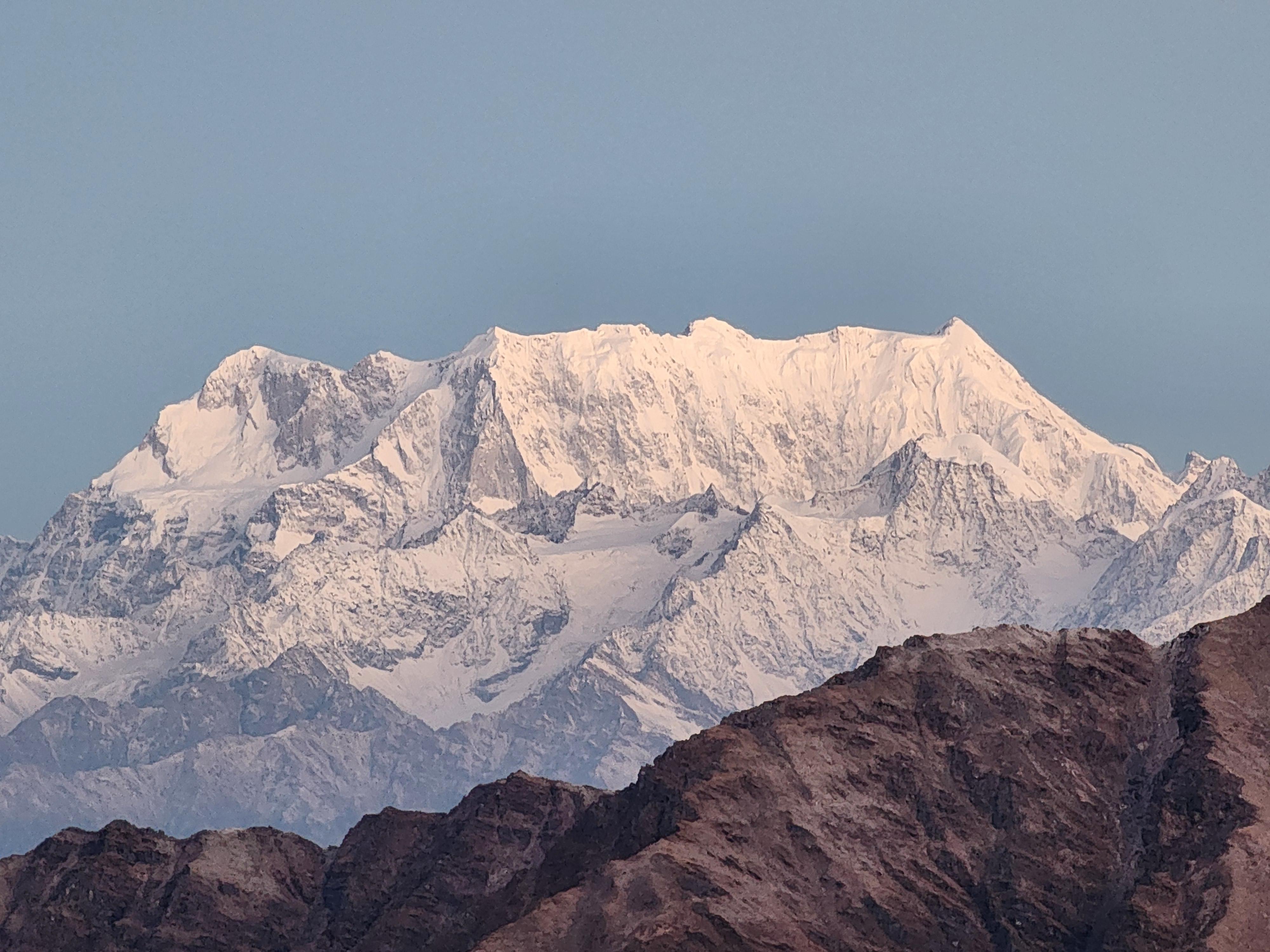
At 15,069 ft, the views stretch toward Nanda Devi, Dronagiri, Hathi-Ghoda, and the surrounding Garhwal peaks.
The Descent
The summit is only halfway.
Descending steep snow requires as much focus as climbing it. Quads burn. Ankles work harder. Fatigue begins to surface.
This is where mountain maturity shows.
We descend steadily back to Khullara, refuel briefly, and continue the long forest trail down to Karchi.
By the time we reach base, the body feels tired.
But so does the mind.
Day 4
Drive Back to Dehradun / Rishikesh
Drive Time: ~9–10 hours
Altitude: ~8,000 ft → Plains
We leave Karchi after breakfast and reach Dehradun/Rishikesh by 6:30pm.
The drive winds back through Joshimath and along the Alaknanda River. The journey back is long and you may reach late. Plan your travel to Delhi/City on Day 5.
Minimum Fitness Required
Pangarchulla climbs above 15,000 ft on steep, exposed terrain. It demands pace control, strong legs, smart fueling, and disciplined hydration. Expect long hours of continuous movement in thin air.
To join, you must have at least one of the following within the last year:
- Completed a half or full marathon.
- Completed a difficult high altitude trek above 14,000 ft.
- Consistent training with a minimum weekly run or hike volume of 30 km.
- Completed a 25 km or longer trail race.
Mandatory Gears
- 10 to 15L running vest or Backpack
- 1L hydration capacity (minimum)
- Trail or trekking shoes with strong grip
- Headlamp
- Rain gear
- Fleece layer
- Down jacket
- Proper trekking clothing (1 pair)
- Shorts (optional)
- 2 Trek poles (optional)
- Buff and Beanie
- Sunglasses and Sun-cap
Inclusion
Exclusion
Is this trek suitable for beginners?
This is a performance-oriented format with minimal acclimatisation and a steep summit push. You should already have strong endurance and prior trekking or high-altitude exposure.
If you’re new to the mountains, we recommend starting with a gradual itinerary first.
How fit do I need to be?
5 km in under 30–33 minutes (without excessive fatigue)
10 km in under 70–75 minutes
Regular long trail runs (10–15 km) with elevation
Is there enough time for acclimatisation?
We gain altitude quickly. This trek is suitable for people who:
Have prior high-altitude exposure
Adapt well to altitude
Are currently well-trained
If you’vestruggled significantly with acclimatisation before, this format may not be right for you.
Will there be snow?
Snow conditions increase effort, technical focus, and exposure. You must be mentally prepared for cold and sustained climbing.
What kind of backpack will we carry?
You will carry only essential items for movement. Camping logistics and kitchen setup are handled by our team at Khullara.
The goal is to move efficiently, not under heavy load.
Is the summit guaranteed?
Weather, snow stability, and team readiness decide. Safety overrides ambition.
How is this different from the regular Pangarchulla trek?
This format compresses the climb intentionally to simulate alpine-style effort and test performance under controlled stress.
SELECT DATE TO REGISTER
Thank You!
Your form has been submitted successfully. We'll get back to you soon.
₹ 10,499 + 5% GST
