



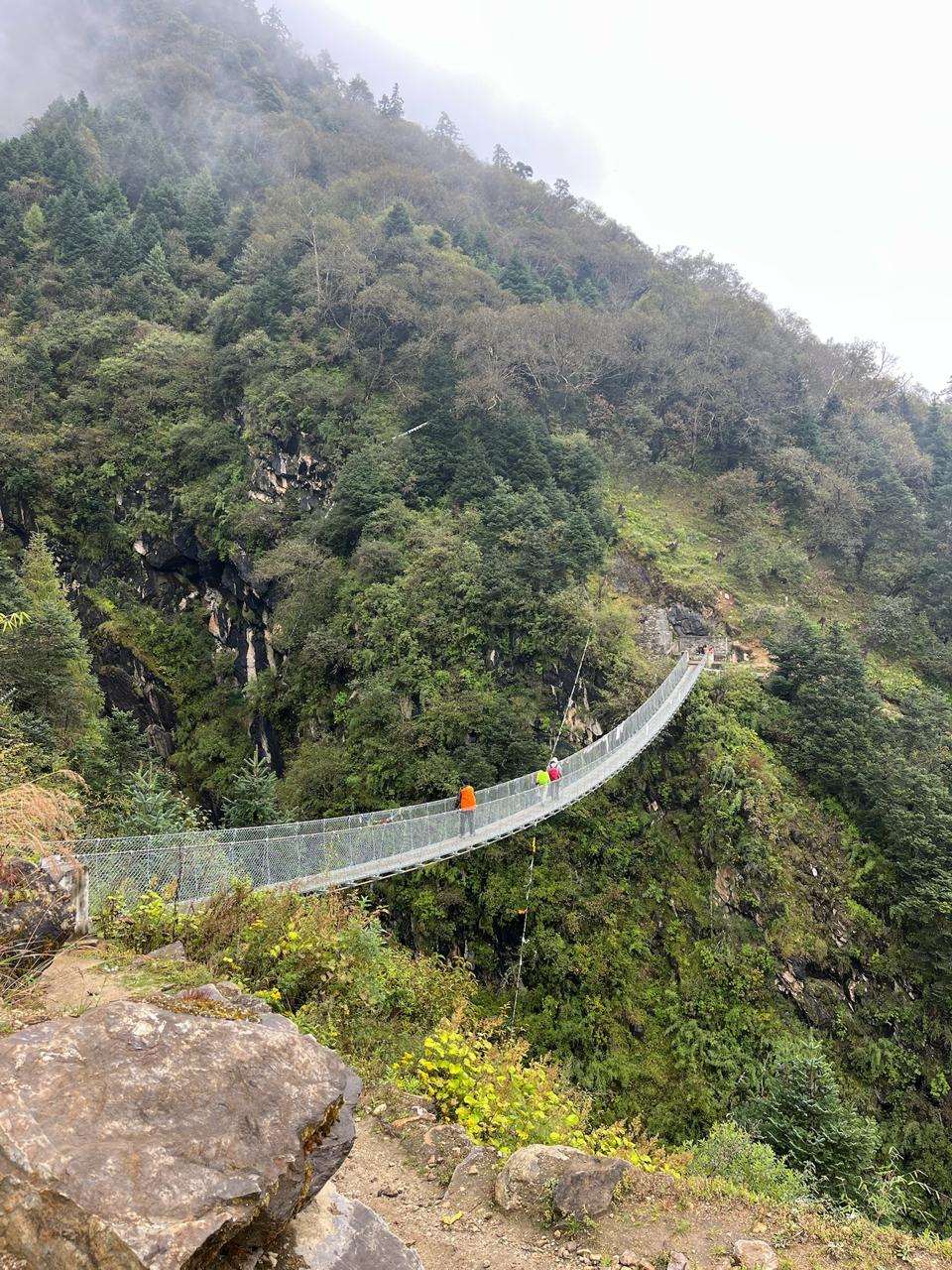




Annapurna Base Camp with Fit Khurana is a guided tea house trek designed as a community-led Himalayan experience by Odyssey.
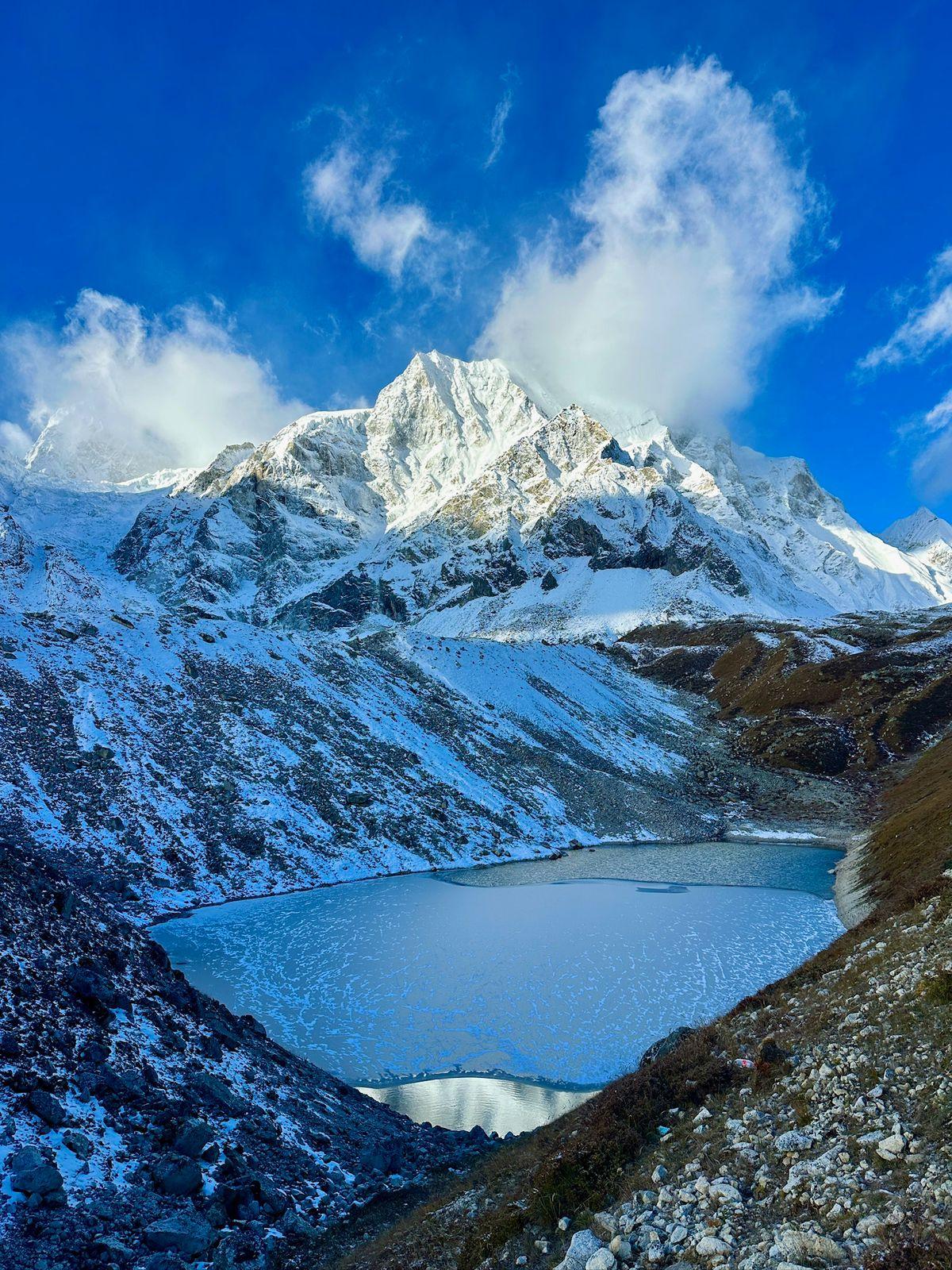
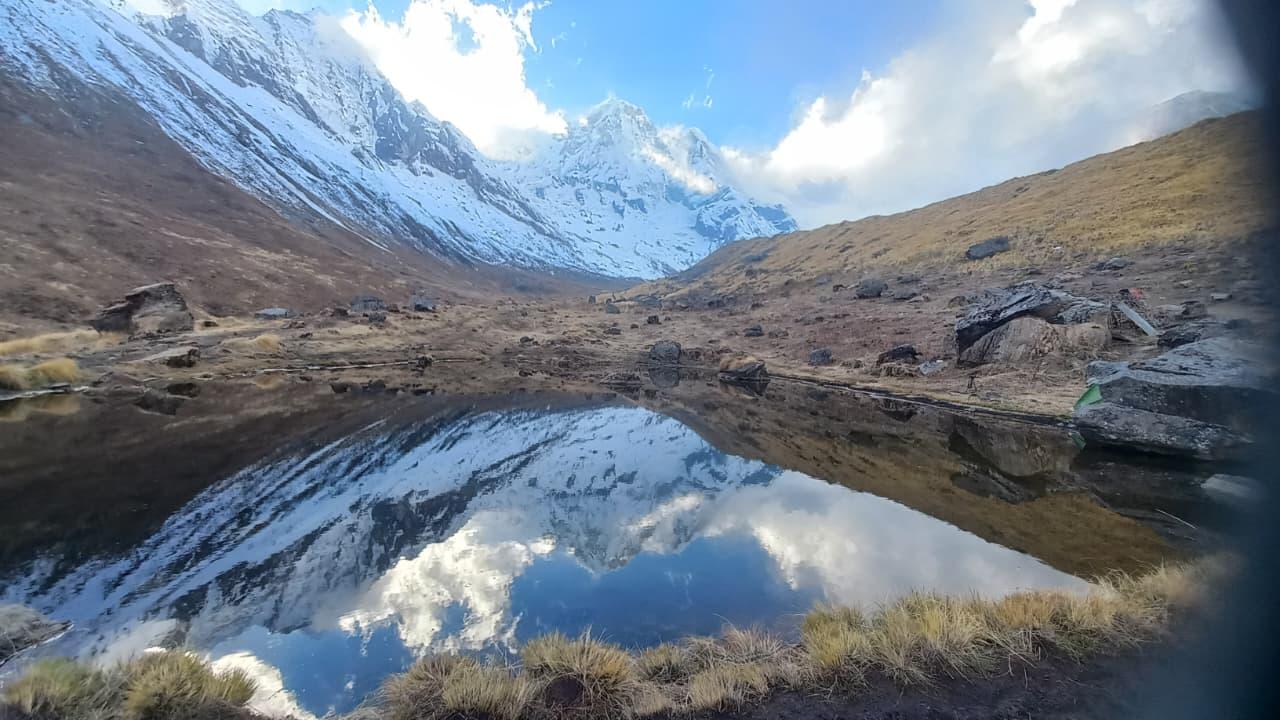
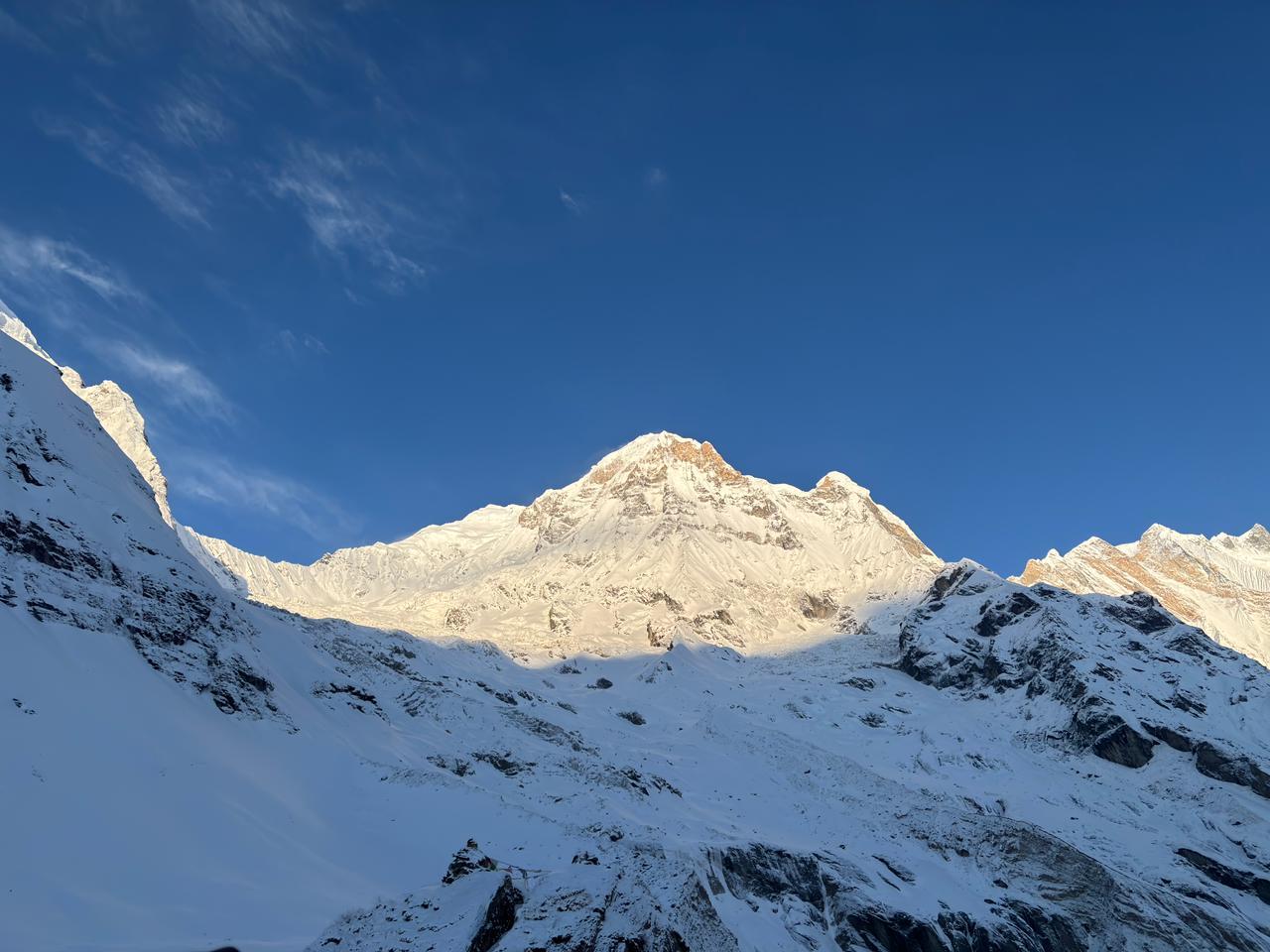
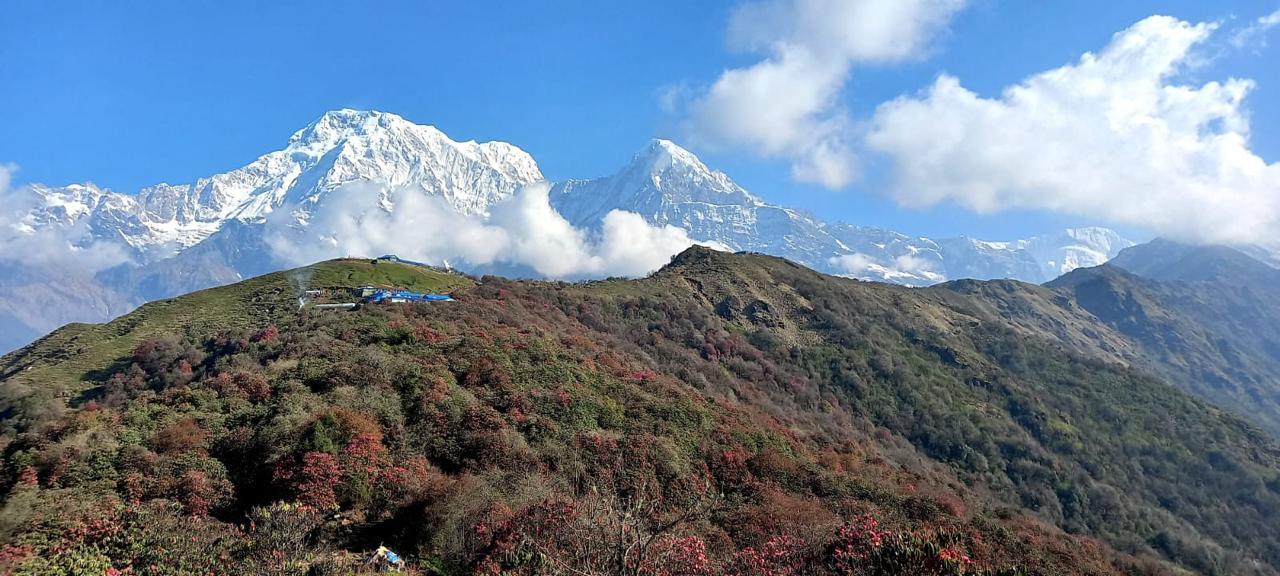
Annapurna Base Camp is one of the most celebrated treks in Nepal because of how it places you inside the mountains rather than just in front of them. It leads you from inhabited mountain villages and forests into the heart of the Annapurna Sanctuary, a vast natural amphitheatre surrounded by some of the most iconic peaks in the region.
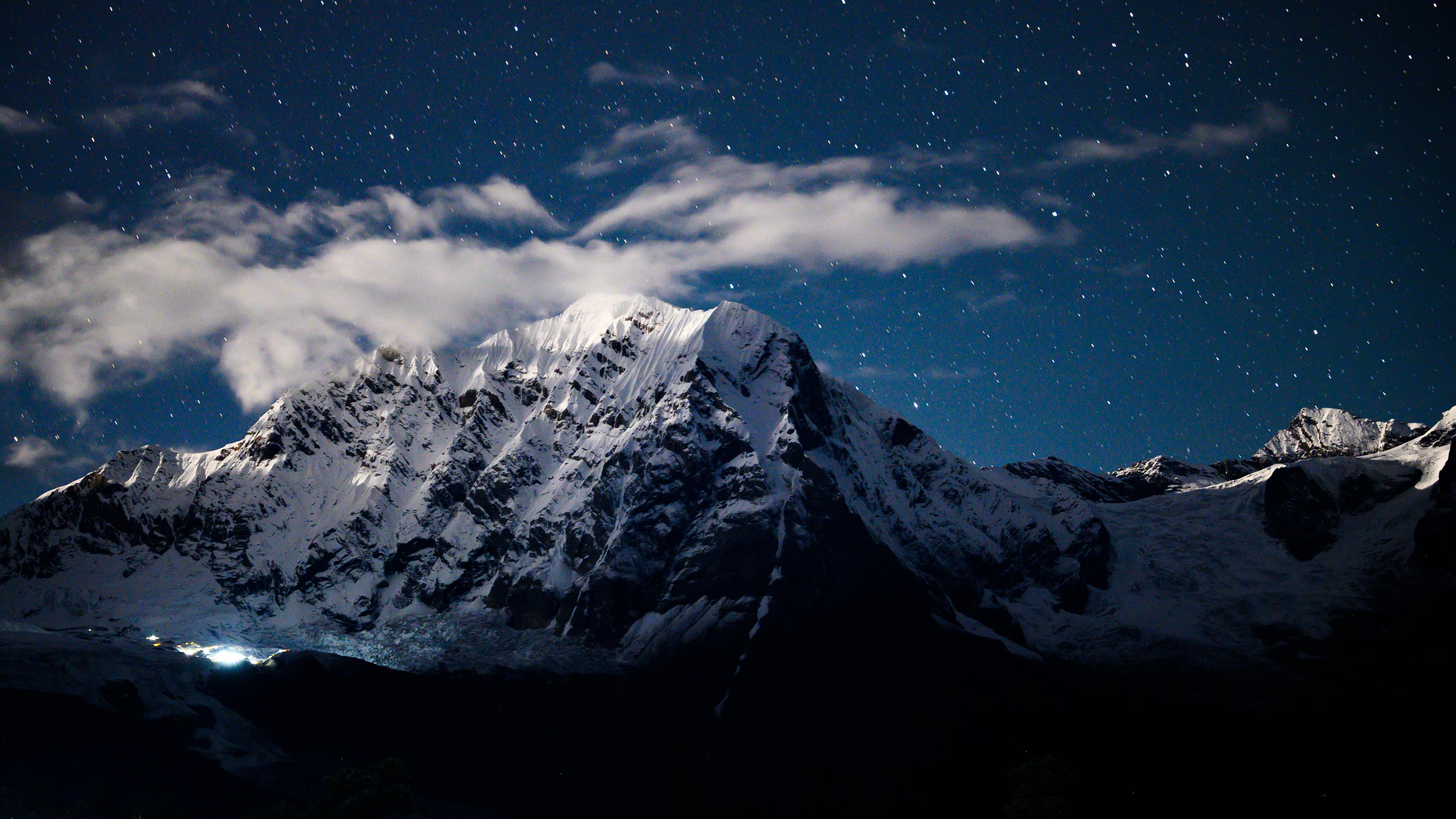
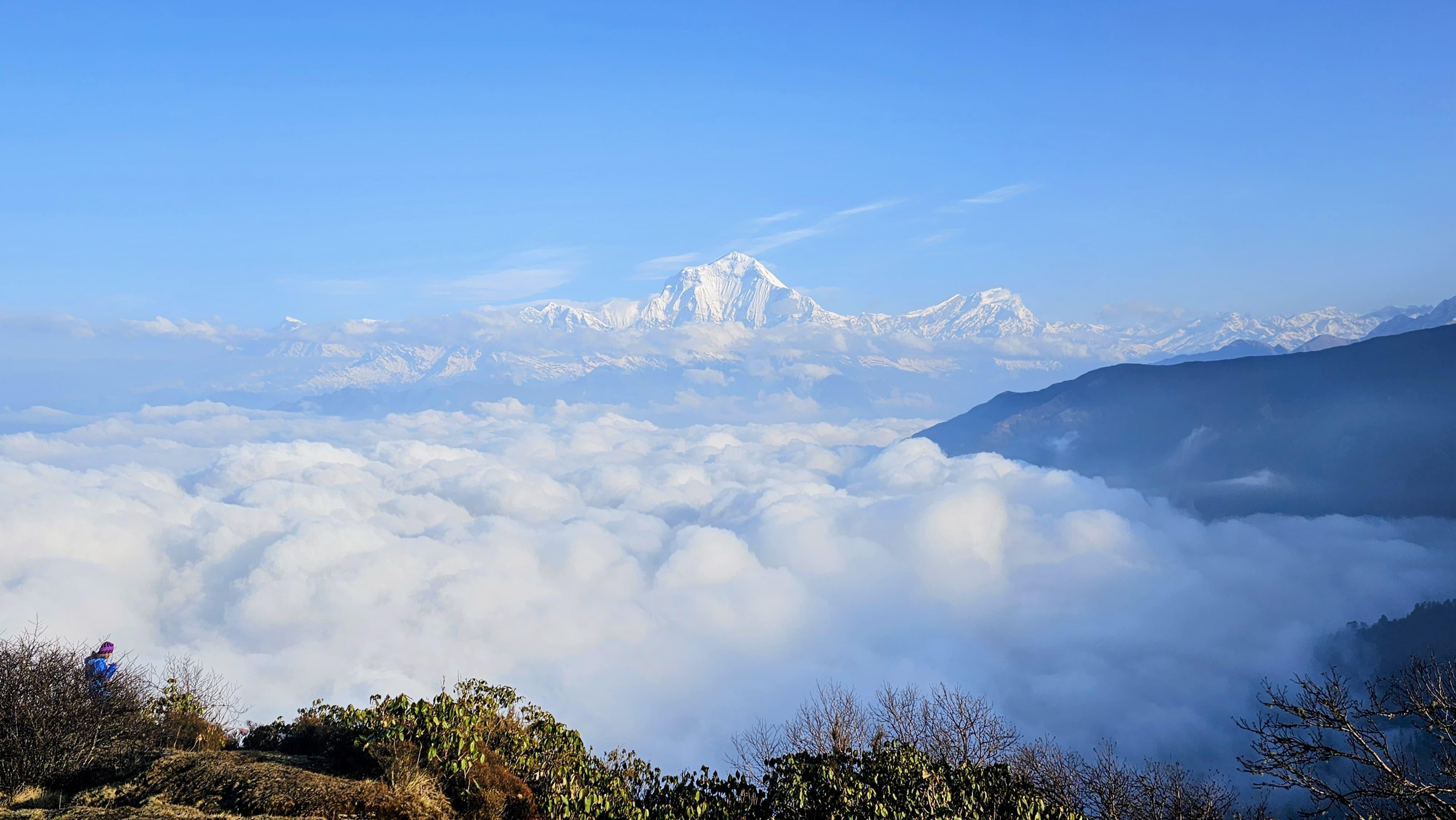
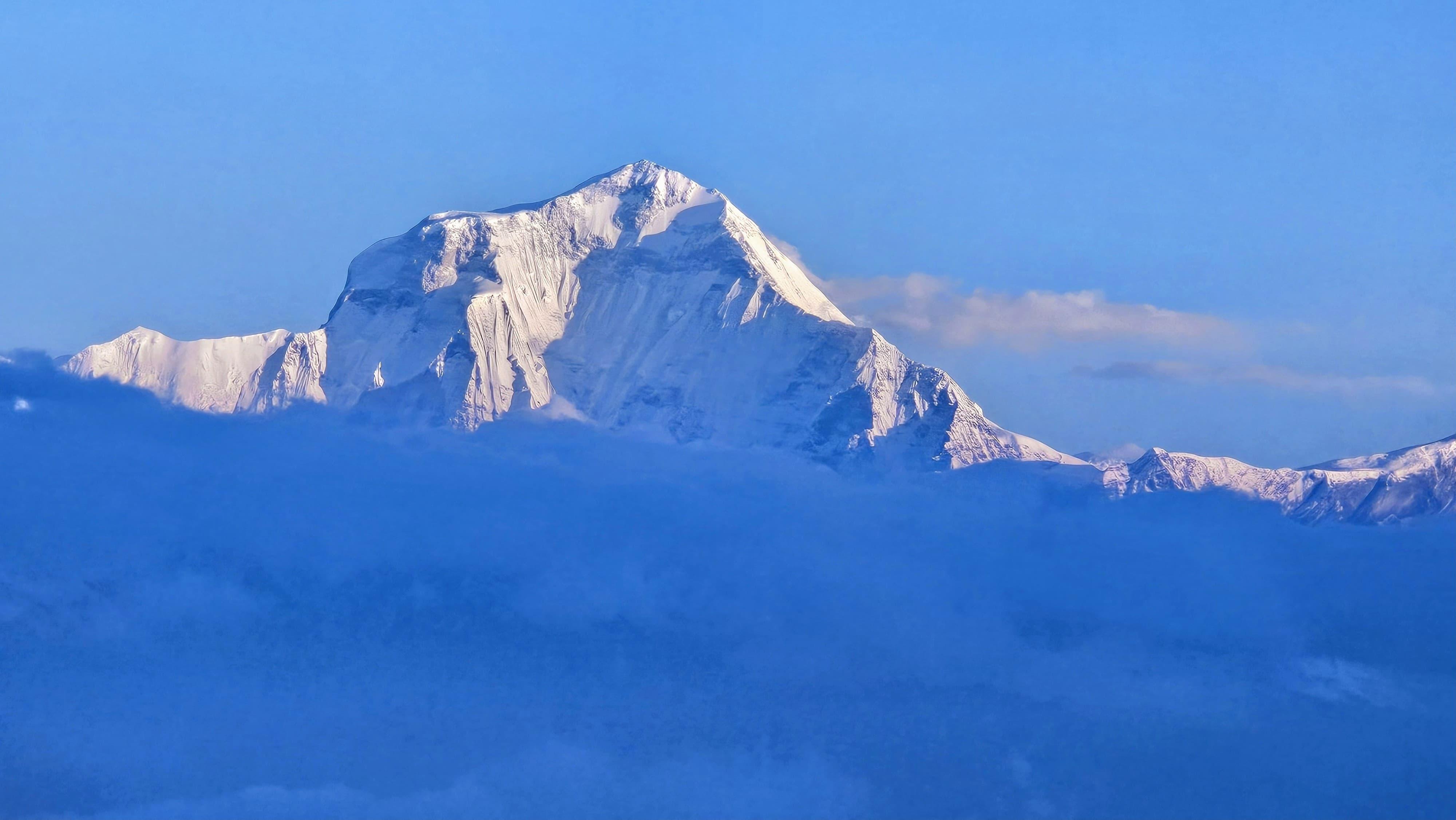
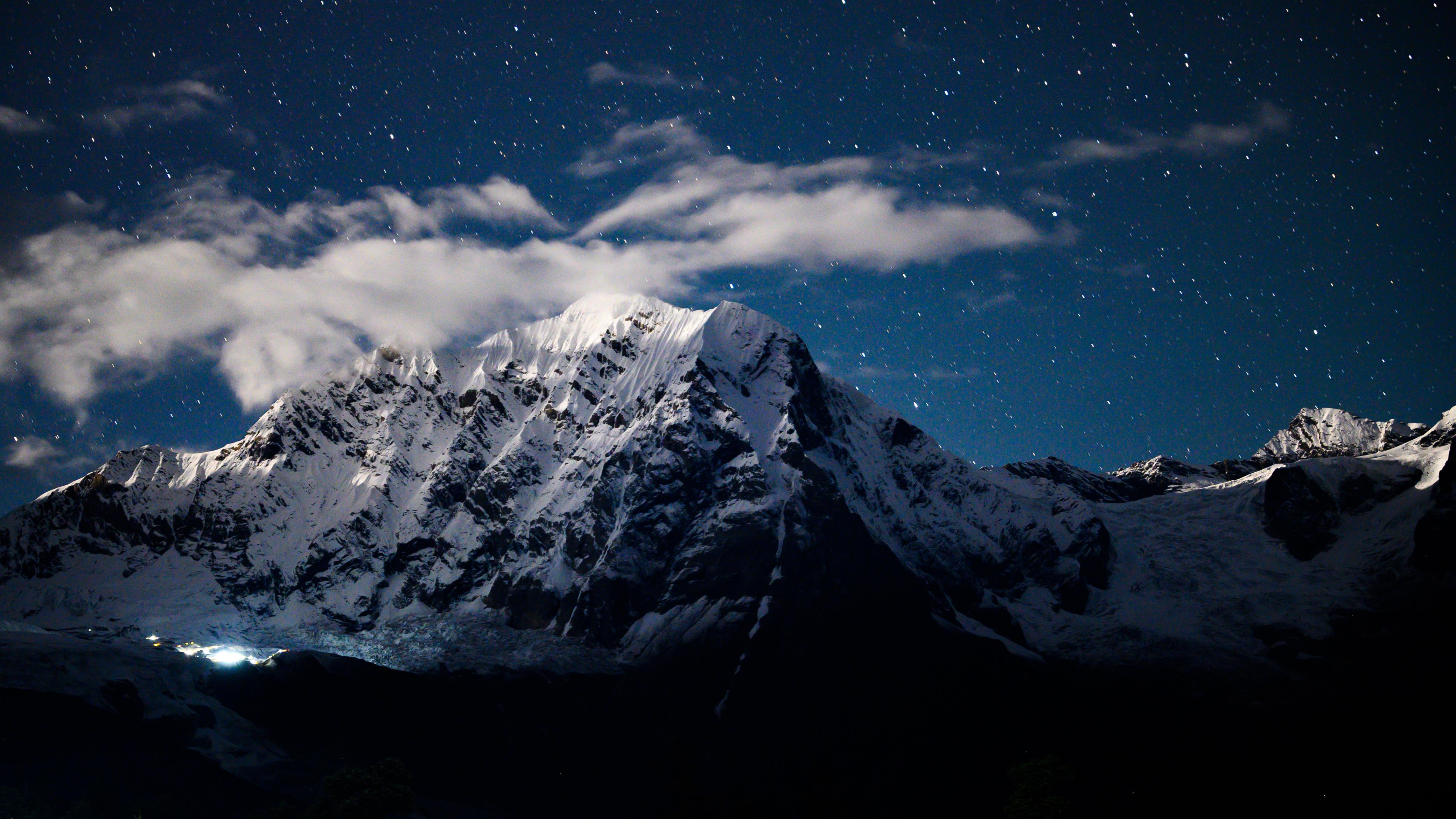
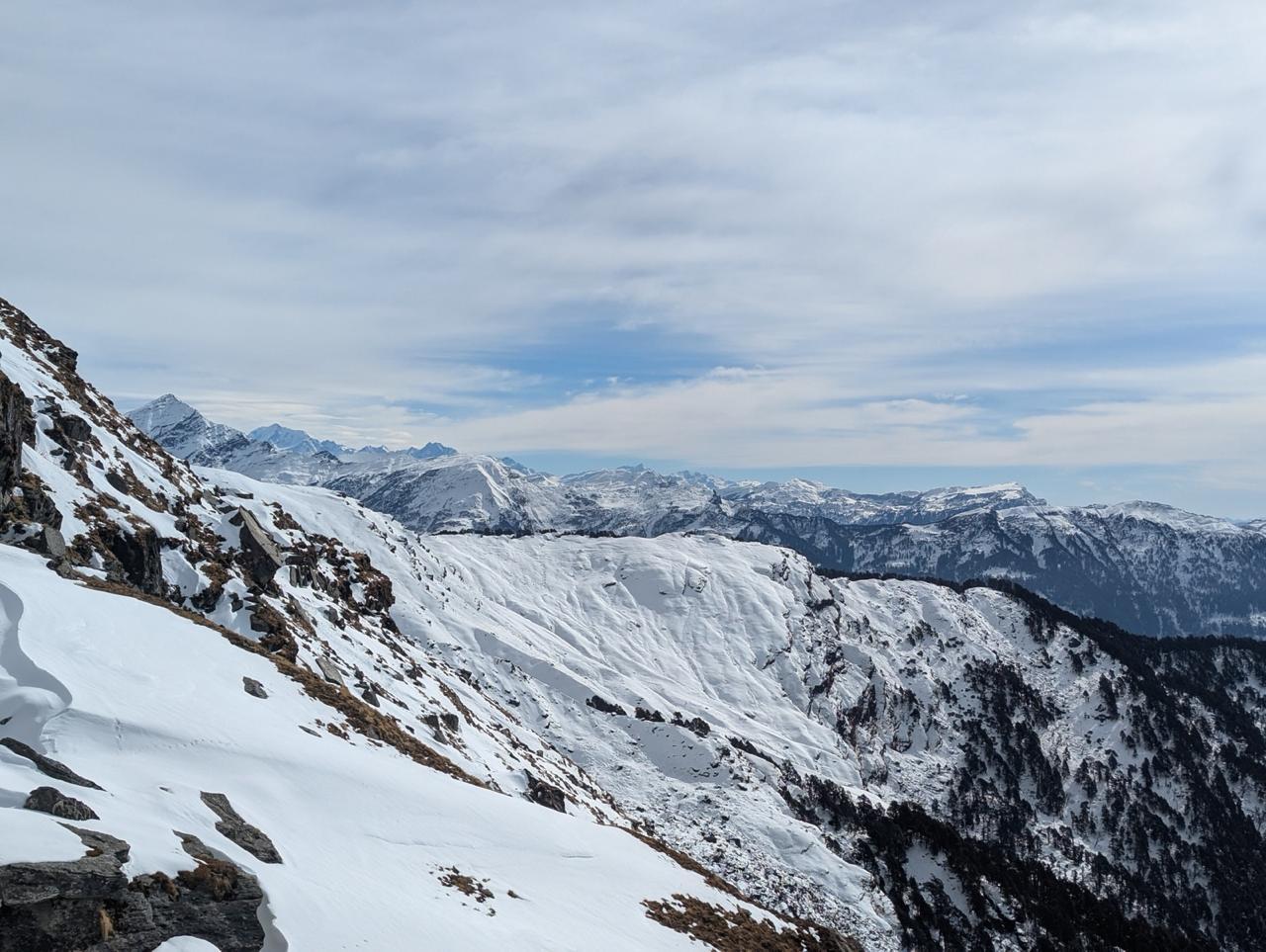
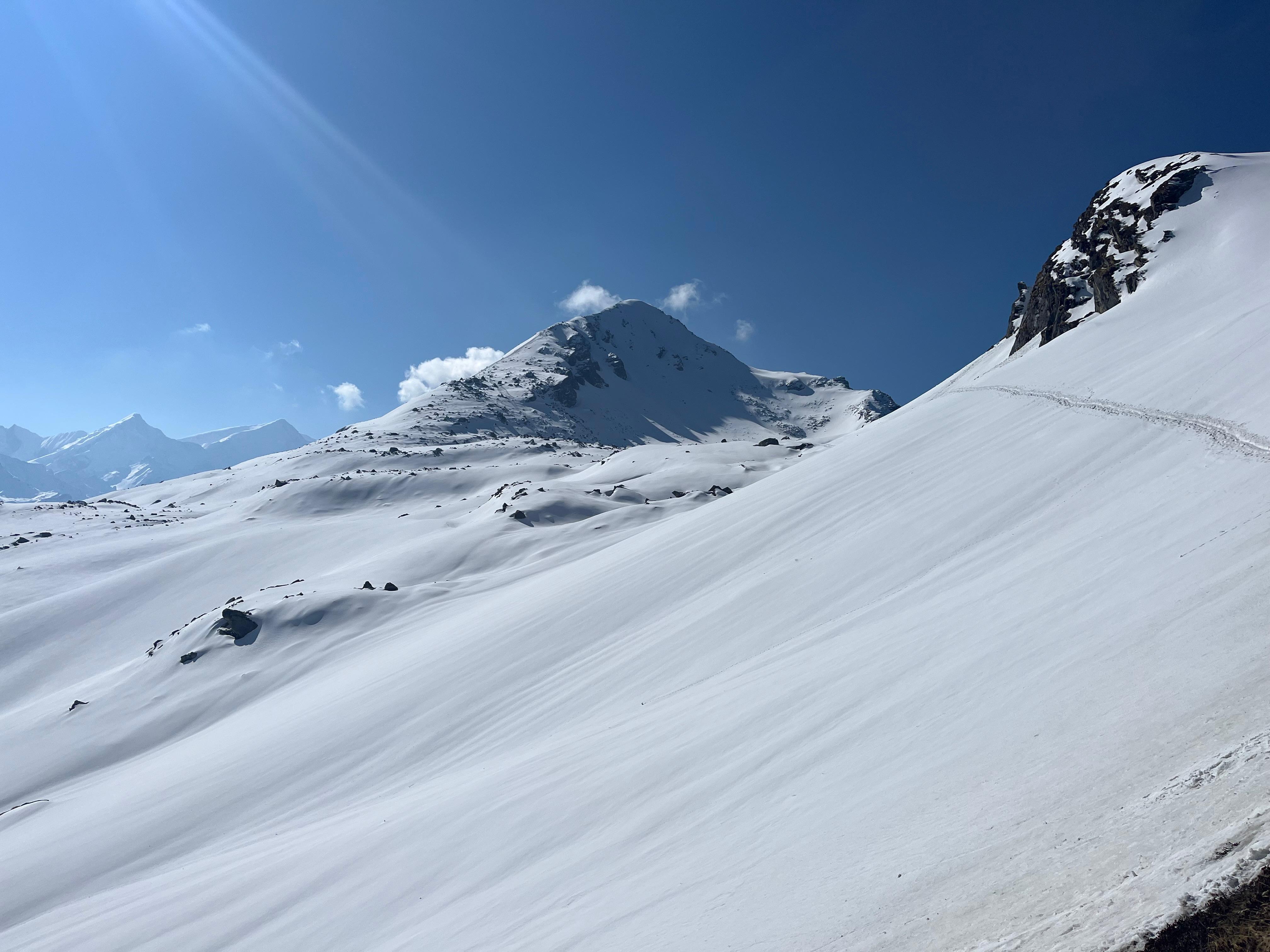
Annapurna South, Annapurna I, Hiunchuli, Gangapurna, and Machhapuchhre are some of the most iconic peaks which are a constant presence throughout the journey. By the time you reach Base Camp at 4,130 metres, you’re standing in a wide bowl of mountains, where the scale and stillness of the landscape are impossible to ignore.
What makes ABC special is not just the destination, but the way the experience unfolds. The trek is built around sustained walking days, repeated climbs and descents, and time to recover in tea houses along the route.
This journey brings together Fit Khurana’s approach to consistency, movement, and sustainable fitness with Odyssey’s on-ground Himalayan experience, including route planning, pacing, safety systems, altitude management, and logistics in Nepal.
Unlike a standard “show up and trek” experience, this journey is designed to support participants throughout, offering structured preparation, thoughtful pacing on the trail, and the opportunity to trek closely with Vanshika, sharing moments that go beyond just walking, including a few simple, trail-appropriate experiences inspired by her work.
If you’re looking to do ABC with intention, preparation, and the right people around you, this trek is designed for you.
Day 1
Arrive in Pokhara
Altitude: ~1,400 m
Stay: Hotel Pokhara Top
The journey officially begins in Pokhara, a relaxed lakeside town and the gateway to the Annapurna region. The day is intentionally kept easy, allowing everyone to arrive, settle in, and shift gears from everyday life to mountain rhythm.
In the evening, we will finally come together for a welcome briefing to set expectations for the days ahead and introduce ourselves after days of training together virtually.
This is also the first opportunity to spend time together off the trail, sharing conversations over dinner and easing into the journey ahead.
Day 2
Pokhara → Kimchee → Ghandruk
Drive: ~2 hours
Trek: ~3–4 hours
Elevation Profile: ~5,400 ft / 1,650 m → ~6,400 ft / 1,950 m
Stay: Tea house
We leave Pokhara early and drive to Kimchee, a quiet village that serves as our trailhead for the day. From here, the journey shifts entirely from roads to trails, marking the true beginning of our time in the mountains.
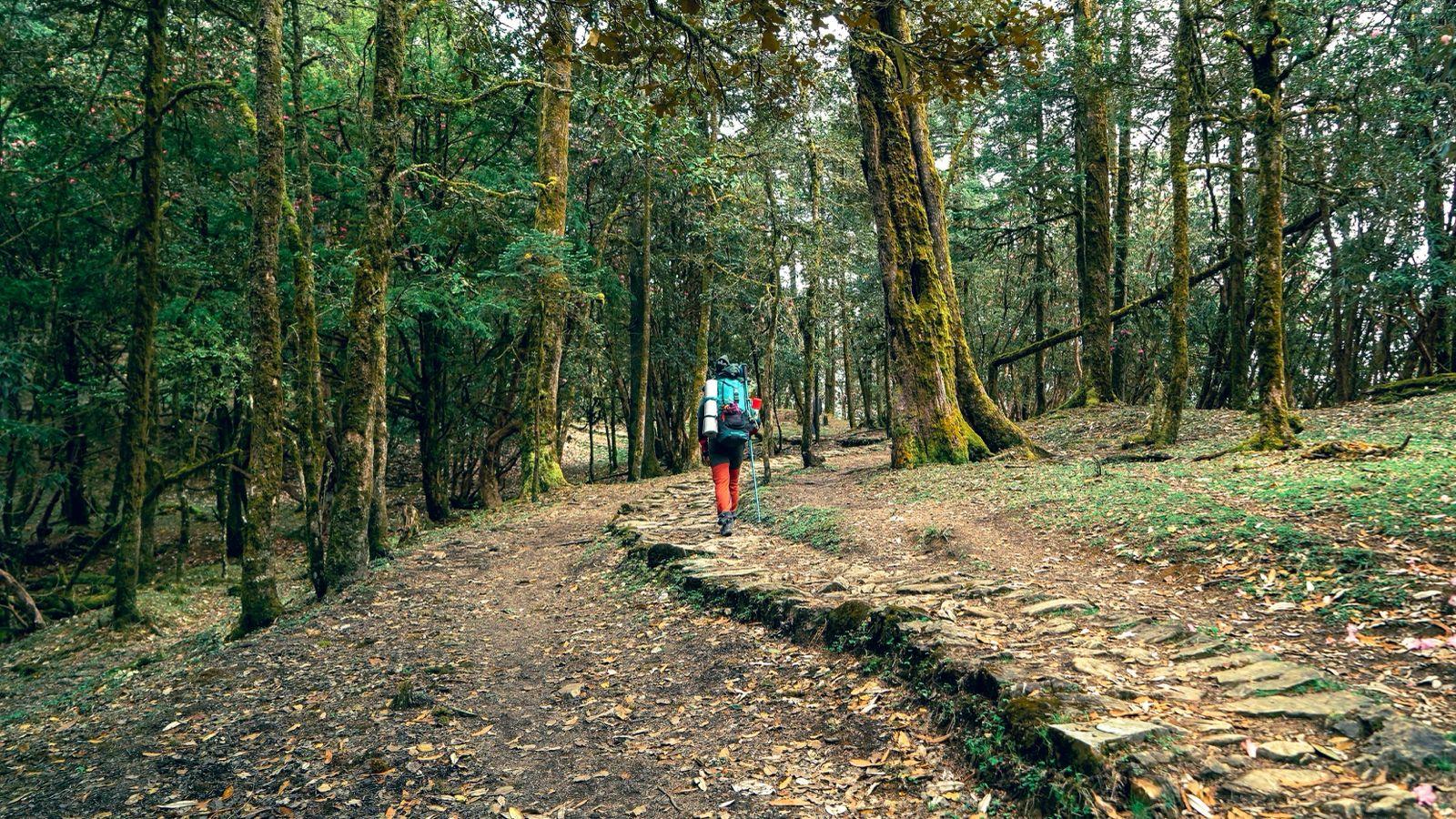
The trek from Kimchee to Ghandruk is gentle and scenic, an ideal first day on the trail. We walk through terraced fields and forested sections, easing into the rhythm of mountain walking without rushing the pace. This day is designed to help everyone settle in, find their stride, and get comfortable carrying a backpack.
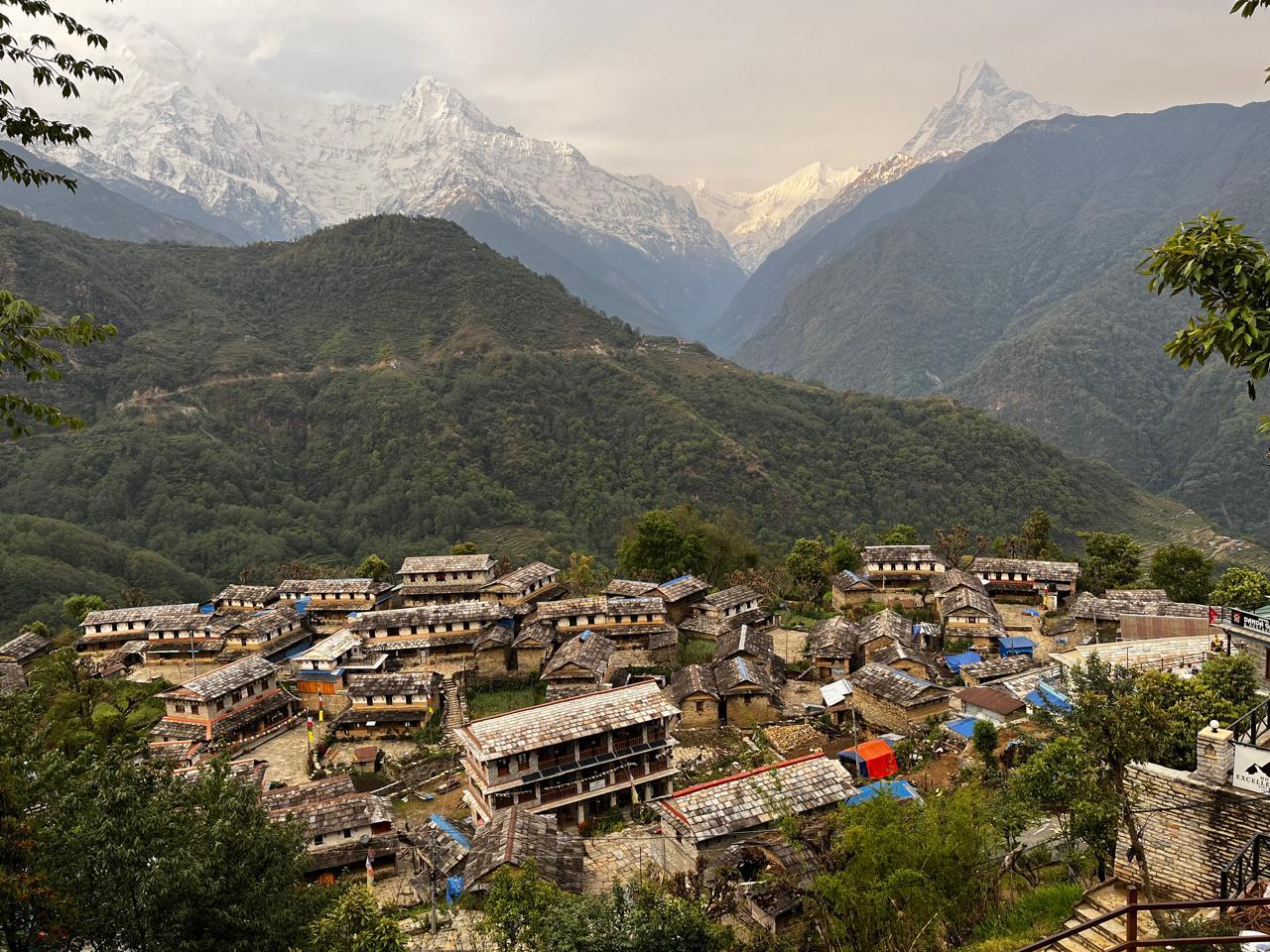
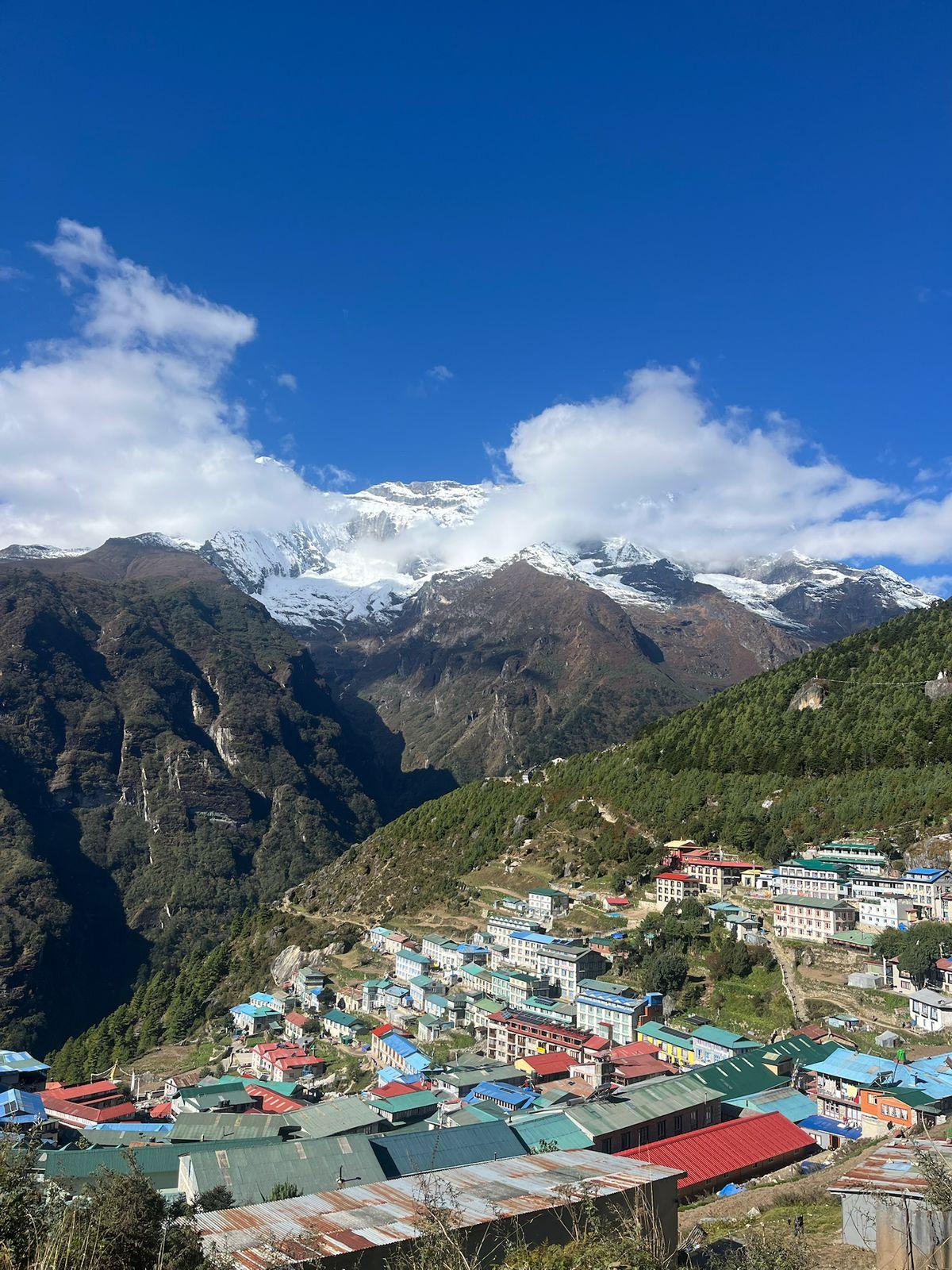
Reaching Ghandruk by afternoon gives us time to rest and explore one of the most beautiful villages in the Annapurna region. With stone houses, mountain views, and a slower pace of life, it’s the perfect place to pause, recover, and spend time together.
The evening is relaxed and social, a chance to unwind, share conversations, and experience a simple, nourishing trail-side creation inspired by Vanshika’s work, adapted naturally to the mountain setting.
Day 3
Ghandruk → Chhomrung
Trek: ~5–6 hours
Elevation Profile: ~6,400 ft / 1,950 m → ~7,100 ft / 2,170 m
Stay: Tea house
We start the day by leaving Ghandruk, gradually moving away from the comfort of the village and deeper into the Annapurna region. The trail today introduces us to the classic character of the ABC route, a mix of stone steps, forest sections, and open views across the valley.
There are sections of steady descent followed by sustained climbs, making this a day when pacing matters. We take our time, settling into a rhythm that allows everyone to move comfortably and consistently rather than rushing the trail.
As we approach Chhomrung, one of the most beautiful villages on the route, the landscape opens up with expansive views of the surrounding peaks. Perched high above the river, Chhomrung feels like a natural pause point, a place to rest, recover, and soak in the scale of the mountains.
The evening here is unhurried. We spend time together winding down from the day, sharing conversations, and easing into recovery.
There’s space to experience a familiar, trail-appropriate creation inspired by Vanshika’s work. Simple, nourishing, and ideally suited to life in the mountains.
Day 4
Chhomrung → Bamboo
Trek: ~5–6 hours
Elevation Profile: ~7,100 ft / 2,170 m → ~7,750 ft / 2,360 m
Stay: Tea house
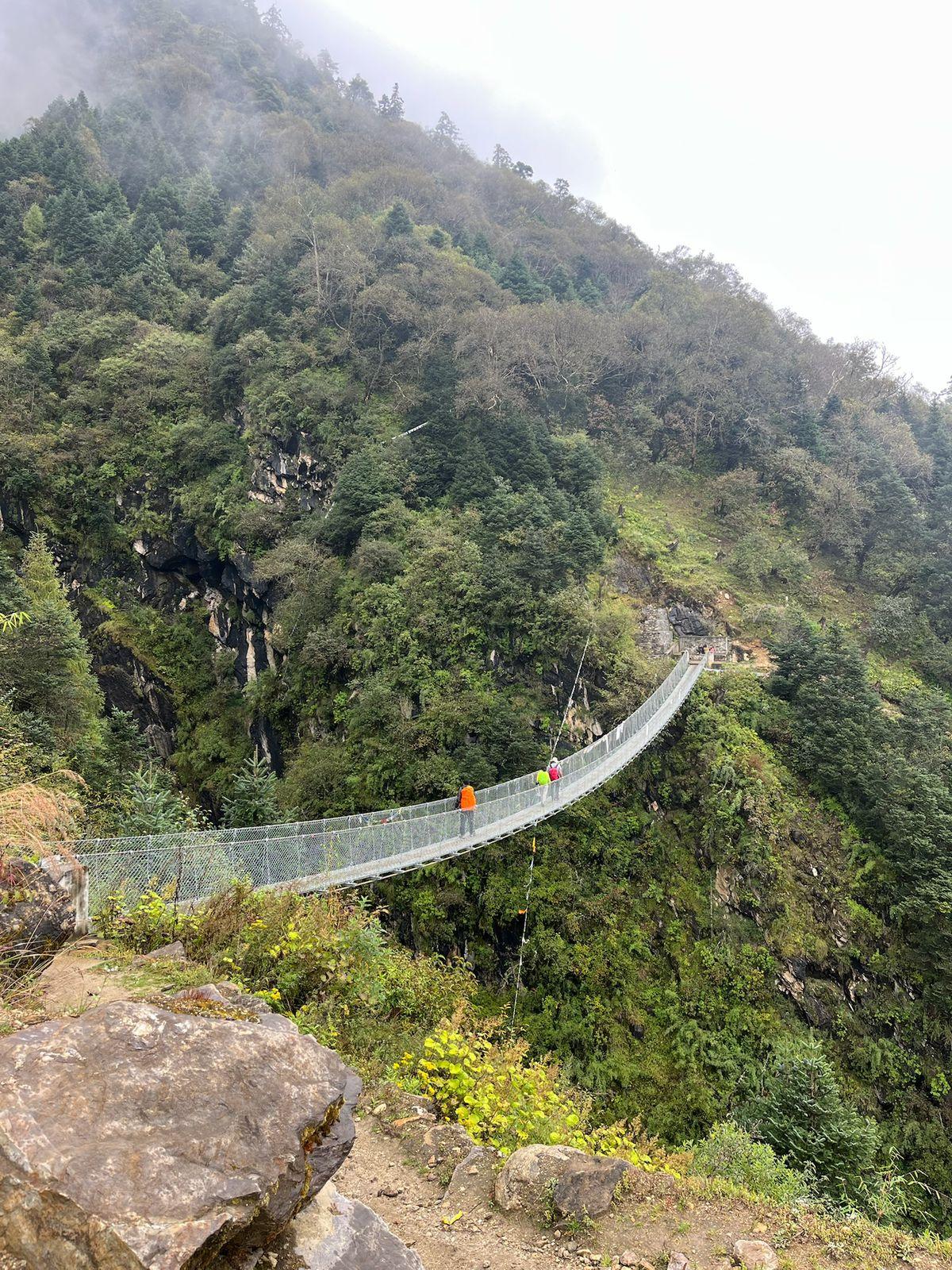
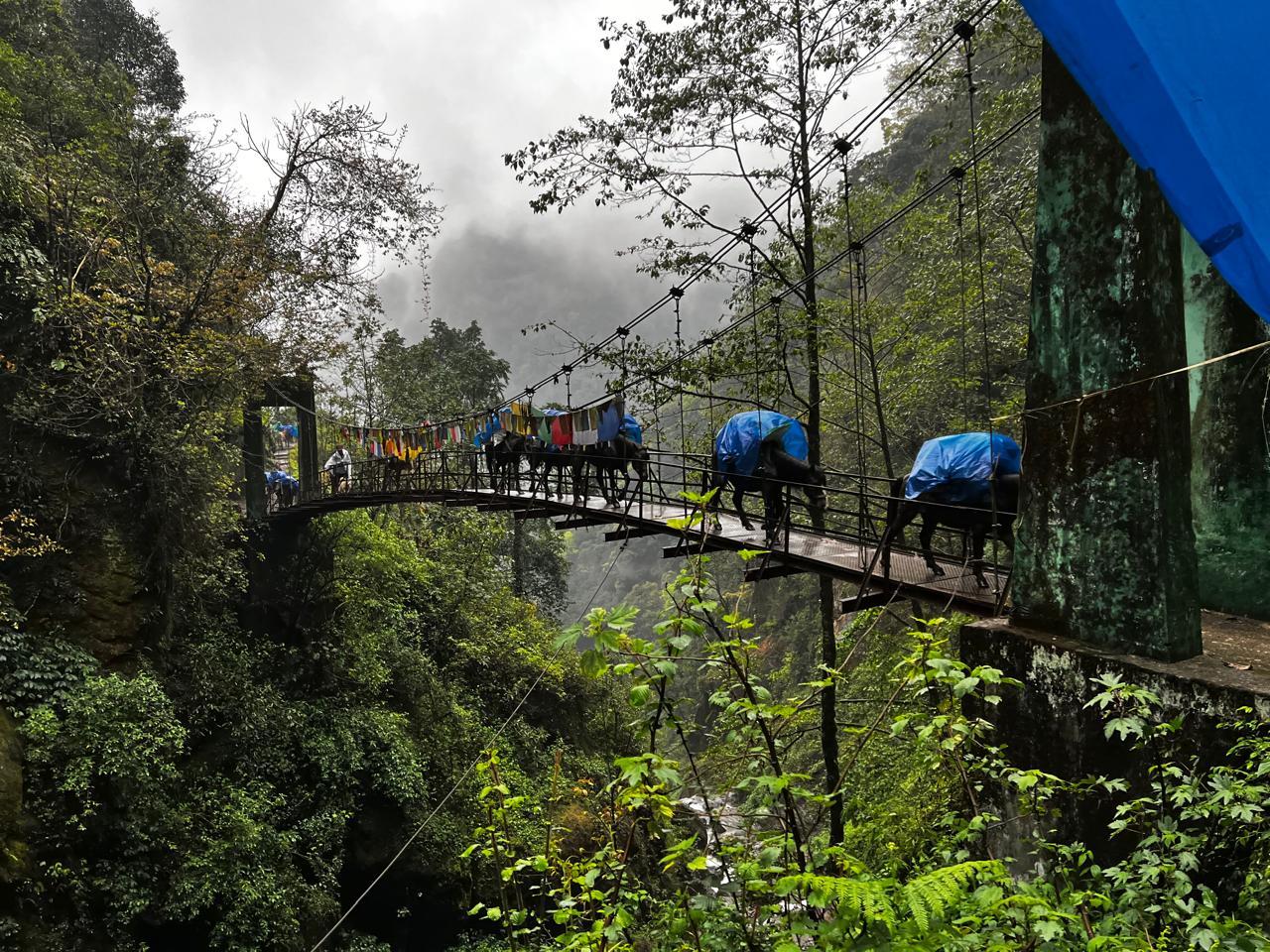
We leave Chhomrung by descending steep stone steps to the river below before beginning a steady climb on the other side. This up-and-down terrain is a defining feature of the Annapurna Base Camp trail and offers a good reminder of why pacing and patience matter.
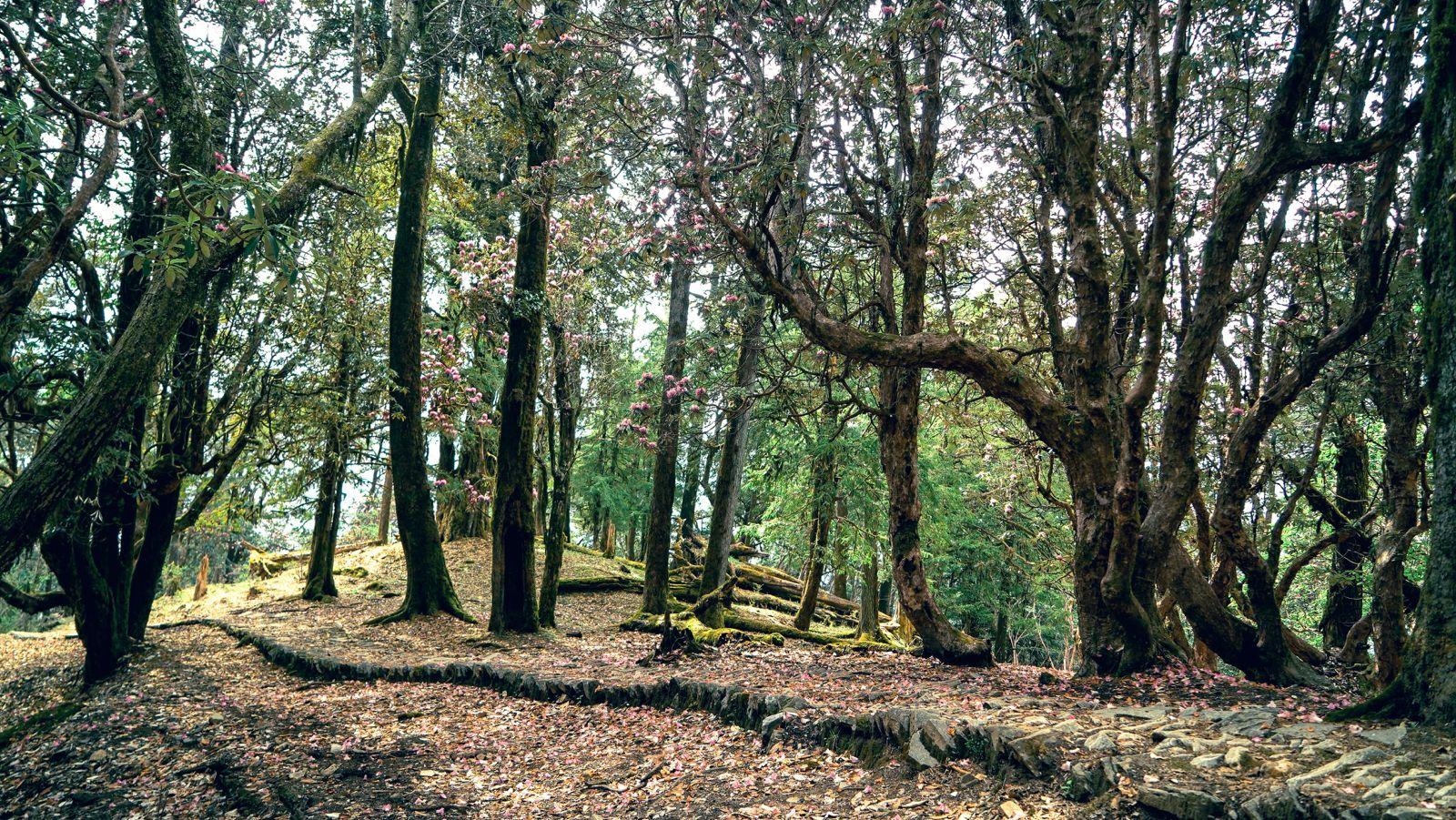
As we move higher, the landscape begins to change. Dense bamboo groves and rhododendron forests surround the trail, making the walk feel quieter and more enclosed.
By the time we reach Bamboo, the focus shifts from movement to recovery. The evening here is intentionally interactive, a chance to come together and experience a hands-on moment on the trail. You’ll get the opportunity to create one of the simple, trail-friendly dishes you may recognise from Vanshika’s work, adapted thoughtfully to the mountain setting.
Day 5
Bamboo → Deurali
Trek: ~6–7 hours
Elevation Profile: ~7,750 ft / 2,360 m → ~10,500 ft / 3,200 m
Stay: Tea house
We leave Bamboo and begin a steady ascent, gradually gaining altitude as the forest thins out. The trail opens up in sections, offering glimpses of the surrounding peaks and giving us a sense of how quickly the landscape is changing.
This is a day when effort becomes more noticeable. Breathing feels heavier, and the importance of pacing, hydration, and short breaks becomes clear.
By the time we reach Deurali, the environment feels distinctly alpine. Evenings here are quieter and more restful, with an emphasis on recovery after a long day of movement. Simple, comforting additions help replenish energy and support recovery, setting the tone for the days ahead at a higher altitude.
The focus is on rest, warmth, and preparing well for the journey deeper into the Annapurna Sanctuary.
Day 6
Deurali → Annapurna Base Camp
Trek: ~6–7 hours
Elevation Profile: ~10,500 ft / 3,200 m → ~13,550 ft / 4,130 m
Stay: Tea house at Base Camp.
We start early, knowing this is the day we enter the heart of the Annapurna Sanctuary.
The trail gradually climbs past Machhapuchhre Base Camp, and with every step, the scale of the mountains around us becomes more apparent. The landscape opens up dramatically, with broad valleys, towering peaks, and an overwhelming sense of space.
Breathing is noticeably heavier at this altitude, and pacing becomes even more critical. We take our time, moving steadily and staying attentive to how the body feels.
Reaching Annapurna Base Camp is a quiet, decisive moment. Surrounded by a natural amphitheatre of peaks, we take time to sit with the achievement, absorb the setting, and reflect on the journey that brought us here.
Food and recovery at this altitude remain intentional and straightforward, supporting the body without excess. The evening is calm and restful, allowing everyone to settle in, stay warm, and prepare for the descent the following day.
Day 7
Annapurna Base Camp → Dovan
Trek: ~7–8 hours
Elevation Profile: ~13,550 ft / 4,130 m → ~8,200 ft / 2,500 m
Stay: Tea house
We begin the day early, leaving Annapurna Base Camp as the morning light fills the sanctuary. The trail retraces our steps through Machhapuchhre Base Camp, gradually descending through broad valleys and narrowing paths.
While breathing feels easier as we lose altitude, the long descent places new demands on the legs and knees. We move carefully and deliberately, focusing on steady footwork and controlled pacing rather than speed.
There’s time in the morning for gentle mobility and warm-up before starting the day, helping the body prepare for the sustained downhill walking. Throughout the day, we take regular breaks to hydrate, stretch, and stay comfortable.
Reaching Dovan feels like a return to warmth and shelter after a long day. The evening is unhurried, a chance to rest tired legs, ease into recovery, and spend quiet time together reflecting on the journey so far.
Day 8
Dovan → Jhinu Danda
Trek: ~6–7 hours
Elevation Profile: ~8,200 ft / 2,500 m → ~5,600 ft / 1,700 m
Stay: Tea house near hot springs.
We continue descending through forested trails, gradually leaving the high alpine terrain behind. As we lose altitude, the air feels warmer, breathing becomes easier, and the body begins to relax after several demanding days on the trail.
The pace today is steady and unhurried, allowing the legs to ease into the descent while taking in the changing landscape.
Villages start to reappear, and the sense of moving back toward everyday life becomes noticeable.
Reaching Jhinu Danda is a highlight of the return journey. Known for its natural hot water springs, this is a day dedicated to recovery.
After days of continuous walking, soaking in the warm pools offers deep physical relief and a rare moment to slow down completely.
Day 9
Jhinu Danda → Samrung → Pokhara
Trek: ~45 minutes
Drive: ~2.5–3 hours
Elevation Profile: ~5,600 ft / 1,700 m → ~2,700 ft / 820 m
End: Pokhara
We start the day with a short walk from Jhinu Danda to Samrung, marking the final stretch on the trail. It’s an easy, relaxed walk.
From Samrung, we drive back to Pokhara, watching the landscape gradually shift from forested hills to rivers and roads.
Once in Pokhara, we come together one last time to close the journey, reflecting on what the trek meant to each of us, and talking about how to carry this rhythm of movement, preparation, and awareness into everyday life.
Preparation Commitment
This is not a “show up and wing it” trek.
By signing up, you’re committing to:
- Following a structured, phase-wise preparation program designed by Fit Khurana and Odyssey.
- Staying engaged with the group during the preparation phase.
- Being open to guidance around movement, recovery, pacing, and rest.
The preparation is progressive and adaptable, but participation is essential. This ensures that everyone arrives in the mountains feeling confident and capable.
Mindset & Attitude
This journey is best suited for people who:
- Value preparation over shortcuts
- Are comfortable with discomfort, but not chaos
- Understand that mountains require patience and respect
- Want to trek as part of a community, not in isolation
If you’re looking for a luxury holiday or a rushed checklist experience, this may not be the right fit. But if you’re open to a grounded, well-supported Himalayan journey, you’re exactly who this experience is designed for.
Health & Safety
- You should be in generally good health and able to participate in regular physical activity.
- Any existing medical conditions should be disclosed during registration.
Odyssey will provide on-ground safety systems, experienced leadership, and medical preparedness, but personal responsibility and honest communication are essential parts of mountain travel.
Cancellation Policy
This trek is designed as a limited, community-led journey, with a capped group size and a structured preparation phase. Each confirmed slot involves planning, resources, and time from the team well before we reach the mountains.
Keeping that in mind, the following cancellation policy applies:
- More than 60 days before the trek start date
- A 50% refund of the trek fee will be issued, or
- The participant may transfer their slot to another eligible person at no additional cost.
- Less than 60 days before the trek start date
- No refund will be provided.
- Slot transfers will still be allowed, subject to the replacement participant meeting the trek requirements.
- No-shows or mid-trek withdrawals
- No refund will be applicable.
Inclusion
Exclusion
Is this trek suitable for beginners?
You don’t need prior Himalayan trekking experience. However, this is not a trek you simply show up for. The journey includes a structured preparation phase designed to help you build the fitness, confidence, and understanding needed for multi-day trekking at altitude.
If you’re consistent with the preparation and open to guidance, this trek is very achievable.
How fit do I need to be?
You should be comfortable with regular physical activity and be willing to train in the weeks leading up to the trek. By the time the trek begins, you should be able to:
Walk for 5–7 hours a day.
Manage sustained uphill and downhill movement
Carry a light daypack comfortably.
The preparation journey is designed to get you there gradually.
What role does Vanshika play during the trek?
Before the trek, she helps guide the team's preparation, focusing on consistency, recovery, and sustainable effort through a structured, phase-wise program designed together with Odyssey.
On the trail, she is part of the journey, walking, interacting, sharing time, and contributing to the overall experience as both a fellow trekker and a leader.
Who leads the trek on the ground?
Odyssey handles route planning, pacing, safety systems, altitude management, and on-ground logistics, ensuring that the trek is run responsibly and smoothly.
What kind of accommodation should I expect?
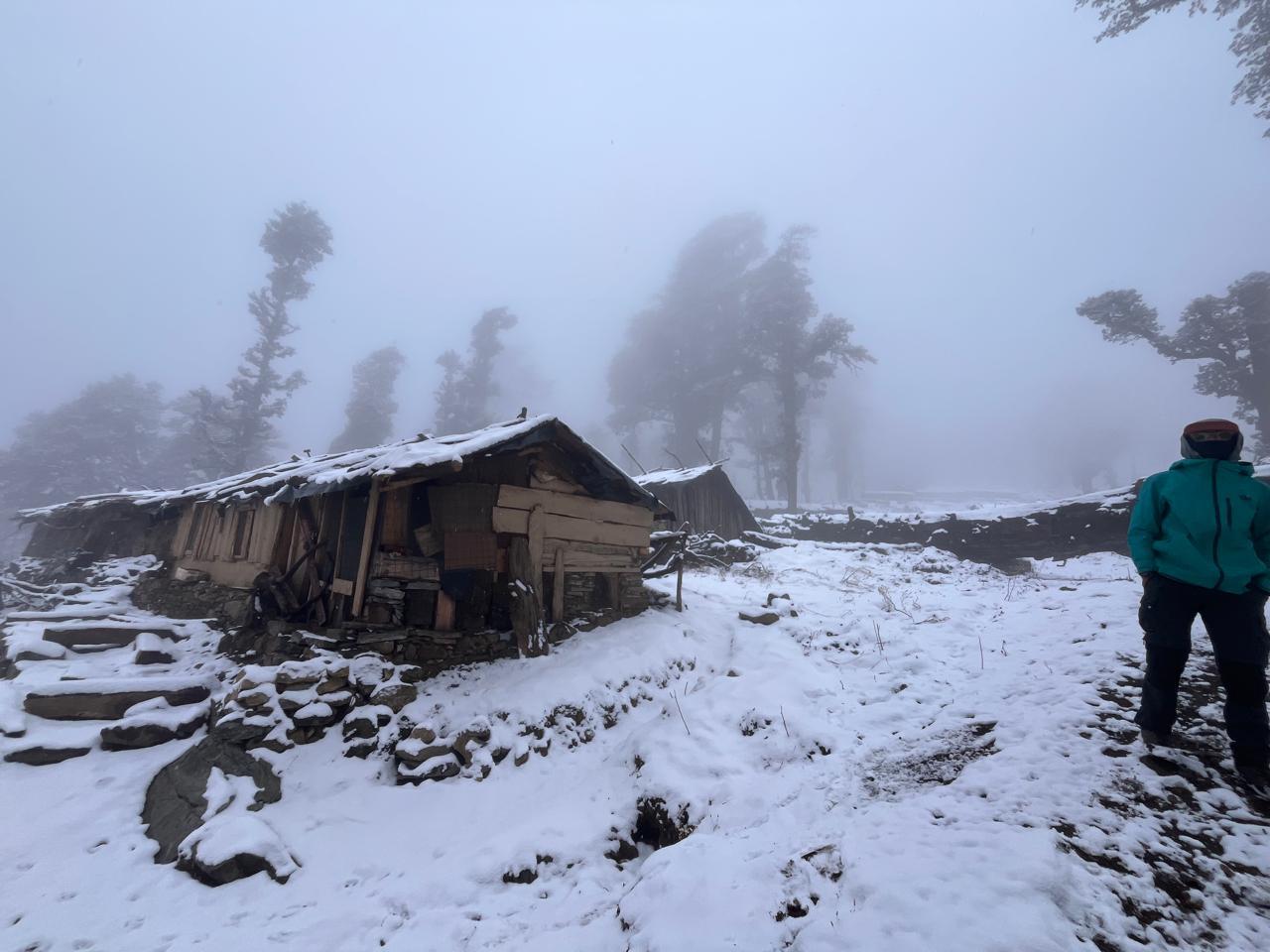
You’ll stay in locally run tea houses along the Annapurna Base Camp route. Rooms are typically shared, and in higher camps, triple sharing may be required due to limited availability.
Tea houses offer basic but comfortable facilities, warm meals, beds, and shelter, and are an essential part of trekking culture in Nepal.
What will the food be like on the trek?
In addition, there will be a few thoughtfully designed experiential moments where you can engage with simple, trail-appropriate creations inspired by Vanshika’s work, adapted realistically for mountain conditions.
These moments are designed to add value and learning, not to disrupt local operations or turn the trek into a cooking expedition.
Will I have access to hot water, Wi-Fi, and charging points?
Hot showers, device charging, and Wi-Fi are usually available at an additional cost and may be limited or unavailable at higher camps.
How safe is the Annapurna Base Camp trek?
Odyssey ensures:
Experienced leadership
Proper pacing and acclimatisation
First-aid and emergency equipment
Continuous monitoring of participants
That said, trekking in the mountains always involves shared responsibility. Honest communication about how you’re feeling is essential.
What about altitude sickness?
The preparation journey also helps participants understand how their bodies respond to effort and fatigue, which plays a significant role in managing altitude.
Odyssey carries medical equipment and follows established protocols, but awareness, hydration, and listening to your body are key.
What happens after I sign up?
You’ll receive guidance on training, recovery, expectations, and next steps — ensuring that by the time you reach Nepal, you feel prepared and supported.
Why is the cancellation policy stricter than usual treks?
Once a slot is confirmed, planning begins from preparation structure to logistics and group dynamics. With a capped group size, a late cancellation also means someone else may lose the opportunity to join.
The policy reflects the effort involved while still allowing flexibility where possible.
What if something genuinely comes up and I can’t attend?
If you cancel more than 60 days before the trek, you are eligible for a 50% refund or a slot transfer. Even after that, you can transfer your slot to another eligible participant, ensuring the effort and planning put into the journey are not lost.
Can I transfer my slot to someone else?
SELECT DATE TO REGISTER

Thank You!
Your form has been submitted successfully. We'll get back to you soon.
₹ 47,999 + 5% GST
