

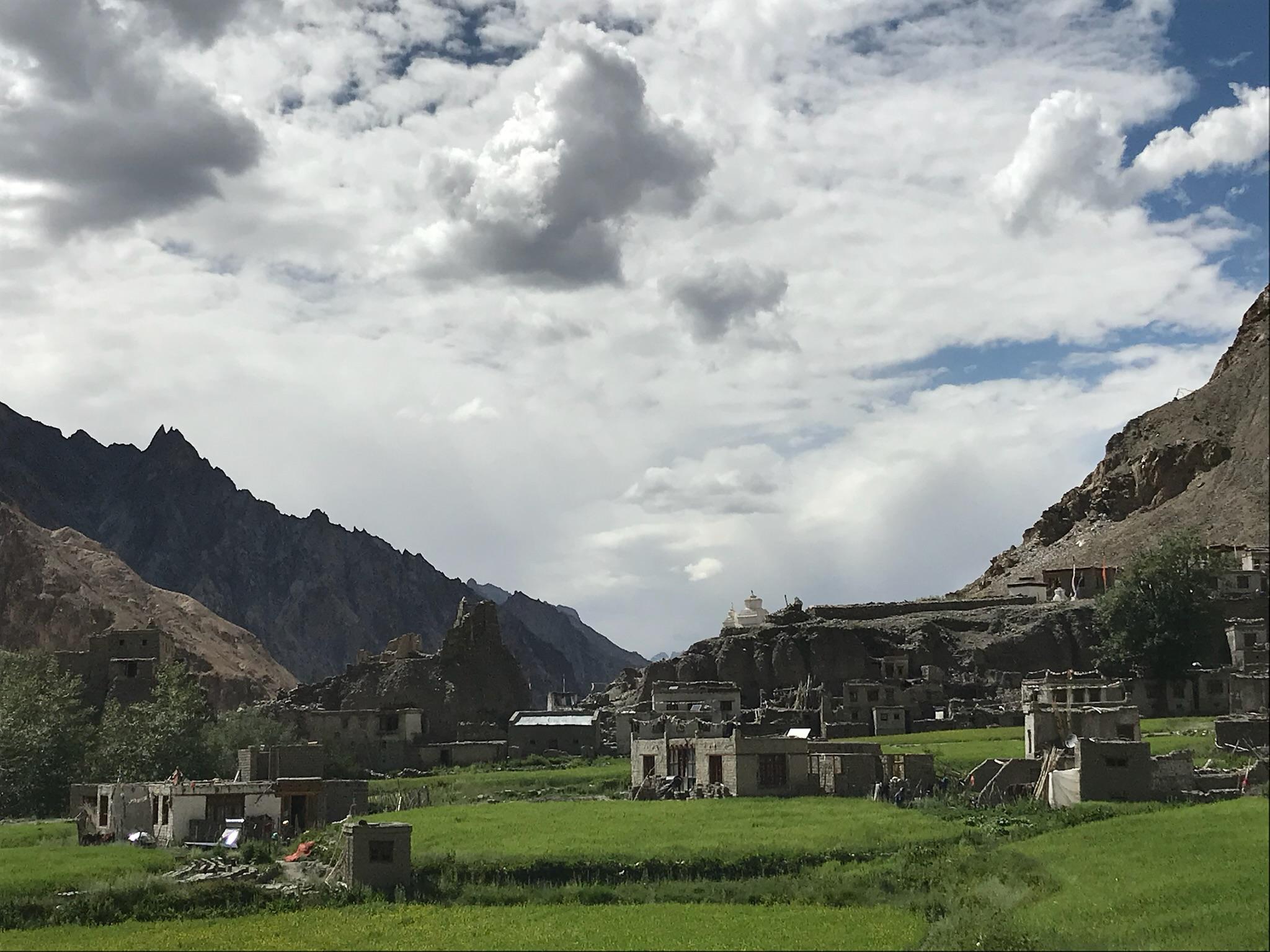
Tucked away in the lesser-trodden Yamunotri region of Uttarakhand, the Aancha Top Trek emerges as a Himalayan gem, quiet, unspoiled, and awaiting discovery. The base of the trek lies at a modest village called Ranachatti, quietly nestled along the Barkot–Yamunotri route. From here begins a journey that gradually peels away layers of dense forest, meadow expanses, and mountain vistas, unveiling the grandeur of the Garhwal Himalayas in gentle, serene steps.
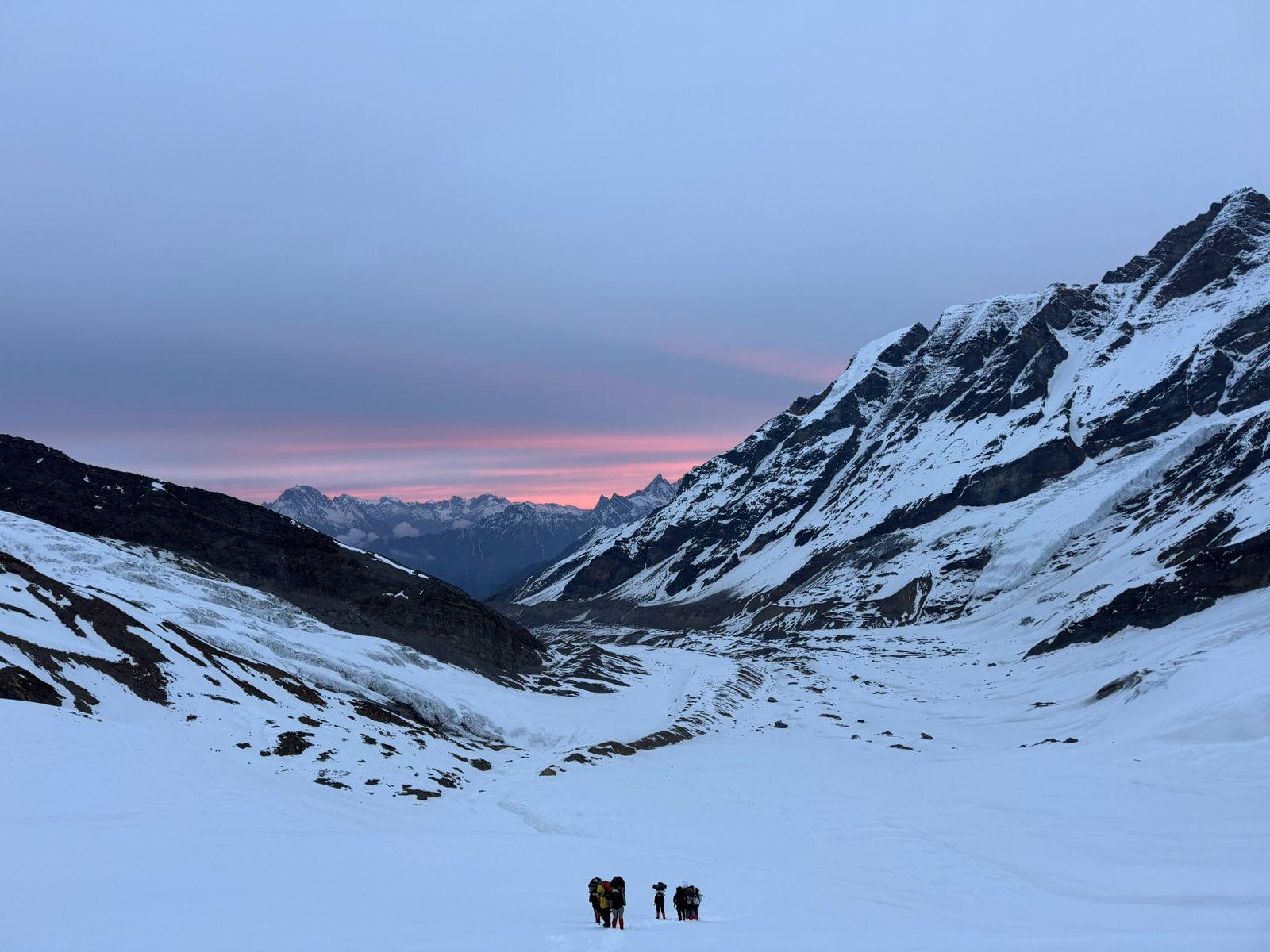
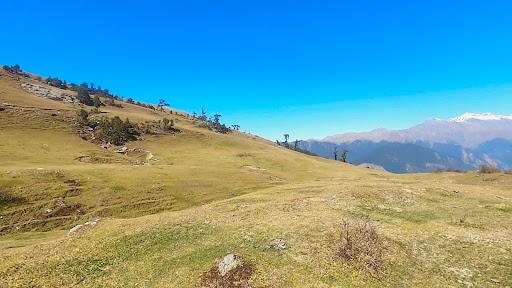
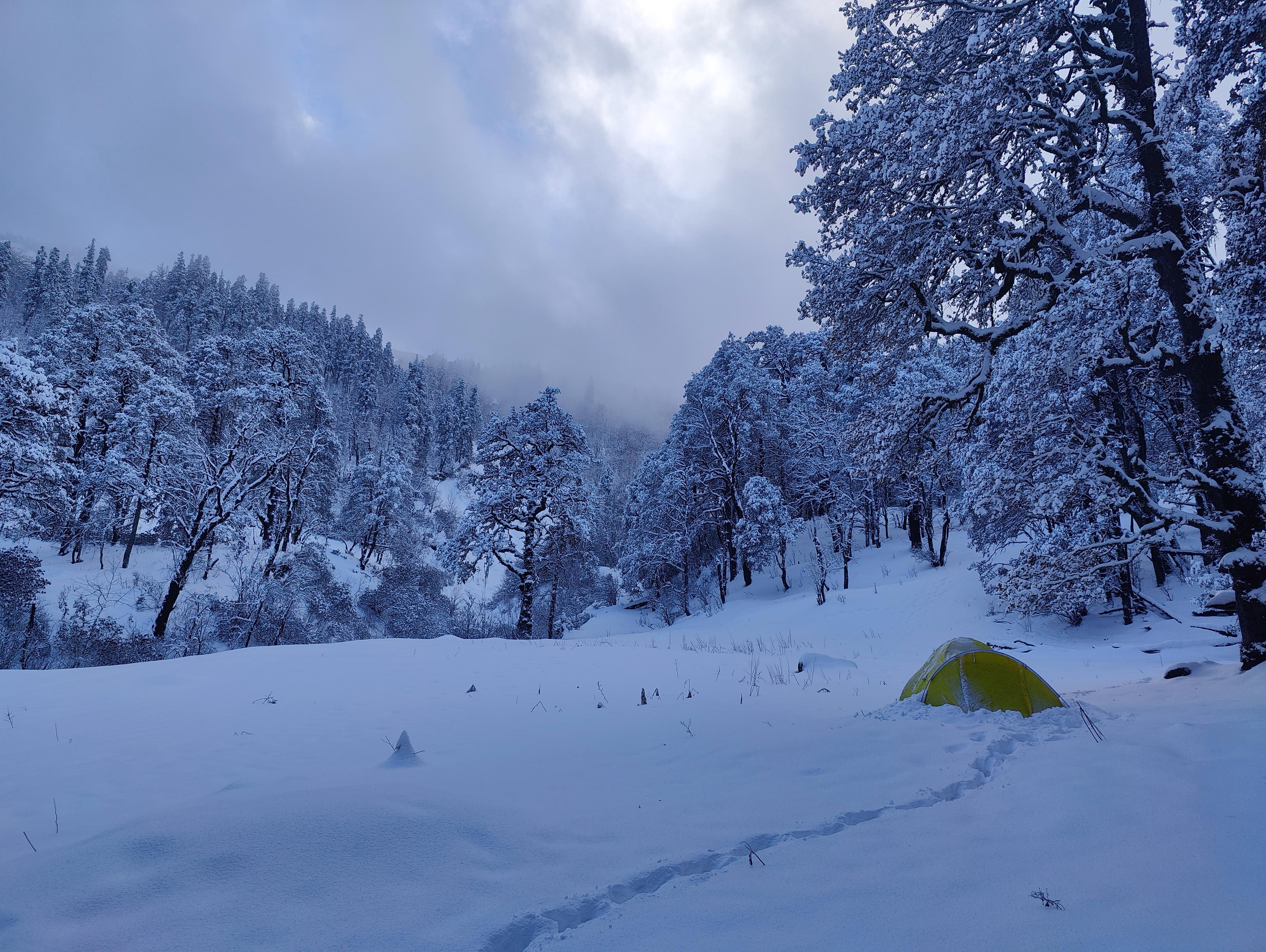
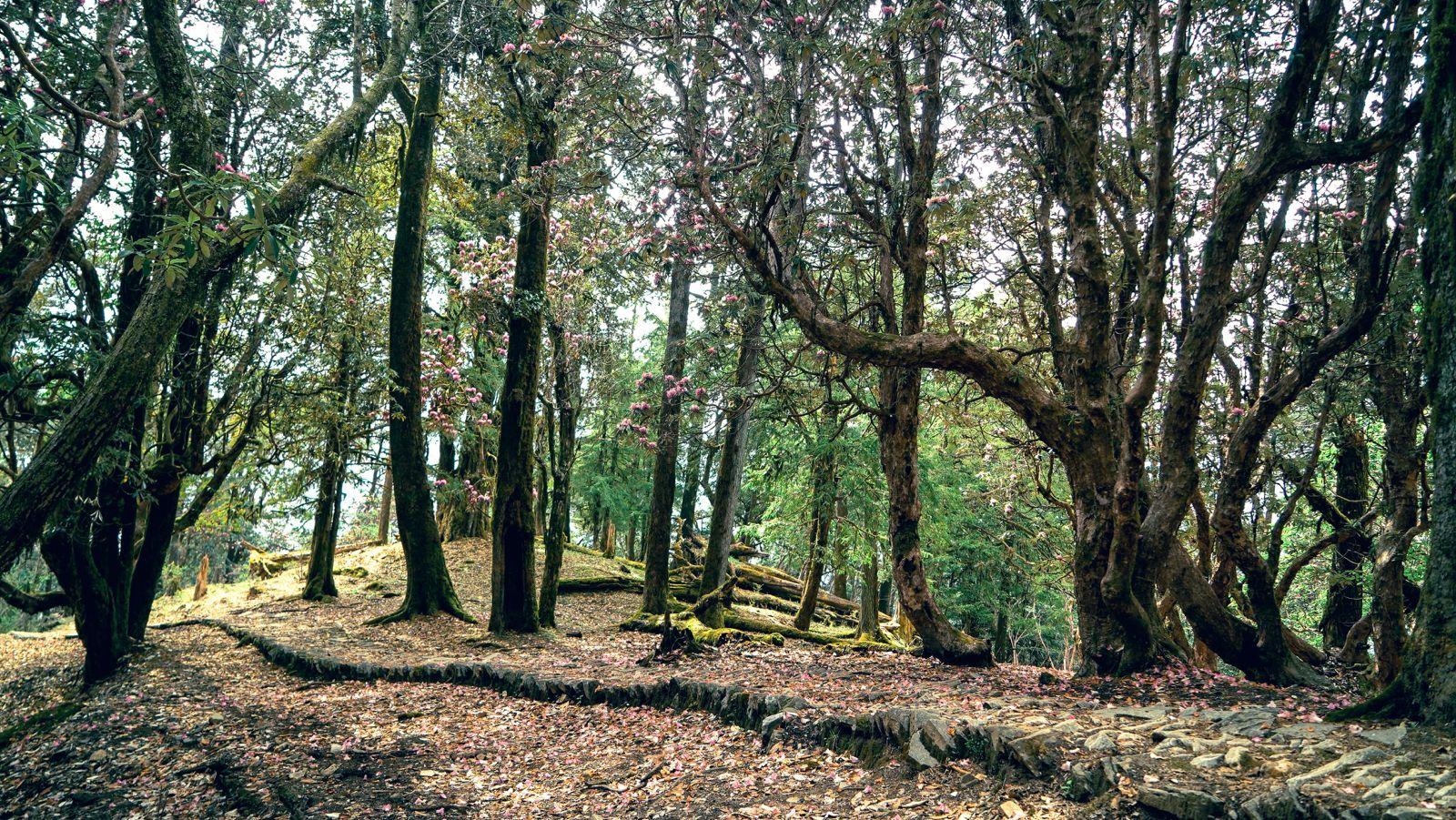
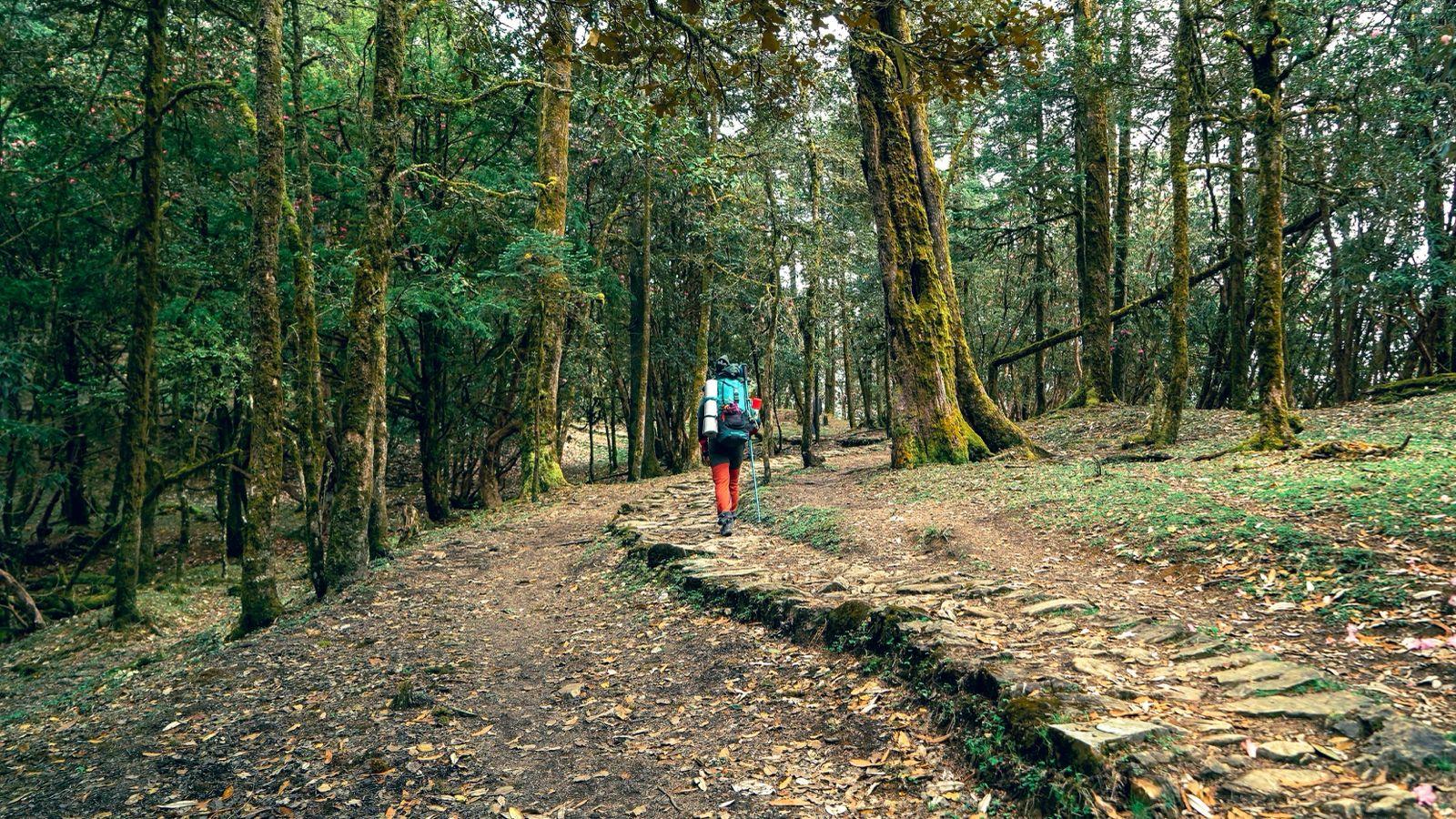
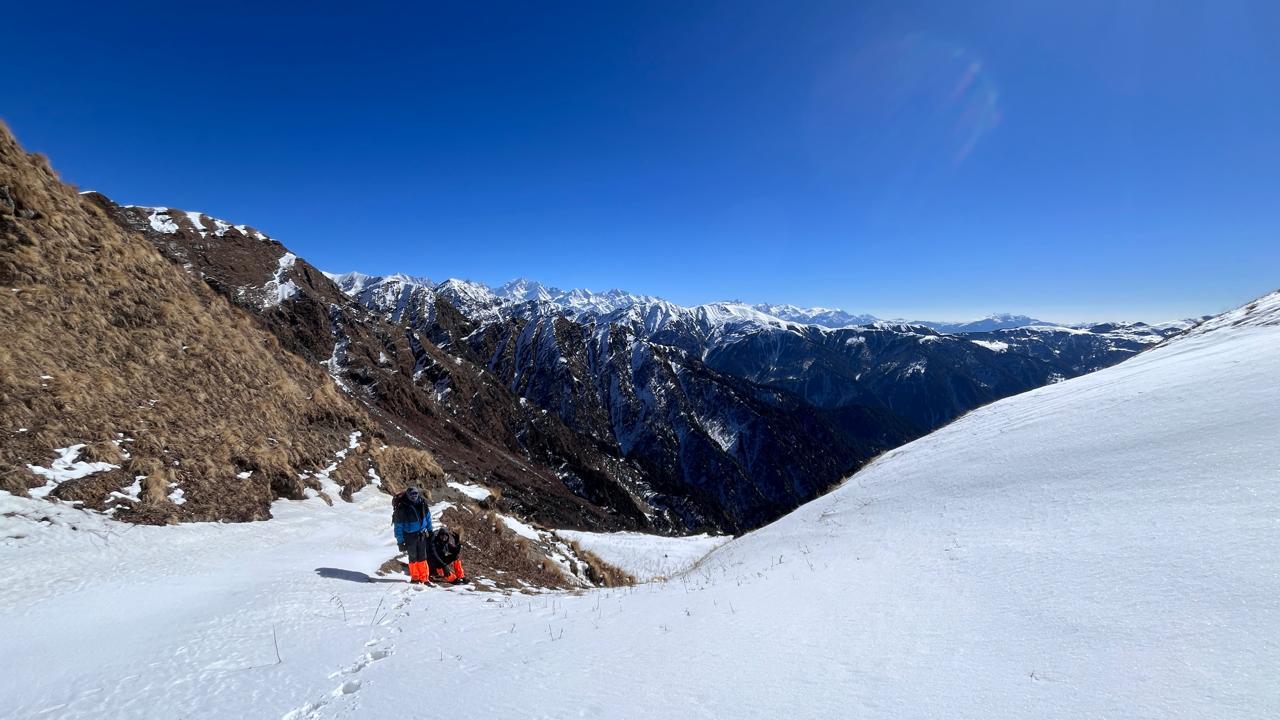
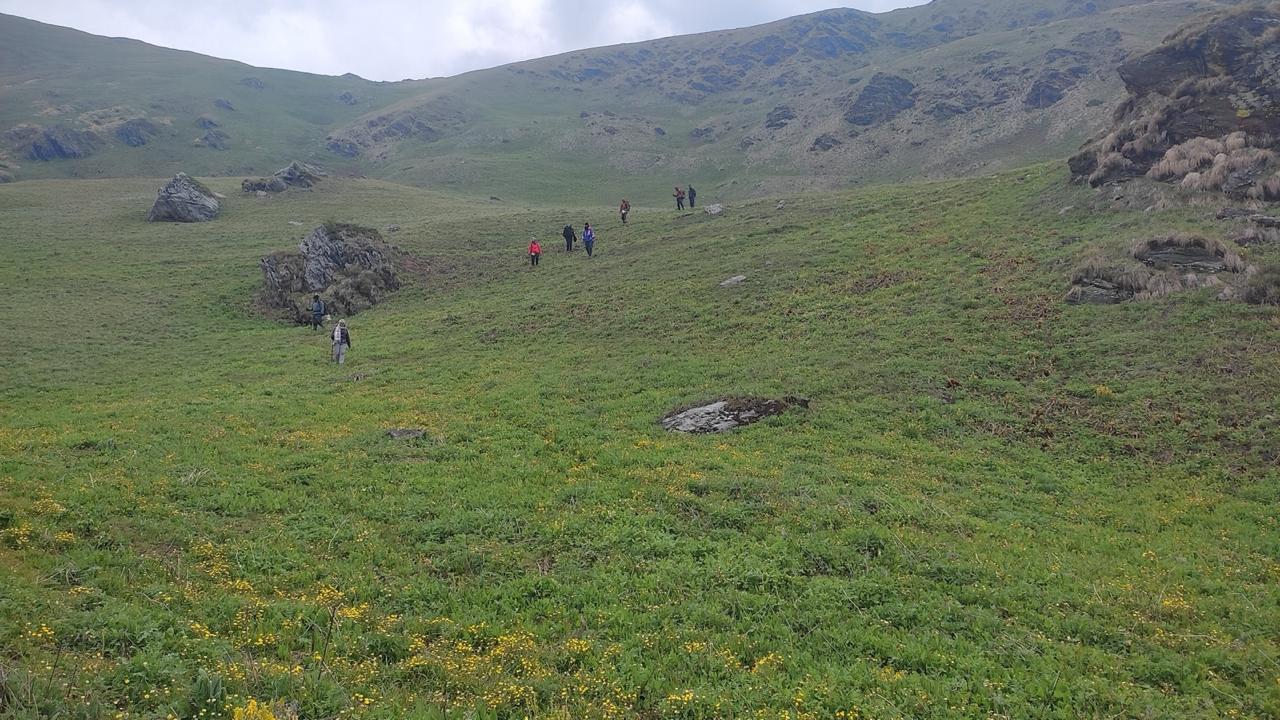
The route threads through ancient oak, pine, and rhododendron forests, thick with secrets of seasonal migrations, shepherd trails, and rhodo blooms in spring. As elevations rise, the trees thin, giving way to alpine bugyals (meadows) that, in summer, offer soft green carpets and, in winter, turn into silent snowfields. The forest-meadow-ridgeline progression provides a living classroom, one moment you hear the rustle of leaves and bird calls, the next the hush of snow underfoot.
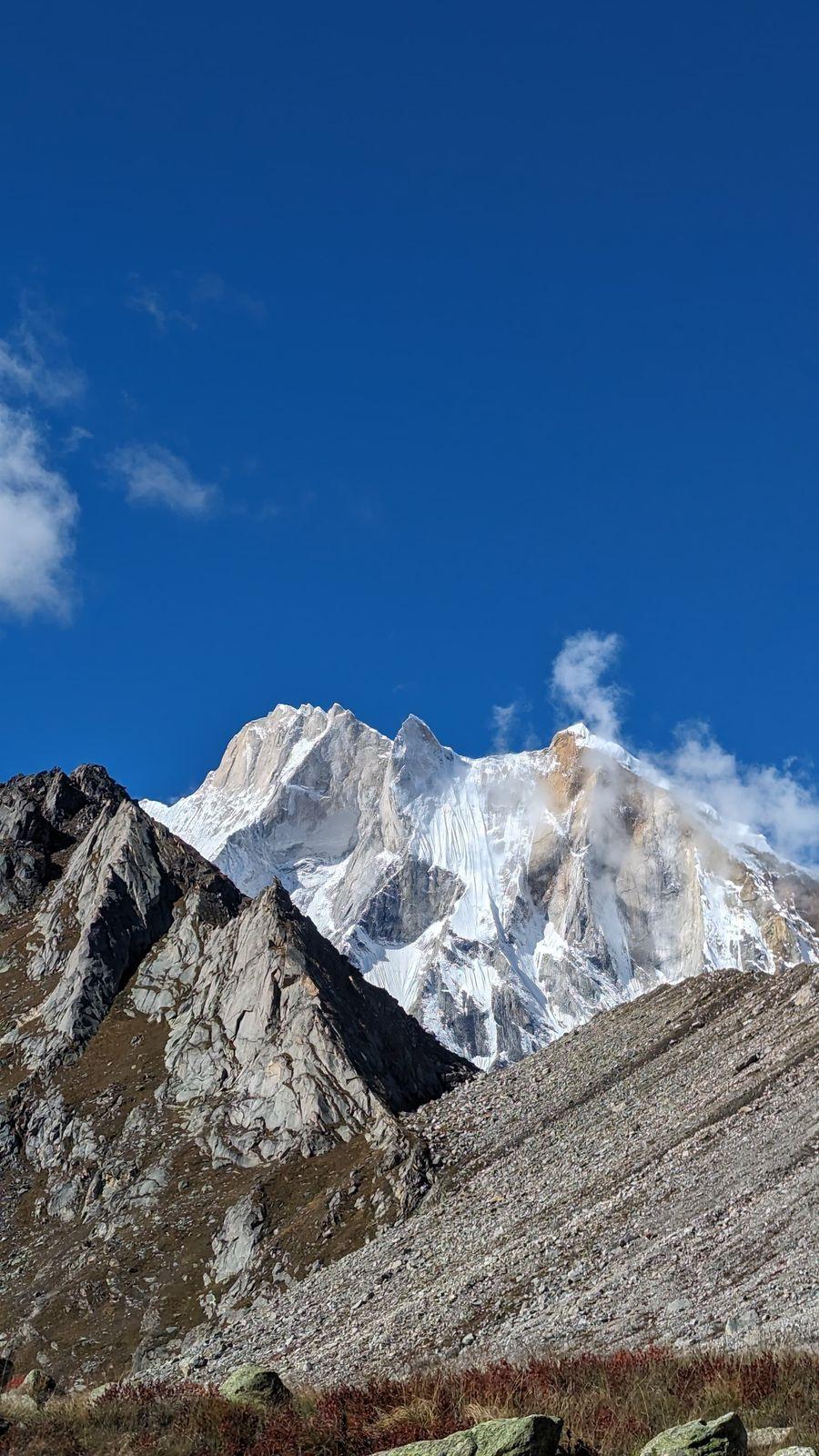
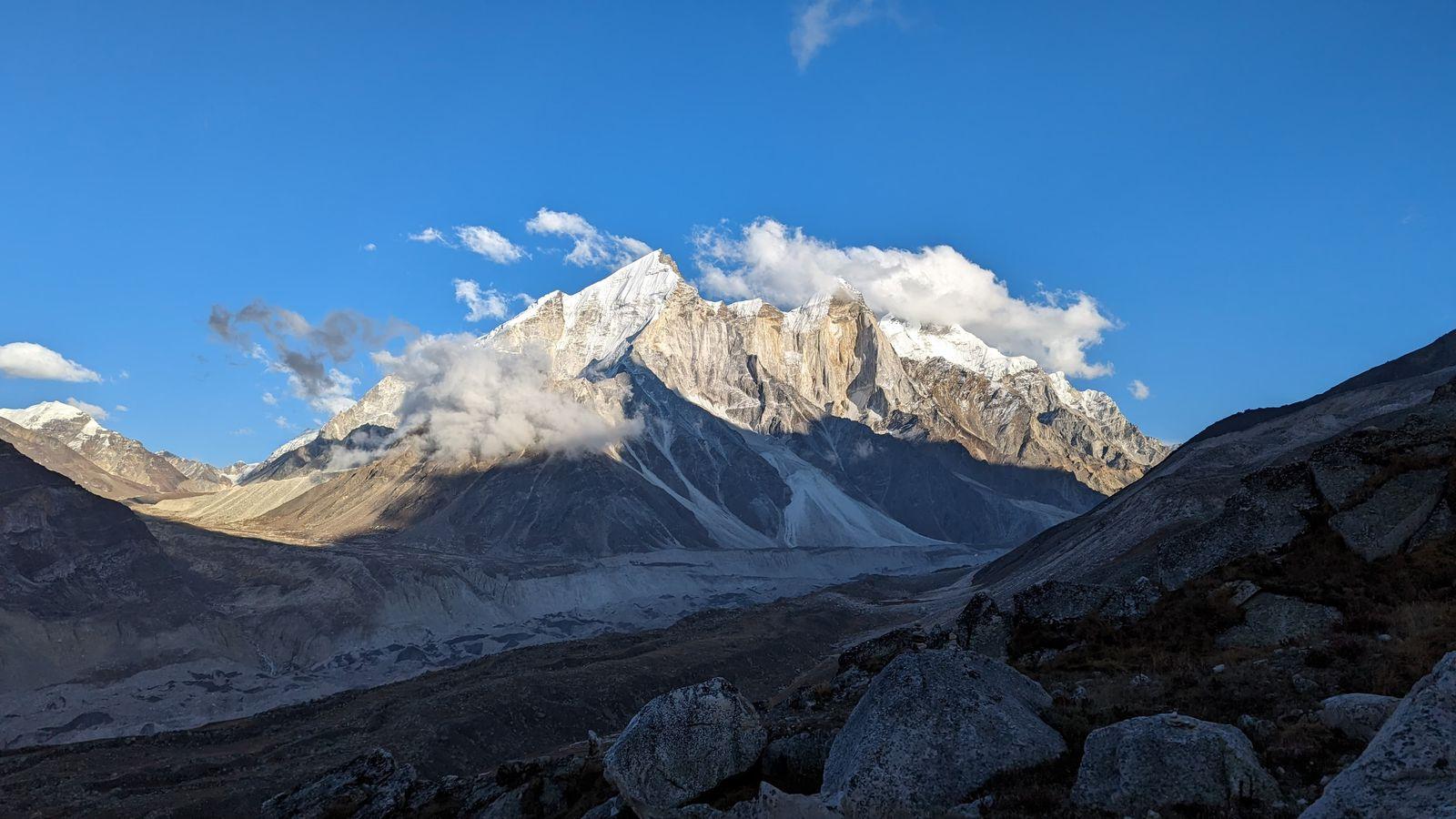
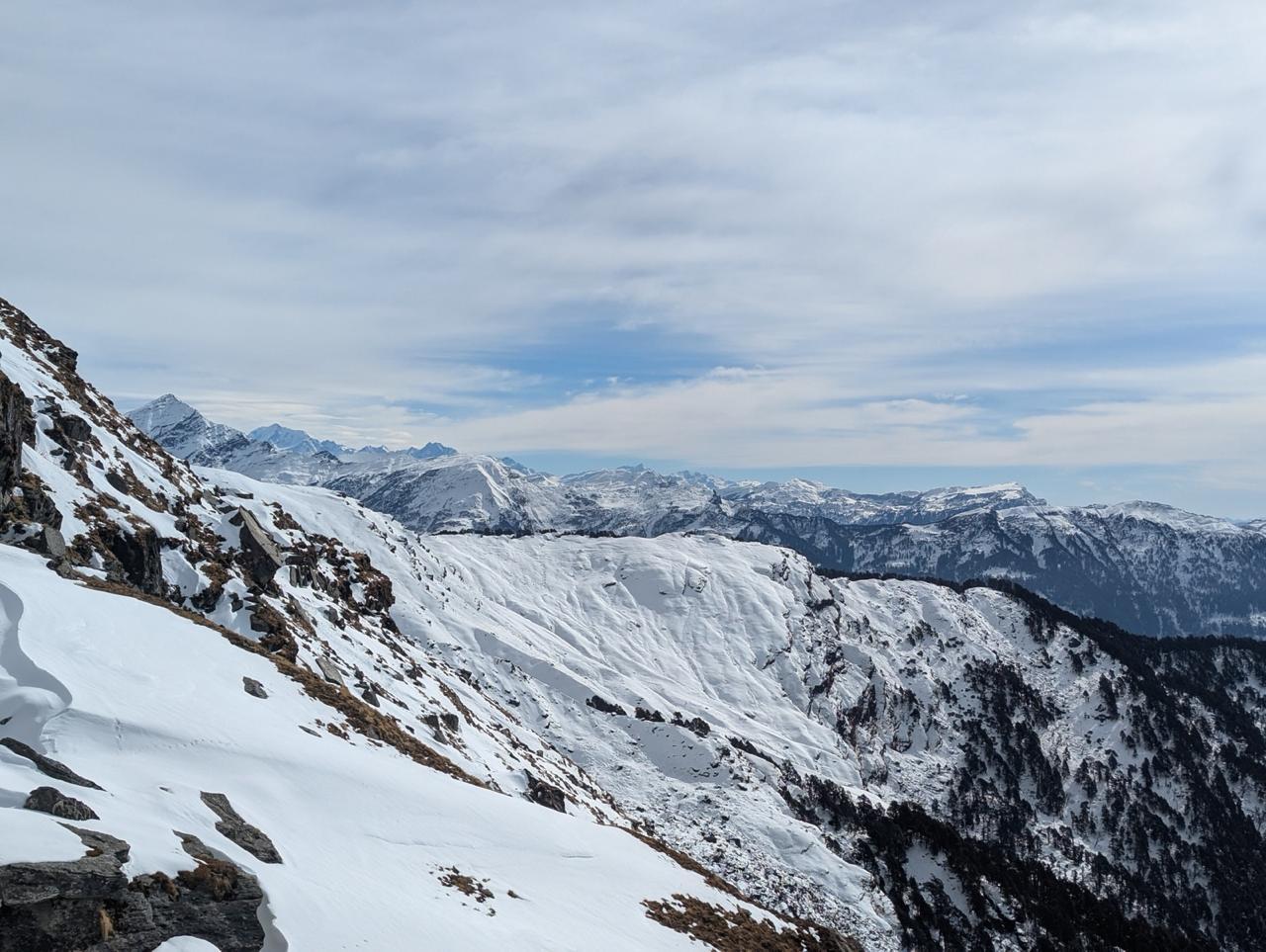
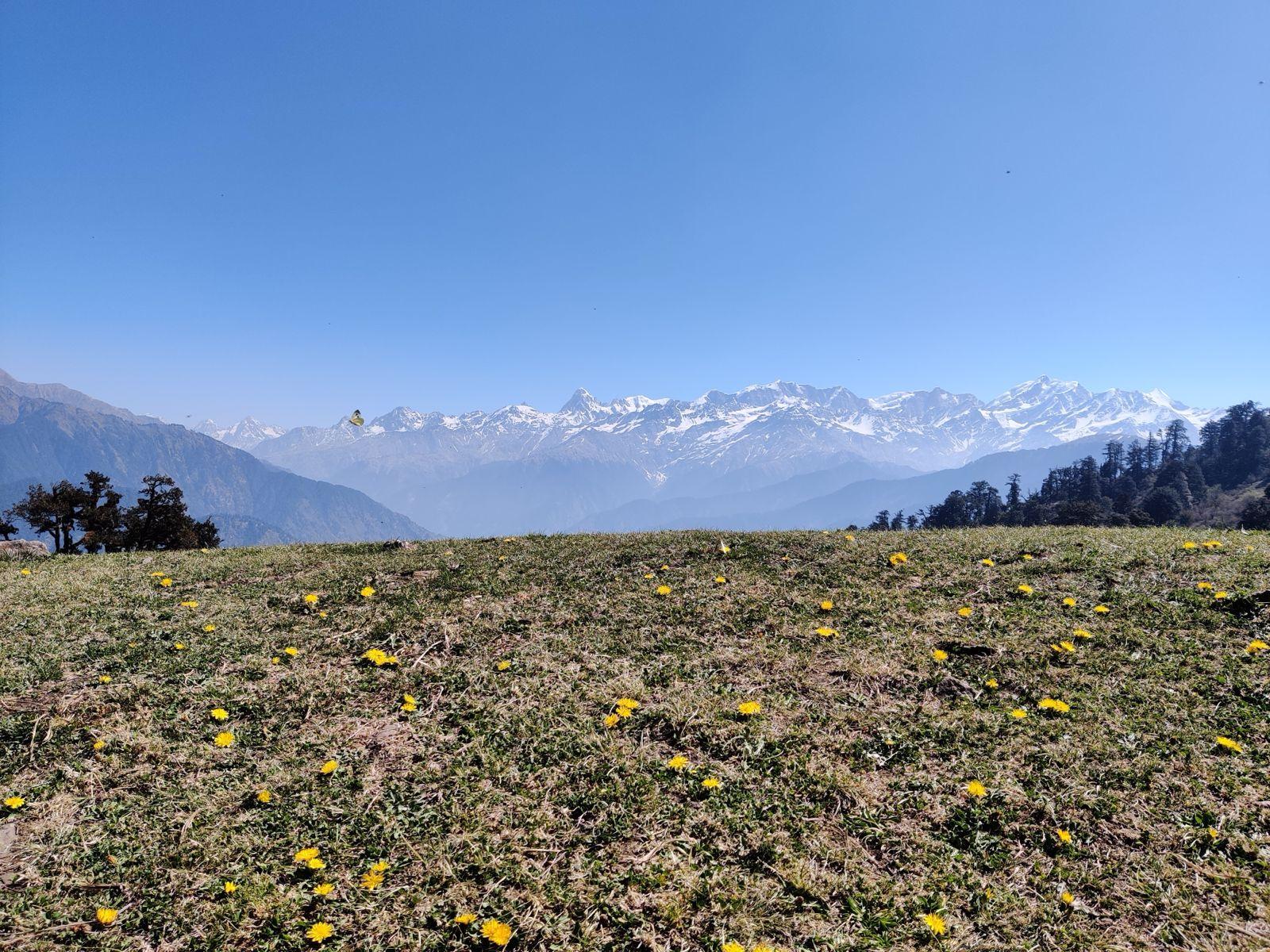
At the summit, roughly 12,500 ft, the sky opens wide. The granite giants of the Garhwal Himalayas line up in panoramic fashion:
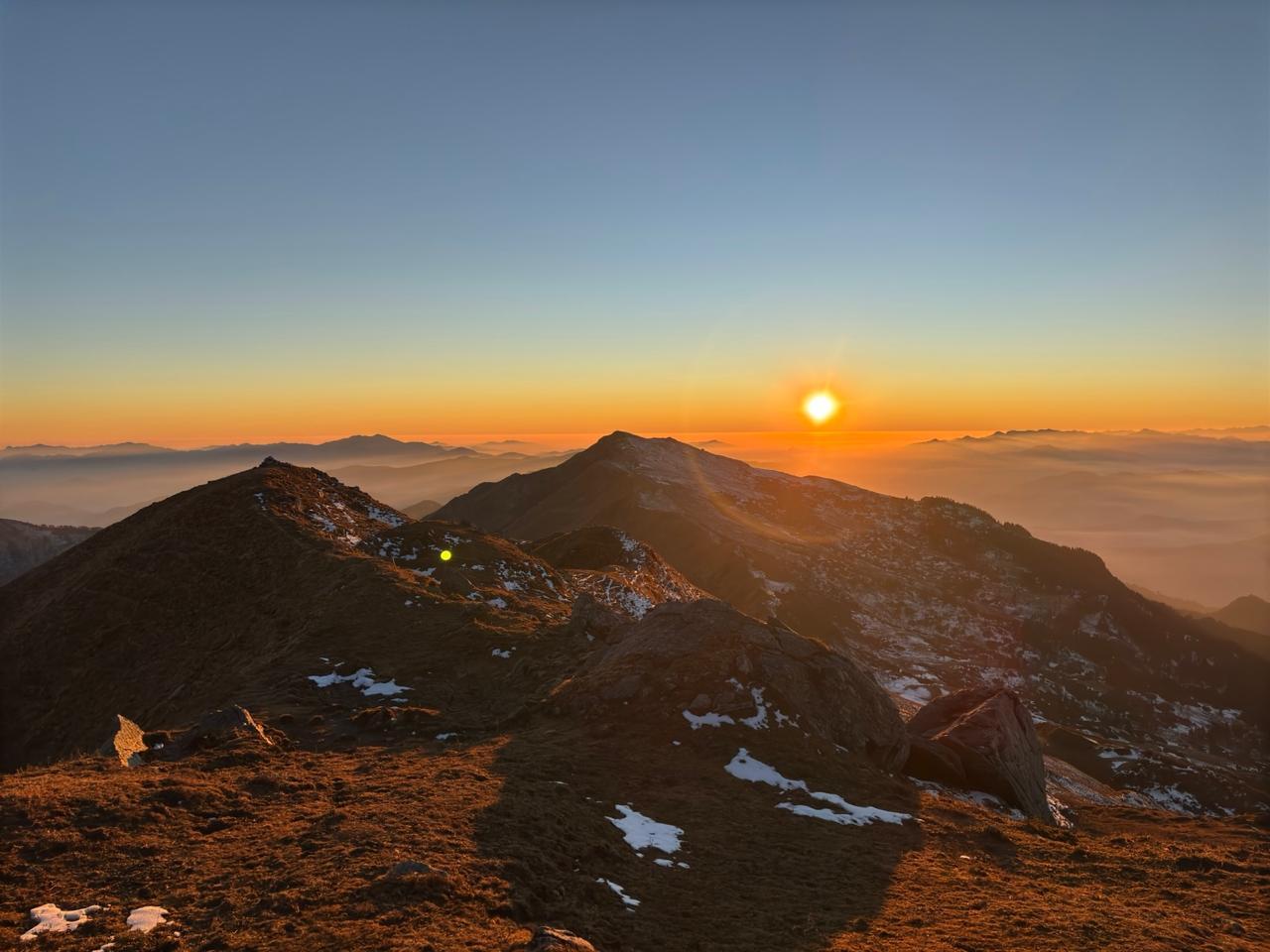
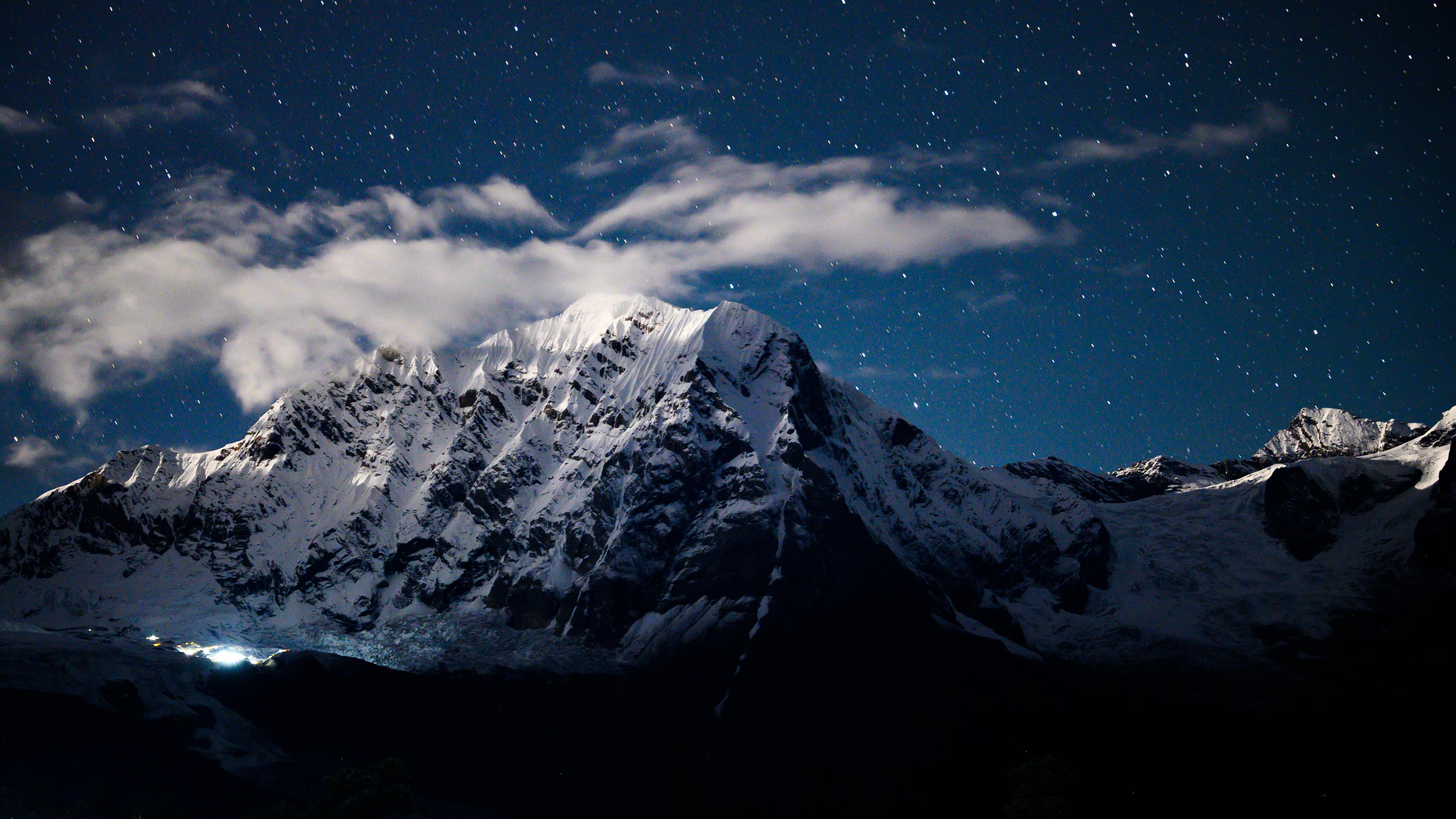
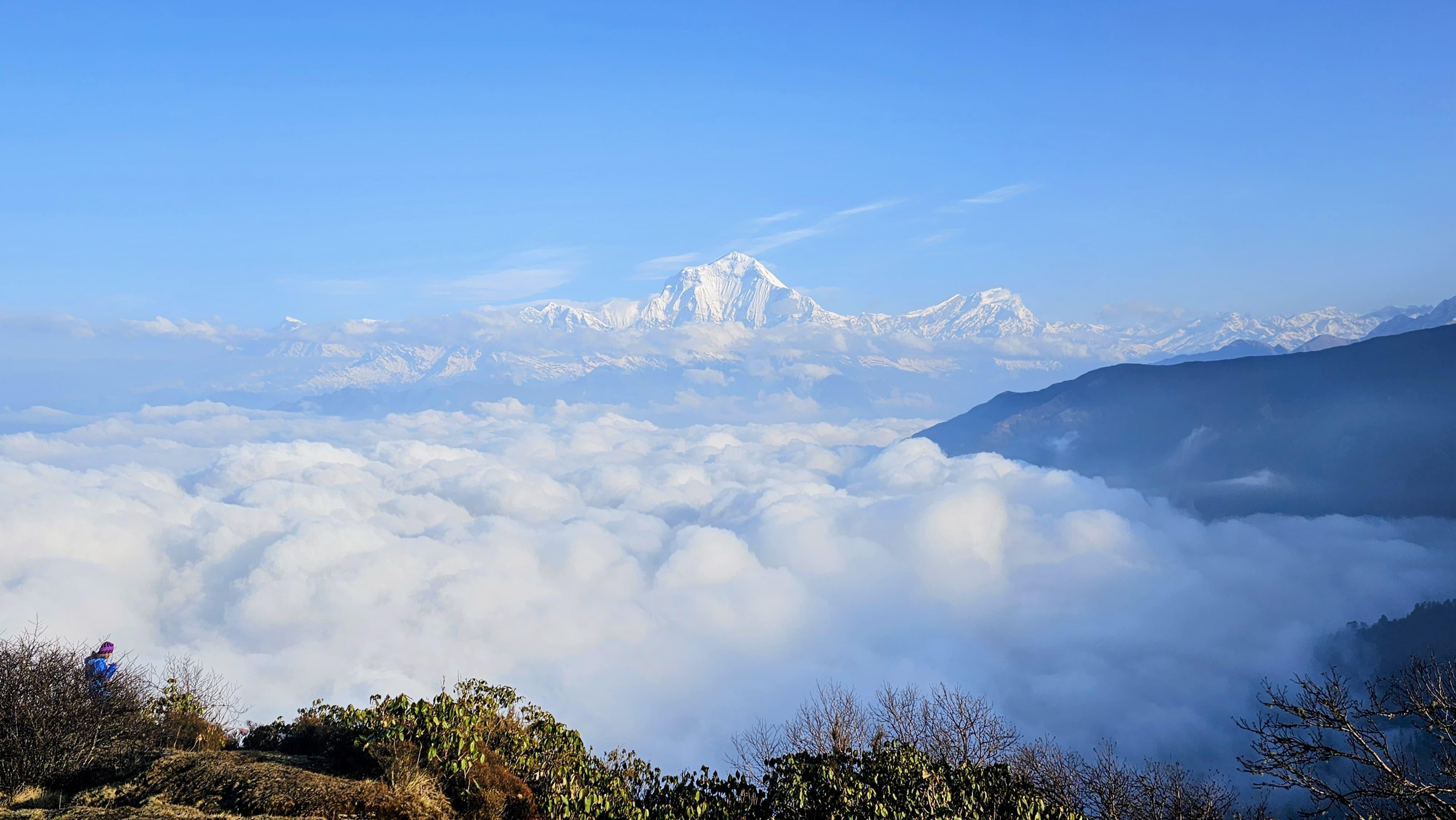
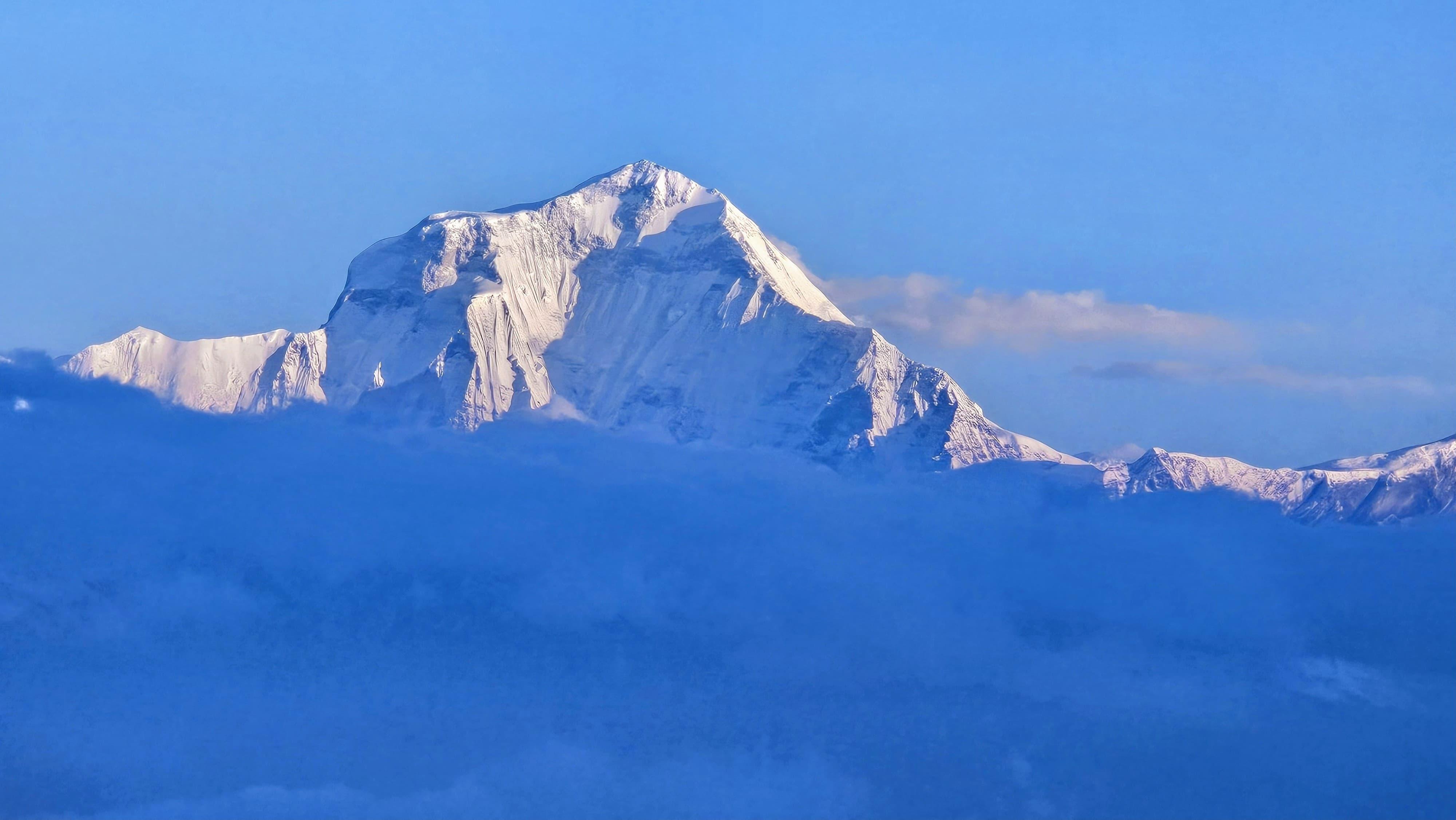
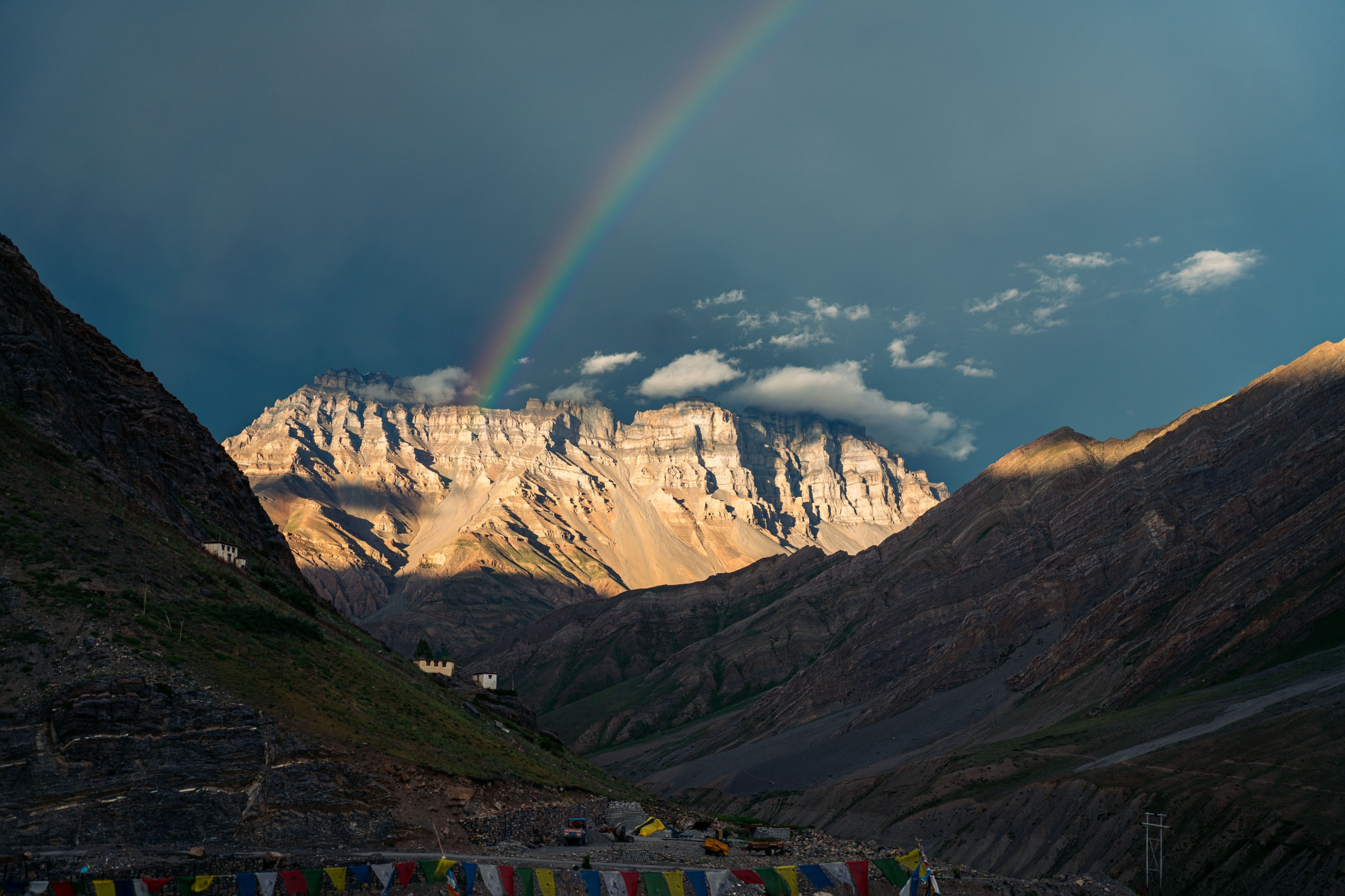
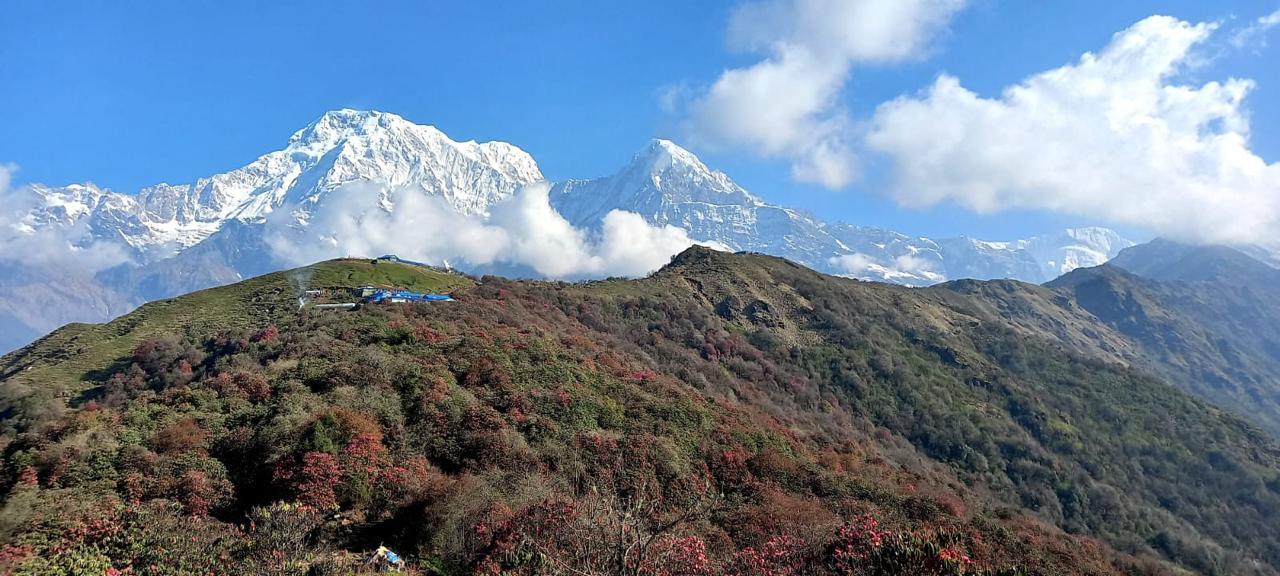
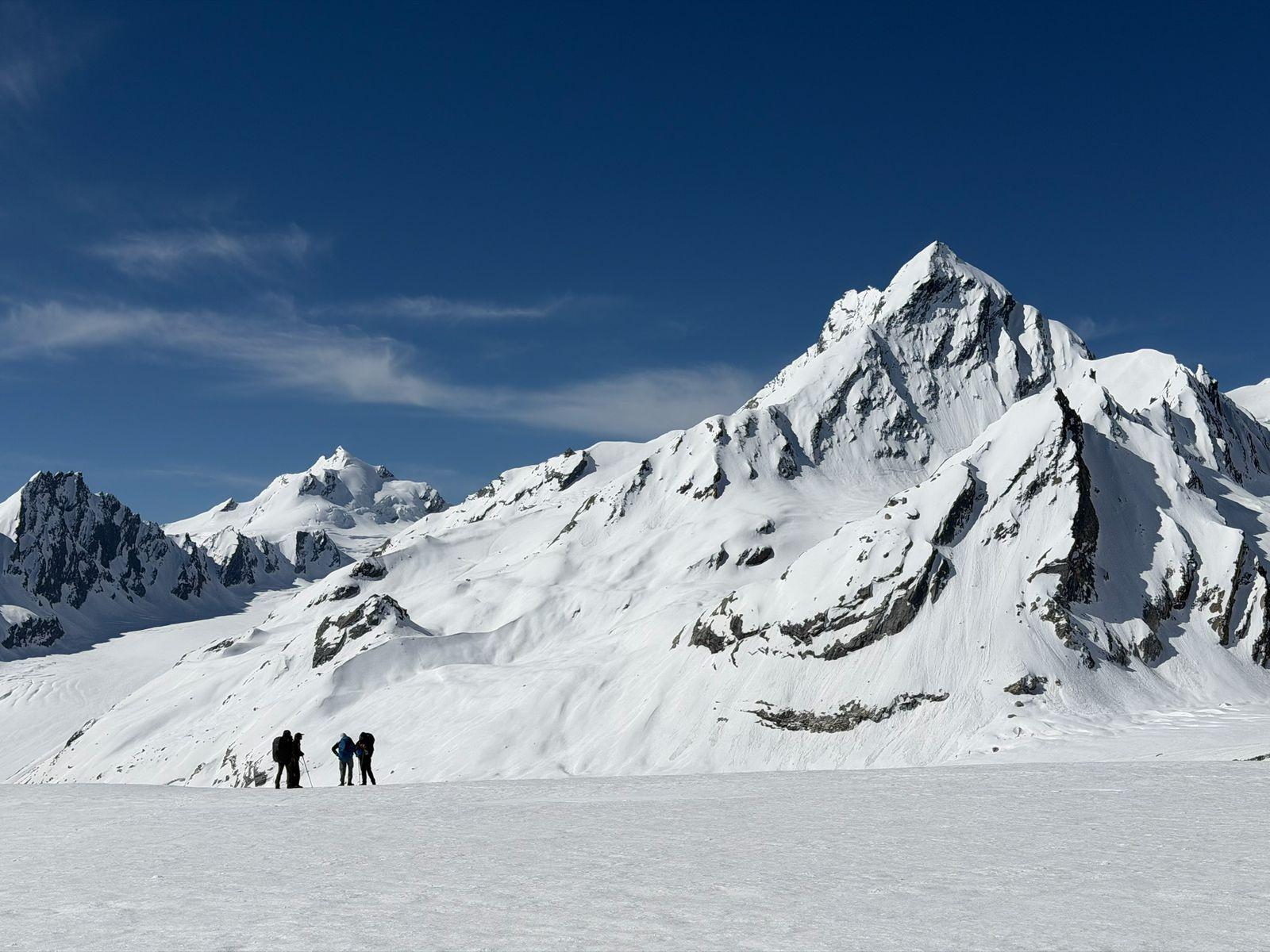
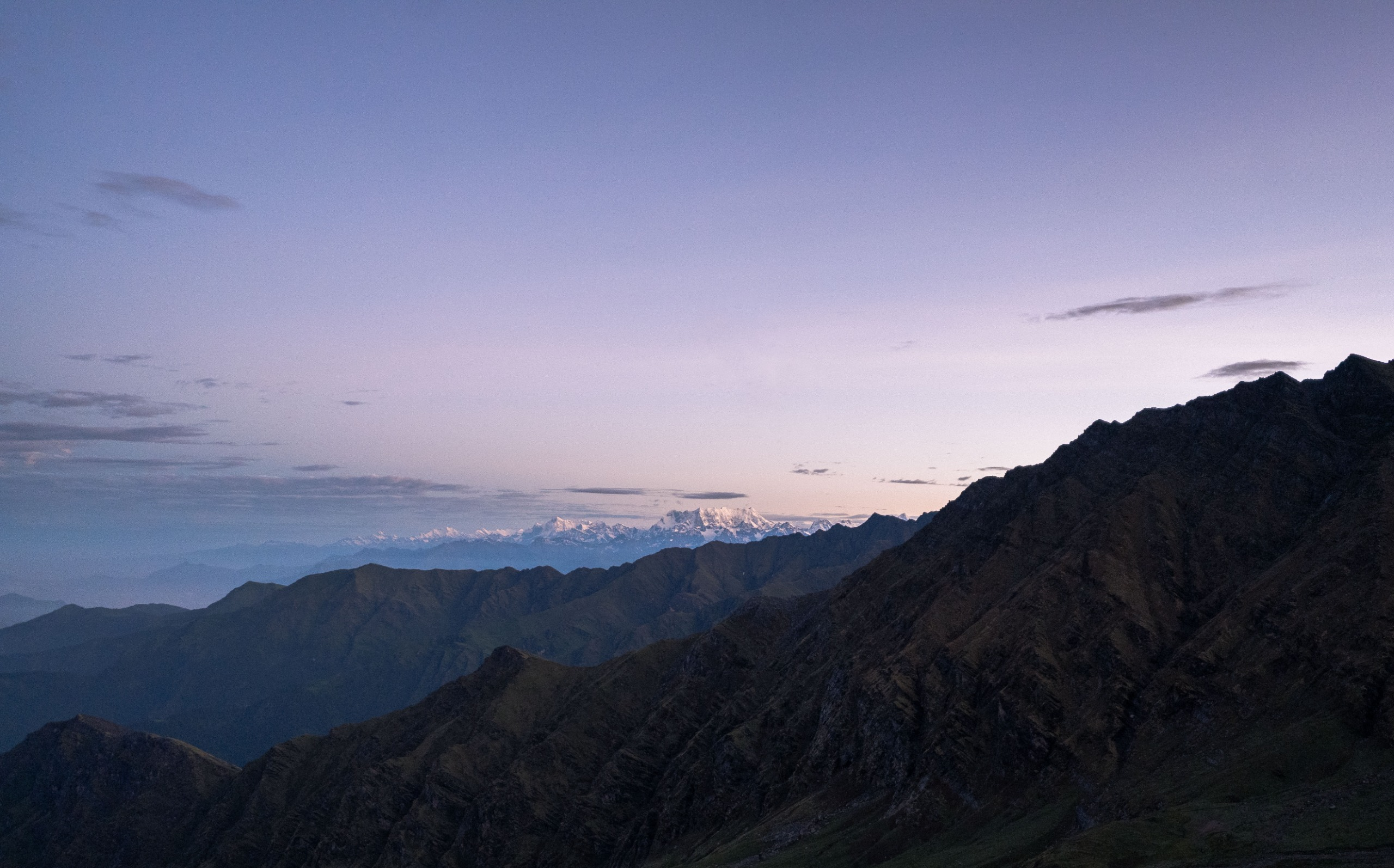
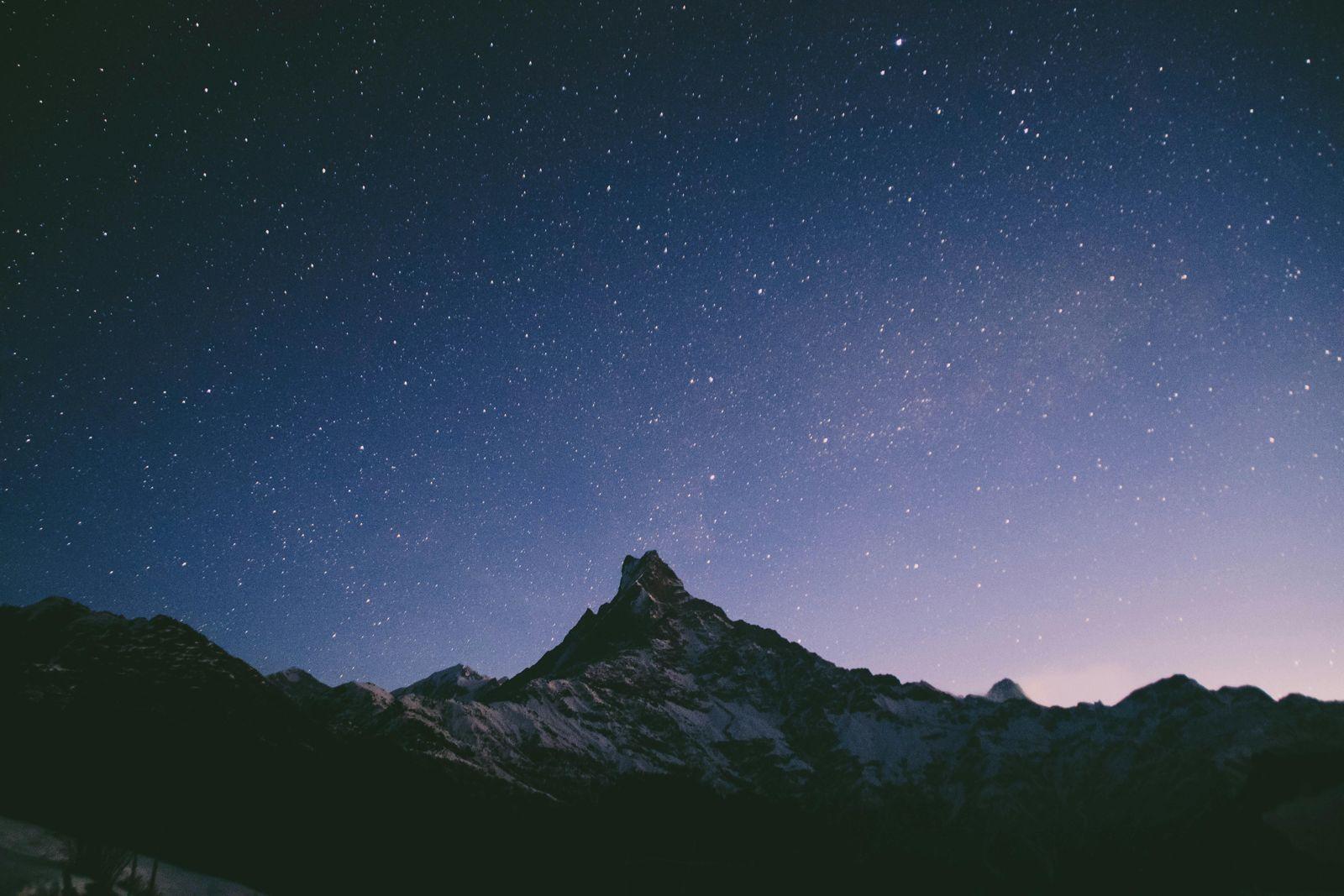
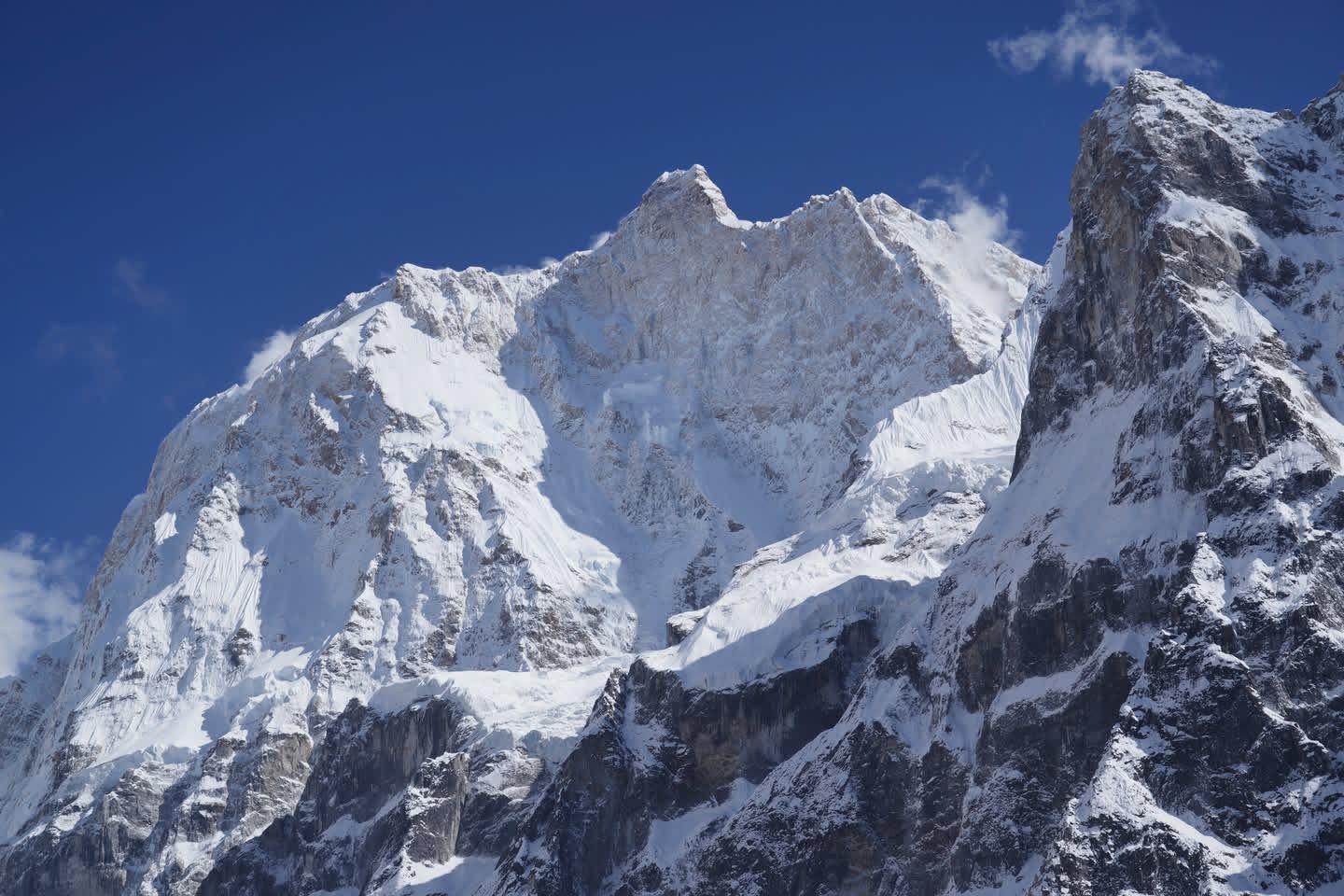
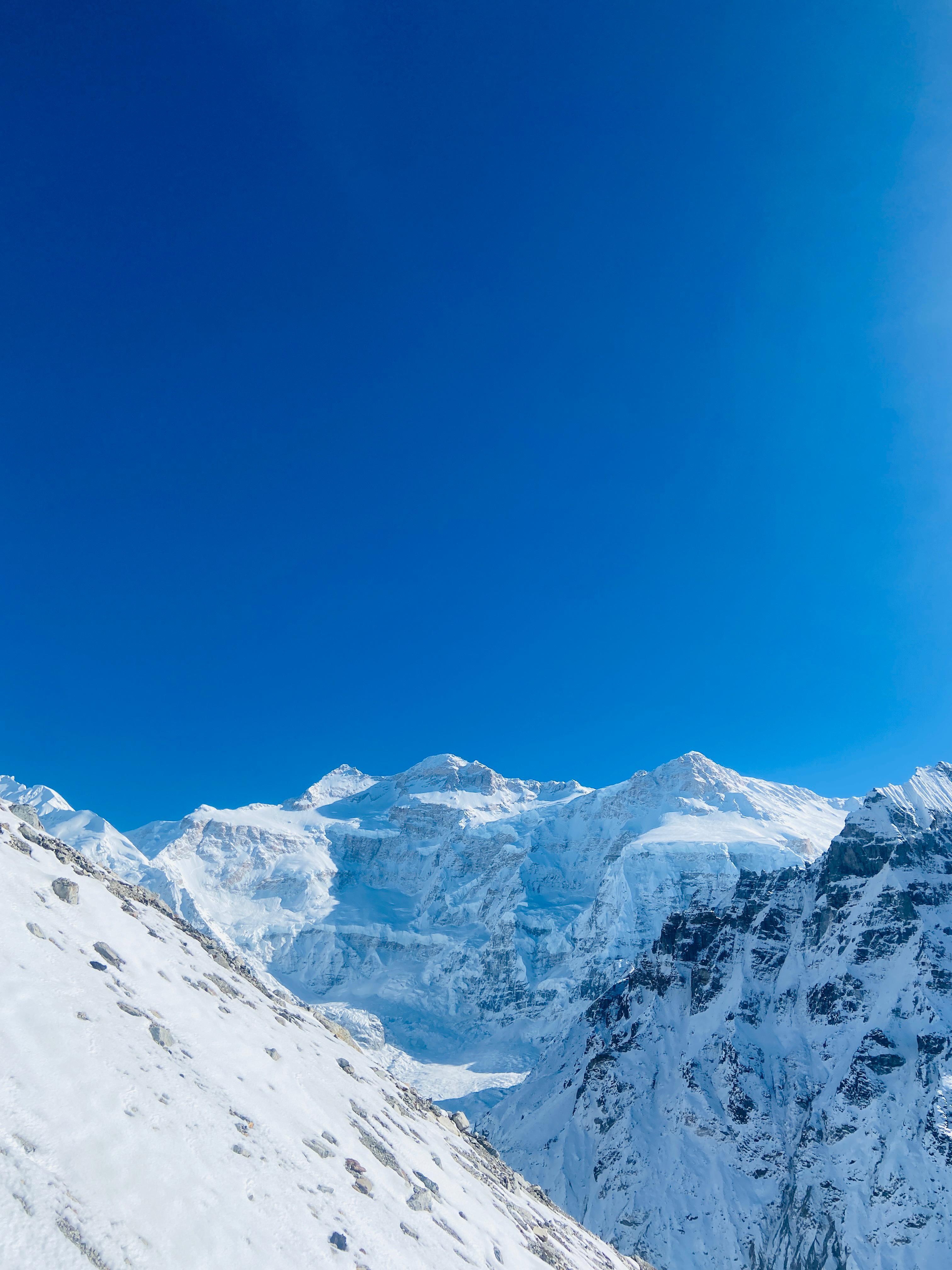
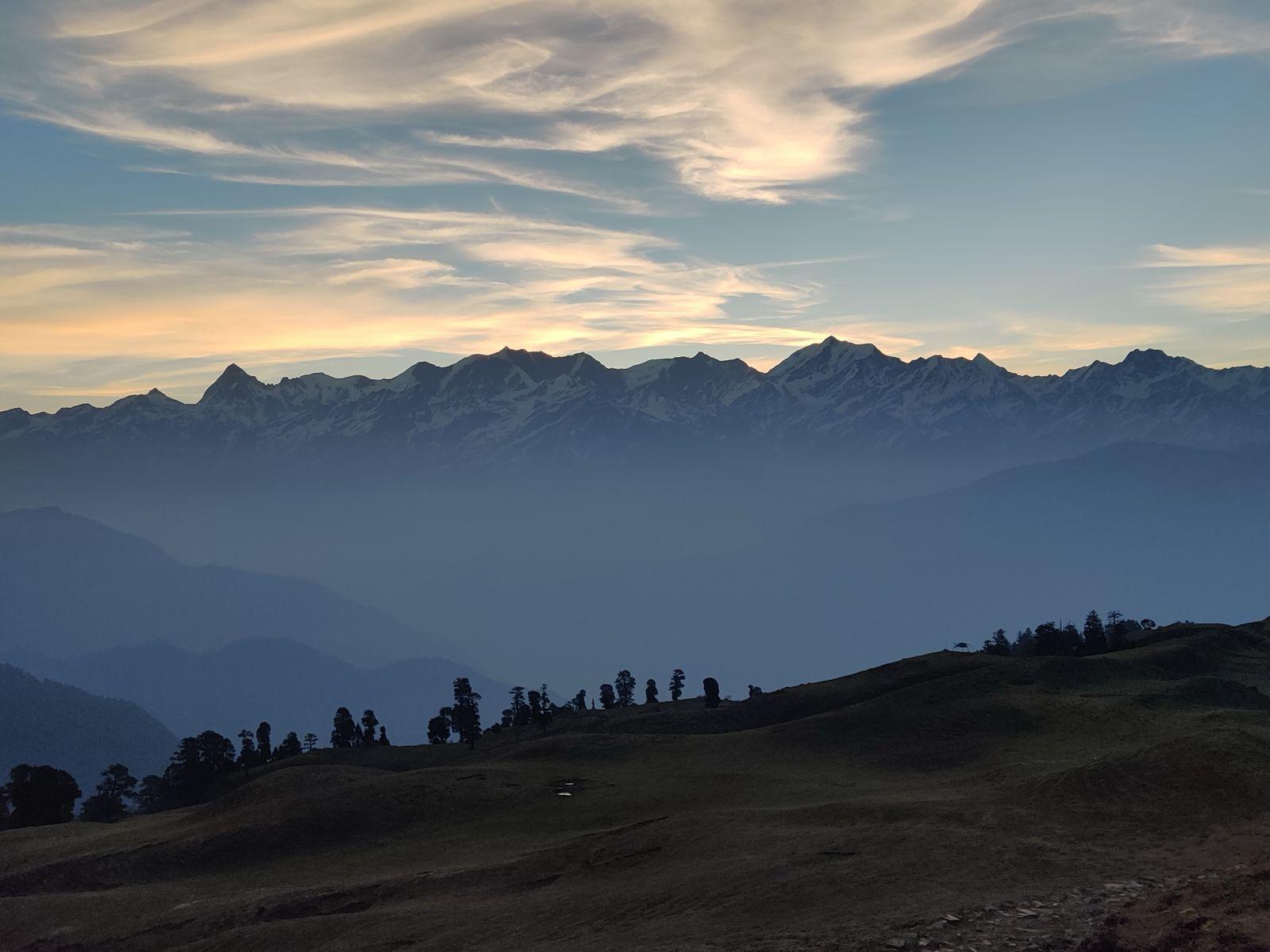
Swargarohini, Bandarpoonch, Kedarnath–Gangotri peaks, and more. On clear winter mornings or crisp autumn dawns, the vistas are striking, every peak etched against fiery dawn light or warm sunset hues.
This trek isn’t about adrenaline or technical climbs. It is about silence, reflection, and reconnection, with mountains, with nature, and with one’s inner self. It's easy–a moderate rating and manageable duration make it a perfect gateway into Himalayan backpacking, for those who want breathtaking views without an overwhelming challenge. For those who seek solace, serenity, and snow-tipped peaks, the Aancha Top Trek offers just the right blend: challenge mild enough to enjoy, and reward grand enough to remember.
Day 1
Drive from Dehradun to Ranachatti
Drive distance: ~180 km
Driving time: 7–8 hours
Elevation Profile: 2,100 ft / 640 m → 6,600 ft / 2,010 m
Your journey begins with winding roads through Mussoorie and Uttarakhand’s lower hills. As the vehicle climbs, pine-framed valleys and terraced villages unfurl.
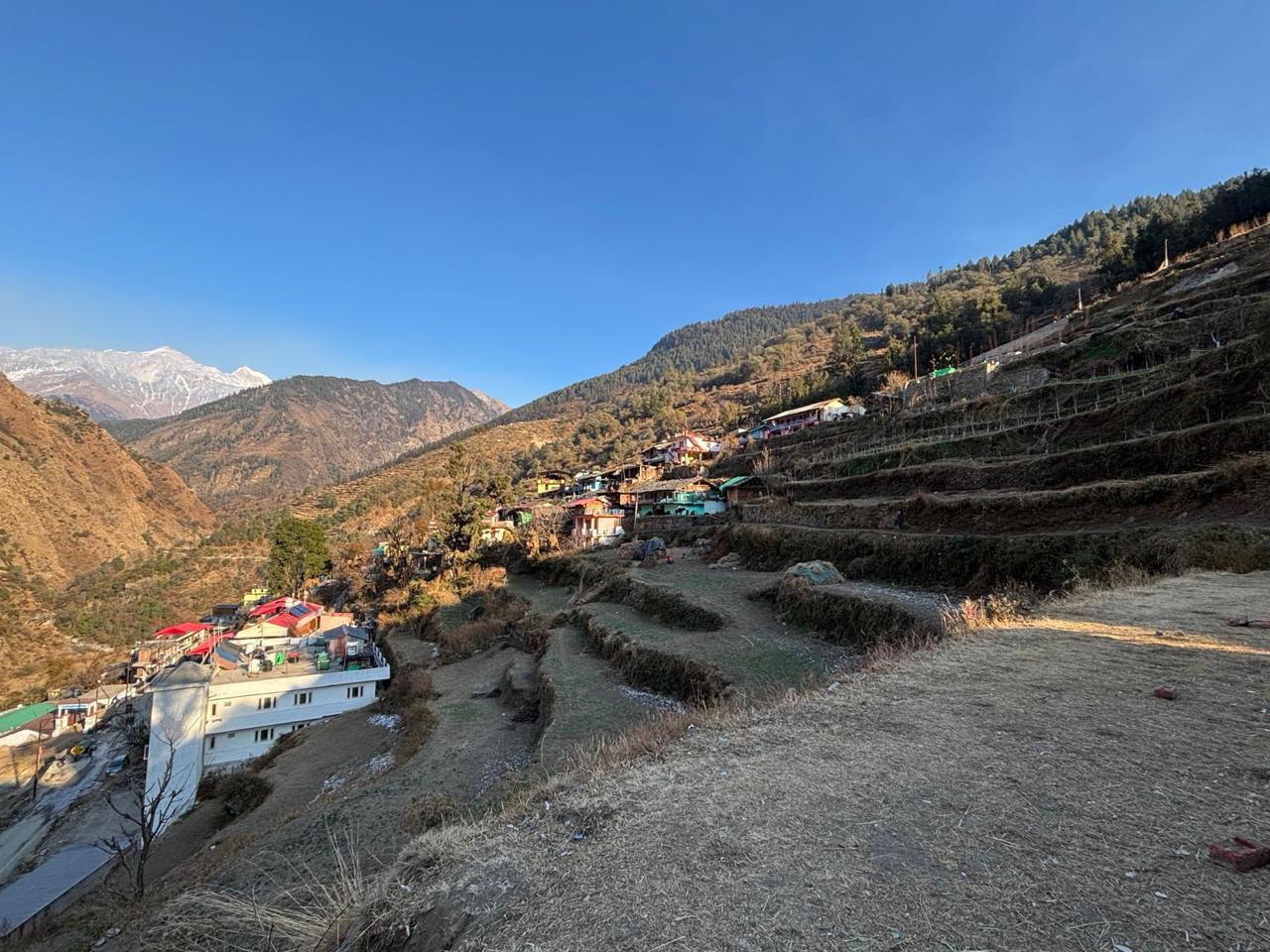
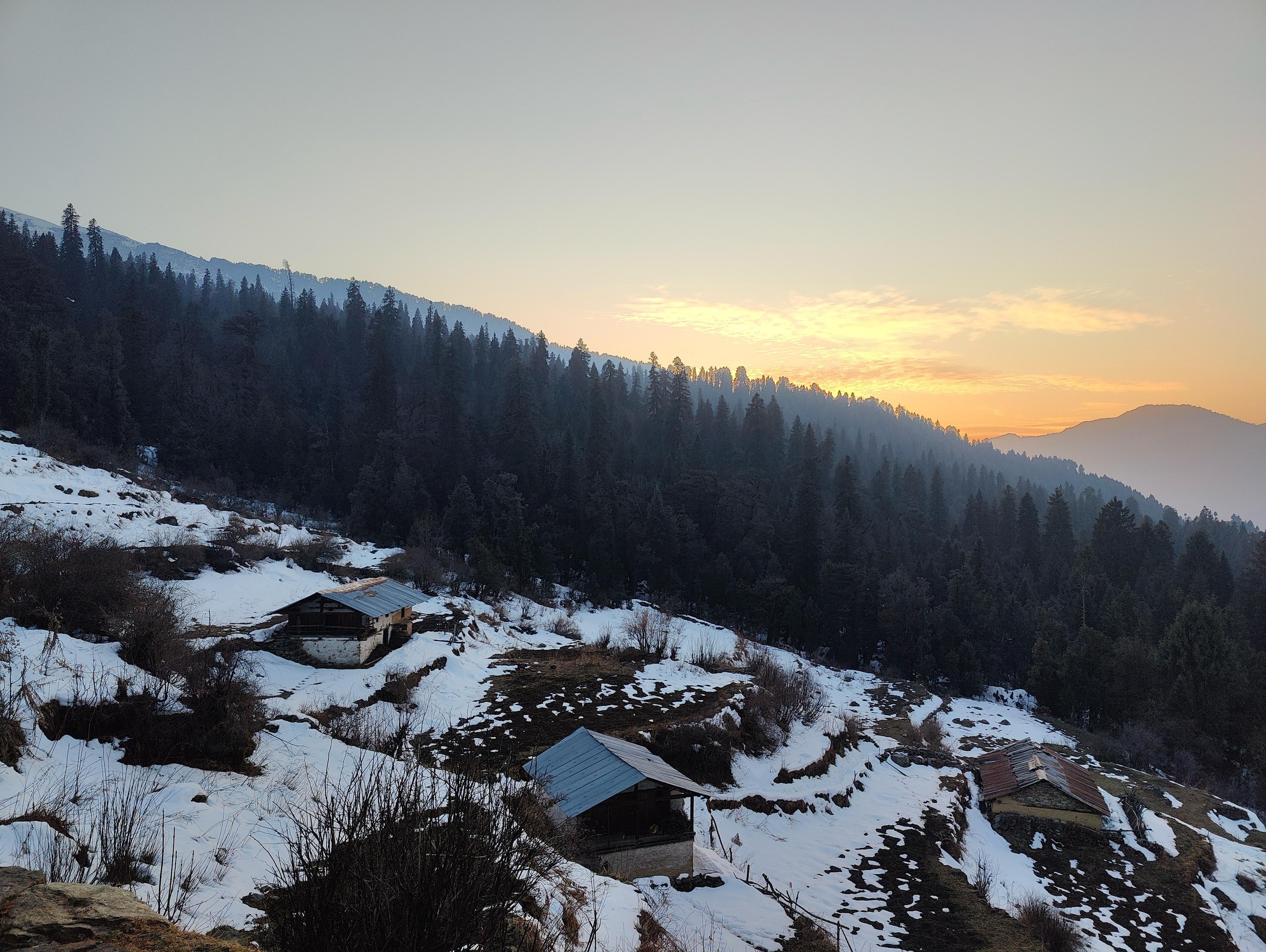
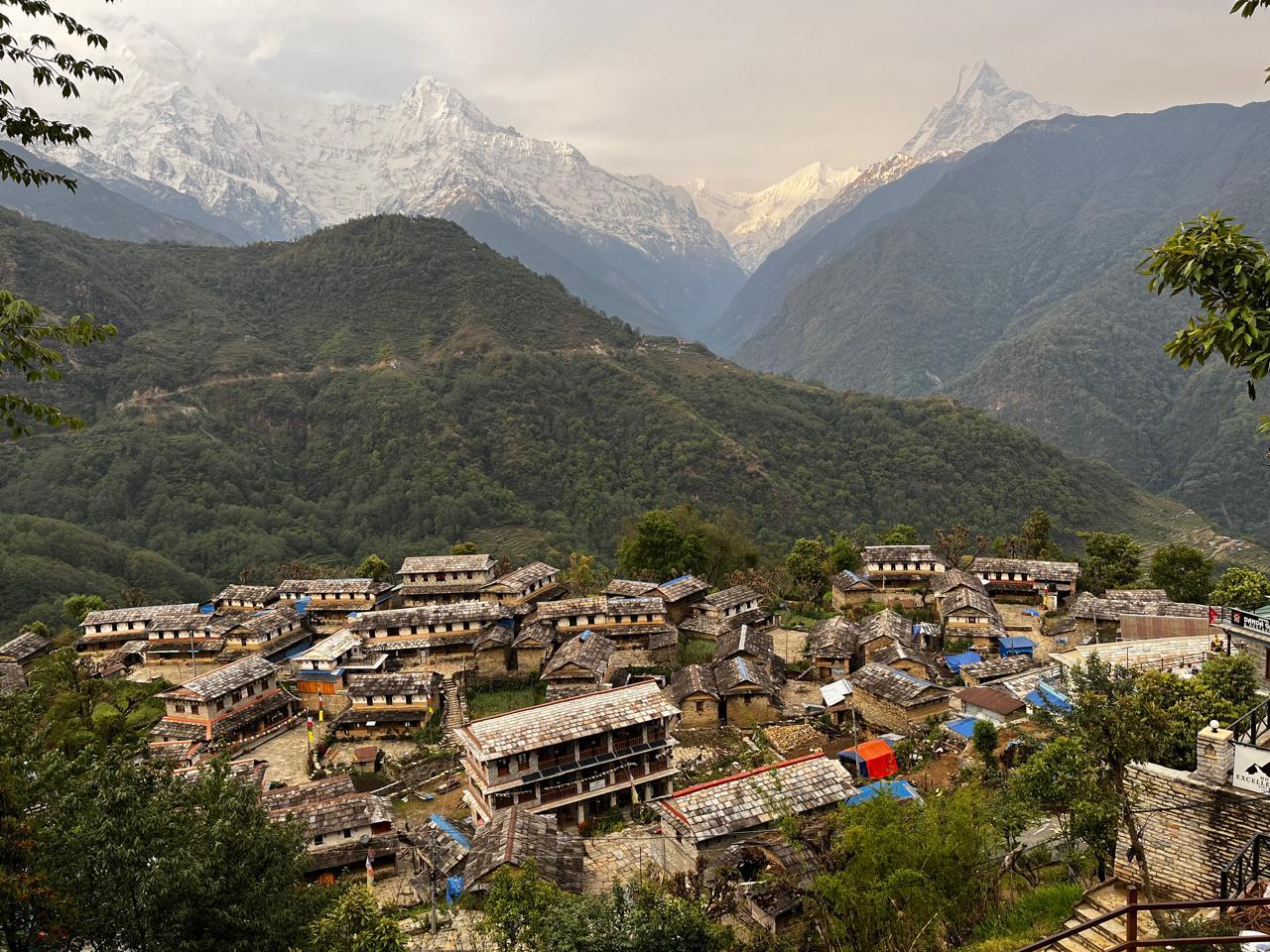
The air gradually takes on a crispness, a hint of what’s to come. By late afternoon, Ranachatti emerges: a small village with humble homestays, wooden houses, gentle stream sounds, and soft mountain light.
Evening feels slow, contemplative, a chance to step out, stretch, acclimatise, and absorb the quiet before the trek begins.
Day 2
Trek from Ranachatti to Bamsingh
Trek Distance: 4 km
Elevation Profile: 6,600 ft / 2,010 m → 8,500 ft / 2,590 m
A gentle forest-trail walk opens the trek. The trail meanders through oak and pine, leaf-litter crunches under boots, and sunlight dapples through branches. The scent of pine resin, occasional birdcalls, distant mountain streams, everything invites ease.
As the forest gives way to open patches, the first views of grassy slopes and distant ridges appear. Bamsingh campsite, with its quiet water source and pine surroundings, becomes your first night under canvas, simple, humbling, full of expectation
Day 3
Trek from Bamsingh to Dinala
Trek Distance: 4 km
Elevation Profile: 8,500 ft / 2,590 m → 10,200 ft / 3,110 m
The trail enters deeper forest patches; after a stretch of forest, crossing a clear stream (sometimes icy cold) brings a welcome freshness. The surroundings feel quieter, and the thinner air begins to remind you of altitude.
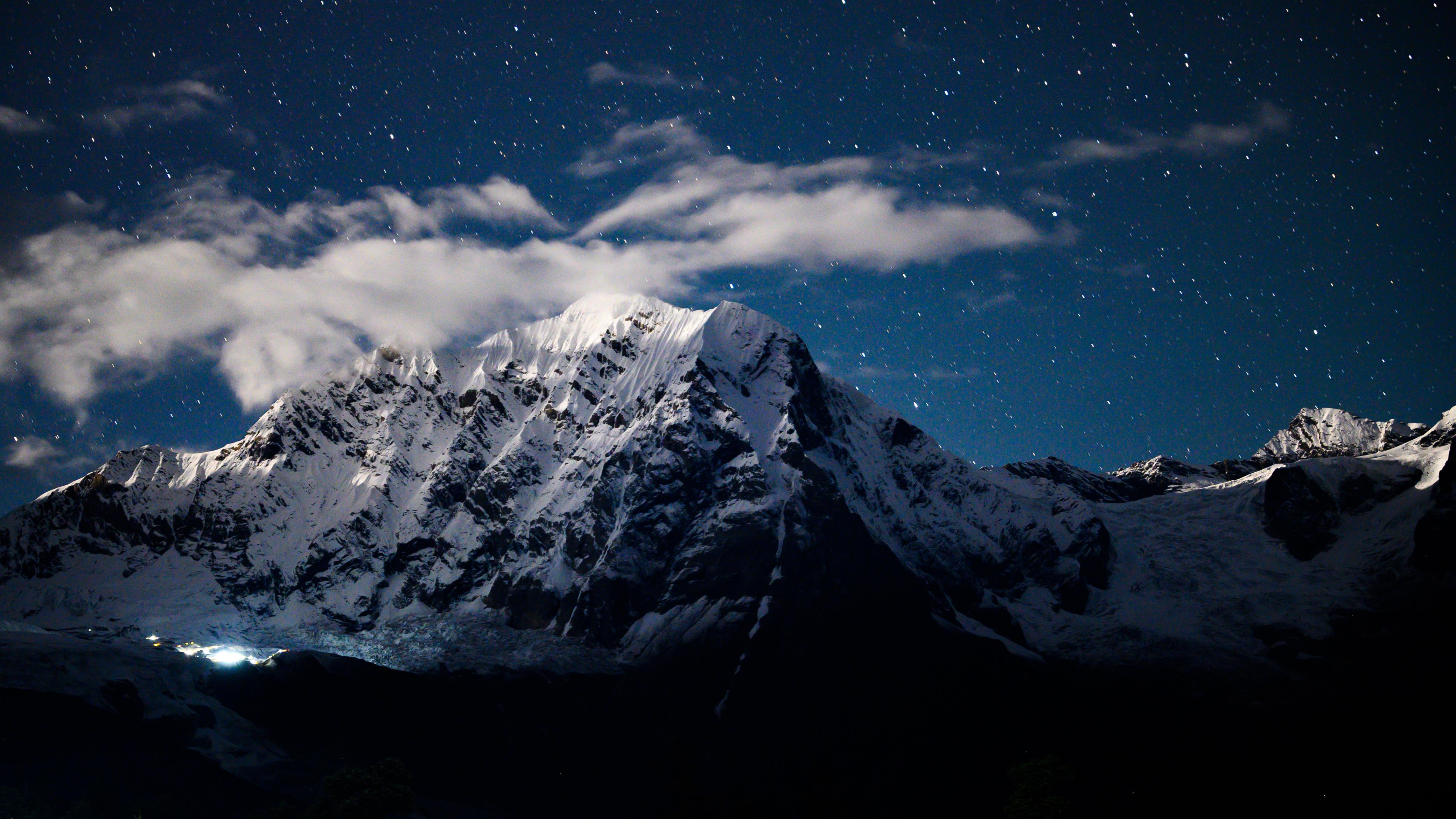
Approaching Dinnala, the forest loosens, shrubs and rhododendrons peek through, and you catch the first glimpses of distant snow-clad peaks on the horizon. Arriving at camp, afternoon light stretches long, mountains glow, and there’s a gentle hush around, perfect for resting, savouring tea, and counting stars as darkness falls.
Day 4
Trek from Dinala to Aancha Camp via Aancha Top
Trek Distance: 8 km
Elevation Profile (up to summit): 10,200 ft / 3,110 m → 12,100 ft / 3,690 m
Elevation Profile (descent to camp): 12,100 ft / 3,690 m → 10,500 ft / 3,200 m
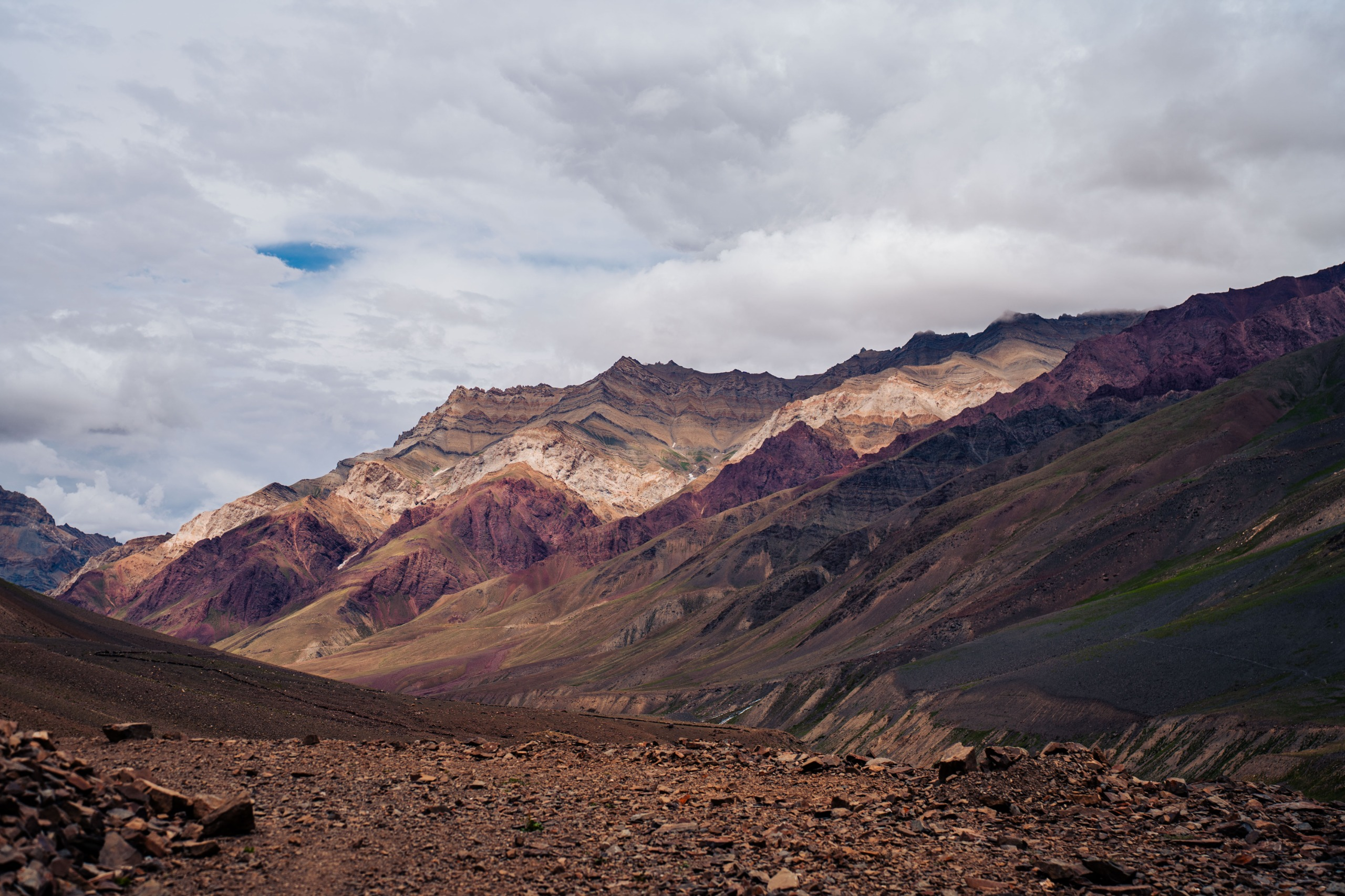
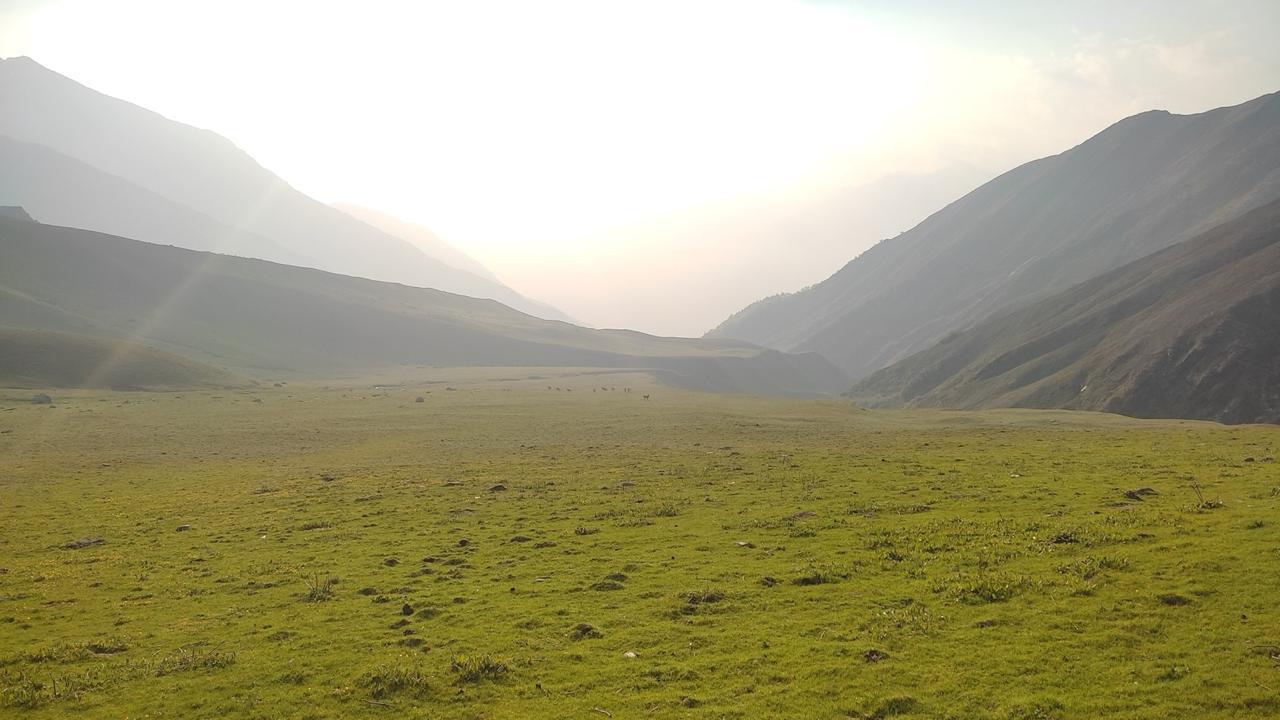
Sunrise wakes you to crisp air, soft golden light just touching distant peaks. The trail leaves trees behind; meadows unfold gradually, sprinkled with alpine bushes and stones.
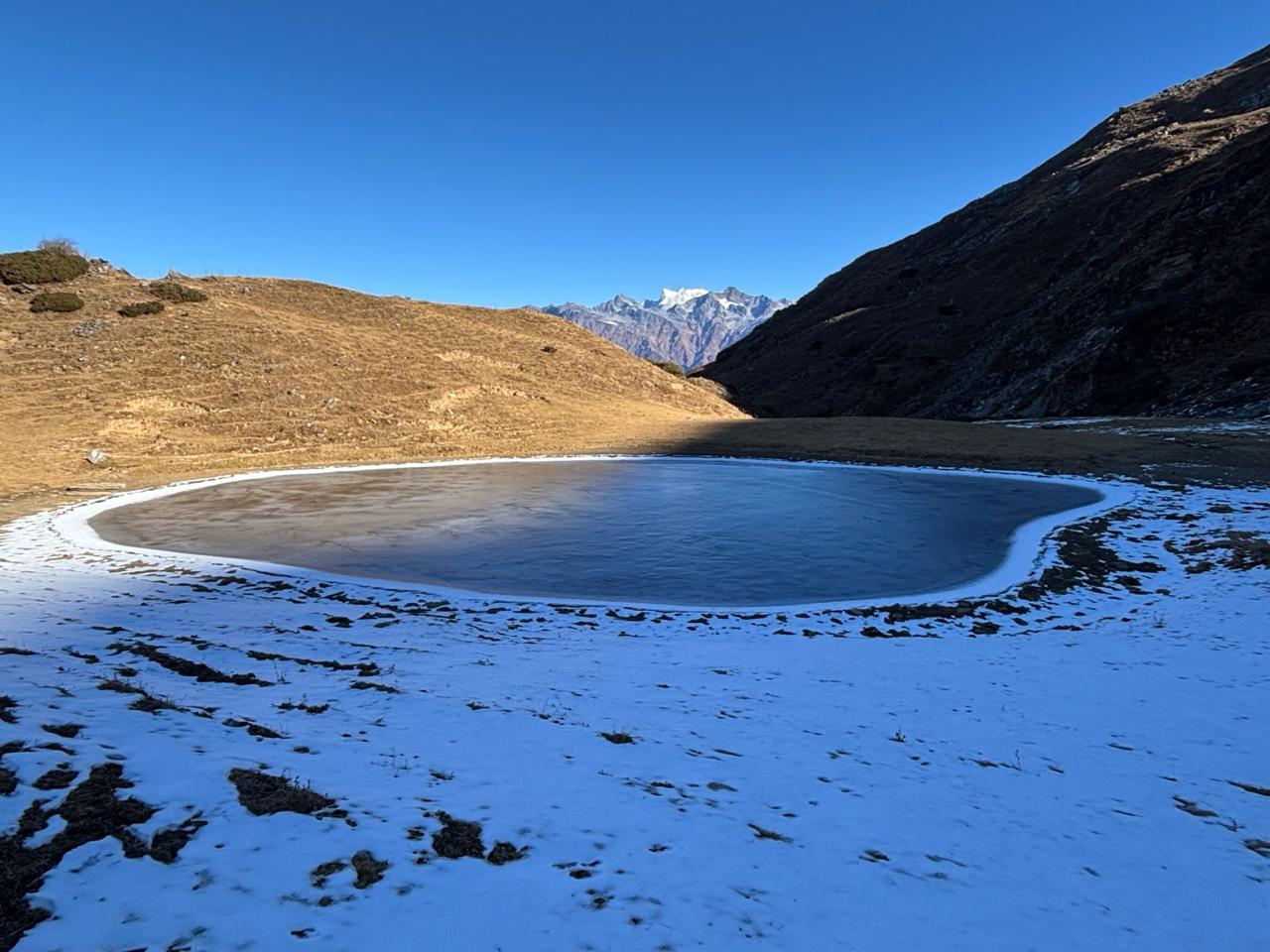
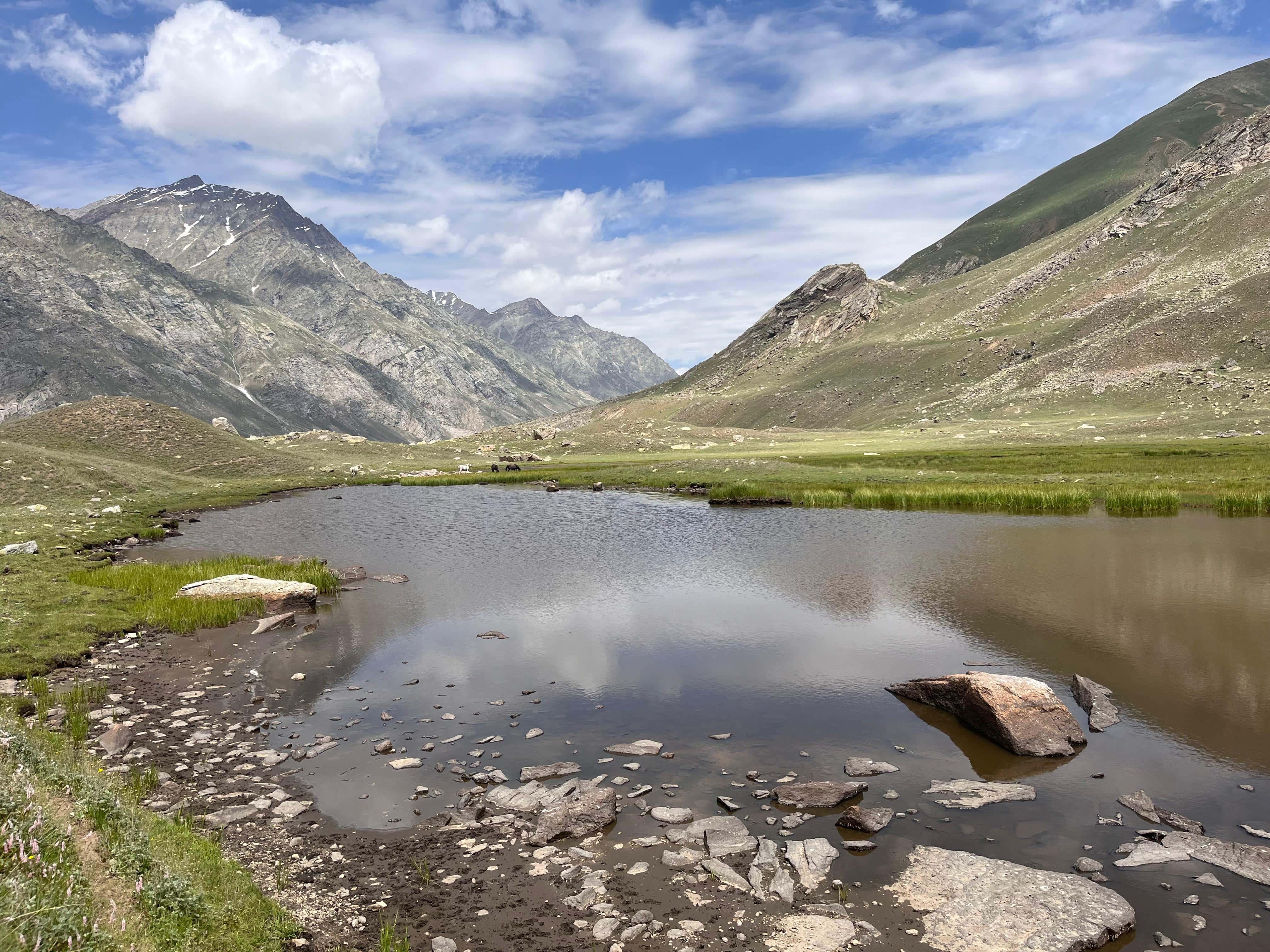
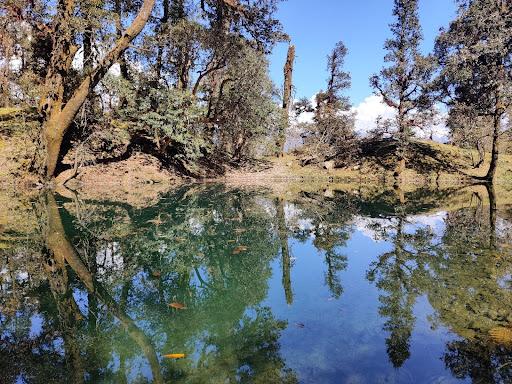
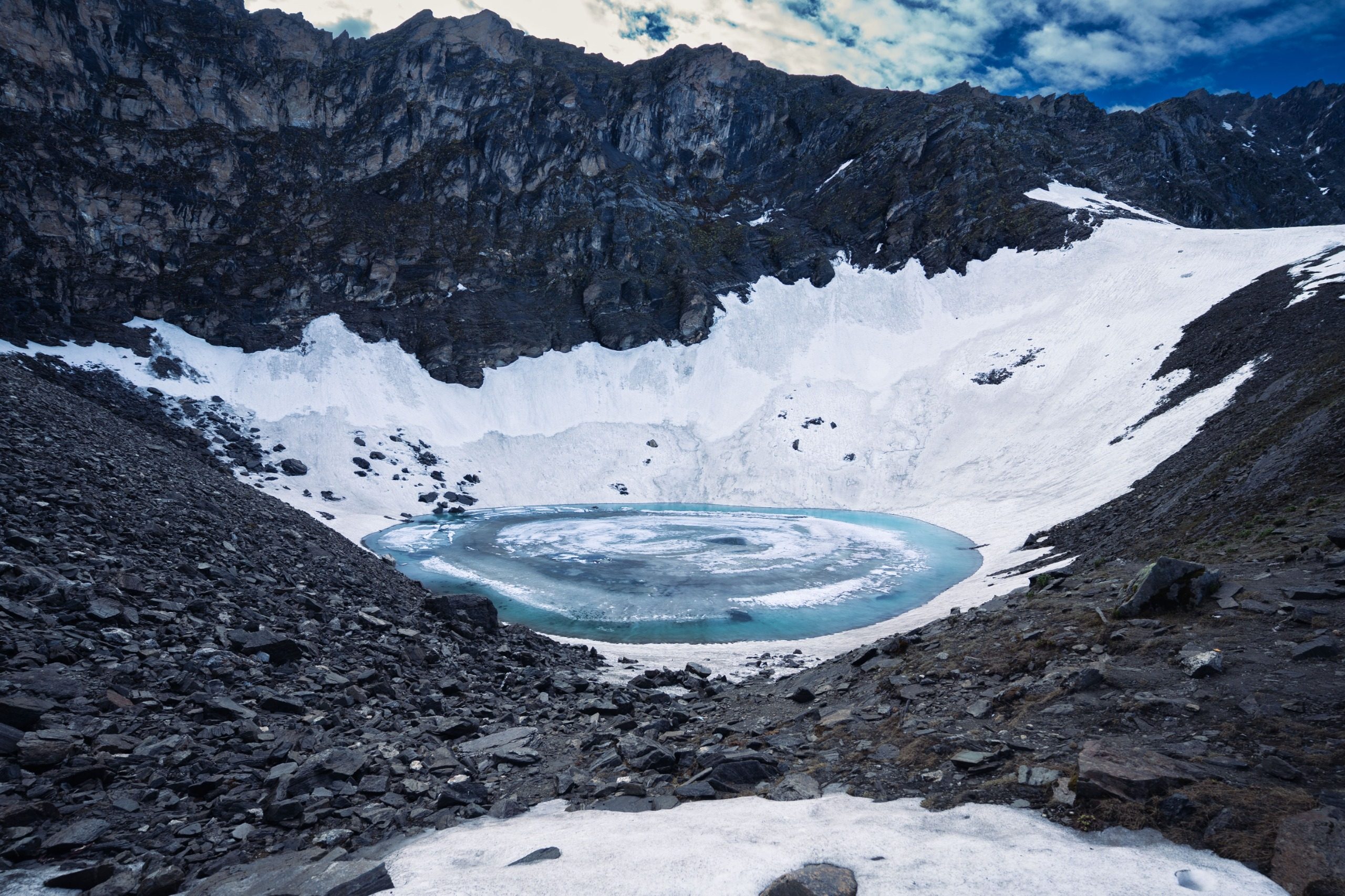
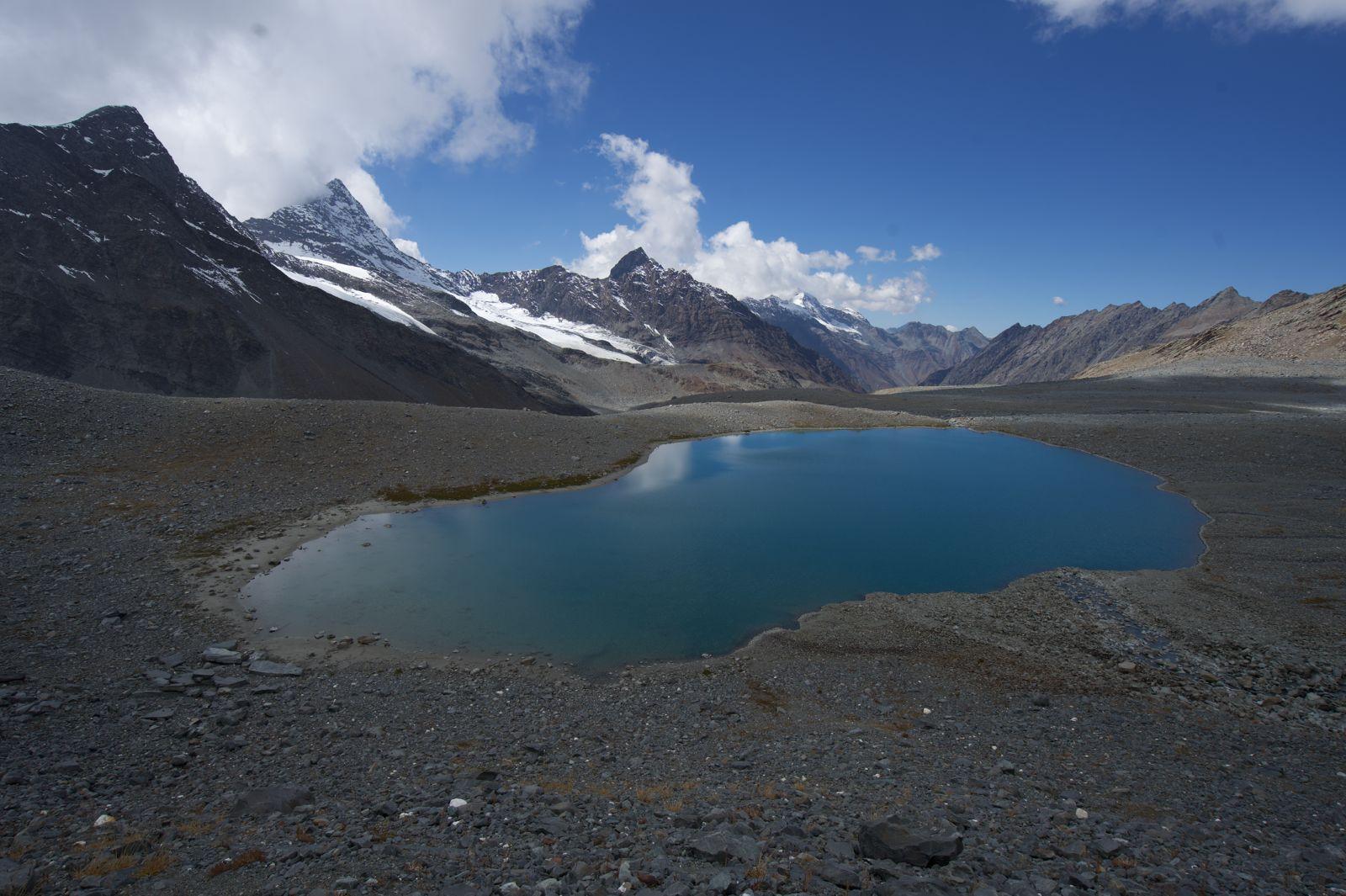
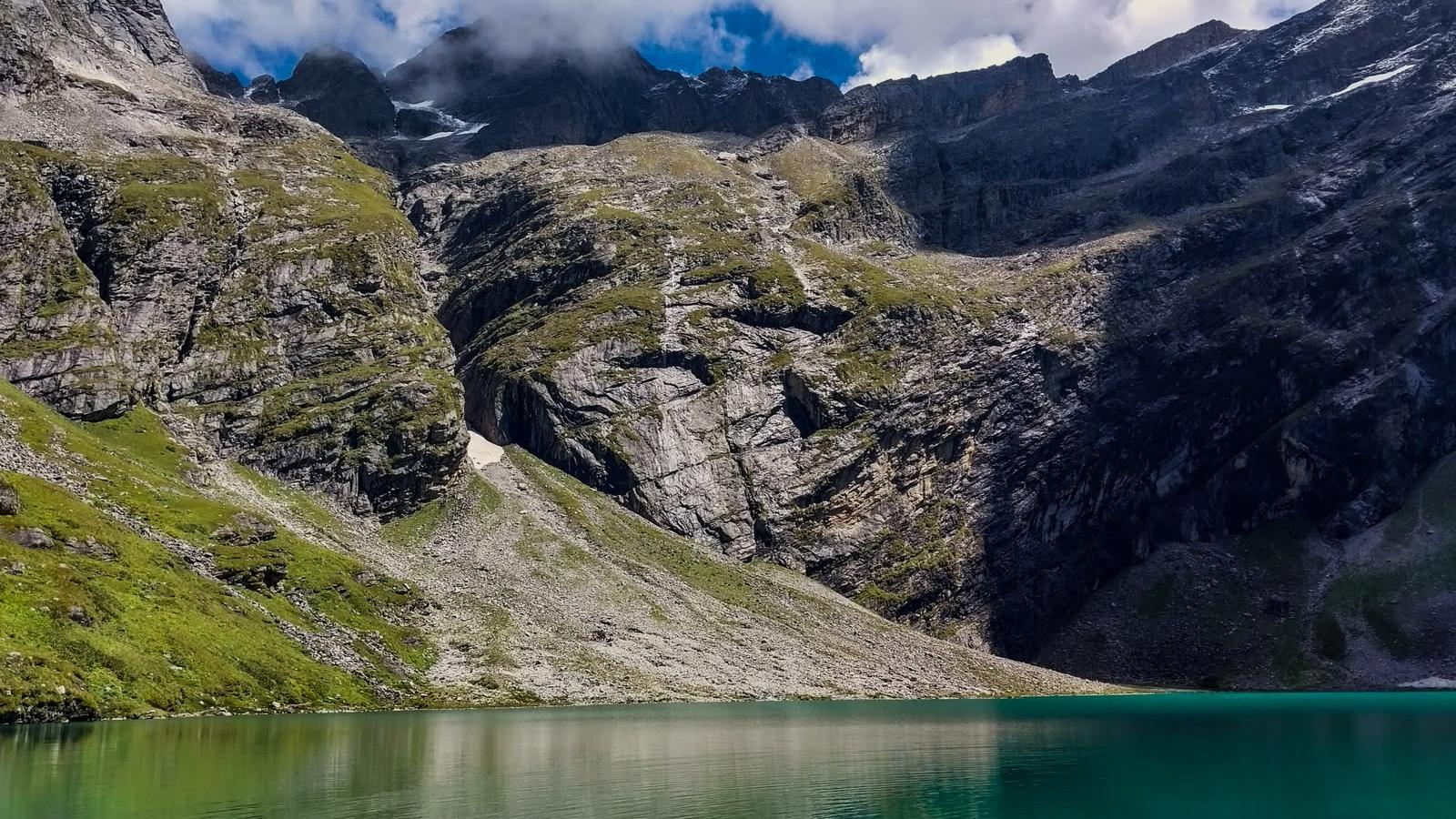
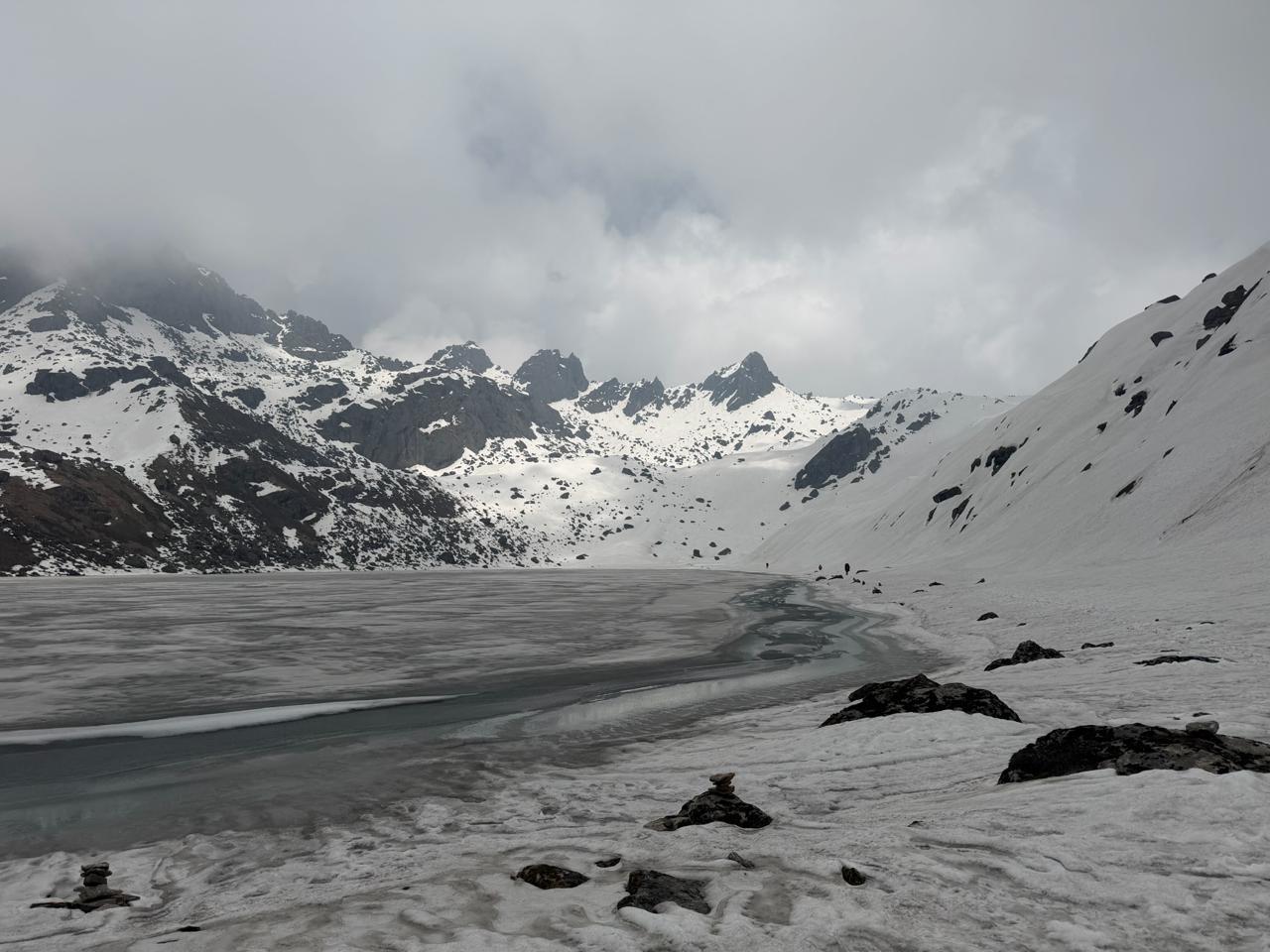
A small glacial lake (or high-altitude tarn) reflects peaks, an early reward. As you climb further, ridge-lines sharpen, wind picks up, and every step feels like part of an ancient journey.
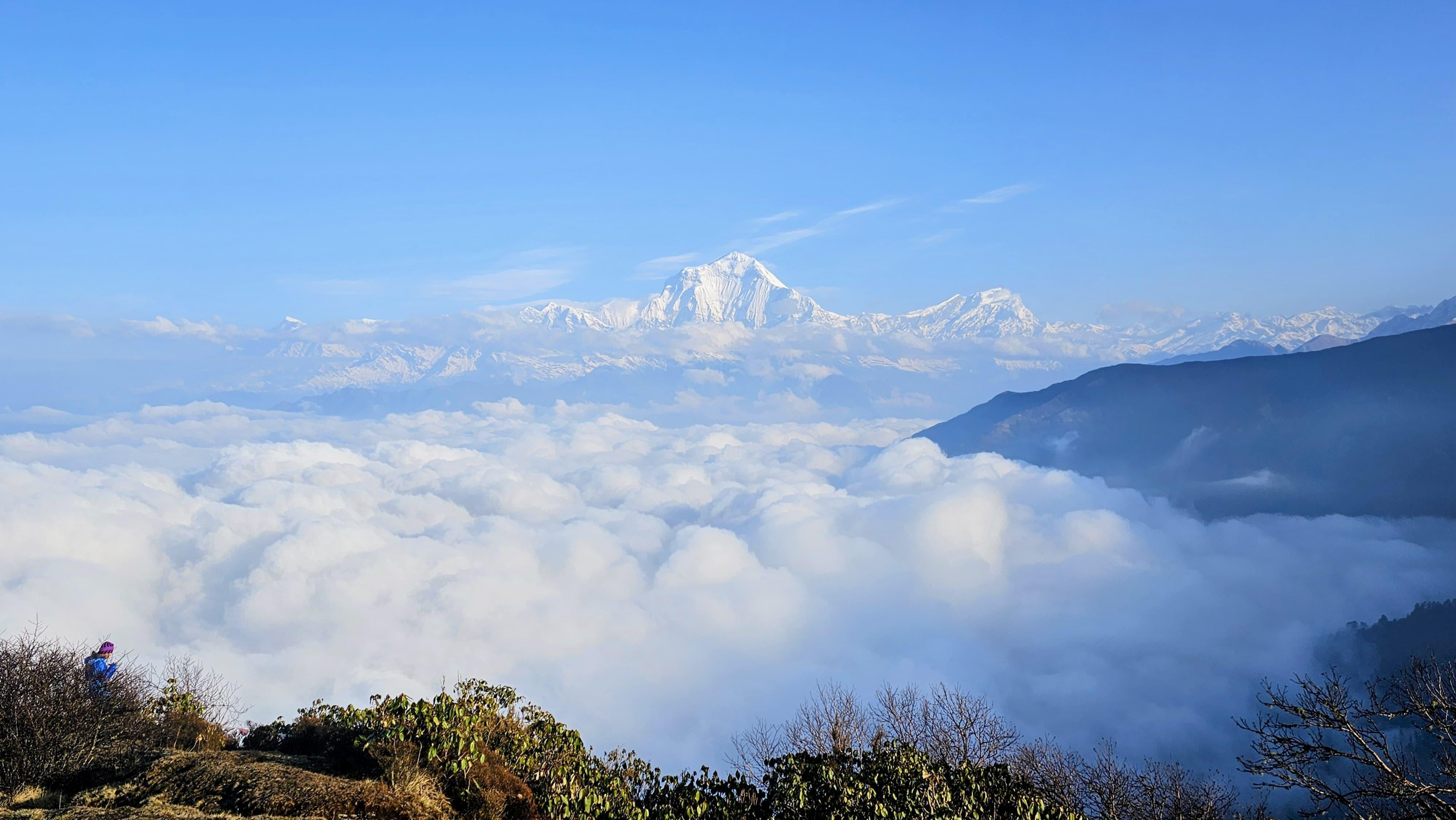
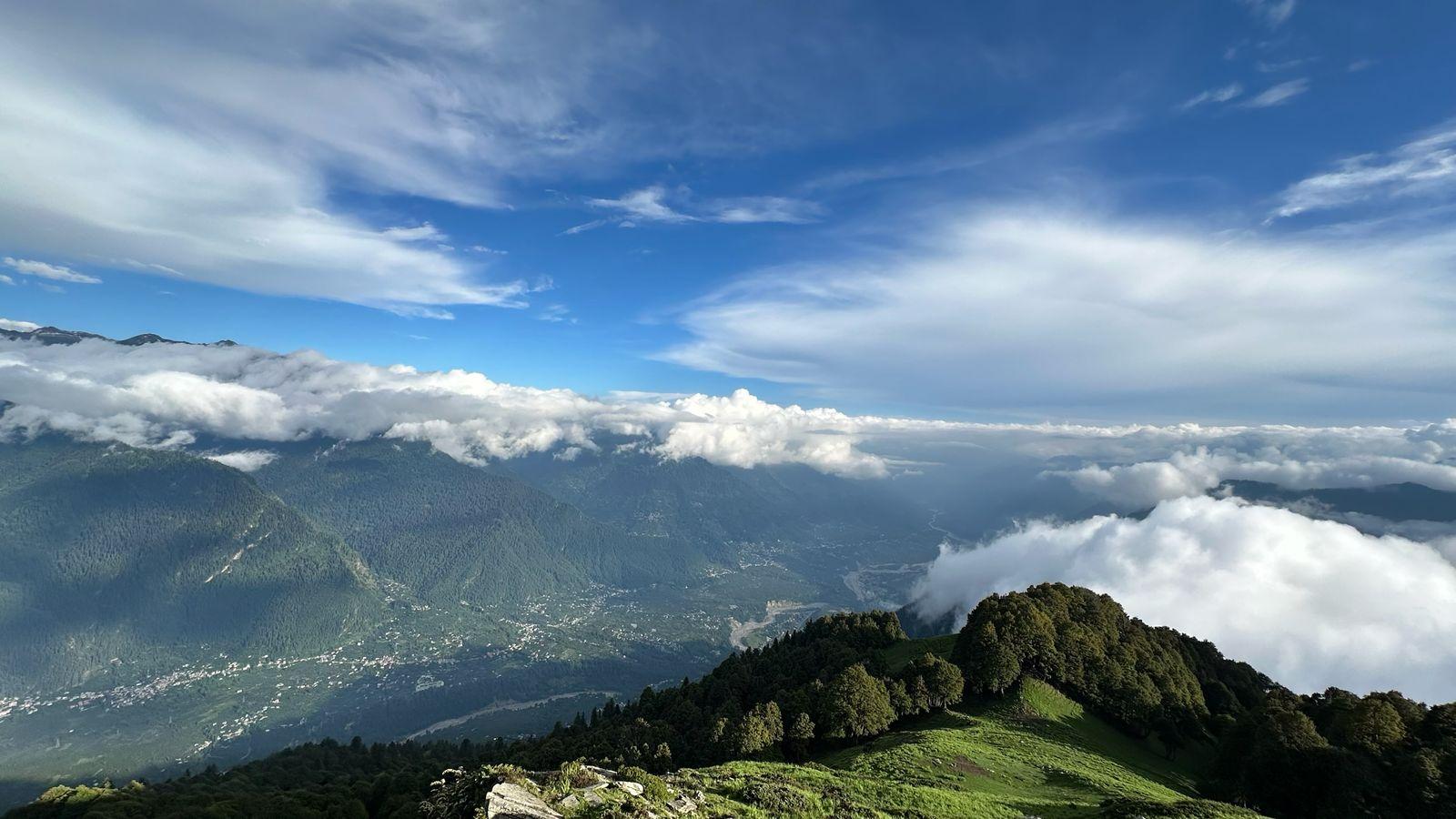
At the summit, Aancha Top, the panorama is breathtaking. One side reveals green valleys and bugyals; the other, towering Himalayan giants etched against the sky.
Mountains like Swargarohini, Bandarpoonch, the Gangotri and Kedarnath massifs stretch across the horizon, silent, timeless, majestic. The descent to Aancha Camp brings calm again: soft ground underfoot, distant birds, and the mountain-shadow shifting as the sun moves. Campfire, cold air, clear skies, the night feels alive and infinite.
Day 5
Trek from Aancha Camp to Ranachatti
Trek Distance: ~ 6 km
Elevation Profile: 10,500 ft / 3,200 m → 6,600 ft / 2,010 m
Walking down feels gentle at first, alpine meadows giving way to shrubs, then forest; snow or frost giving way to earth and pine needles. As altitude lowers, window views of peaks remain, but the atmosphere softens.
The forest feels alive: rustling leaves, birds, distant village sounds. By afternoon, Ranachatti reappears, familiar houses, hearth smoke, local warmth. The trek ends, but the memories stick: of ridgelines, of summit silence, of soft meadows, of crisp Himalayan air.
Day 6
Drive from Ranachatti to Dehradun
Drive distance: ~180 km (7–8 hours)
Elevation Profile: 6,600 ft / 2,010 m → 2,100 ft / 640 m
After breakfast and packing up, depart from Ranachatti towards Dehradun (or onward destination). The descent in altitude brings a return to town rhythms, but with a quiet joy inside. The mountains stay with you.
Minimum Fitness Required
Easy-grade treks are beginner-friendly, but they still demand foundational stamina and consistency.
We follow a scientific approach where we build most of your endurance in Zone 2, a sustainable, conversational pace that strengthens your aerobic base without overexertion.
Minimum fitness benchmarks:
- Walk 8–10 km on gentle terrain without excessive fatigue.
- Climb 8–12 flights of stairs comfortably.
- Maintain 60–90 minutes of Zone 2 movement (brisk walking, cycling, slow jog) without long breaks.
- Comfortable moving on slightly uneven or natural surfaces.
4–6 Week Recommended Aerobic Prep
- 3–4 Zone 2 sessions/week, 40–60 minutes each.
- Focus on durability and consistency, not speed.
This prepares your body to handle steady movement over several hours.
Mobility, Strength & Sports Movement
This section builds all-around movement quality (Essential even on easy trails).
Mobility (10–15 minutes daily)
- Ankles (For example - rotations, calf stretches)
- Hips (For example - lunges, hip openers)
- Upper back (For example - thoracic rotations)
Strength (2 sessions per week)
- Legs (For example - squats, step-ups, lunges)
- Core (For example - planks, dead bugs, bird-dogs)
- Balance (For example - single-leg stands, heel-to-toe walk, etc)
Sports Movement & Hand–Eye Coordination (1–2 sessions per week)
We encourage participants to add agility-based sports such as Badminton, Table tennis, Tennis, Basketball, Football (easy play), and Squash.
These develop reactive balance, foot placement accuracy, and movement confidence, all of which are valuable on uneven trekking terrain.
Our Expectations from the Participants
To ensure a safe and smooth trekking experience:
- Arrive with the minimum required fitness as listed above.
- Be able to carry a 2–5 kg daypack comfortably throughout the trek.
- Follow all instructions from the trek leader regarding pacing, hydration, breaks, and safety.
- Maintain respectful behaviour toward teammates, staff, and local communities.
- Uphold Leave No Trace principles at all times.
- Submit all required documents (ID proofs, medical declarations, waivers, permits, etc.) within the timeline set by the coordinator.
Health & Acclimatisation Readiness
- No uncontrolled medical conditions or recent major injuries.
- Disclose any medications or concerns to the trek leader beforehand.
- Maintain good hydration and follow safe pacing.
- No prior altitude experience is required for easy treks.
Gear Readiness
Participants must come prepared with all the gear and accessories listed in the official trek checklist shared by the coordinator prior to departure.
These items ensure comfort, safety, and preparedness across changing mountain conditions.
Inclusion
Exclusion
What is the Aancha Top Trek and what makes it special?
The route is relatively unexplored, making it ideal for trekkers seeking solitude and pristine landscapes without the crowds often found on popular trails.
What is the typical itinerary, duration, and trekking distance?
The trek covers approximately 28 km in total.
A typical plan includes:
Arrival at Ranachatti, the base village.
Gradual ascent through villages, oak–pine forests, and meadows over 2–3 days.
Summit day hike to Aancha Top (around 12,500 ft).
Return descent to the base over 1–2 days.
What is the difficulty level? Is it suitable for beginners?
The trail does not involve technical climbing or specialised equipment, making it well suited for beginners with reasonable fitness.
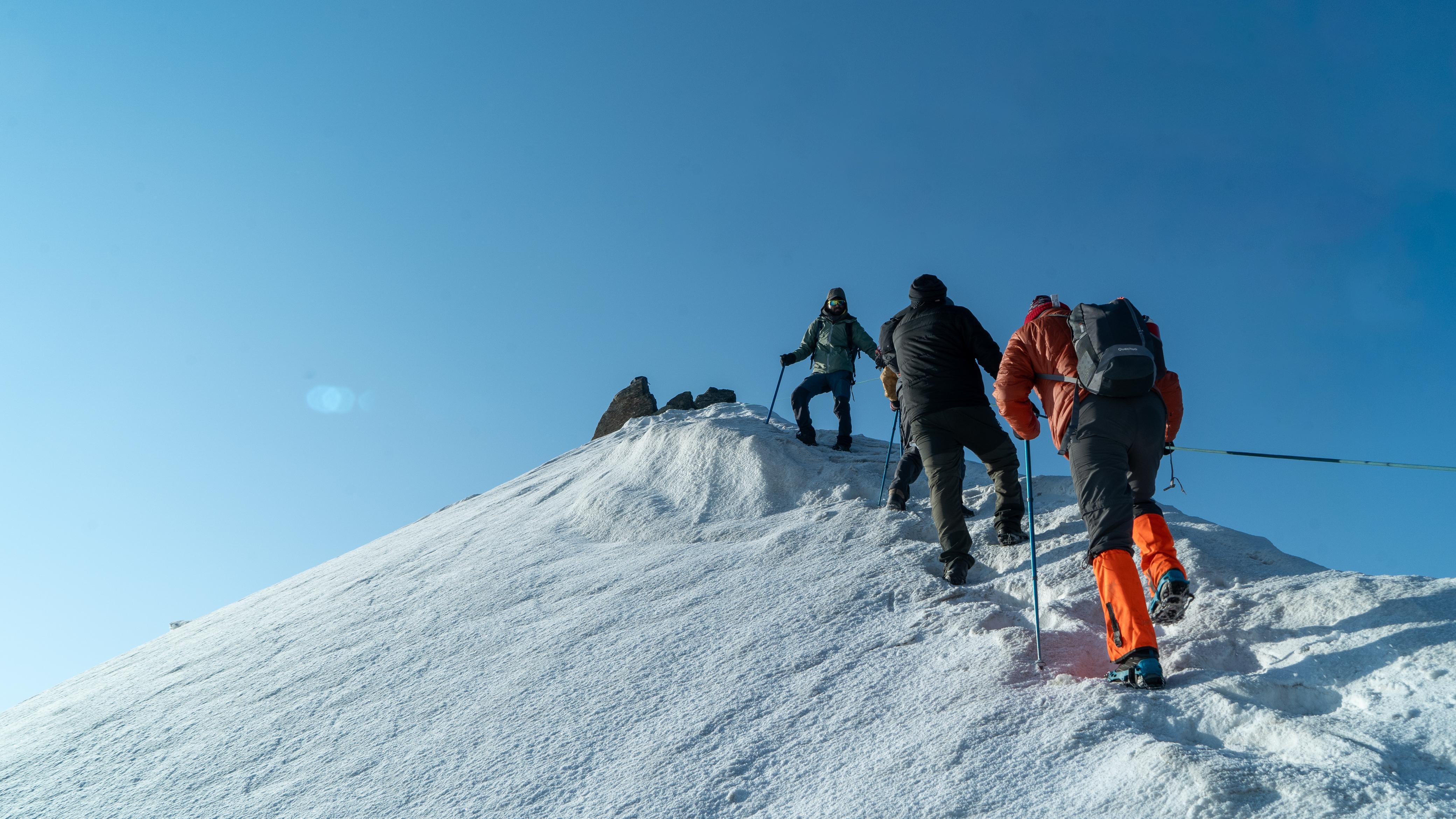
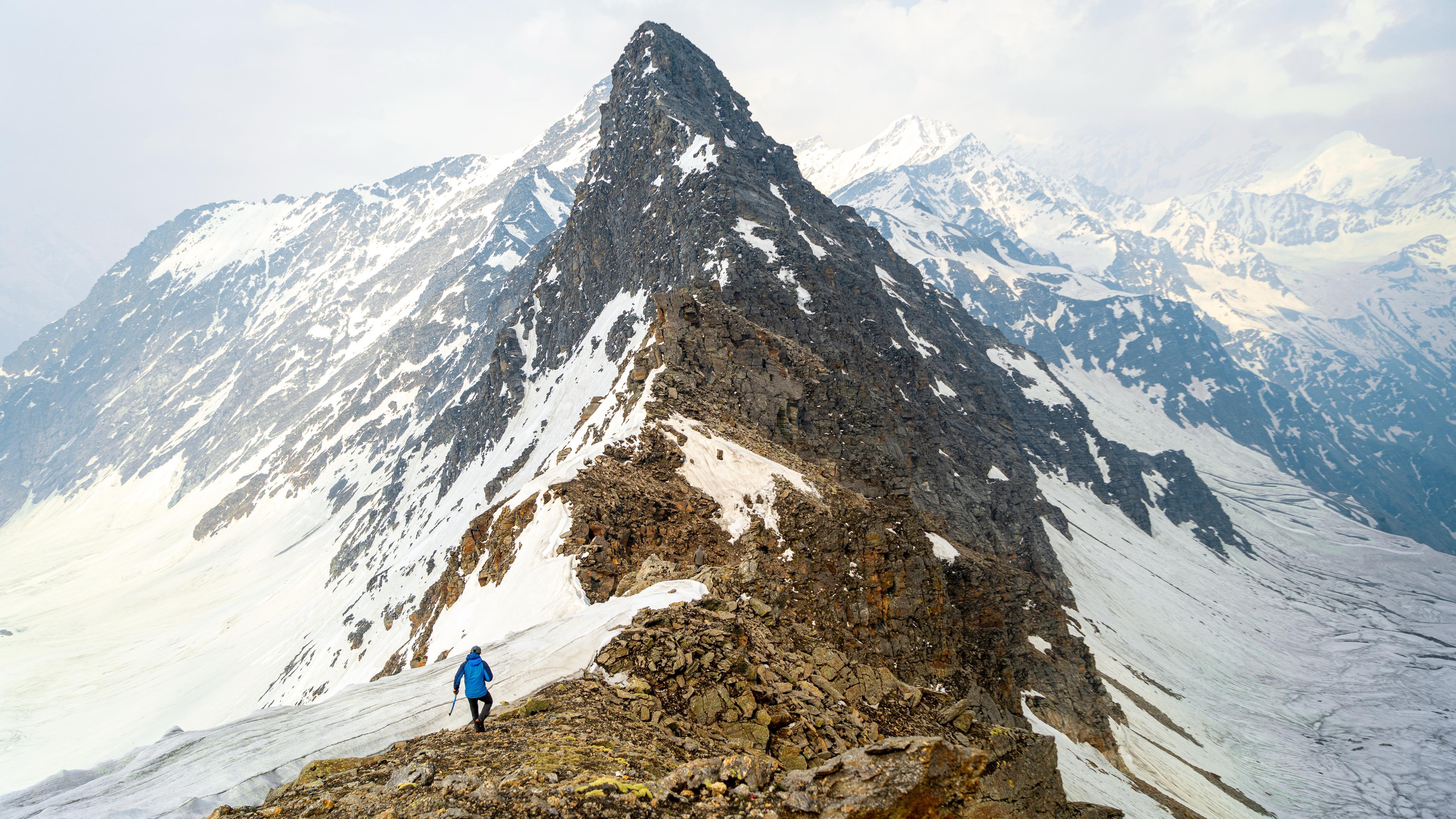
The summit day includes sections of ridge walking and steeper gradients, which demand stamina but remain manageable for newcomers
What is the best time of year to do the trek?
Autumn (September–November): Crisp visibility and clear skies make this one of the best windows.
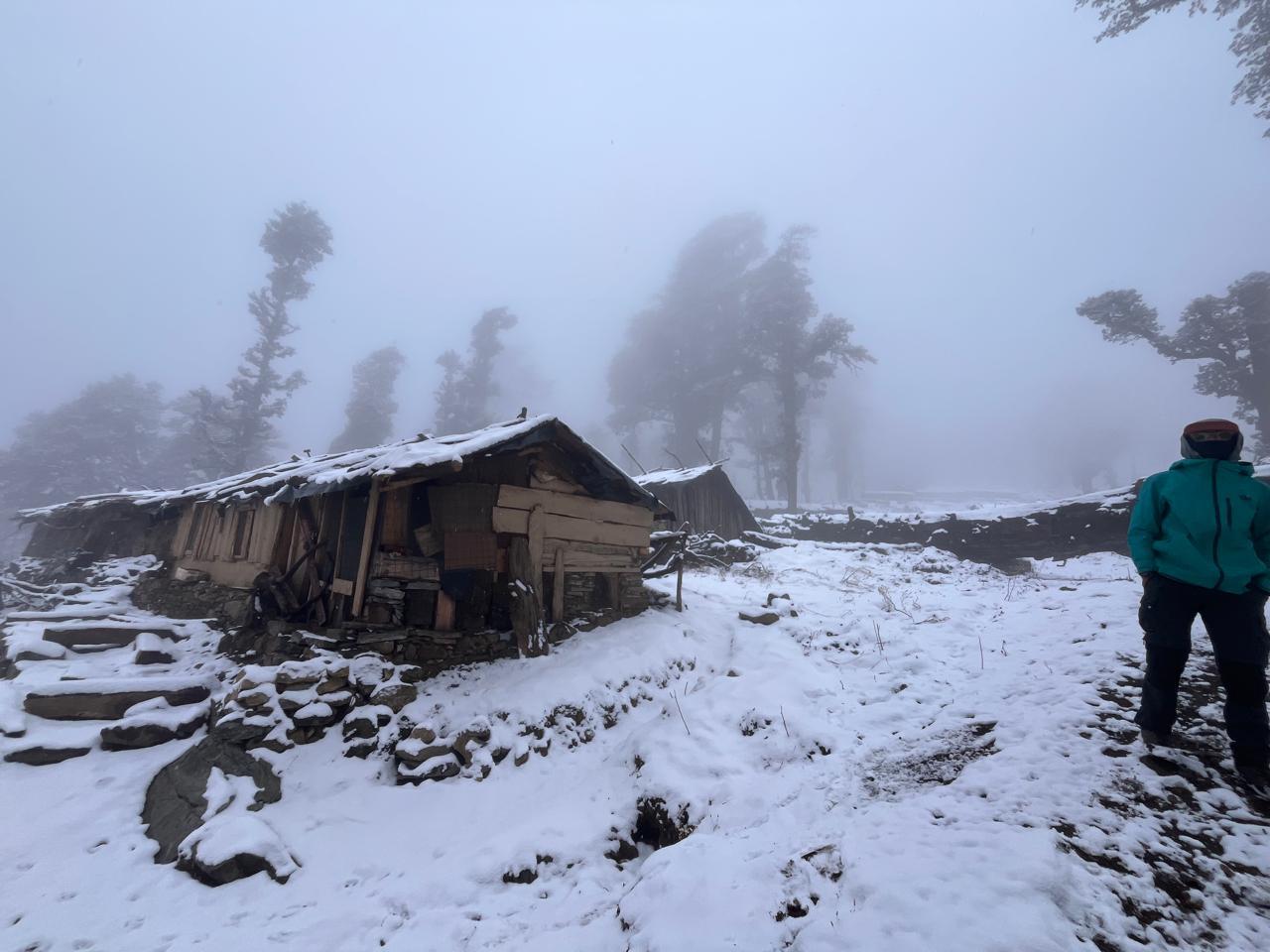
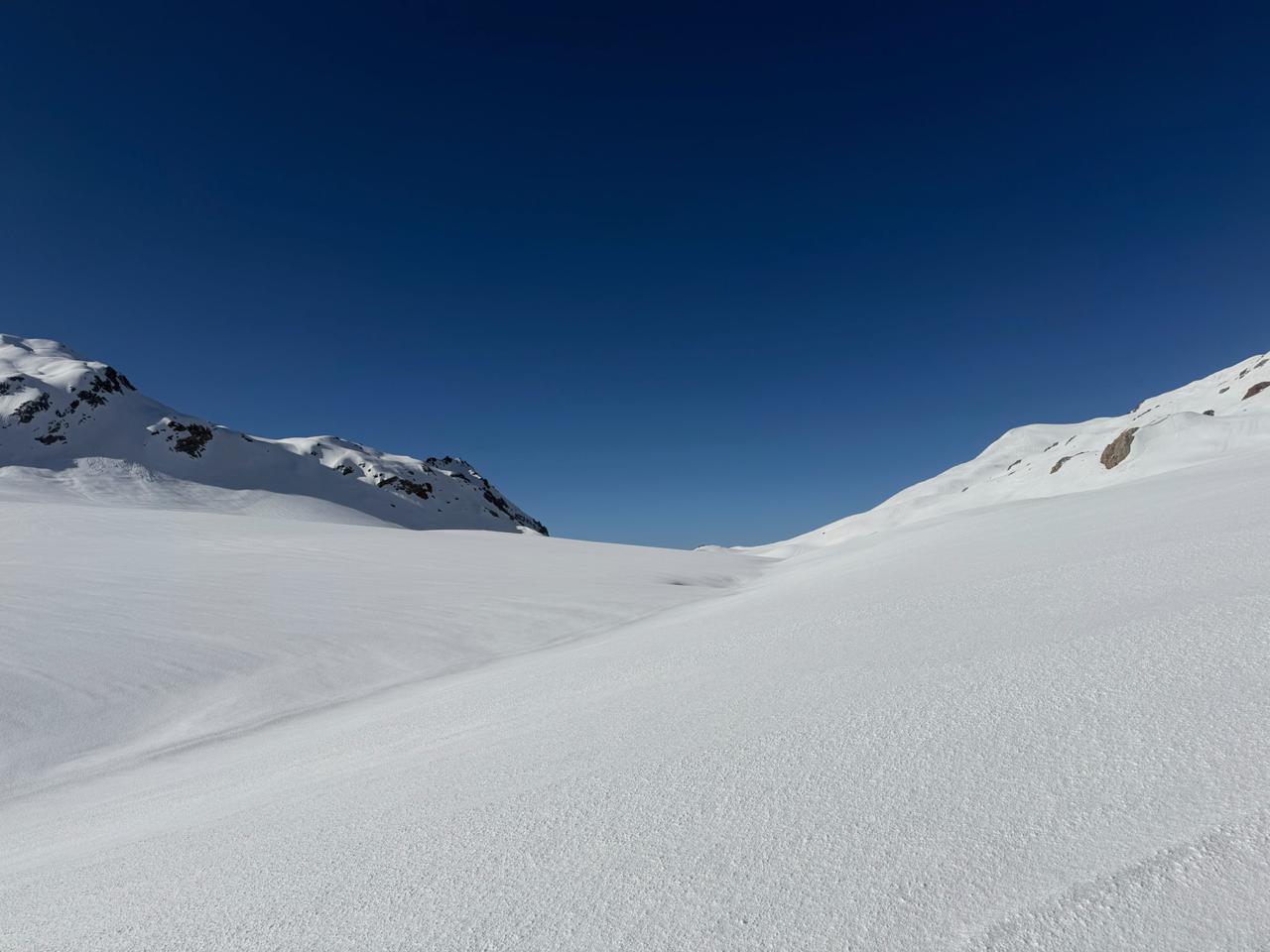
Winter (December–February): The trek transforms into a snowy landscape — suitable for those seeking a winter Himalayan experience with proper warm gear.
Monsoon: Not recommended due to slippery terrain and reduced visibility.
What kind of landscapes and views can I expect?
Thick forests of oak, pine, and rhododendron.
Wide alpine meadows perfect for camping.
Ridge walks leading to a panoramic summit.
A complete 360-degree Himalayan skyline visible from Aancha Top.
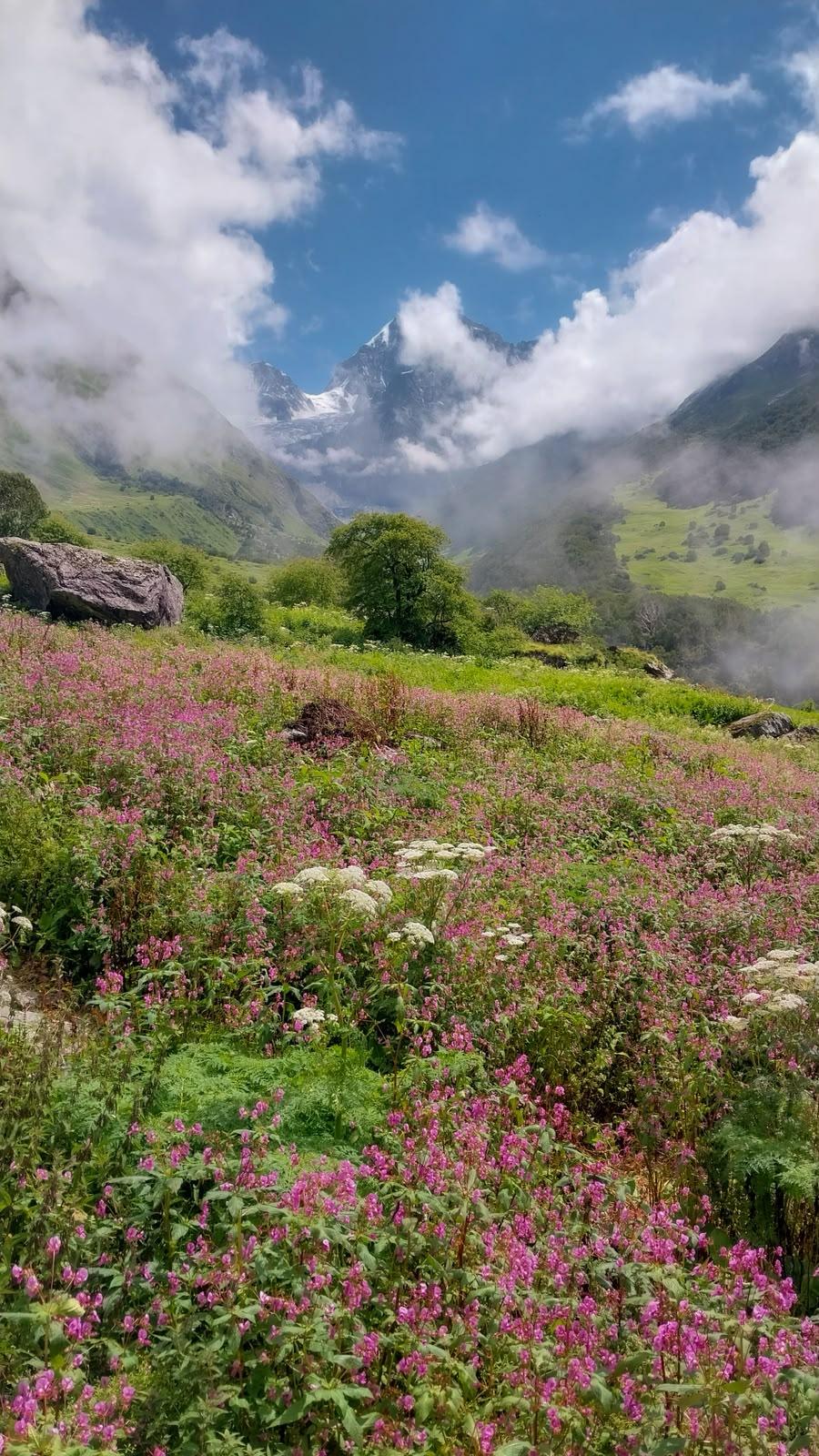
Seasonal changes dramatically color the landscape — from lush green in spring to snow-clad serenity in winter.
What accommodation and facilities can I expect?
Base village accommodation is in simple homestays or guesthouses before and after the trek.
SELECT DATE TO REGISTER

Thank You!
Your form has been submitted successfully. We'll get back to you soon.
On Request
