

The Buran Ghati Trek is a high-altitude Himalayan expedition designed for those who want more than scenic trails meant for those who want to cross mountains, not just walk around them.
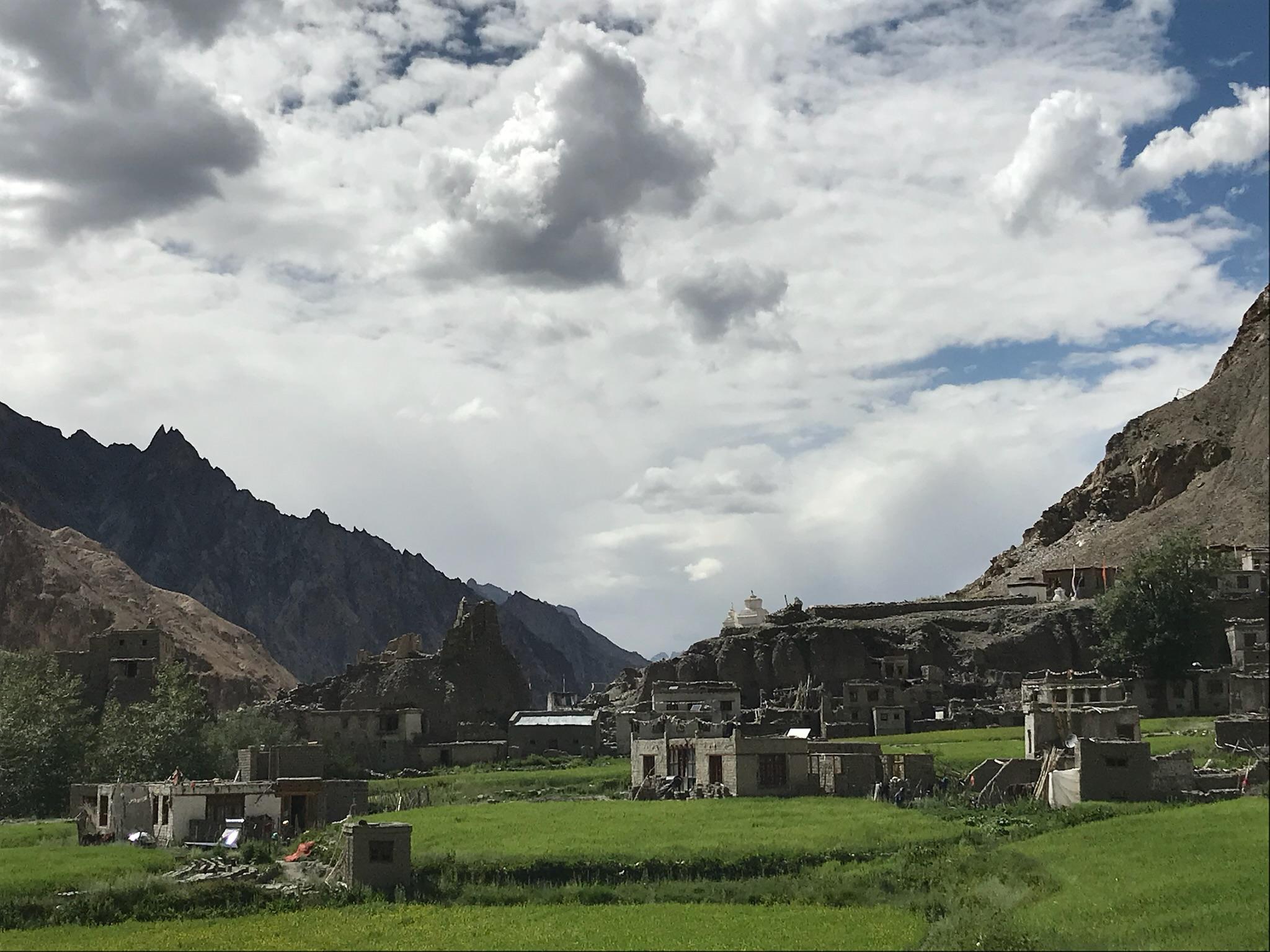
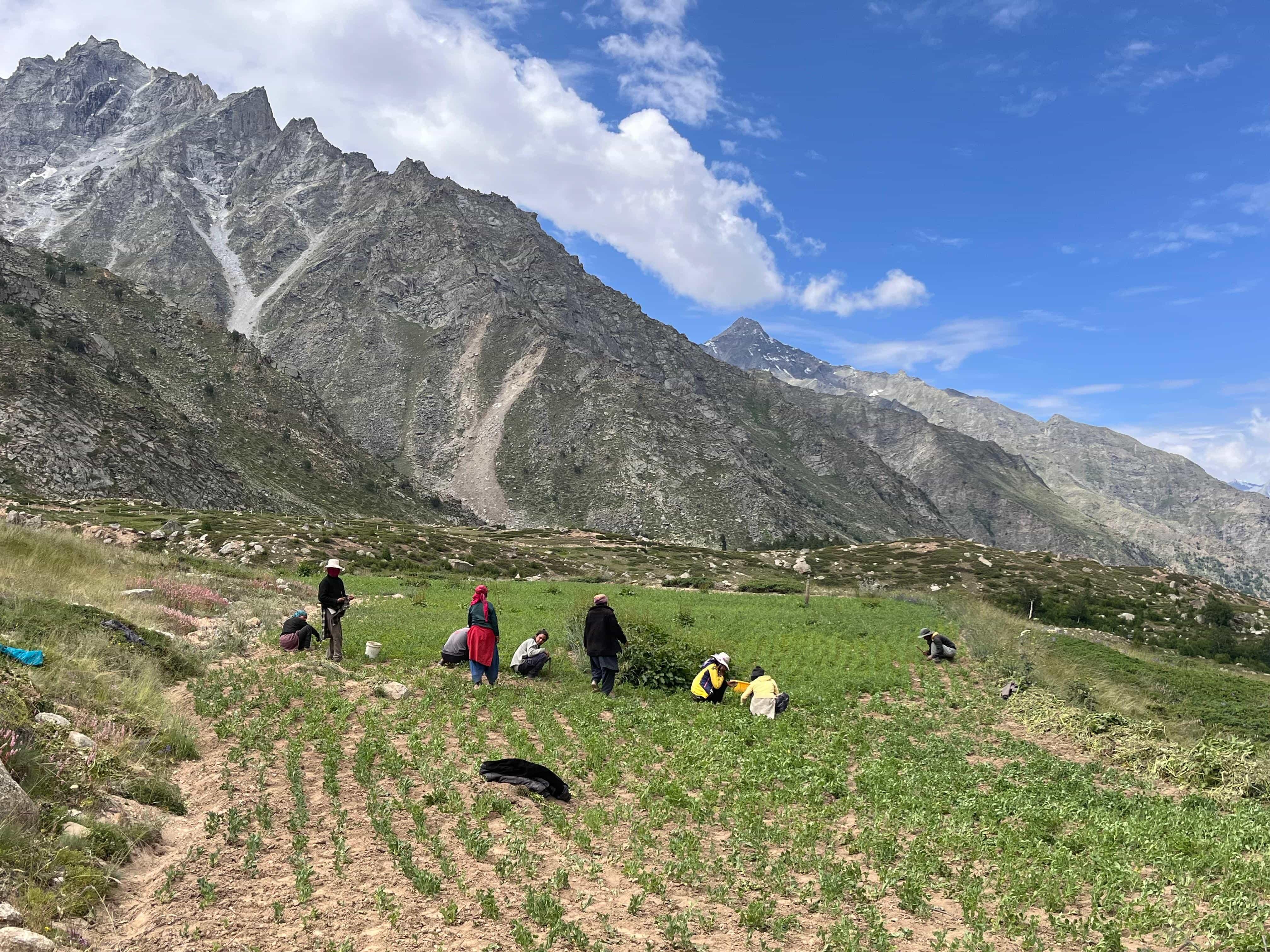
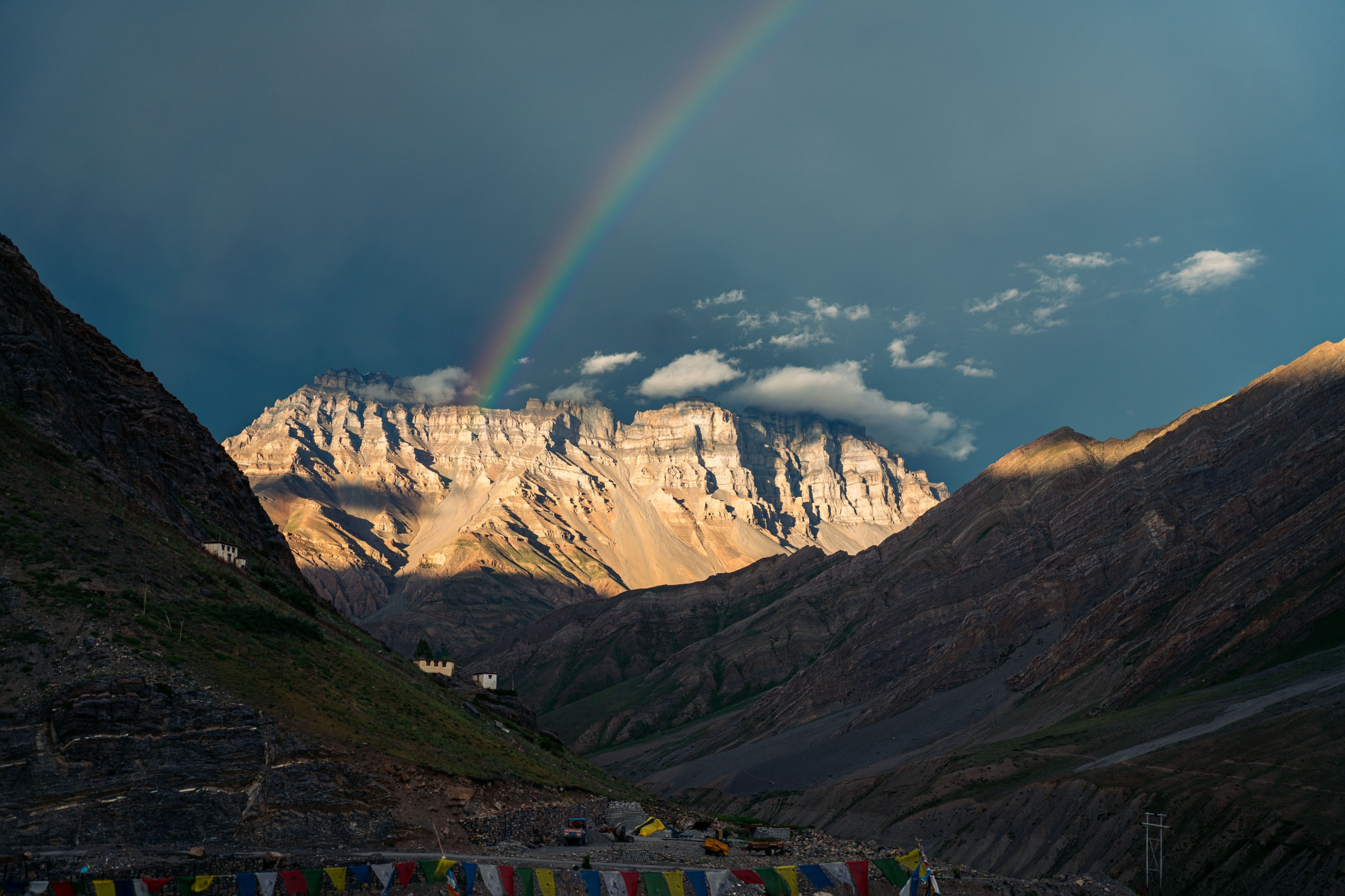
The journey begins in the forested Pabbar Valley, where wooden houses cling to steep slopes and pine-scented air fills the lungs. Over the next days, the trail steadily climbs through ancient forests into vast alpine meadows, where horizons stretch wide and silence deepens. Higher still, vegetation fades, replaced by glacial valleys, snowfields, and steep rock faces that announce your arrival into serious mountain terrain.
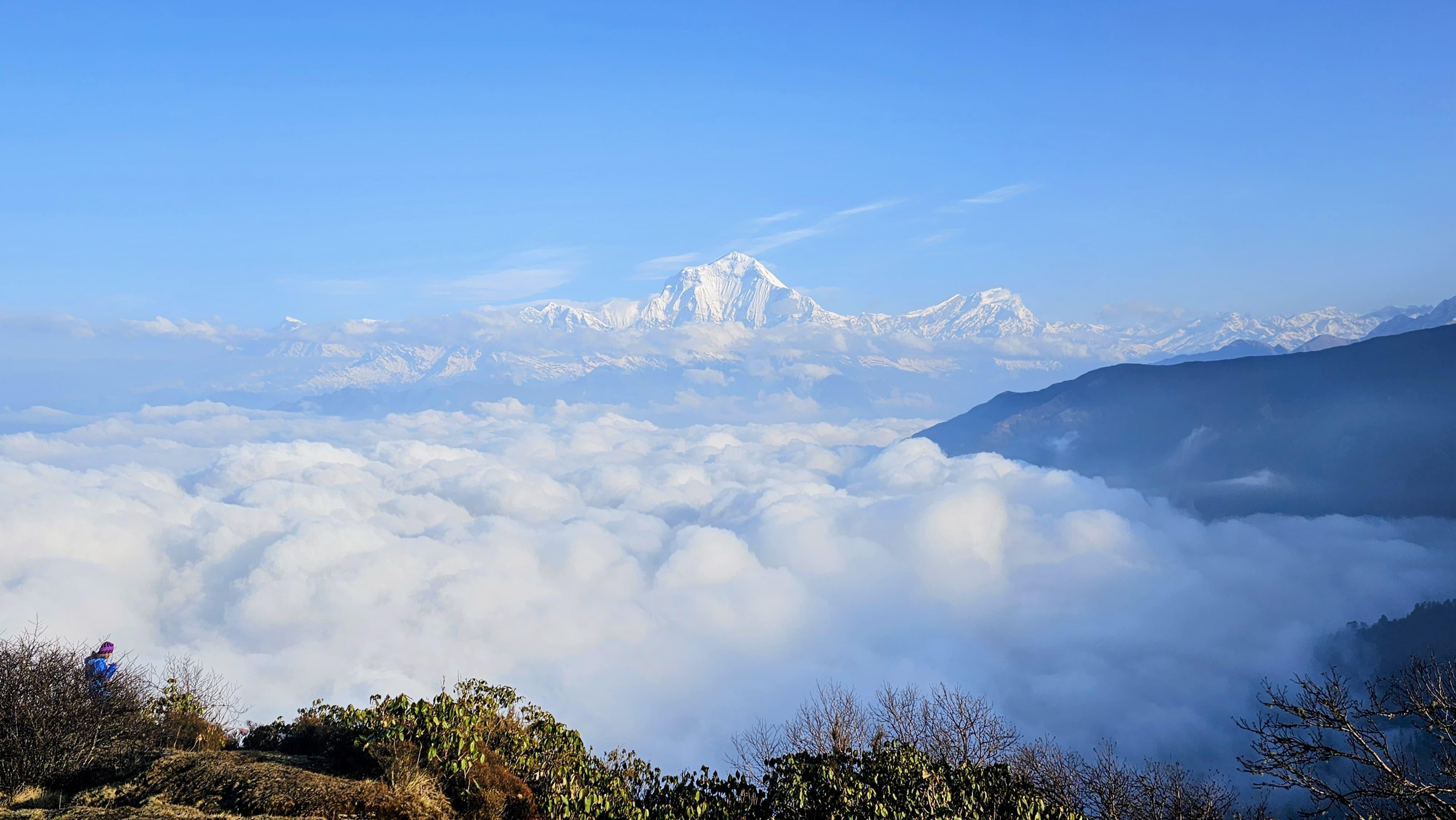
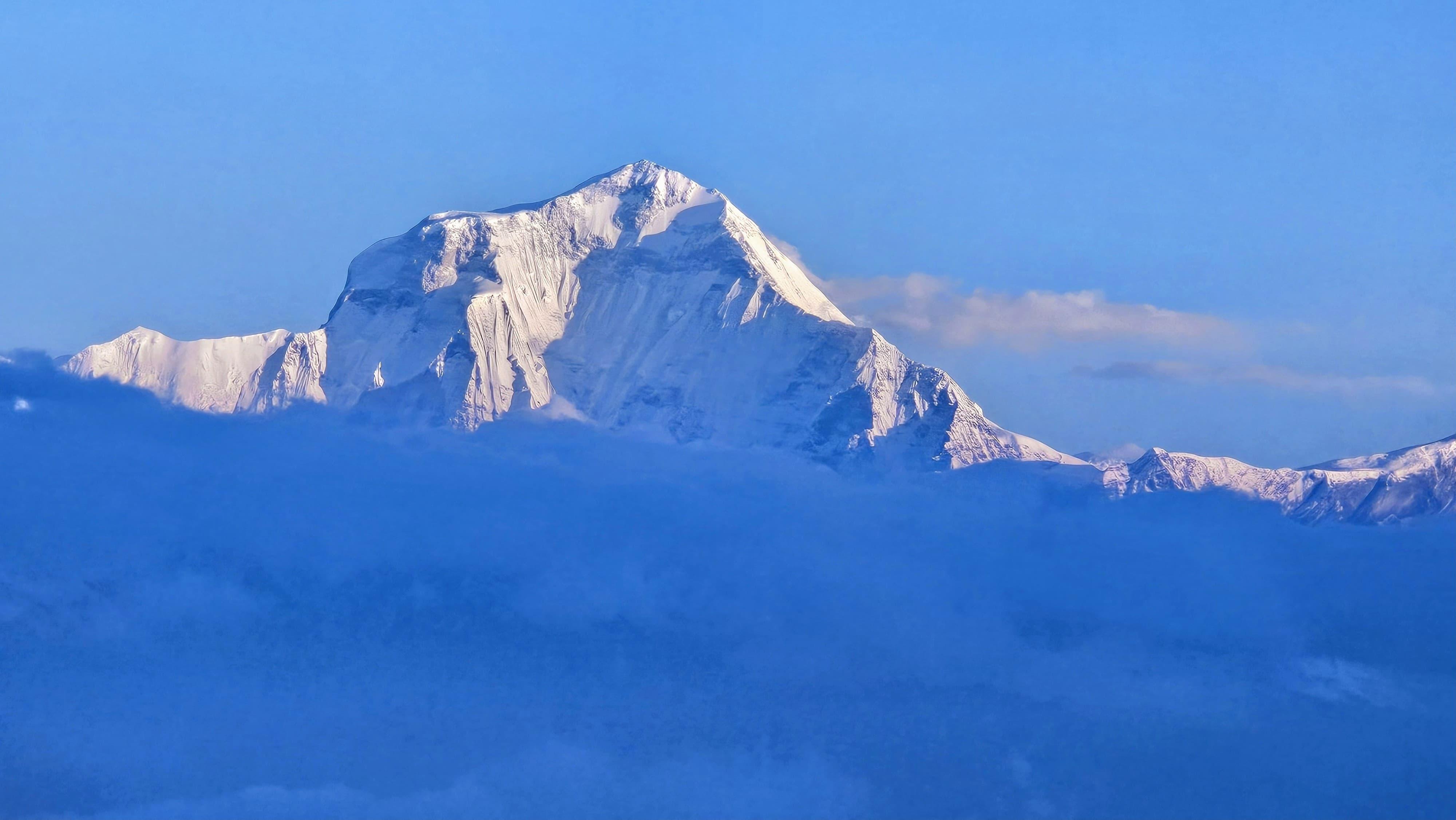
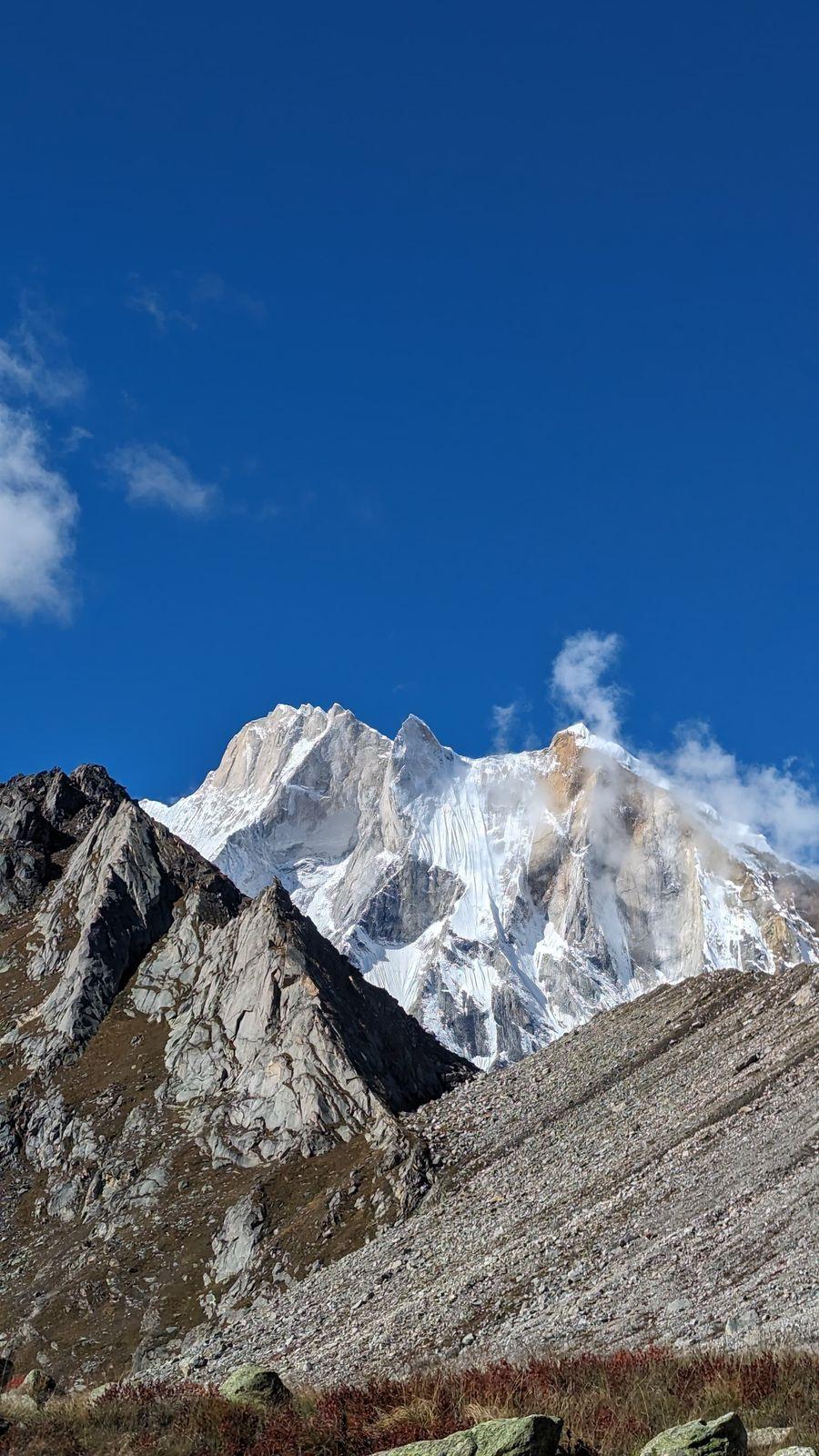
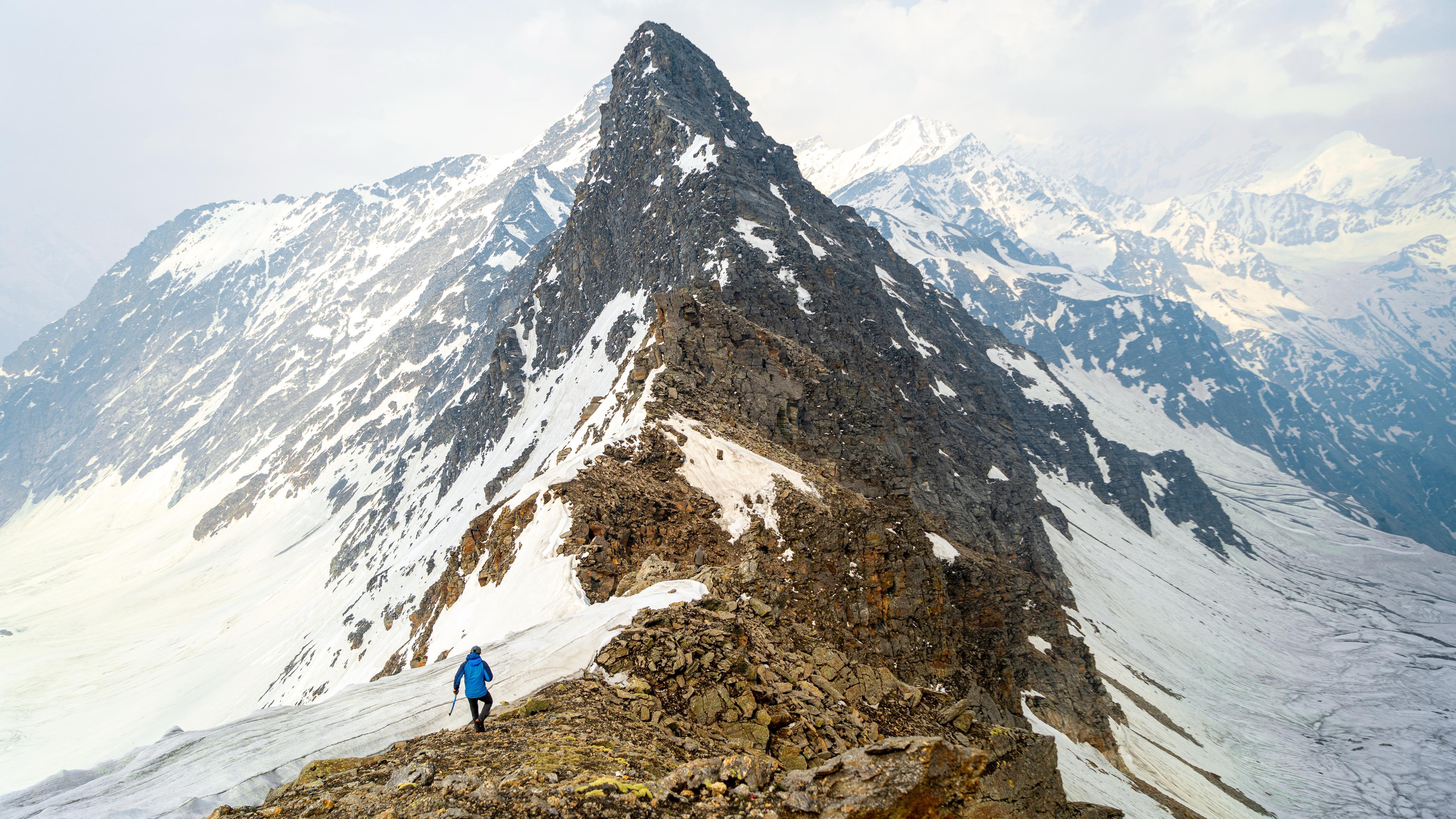
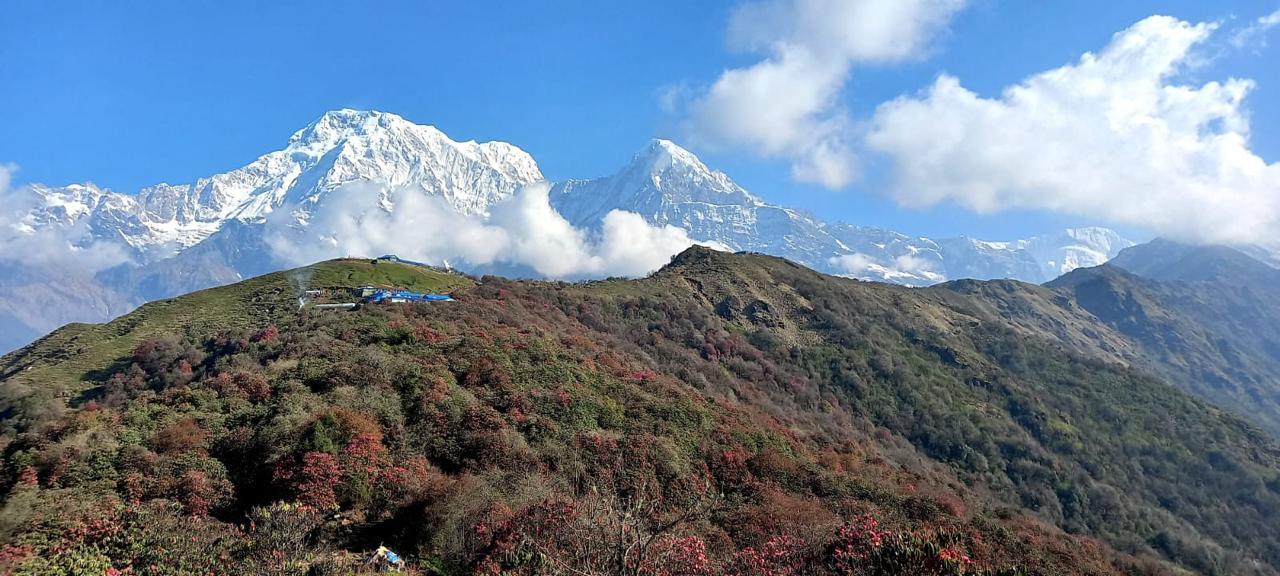
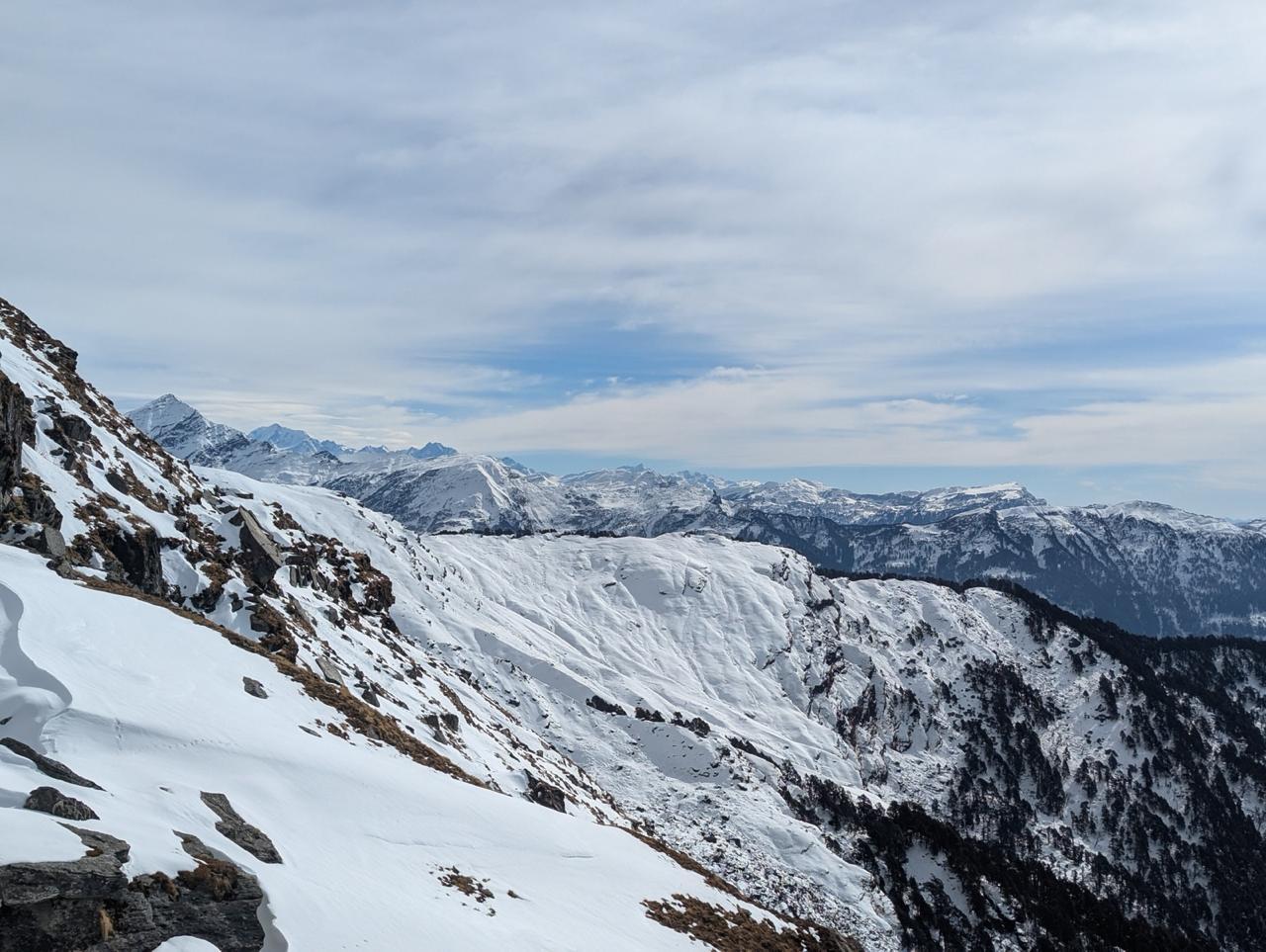
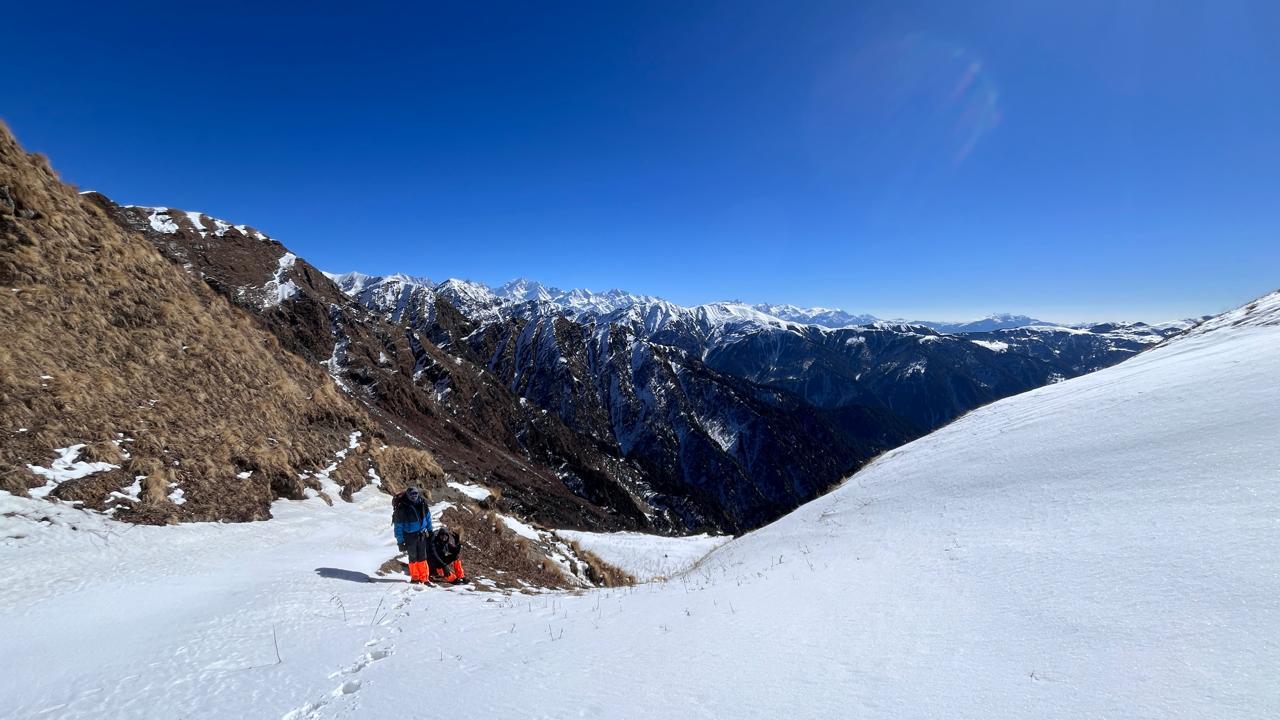
At the heart of the trek lies the crossing of Buran Ghati Pass at 4,575 meters is a demanding yet achievable ascent that rewards you with panoramic views of untouched Himalayan ranges. From here, you descend into the Baspa Valley, watching the landscape transform once again from ice and stone back to green meadows and pine forests.
This trek is physically challenging, mentally grounding, and emotionally satisfying. It is ideal for trekkers who have tasted the Himalayas before and now seek a deeper, more immersive encounter. The one where effort, planning, and presence are rewarded with genuine mountain experience.
Day 1
Drive from Shimla to Janglik
Time Taken: 6–8 hours drive
Elevation Gain: 1,600 m (Shimla 2,200 m to Janglik 2,800 m)
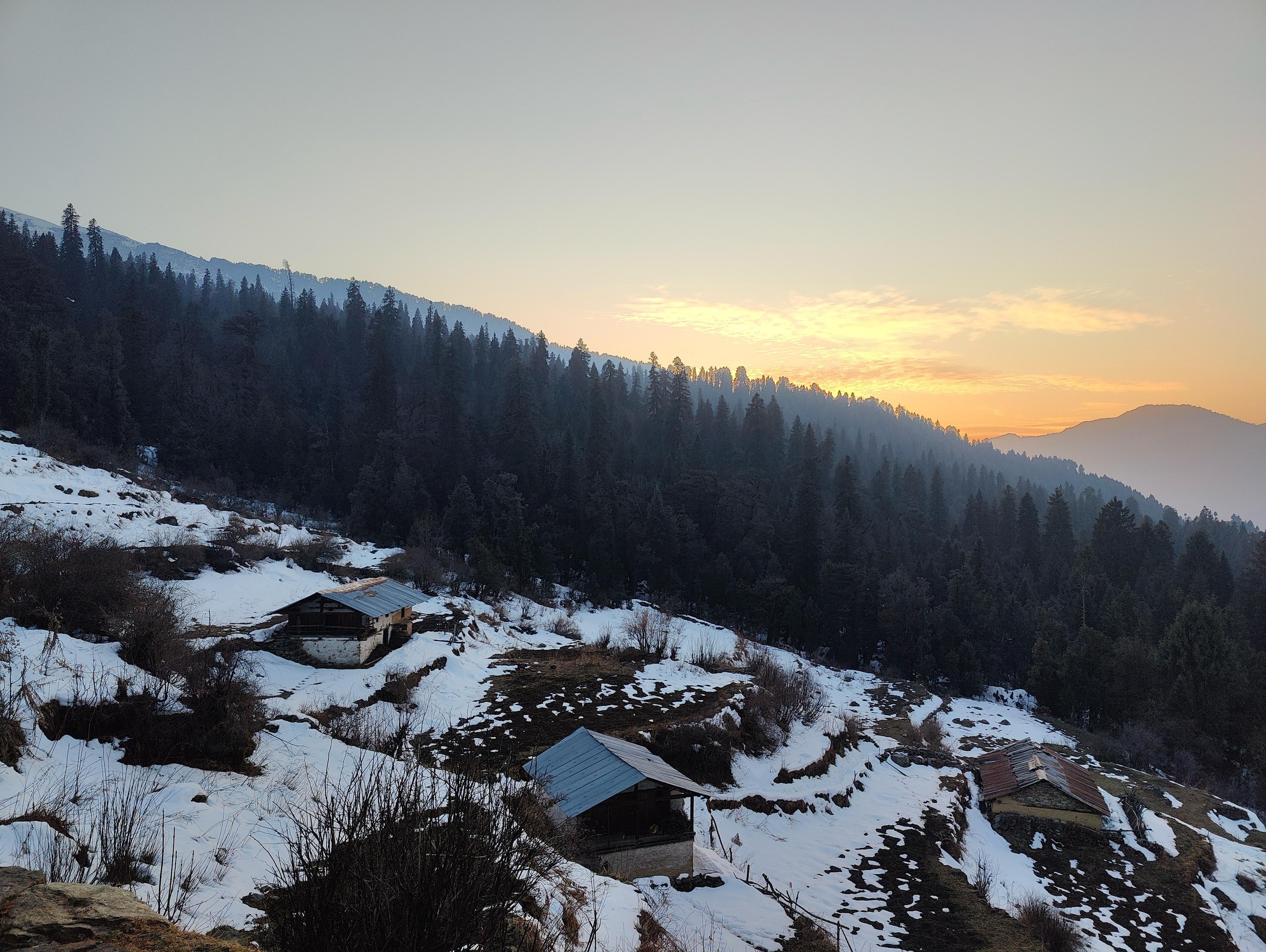
The journey begins with a scenic drive from Shimla into the lesser-known Pabbar Valley. The road winds through pine forests, apple orchards, and traditional Himachali villages. By evening, we reach Janglik - a charming wooden-house village that feels like a step back in time. After settling into our homestay, we conduct a trek briefing, equipment check, and acclimatization walk through the village lanes.
Day 2
Trek from Janglik to Dayara Thach
Trek Distance: 6 km
Time Taken: 5–6 hours
Elevation Gain: 600 m (2,800 m to 3,400 m)
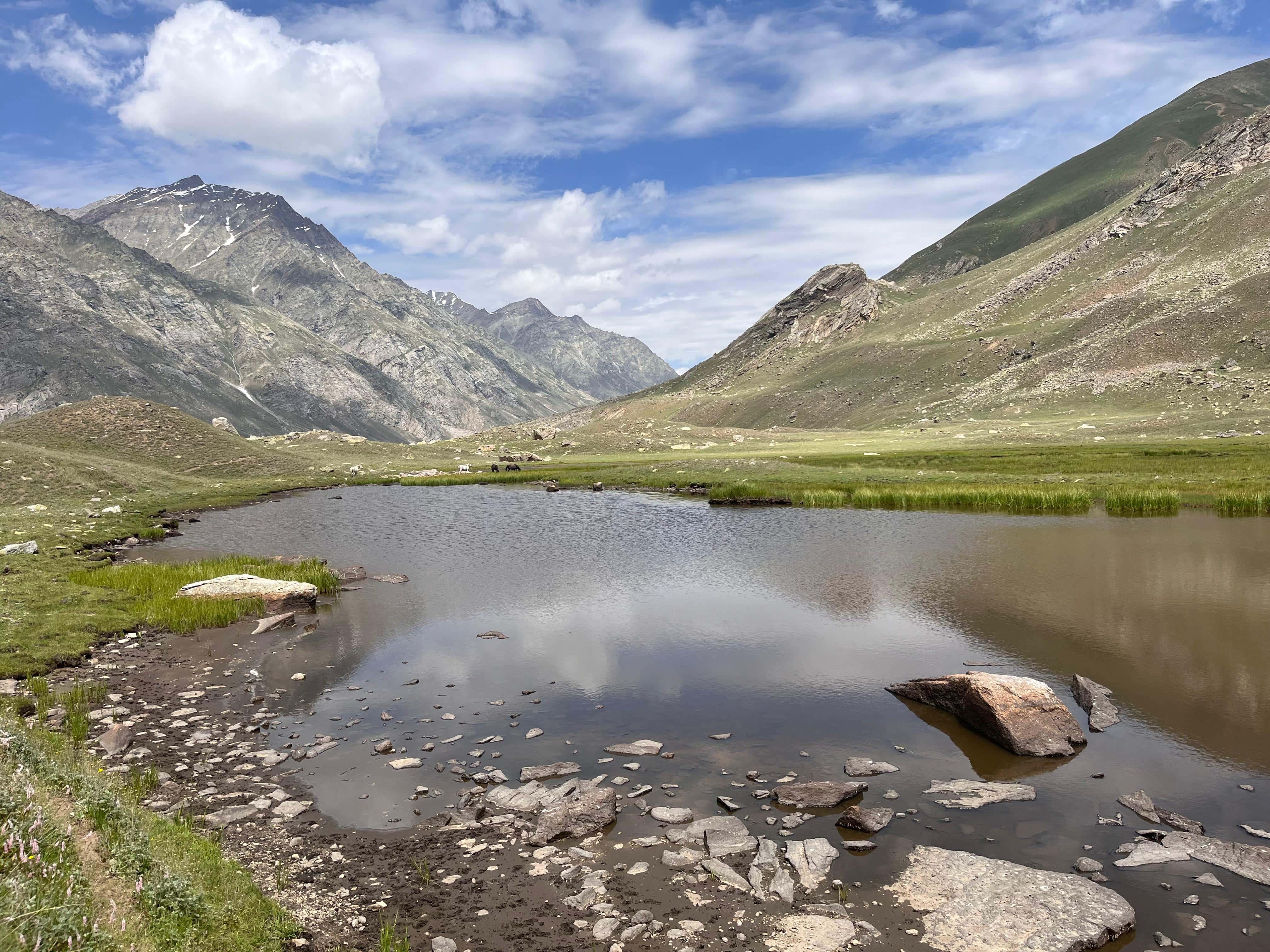
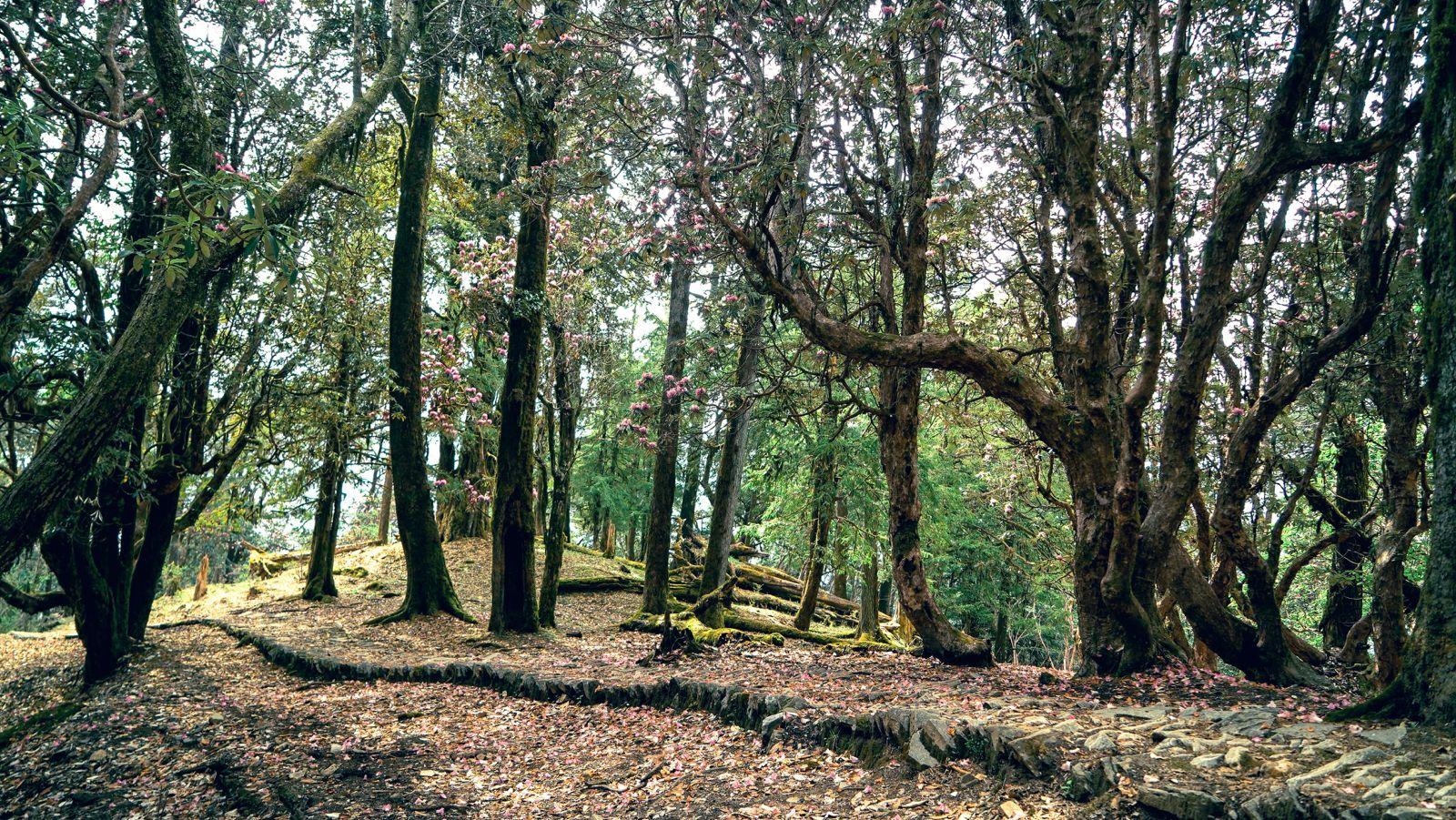
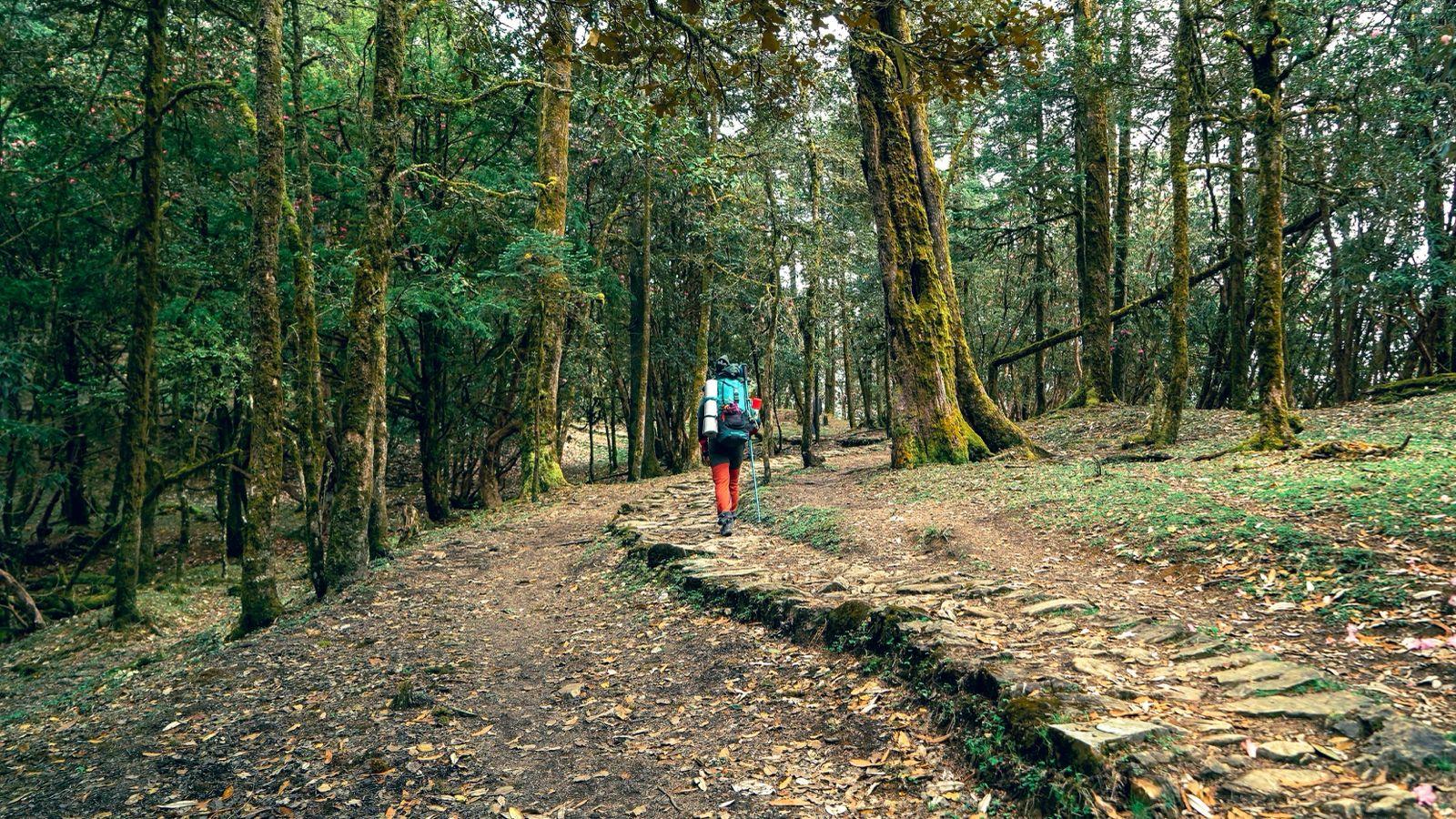
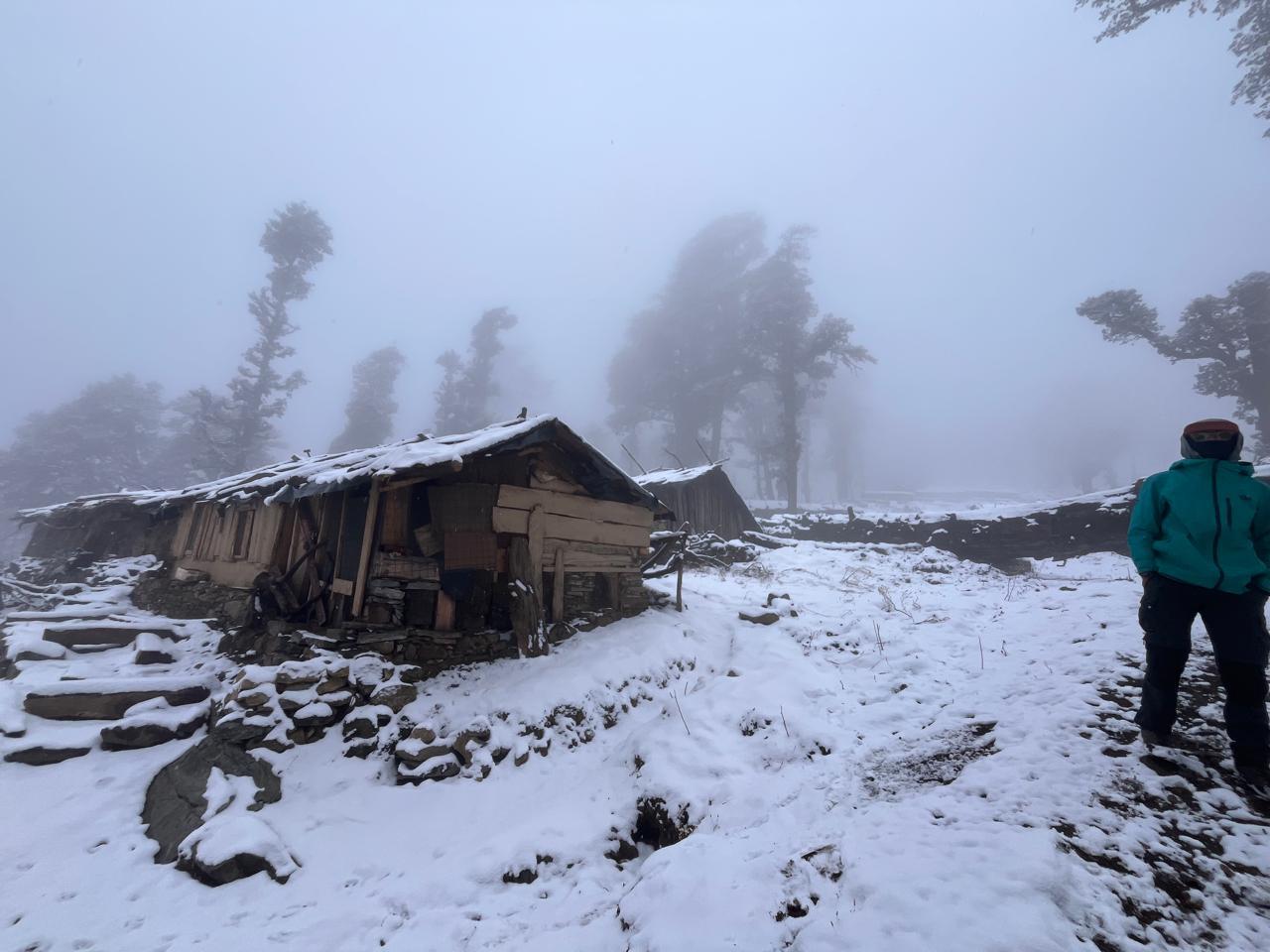
The trail climbs steadily through dense oak and pine forests. Sunlight filters through tall trees as we gain altitude gradually which is perfect for acclimatisation. Occasional forest clearings open into rolling grasslands where shepherds graze their flocks. By afternoon, we arrive at Dayara Thatch - an expansive alpine meadow campsite with uninterrupted views of surrounding ridgelines. Evening is spent resting, hydrating, and soaking in the first true taste of Himalayan wilderness.
Day 3
Trek to Dayara Thatch to Litham
Trek Distance: 4 km
Time Taken: 3–4 hours
Elevation Gain: 200 m (3,400 m → 3,600 m)
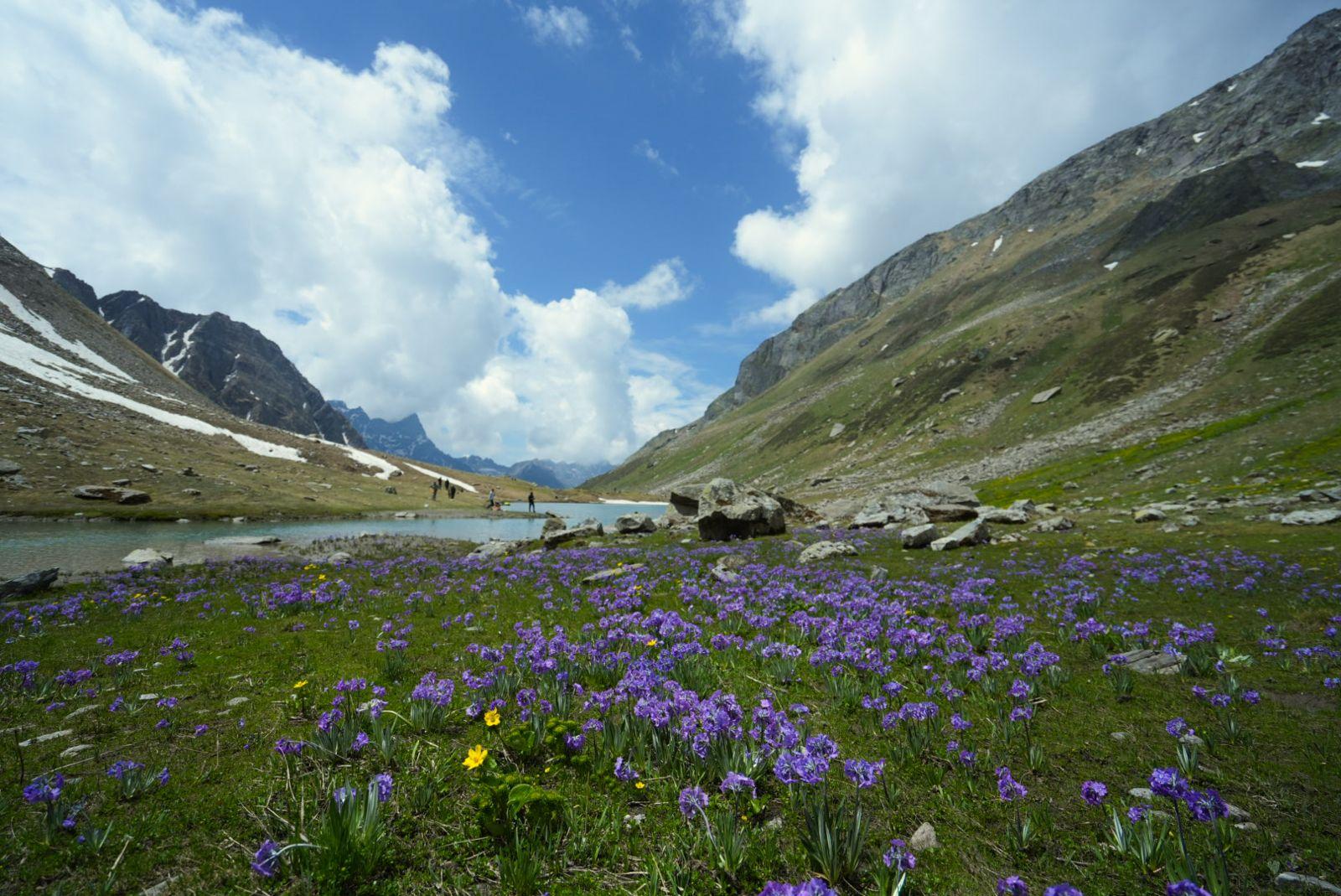
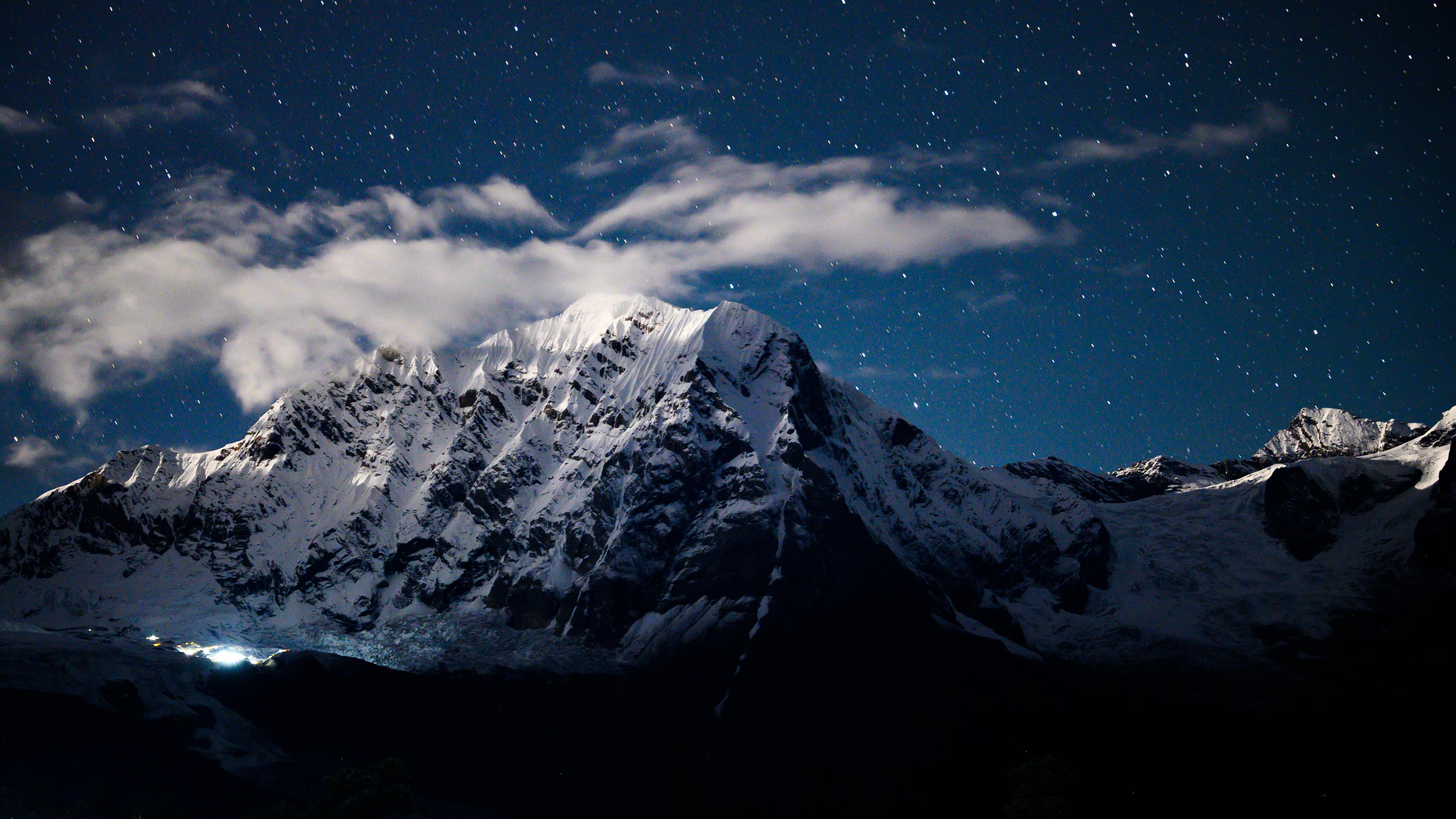
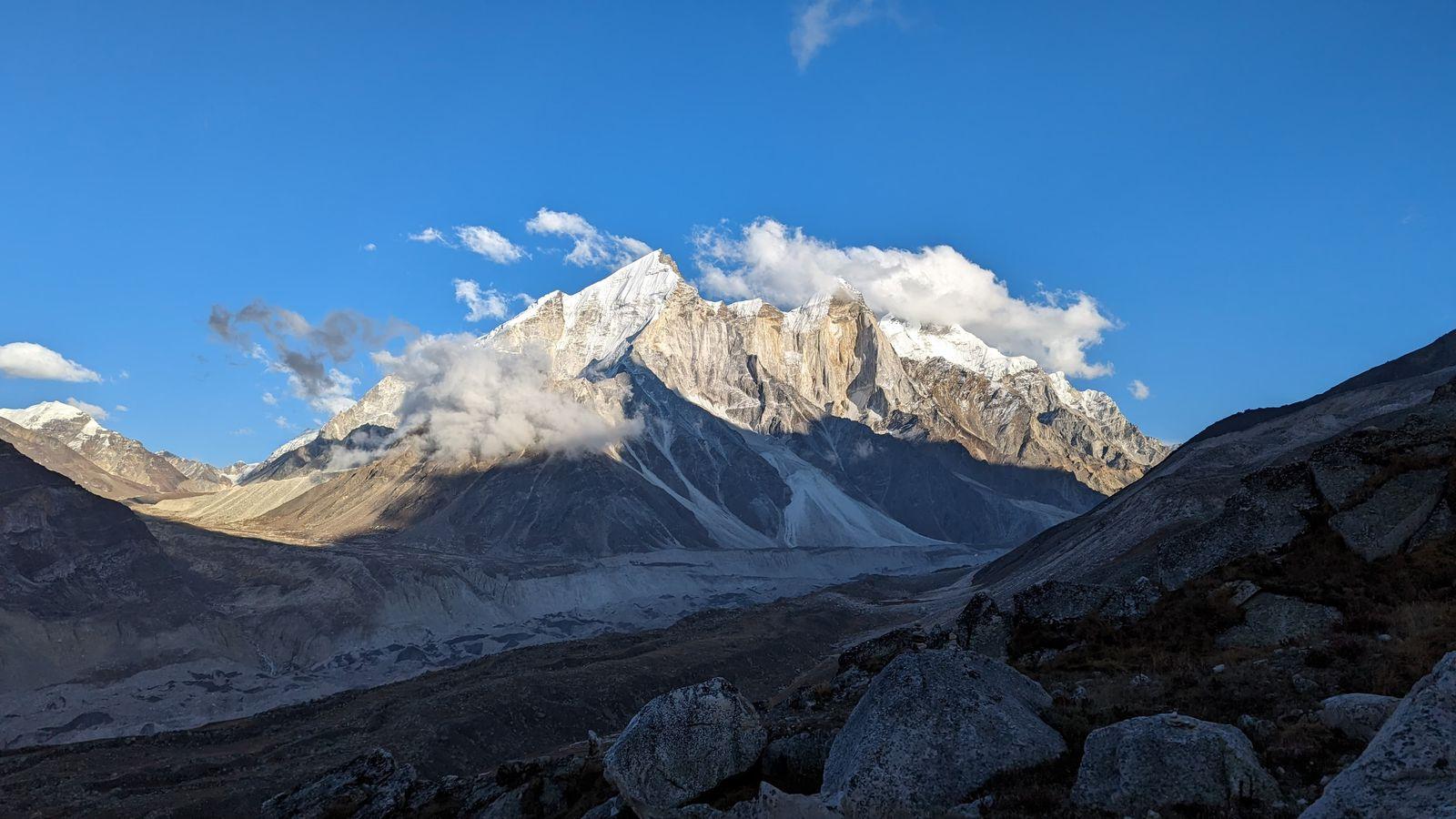
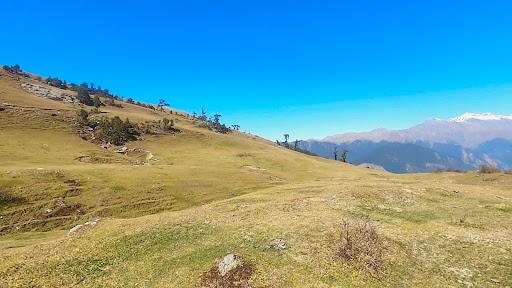
A shorter walking day across wide open meadows and gentle ridges. The landscape here feels endless with green carpets in summer and golden grasslands in autumn. Snow peaks begin appearing on the horizon, hinting at the terrain ahead. Litham campsite sits in a glacial valley beside the Pabbar River, surrounded by towering cliffs. The afternoon is kept relaxed to allow proper acclimatization before higher altitude days.
Day 4
Litham to Chandranahan Lake (Acclimatization Day Hike)
Trek Distance: 6 km (round trip)
Time Taken: 6–7 hours
Elevation Gain: 400 m (3,600 m to 4,020 m)
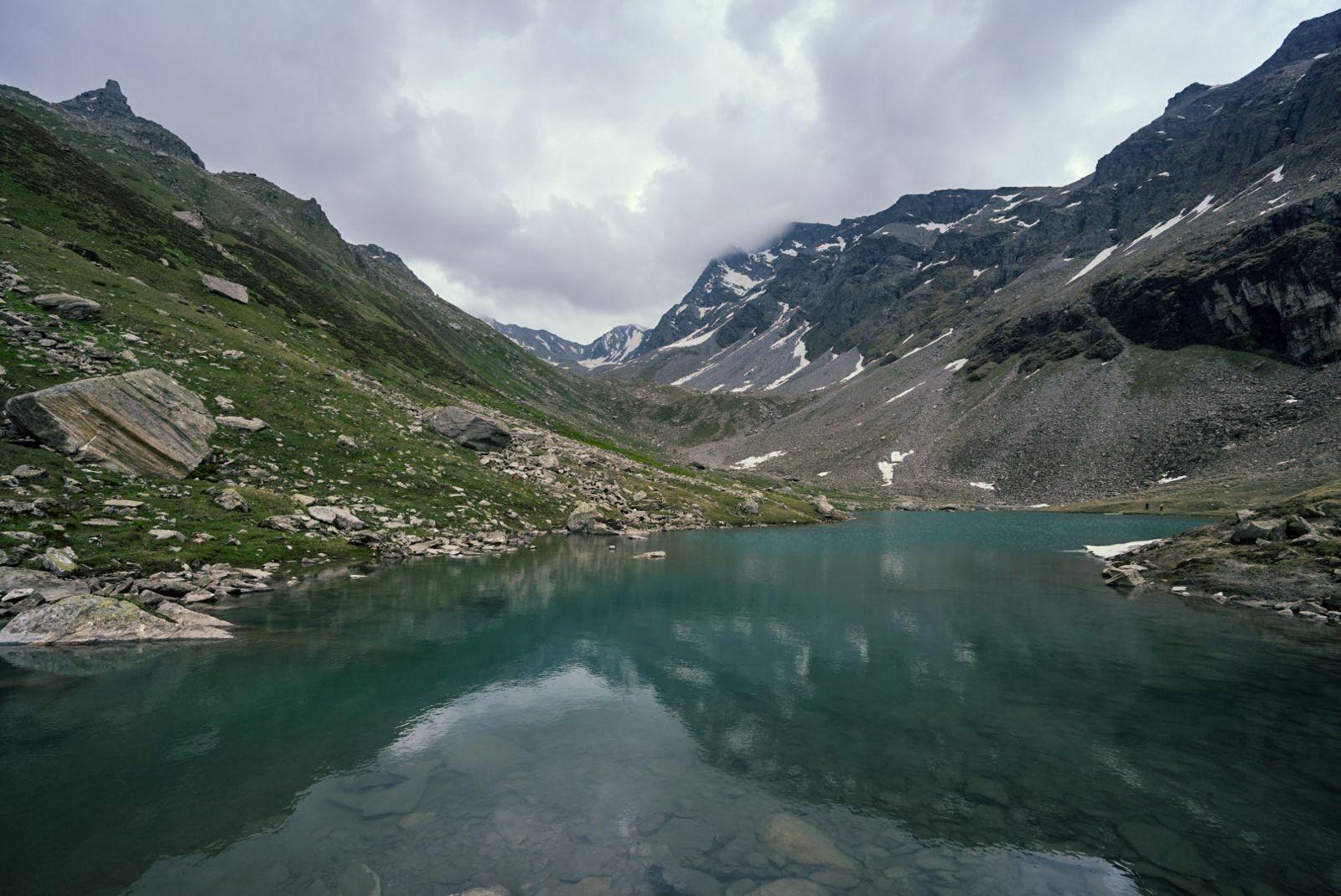
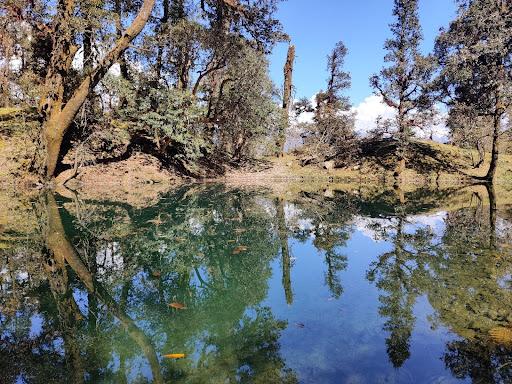
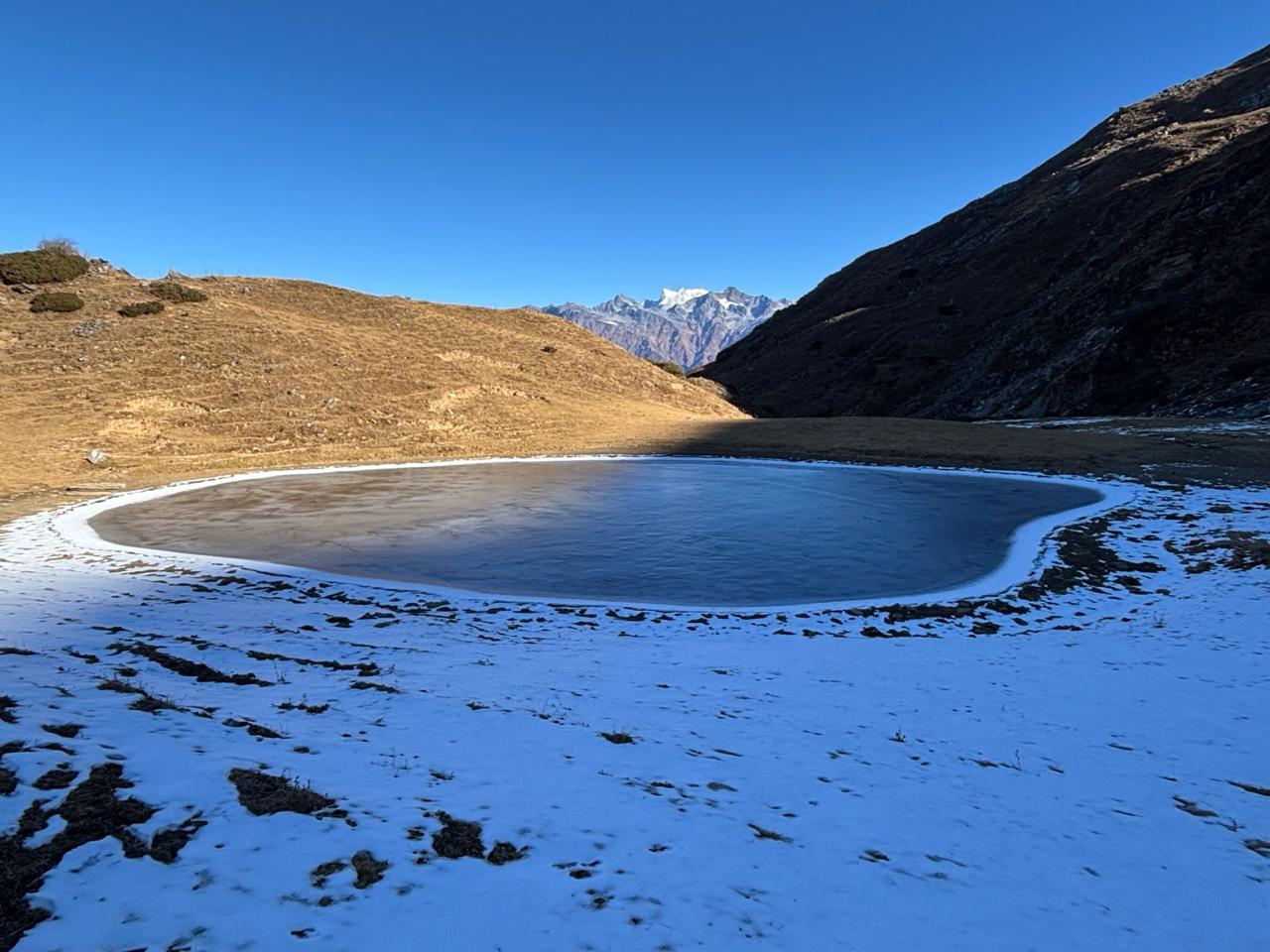
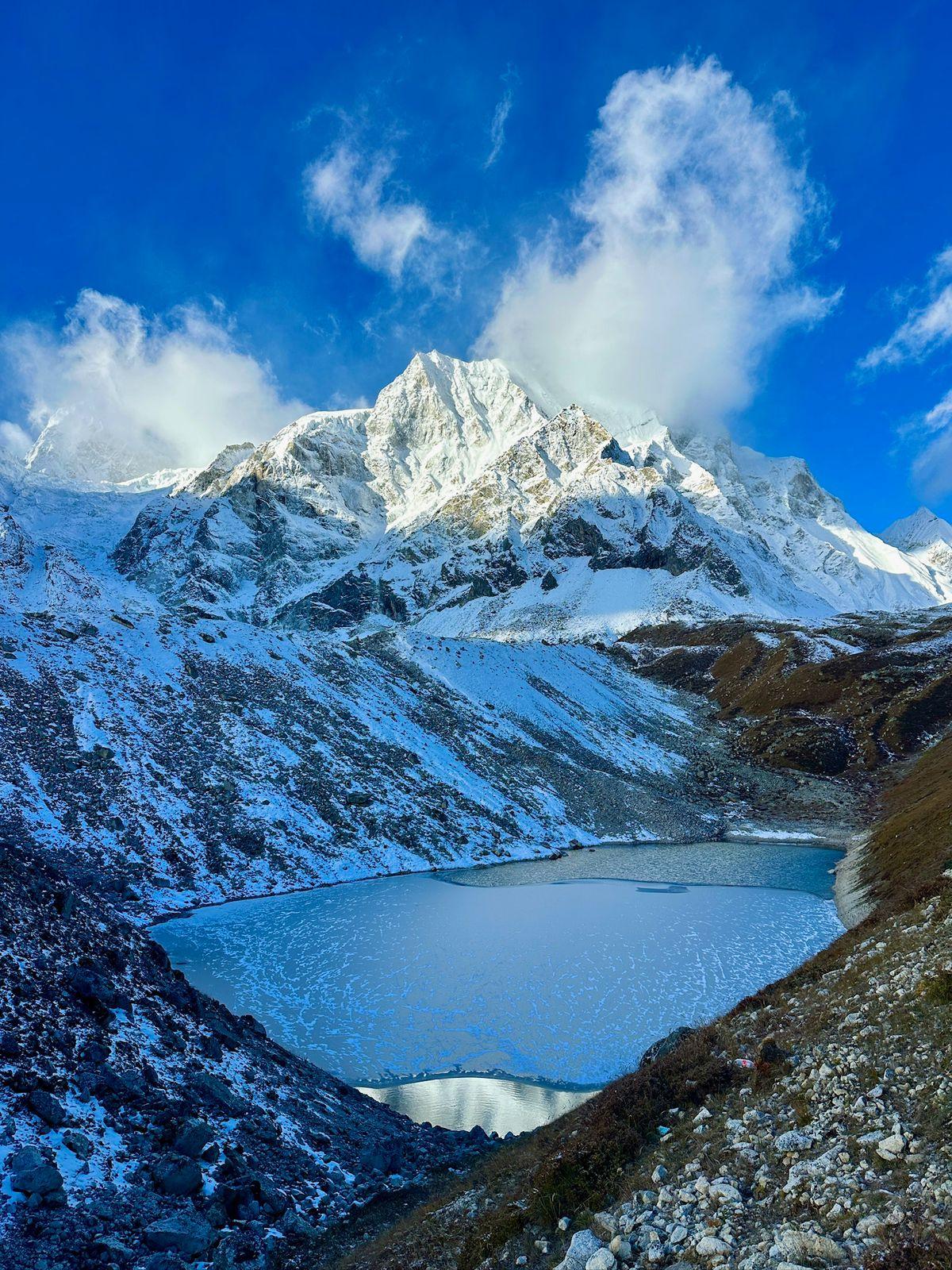
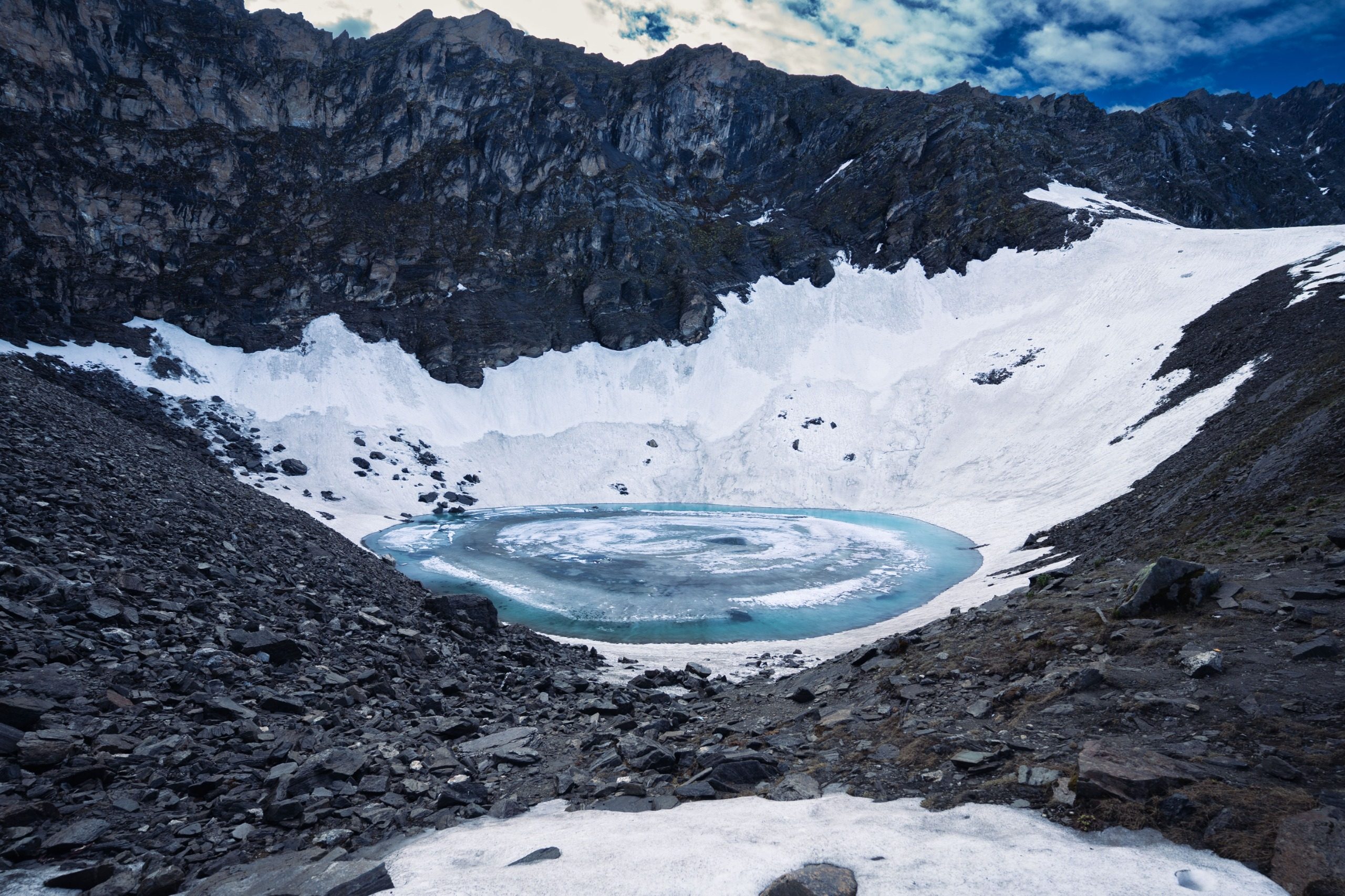
Today’s hike leads to Chandranahan Lake, which is a sacred high-altitude glacial lake believed to be the source of River Pabbar. The trail climbs over rocky moraines and snow patches depending on the season. The lake sits cradled between steep mountain walls, often partially frozen in early summer. After spending time at the lake, we descend back to Litham for overnight. This day plays a crucial role in acclimatization before attempting the pass.
Day 5
Trek from Litham to Dhunda
Trek Distance: 4 km
Time Taken: 4–5 hours
Elevation Gain: 400 m (3,600 m to 4,000 m)
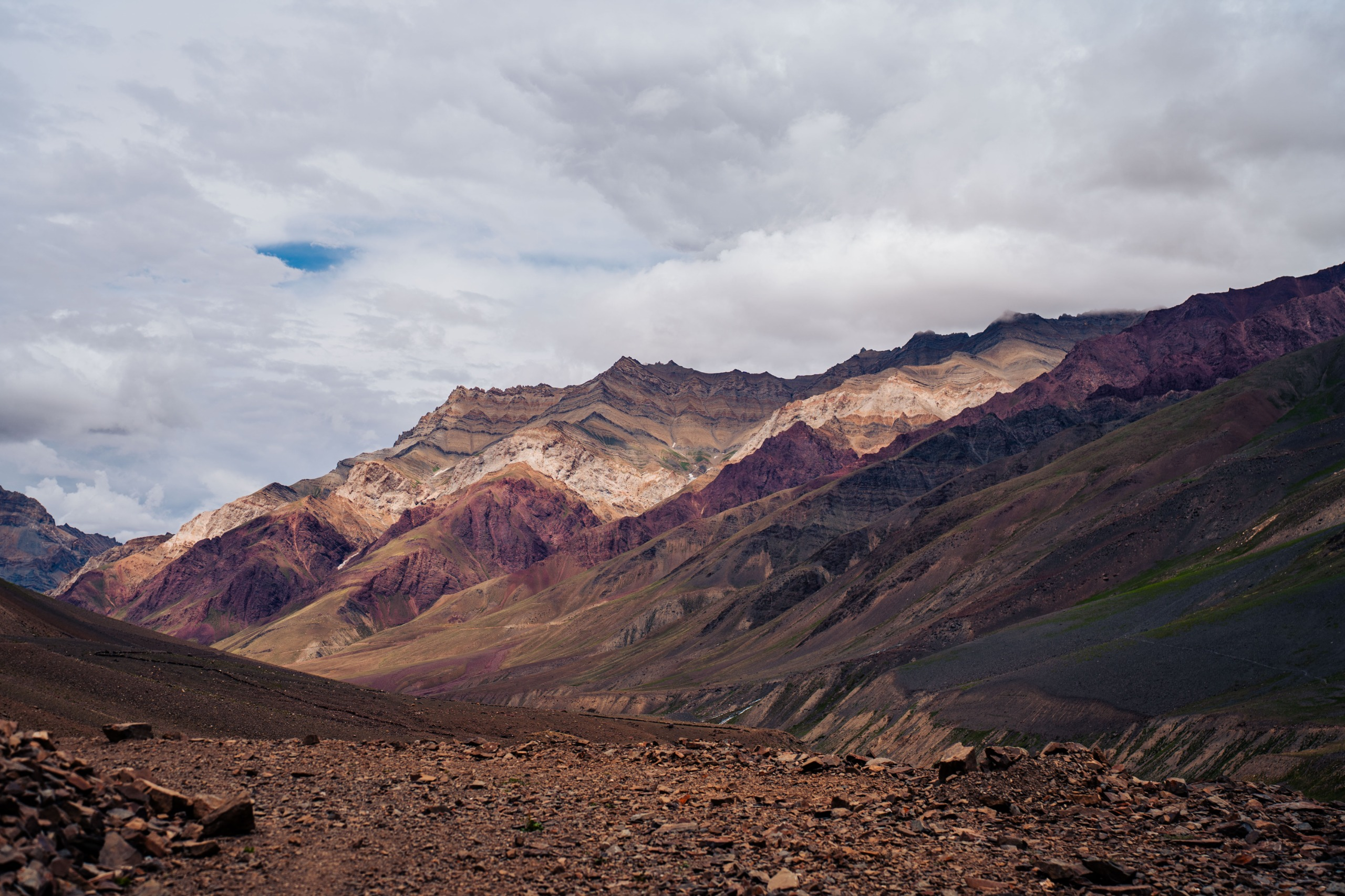
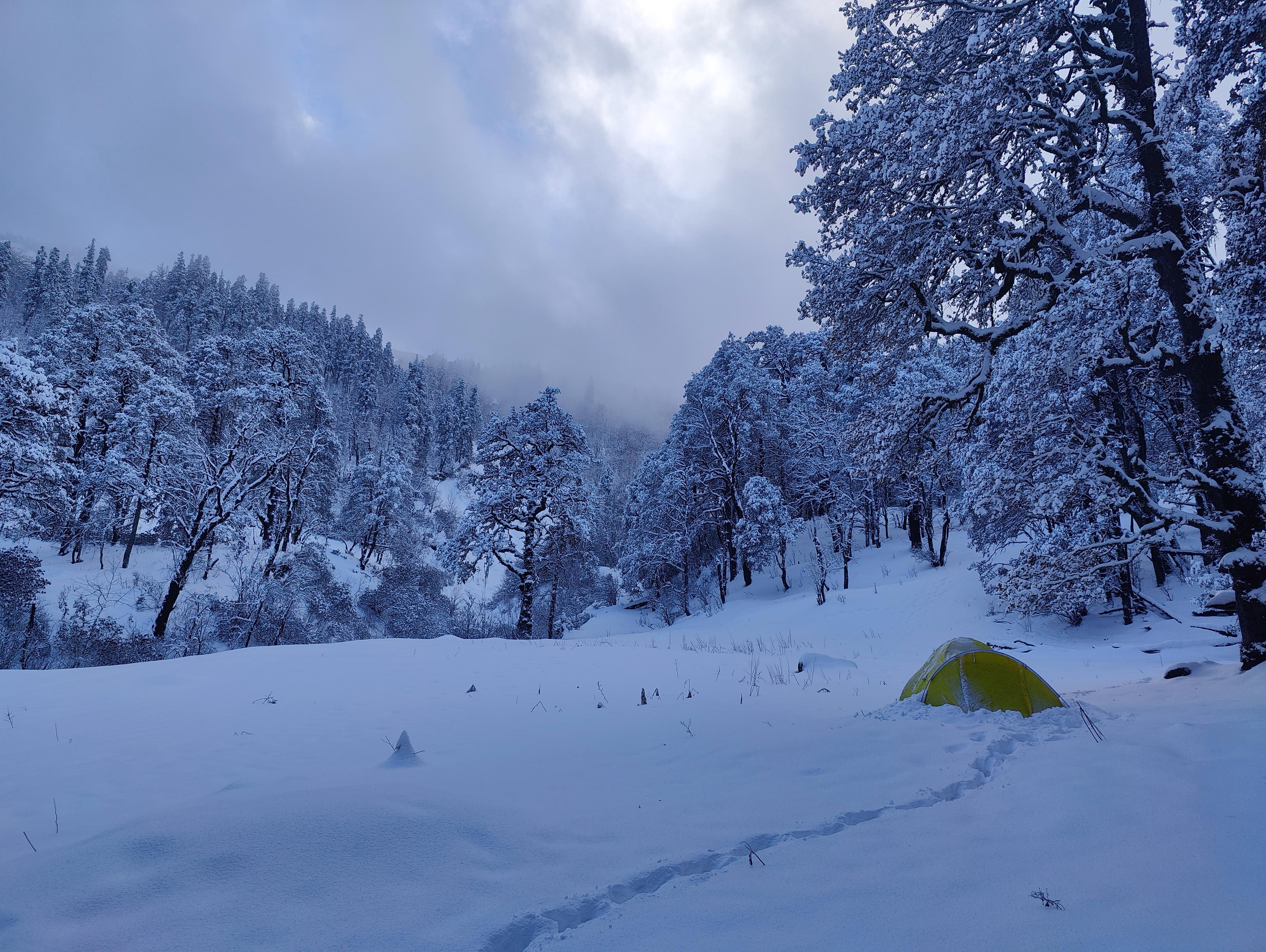
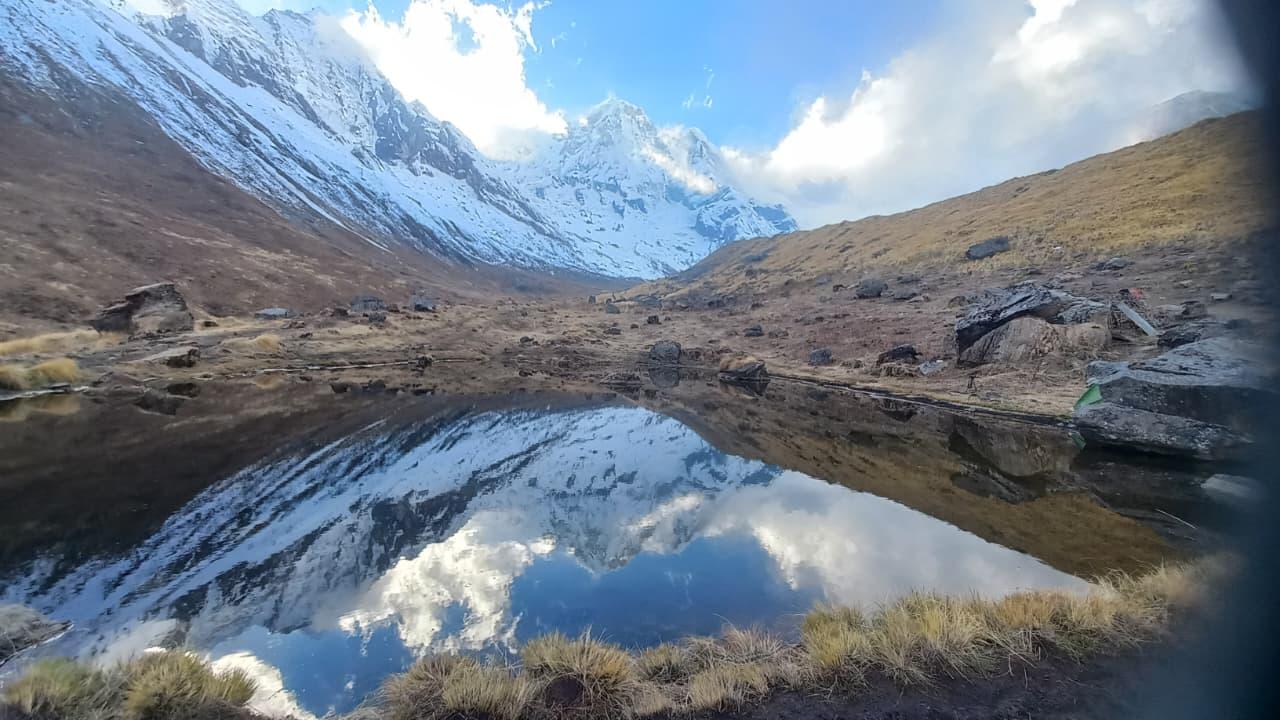
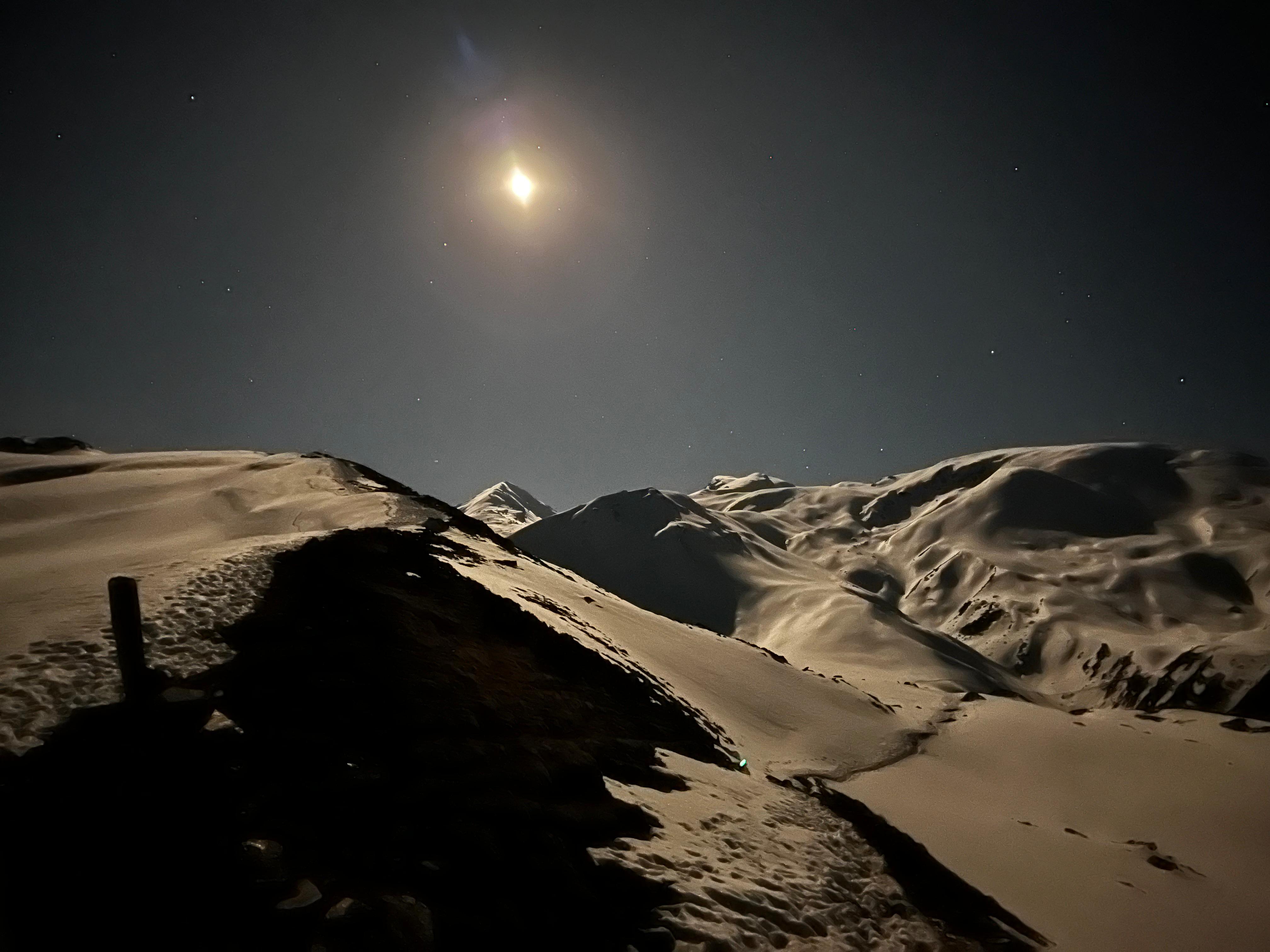
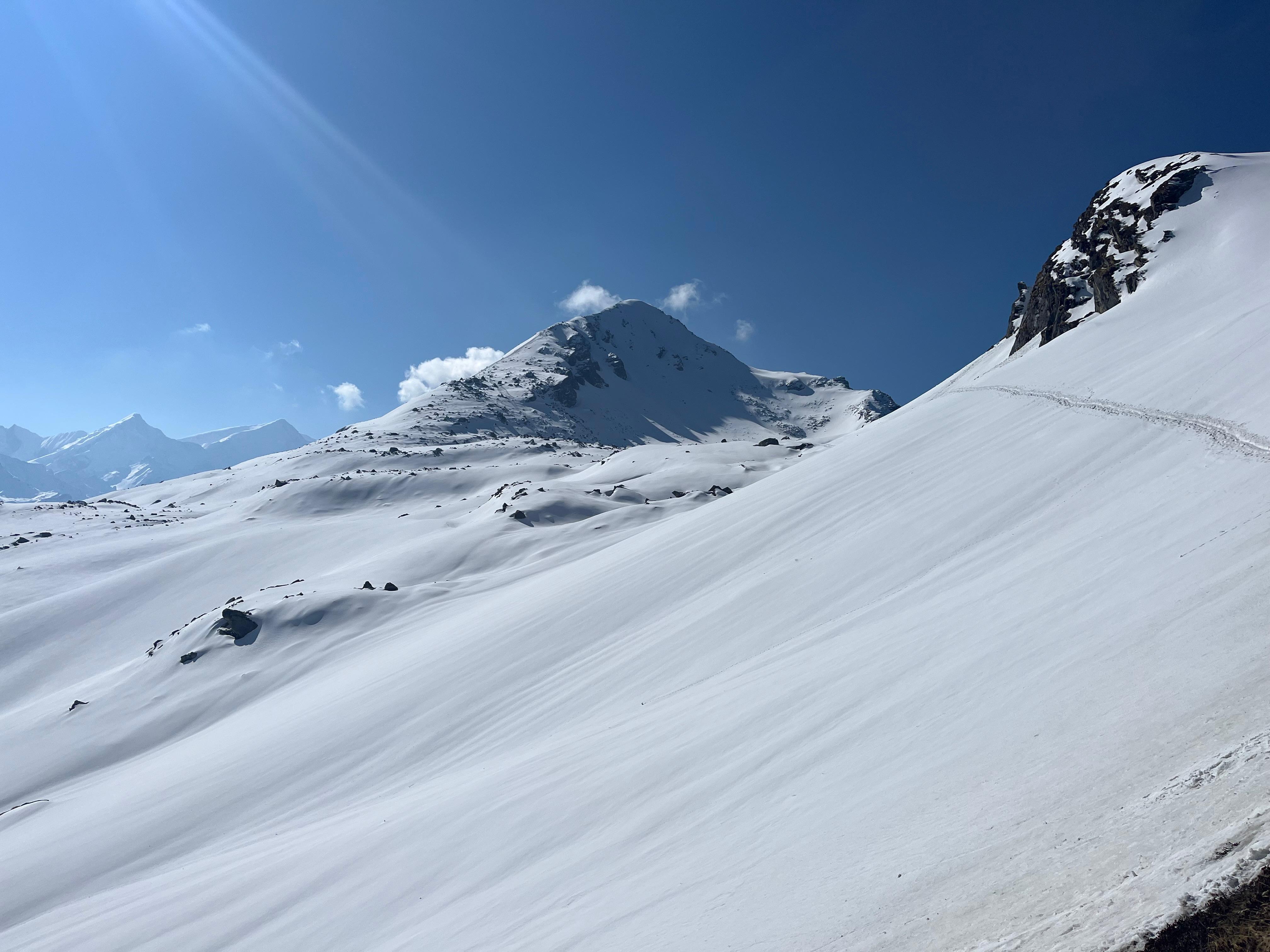
The valley narrows as we climb higher into a rugged glacial basin. Vegetation becomes sparse, replaced by rocky terrain and lingering snowfields. Dhunda is the last campsite before the pass in remote wilderness and surrounded by massive cliffs. The evening is dedicated to early dinner, briefing for summit day, gear preparation, and mandatory rest.
Day 6
Trek from Dhunda to Munirang via Buran Ghati Pass
Trek Distance: 8 km
Time Taken: 9–11 hours
Elevation Gain: 575 m ascent + 1,200 m descent (4,000 m to 4,575 m ; Camp at 3,375 m)
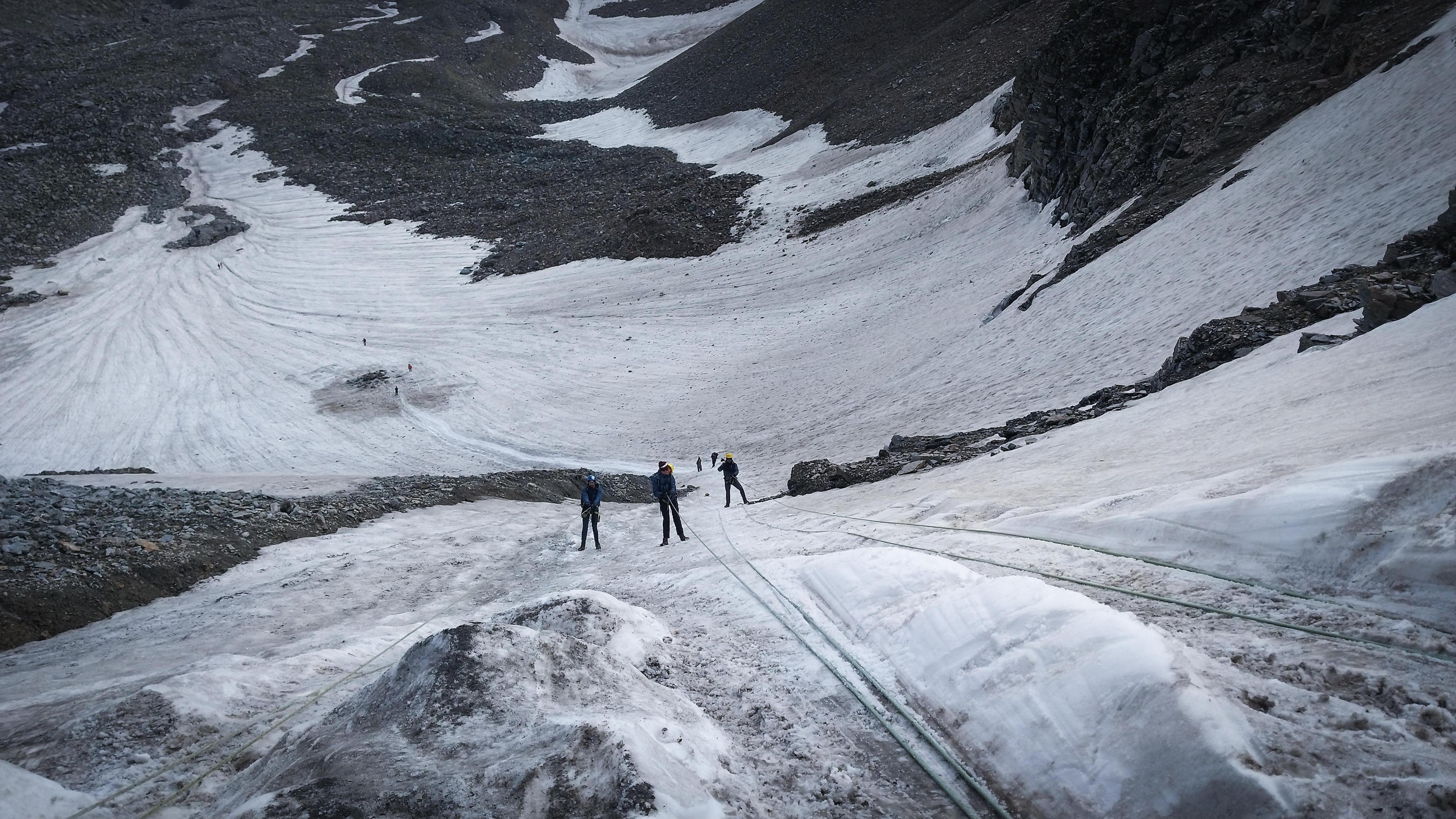
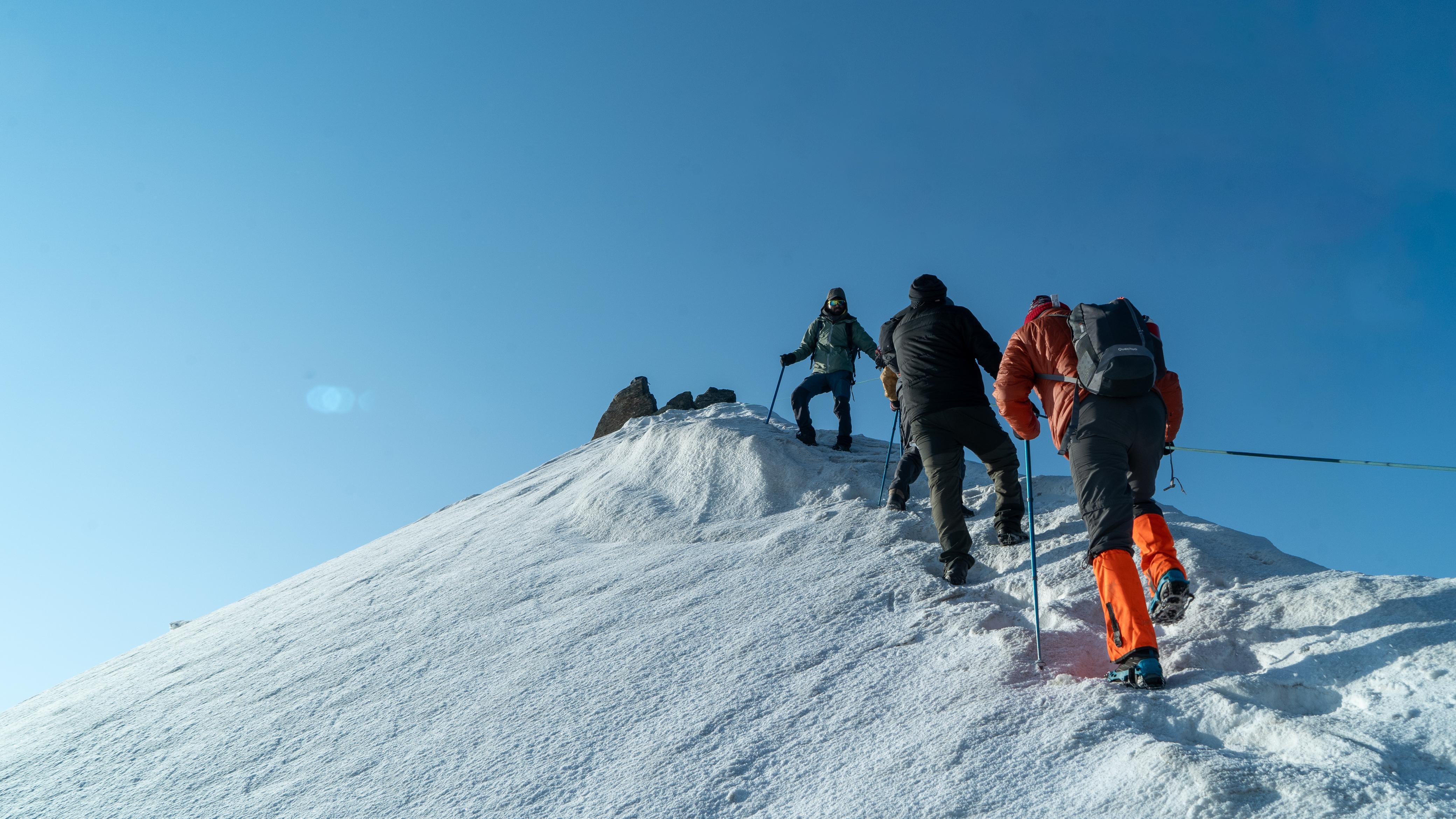
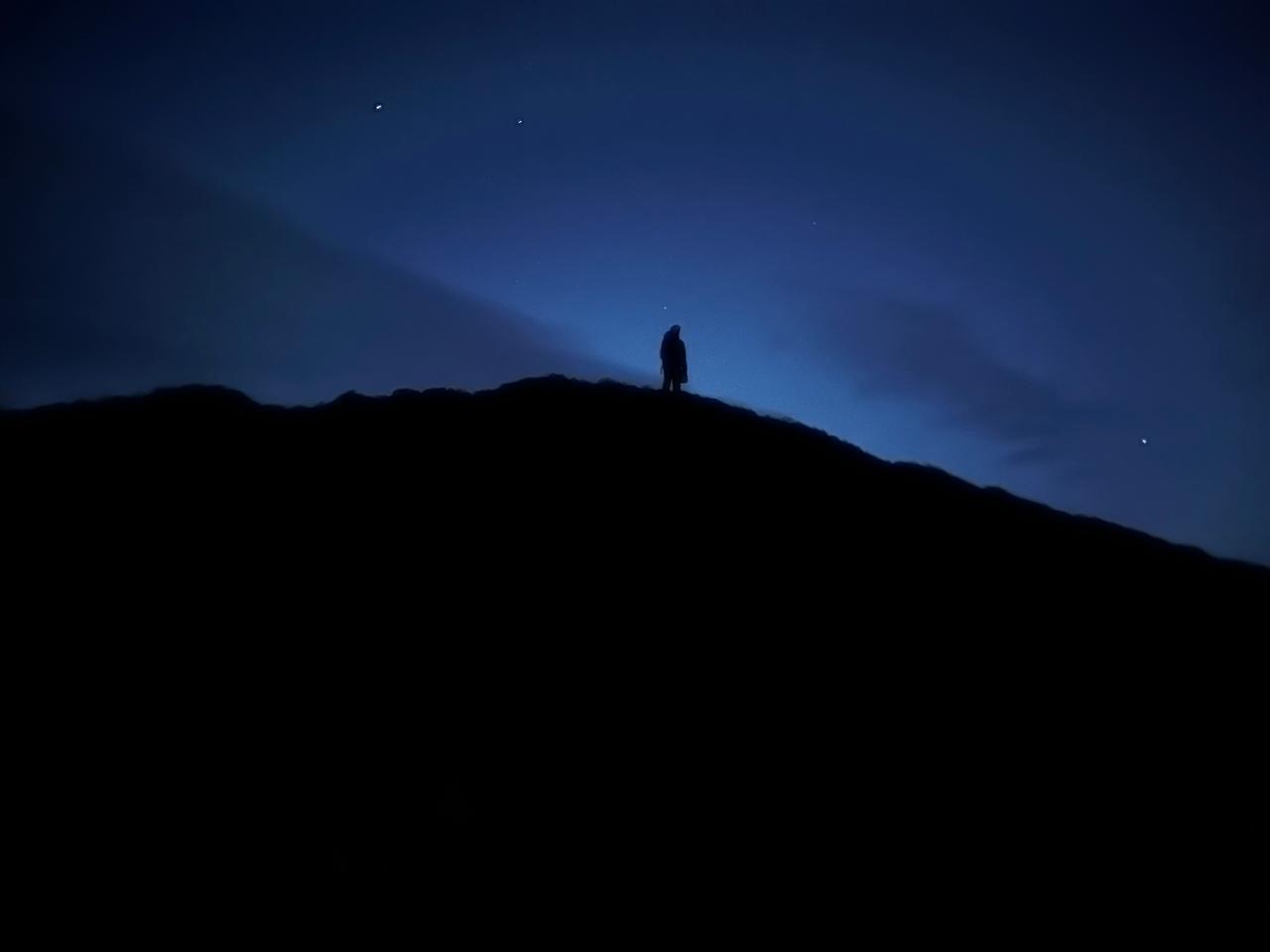
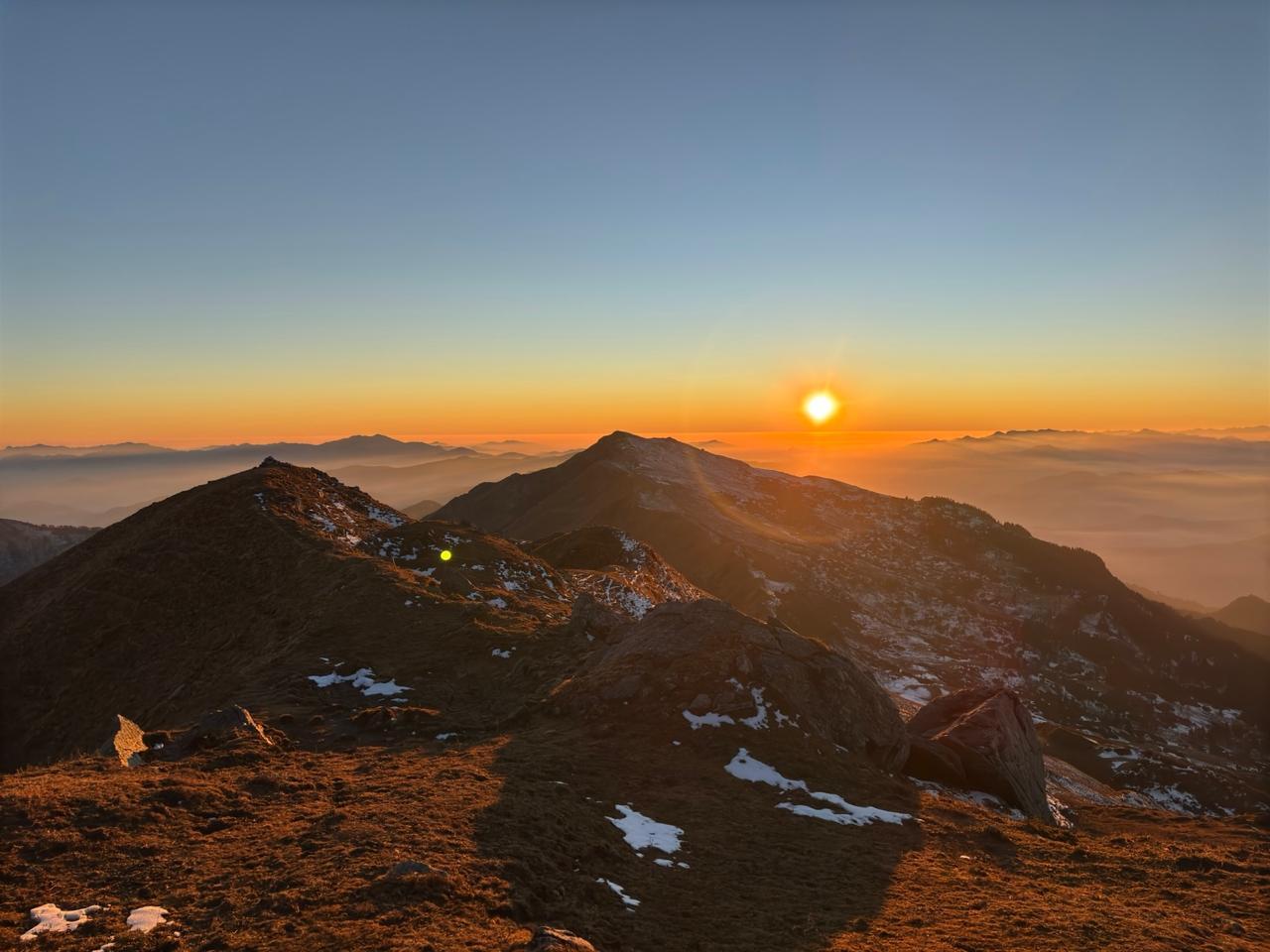
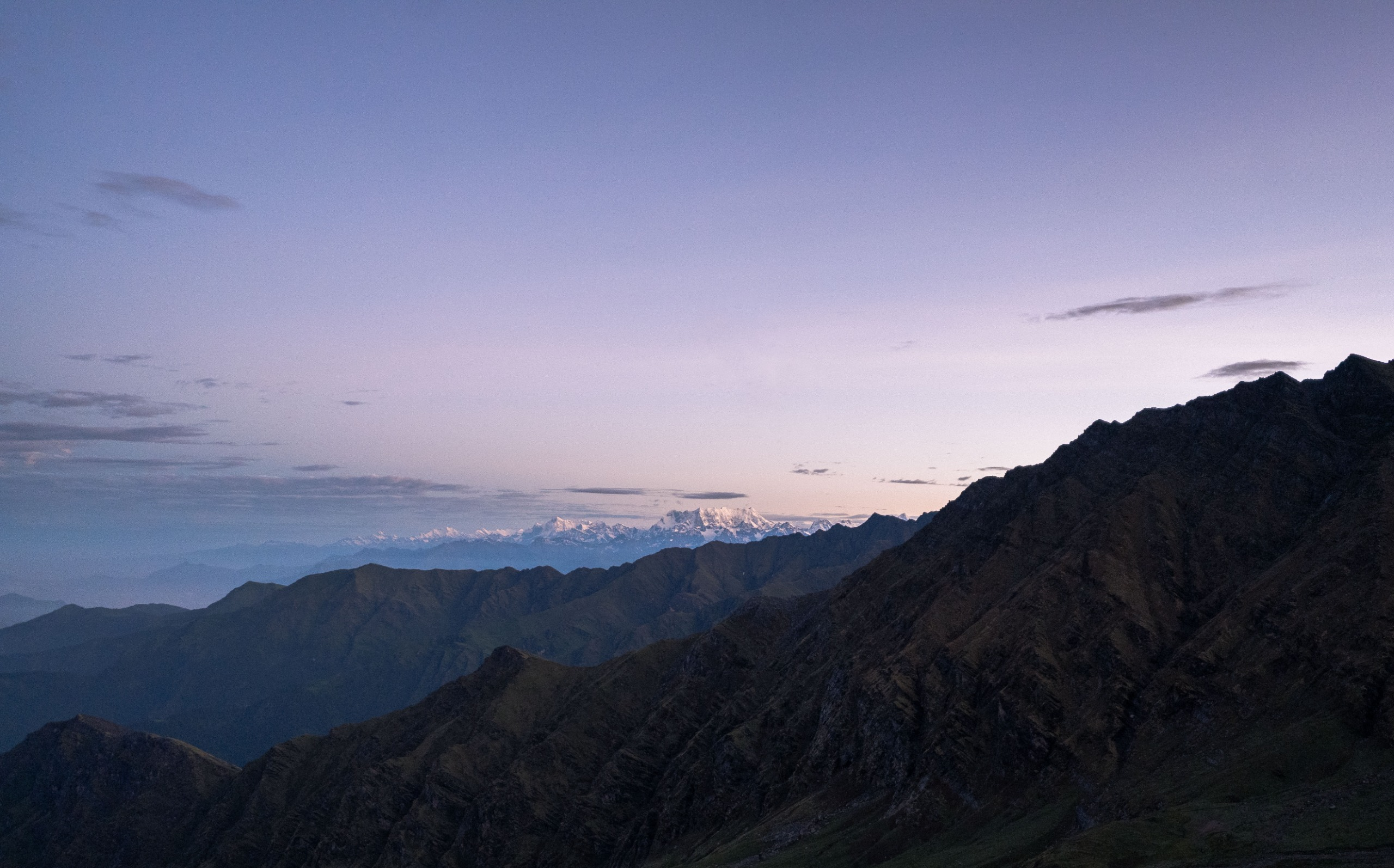
Much awaited Summit day! We start before sunrise, climbing steeply over snow and loose rock toward the Buran Ghati Pass. As the sun rises, the pass reveals a breathtaking panorama of snow peaks stretching endlessly in every direction. After celebrating the crossing, the descent begins down the Baspa Valley side. In early summer, trekkers rappel or slide down a dramatic snow wall which is a signature adventure feature of this trek. We finally reach the green meadows of Munirang campsite by late afternoon.
Day 7
Trek from Munirang to Barua Village and Drive Out
Trek Distance: 6 km
Time Taken: 3–4 hours
Elevation Gain: Descent of 500 m (3,375 m to 2,900 m)
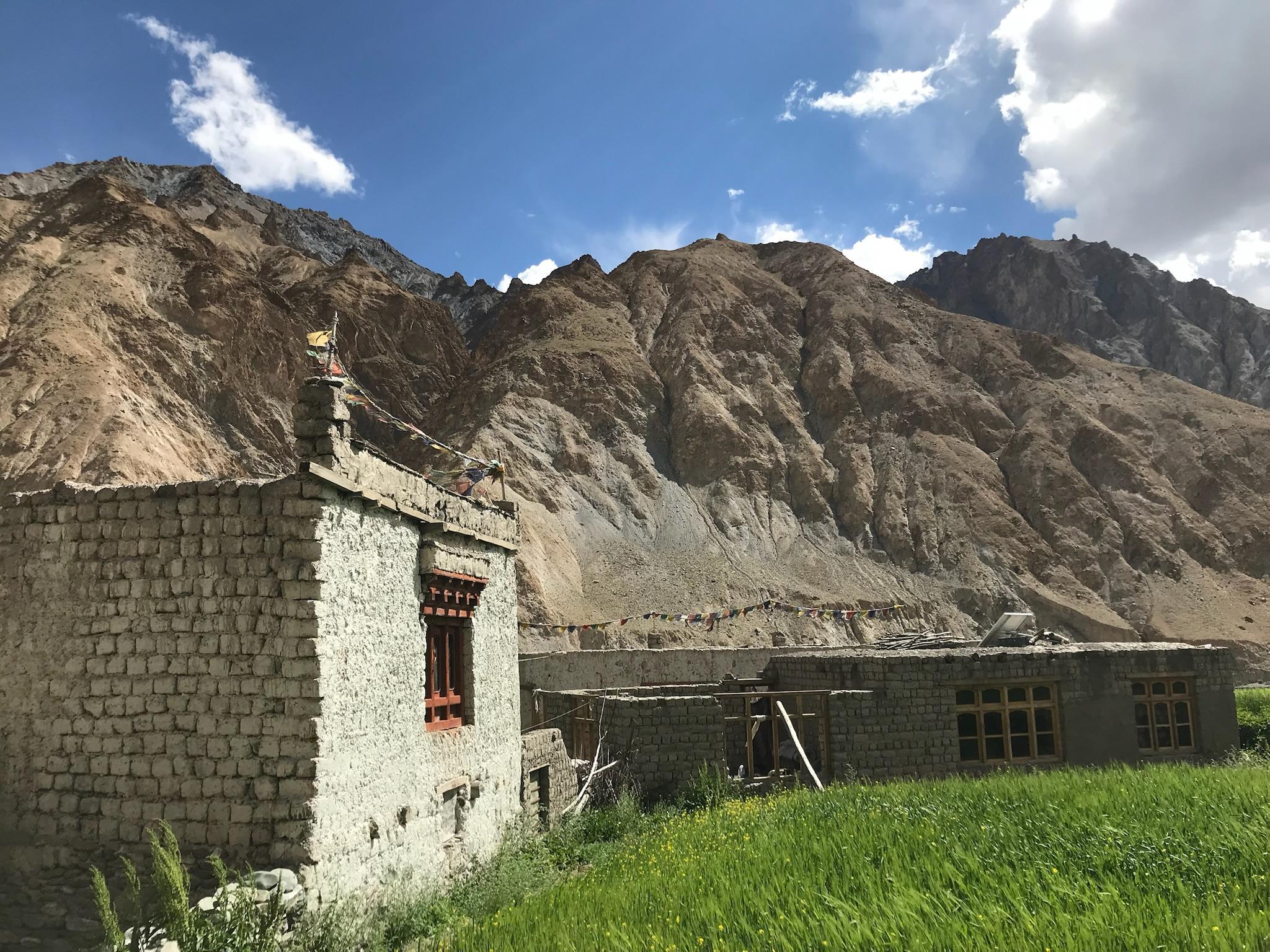
The final day descends through pine forests into Barua village in the Baspa Valley. Traditional wooden houses, terraced fields, and friendly locals mark the end of the trek. From Barua, we drive onward toward Shimla or the onward destination. The expedition concludes with full hearts, tired legs, and a well-earned sense of accomplishment.
Minimum Fitness Required
Easy-grade treks are beginner-friendly, but they still demand foundational stamina and consistency.
We follow a scientific approach where we build most of your endurance in Zone 2, a sustainable, conversational pace that strengthens your aerobic base without overexertion.
Minimum fitness benchmarks:
- Walk 8–10 km on gentle terrain without excessive fatigue.
- Climb 8–12 flights of stairs comfortably.
- Maintain 60–90 minutes of Zone 2 movement (brisk walking, cycling, slow jogging) without long breaks.
- Comfortable moving on slightly uneven or natural surfaces.
4–6 Week Recommended Aerobic Prep
- 3–4 Zone 2 sessions/week, 40–60 minutes each.
- Focus on durability and consistency, not speed.
This prepares your body to handle steady movement over several hours.
Mobility, Strength & Sports Movement
This section builds all-around movement quality (Essential even on easy trails).
Mobility (10–15 minutes daily)
- Ankles (For example - rotations, calf stretches)
- Hips (For example - lunges, hip openers)
- Upper back (For example - thoracic rotations)
Strength (2 sessions per week)
- Legs (For example - squats, step-ups, lunges)
- Core (For example - planks, dead bugs, bird-dogs)
- Balance (For example - single-leg stands, heel-to-toe walk, etc)
Sports Movement & Hand–Eye Coordination (1–2 sessions per week)
We encourage participants to add agility-based sports such as Badminton, Table tennis, Tennis, Basketball, Football (easy play), and Squash.
These develop reactive balance, foot placement accuracy, and movement confidence, all of which are valuable on uneven trekking terrain.
Our Expectations from Participants
To ensure a safe and smooth trekking experience:
- Arrive with the minimum required fitness as listed above.
- Be able to carry a 2–5 kg daypack comfortably throughout the trek.
- Follow all instructions from the trek leader regarding pacing, hydration, breaks, and safety.
- Maintain respectful behaviour toward teammates, staff, and local communities.
- Uphold Leave No Trace principles at all times.
- Submit all required documents (ID proofs, medical declarations, waivers, permits, etc.) within the timeline set by the coordinator.
Health & Acclimatisation Readiness
- No uncontrolled medical conditions or recent major injuries.
- Disclose any medications or concerns to the trek leader beforehand.
- Maintain good hydration and follow safe pacing.
- No prior altitude experience is required for easy treks.
Gear Readiness
Participants must come prepared with all the gear and accessories listed in the official trek checklist shared by the coordinator prior to departure.
These items ensure comfort, safety, and preparedness across changing mountain conditions.
Inclusion
Exclusion
SELECT DATE TO REGISTER

Thank You!
Your form has been submitted successfully. We'll get back to you soon.
On Request
