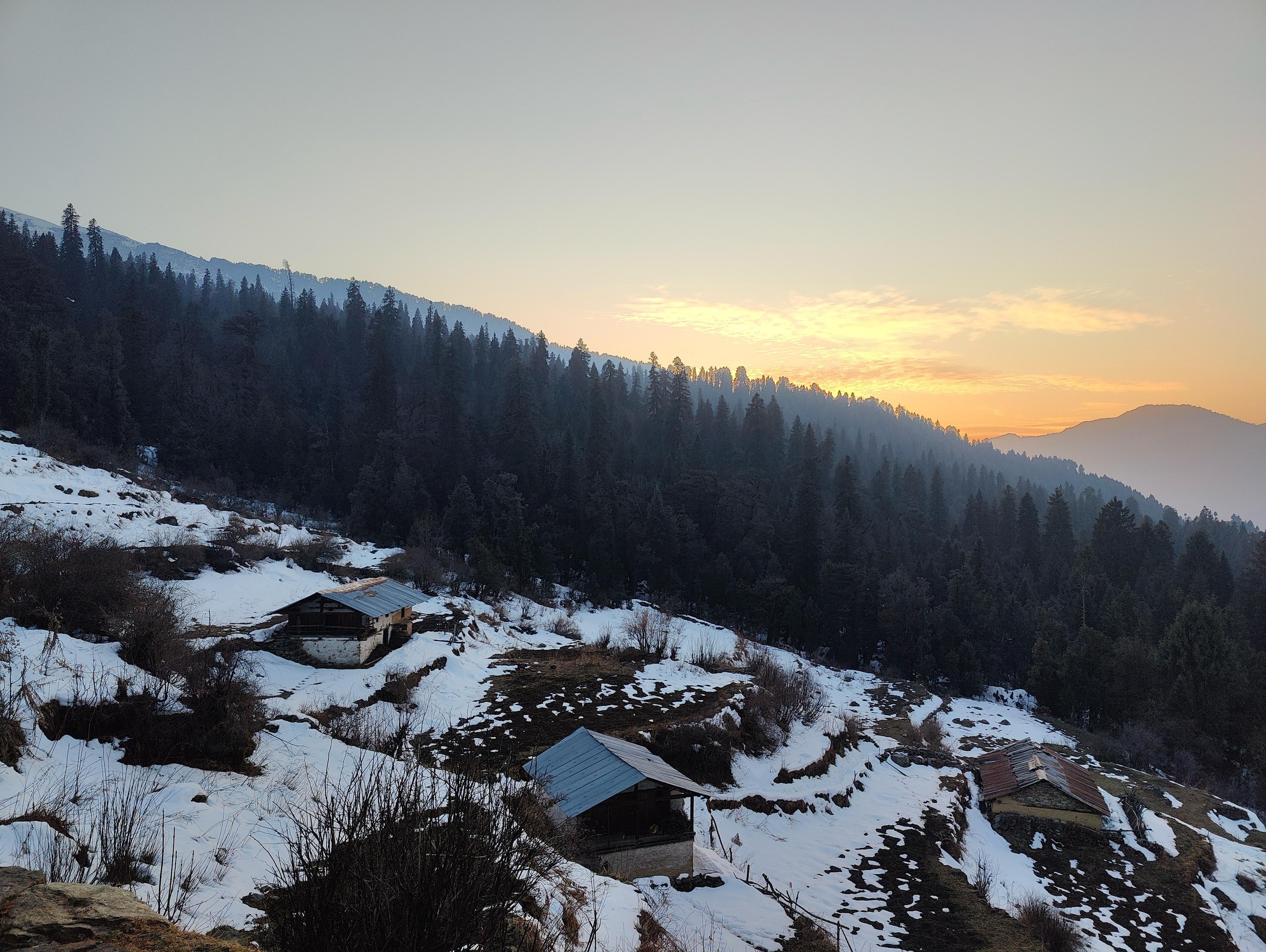
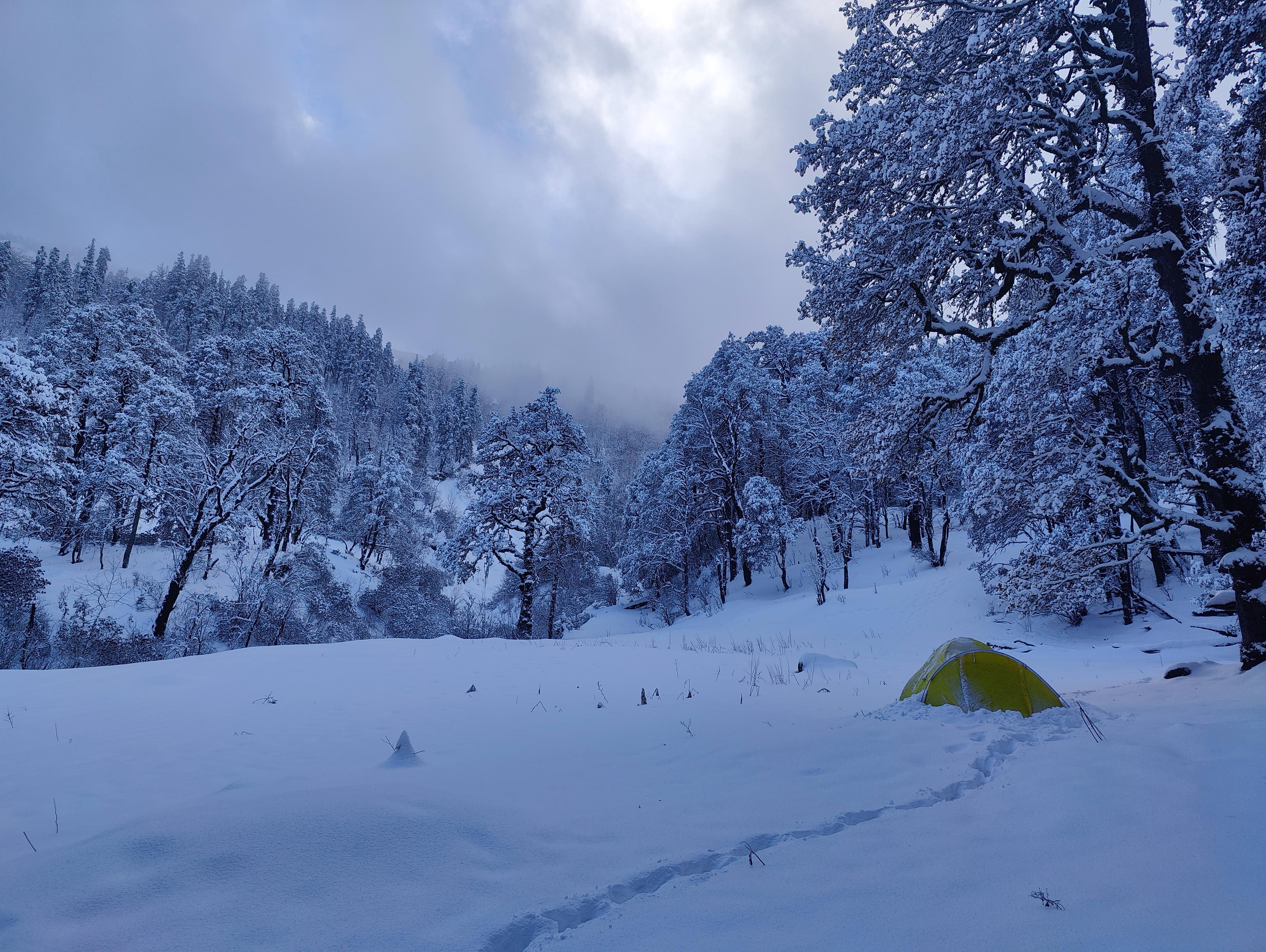
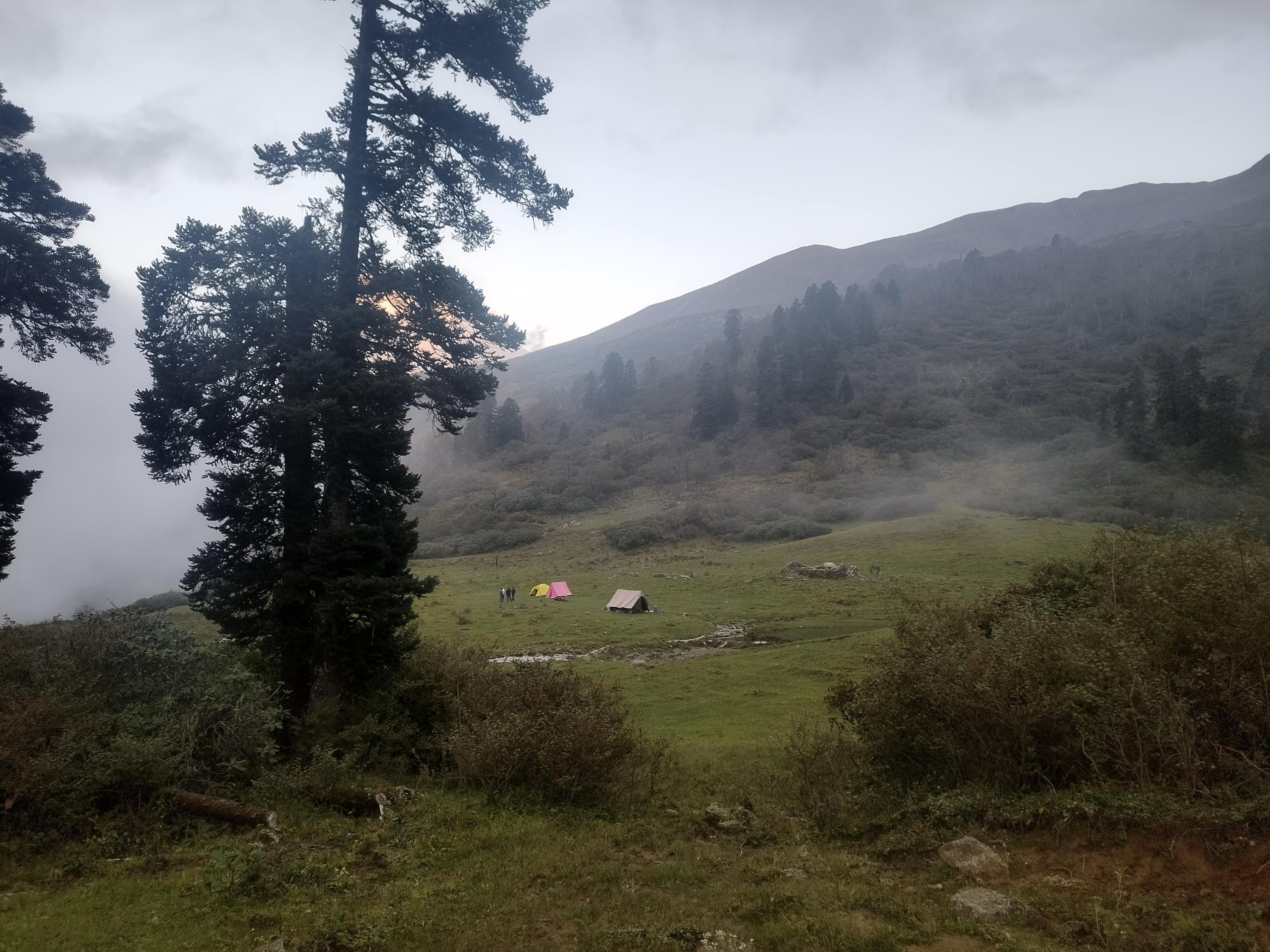

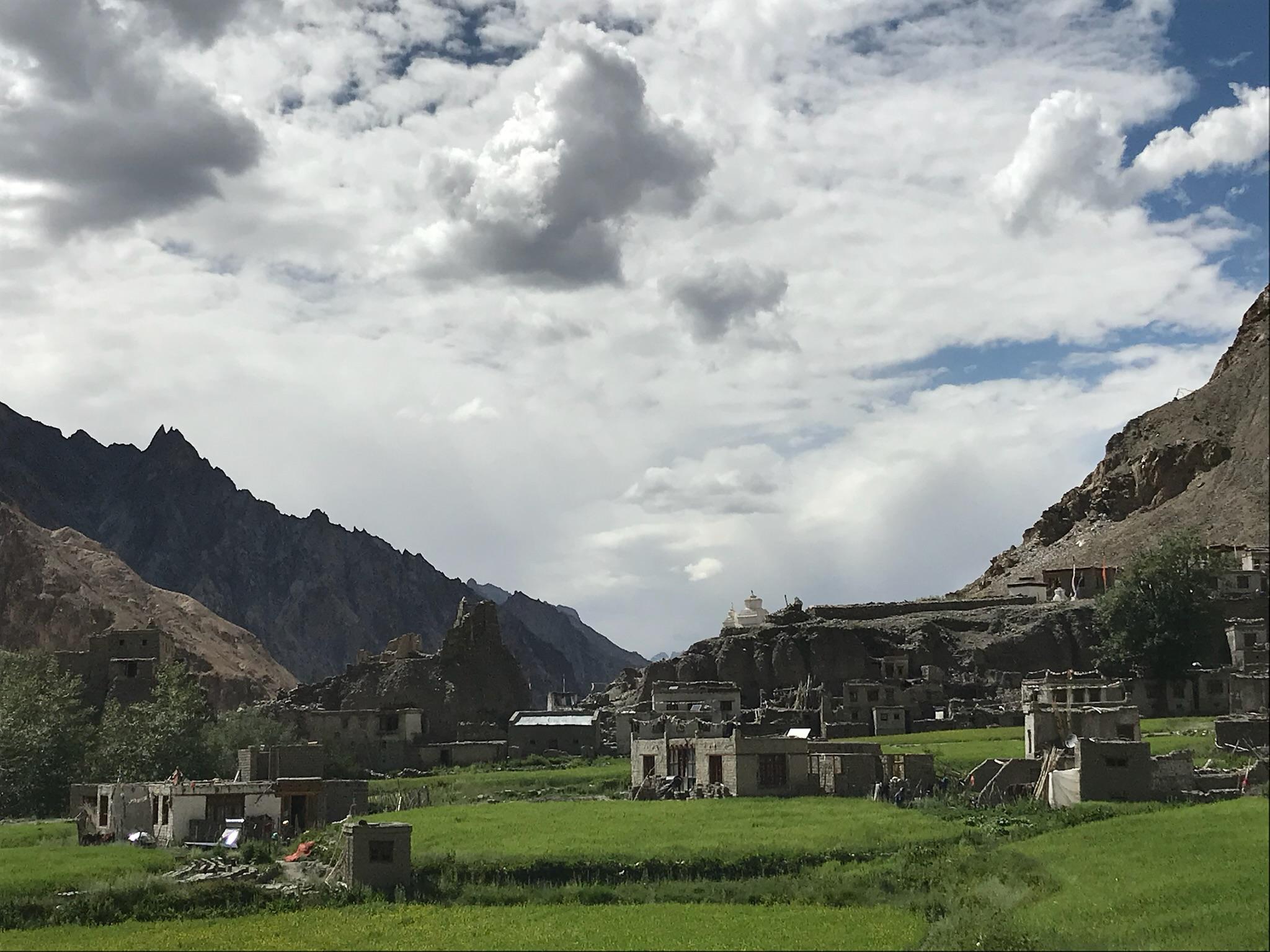
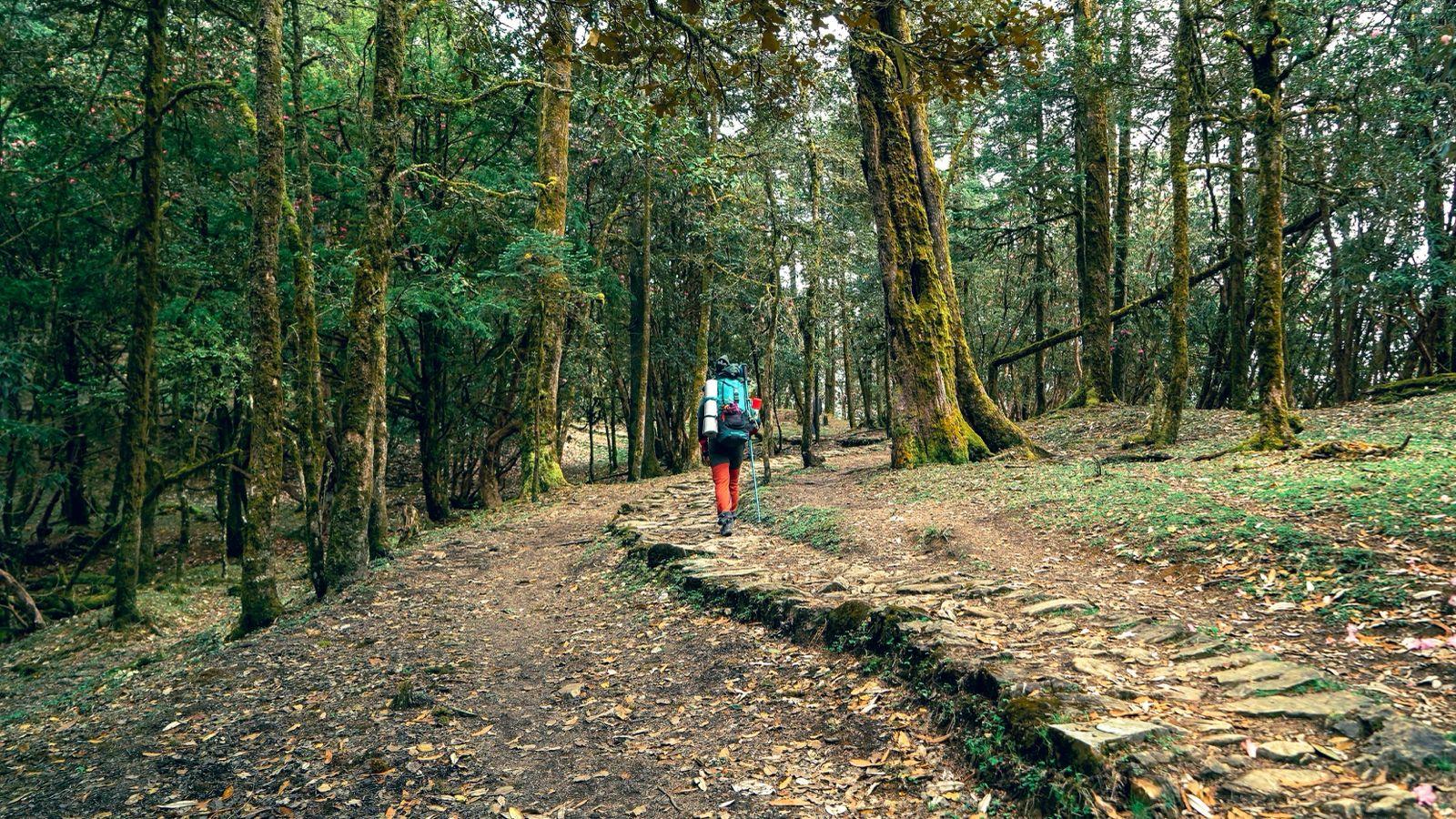
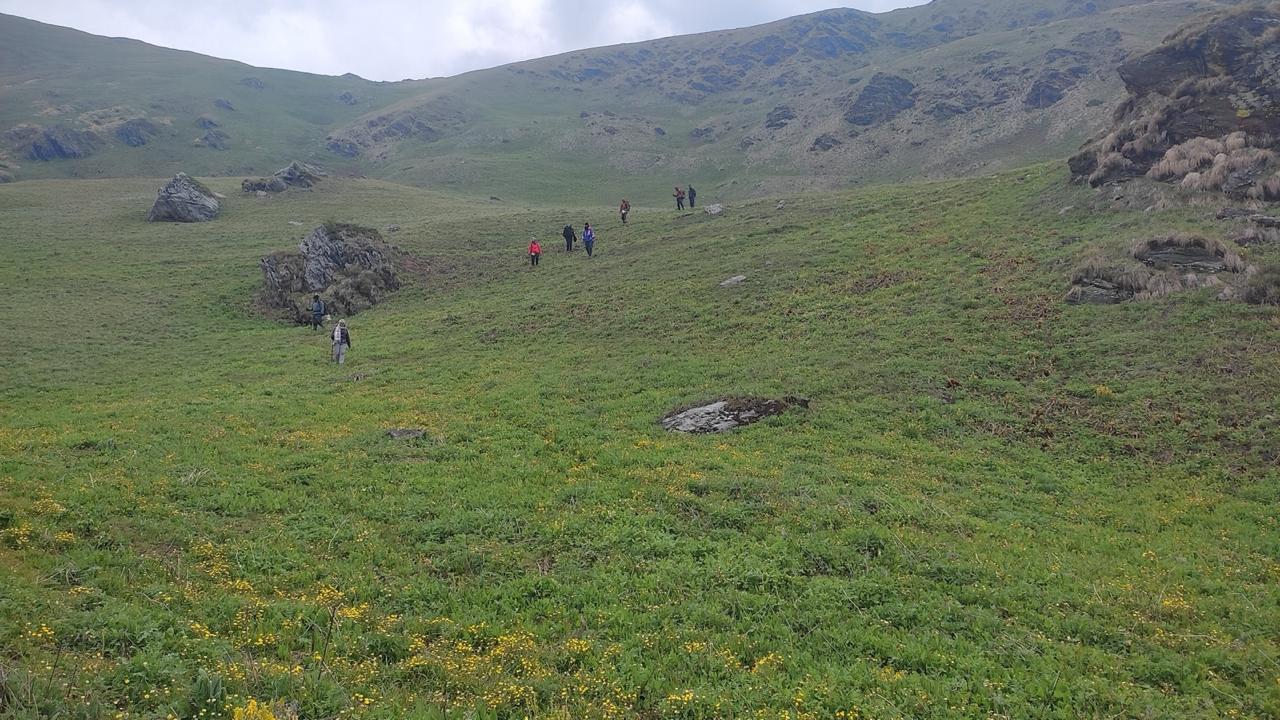
Hidden deep in the Yamuna Valley of Uttarkashi lies the Gulabi Kantha, a Himalayan route that unfolds like a quiet poem. The trek begins in Hanuman Chatti, a small village along the Yamuna valley roads, reachable by road from Dehradun via Barkot. From there, the journey threads through lush oak, deodar, pine and rhododendron forests that have stood sentinel for generations. As you gain altitude, these forests slowly open up to reveal sweeping alpine meadows and gentle ridgelines.
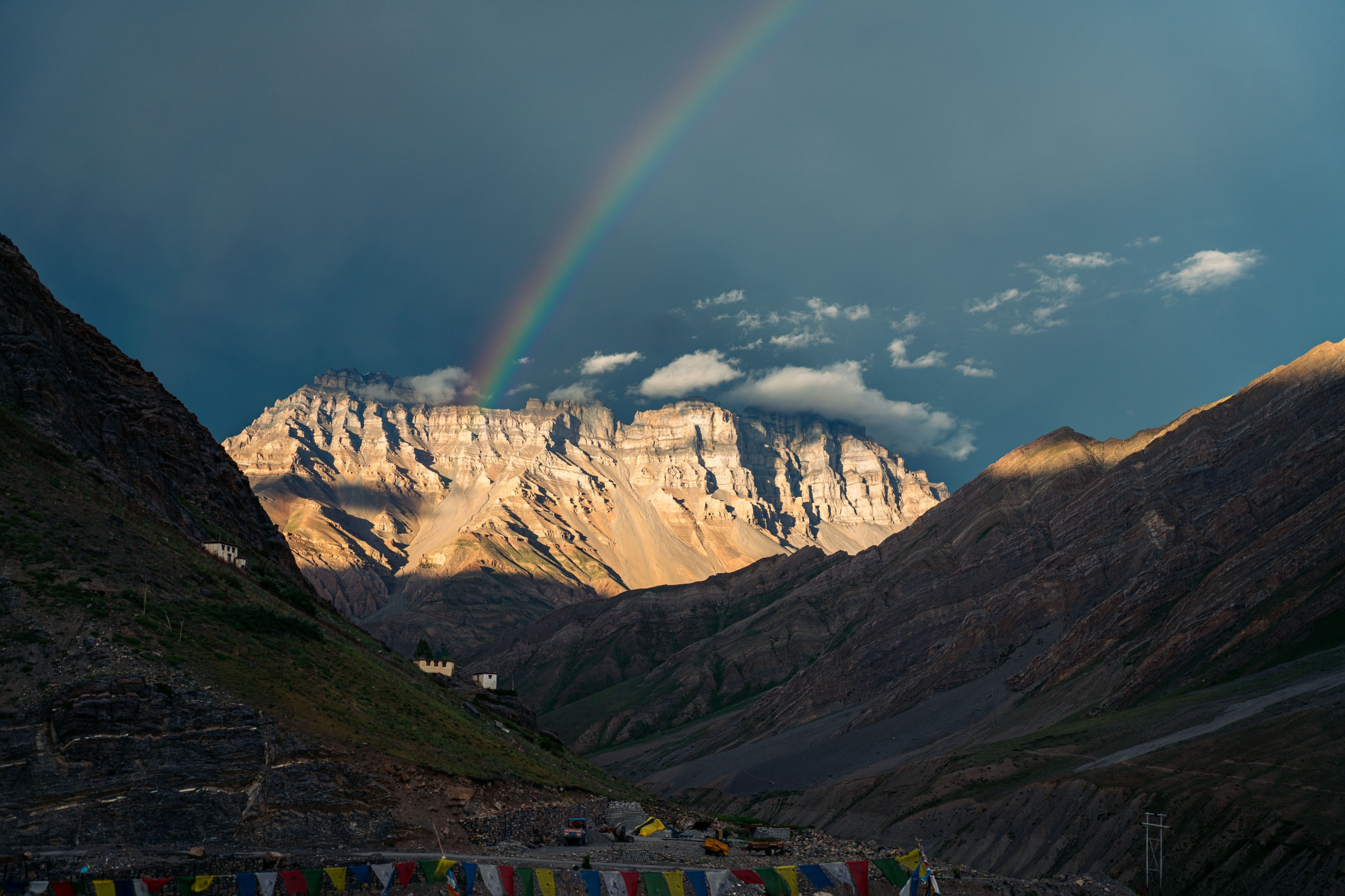
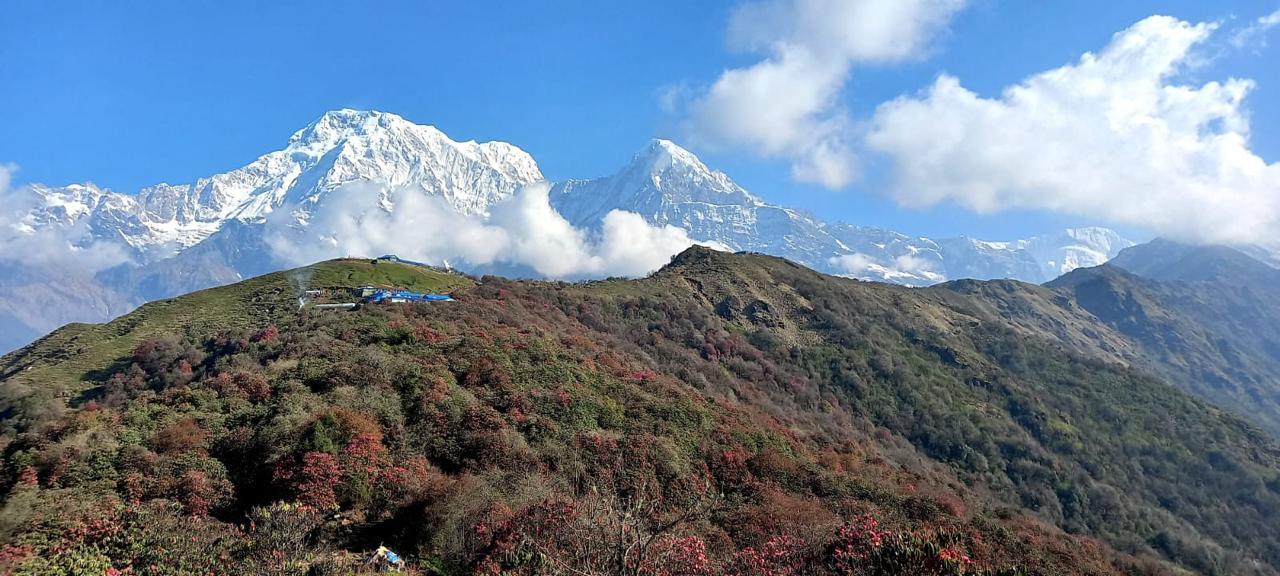
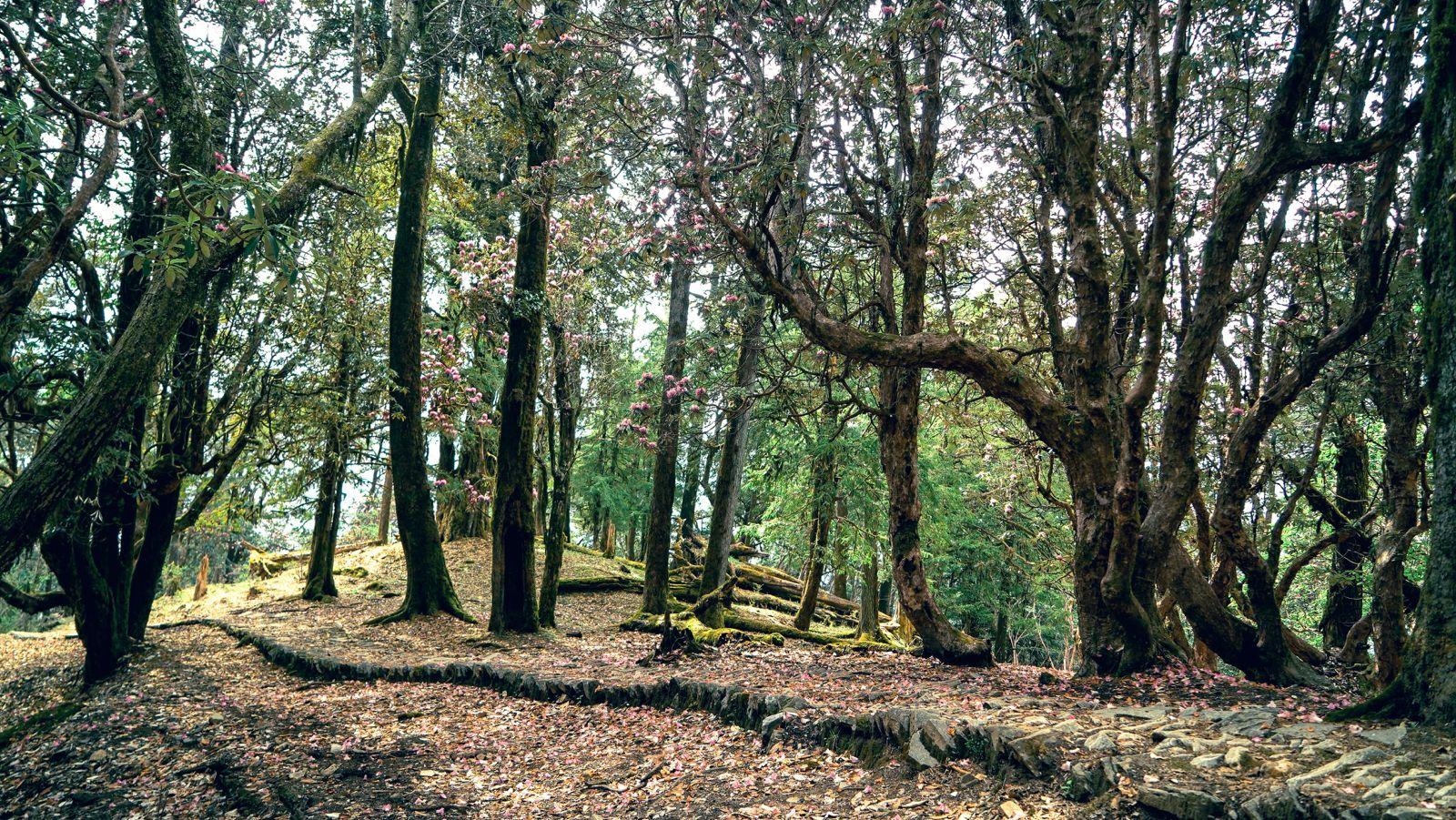
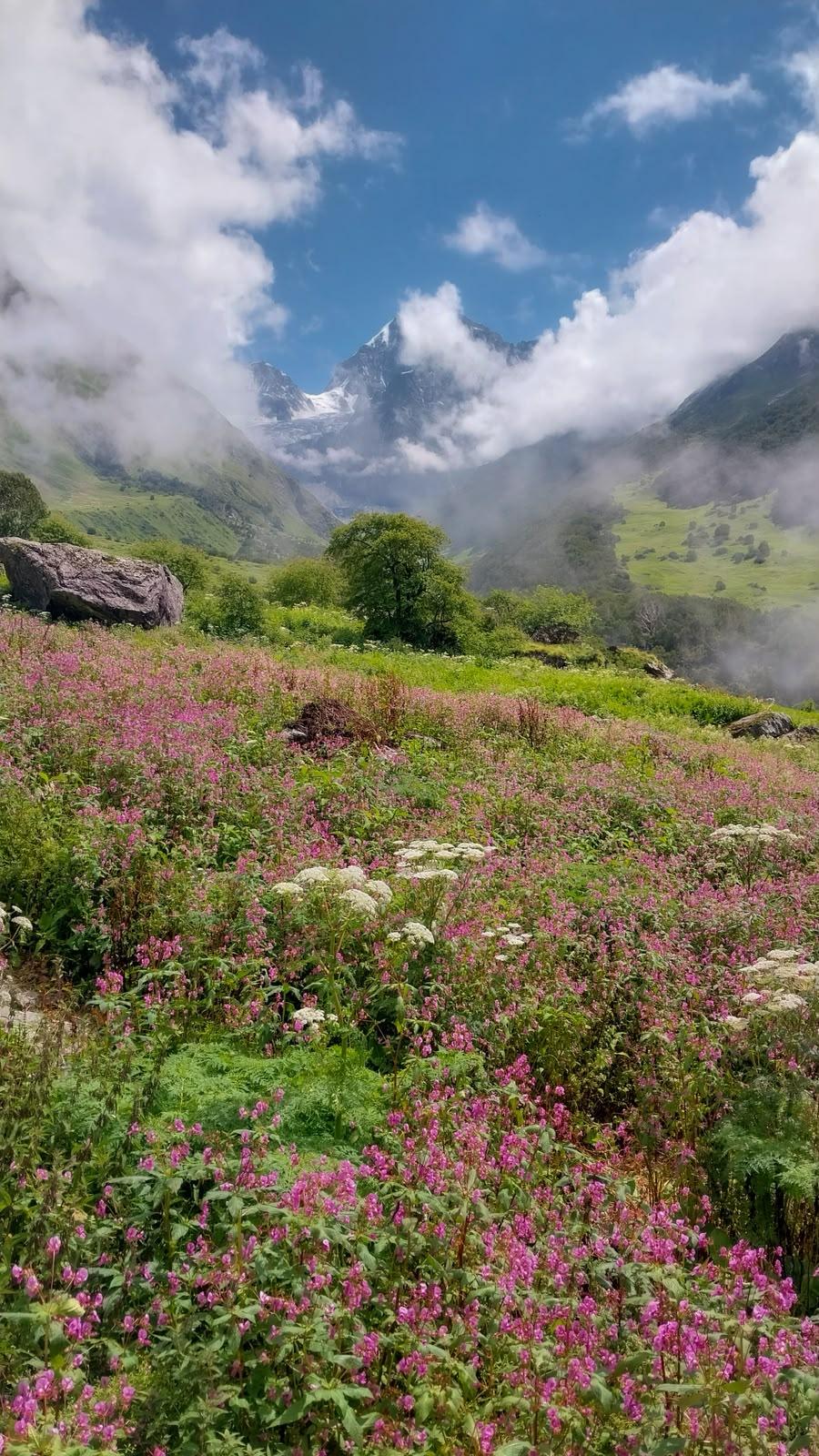
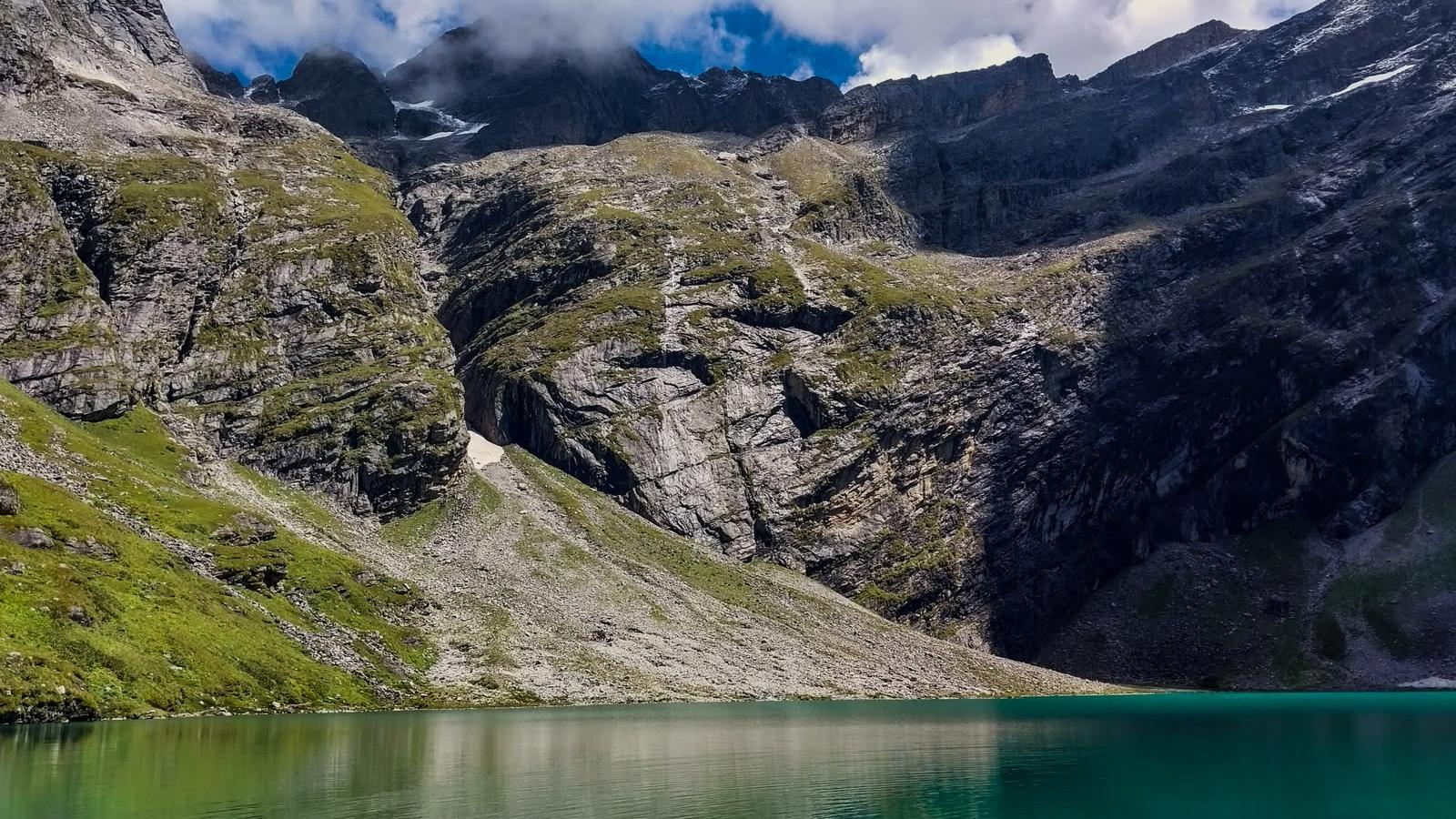
The name “Gulabi Kantha” loosely translates to “pink ridge/meadow” in local parlance. It comes alive in spring: rhododendrons and wild Himalayan flowers burst into bloom, painting the slopes in hues of pink, red, and deep green. Under the rising sun, or at dusk, the entire meadow glows, and for a few magical moments, the mountains feel wrapped in a surreal, soft-colored blanket.
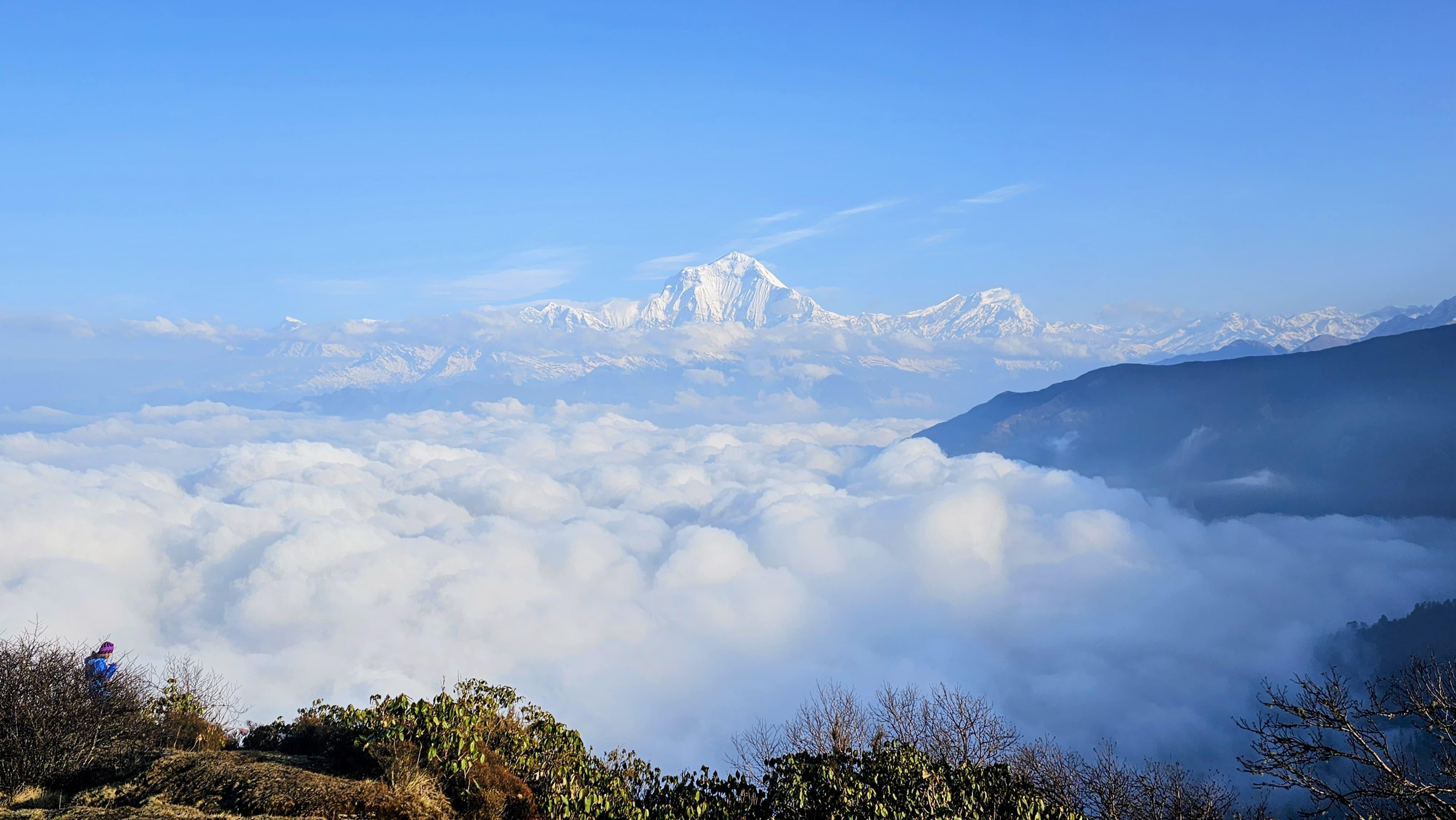
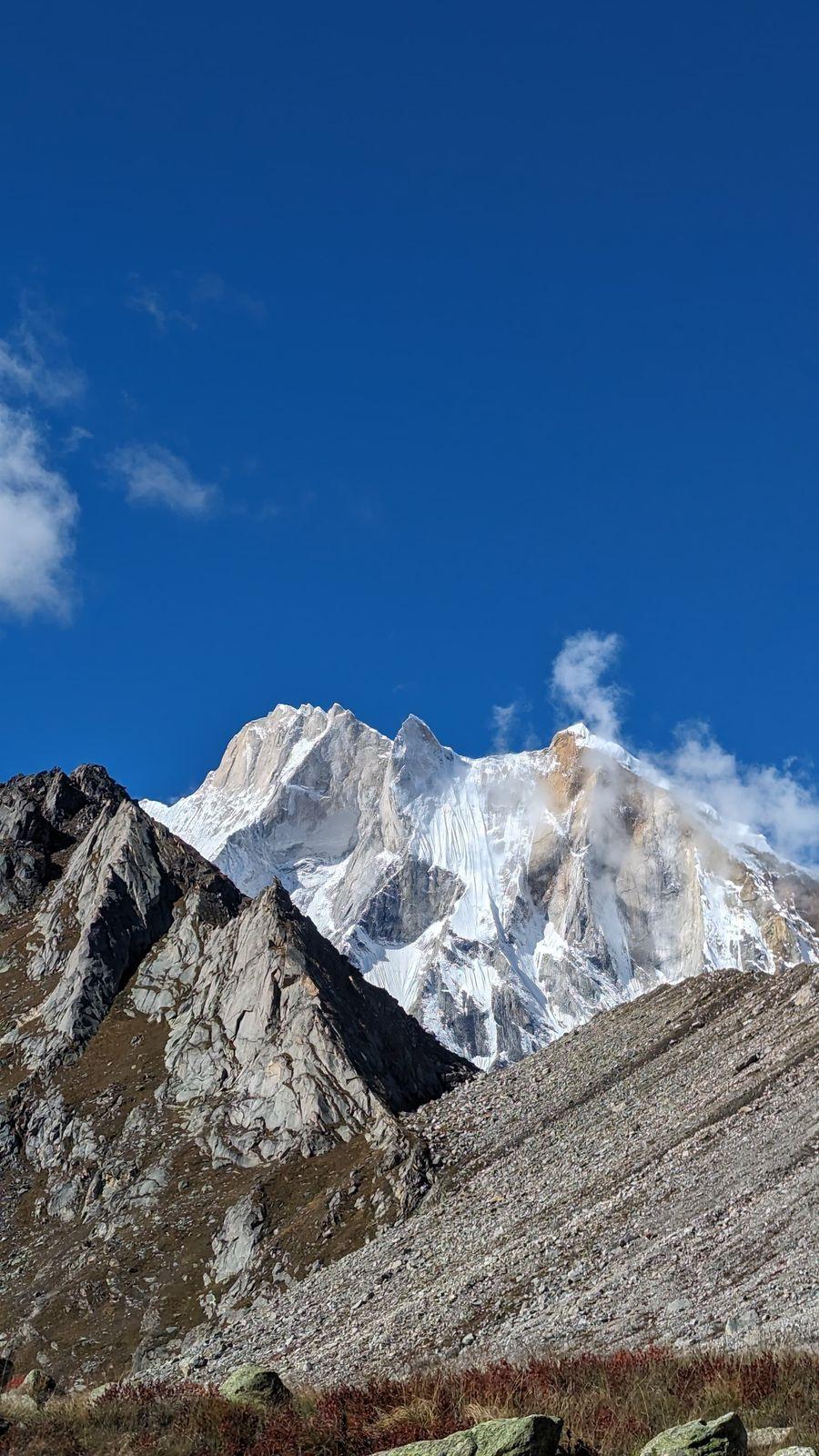
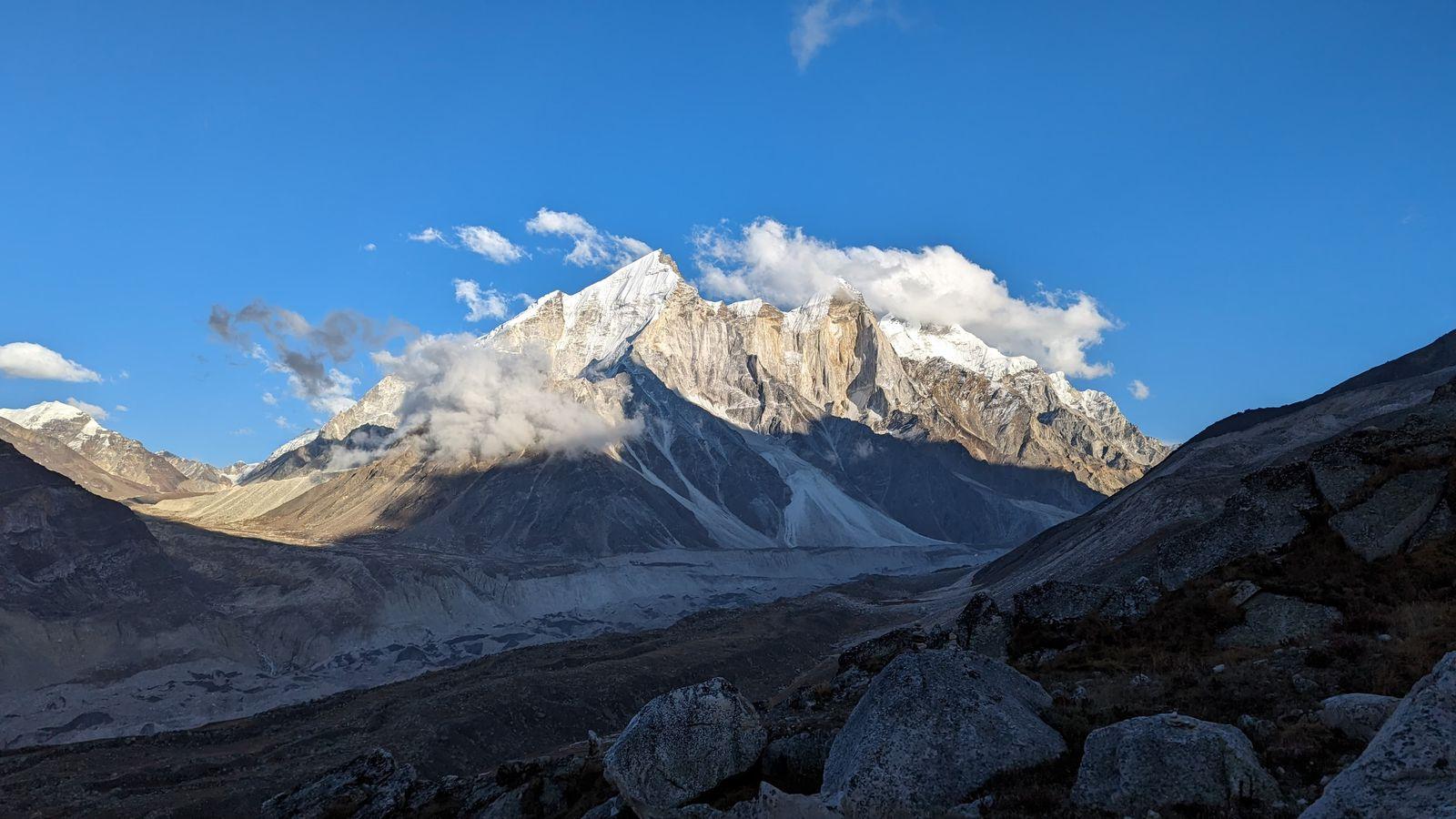
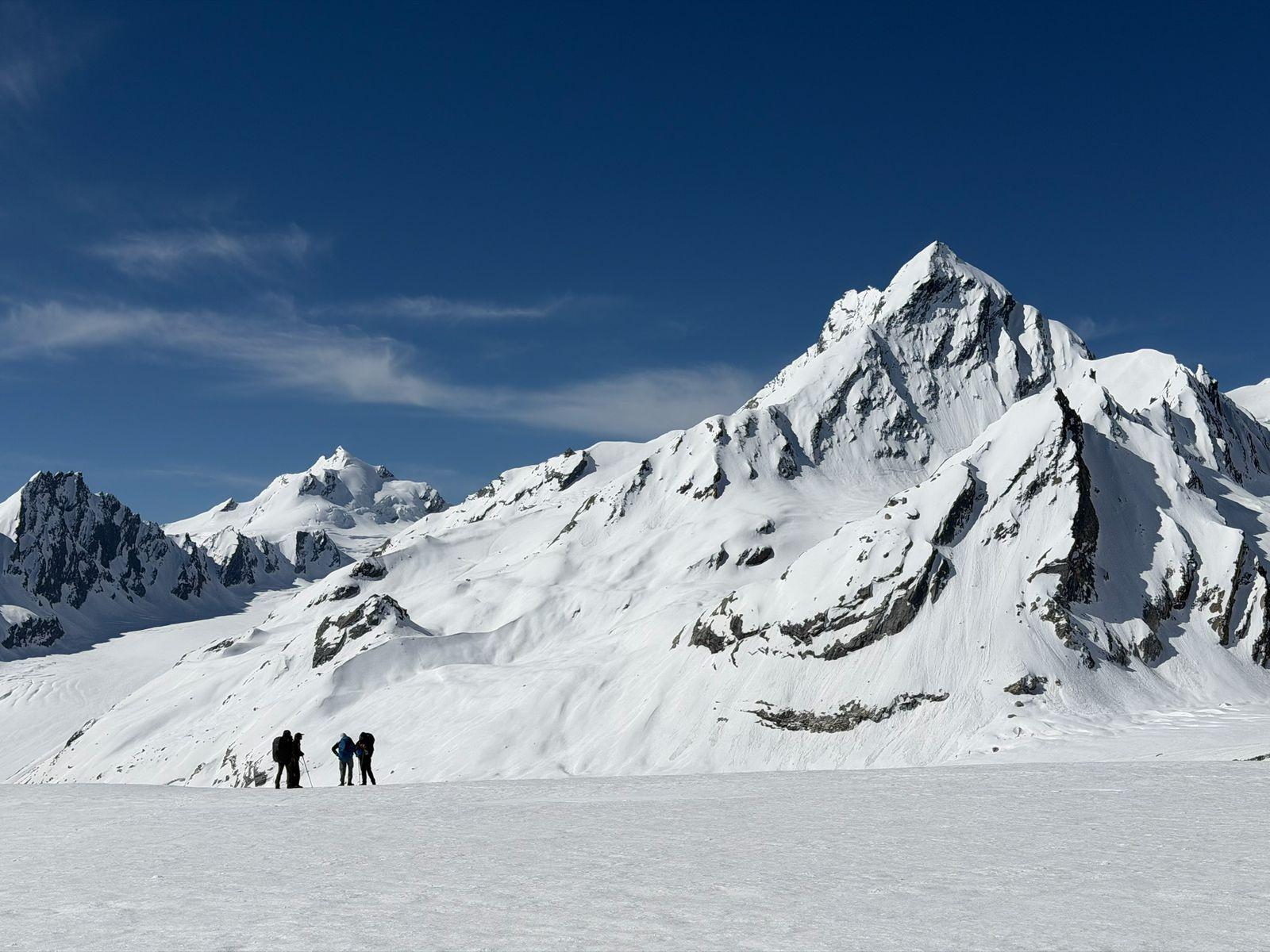
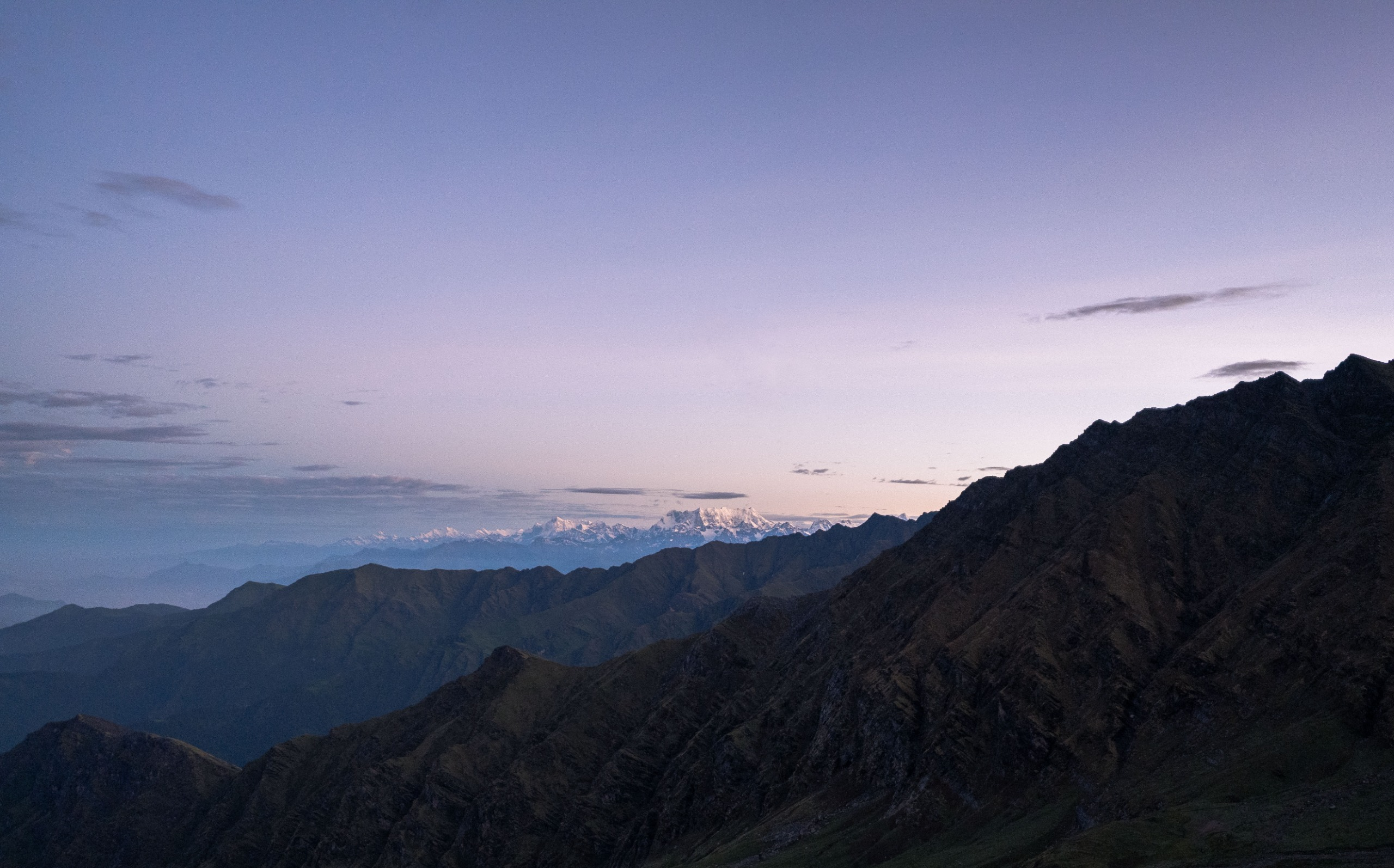
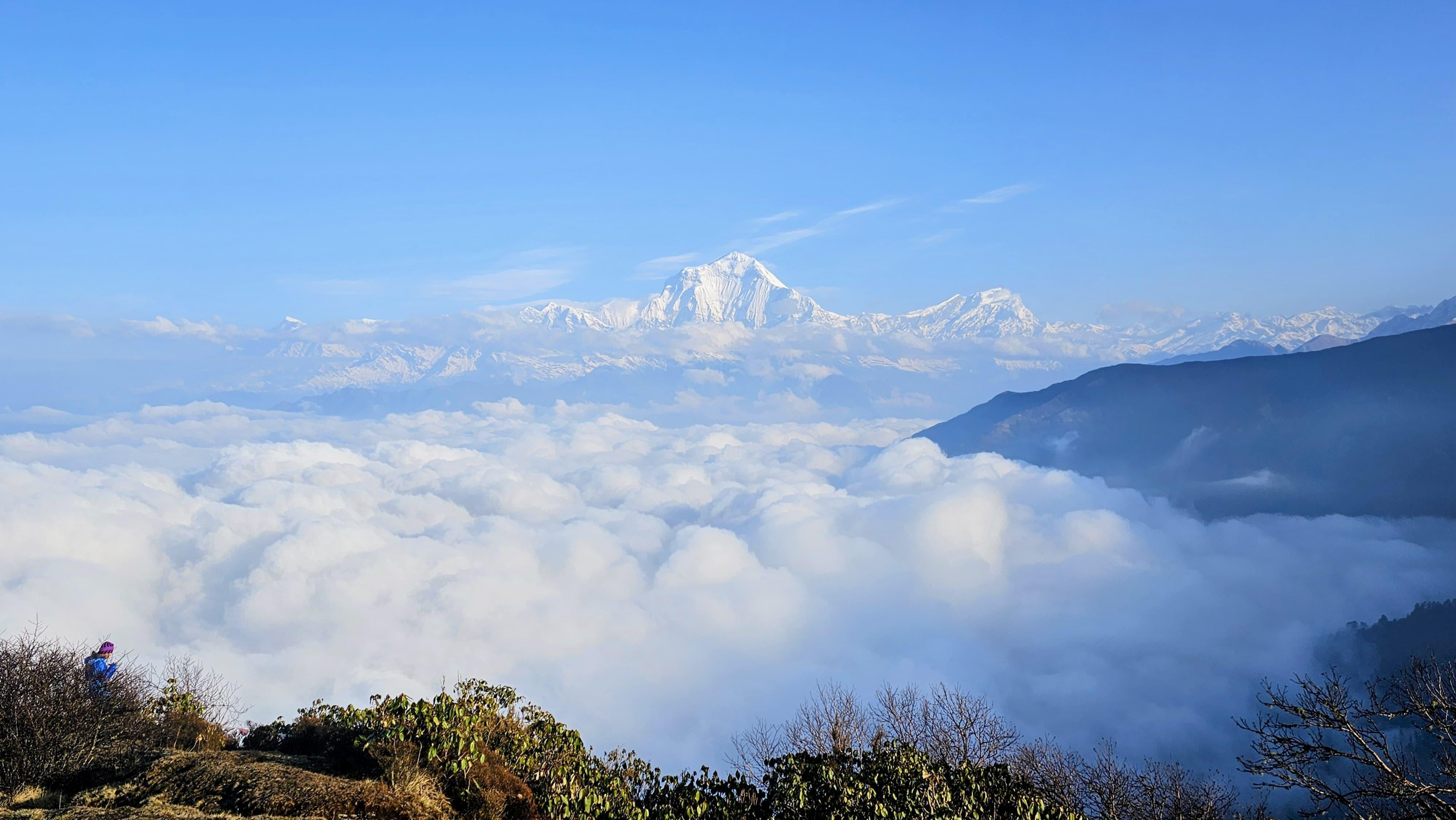
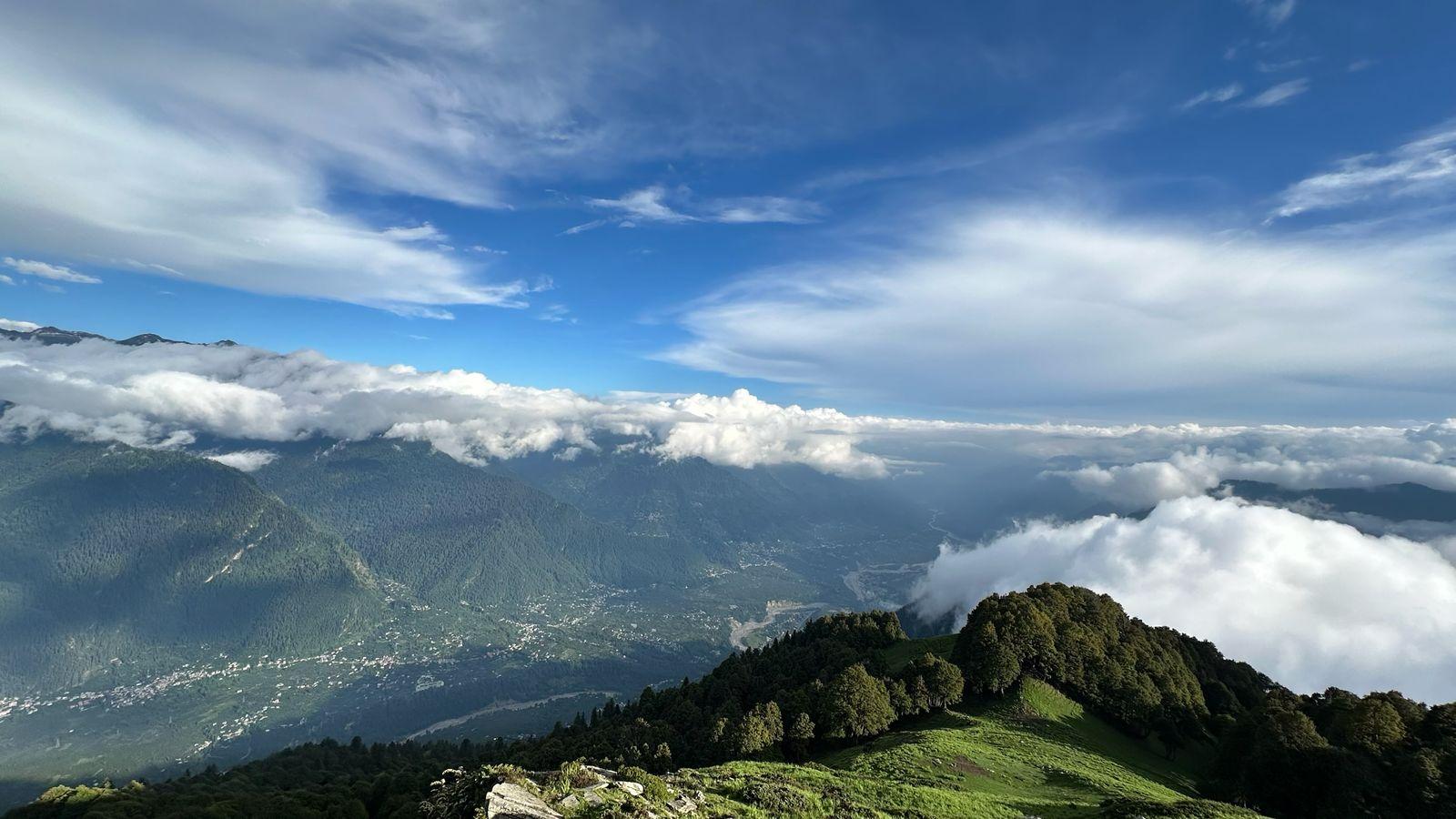
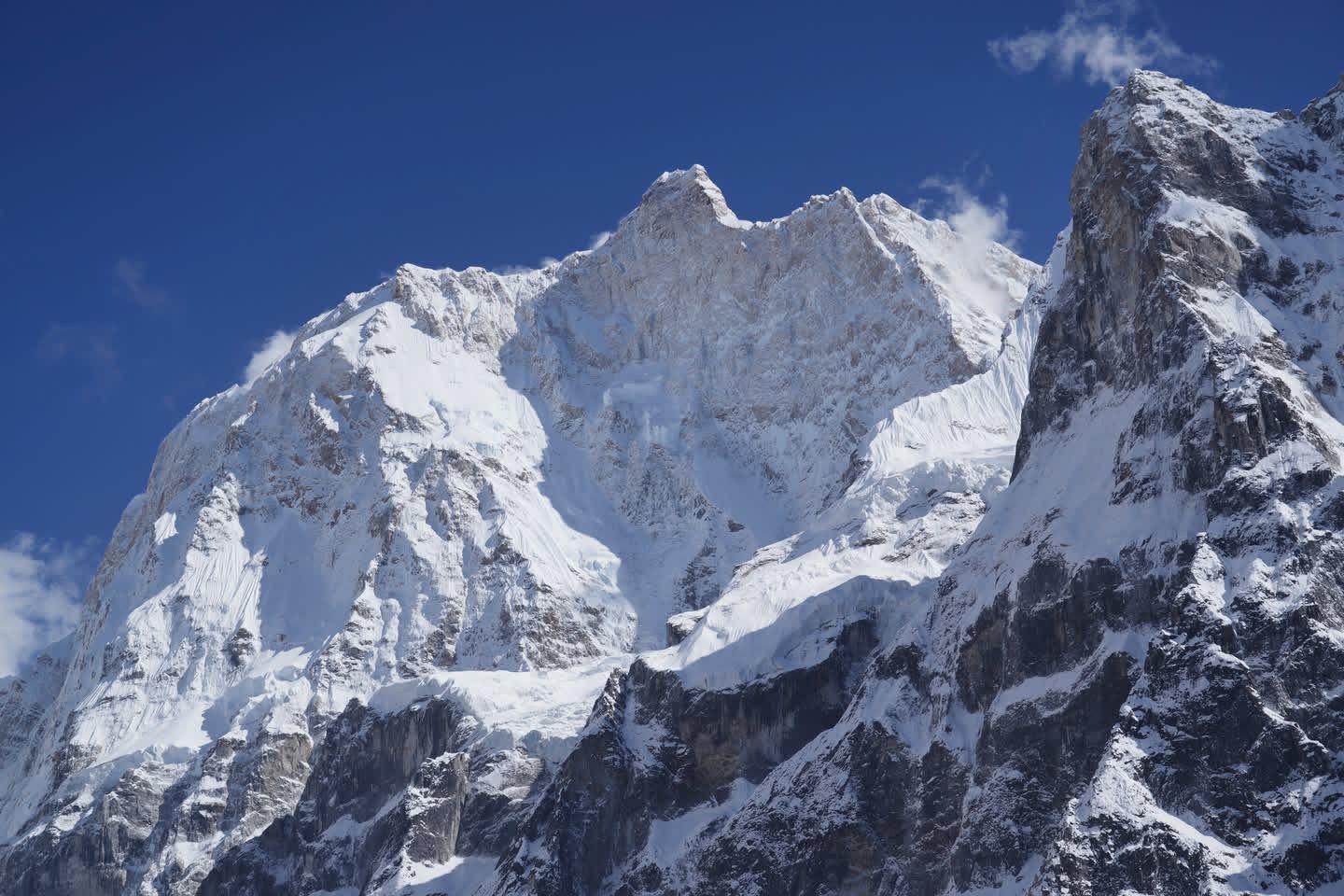
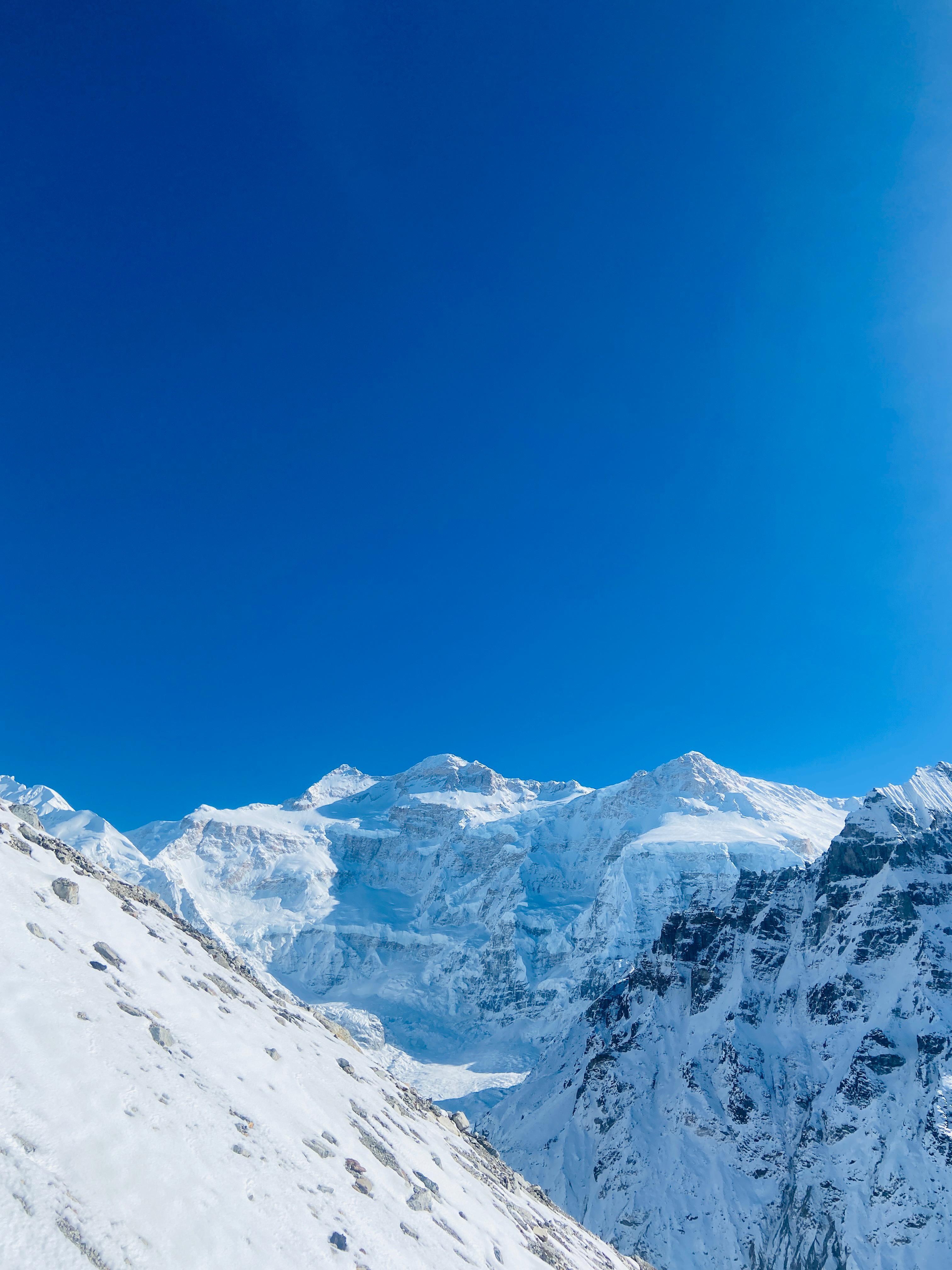
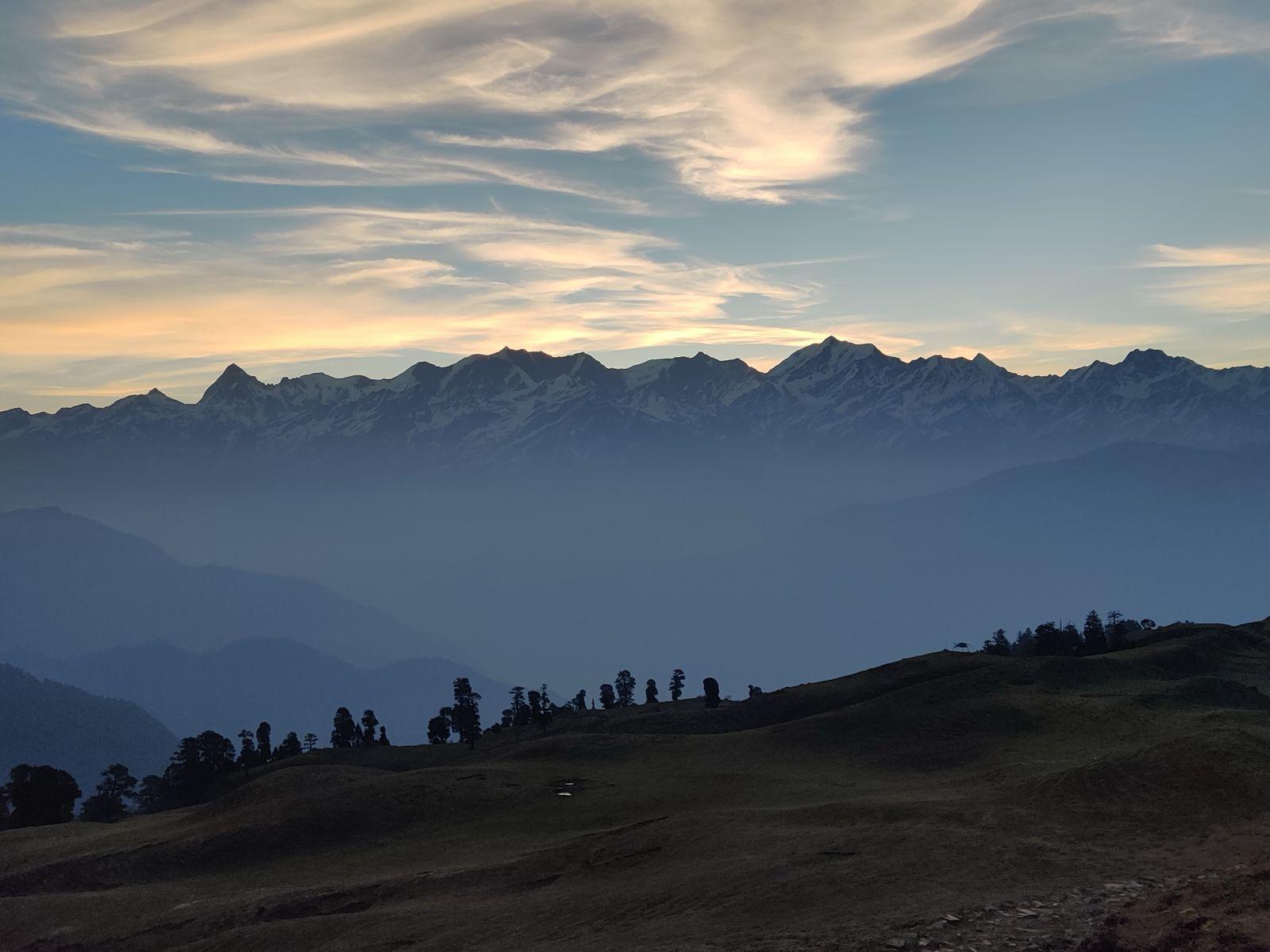
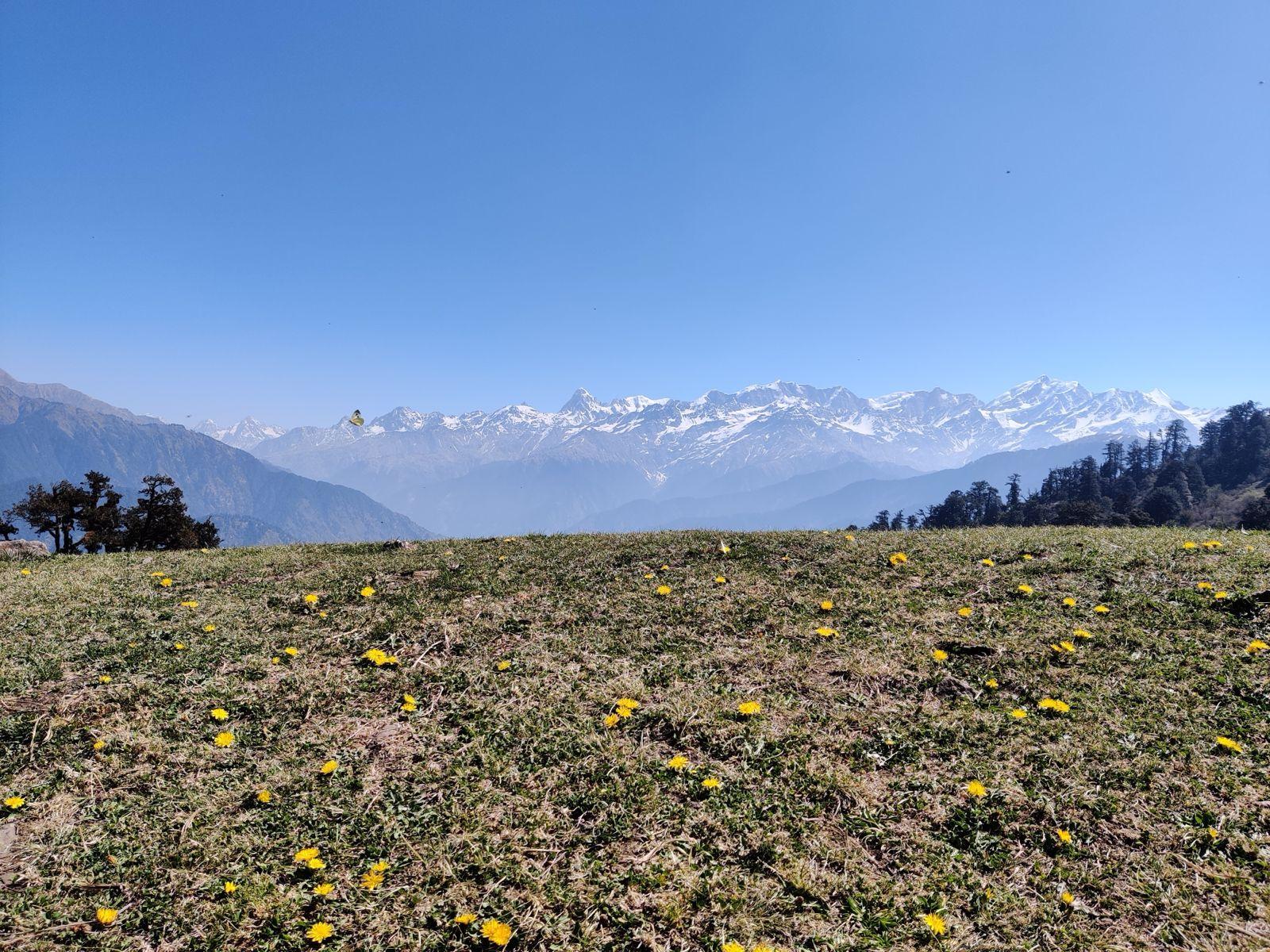
As you climb higher toward the summit ridge (reaching over 3,800–4,000 m depending on route), the sky seems broader, mountain peaks sharper, horizons wider. On clear days, Himalayan giants peek through the morning mist, a panorama that rewards patience, effort and quiet footsteps.
The trail doesn’t demand mountaineering skills, just steady trekking, a backpack, a tent, a sleeping bag, and a willingness to embrace simplicity. Gulabi Kantha isn’t about crowded trails or flashy comforts. It’s about solitude, soft meadows, wildflowers, forest whispers, Himalayan dawns and dusks, camping under starlit skies. For those seeking peace, nature, and a gentle Himalayan push, it delivers beauty, calm, and a quiet mountain memory that lingers long after the trek ends.
Day 1
Drive from Dehradun to Hanuman Chatti
Drive Distance: 180–200 km (depending on starting point)
Time Taken: 6–7 hours
Elevation Gain: ~1,150 m
Start Elevation: ~430 m (Rishikesh) / 450 m (Dehradun)
End Elevation: ~1,900 m
The journey begins as the vehicle leaves the plains behind, climbing gently through towns, rivers, terraced hills, and quiet valley roads. The air turns crisp; pine-framed hills rise; mist clings to slopes; occasional waterfalls hint at untouched streams higher up.
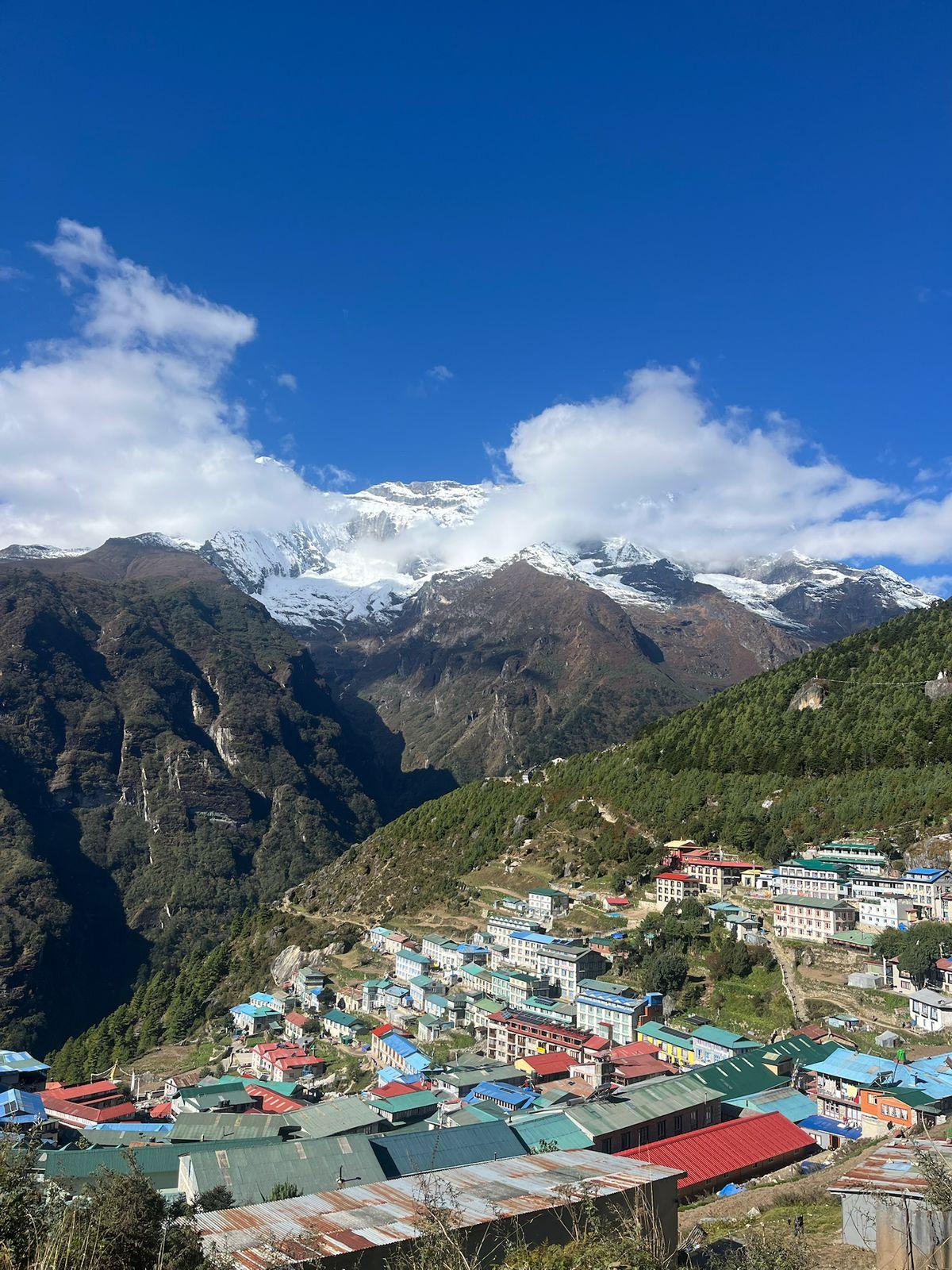
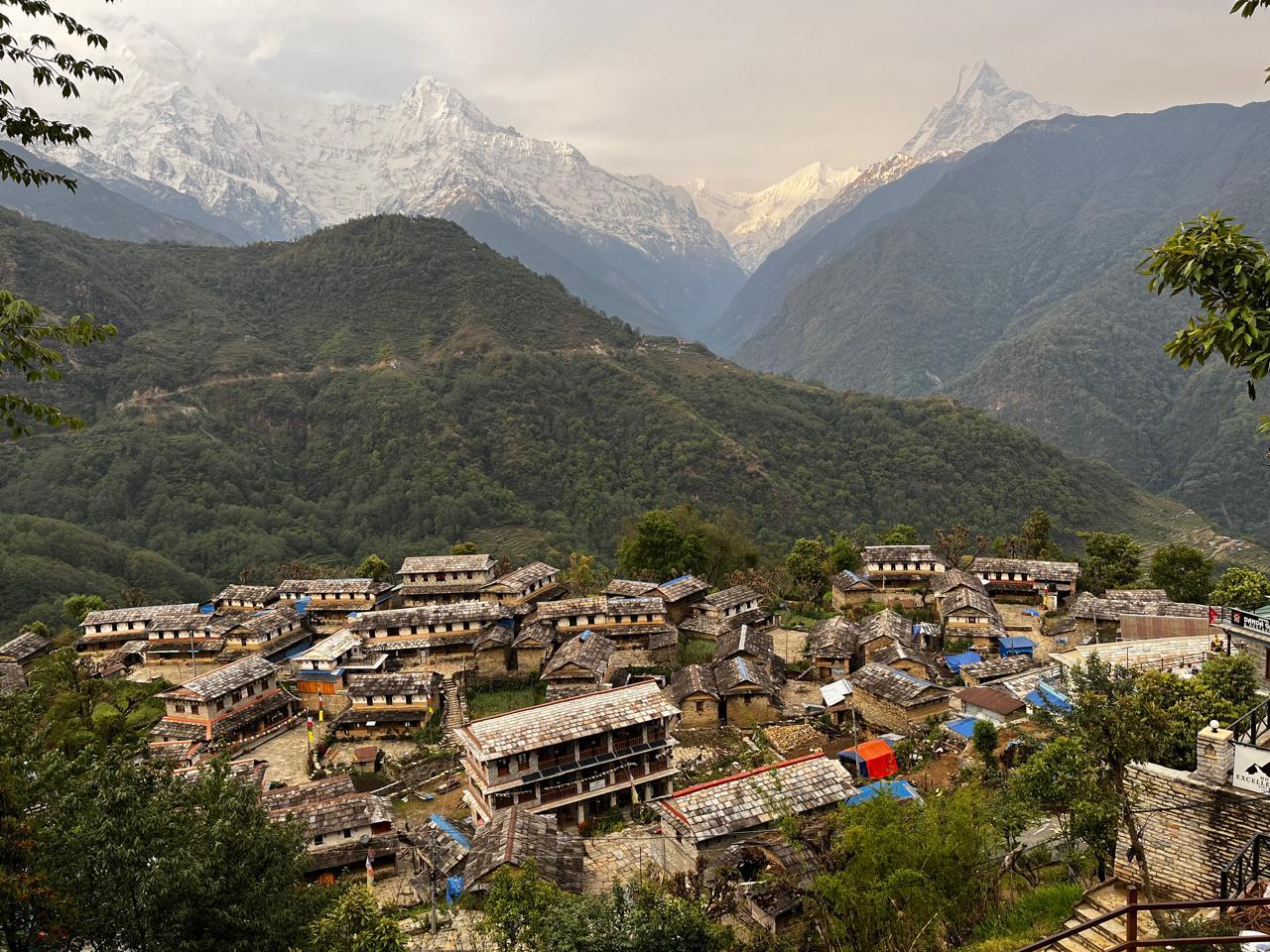
As dusk approaches, Hanuman Chatti appears, a small mountain hamlet beside the river, with wooden houses, narrow lanes, and a soft mountain breeze. You settle in, prepare gear, meet fellow trekkers, and sense the coming wilderness.
Day 2
Trek from Hanuman Chatti to Kandola Channi
Trek Distance: 5–6 km
Time Taken: 4–5 hours
Elevation Gain: ~600–700 m
Start Elevation: ~1,900 m
End Elevation: ~2,500–2,600 m
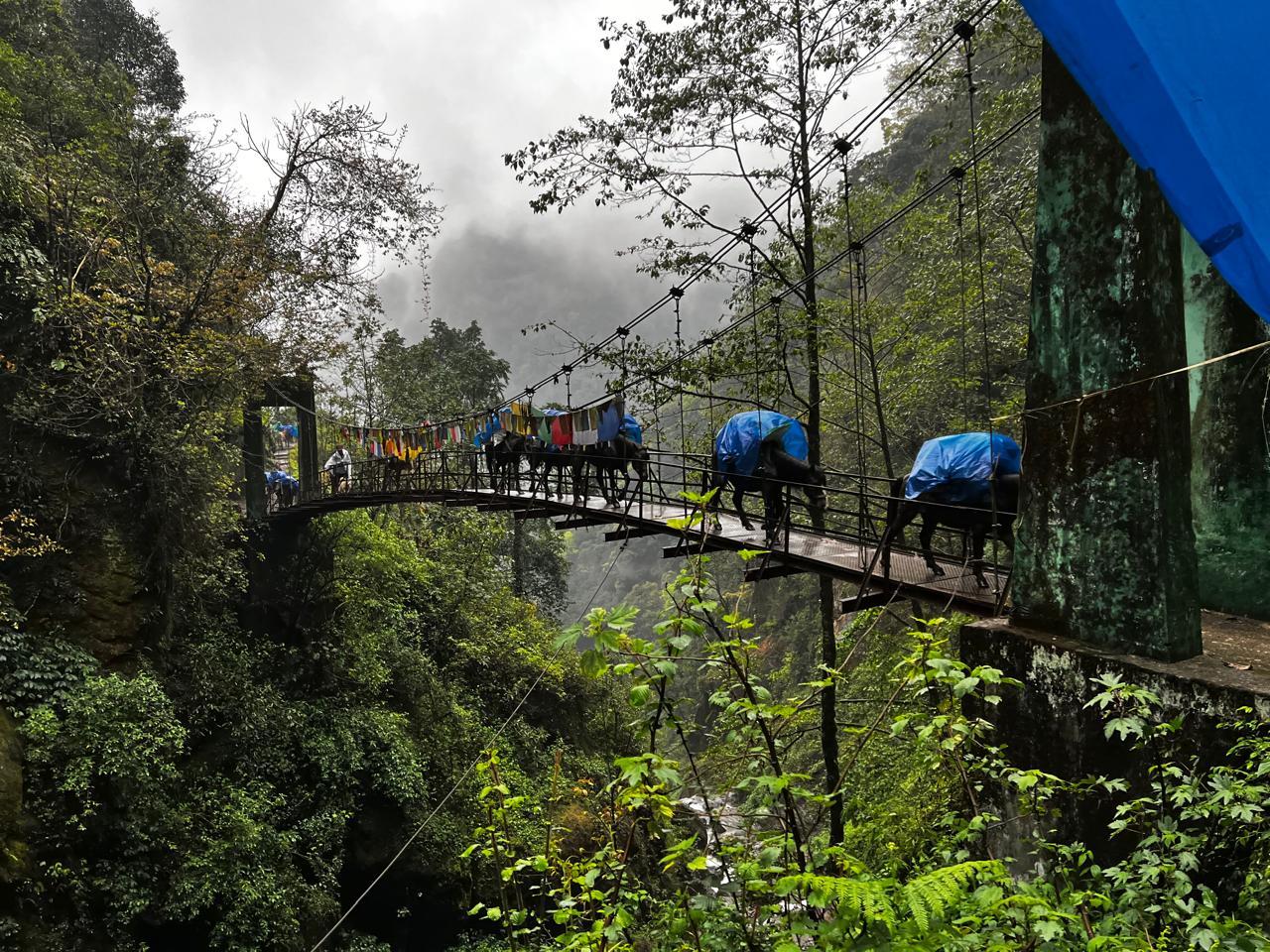
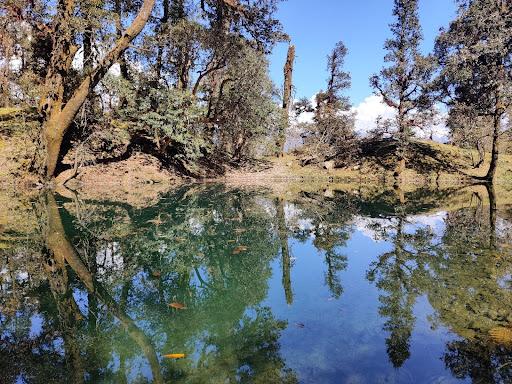
Morning light filters through rhododendron and pine as boots stride on leaf-littered forest trails. The air smells of resin, damp earth, and pine needles, a natural incense.
Birdcalls echo; deer rustle in the undergrowth; sun rays create shifting patterns on moss-covered stones.
The climb is gentle but steady. By noon, you reach Kandola Chhani, a quiet clearing used historically by shepherds. Forest hush surrounds camp; evening smells of woodsmoke drift softly.
Day 3
Kandola Channi to Seema Thach
Trek Distance: 6–7 km
Time Taken: 5–6 hours
Elevation Gain: ~800–900 m
Start Elevation: ~2,500–2,600 m
End Elevation: ~3,350–3,450 m (Seema Thatch)
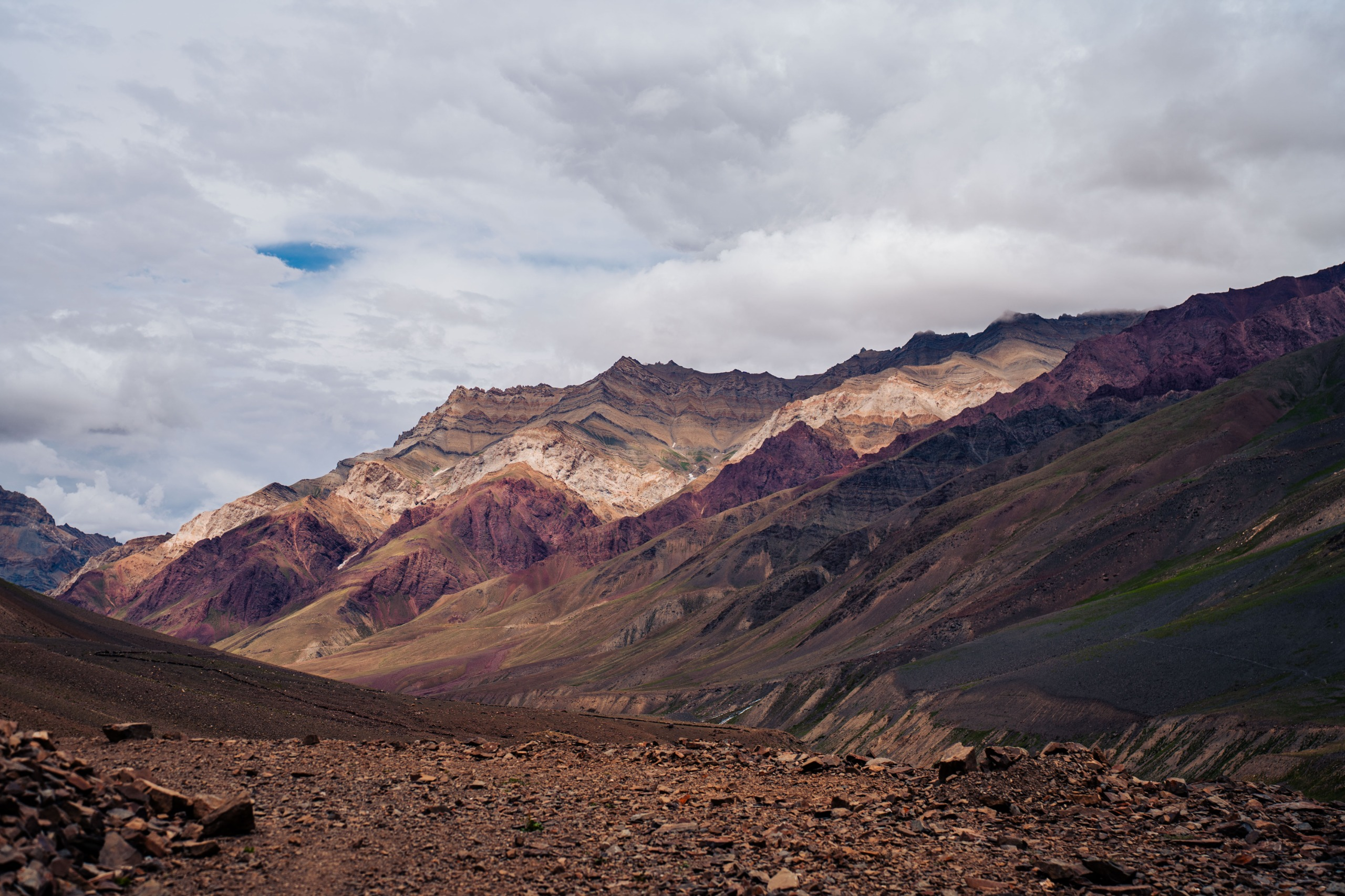
As you leave the dense woods, the trail begins to open onto ridges. Trees thin; sky widens. The climb is continuous but rewarding, offering glimpses of distant peaks sharpening as elevation rises.
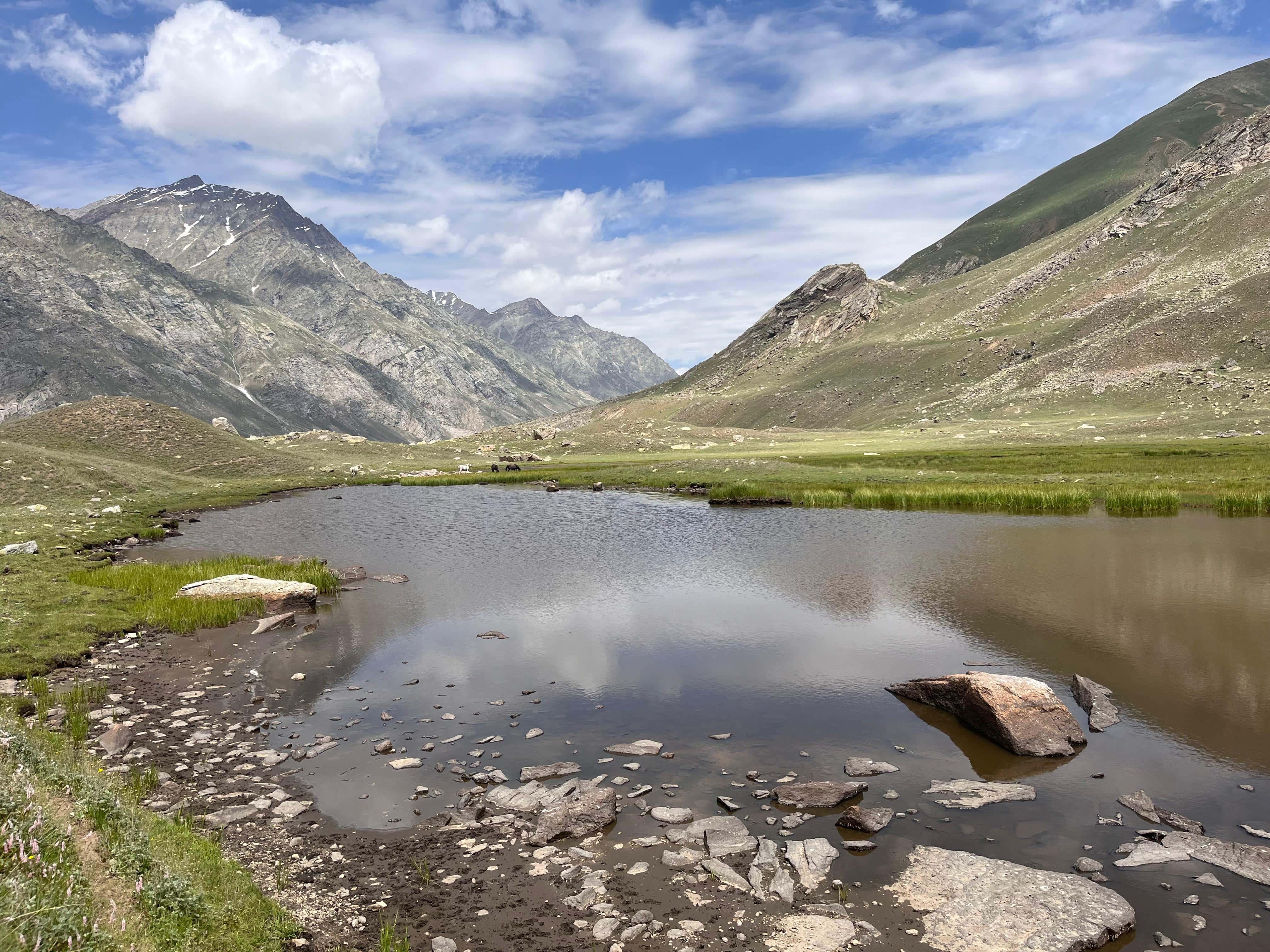
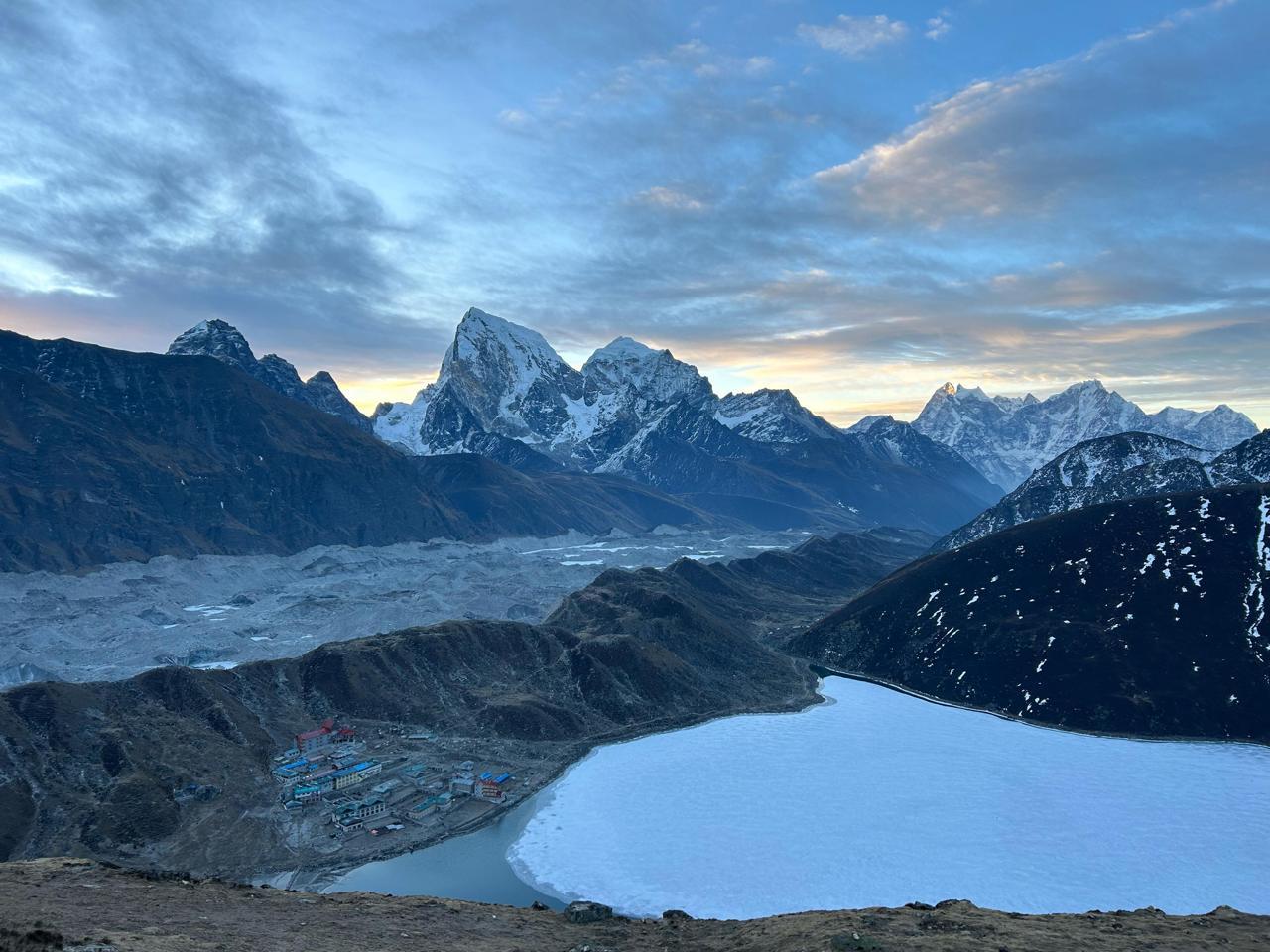
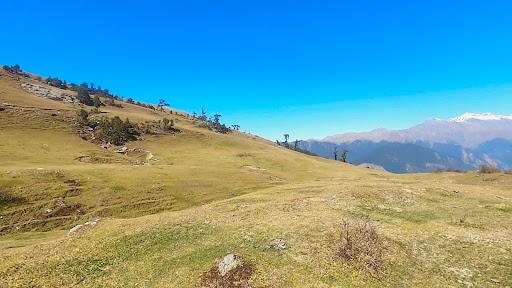
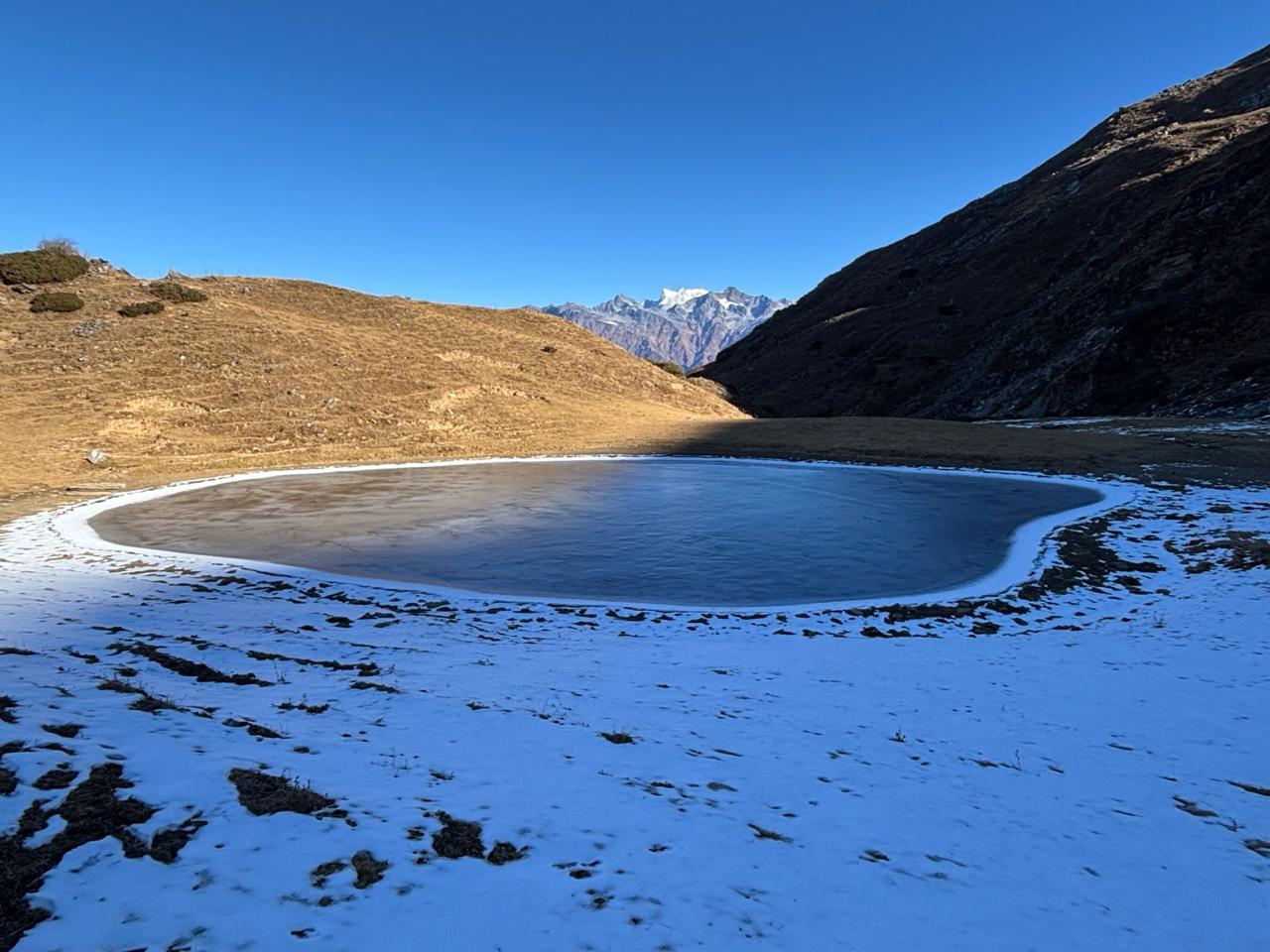
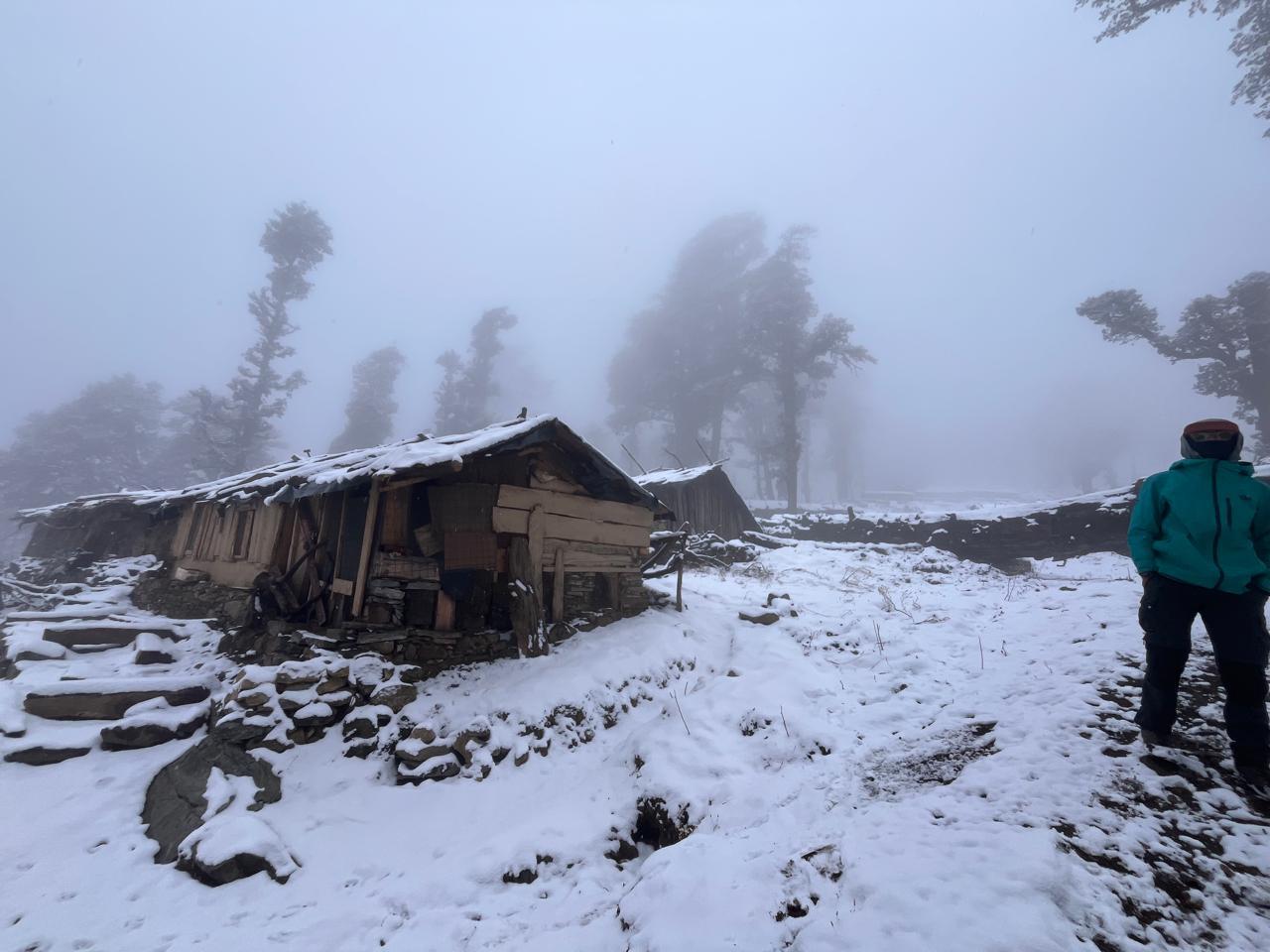
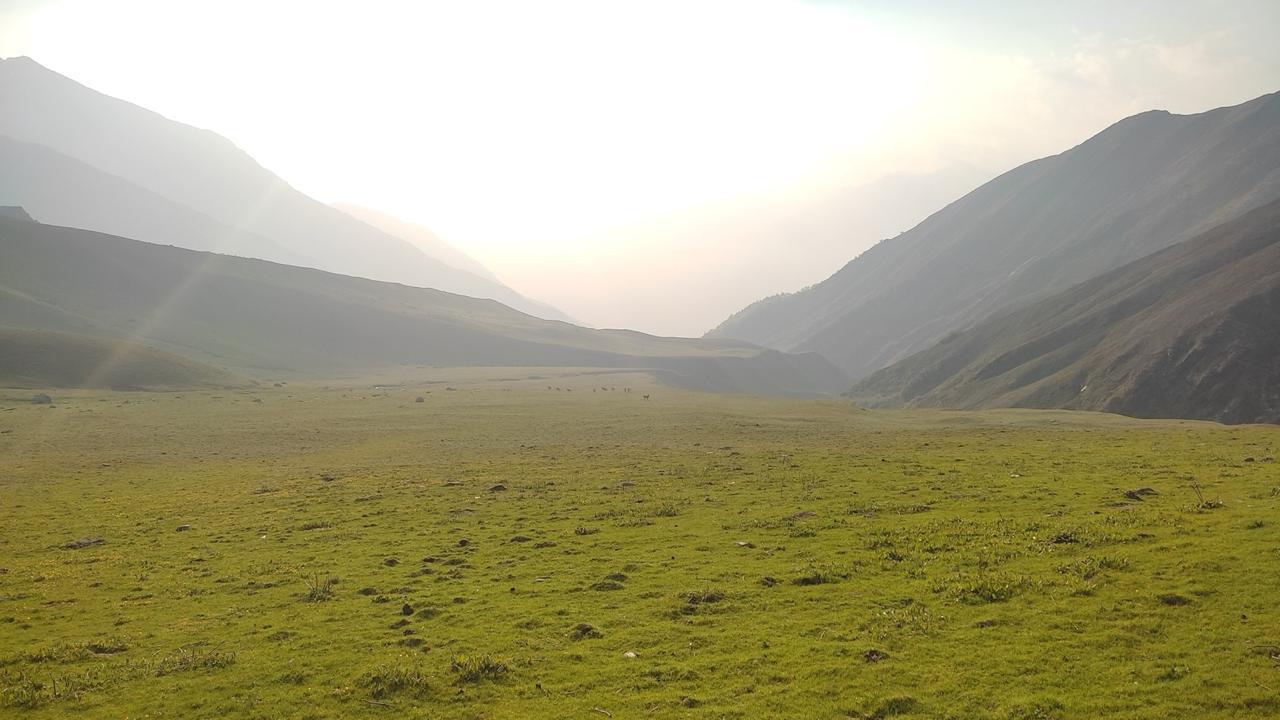
Reaching Seema Thatch around 3,400 m, the world opens into broad alpine meadows. Sunlight battles early winter chill; clouds drift lazily; mountain silence deepens.
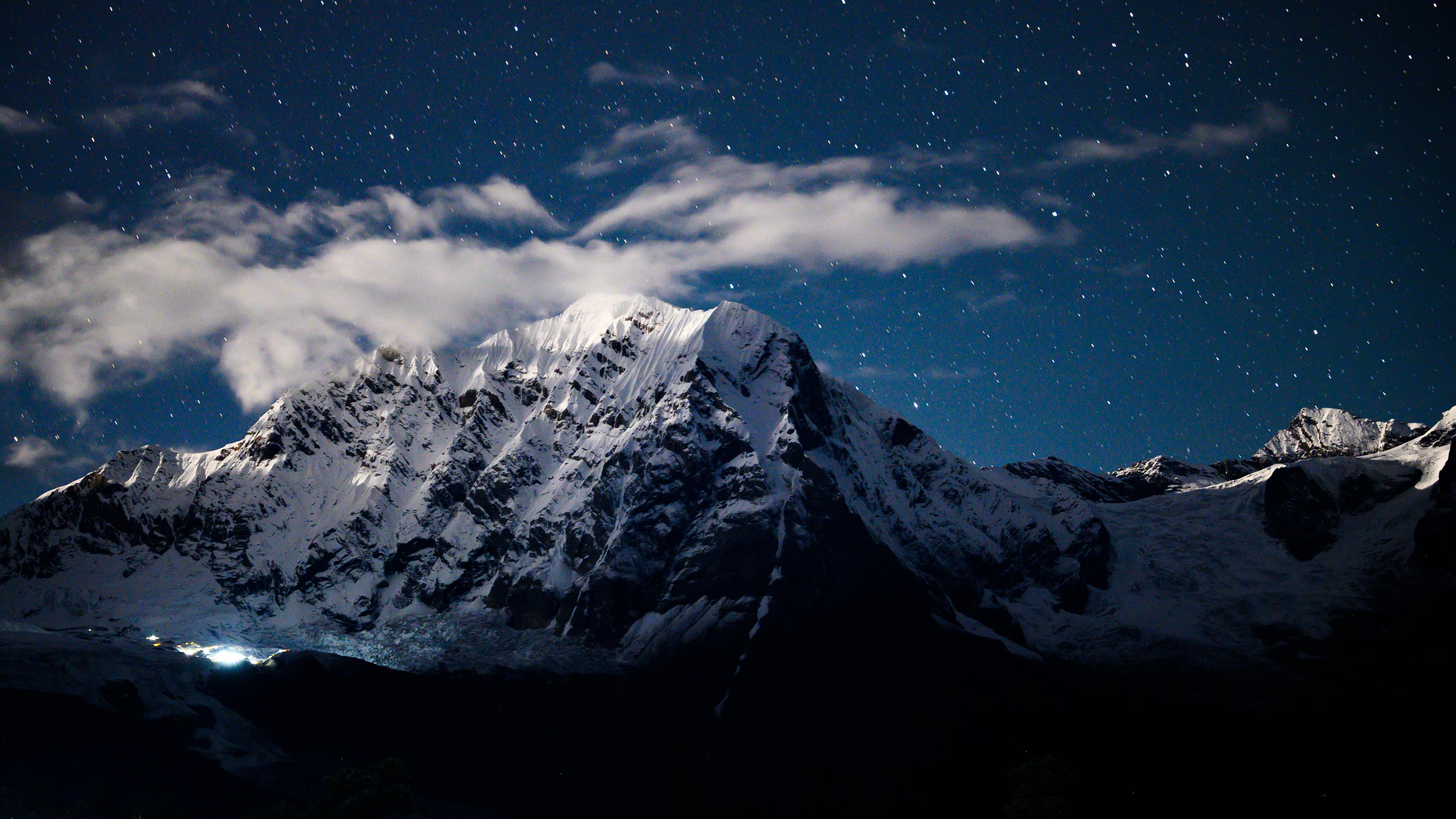
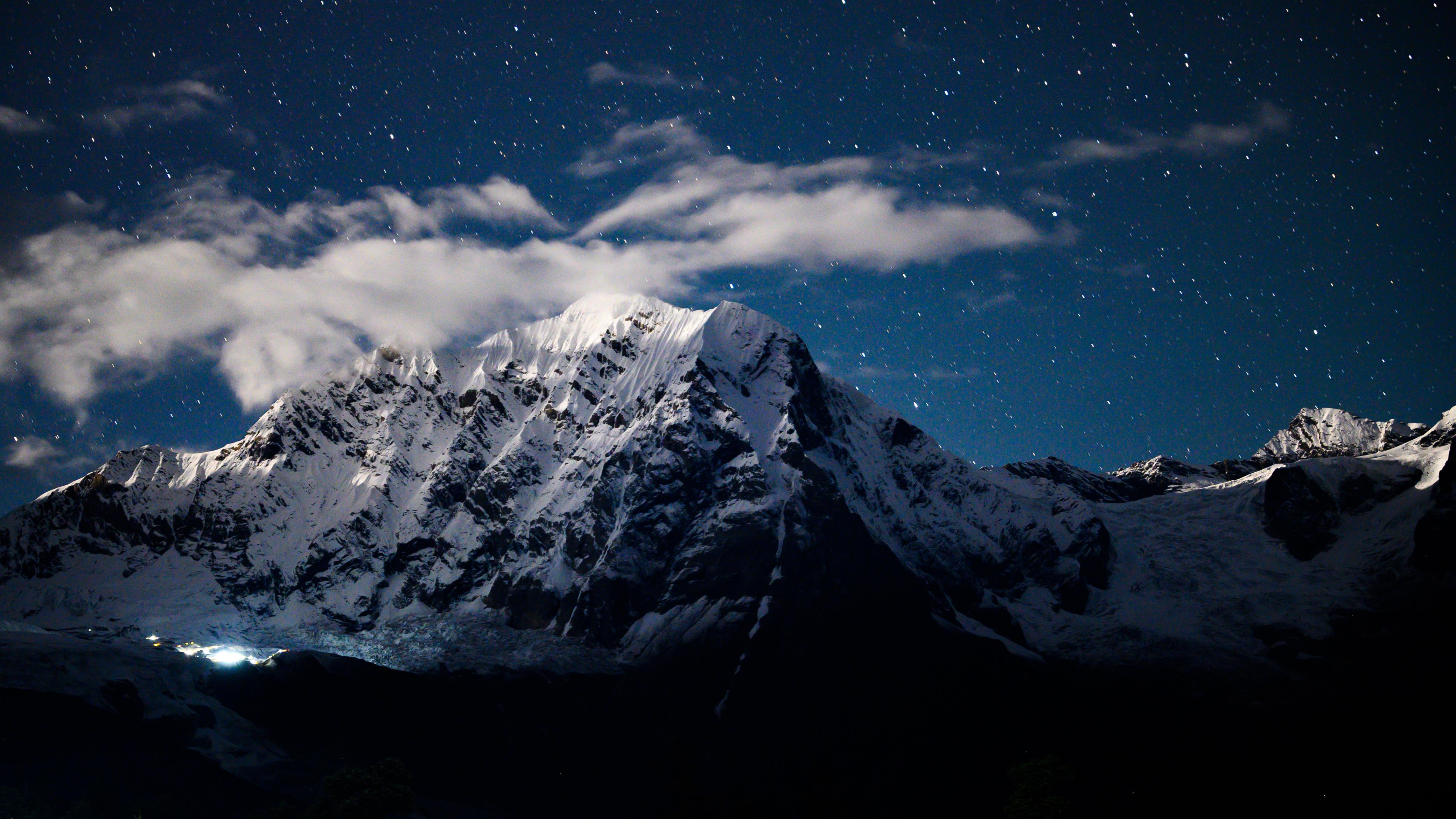
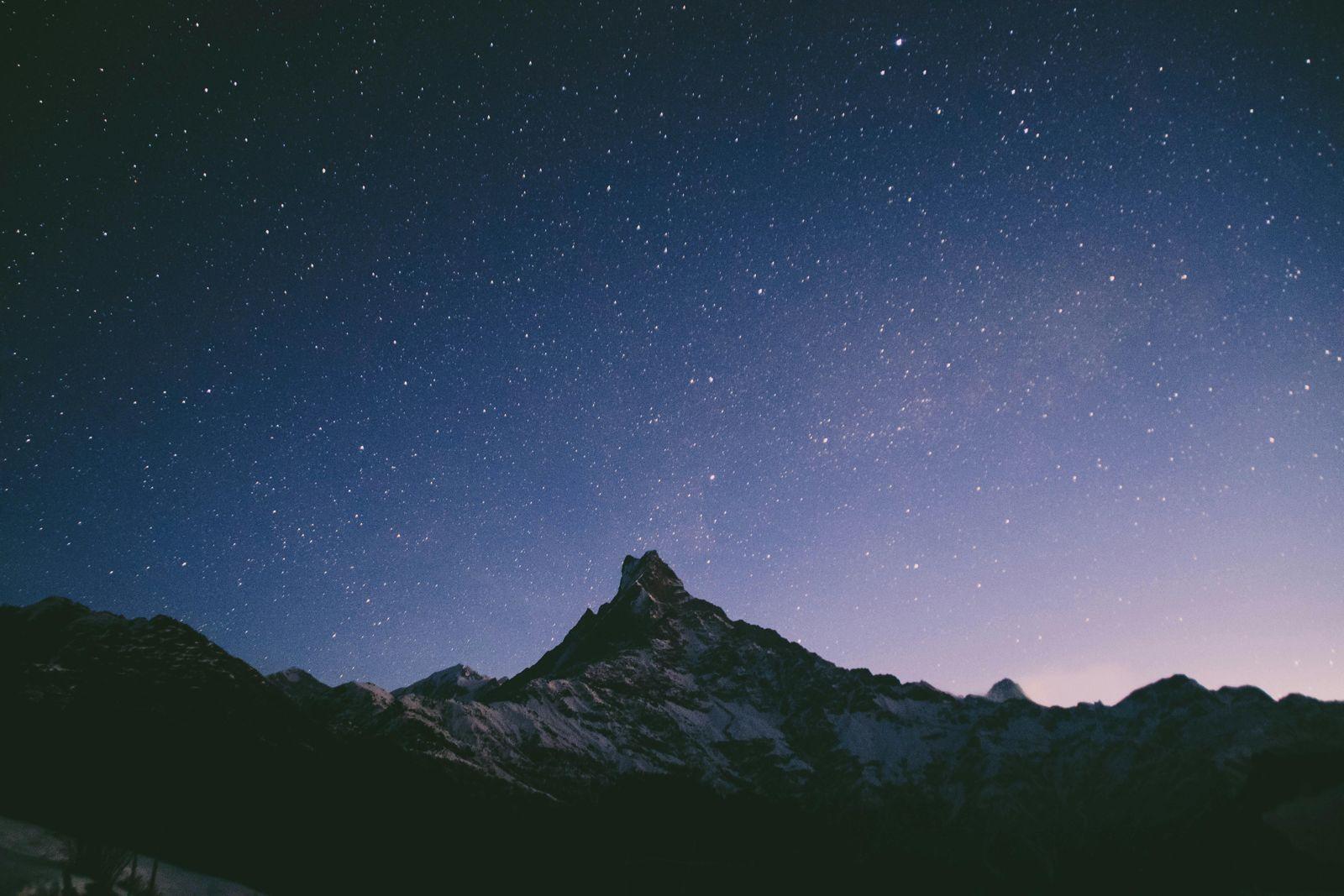
Night sky over the meadow, infinite, crisp, brilliantly clear.
Day 4
Seema Thatch to Kandola Channi via Gulabi Kantha Summit
Summit Distance: 4–5 km (ascent) + 4–5 km (descent)
Time Taken: 6–8 hours
Elevation Gain: ~550–650 m
Elevation Loss: ~550–650 m (if returning to Seema Thatch)
Start Elevation: ~3,350–3,450 m
Summit Elevation: ~4,000 m / 13,200 ft
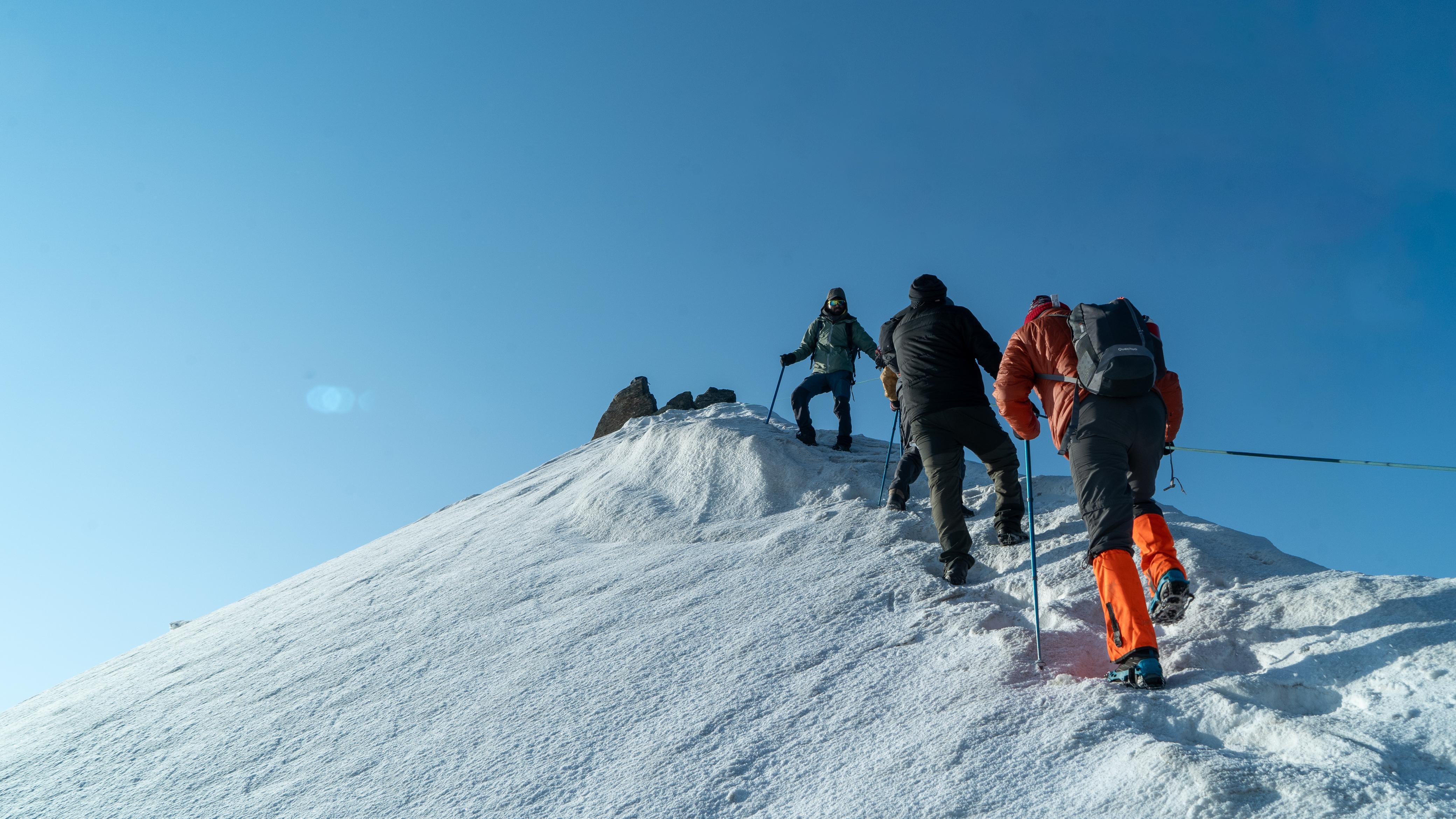
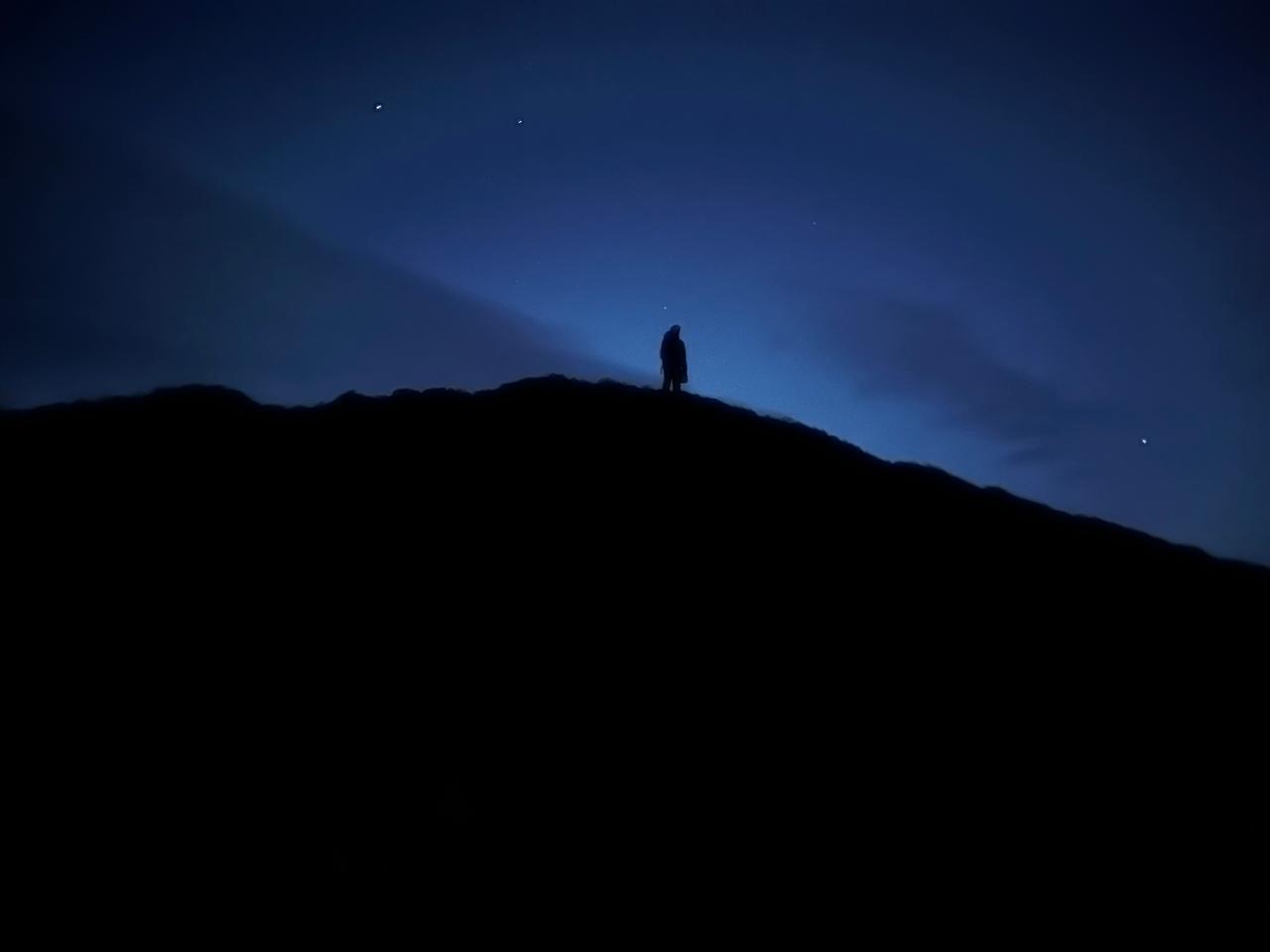
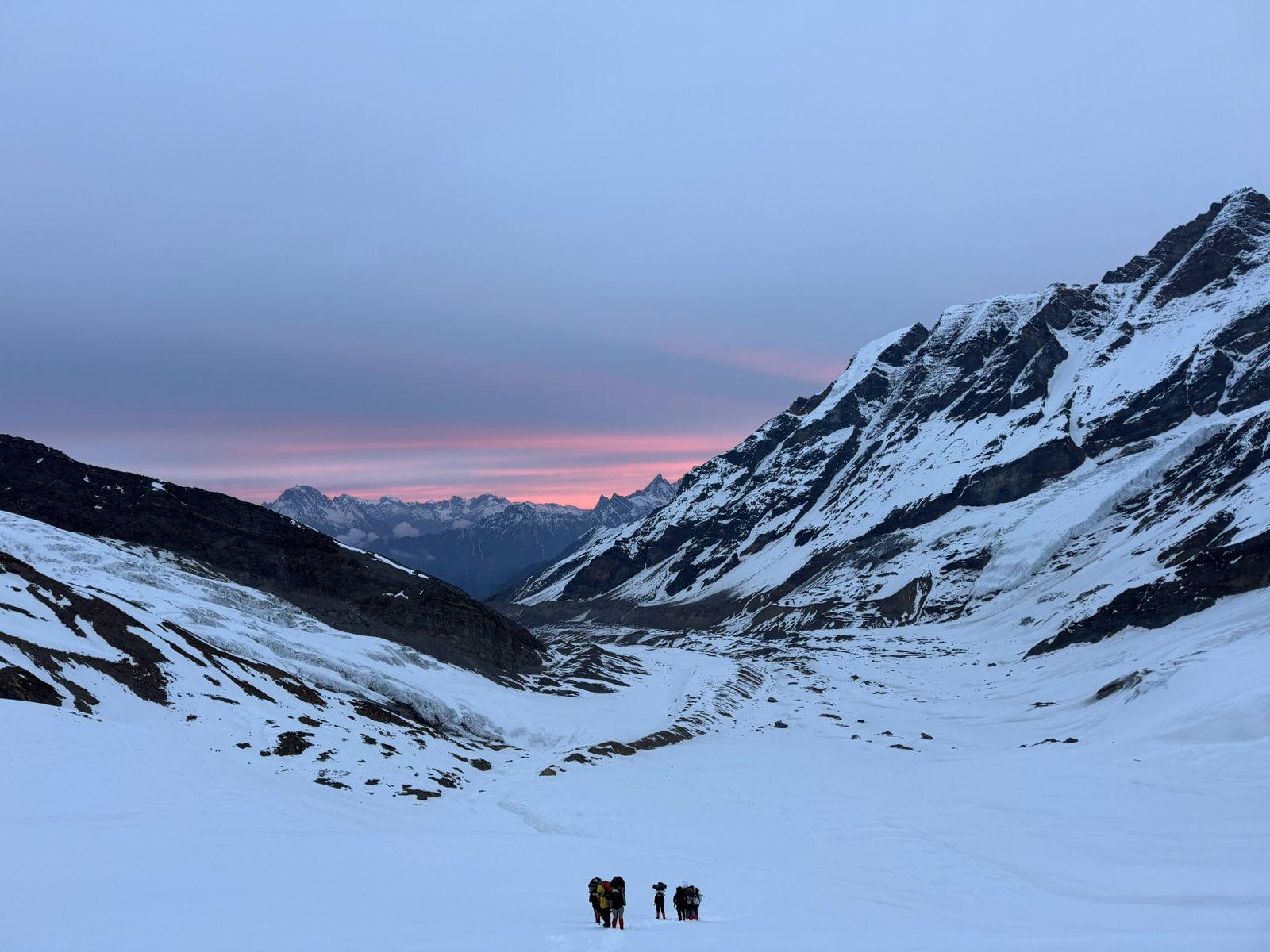
A pre-dawn alpine start sets the tone. Headlamps cut through cold darkness; frost crunches underfoot; breaths cloud the air.
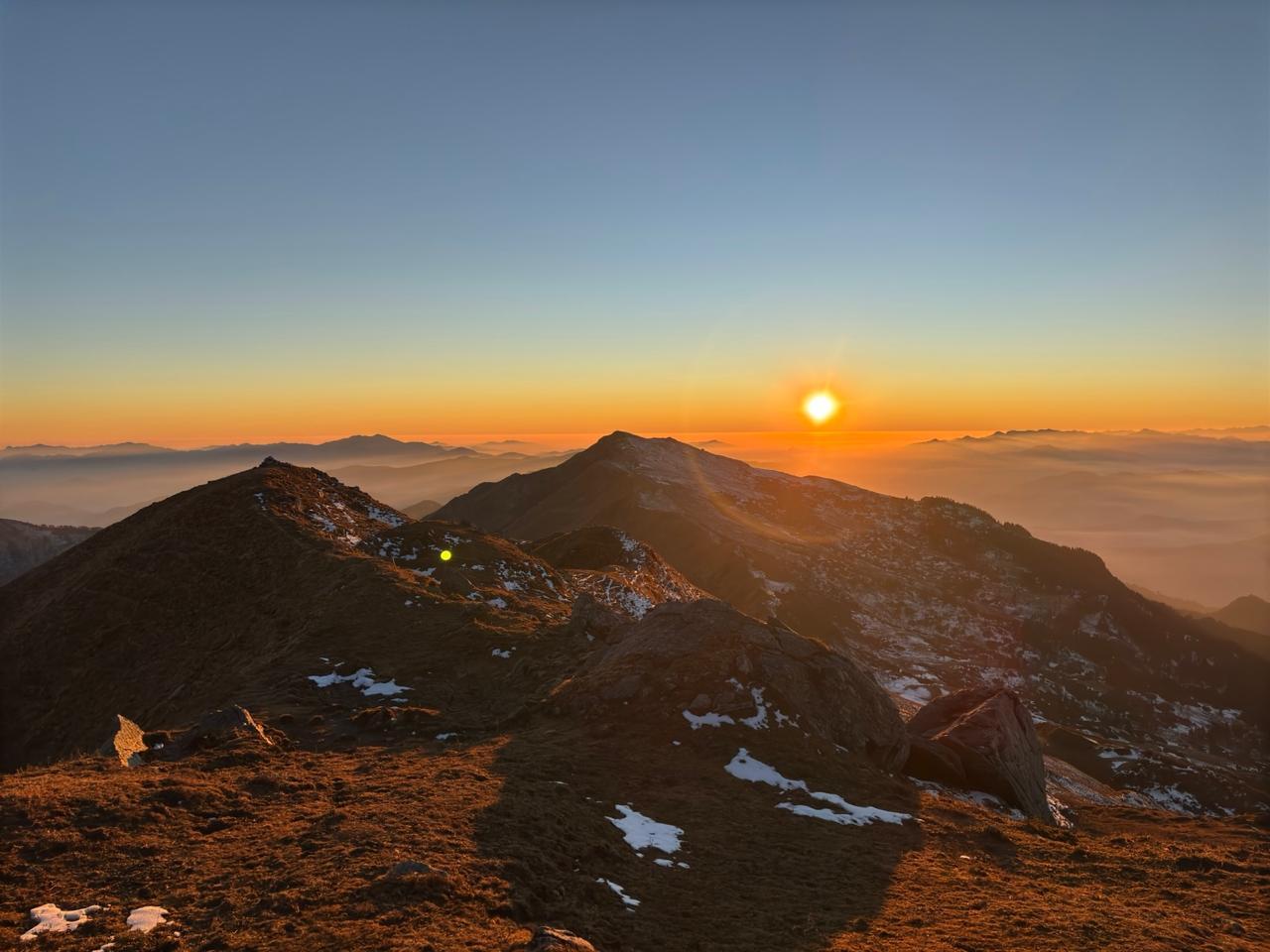
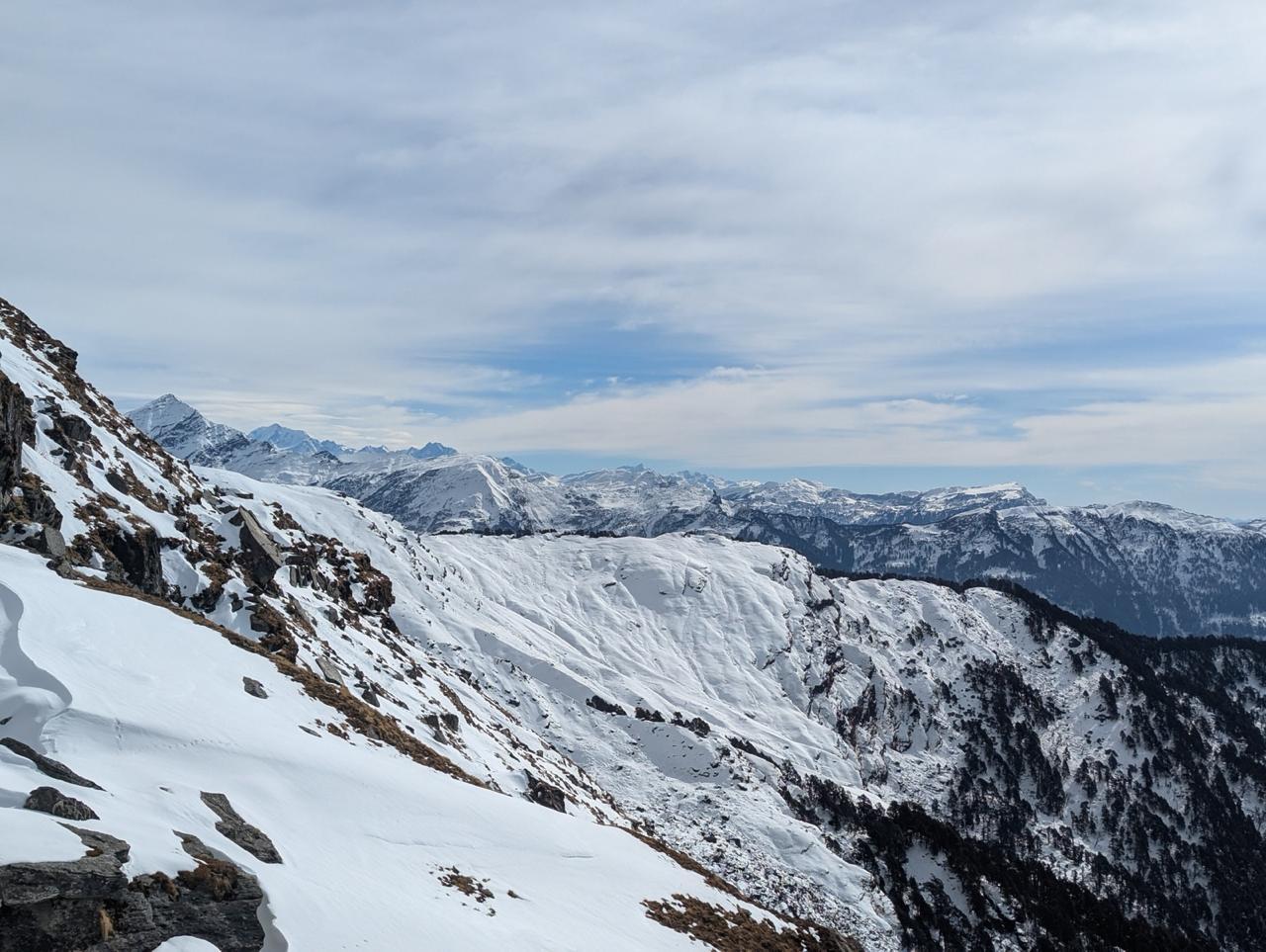
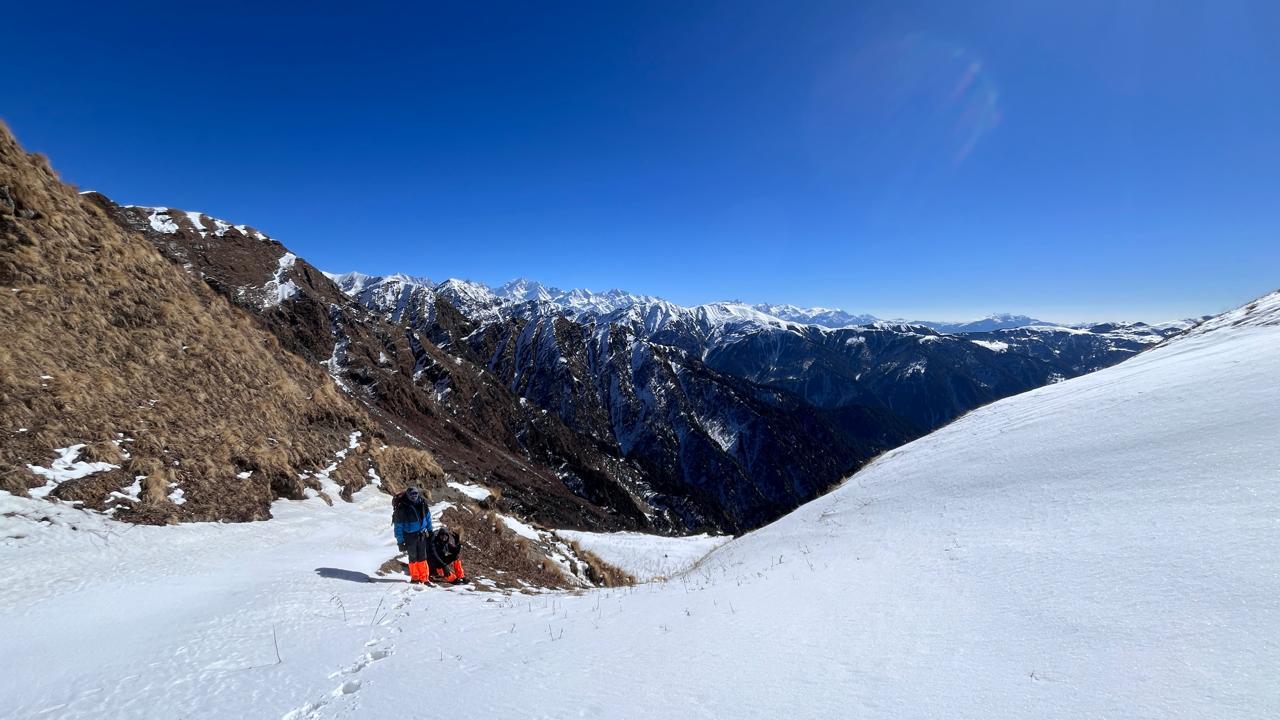
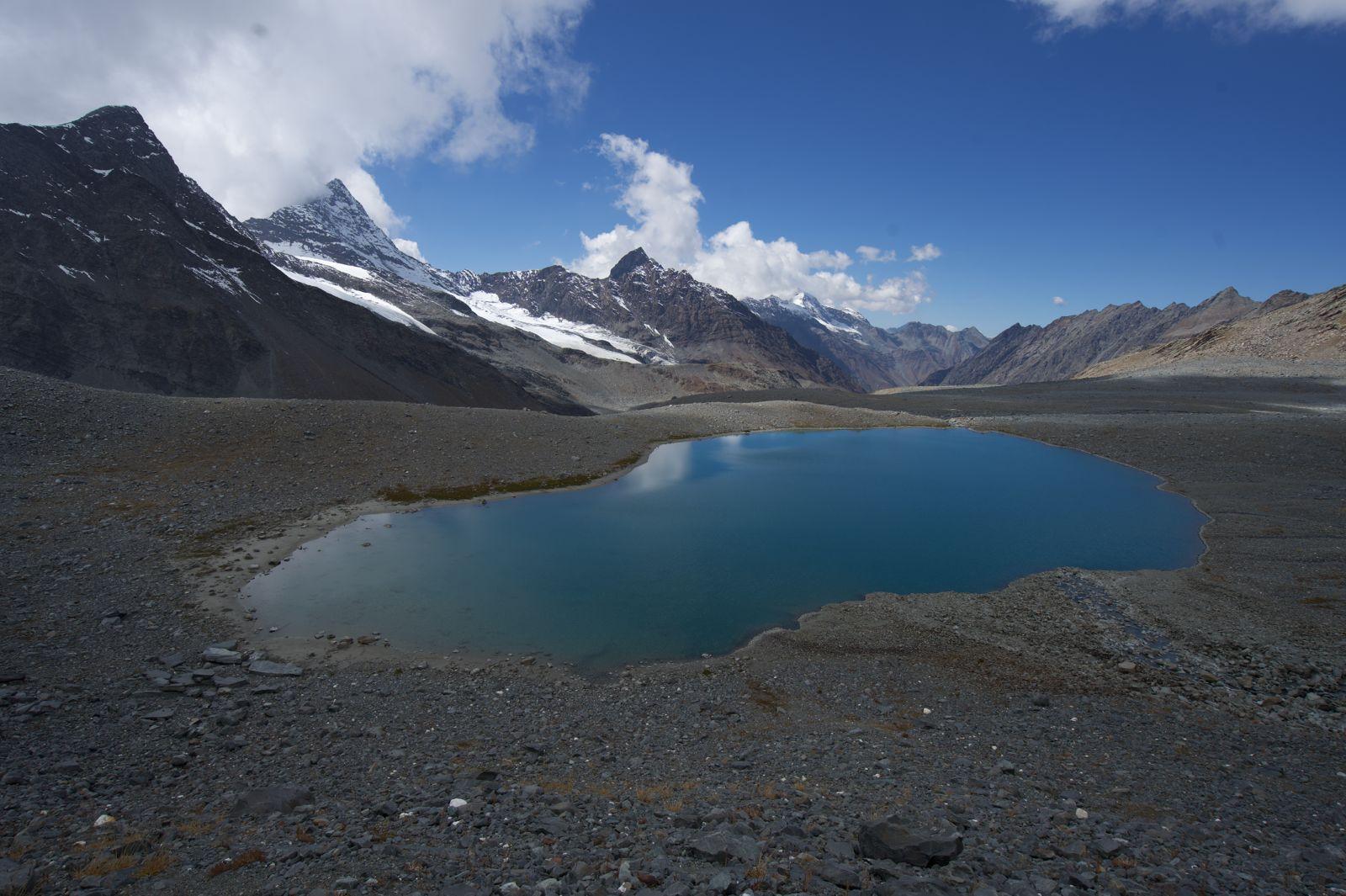
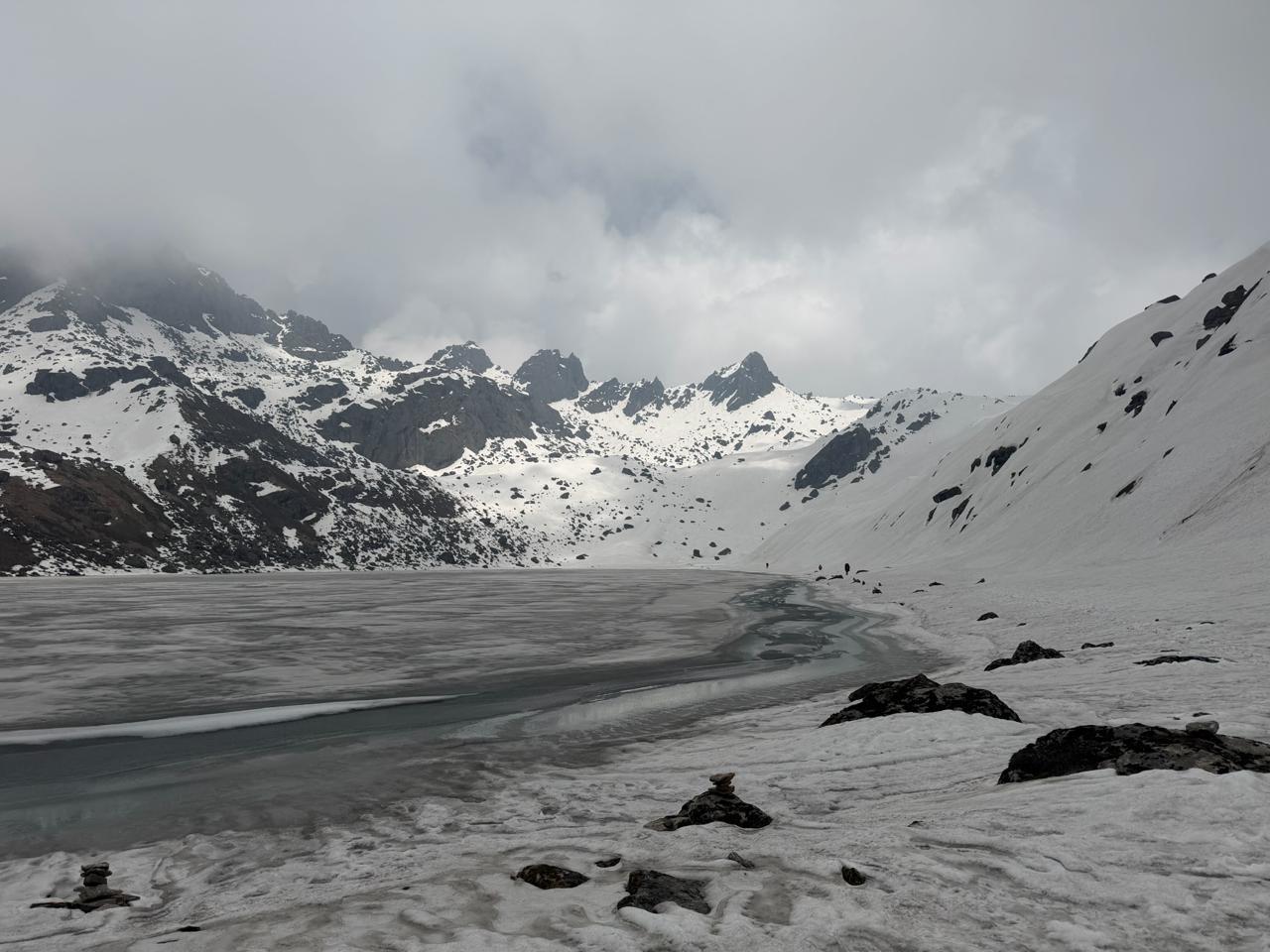
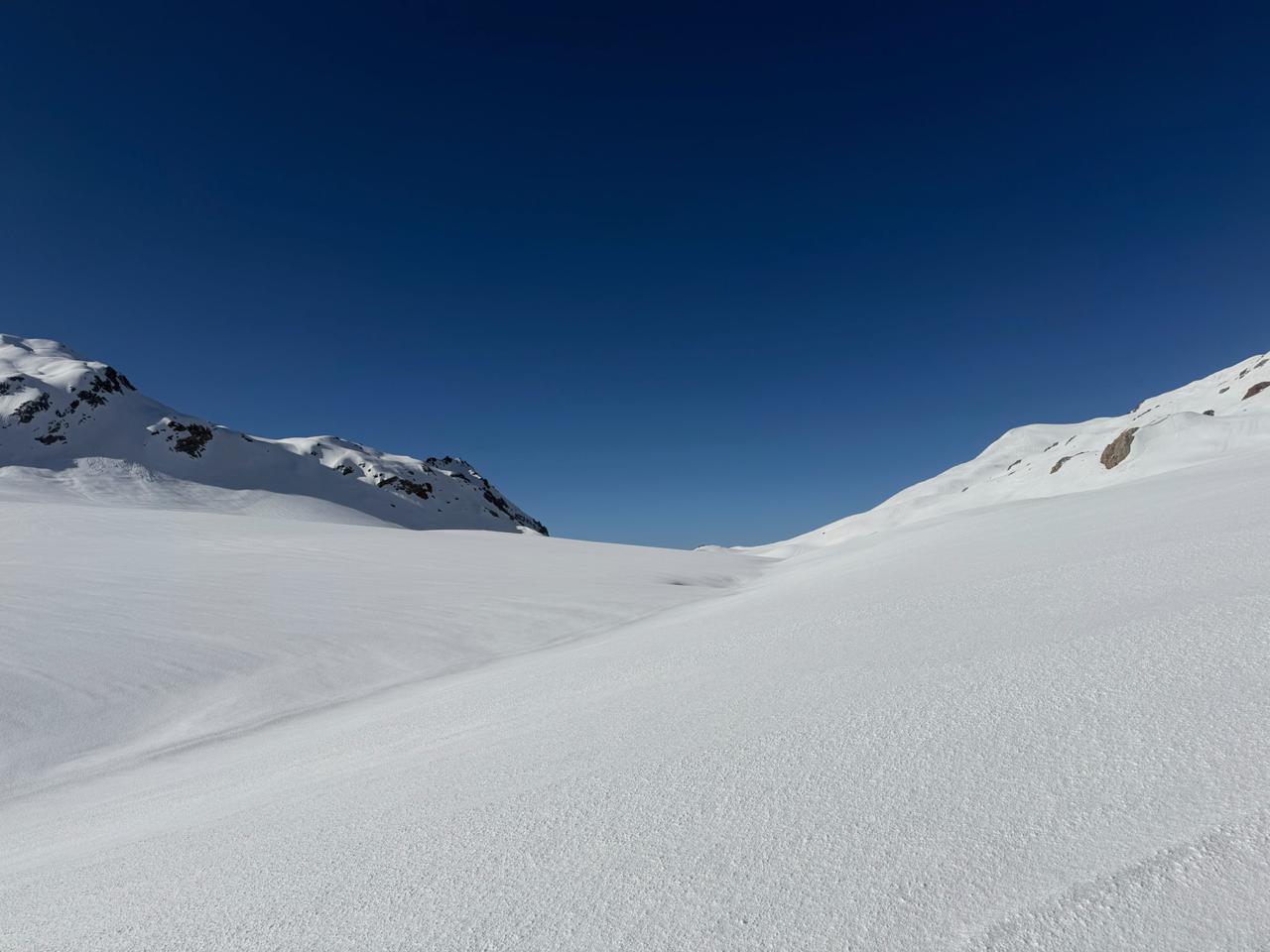
The ascent is a blend of rocky patches, alpine grasslands, and occasional snow. As the sun rises, distant snow-covered ridges turn golden.
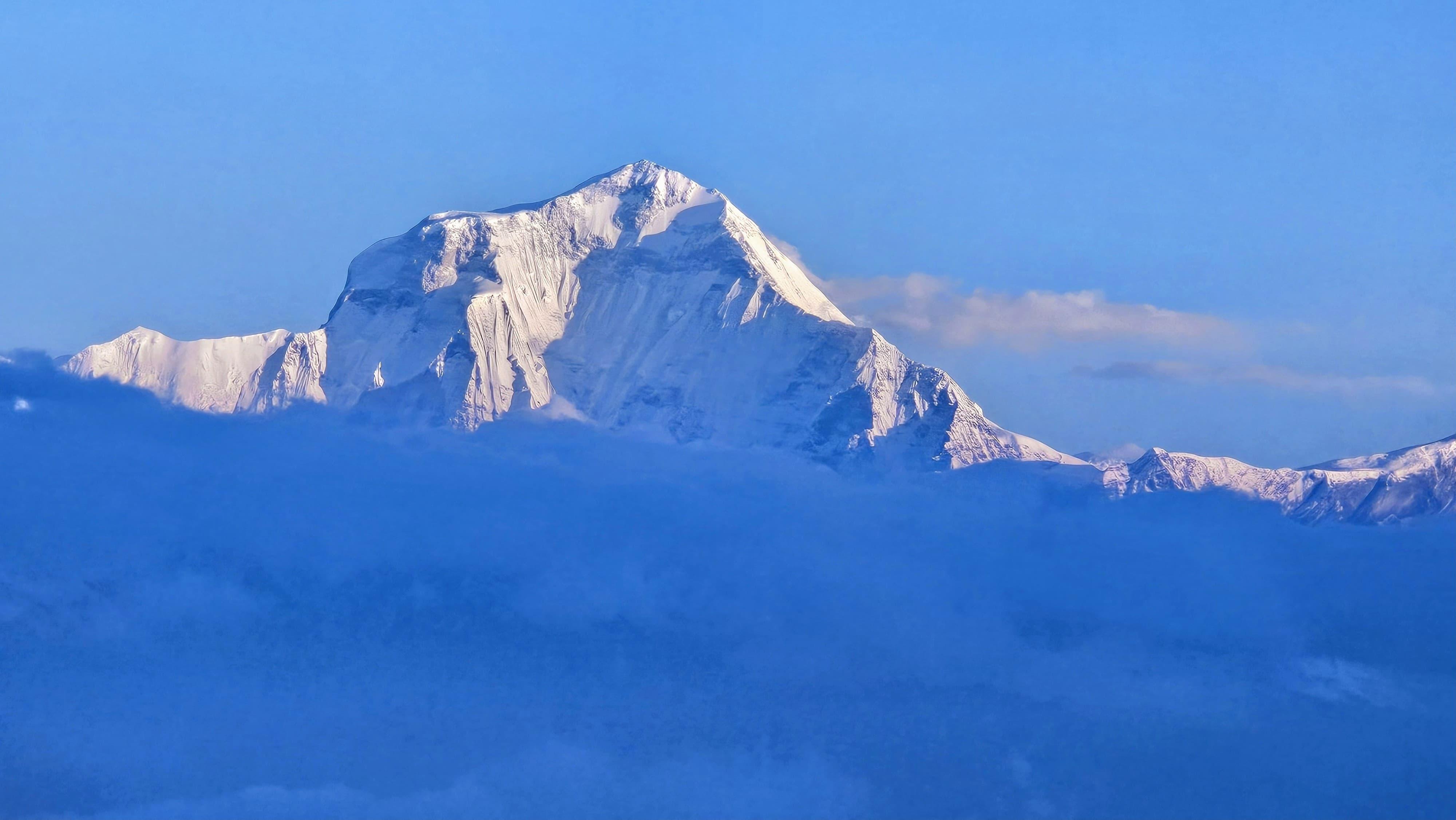
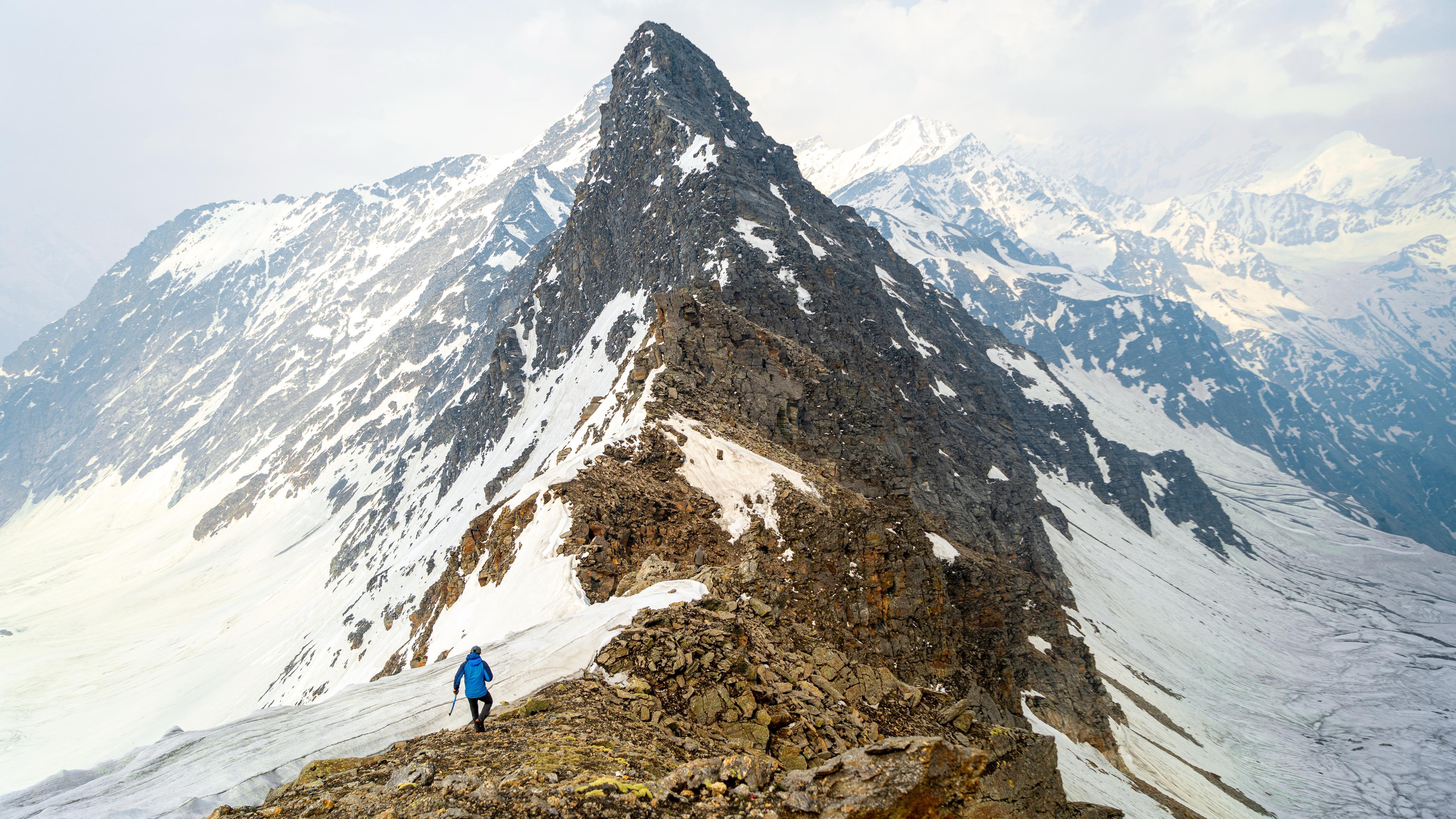
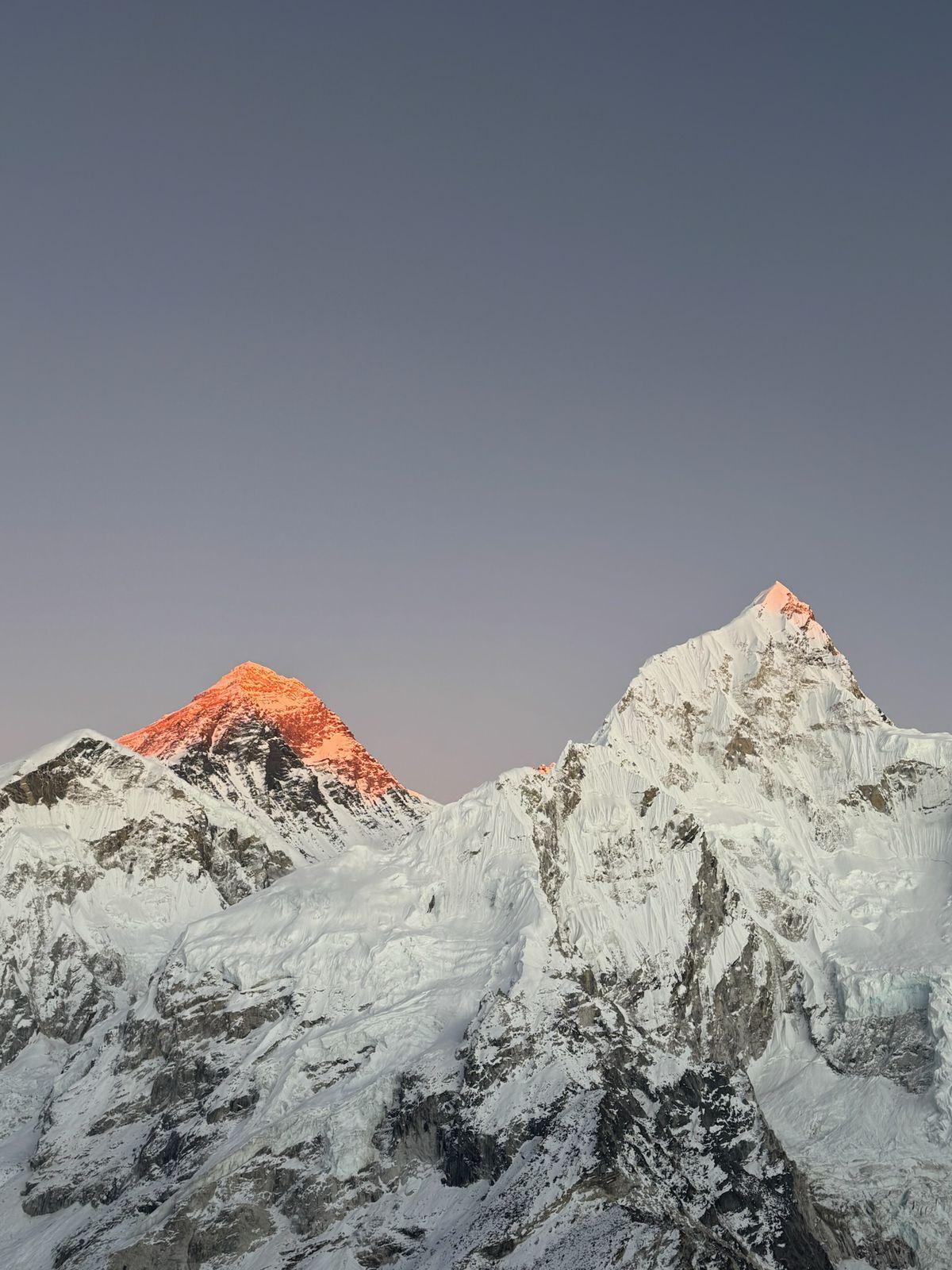
At the summit, the 360° Himalayan panorama is a reward of clarity and silence.
You descend with easier breaths, returning to camp or a lower meadow depending on the itinerary and weather. Evening brings warmth, food, and satisfied exhaustion.
Day 5
Kandola Channi to Hanuman Chatti. Drive to Dehradun
Trek Distance: 10–12 km total descent
Time Taken: 6–7 hours
Elevation Loss: ~1,500 m (from Seema Thatch to Hanuman Chatti)
Start Elevation: ~3,350–3,450 m
End Elevation: ~1,900 m (Hanuman Chatti)
Drive Back: 6–7 hours
Altitude loosens its grip as the descent begins. Alpine grass gives way to pine needles; meadows fade into forest; sunlight warms the trail.
Birdsong grows louder; village rooftops appear through trees; hearthsmoke curls in the distance.
By afternoon or evening, Hanuman Chatti welcomes you back.
A warm meal, shared stories, and mountain-scented memories mark the end of the trek.
Minimum Fitness Required
Easy-grade treks are beginner-friendly, but they still demand foundational stamina and consistency.
We follow a scientific approach where we build most of your endurance in Zone 2, a sustainable, conversational pace that strengthens your aerobic base without overexertion.
Minimum fitness benchmarks:
- Walk 8–10 km on gentle terrain without excessive fatigue.
- Climb 8–12 flights of stairs comfortably.
- Maintain 60–90 minutes of Zone 2 movement (brisk walking, cycling, slow jogging) without long breaks.
- Comfortable moving on slightly uneven or natural surfaces.
4–6 Week Recommended Aerobic Prep
- 3–4 Zone 2 sessions/week, 40–60 minutes each.
- Focus on durability and consistency, not speed.
This prepares your body to handle steady movement over several hours.
Mobility, Strength & Sports Movement
This section builds all-around movement quality (Essential even on easy trails).
Mobility (10–15 minutes daily)
- Ankles (For example - rotations, calf stretches)
- Hips (For example - lunges, hip openers)
- Upper back (For example - thoracic rotations)
Strength (2 sessions per week)
- Legs (For example - squats, step-ups, lunges)
- Core (For example - planks, dead bugs, bird-dogs)
- Balance (For example - single-leg stands, heel-to-toe walk, etc)
Sports Movement & Hand–Eye Coordination (1–2 sessions per week)
We encourage participants to add agility-based sports such as Badminton, Table tennis, Tennis, Basketball, Football (easy play), and Squash.
These develop reactive balance, foot placement accuracy, and movement confidence, all of which are valuable on uneven trekking terrain.
Our Expectations from Participants
To ensure a safe and smooth trekking experience:
- Arrive with the minimum required fitness as listed above.
- Be able to carry a 2–5 kg daypack comfortably throughout the trek.
- Follow all instructions from the trek leader regarding pacing, hydration, breaks, and safety.
- Maintain respectful behaviour toward teammates, staff, and local communities.
- Uphold Leave No Trace principles at all times.
- Submit all required documents (ID proofs, medical declarations, waivers, permits, etc.) within the timeline set by the coordinator.
Health & Acclimatisation Readiness
- No uncontrolled medical conditions or recent major injuries.
- Disclose any medications or concerns to the trek leader beforehand.
- Maintain good hydration and follow safe pacing.
- No prior altitude experience is required for easy treks.
Gear Readiness
Participants must come prepared with all the gear and accessories listed in the official trek checklist shared by the coordinator prior to departure.
These items ensure comfort, safety, and preparedness across changing mountain conditions.
Inclusion
Exclusion
Who is Gulabi Kantha Trek suitable for?
What is the best time to attempt this trek?
What kind of views and experiences can one expect?
Is technical mountaineering gear required?
How crowded is the trail? Will I get solitude?
SELECT DATE TO REGISTER

Thank You!
Your form has been submitted successfully. We'll get back to you soon.
On Request
