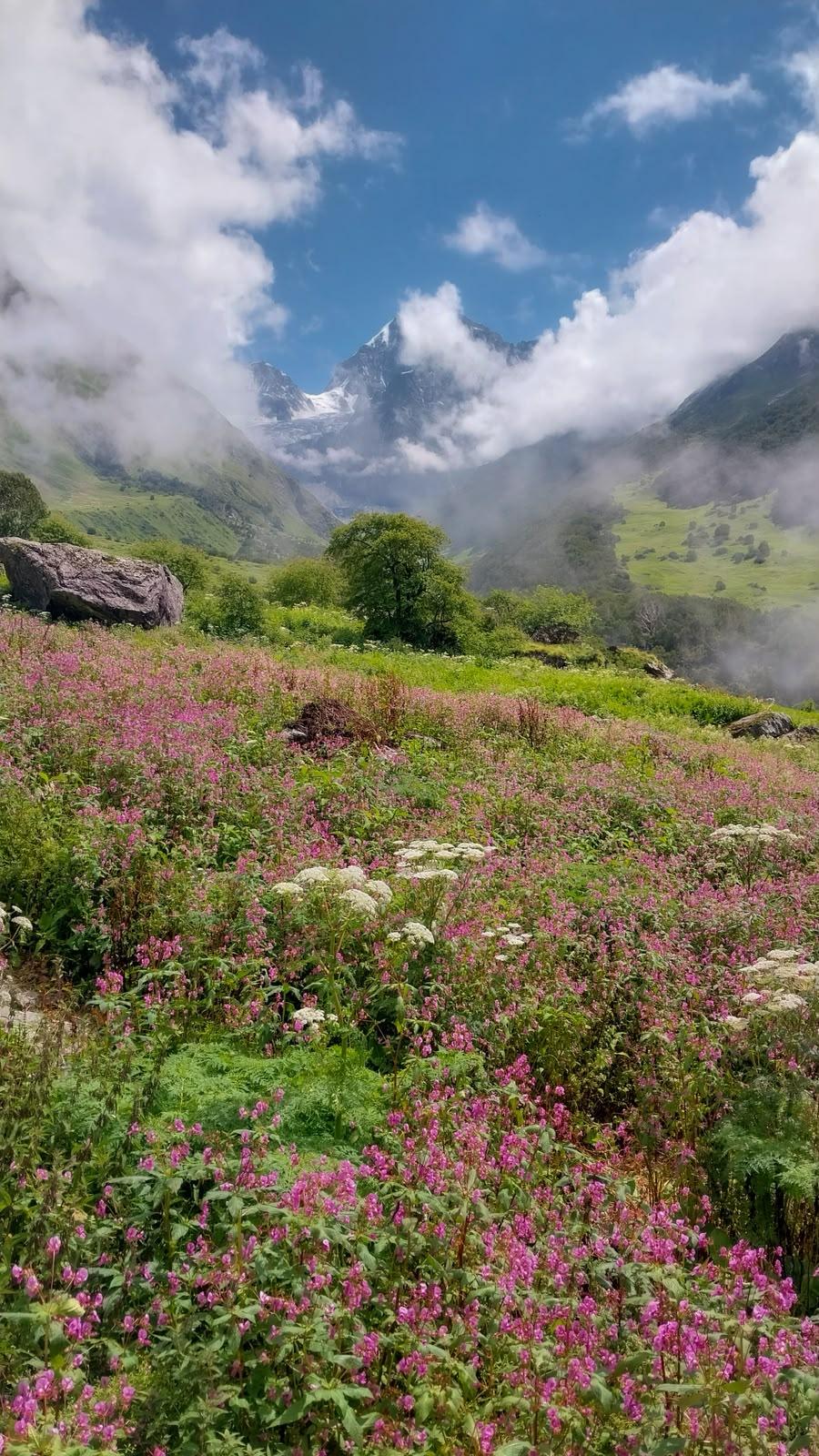
The Valley of Flowers Trek is one of the most iconic monsoon treks in the Indian Himalayas. Situated in the Garhwal region of Uttarakhand, the trail leads into a high-altitude valley that comes alive each year with a remarkable variety of alpine flowers, fed by monsoon rains and glacial streams. The valley forms part of the Valley of Flowers National Park, a UNESCO World Heritage Site known for its biodiversity and fragile mountain ecosystem.
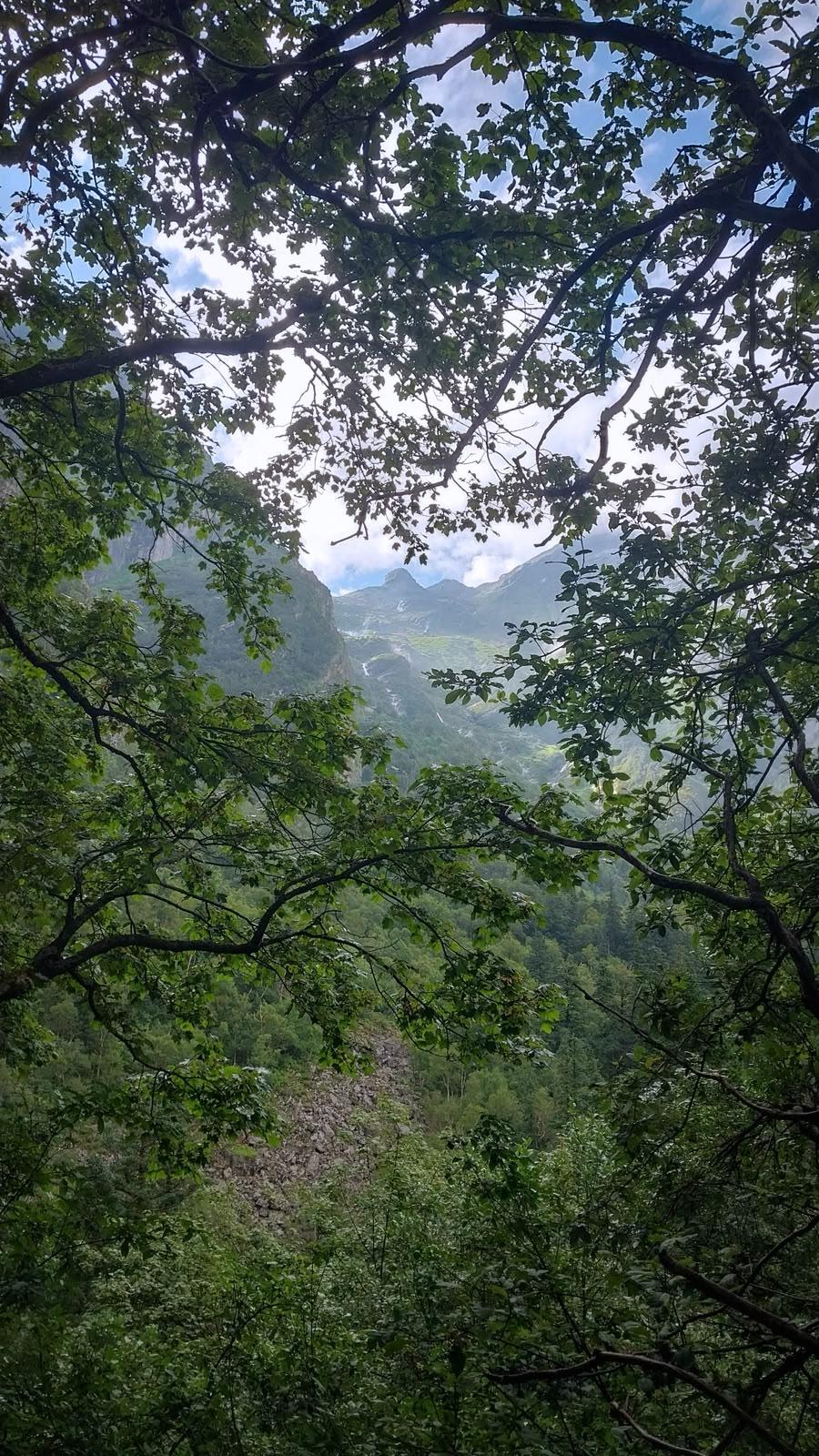
The journey begins along the Lakshman Ganga valley, passing through forests, waterfalls, suspension bridges, and small mountain settlements before reaching Ghangaria, the base for both Valley of Flowers and Hemkund Sahib. From here, participants explore two very different but complementary landscapes.
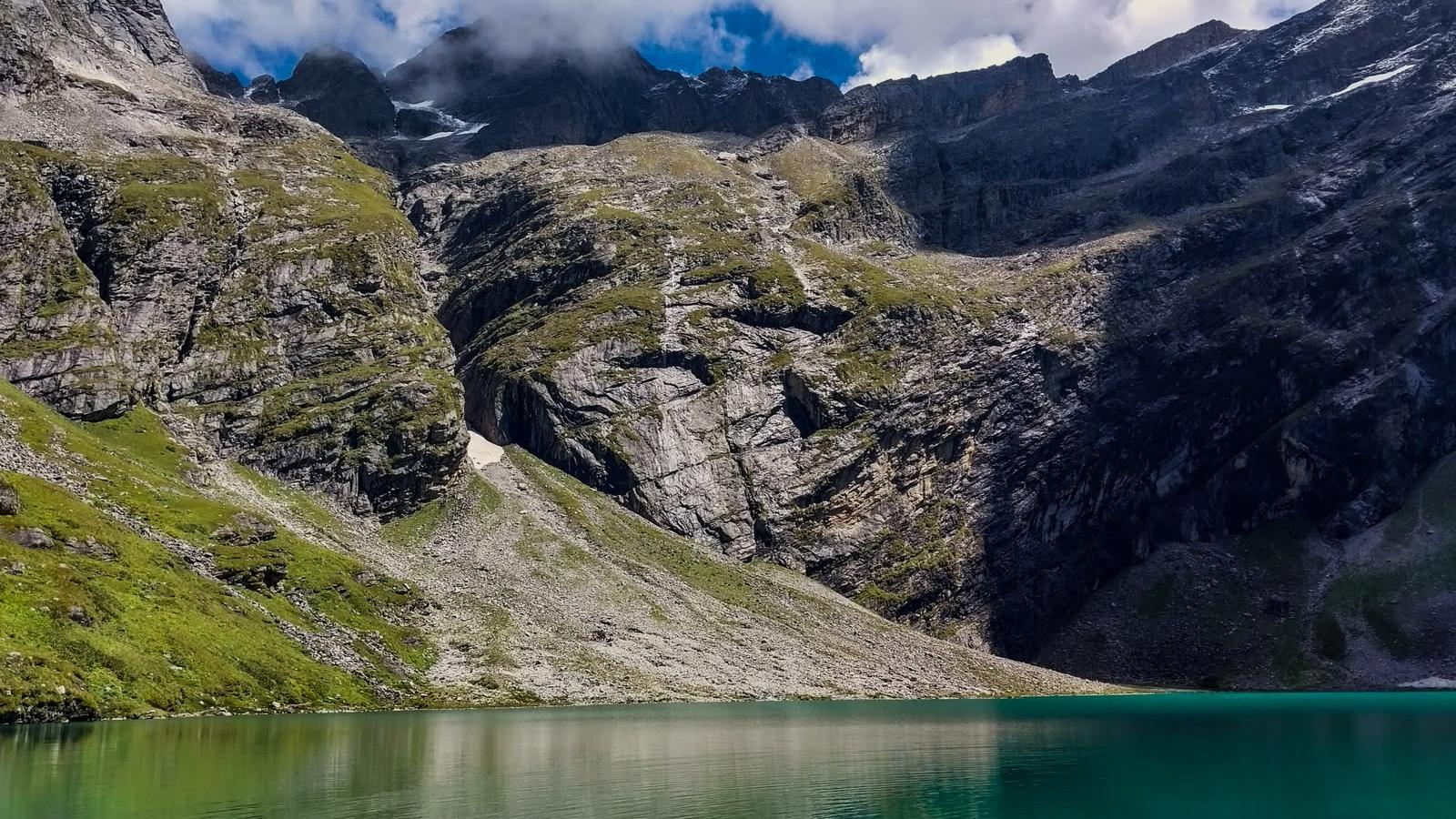
The Valley of Flowers offers a gentle and immersive experience through meadows, streams, and flower-covered slopes. In contrast, the climb to Hemkund Sahib presents a steeper challenge, gaining significant altitude over a characterizesort distance. The reward is a pristine glacial lake surrounded by rugged peaks and a unique sense of stillness that characterises the area.
Physically, the trek is moderate and suitable for fit beginners who maintain regular physical activity. The trails are well defined, but daily ascents and descents require endurance and steady pacing. Monsoon conditions add another layer of challenge, making proper rain gear and preparation essential.
This is a fully supported trek. Accommodation is provided in guesthouses and lodges at lower elevations, with support from the Odyssey team throughout the journey. The trek is particularly suited for those seeking their first Himalayan experience, nature enthusiasts, photographers, and anyone curious about the unique mountain ecosystems that emerge during the monsoon season.
Day 1
Rishikesh to Joshimath
Drive Distance: 255 km
Drive Time: 10–11 hours
A scenic drive through the Alaknanda valley, crossing several Himalayan confluences before reaching Joshimath.
By evening, the group reaches Joshimath, one of the most significant mountain towns in Uttarakhand and the gateway to many famous Himalayan expeditions and pilgrimages.
Participants stay in a comfortable guesthouse or homestay. The evening is reserved for introductions, a trek briefing, gear checks, and a relaxed dinner before the journey ahead.
Day 2
Drive to Poolna and Trek to Ghangaria
Starting Altitude: 1,890 m
Ending Altitude: 3,200 m
Trek Distance: 9 km
Time Taken: 6-7 hours
Elevation Gain: 1,310 m
Elevation Loss: Minimal
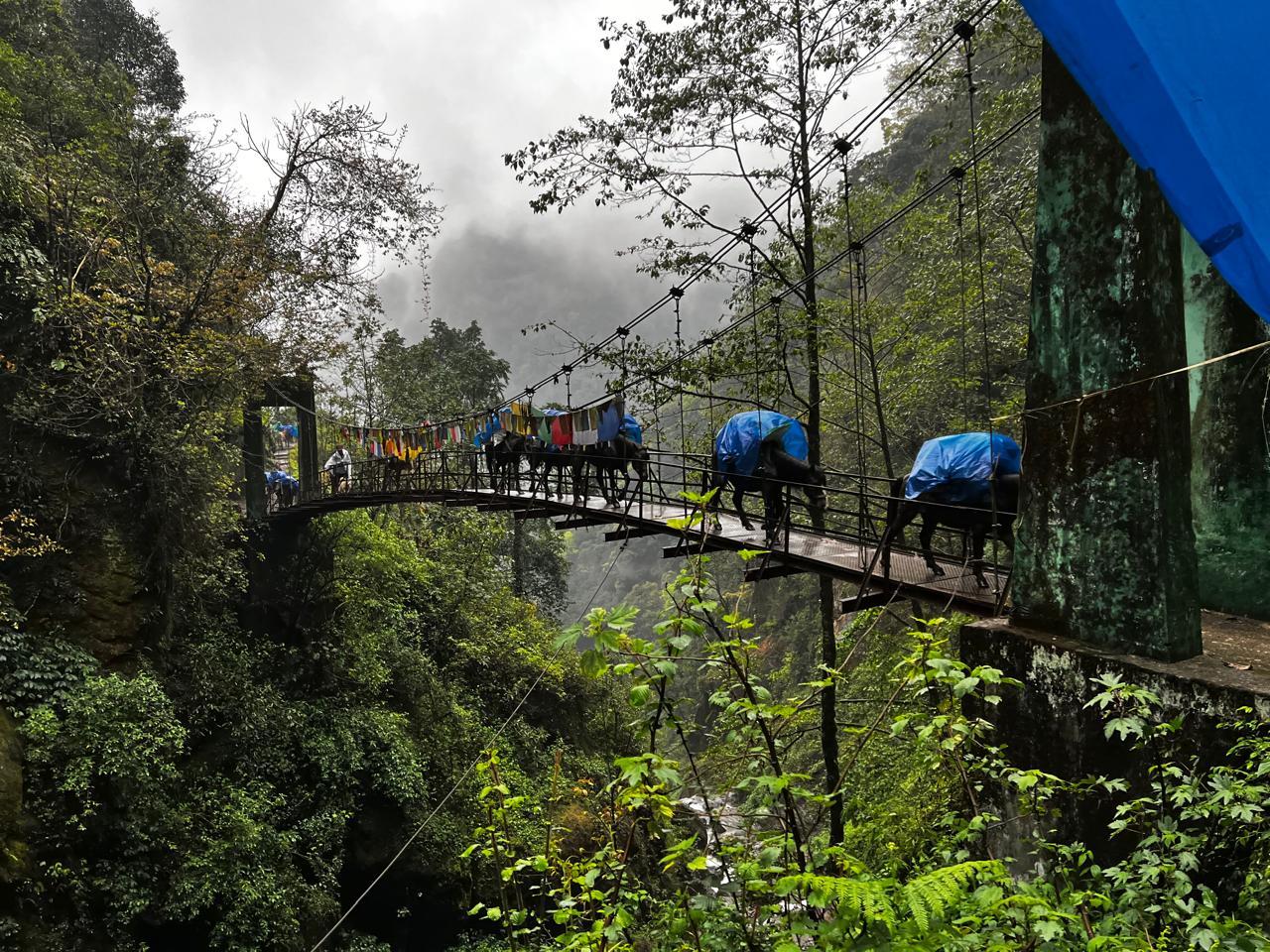
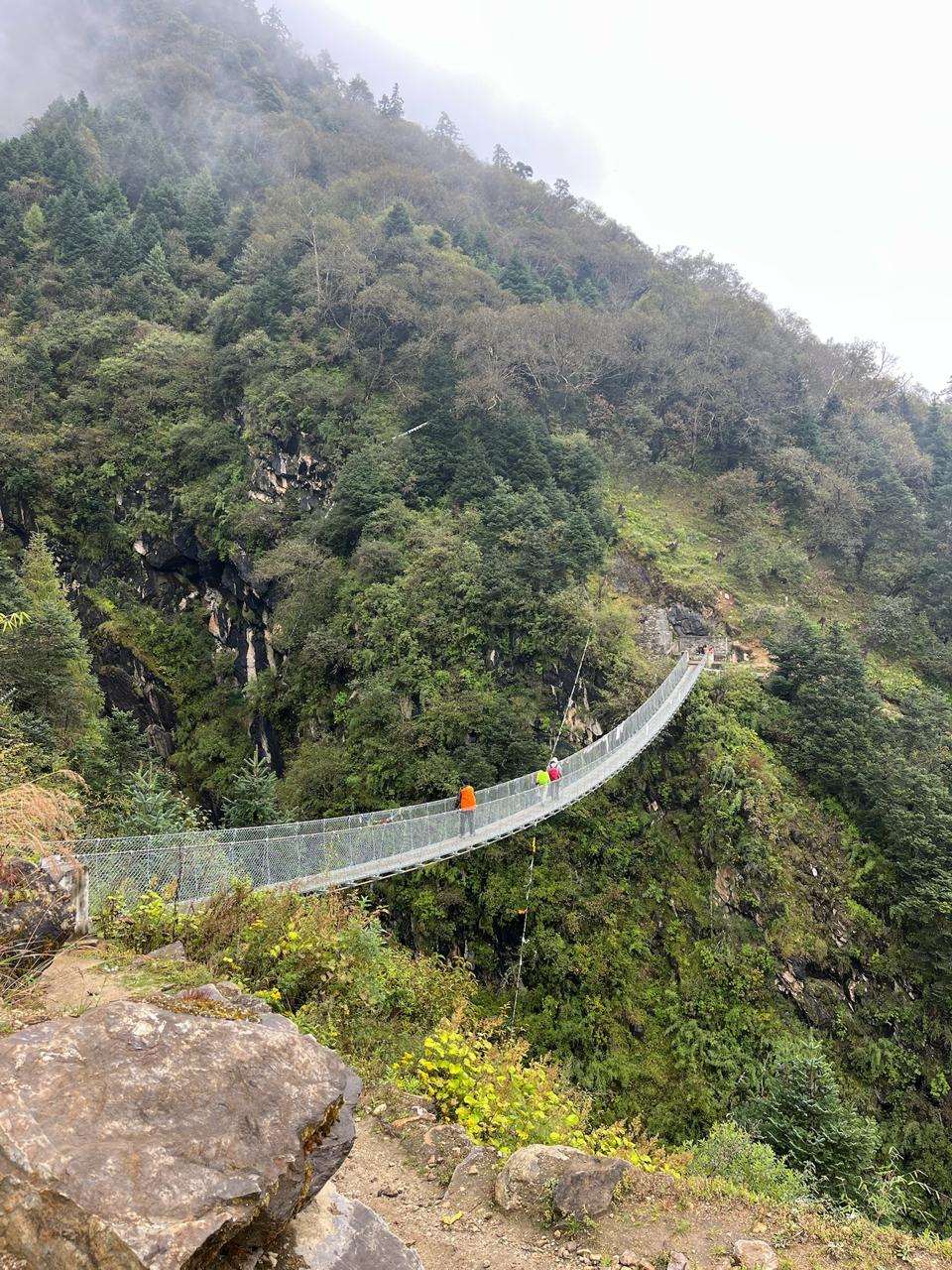
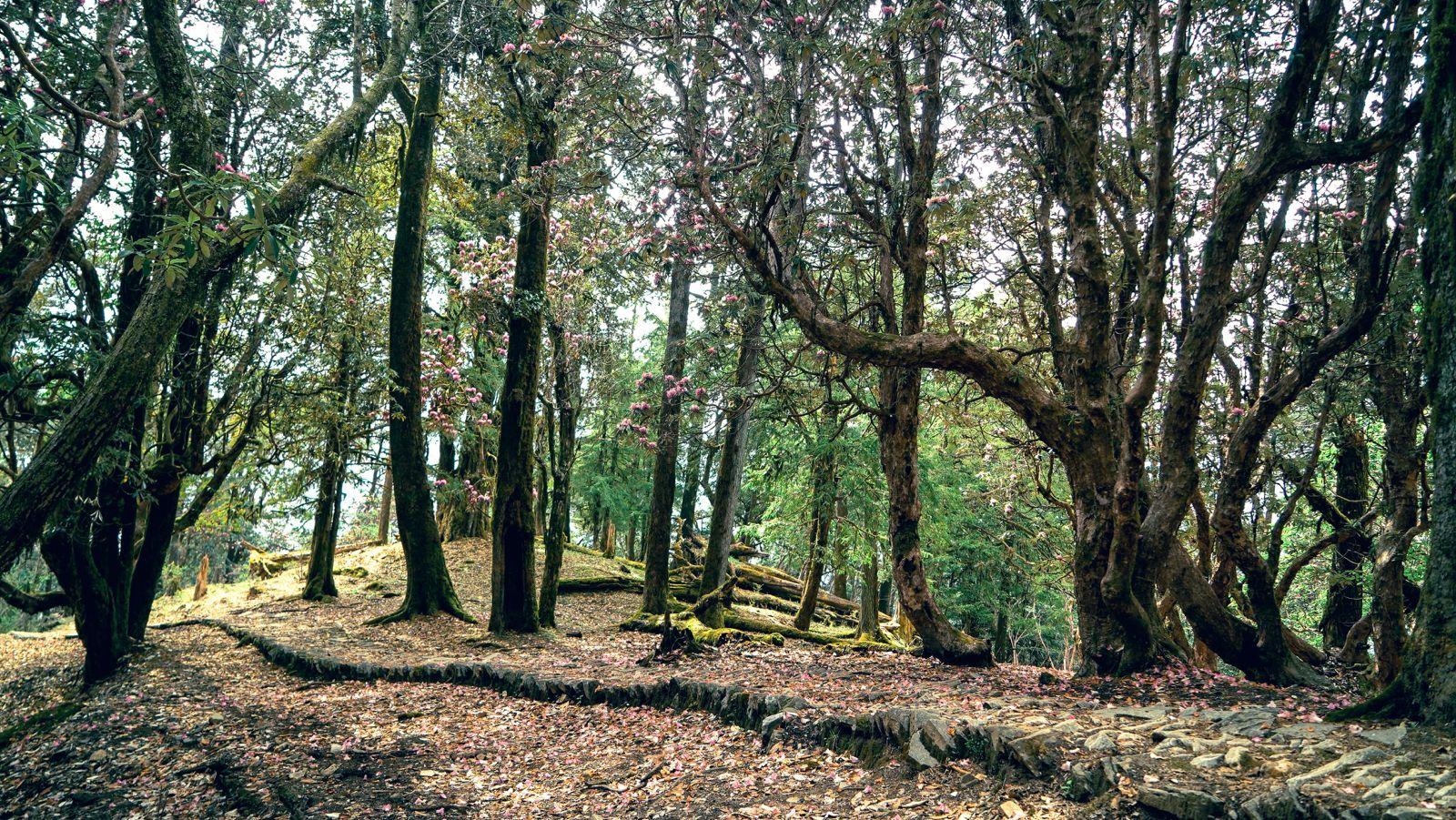
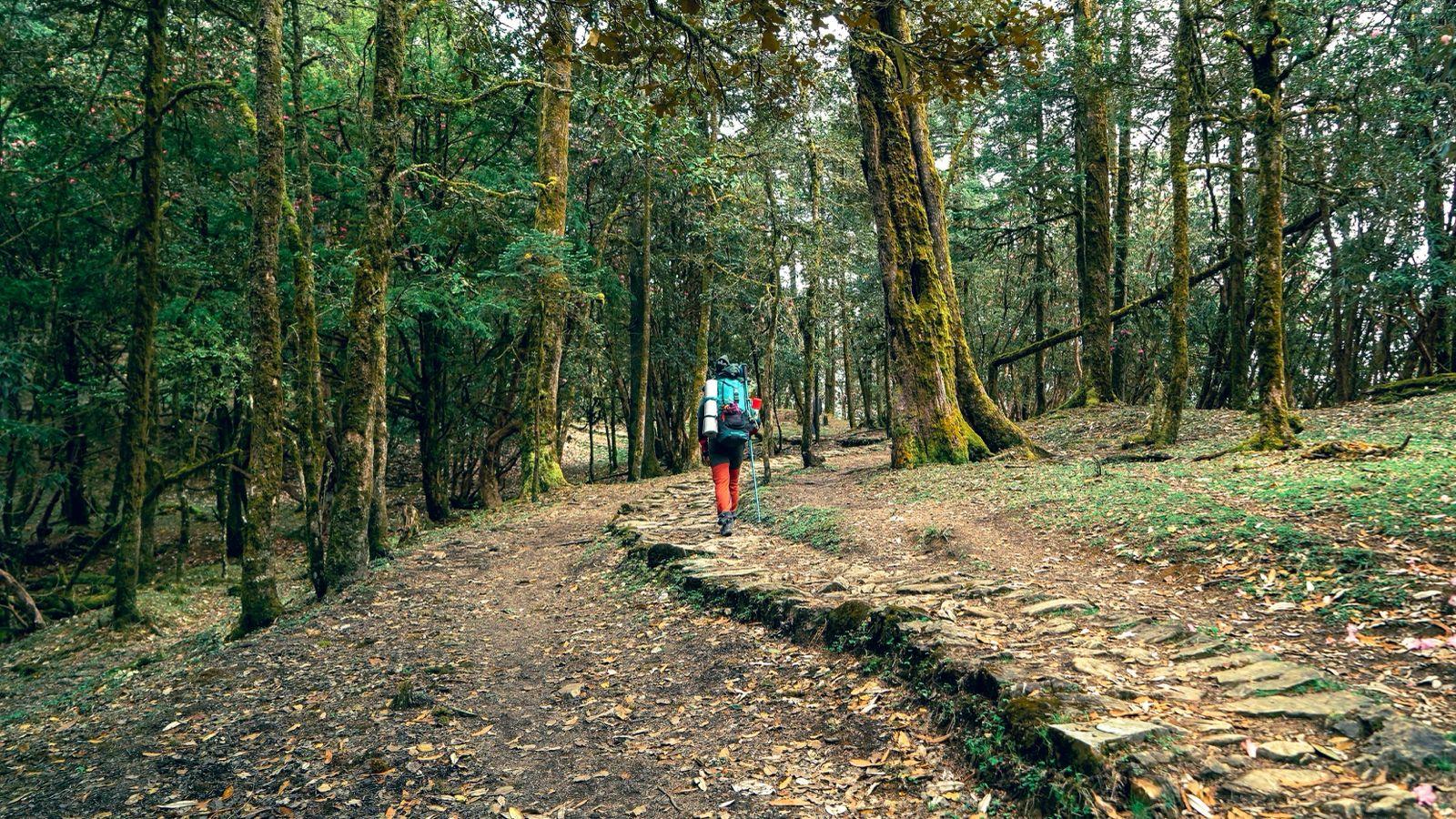
The trail follows the Lakshman Ganga river through forests, waterfalls, and mountain settlements before reaching Ghangaria
The group typically reaches Ghangaria by early evening, allowing time to settle into accommodation and recover from the day's climb.
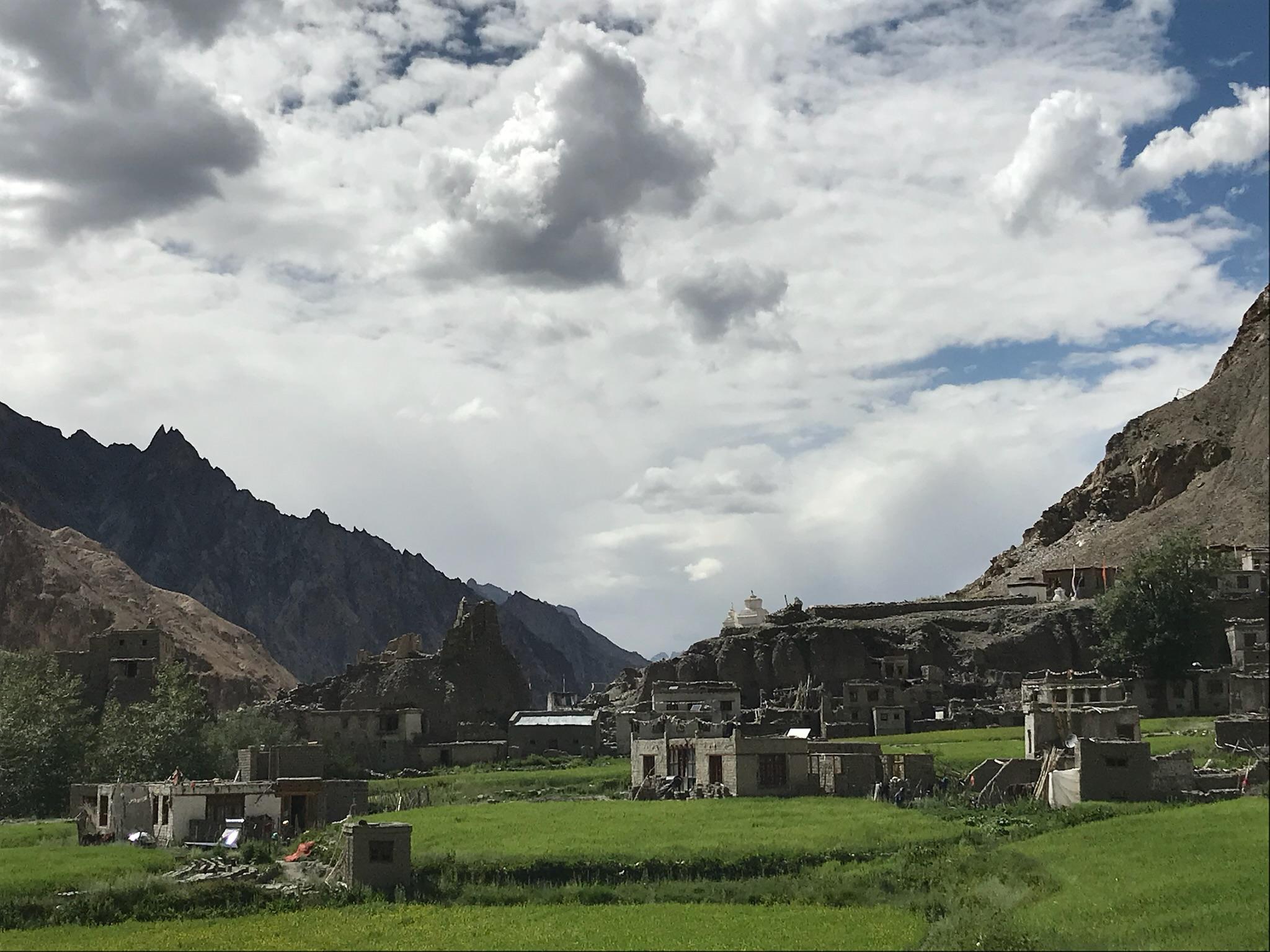
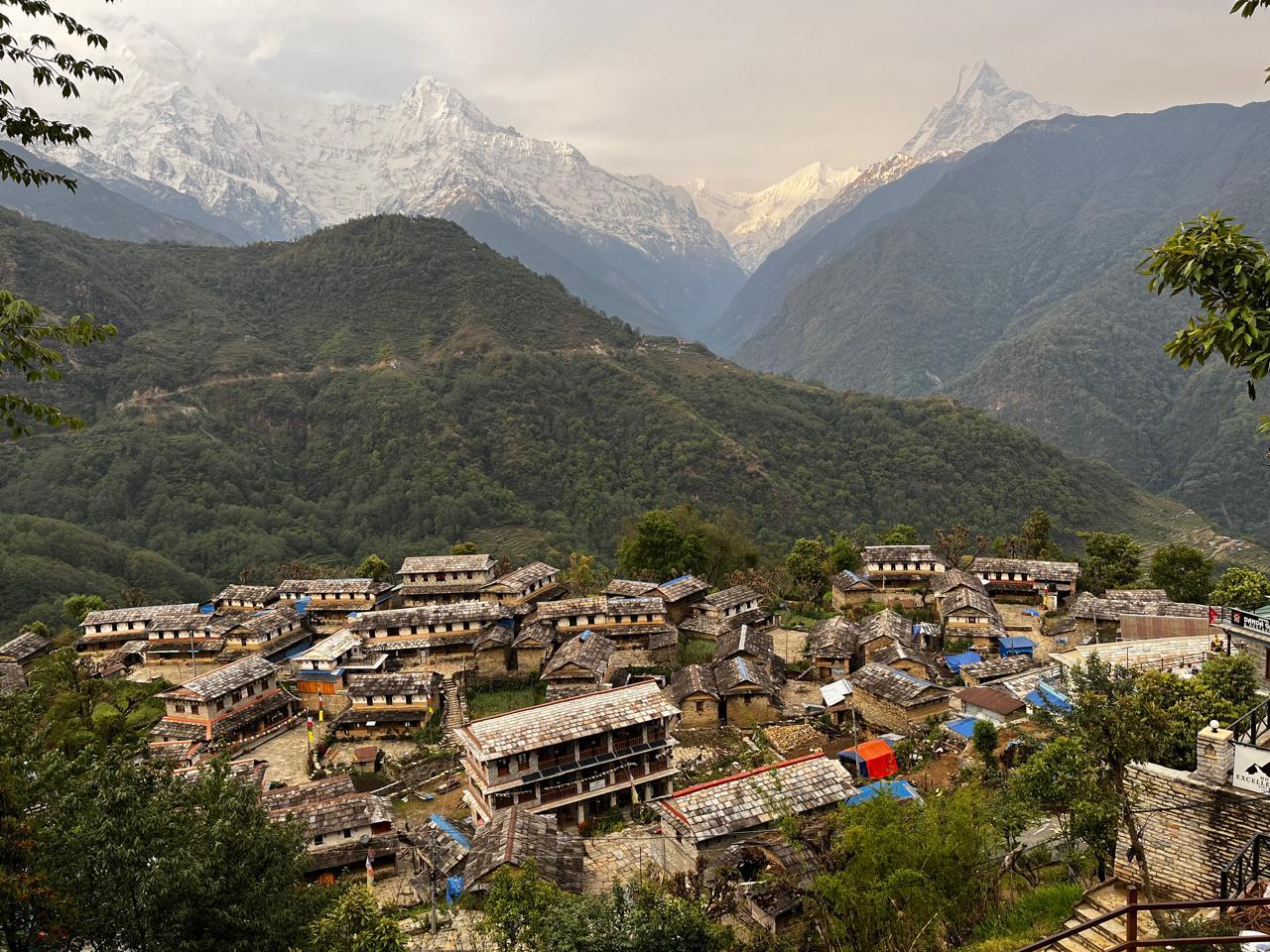
Unlike most Himalayan campsites, Ghangaria feels like a small mountain settlement. The village has guesthouses, cafés, local shops, a gurudwara, and a constant movement of trekkers, pilgrims, mule handlers, and locals.
The evening can be spent exploring the village, enjoying a hot meal, or simply watching life unfold in this unique mountain outpost.
Day 3
Valley of Flowers Exploration and back
Starting Altitude: 3,200 m
Ending Altitude: 3,200 m
Trek Distance: 8 km (round trip)
Time Taken: 5-6 hours
Elevation Gain: 300 m
Elevation Loss: 300 m
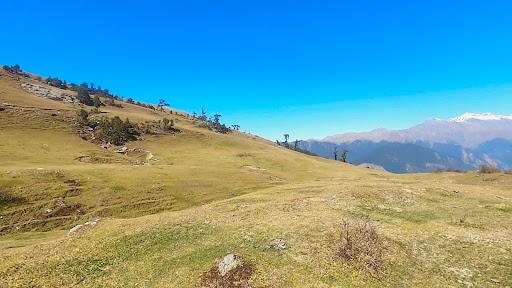
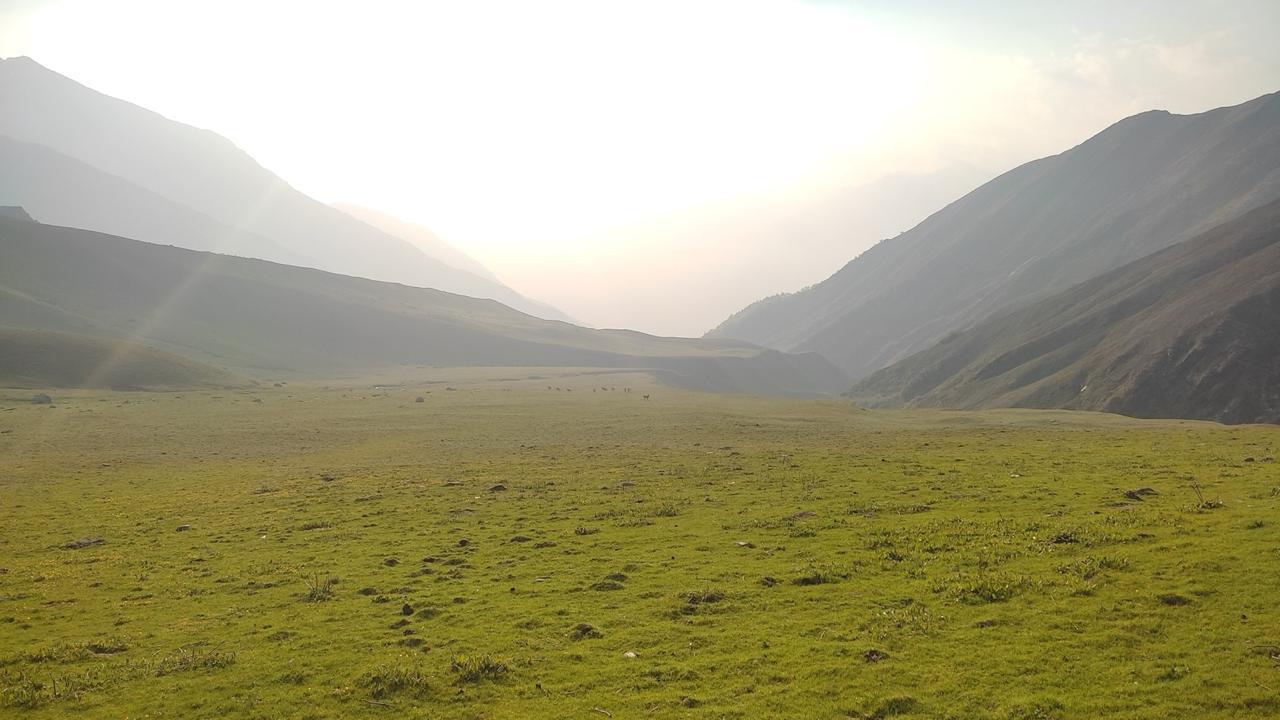
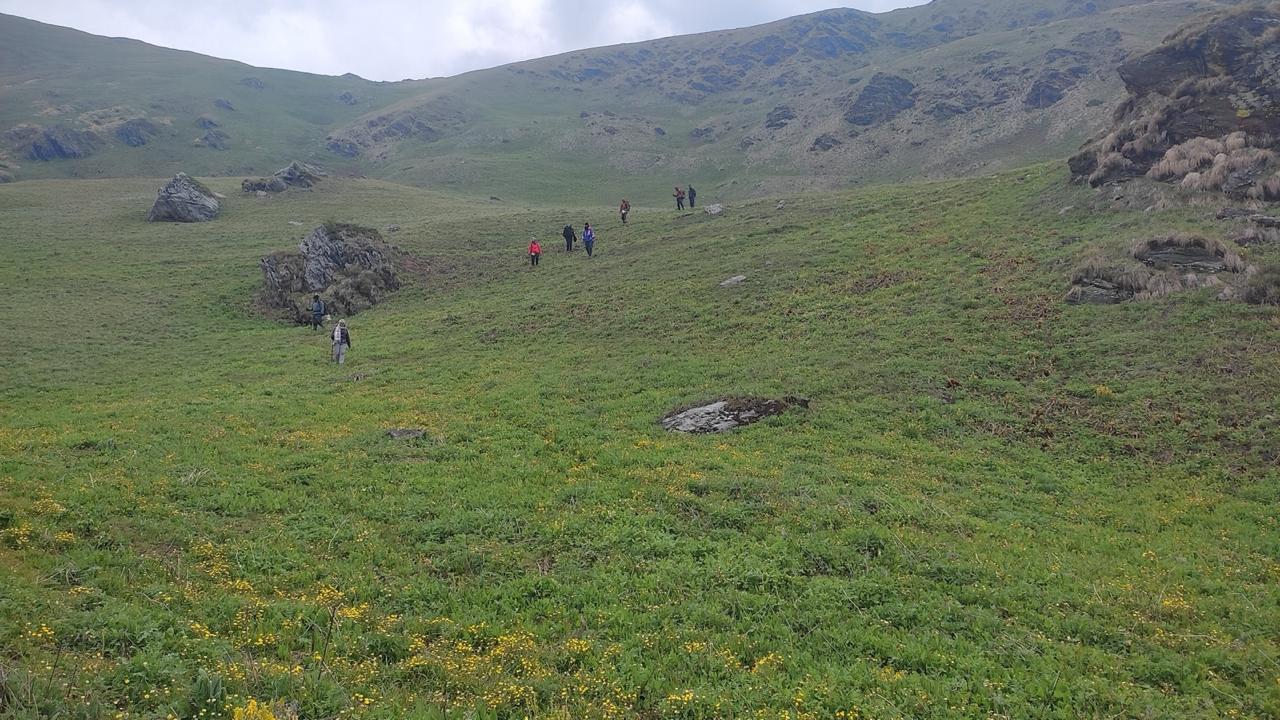
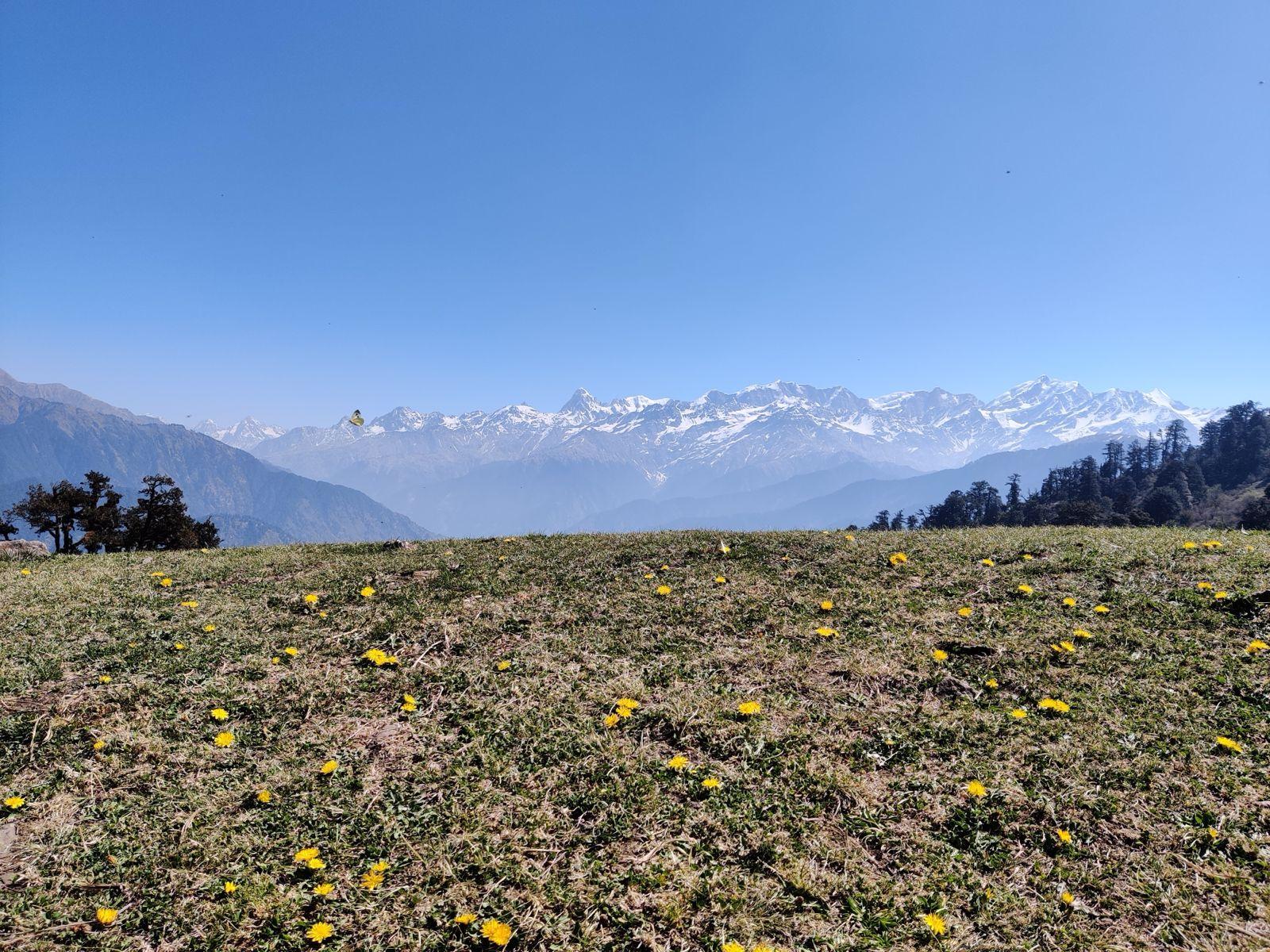
A day spent exploring the Valley of Flowers National Park. As the trail enters the protected valley, the landscape begins to open dramatically. Streams braid across the valley floor, waterfalls descend from surrounding cliffs, and broad alpine meadows stretch toward snow-covered peaks in the distance.
The experience here is less about reaching a destination and more about slowing down and observing. Depending on the season, the valley hosts a remarkable variety of Himalayan flowers, each bloom replacing another as the monsoon progresses.
After lunch in the valley, the group returns to Ghangaria for another comfortable night in the village.
The evening often becomes a favourite part of the trek- warm food, conversations, tea stalls, and the relaxed atmosphere of a mountain settlement surrounded by wilderness.
Day 4
Hemkund Sahib and Return to Ghangaria
Starting Altitude: 3,200 m
Ending Altitude: 3,200 m
Trek Distance: 12 km (round trip)
Time Taken: 8-9 hours
Elevation Gain: 1,100 m
Elevation Loss: 1,100 m
This is the most demanding day of the trek.
The climb begins early, following a well-paved but steep trail that ascends continuously toward Hemkund Sahib. The route gains altitude quickly, requiring steady pacing and regular hydration.
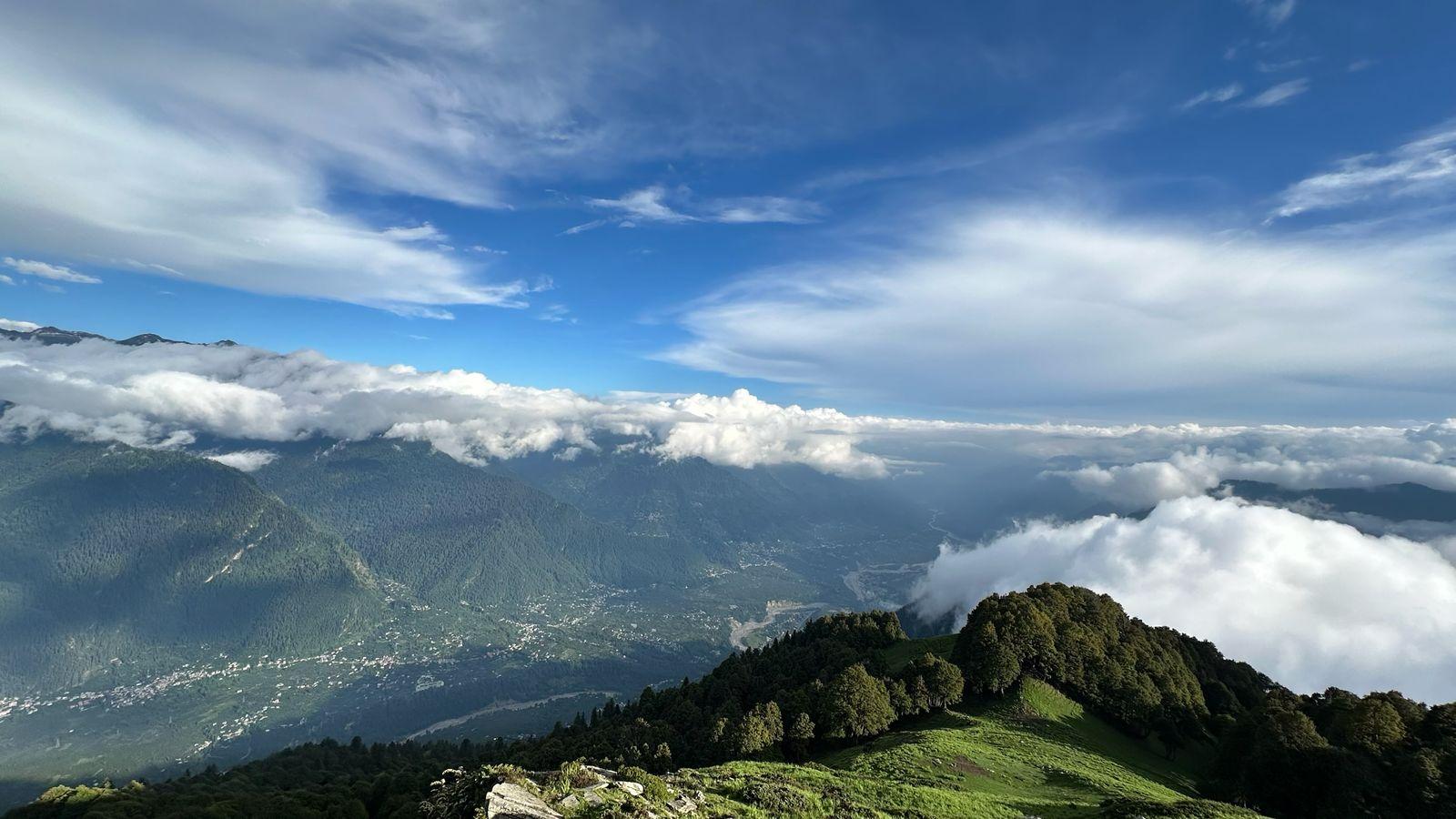
As the trail climbs higher, forests give way to alpine terrain and expansive mountain views.
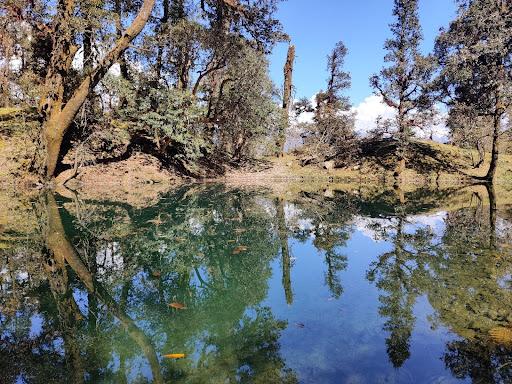
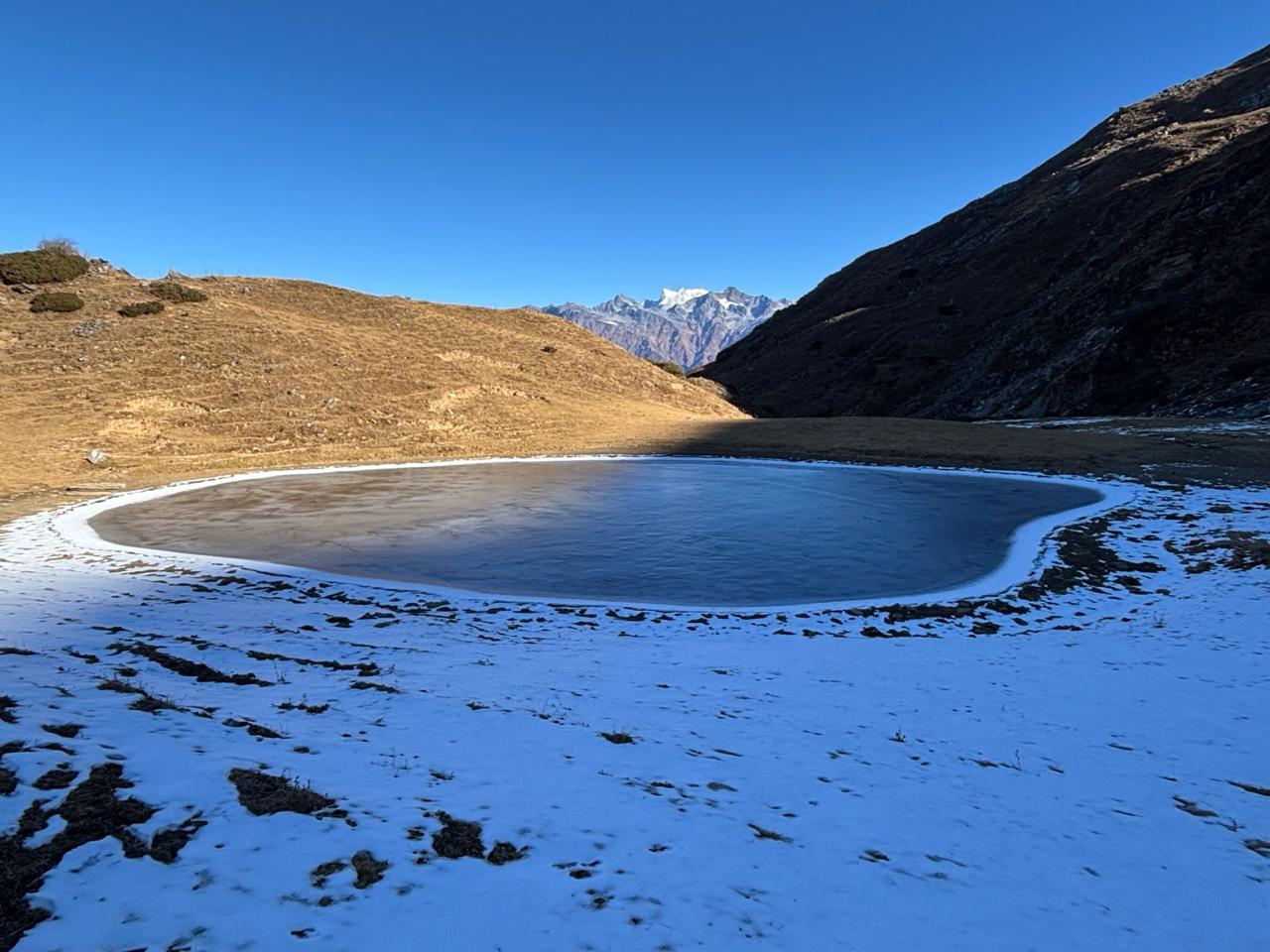
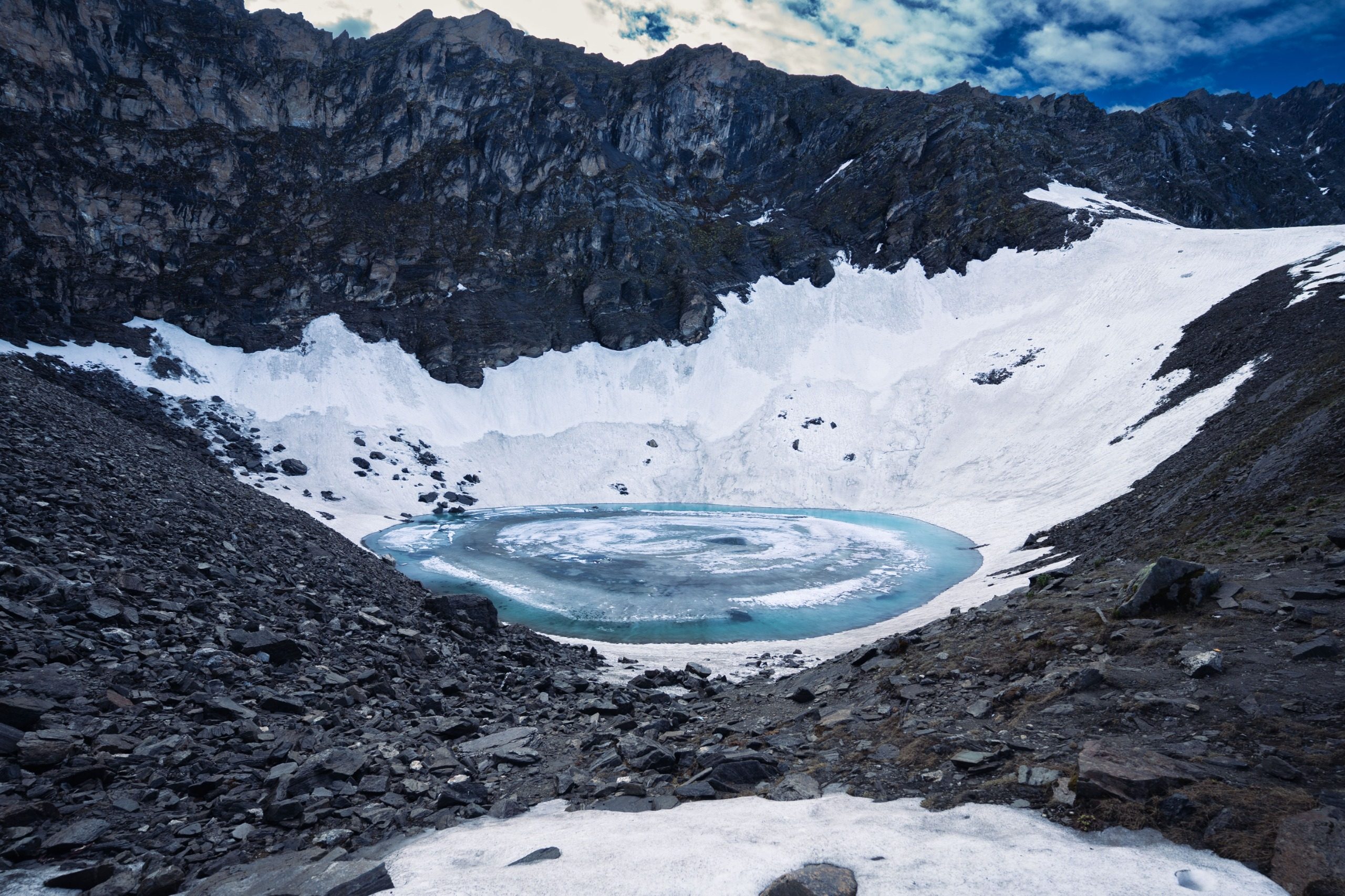
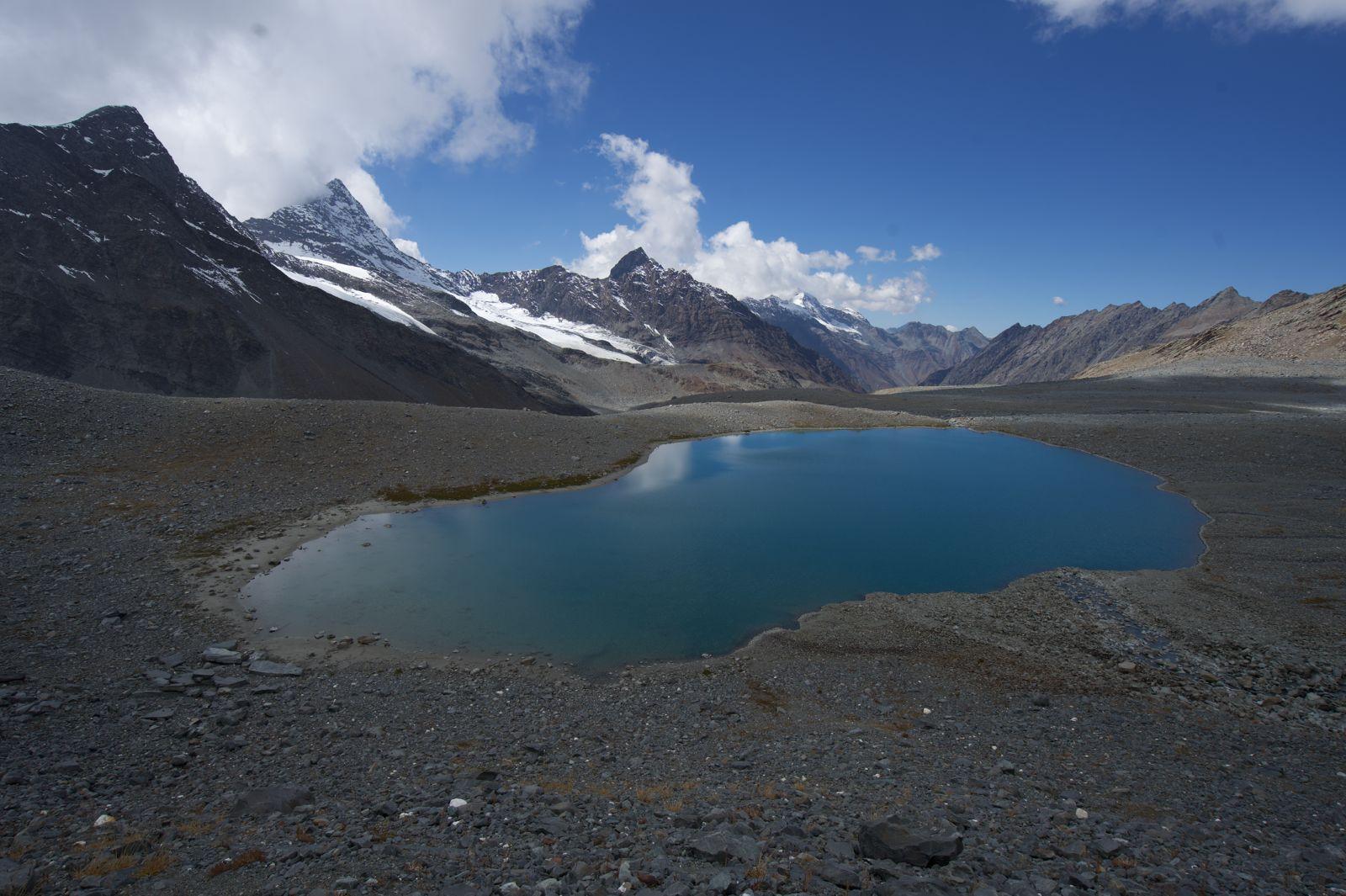
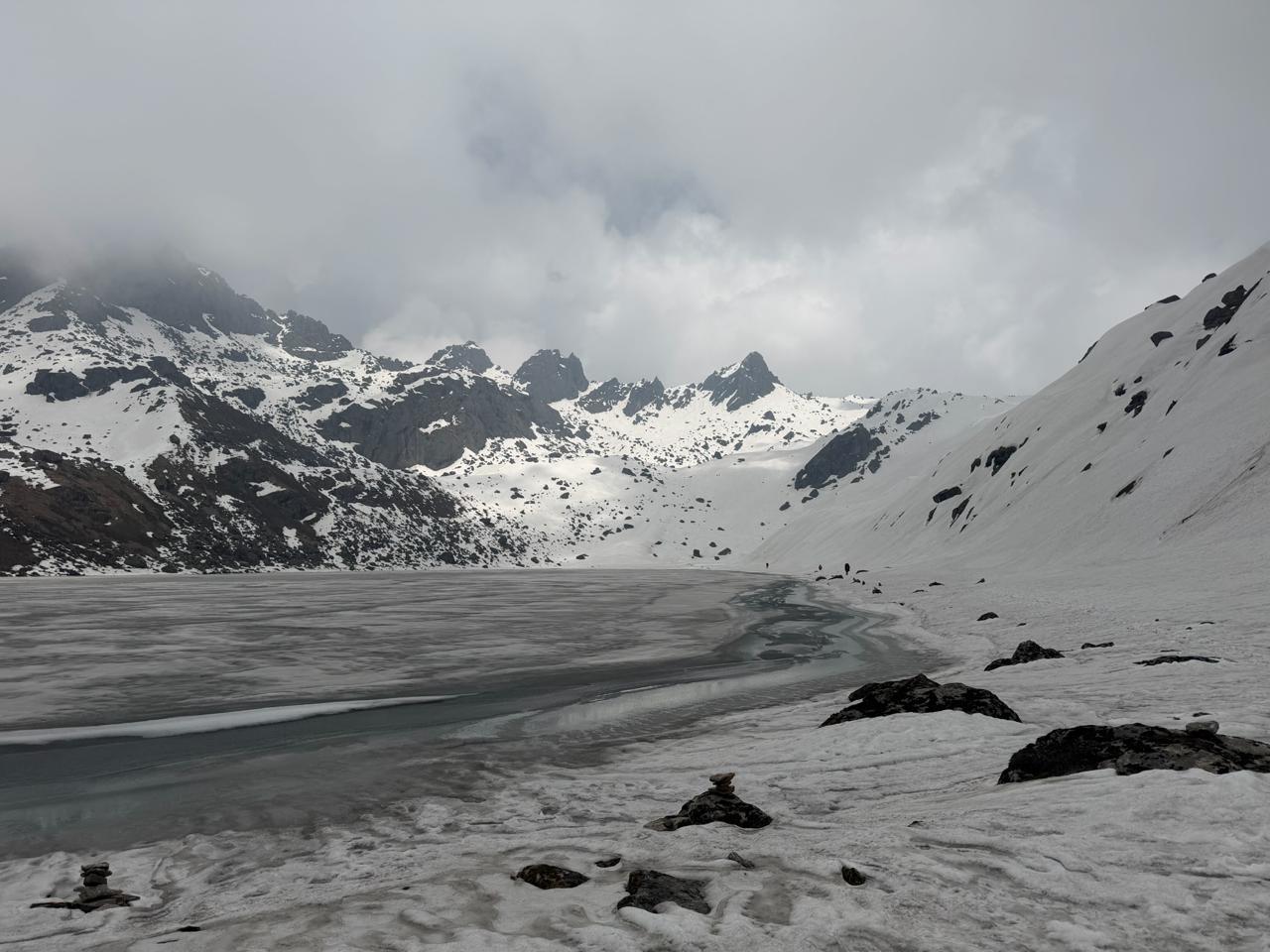
At 4,300 m, Hemkund Sahib sits beside a pristine glacial lake surrounded by steep peaks. The setting feels dramatically different from the forests and meadows below.
Participants have time to visit the gurudwara, rest beside the lake, and absorb the atmosphere before beginning the descent.
The return journey to Ghangaria is often quicker but requires care on the steep downhill sections.
A hot dinner and a comfortable bed in Ghangaria are especially appreciated after a long day on the trail.
Day 5
Ghangaria to Poolna, Drive to Joshimath
Starting Altitude: 3,200 m
Ending Altitude: 1,875 m
Trek Distance: 9 km
Time Taken: 4–5 hours
Elevation Gain: Minimal
Elevation Loss: 1,325 m
The descent follows the same trail back toward Poolna.
Without the effort of climbing, participants often notice details they may have missed on the way up—the waterfalls, villages, forests, and changing character of the valley.
After reaching Poolna, the group drives back to Joshimath.
The evening is relaxed, offering an opportunity to rest, enjoy a comfortable meal, and reflect on the experience before returning to the plains.
Day 6
Joshimath to Rishikesh
Drive Distance: 255 km
Drive Time: 10–11 hours
Return journey through the Garhwal Himalayas. Expect to reach Rishikesh by 5pm on Day 6 of the trek,
Difficulty Category: Moderate
This trek is suitable for fit beginners and regular outdoor enthusiasts.
Participants are expected to:
- Walk comfortably for 10-12 km in a day.
- Engage in cardio training at least 3 times per week.
- Maintain a consistent fitness routine for 4-6 weeks before the trek.
- Be comfortable walking for 6-8 hours on mountain trails.
The climb to Hemkund Sahib is steep and requires determination, steady pacing, and good aerobic fitness.
Safety & Emergency Information
Valley of Flowers is one of the better-supported treks in the Himalayas, with established trails, village access, communication networks, and multiple evacuation options. The highest point of the trek is Hemkund Sahib (4,300 m / 14,100 ft), making acclimatization and hydration the most important safety considerations.
Odyssey leaders are trained in Wilderness First Response (WFR) and carry a comprehensive medical kit, oxygen cylinder, and emergency stretcher. In case of an emergency, local mule, porter, and team support are available to assist with evacuation.
The nearest medical facilities are available at Ghangaria and Joshimath, with larger hospitals located in Srinagar and Rishikesh. Mobile network is available in most sections of the trek, particularly around Joshimath and Ghangaria.
Helicopter evacuation is available in the region when operationally feasible. Participants are strongly encouraged to obtain personal travel and emergency evacuation insurance before joining the trek.
Our priority is always participant safety, and Odyssey will coordinate all necessary emergency support should the need arise.
Inclusion
Exclusion
Is the Valley of Flowers Trek suitable for beginners?
What is the biggest challenge on this trek?
What kind of accommodation can I expect?
What food is provided during the trek?
Participants can expect:
Breakfast, lunch, and dinner daily
Packed lunches on trekking days
Evening snacks
Tea and other hot beverages
Meals focus on simple, nutritious, and balanced food that works well at altitude. We recommend carrying a small tiffin box for packed lunches to help reduce single-use packaging on the trail.
How does Odyssey help me prepare before the trek?
Participants receive:
A detailed fitness guideline
Trek-specific preparation recommendations
Packing checklist and gear guidance
WhatsApp group support
Pre-trek briefing calls and Q&A sessions
Our goal is to ensure participants arrive confident, informed, and physically prepared for the experience.
What gear do I need?
Will I have mobile network connectivity?
SELECT DATE TO REGISTER

Thank You!
Your form has been submitted successfully. We'll get back to you soon.
₹ 14,450 + 5% GST
