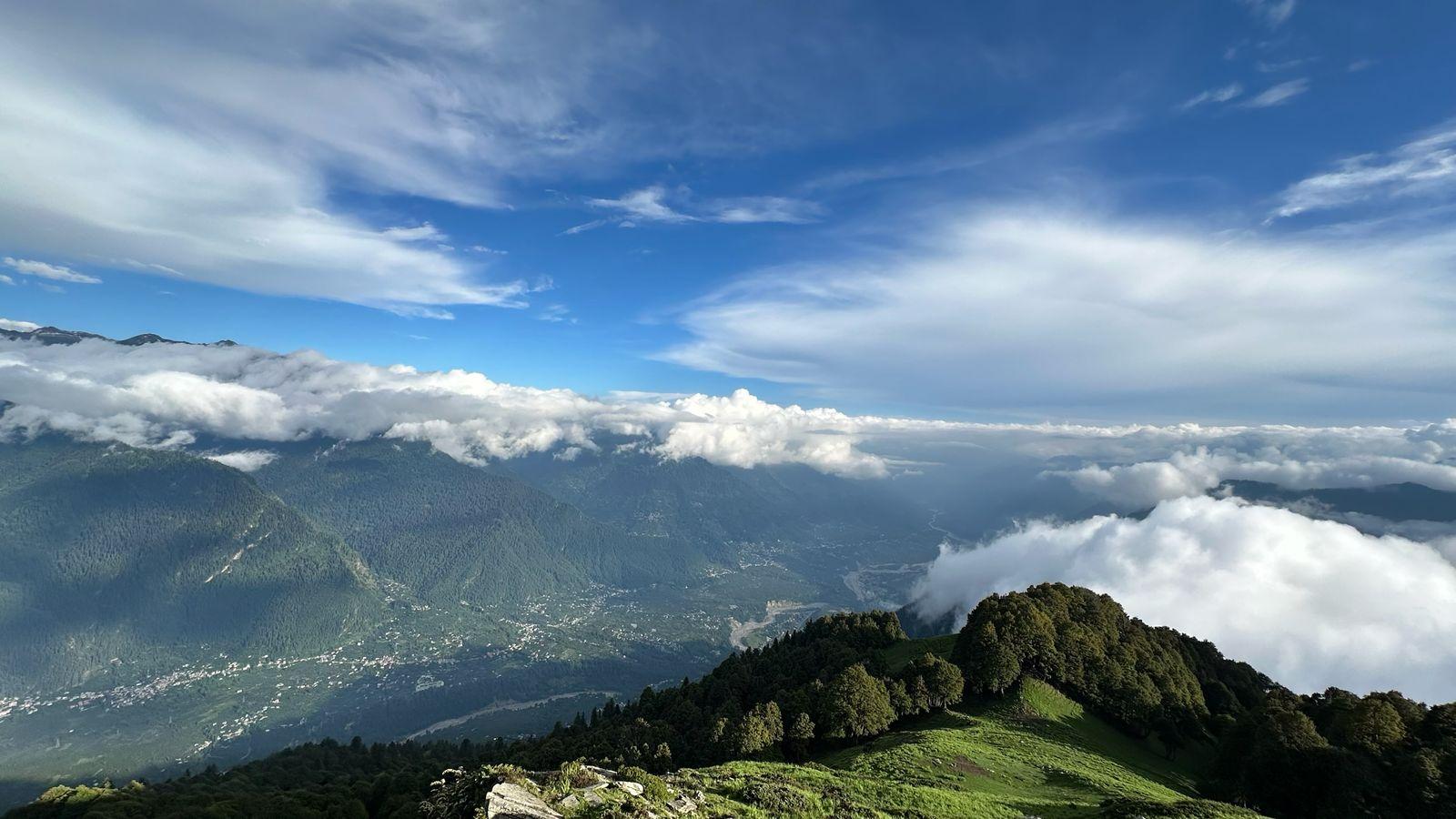


The Kaliheni Pass at 4,800 m sits in the Pir Panjal range of Himachal Pradesh, forming part of the ancient Bara Bhangal corridor that links the Kullu Valley with Kangra. Most people have heard of Bara Bhangal as a destination. This is the route that gets you there.
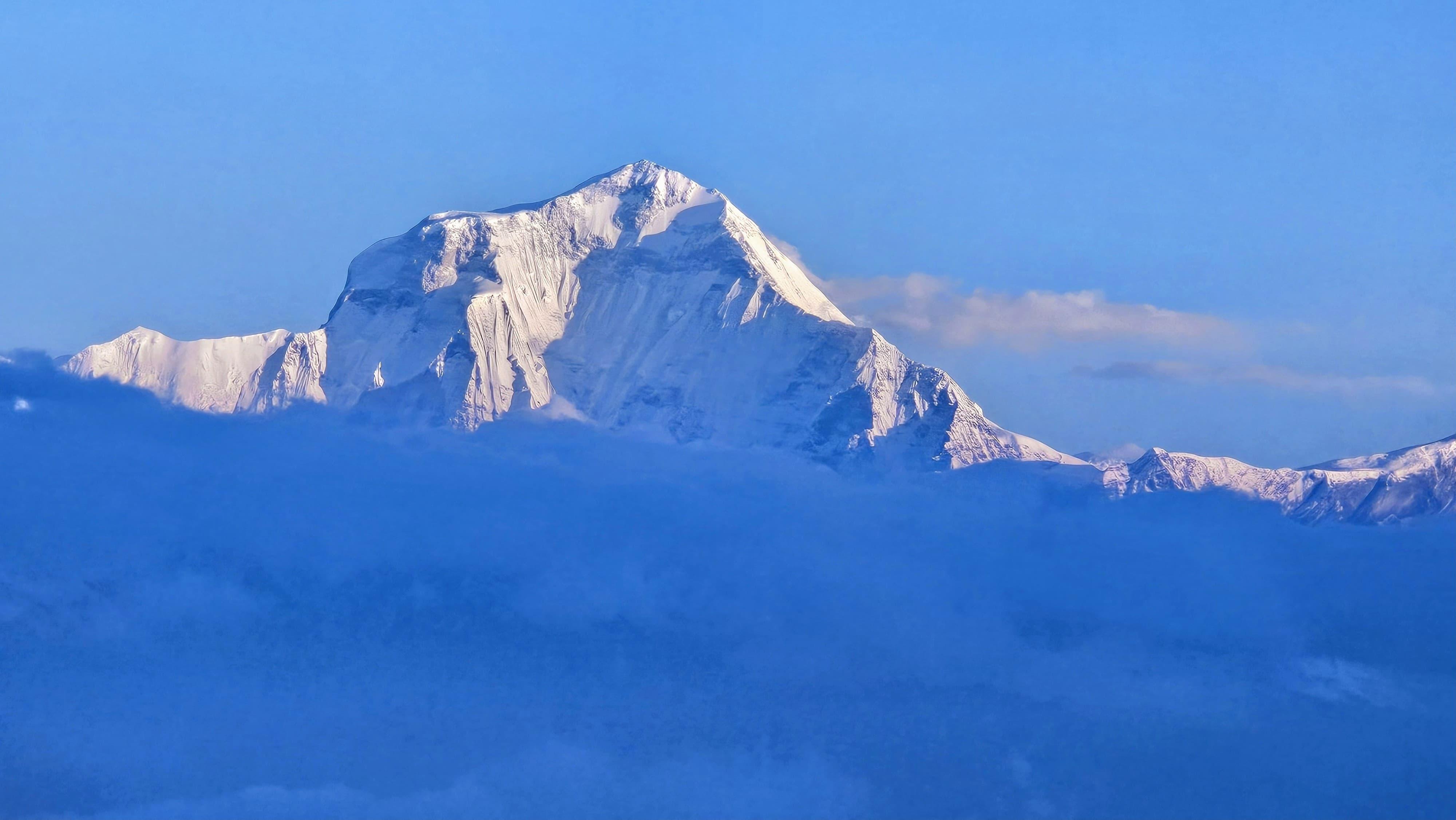
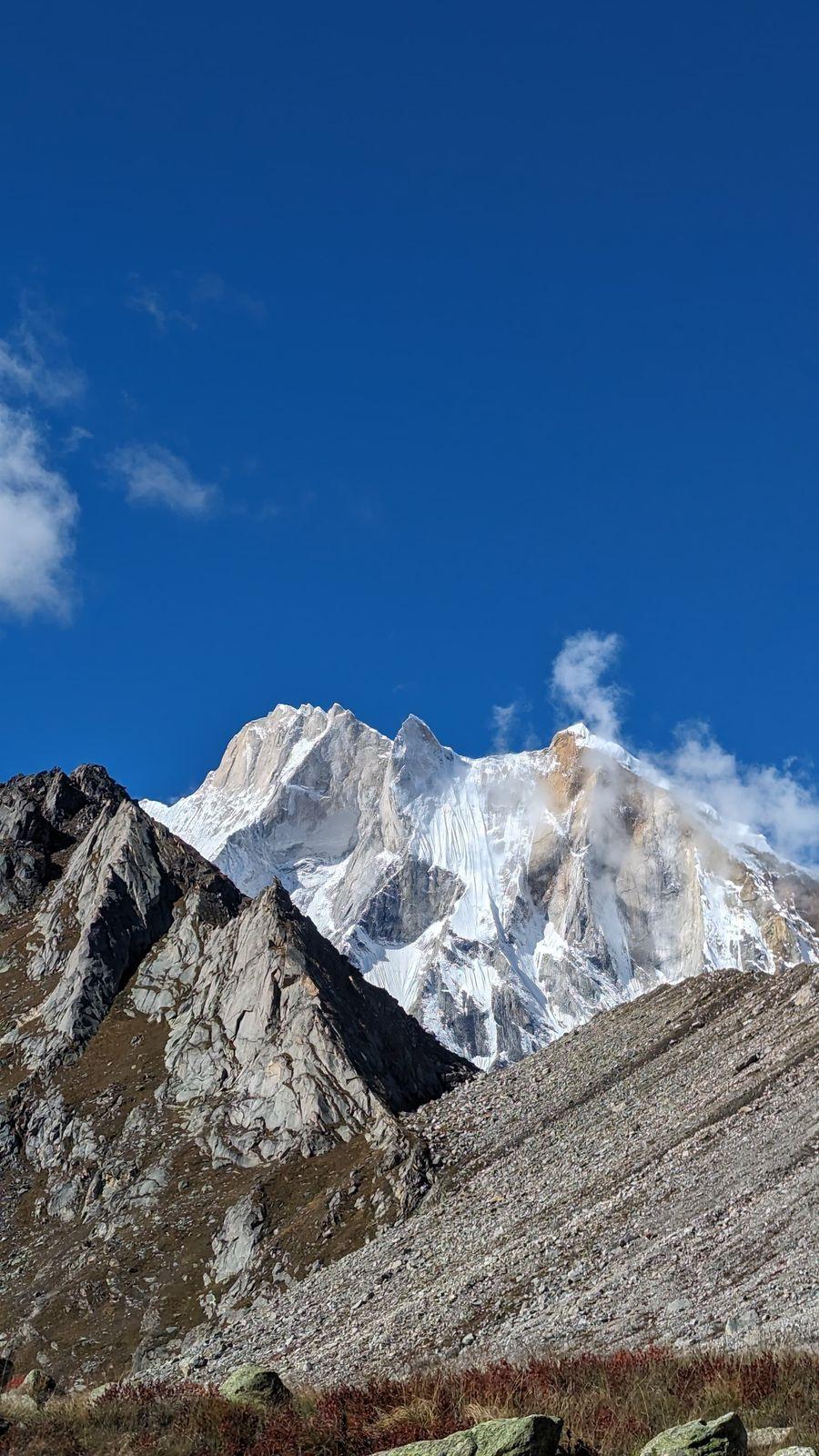
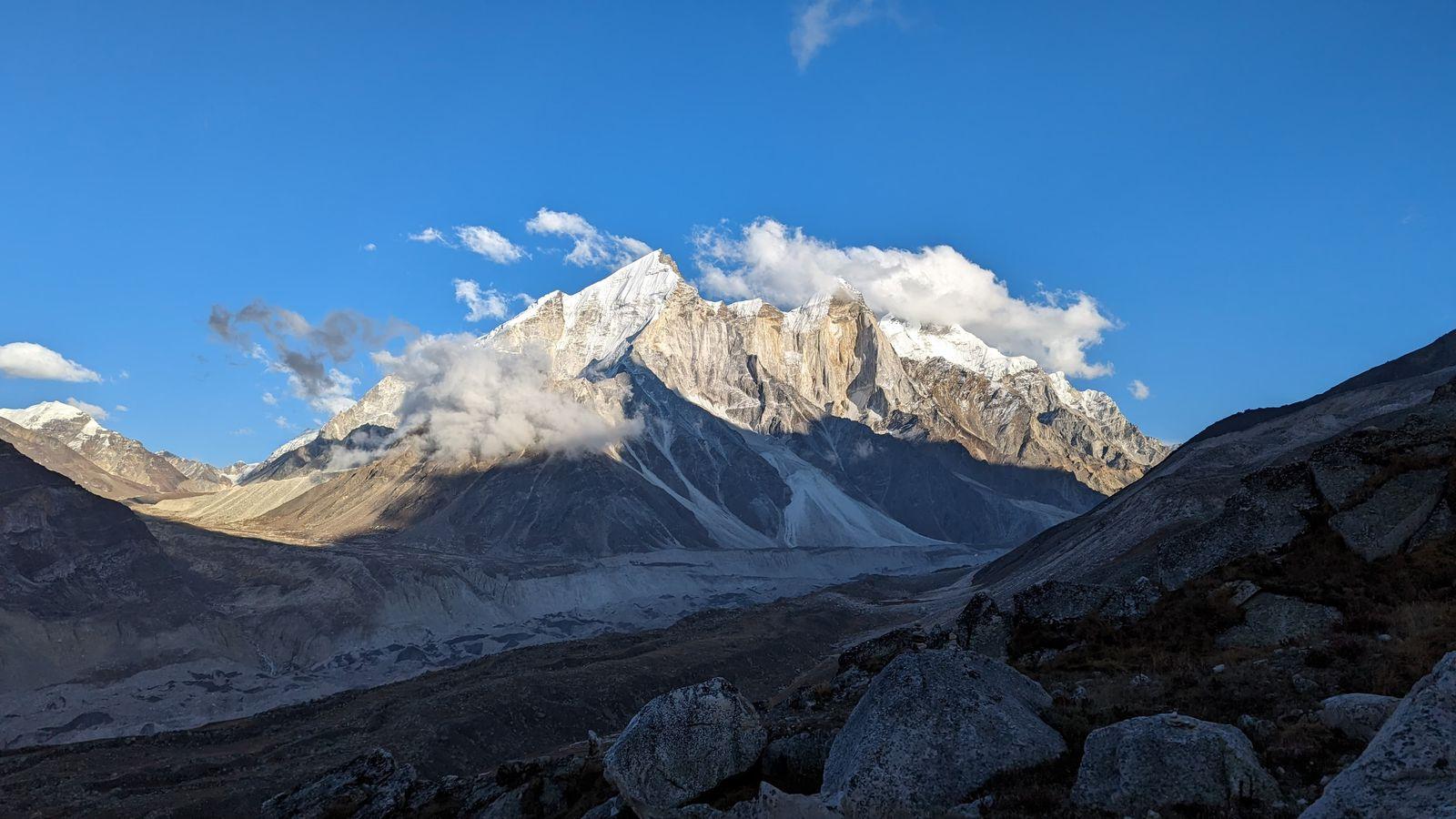
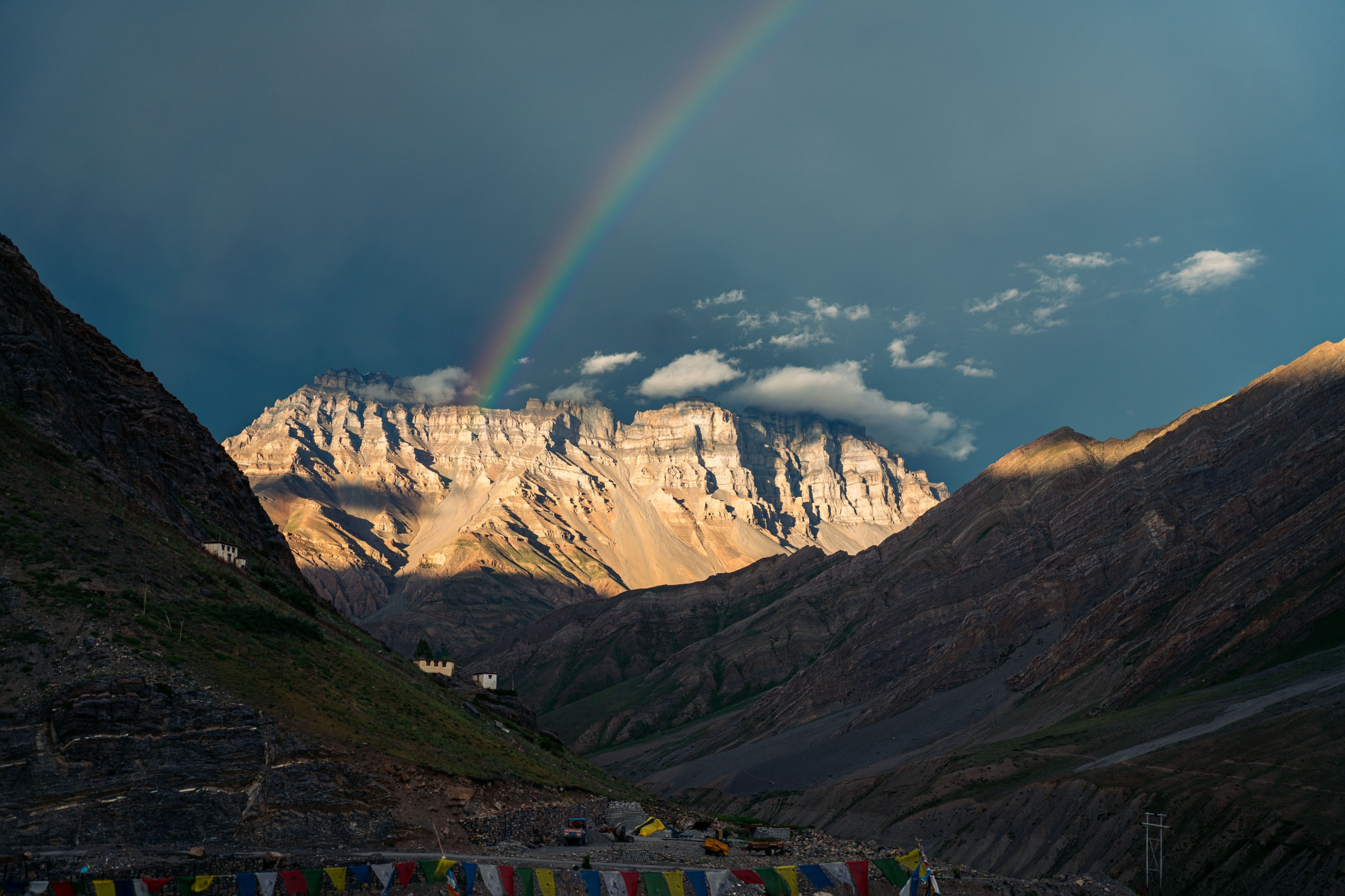
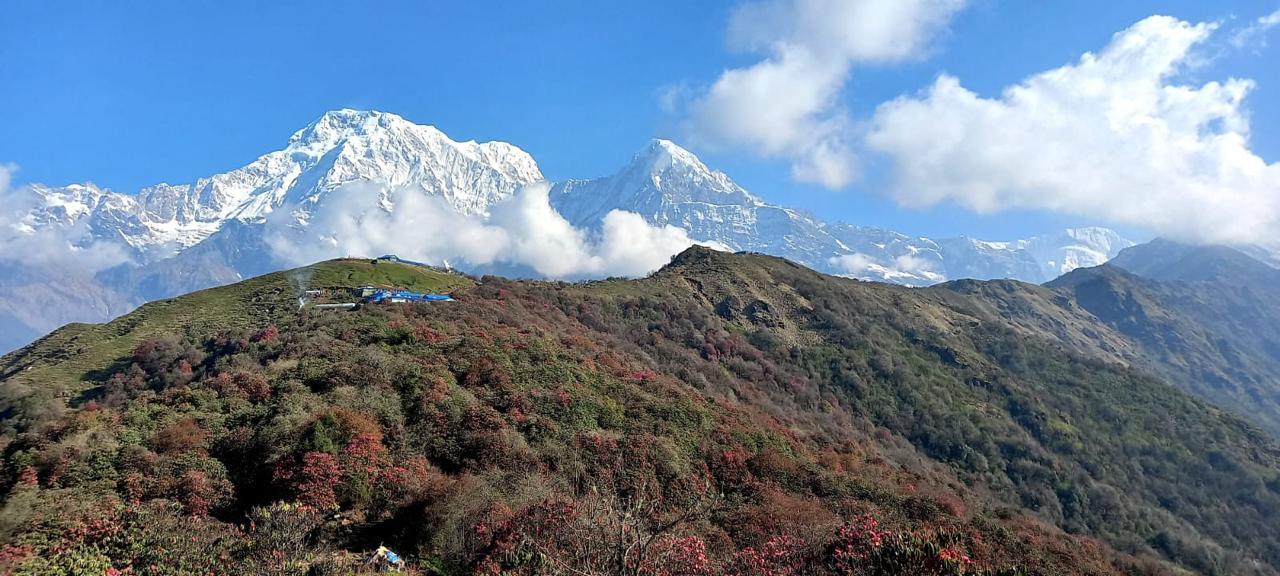
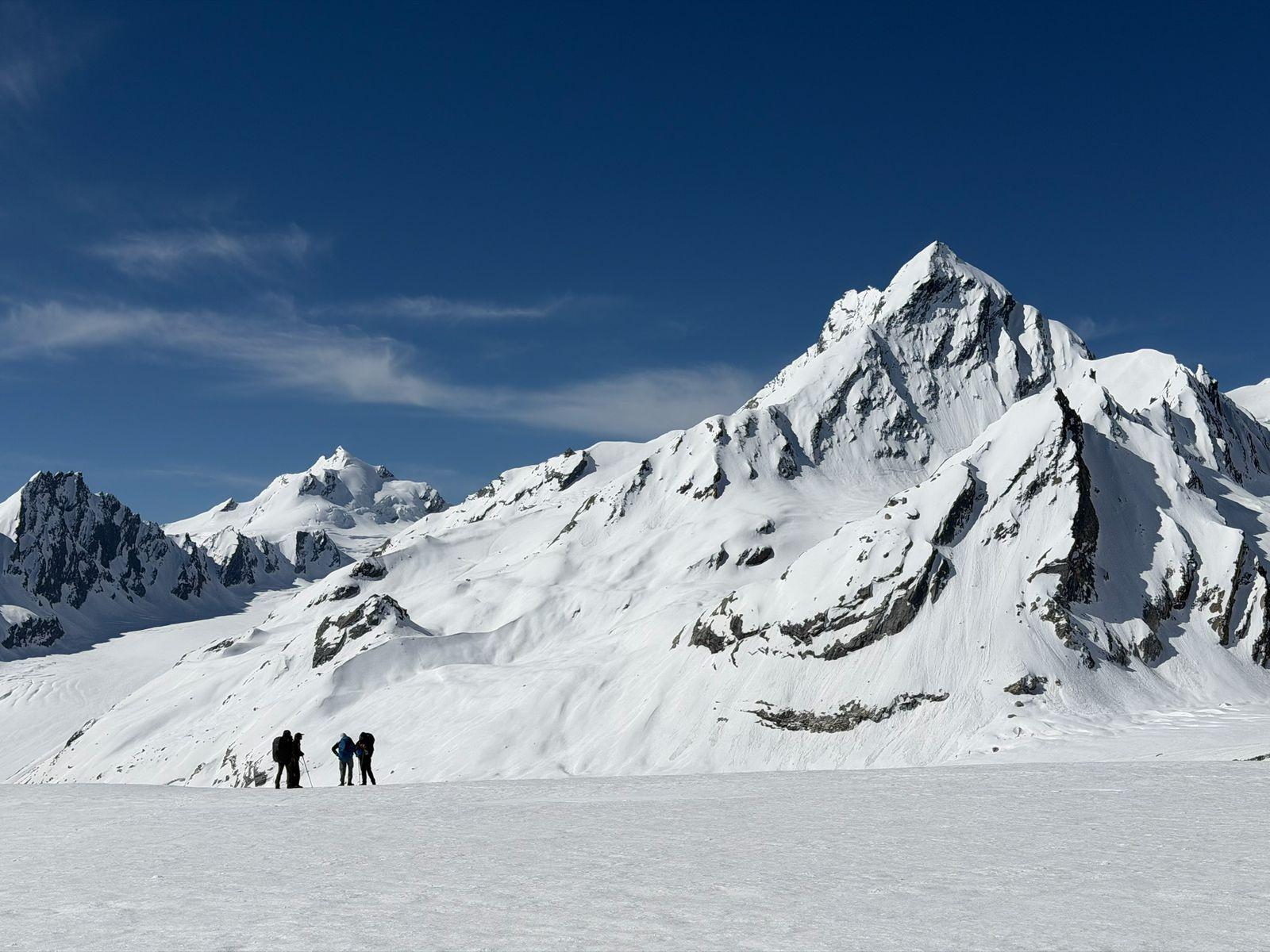
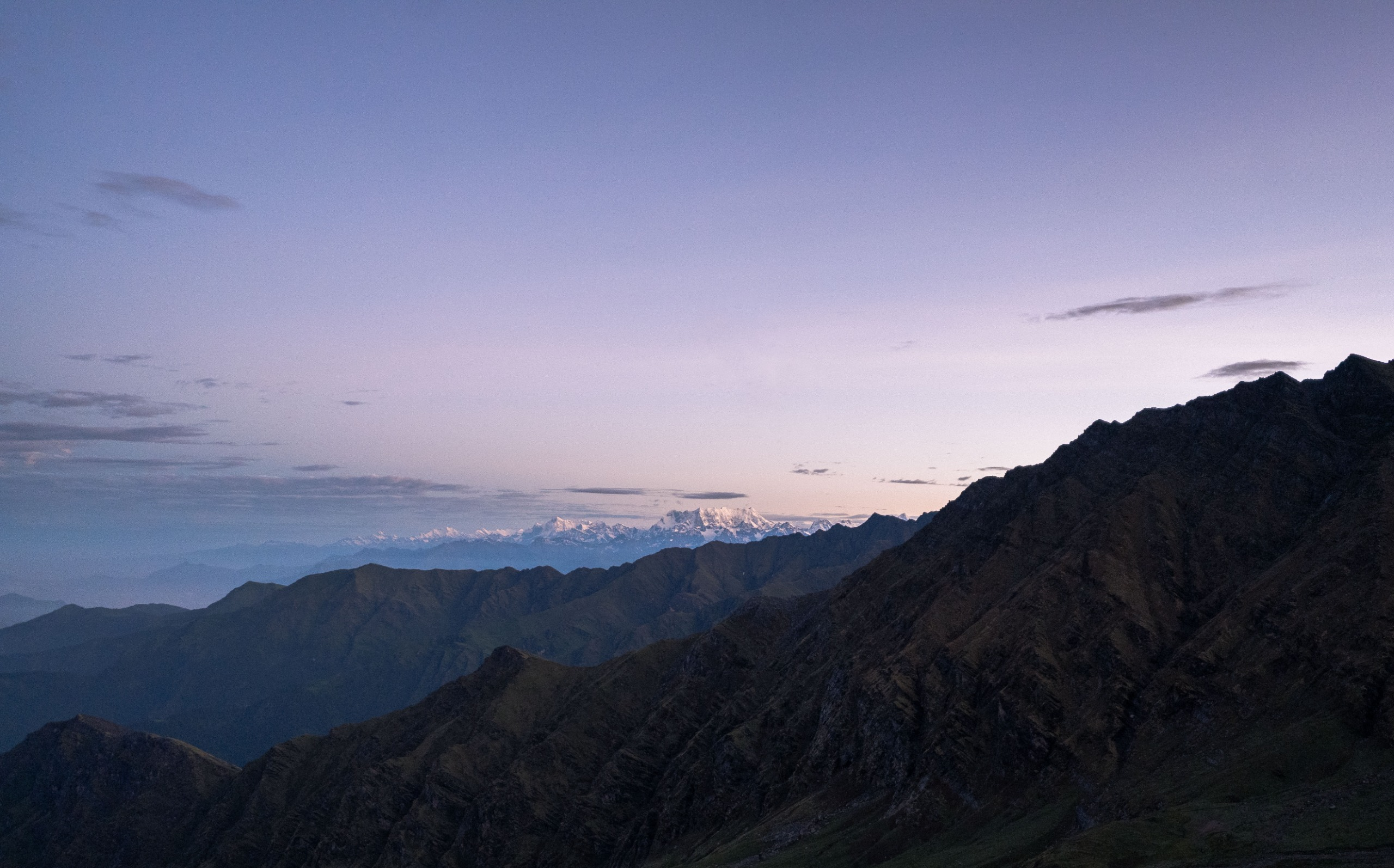
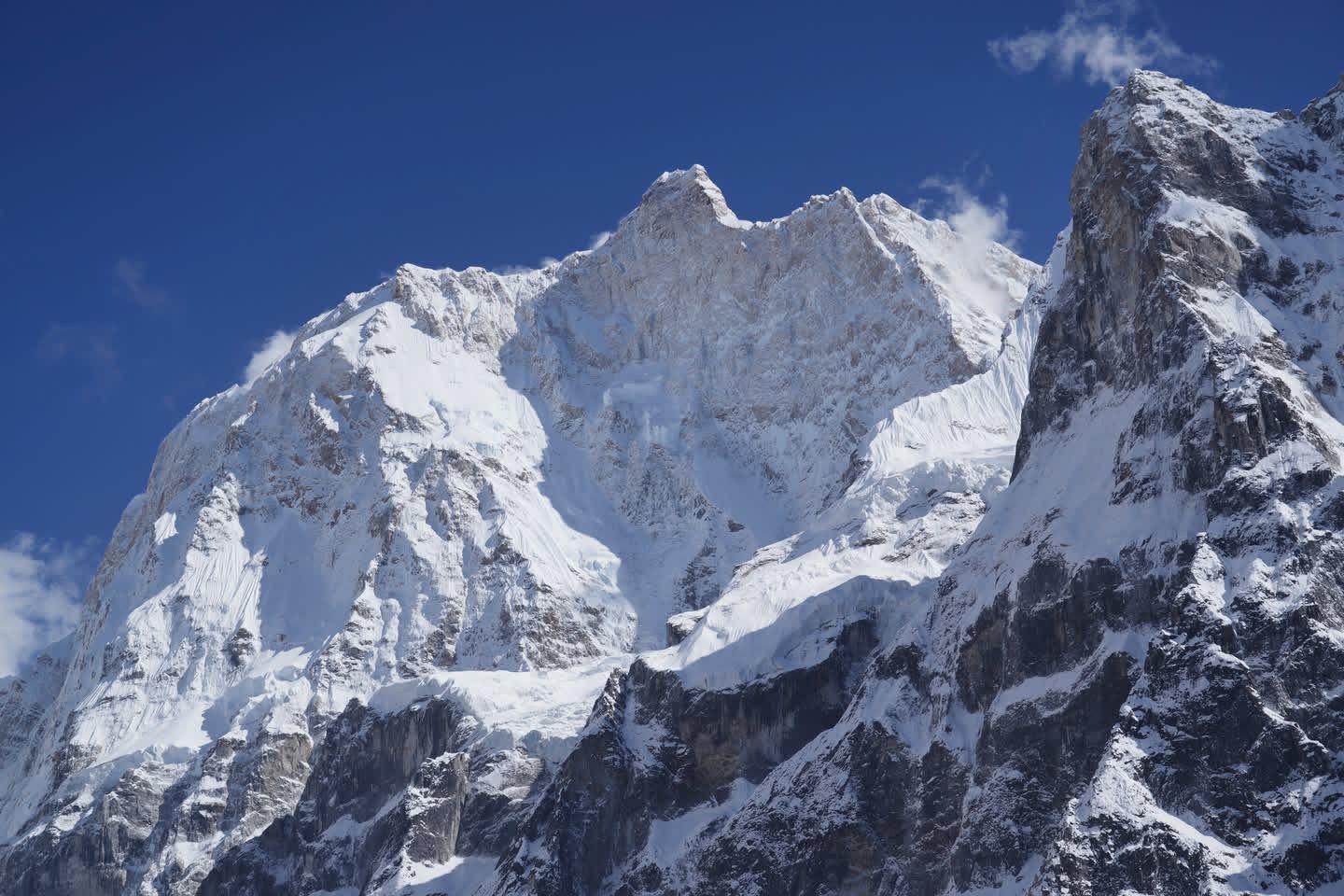
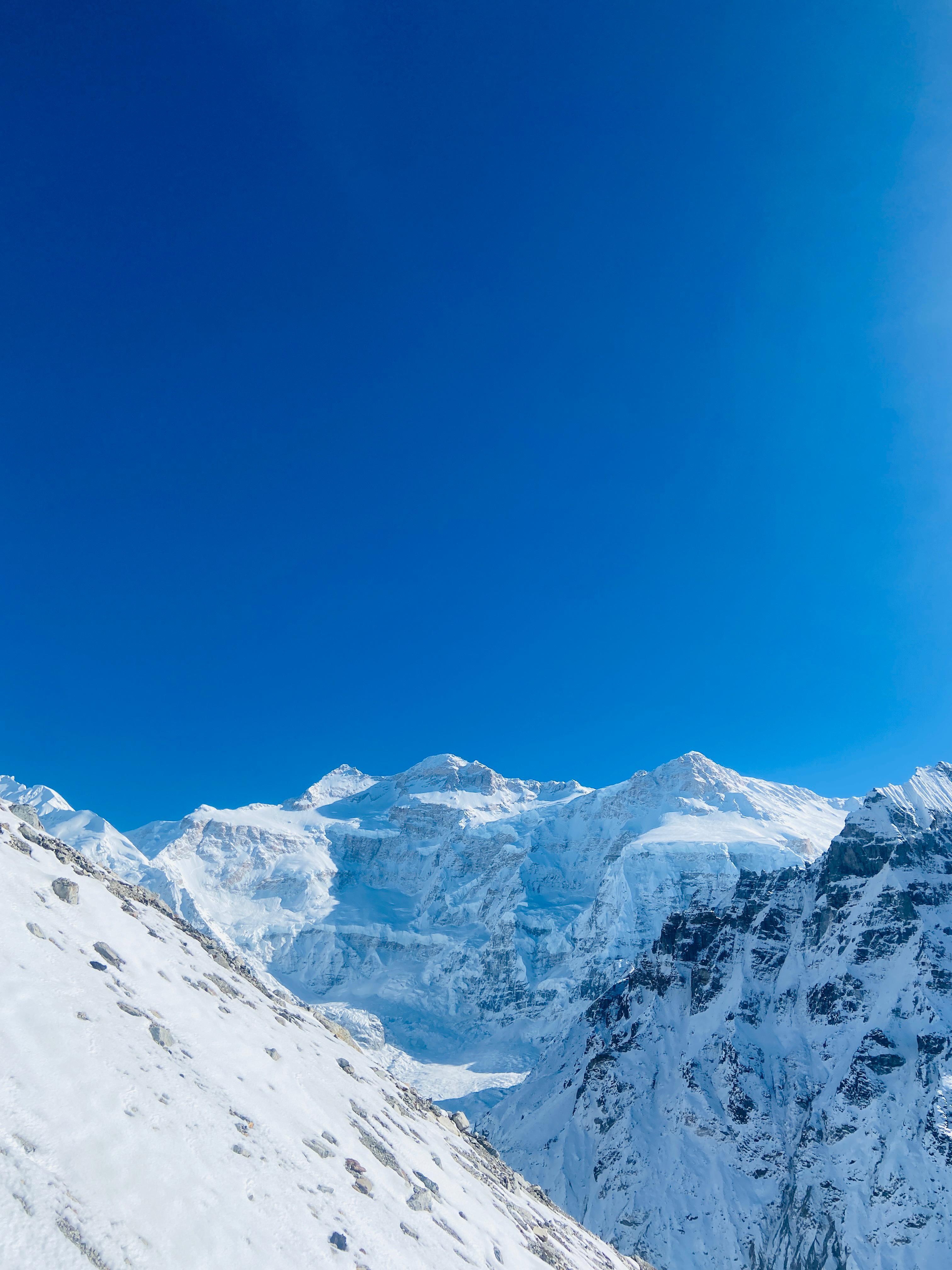
It starts above Manali — a short drive, then forest, then a world that gets bigger and quieter with every day on trail. The path moves through oak and rhododendron woods, climbs past shepherd pastures, traverses ridge walks with mountain walls on both sides, and eventually puts you beneath a 4,800 m pass with scree underfoot and nothing between you and the Pir Panjal but altitude. The pass itself is earned. The final approach hides the top from you until the last possible moment — and when it opens up, the view of Deo Tibba and Indrasan standing above the glacier is the kind of thing you just stand still for.
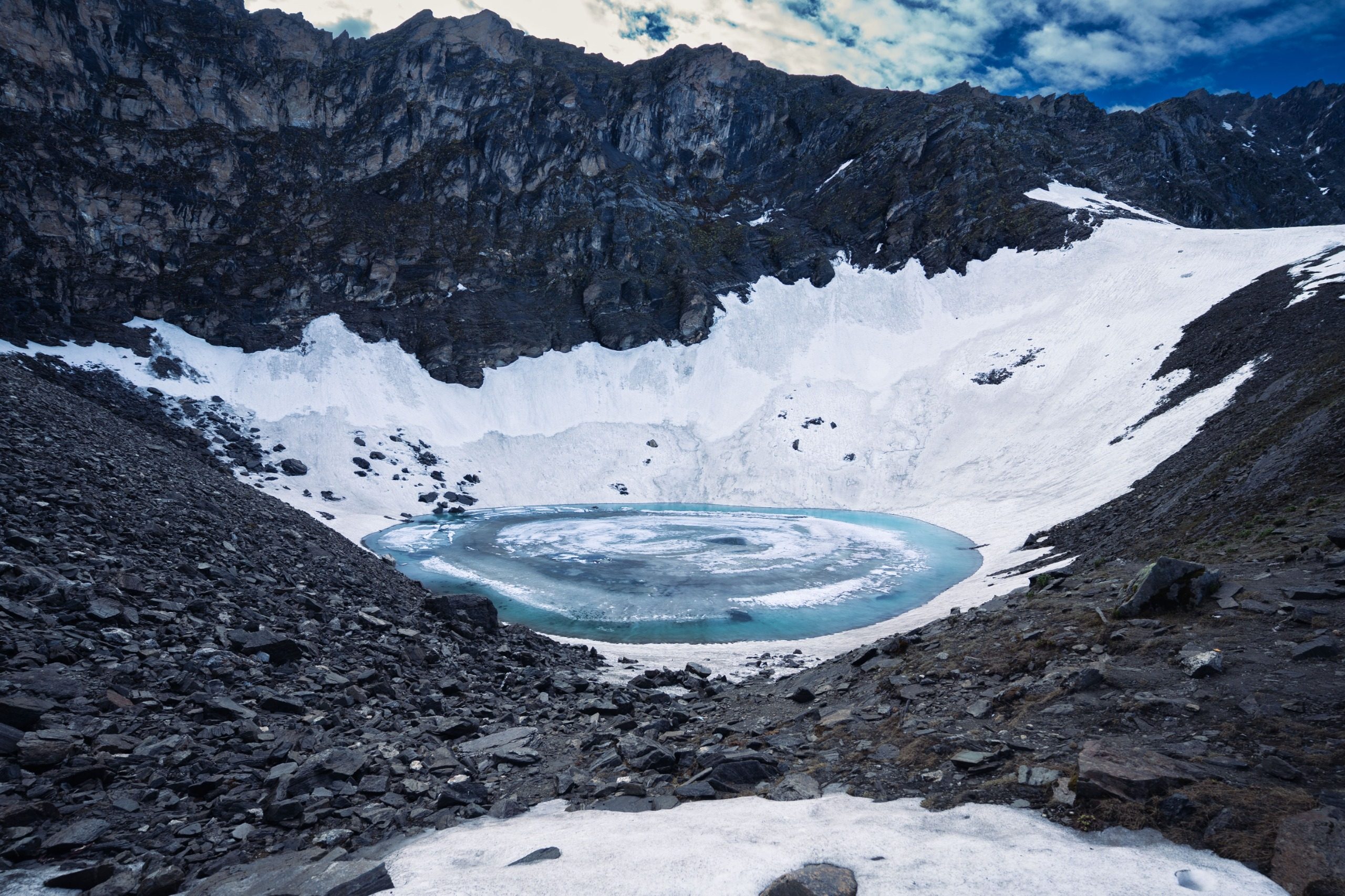
Beyond the pass crossing, the trek rolls through the Rani Sui Lake basin — sacred to the local communities, and genuinely one of the quietest spots on any Himachal trail. The return via Khanpari Tibba adds a short summit that puts the entire traverse in perspective before the forest brings you back down into Manali.
This is not a circuit for everyone. The altitude, the terrain, and the remote nature of the trail call for people who have logged real days in the mountains. Prior experience above 4,000 m is non-negotiable. But for those who are ready, this is eight days in a part of the Himalaya that still feels genuinely wild.
Day 1
Drive from Manali to Sangchar. Trek to Jammu Pani
Drive Distance: Approx. 25 km
Trek Distance: Approx. 6 km
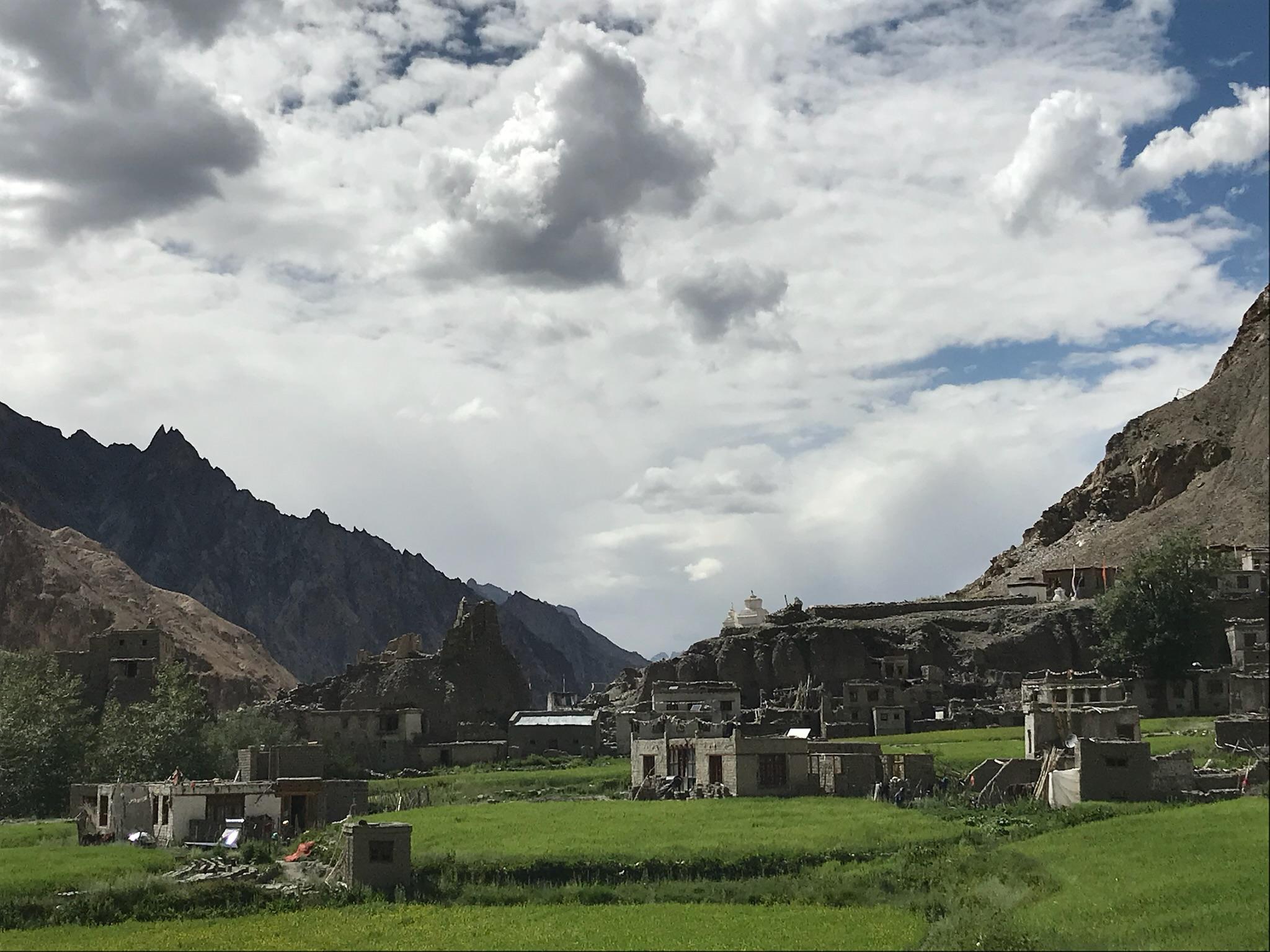
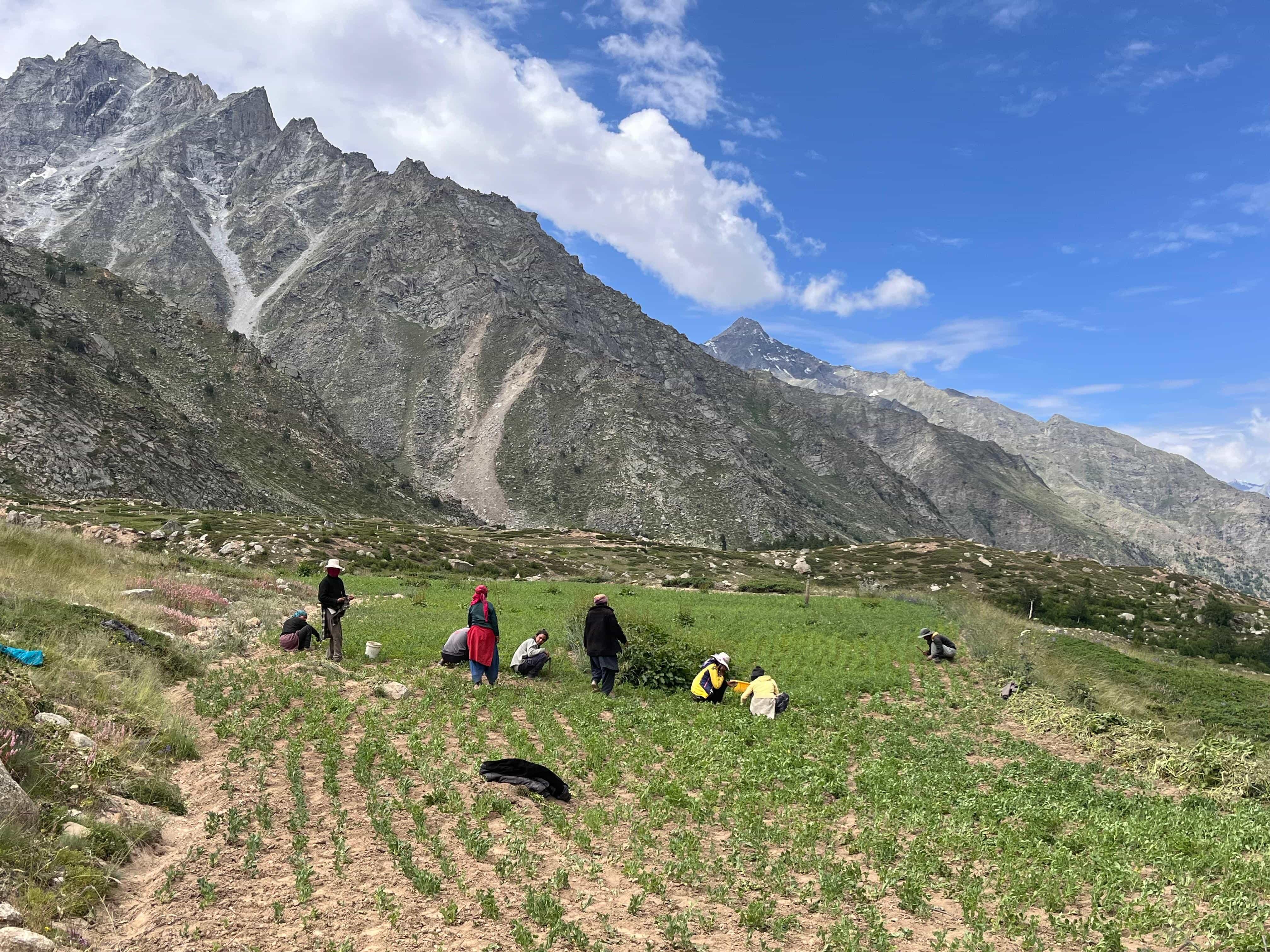
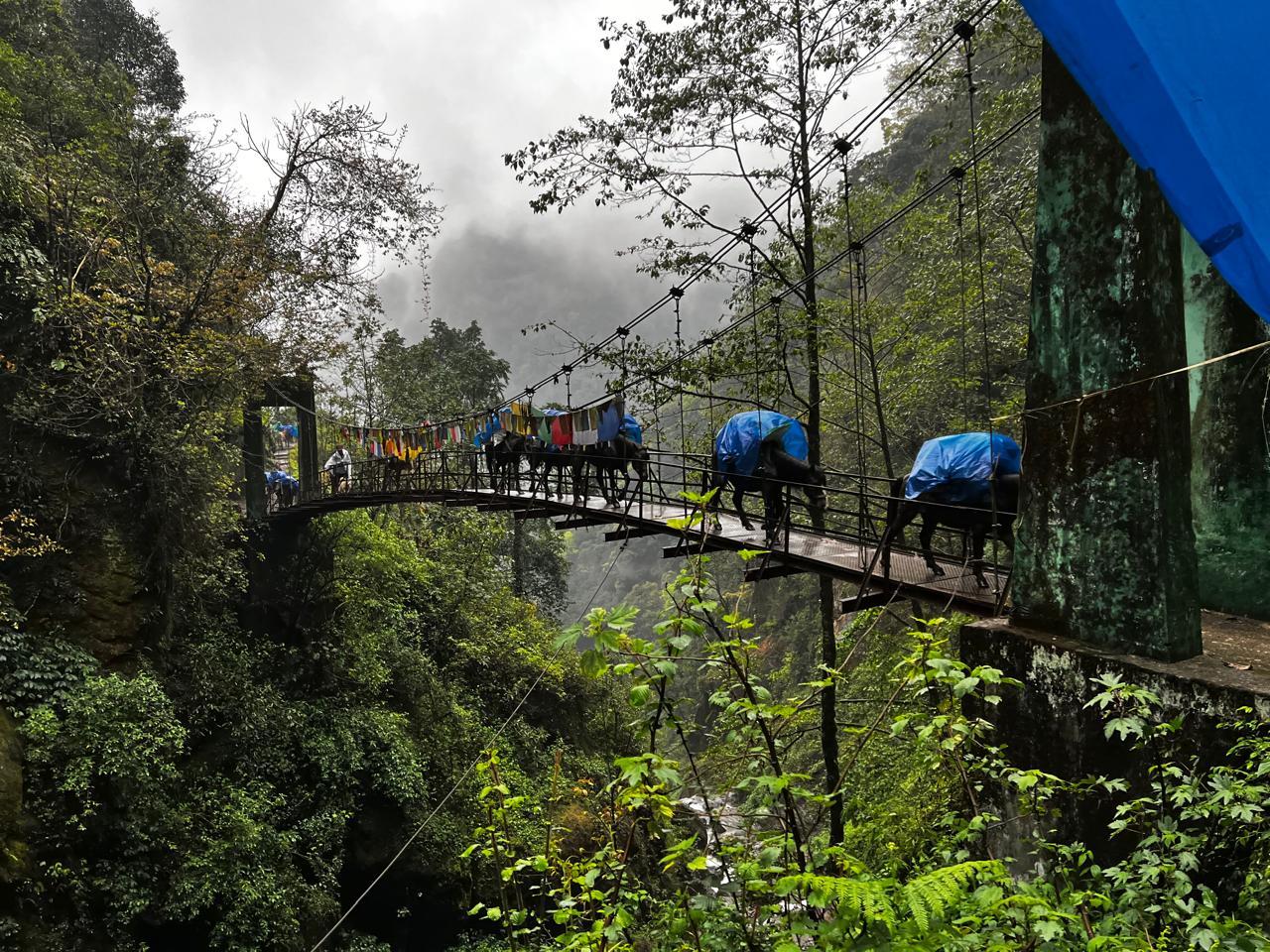
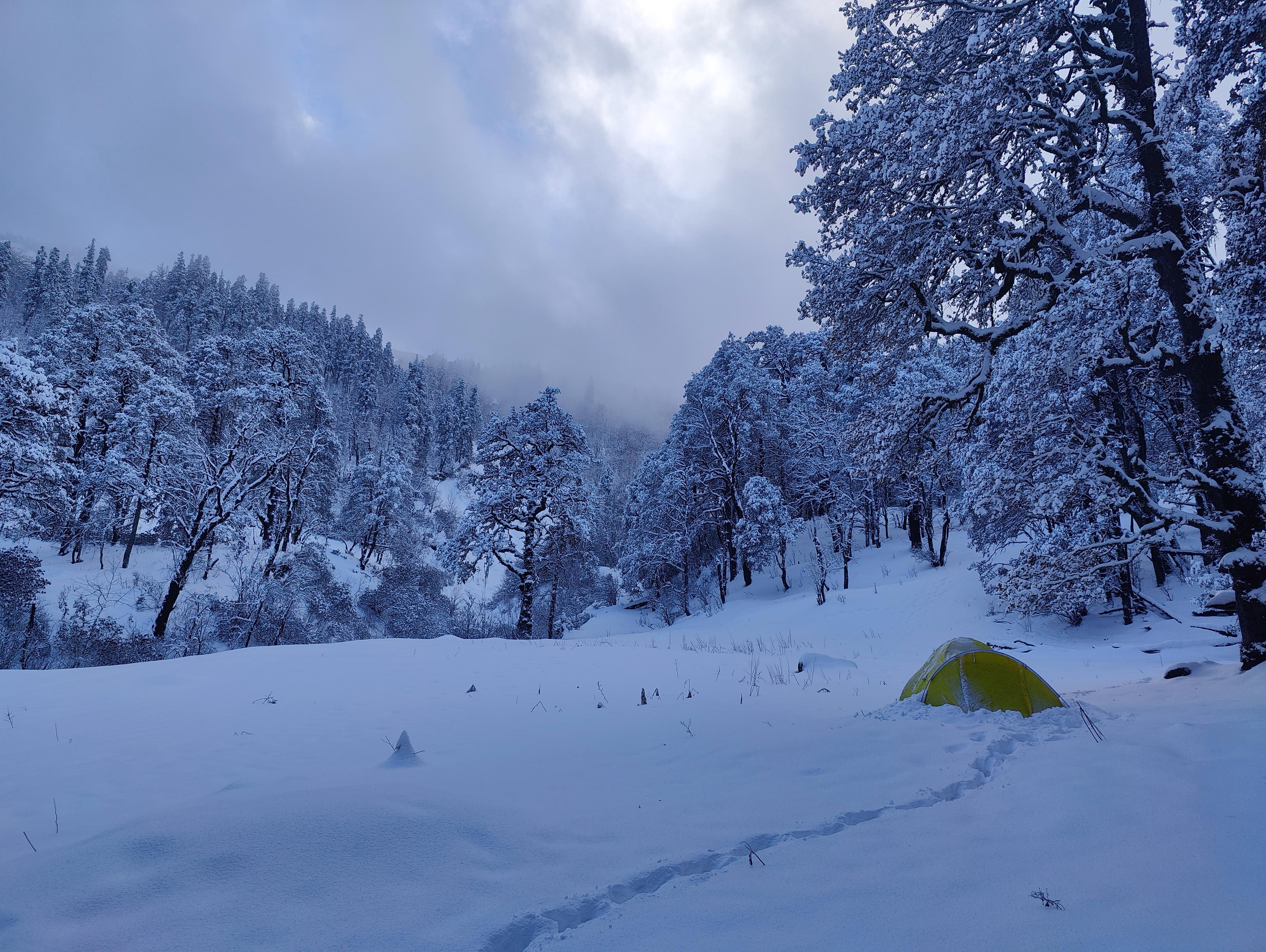
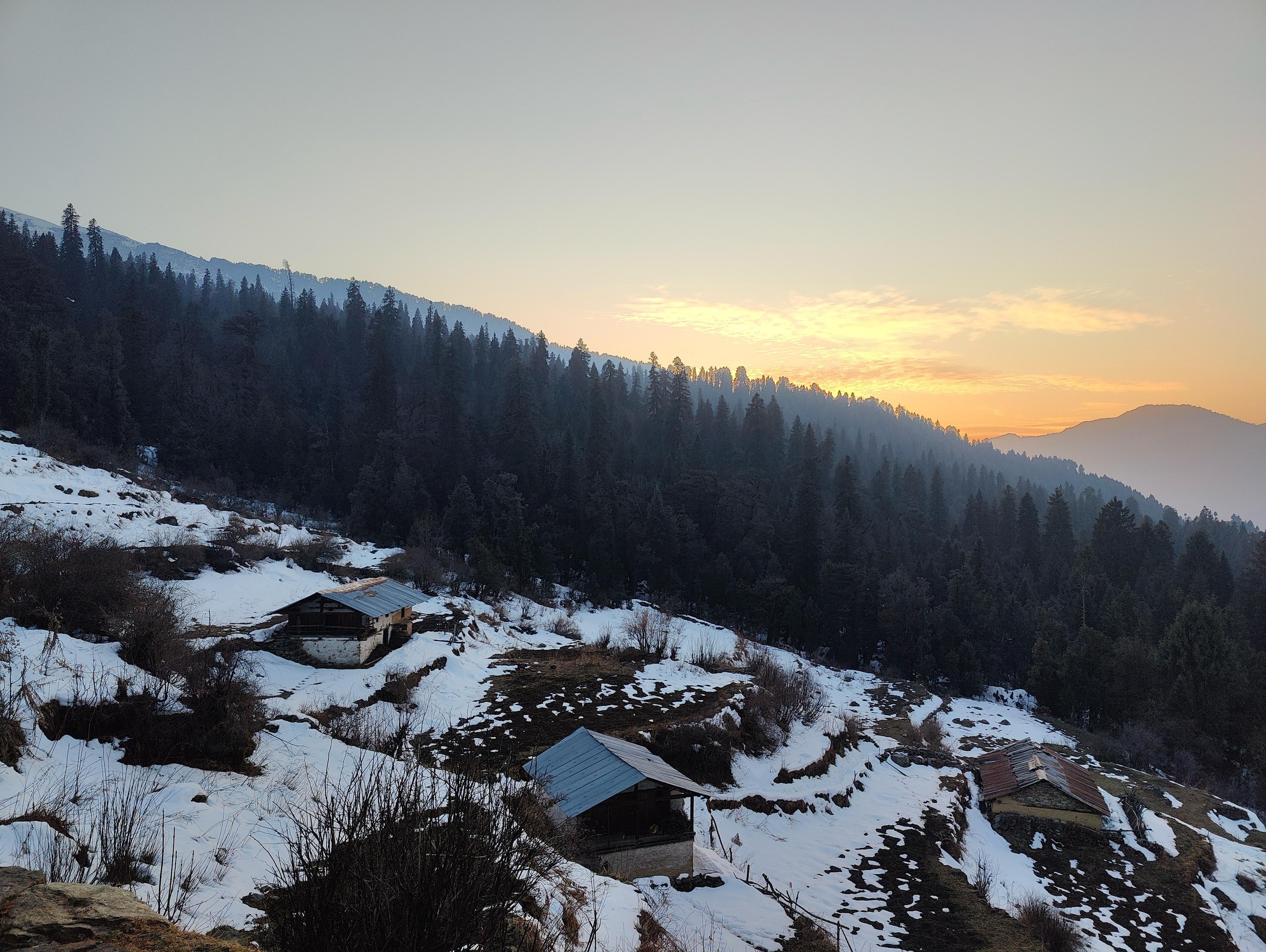
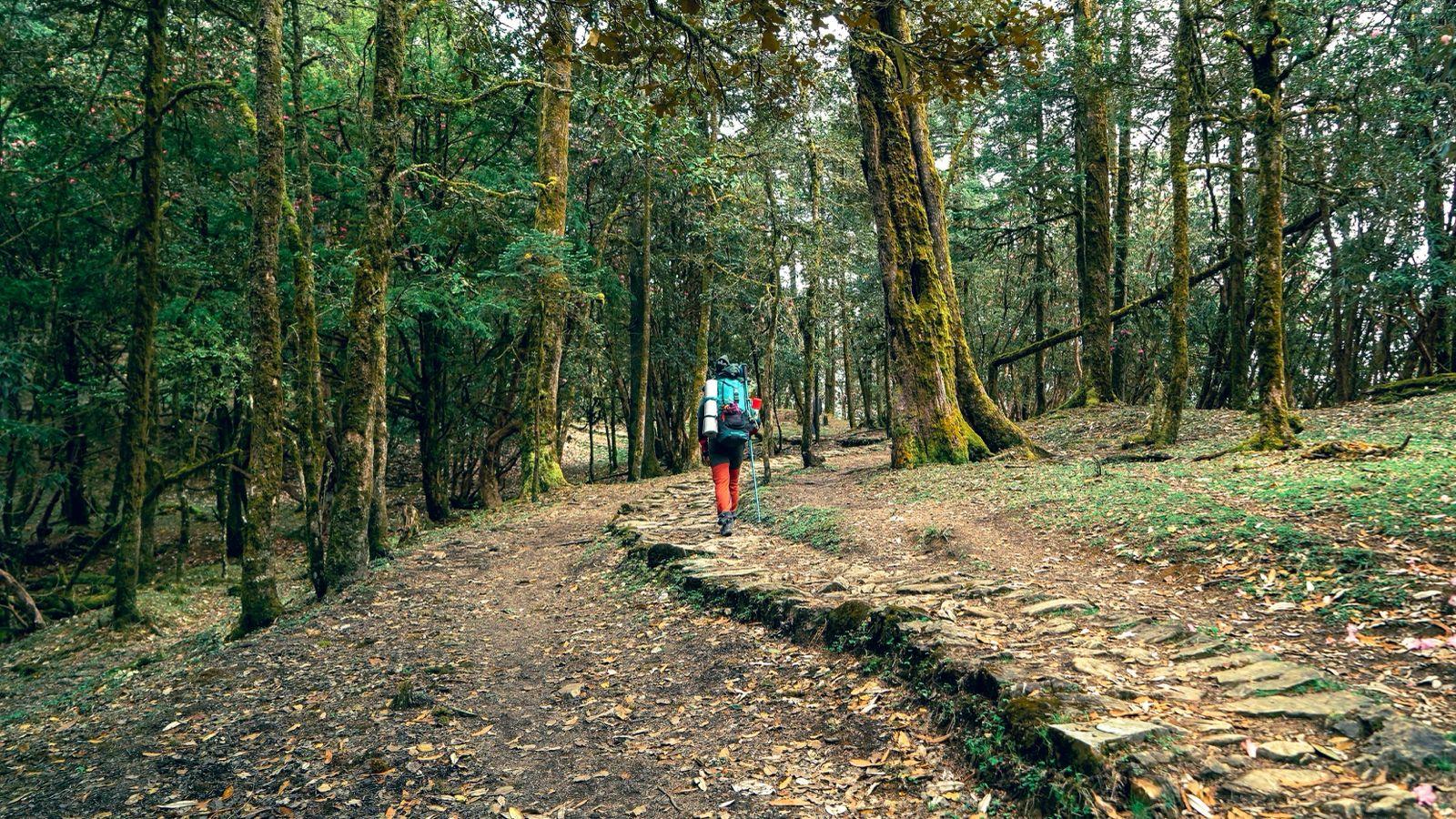
The journey begins with a short drive from Manali to Sangchar village. The trek starts through dense pine and oak forests, gradually ascending alongside mountain streams and shepherd trails. The route leads to Jammu Pani, a scenic campsite surrounded by forests and alpine terrain.
Day 2
Jammu Pani to Pani Dhar
Trek Distance: Approx. 10 km
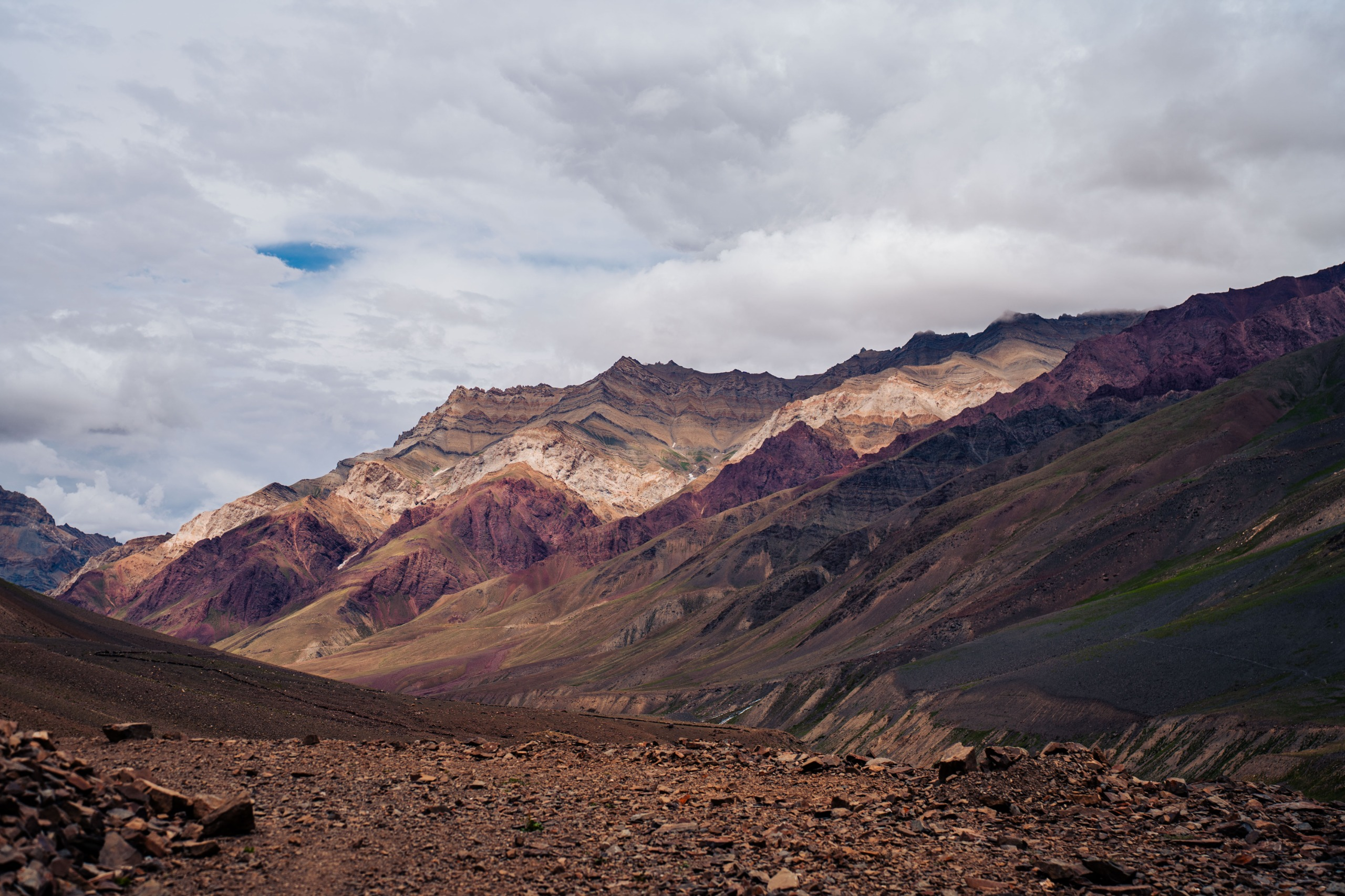
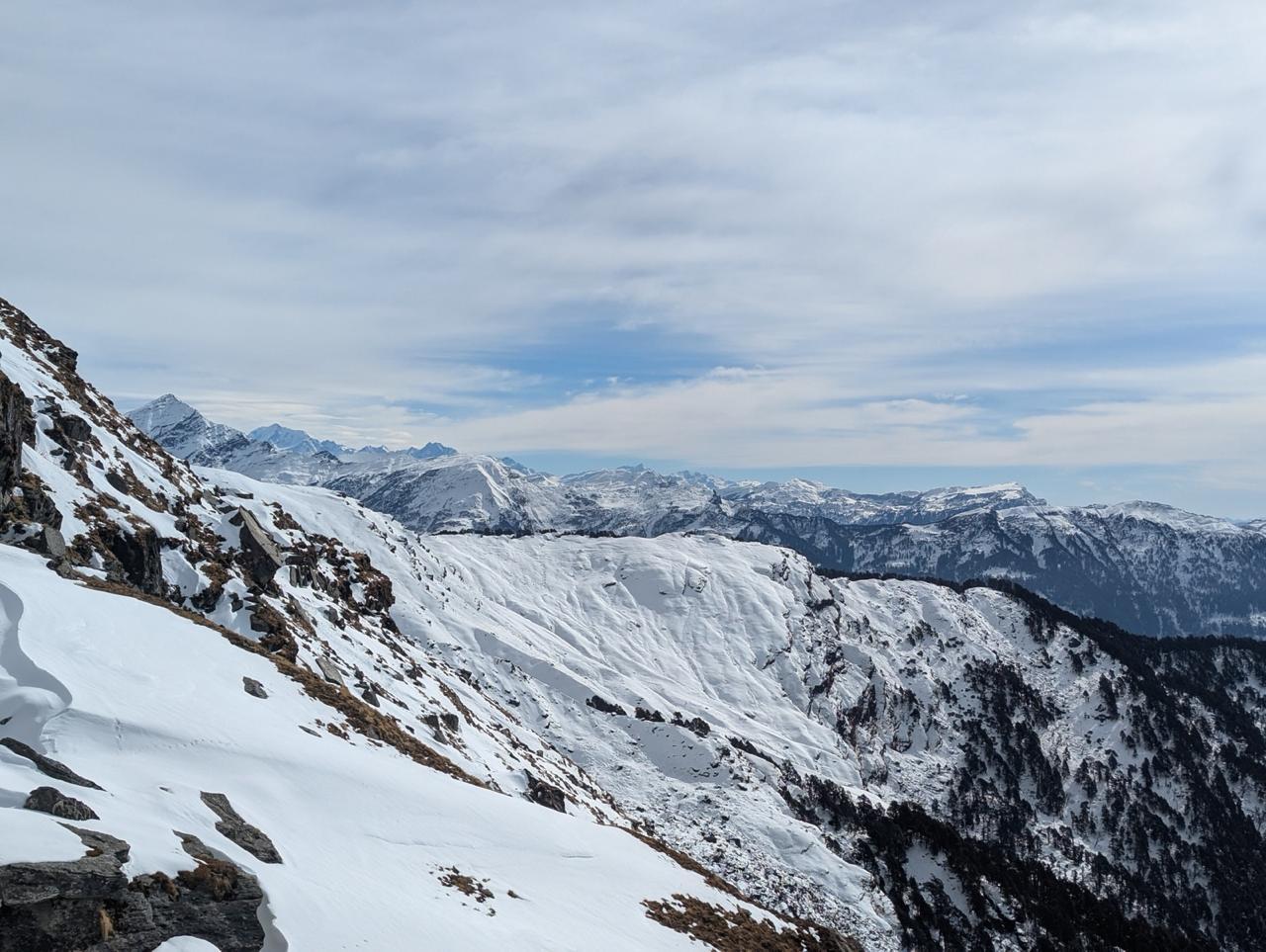
The trail climbs steadily above the tree line toward expansive alpine landscapes. The terrain becomes more rugged as the valley opens up, revealing views of surrounding ridgelines and snow-covered peaks. Camp is set at Pani Dhar amidst high-altitude meadows.
Day 3
Pani Dhar to Riyali Thach
Trek Distance: Approx. 9 km
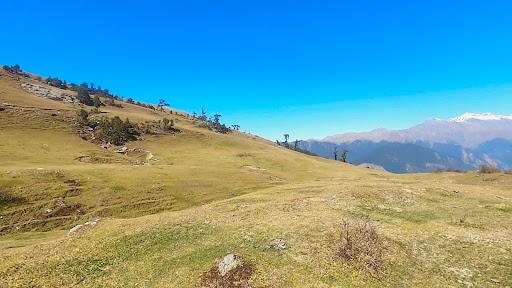
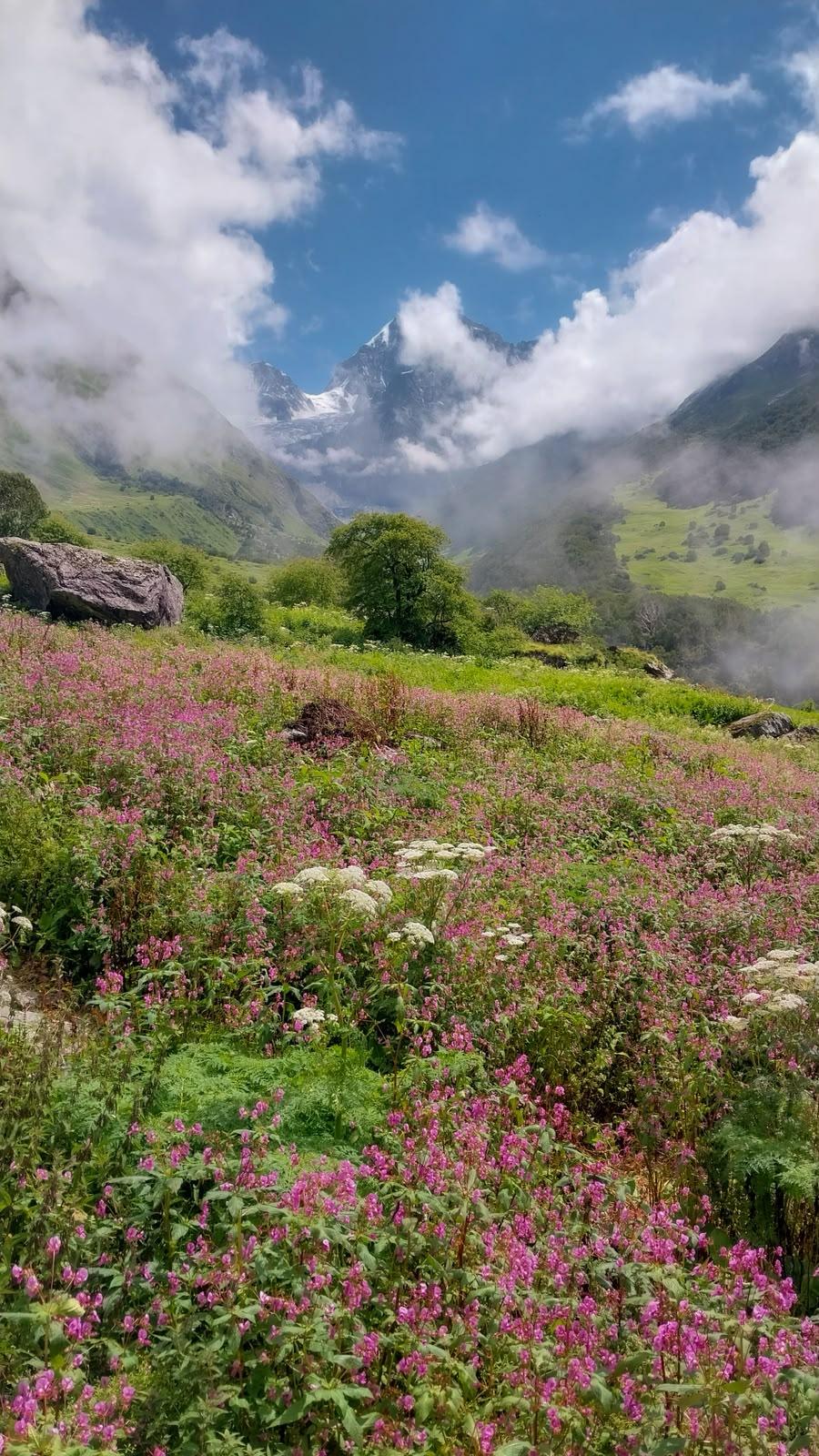
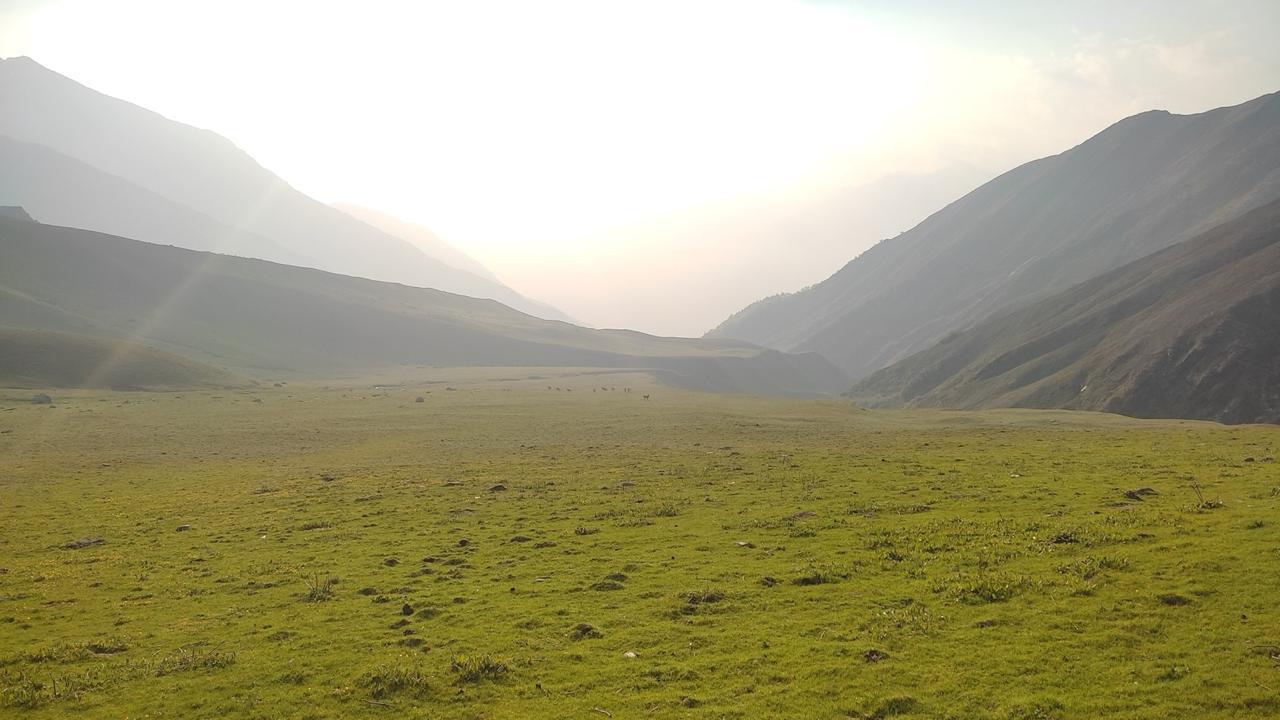
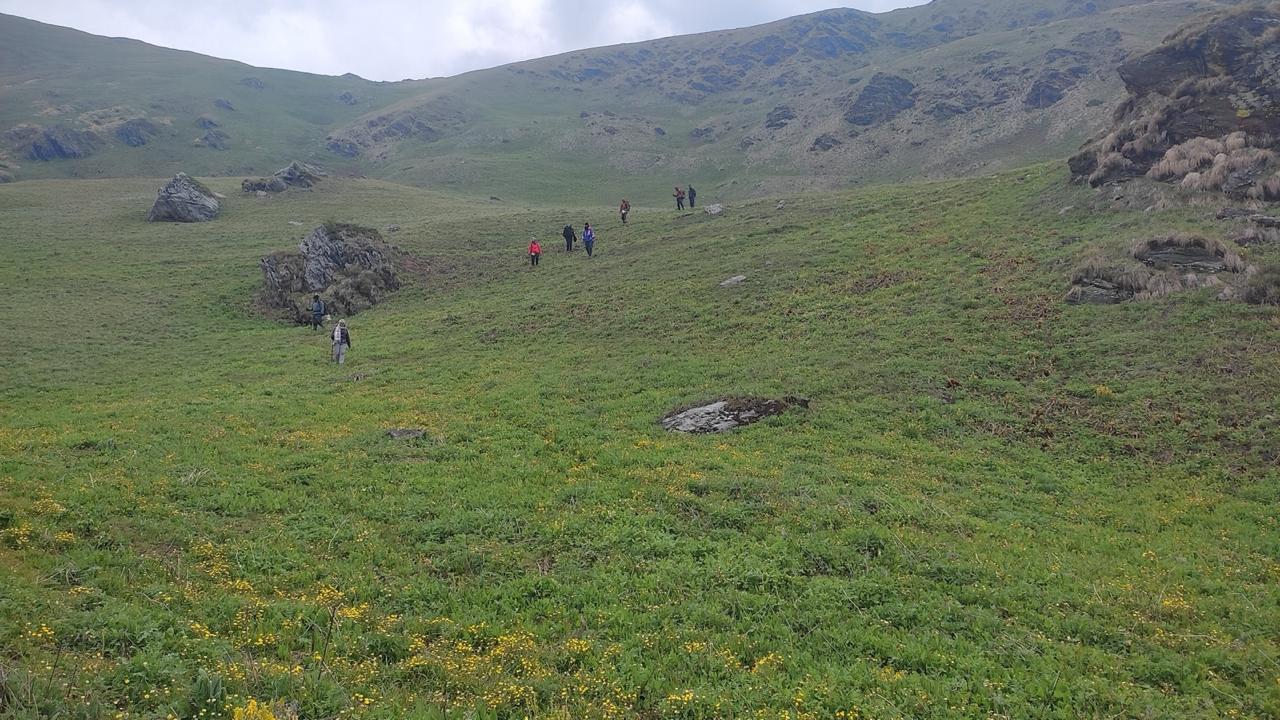
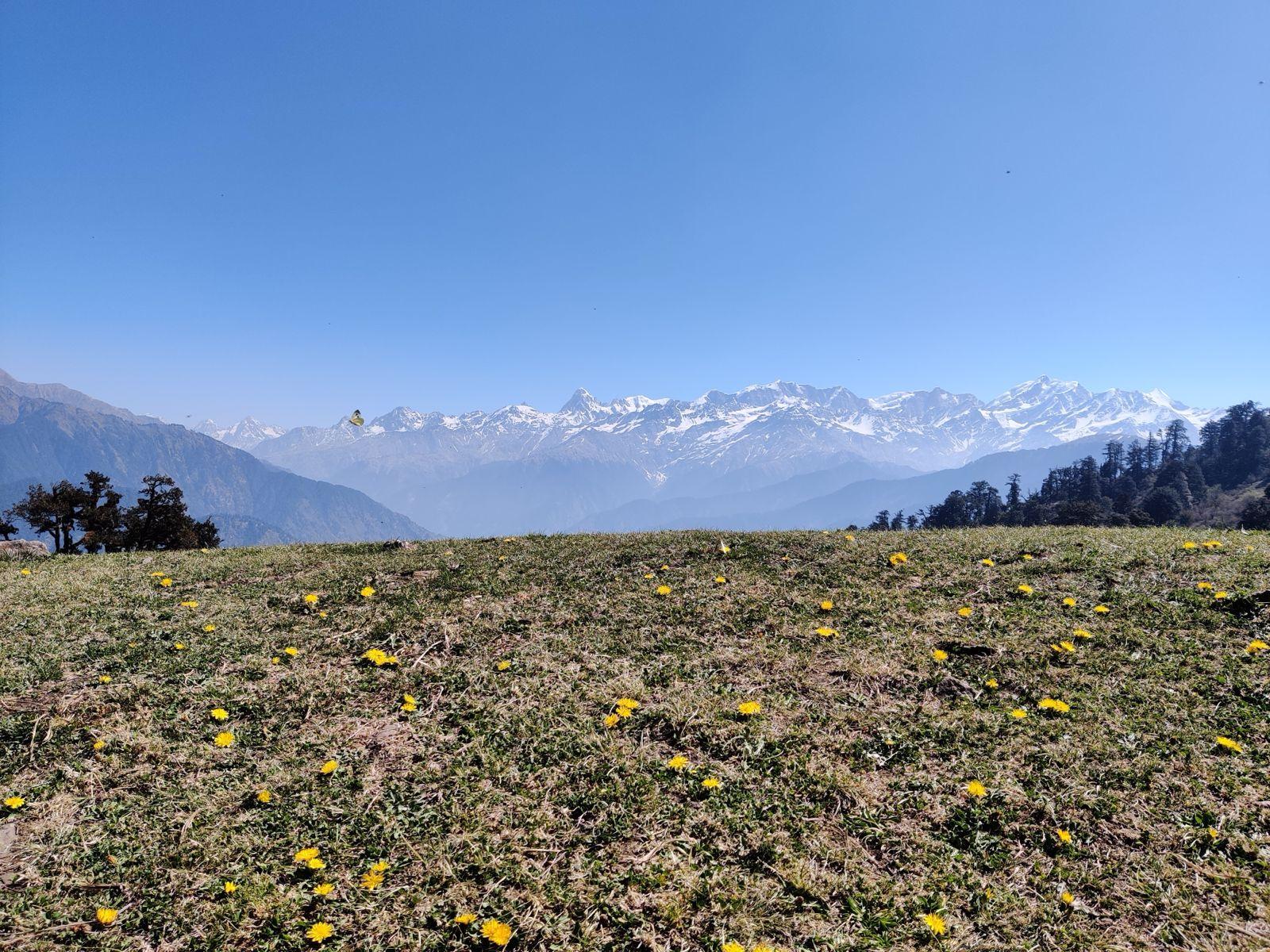
Today’s route traverses rolling meadows and glacial valleys. Riyali Thach is one of the most picturesque campsites on the expedition, known for its vast grasslands and panoramic mountain views. Shepherds often use these meadows during the grazing season.
Day 4
Riyali Thach to Kaliheni Basecamp (Saghor)
Trek Distance: Approx. 7 km
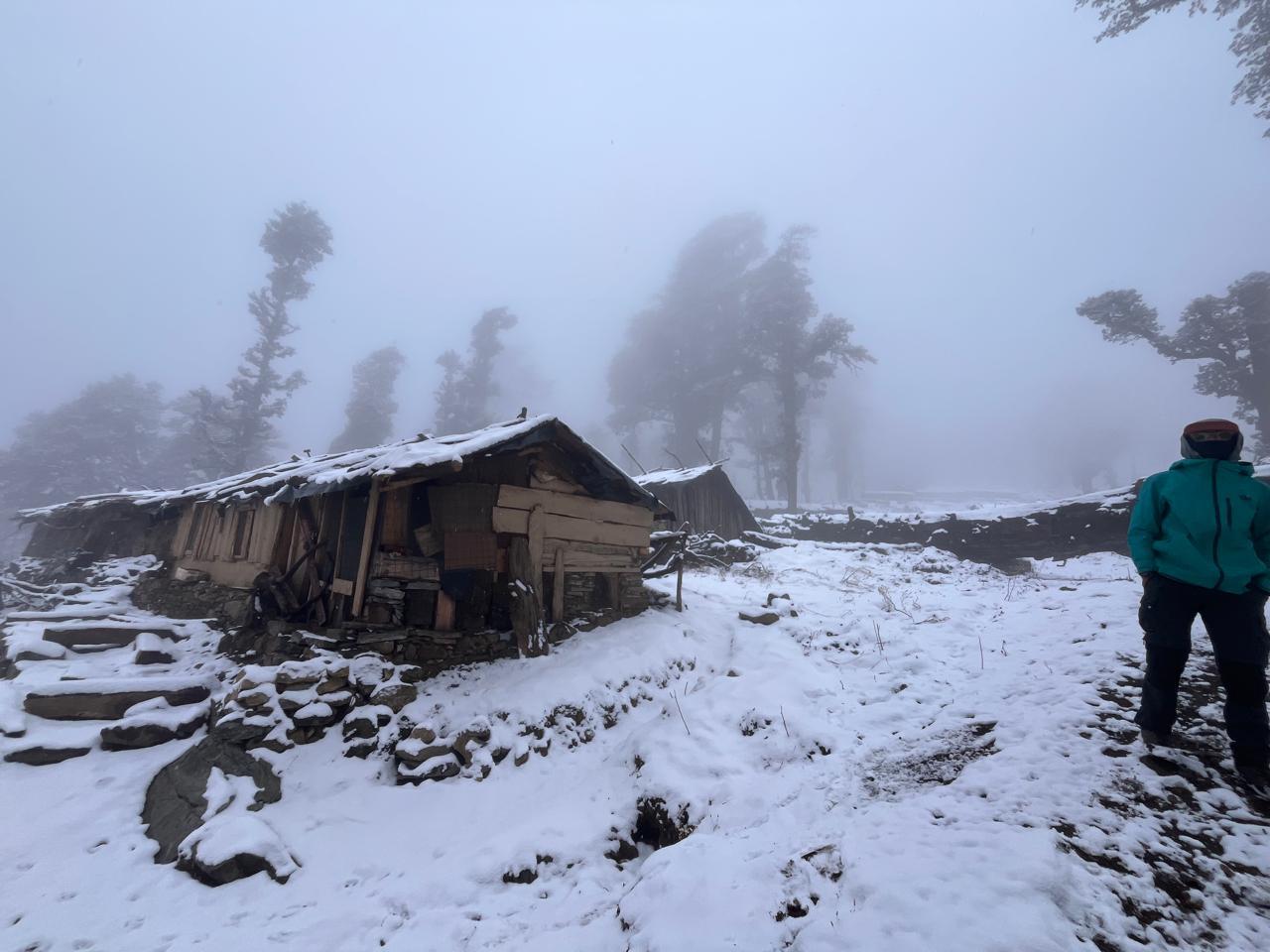
The trail ascends toward the Kalihani region through rocky terrain and moraine sections. Snow patches may be encountered depending on the season. Shinghor serves as the basecamp before the high-altitude pass crossing.
Day 5
Kalihani Basecamp to Kaliheni Pass and back to Saghor
Distance: 6 km
Trek Time: 9–10 hours
Elevation: 13,123 ft to 15,748 ft and back
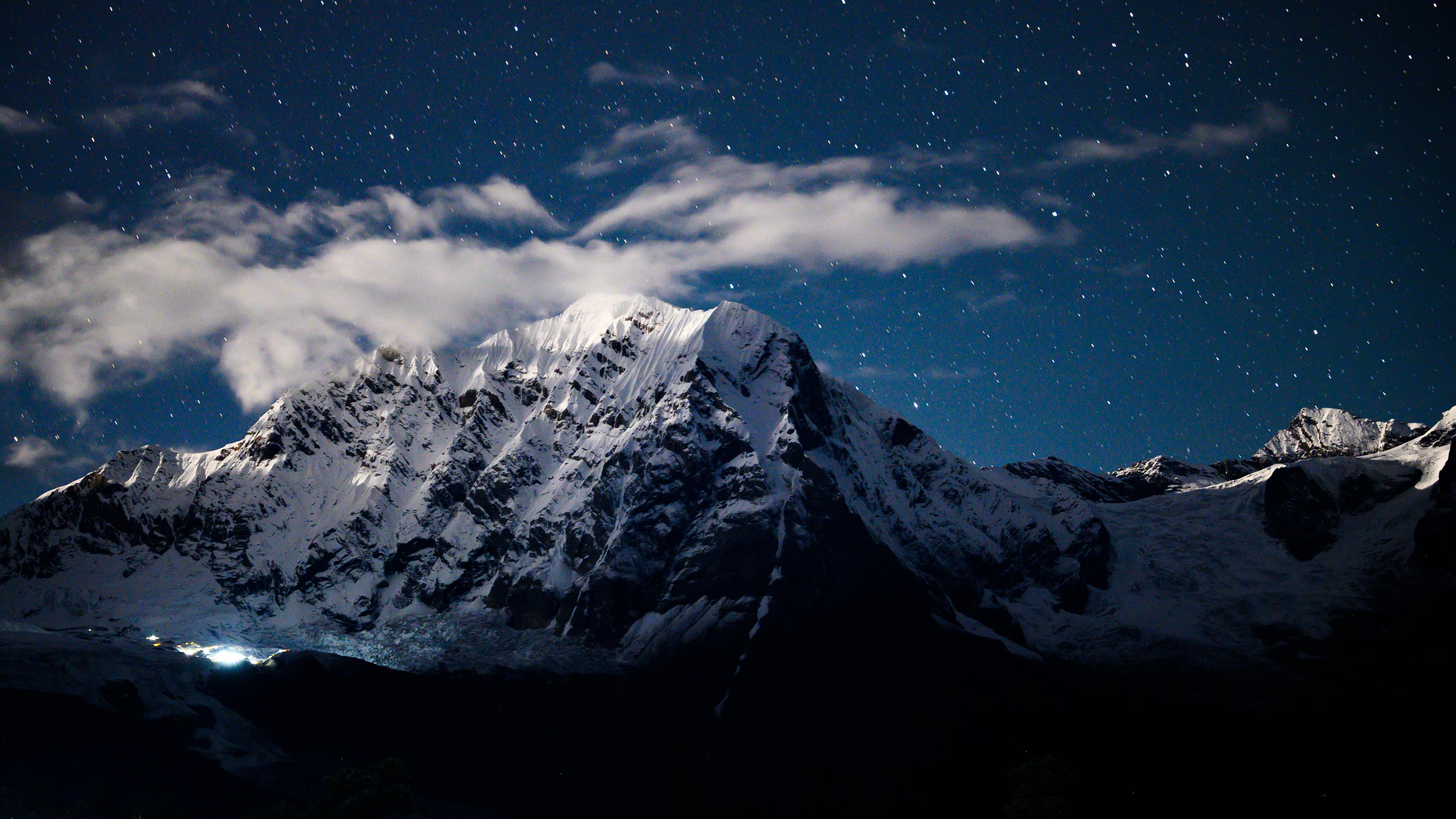
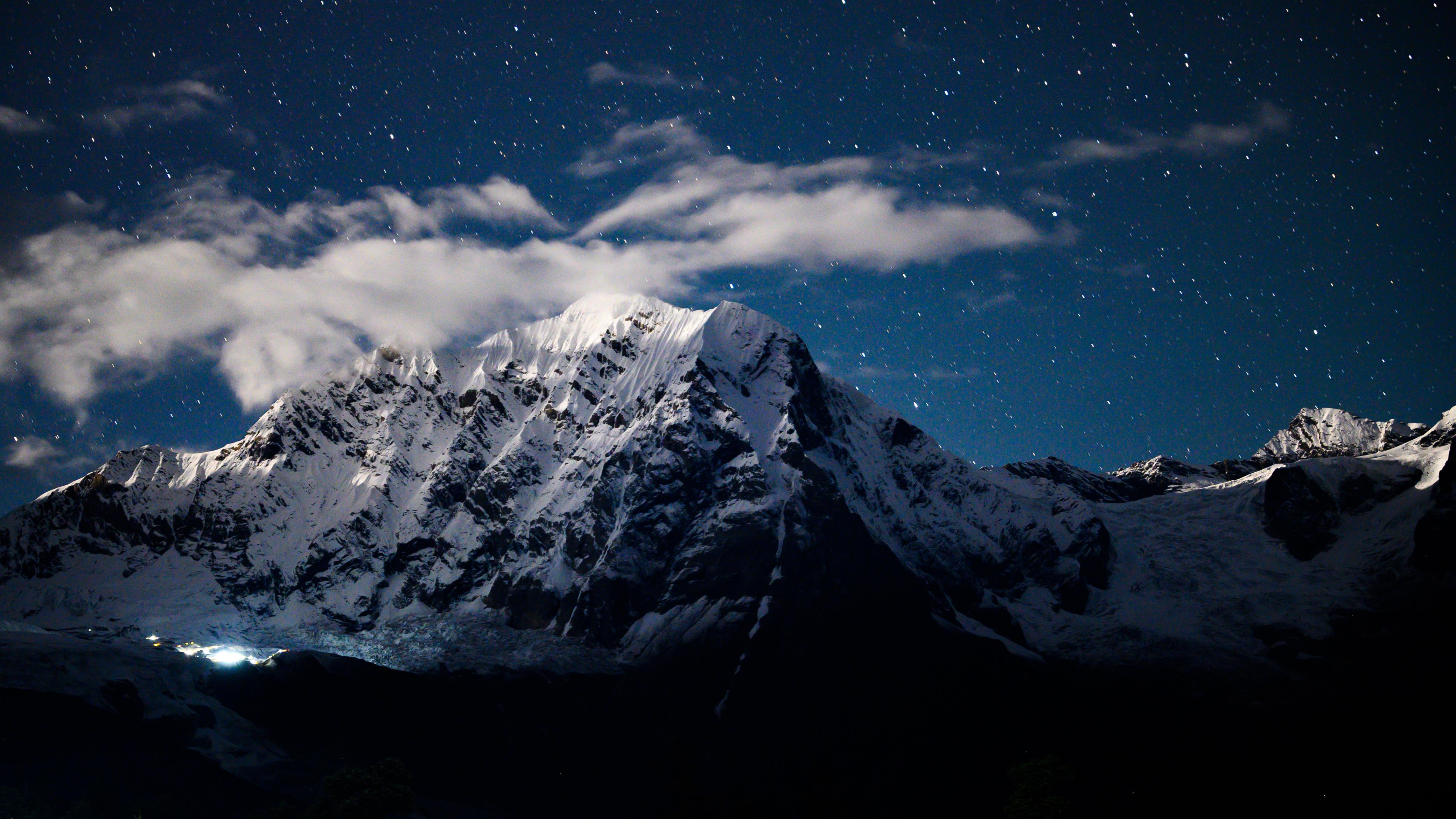
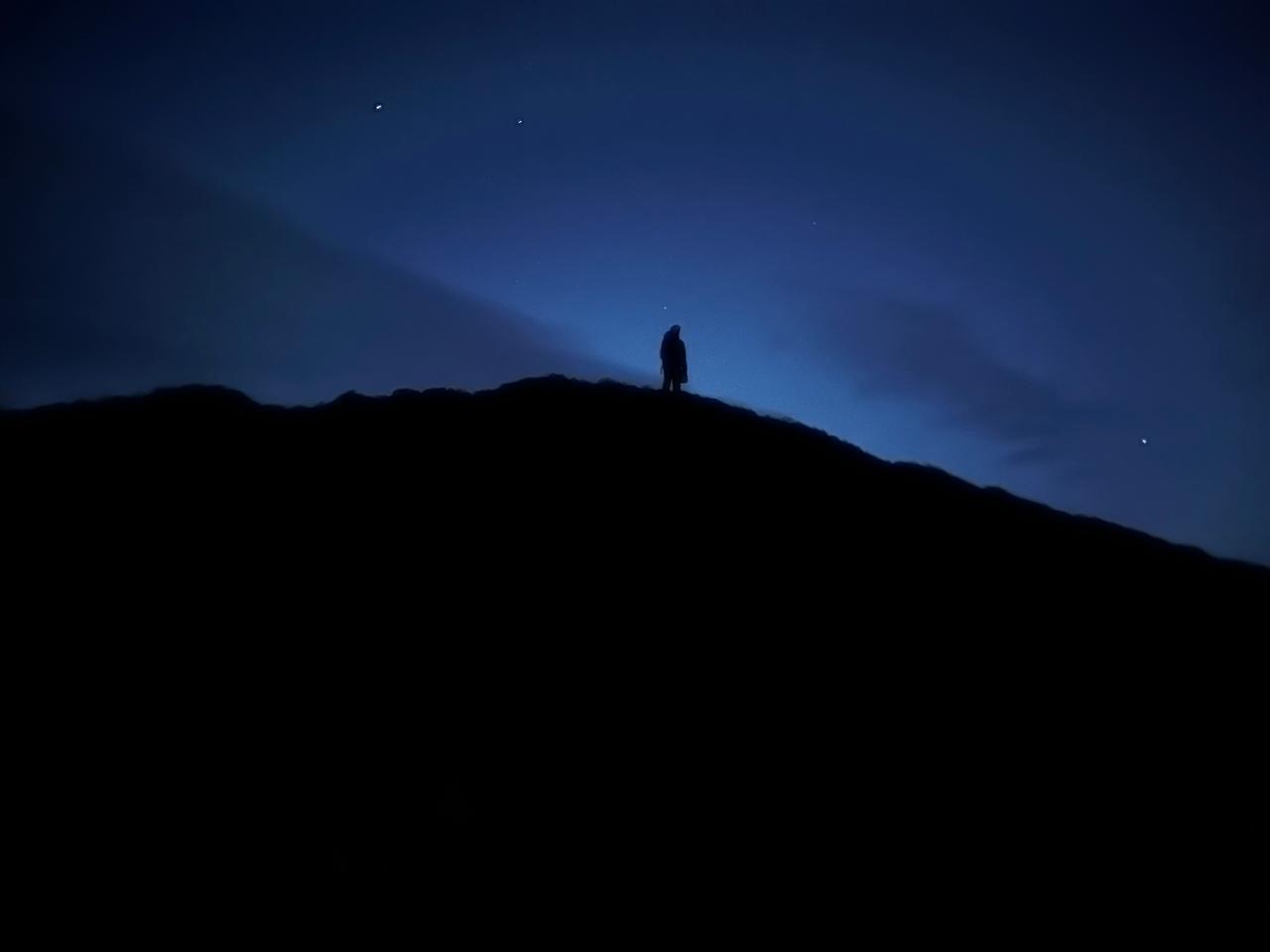
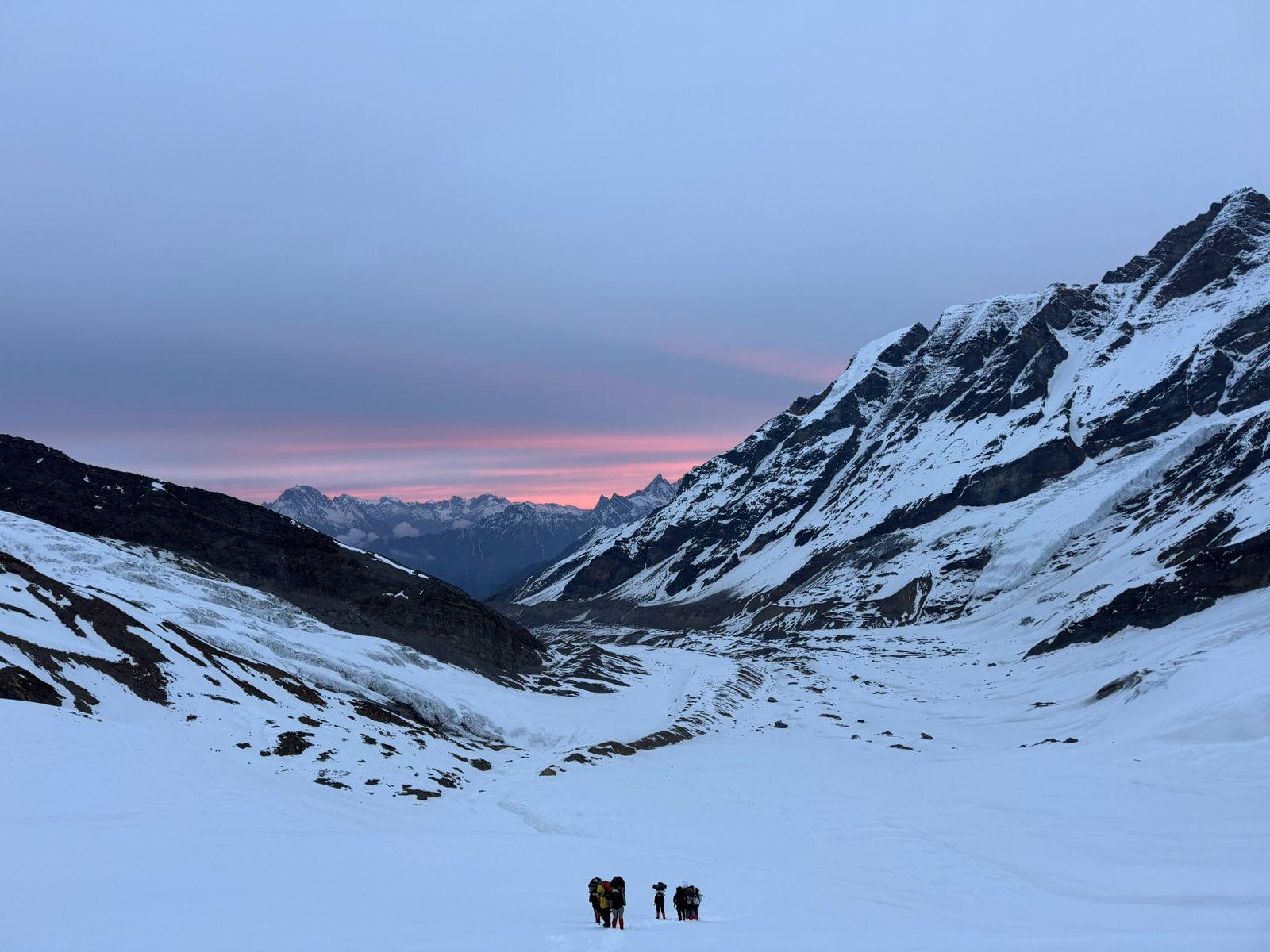
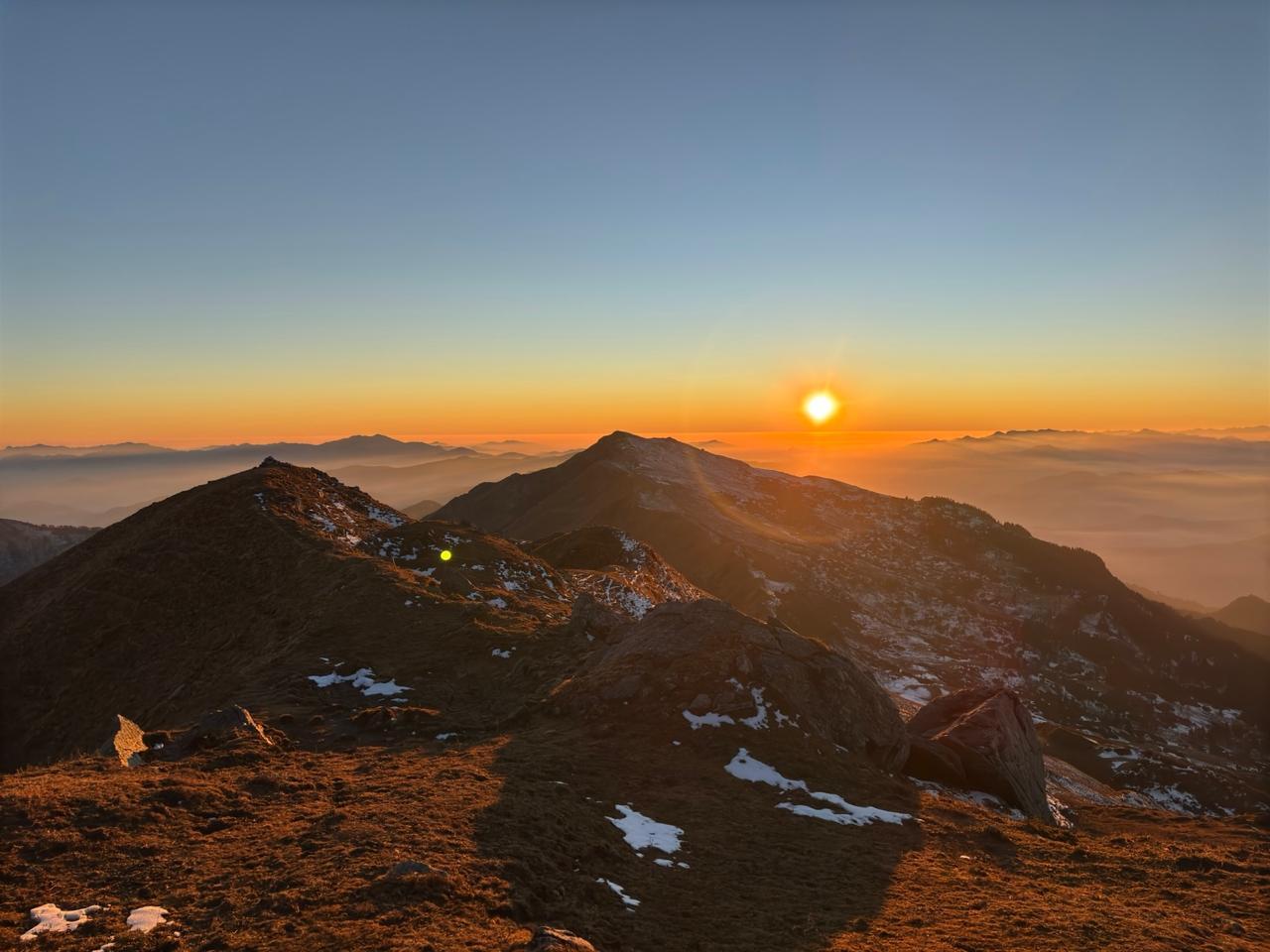
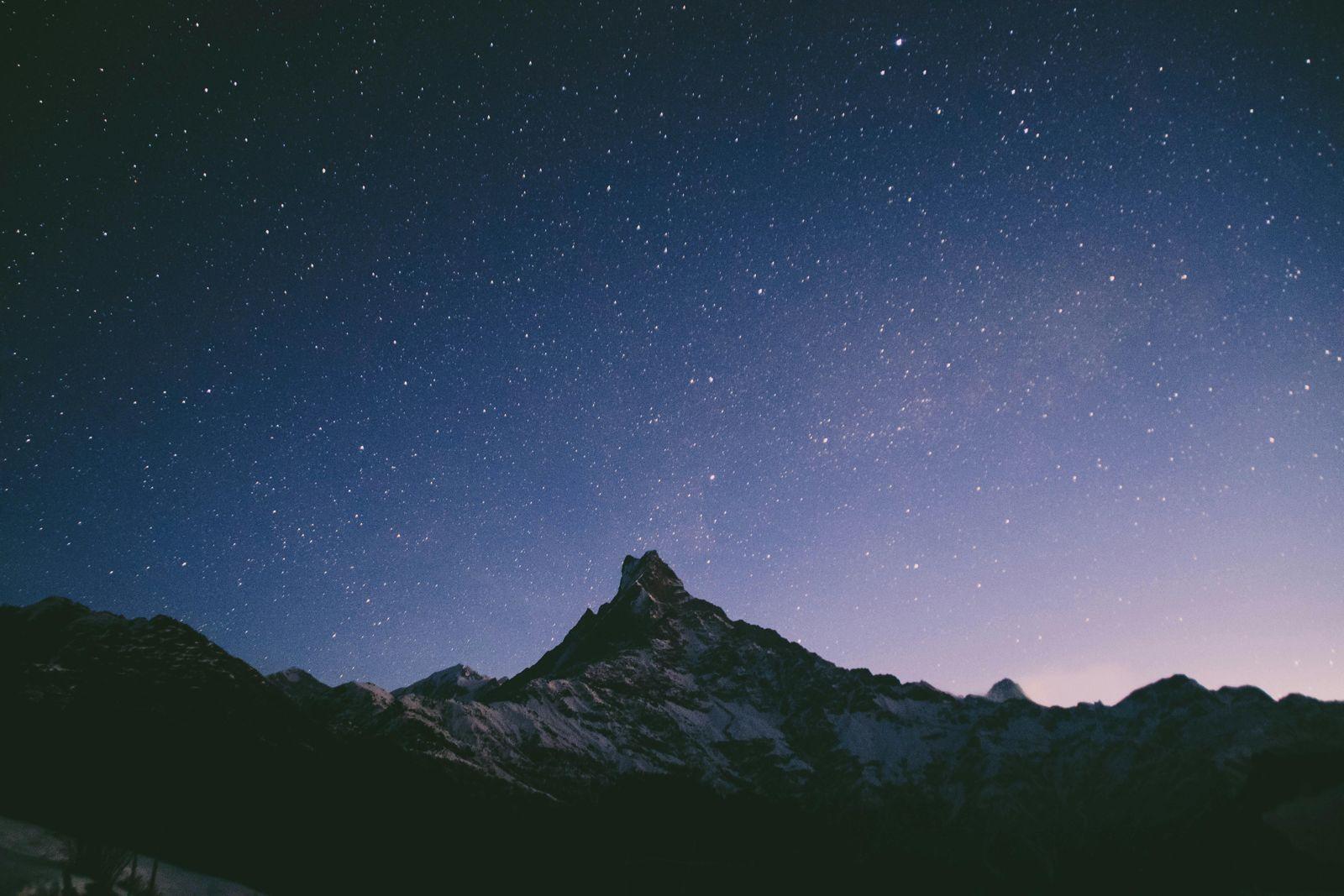
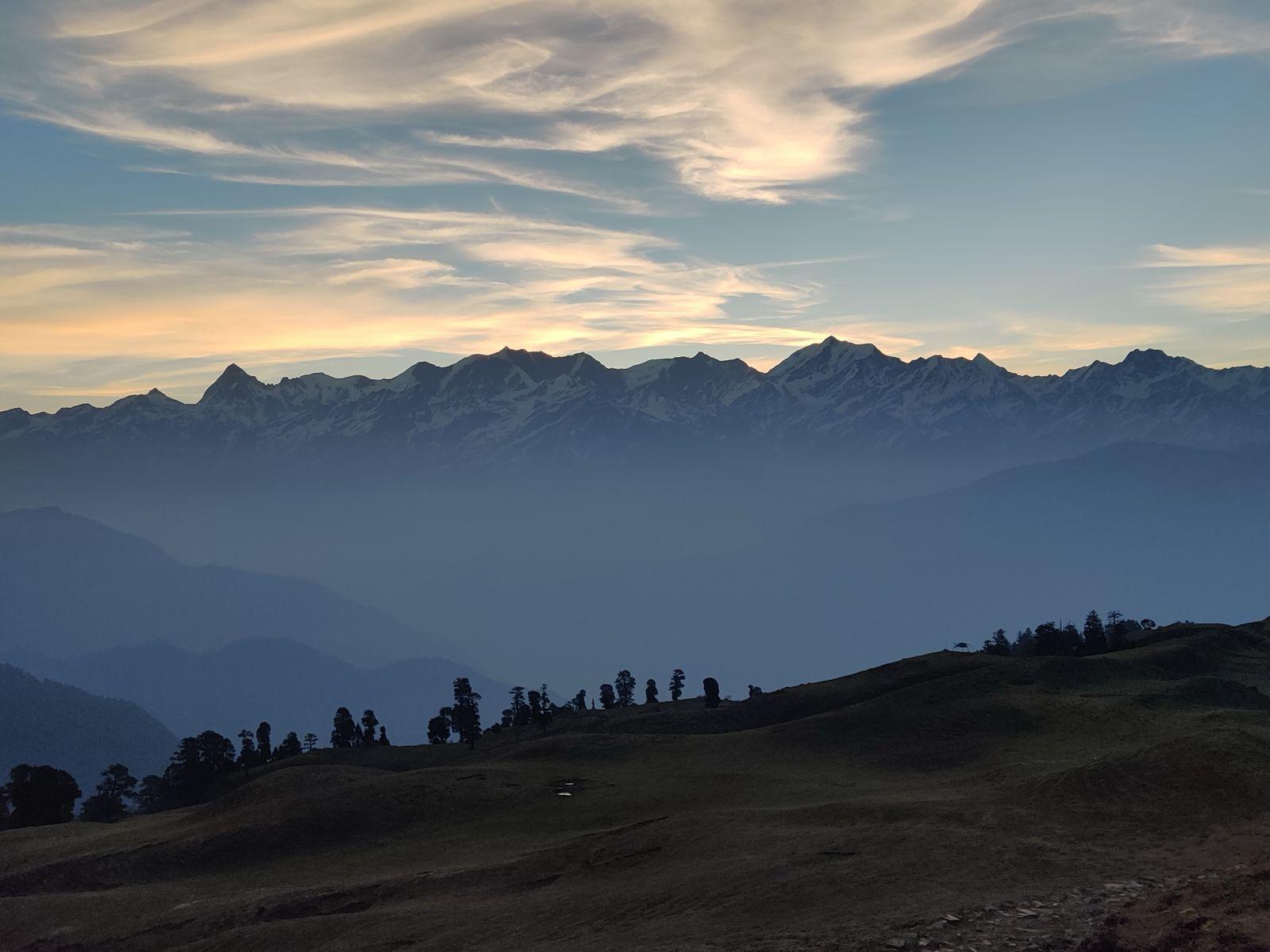
Out by 4 AM. The darkness is worth it — the sunrise from elevation, with Deo Tibba and Indrasan catching first light, is the kind of thing that fixes itself in your memory permanently.
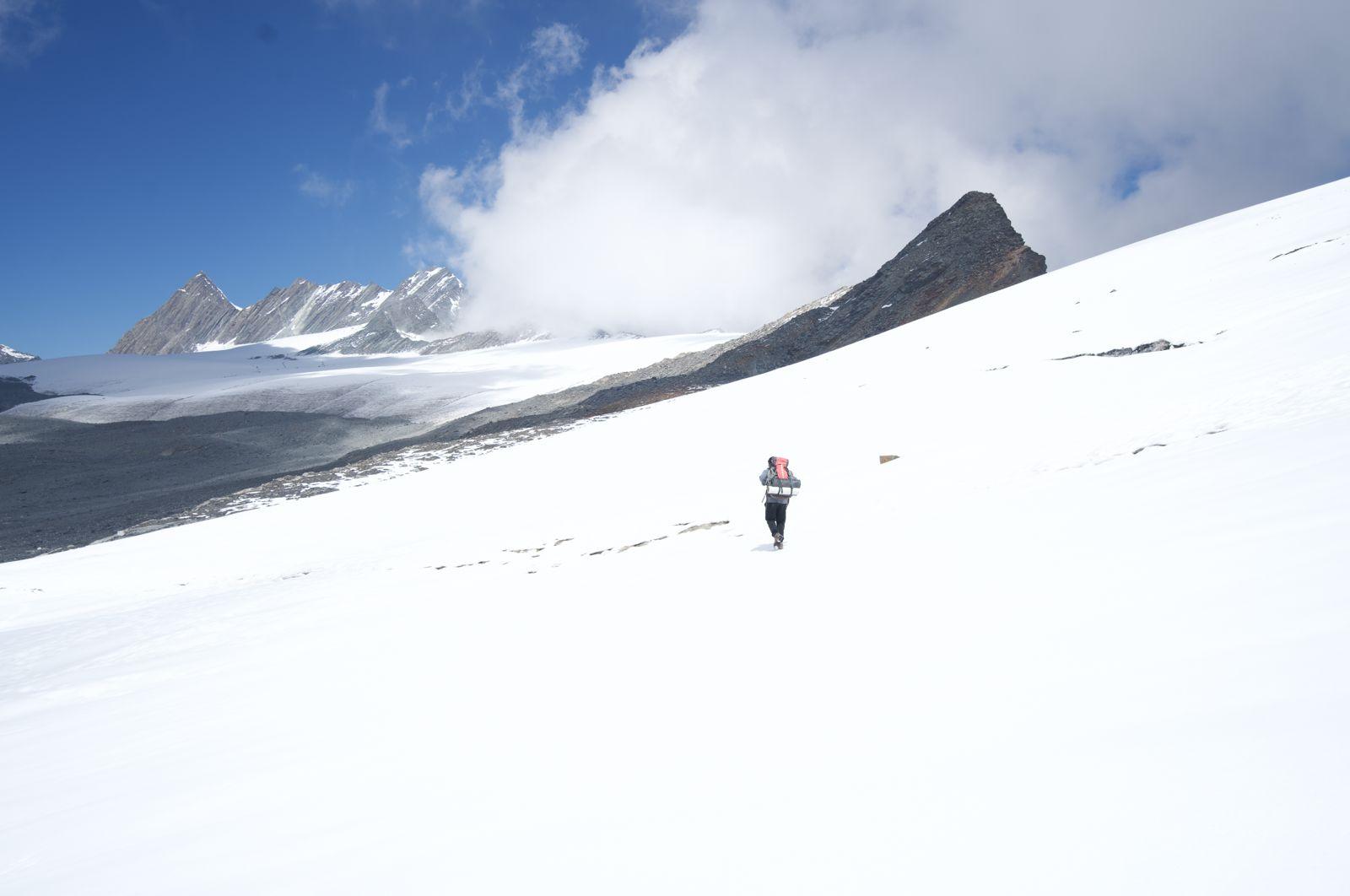
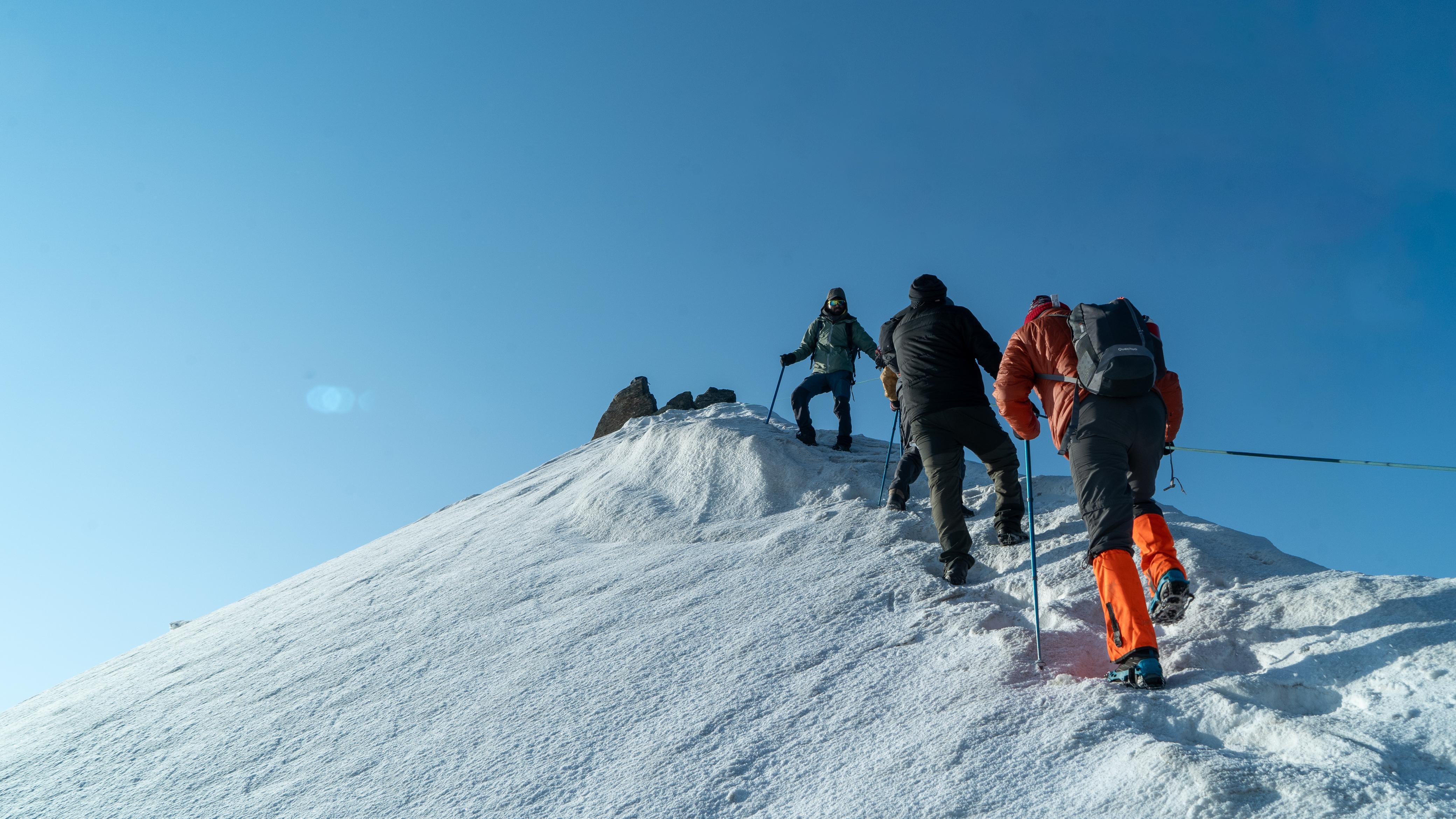
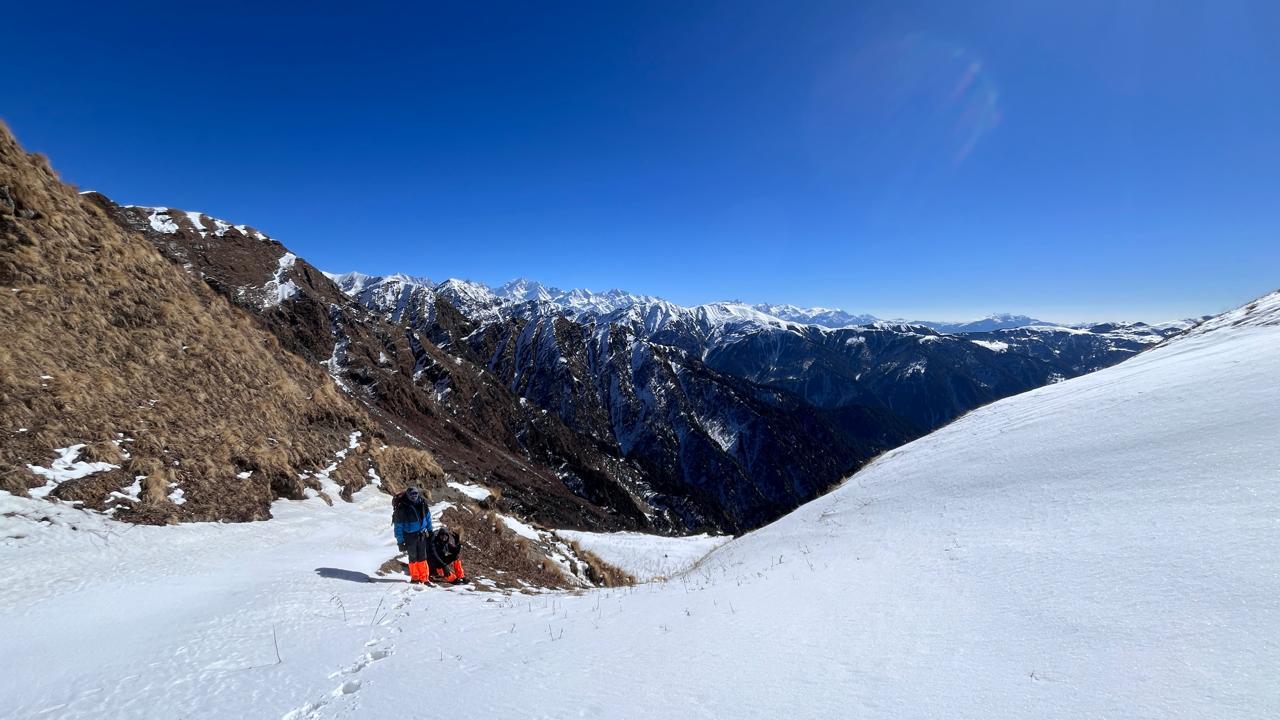
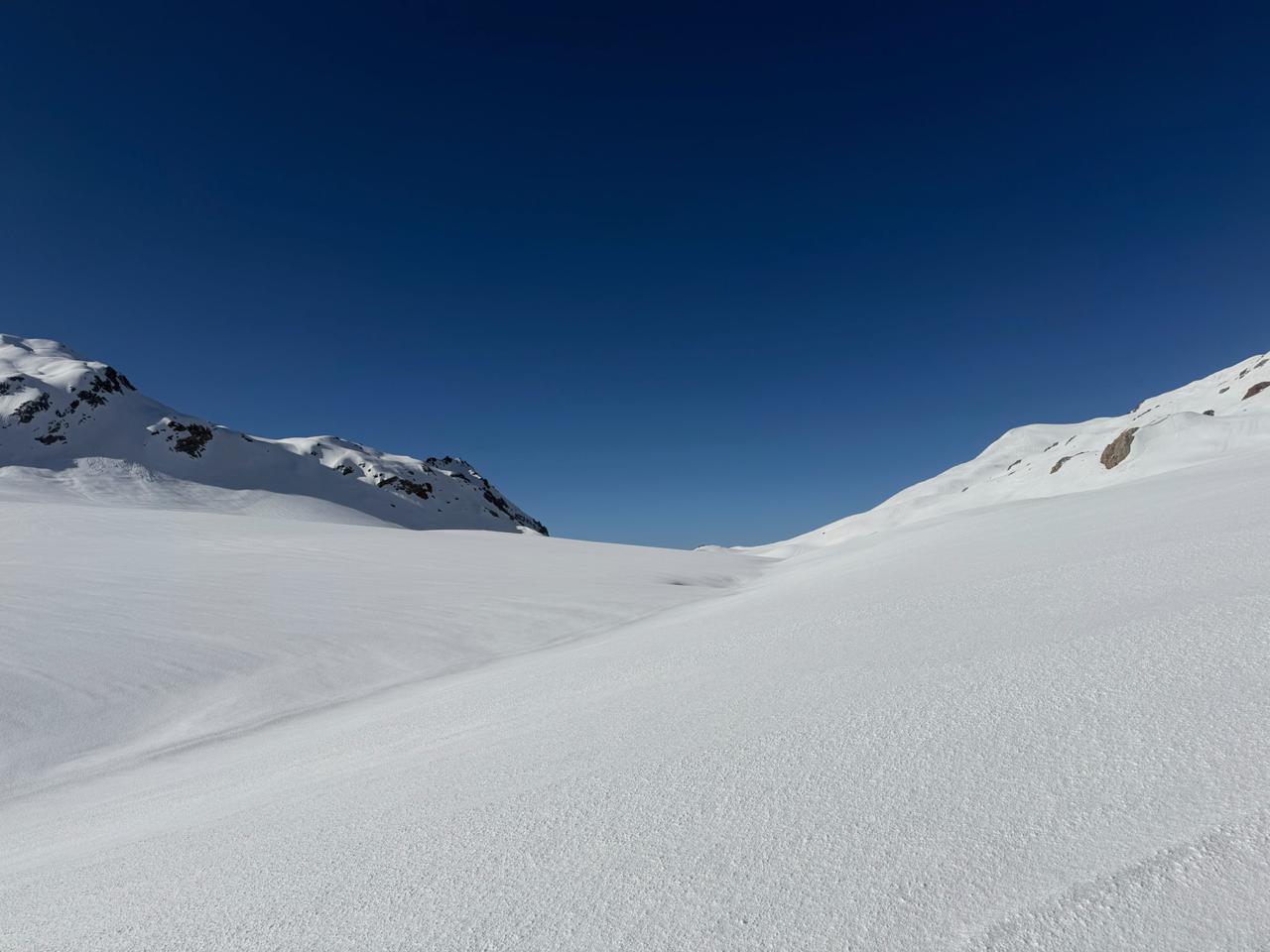
The trail starts on a gradual snow slope before a waterfall signals the real climb. From this point the trail goes steep. Three consecutive snowy slopes, each demanding, each with views that make you stop whether you mean to or not. The pass stays hidden until the last possible step — a small gully, then Kaliheni Pass appears. On one side: the full Pir Panjal range. On the other: the Bara Bhangal valley dropping away into wilderness.
The descent back to Saghor is steep over glacier and moraine.
Day 6
Saghor to Rani Sui
Distance: 8 km
Trek Time: 7–8 hours
Elevation: Descent from 13,123 ft, re-ascent to Rani Sui
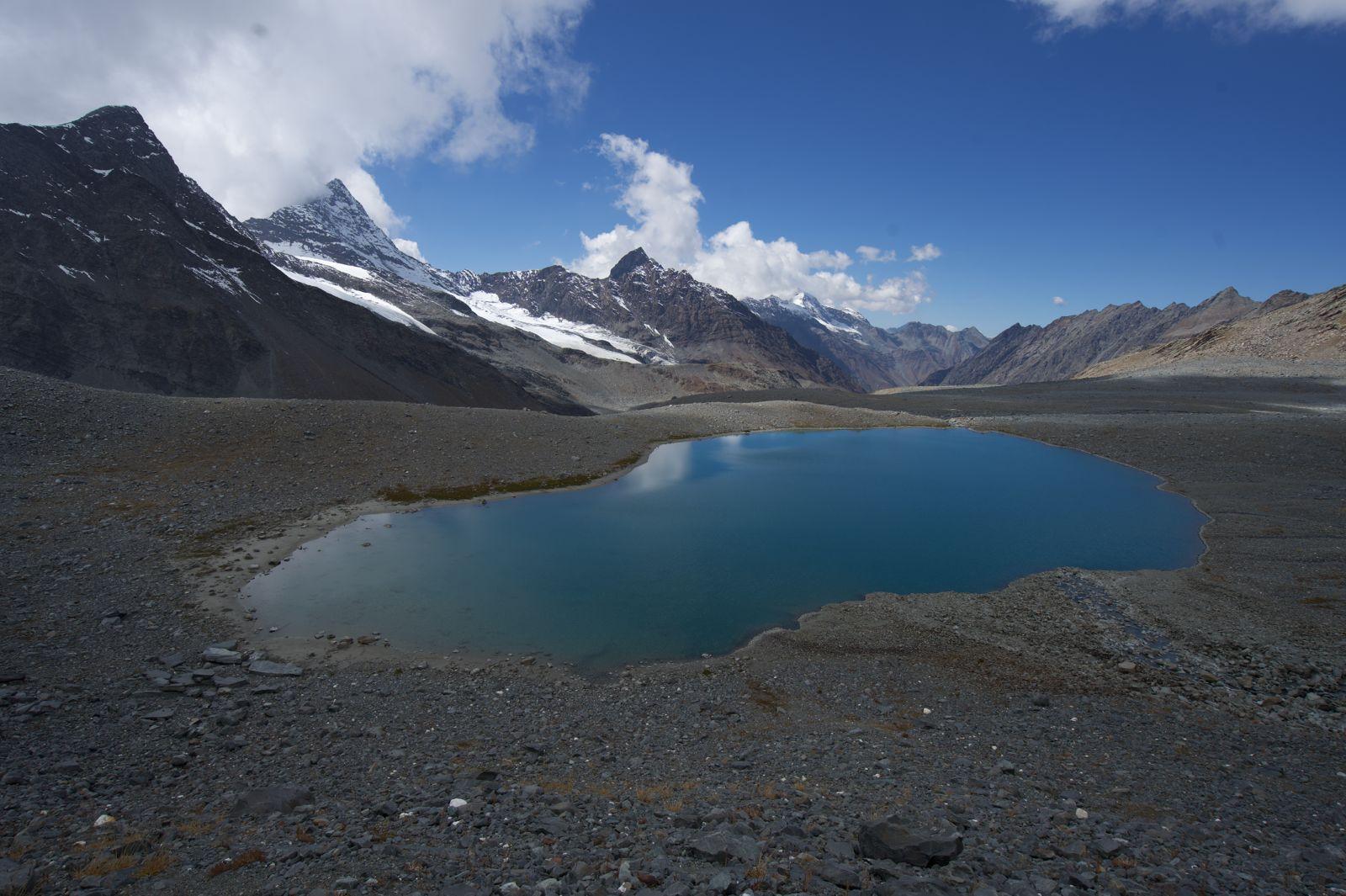
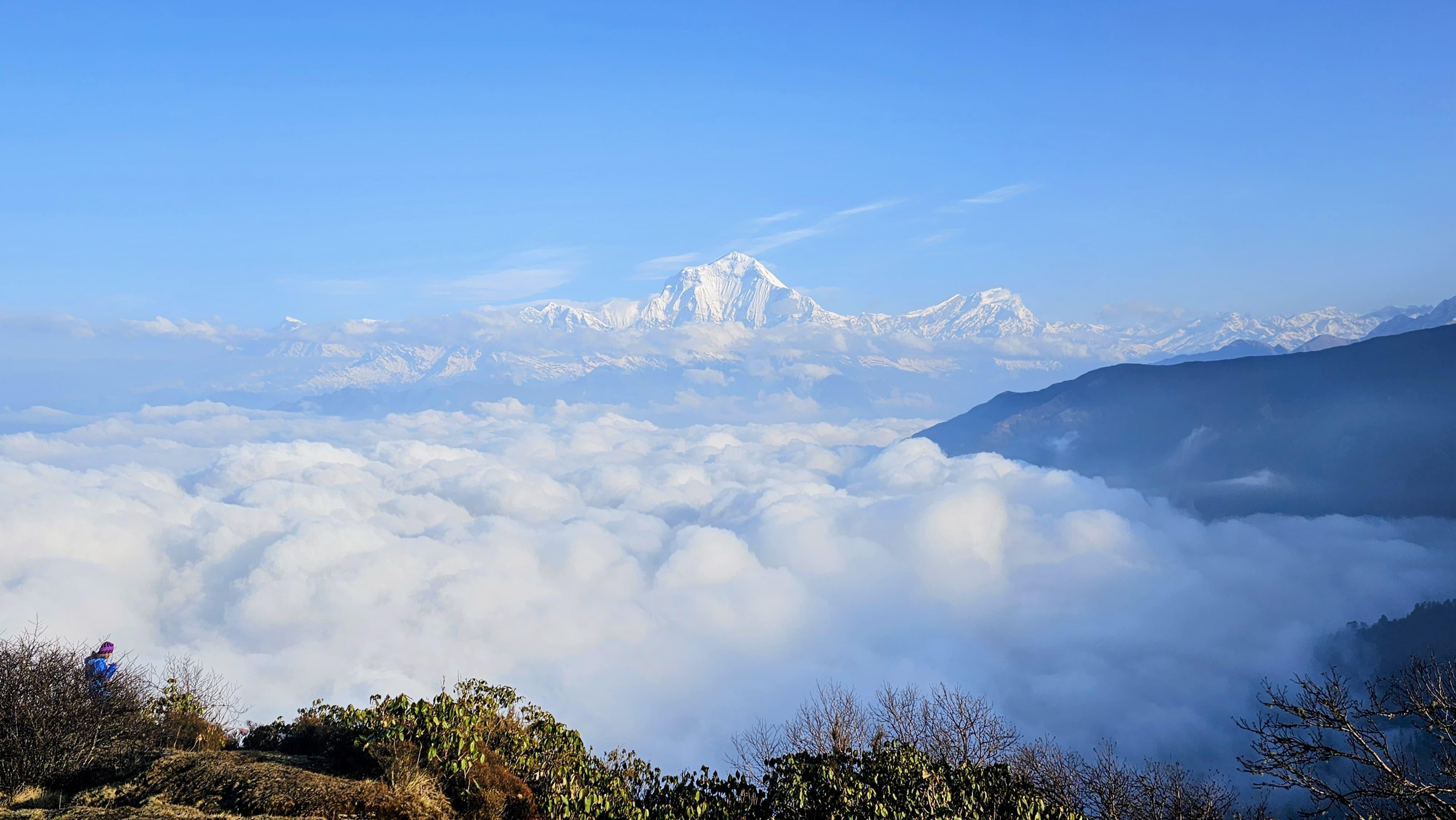
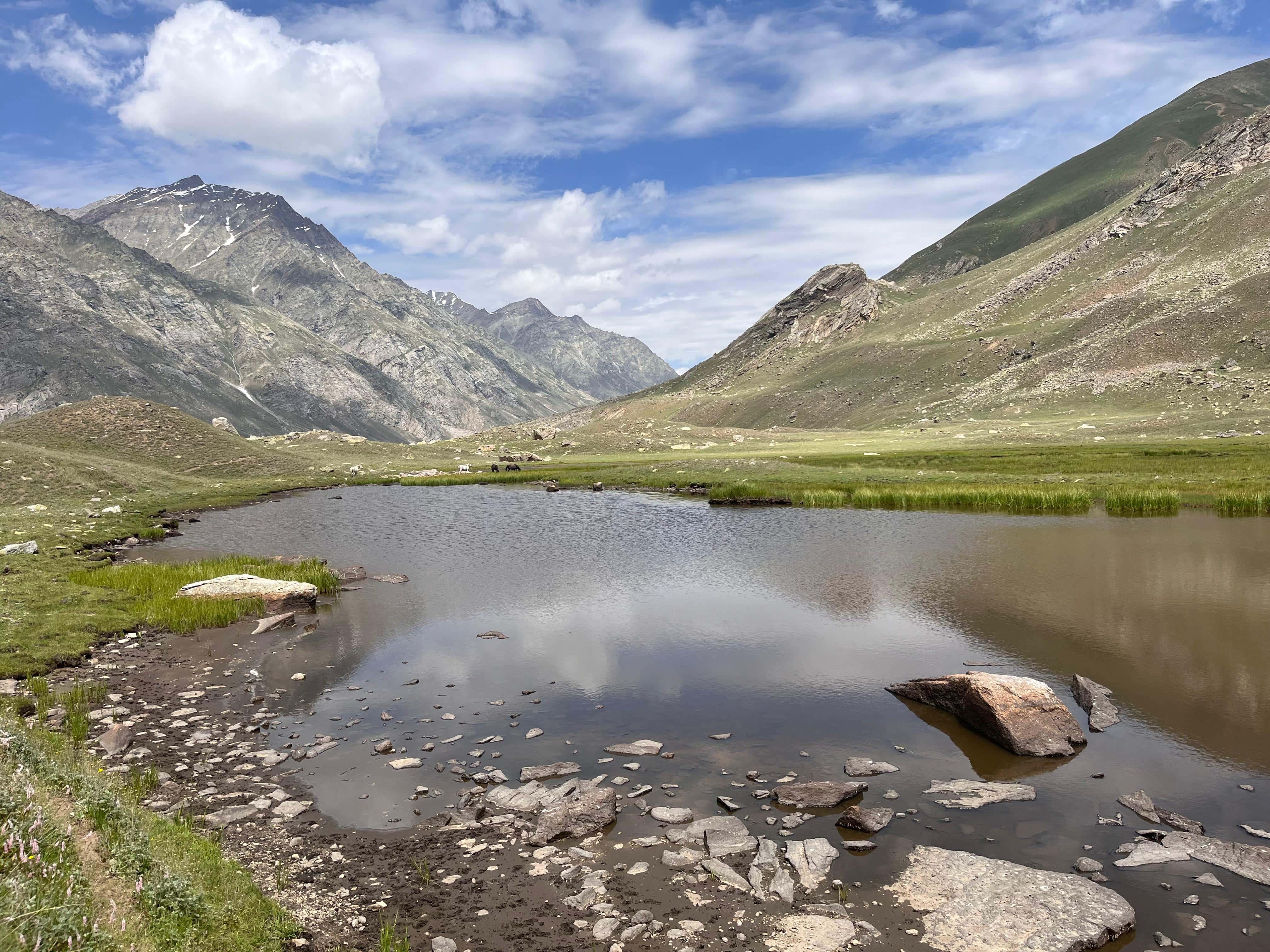
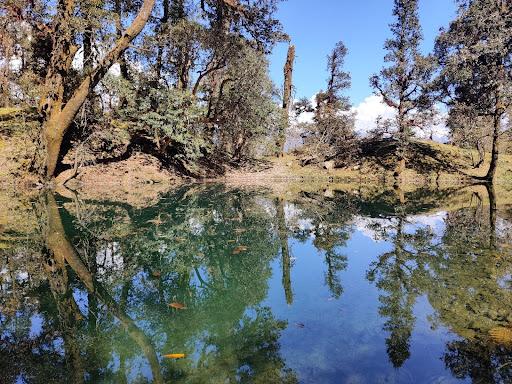
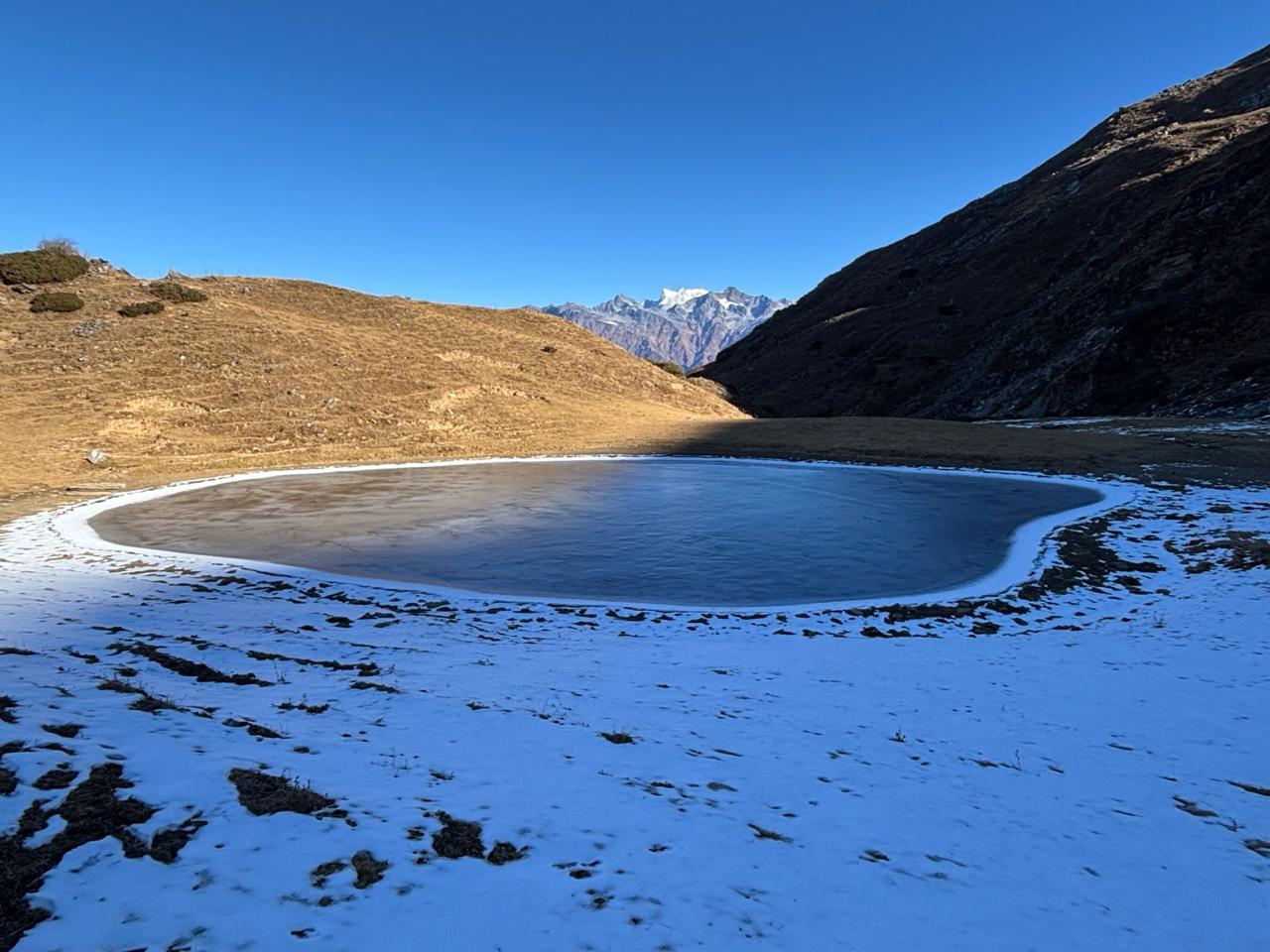
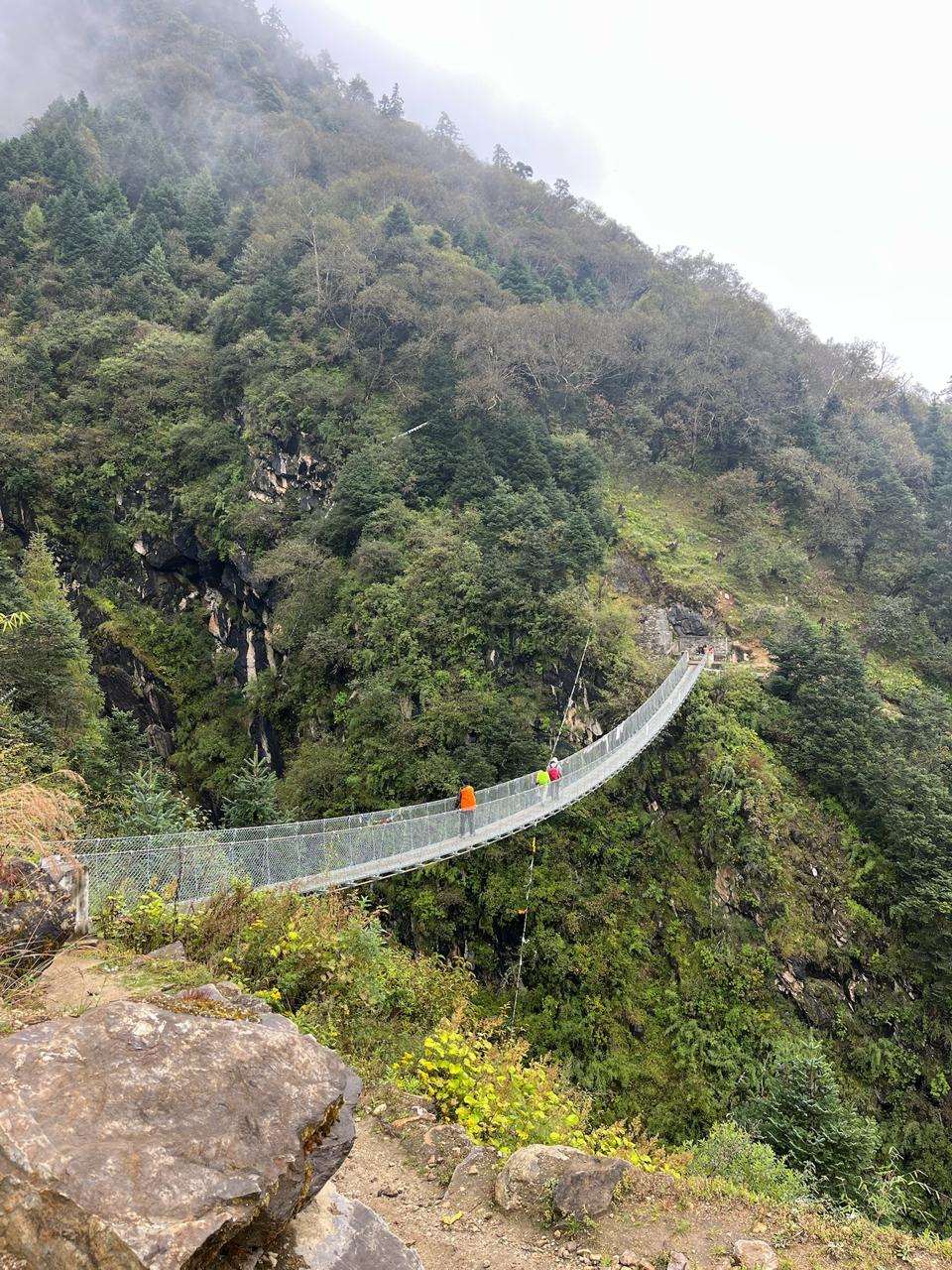
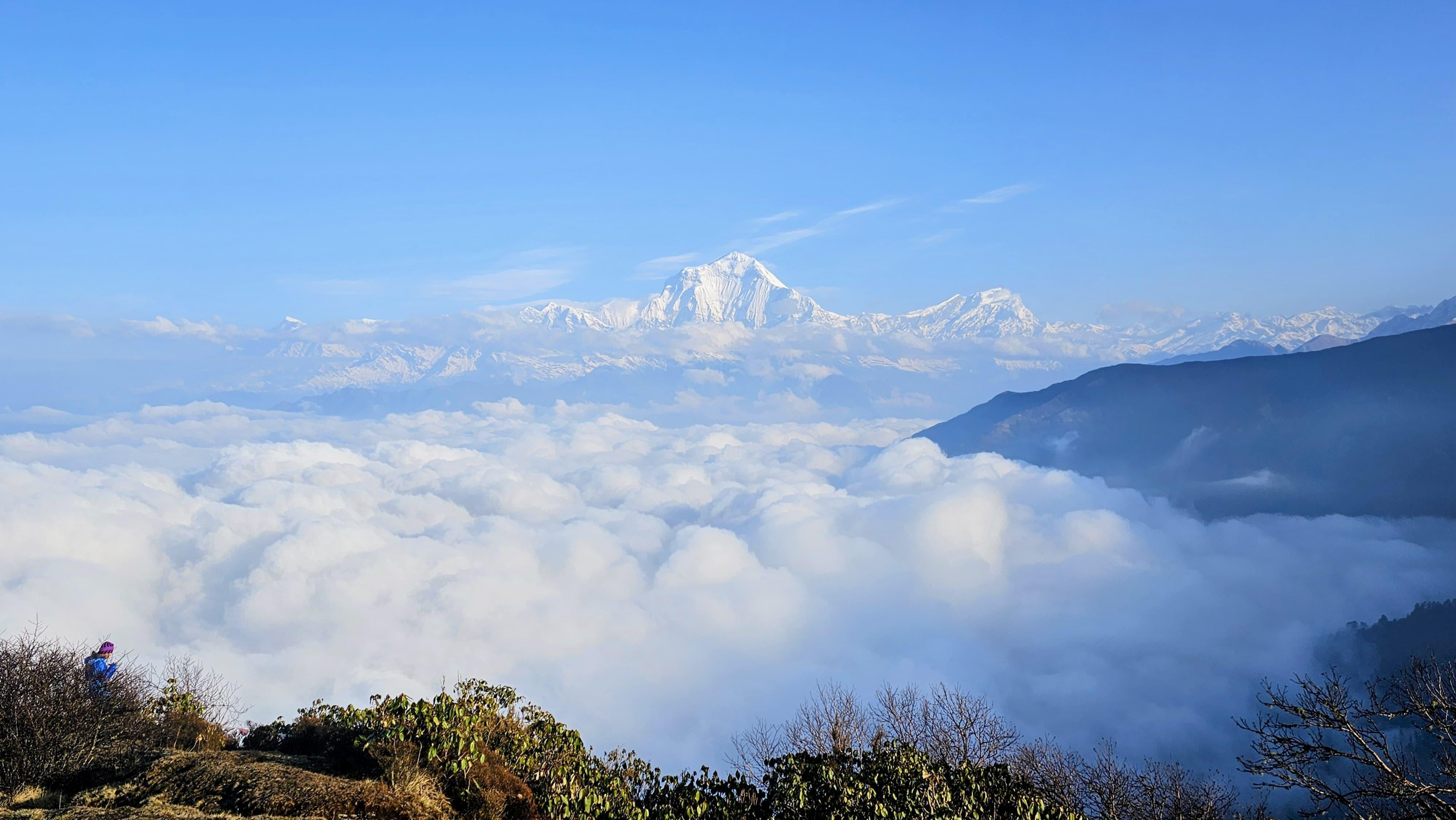
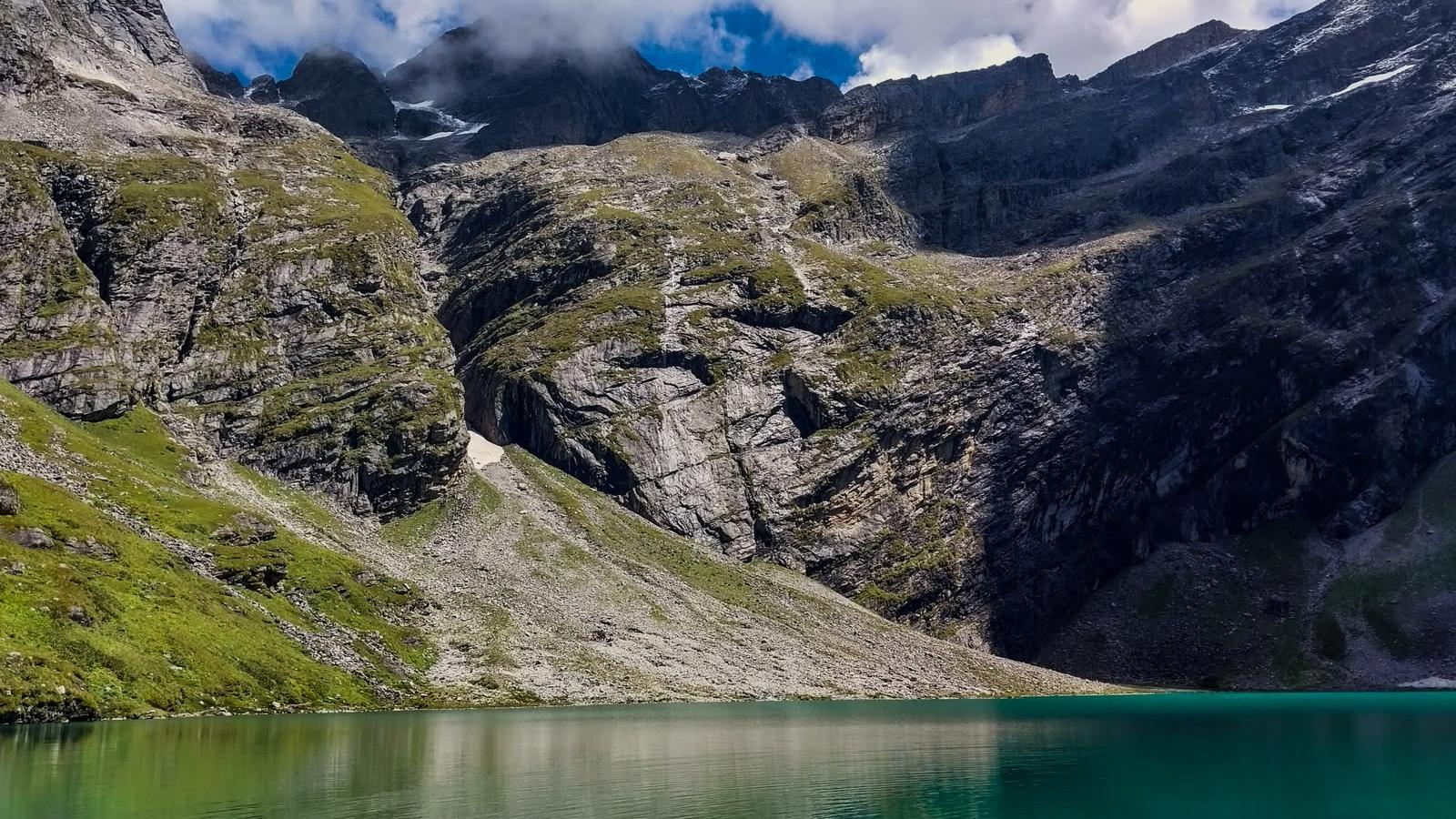
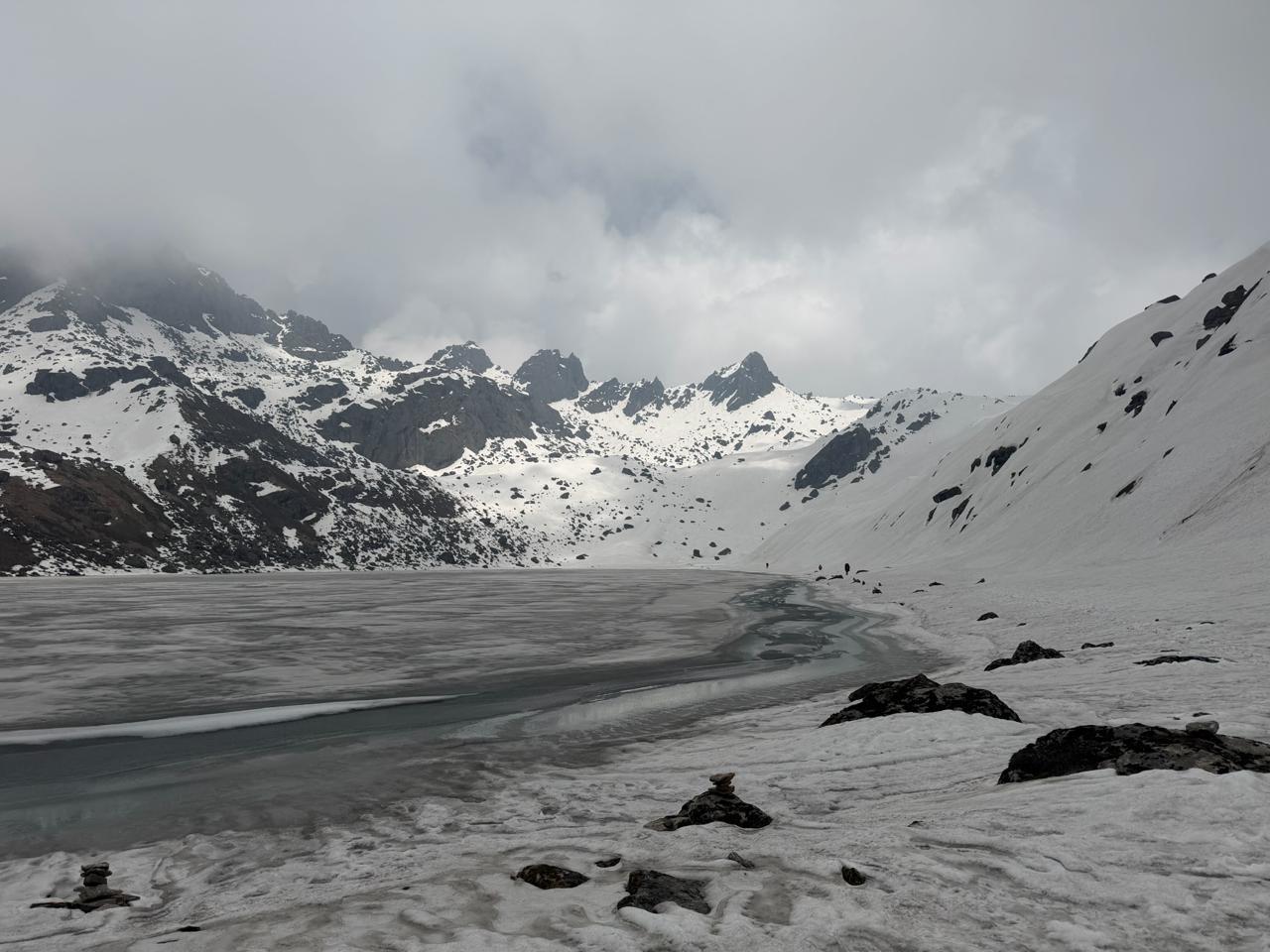
The trail drops back toward the snow bridge, then climbs gradually through familiar terrain to Riyali before continuing on to Rani Sui. The lake is elliptical, sacred to the communities that have called this region home for generations, and ringed by open meadows with full Dhauladhar views. Quiet in the way high-altitude lakes tend to be. A good night to sit outside camp a little longer.
Day 7
Rani Sui to Lamadugh
Distance: 6 km
Trek Time: 7–8 hours
Elevation: Descent from high camps to 9,843 ft via Khanpari Tibba (13,123 ft)
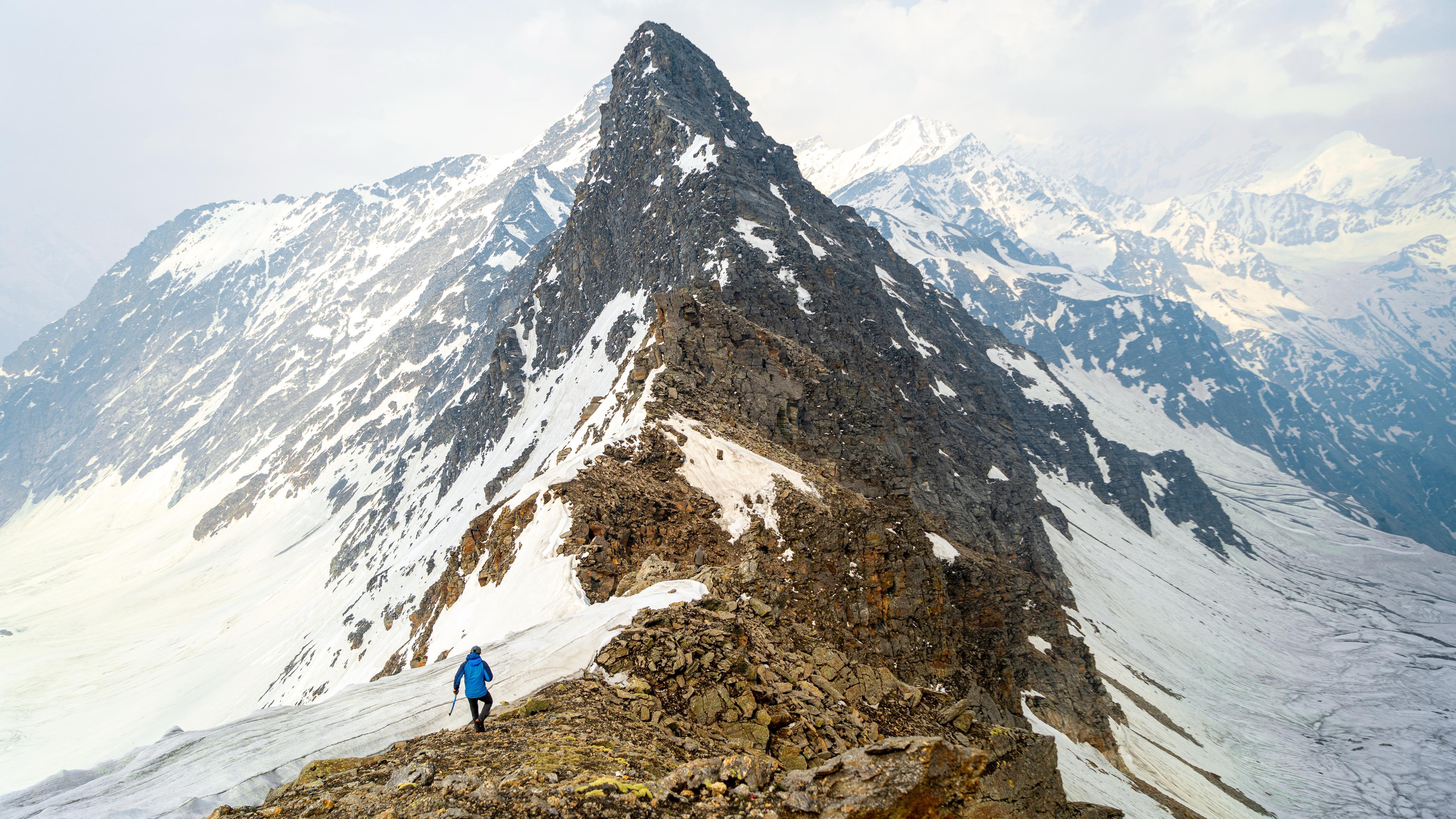
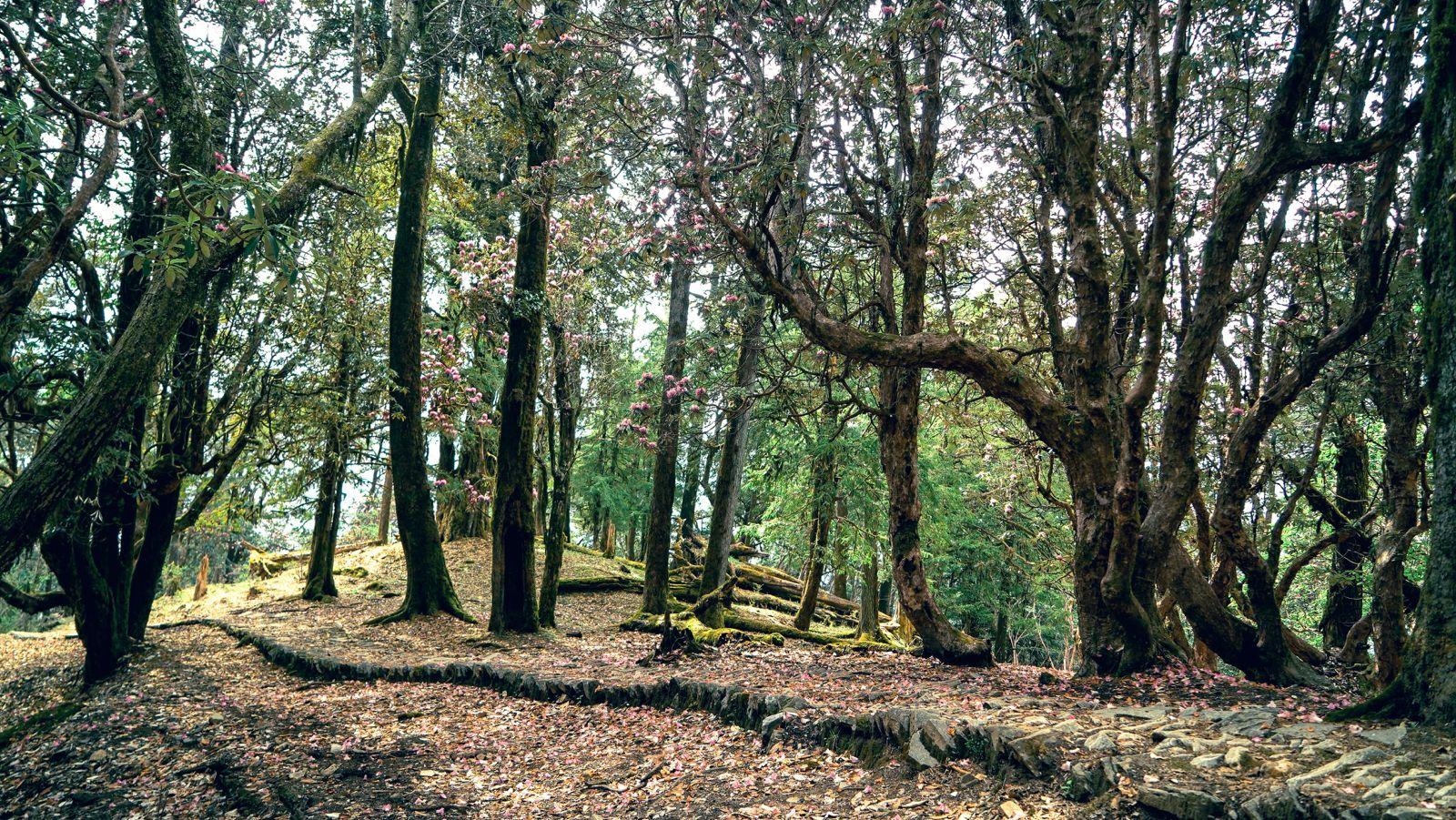
The route to Lamadugh goes over Khanpara Tibba at 4,000 m — a summit worth the detour. The climb is continuous, the ridge section level and wide open, and the top puts the entire traverse in front of you: Beas River Valley to one side, everything you walked over the past days to the other. The descent from the summit is steep and sustained, dropping through a short Rhododendron section before the oak forest takes over and brings you down to Lamadugh. Dense canopy, birdsong, the smell of pine.
Day 8
Lamadugh to Manali
Distance: 7 km
Trek Time: 4–5 hours
Elevation: 9,843 ft to 6,562 ft
Breakfast, then down through pine forest with Manali coming into view gradually below. The trail ends near Hadimba Devi Temple — worth a twenty-minute stop before walking to Mall Road. By early afternoon, you're back in the town you left eight days ago, except it looks different now.
Who is this trek for?
This trek requires prior high-altitude experience. Showing up fit is the baseline, not the qualification.
Fitness: You should be able to run 5 km in under 30 minutes and sustain 10 km days with a loaded pack. Include squats, lunges, and stair climbs in your prep — the descents on Day 5 and Day 7 are long and steep.
Experience: At least one completed high-altitude trek above 4,000 m. Day 5's pass crossing involves glacier travel, steep scree, and a sustained 9–10 hour day. This is not the place to find out your altitude ceiling.
Age: Minimum 13 years. Participants between 13–17 must be accompanied by a parent or guardian. Above 60, a fitness certificate from a registered physician is required.
Health: Inform the team of any pre-existing medical conditions before registration. Altitude sickness is a real variable on this route. If you've had issues at elevation before, speak with a doctor first.
Inclusion
Exclusion
SELECT DATE TO REGISTER

Thank You!
Your form has been submitted successfully. We'll get back to you soon.
₹ 21,499 + 5% GST
